Lebensborn
-
Dates2019 - 2024
-
Author
A long-term documentary project on birth politics in the Third Reich, focusing on the Nazi Lebensborn program, designed to engineer a new generation of ‘racially pure’ Aryan citizens and the enduring impact on the lives shaped by it.
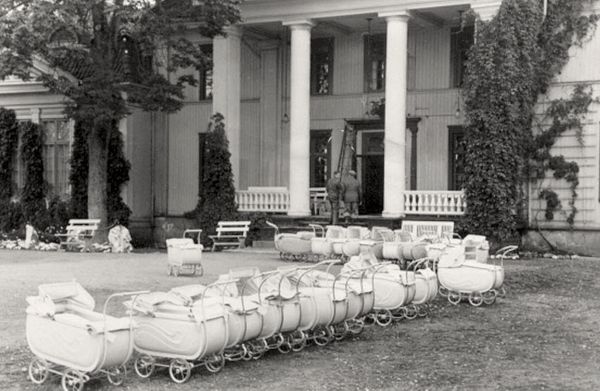
On December 12, 1935, a program was started in Germany to provide the Third Reich with the new generation of leaders and SS officers; Lebensborn (“Source of Life”). SS-officers were encouraged to reproduce as much as possible, including out of wedlock. In several clinics spread over Germany, Norway, Belgium, France and Poland, (unmarried) women, if they met the requirements of the Aryan race, could give birth to their children. Outside of Germany it was mainly the case that German soldiers had relationships with local women. The architect behind this plan, Heinrich Himmler, aimed to improve the ‘racial quality’ in the new empire to be built on a National Socialist basis with these blue-eyed, blond-haired and light-skinned children. The birth rates had dropped dramatically and something had to be done. When it turned out that this program did not bring enough new Aryan souls, thousands of children with blond hair and blue eyes were kidnapped from Eastern Europe and taken to German homes to ‘Germanize’. After the war, the children from these homes and families were often stigmatized and sometimes even mistreated or sexually abused. Many grew up with secrets, the past should not be talked about. The Lebensborn homes were thought to be brothels or ‘stud farms’ for SS-men, as quite some (B)movies implied. Non of these stories were true but they didn’t make life easier for the Lebensborn children.
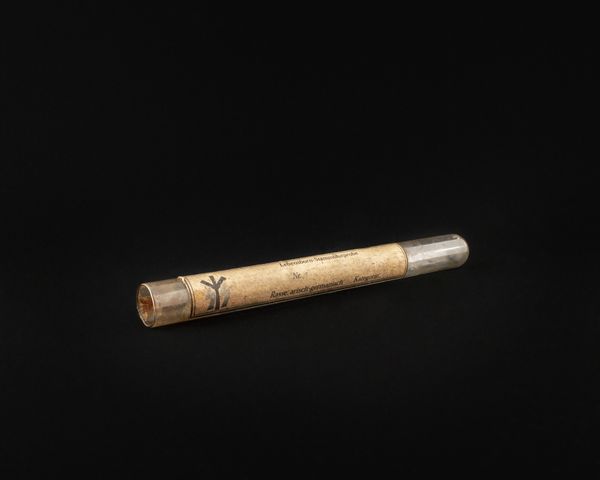
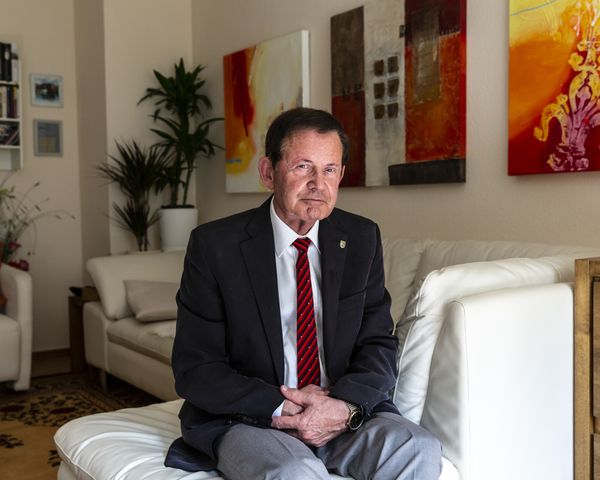
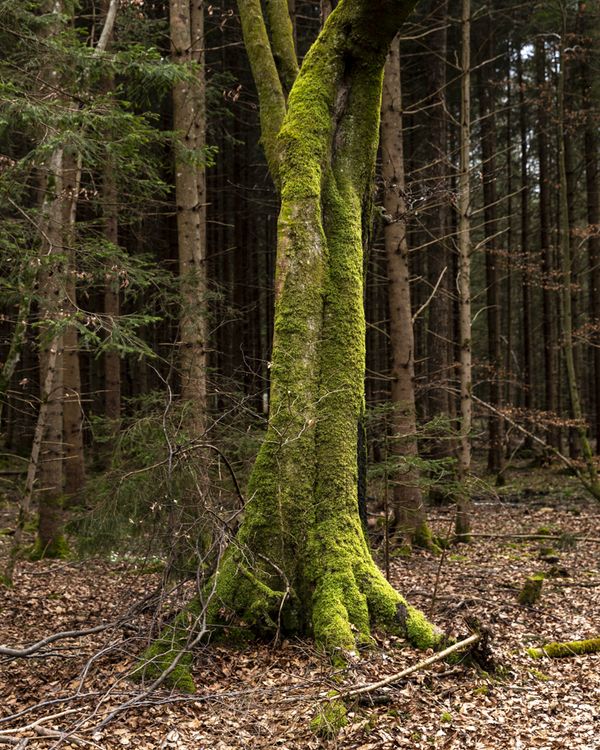
The purpose of Lebensborn is so immense, unreal and horrific that I believe it should never be forgotten. In view of our society that increasingly flirts with nationalism, I think it is important to document and tell these stories from the past so that they will not be forgotten. It is the ultimate example of a scewed sense of superiority. For the project I tracked down these children to interview and portray them. I also did extensive archival research and I photographed relevant objects and documents such as birth certificates. In addition, I visited several homes (where women could give birth to their Aryan children) in Germany, Austria and Norway. 'Guilty landscapes' are a part of the project as well. A landscape takes on a completely different meaning when these images are combined with stories, portraits and archive images that tell about its history. The project is now a book designed by Rob van Hoesel and published by The Eriskay Connection. Release April 2024. The book was shortlisted for the Historical Book Award in by Rencontres Arles and the Paris Photo Aperture First Book Award. The project was exhibited at Kunsthal in Rotterdam and was the winner of the Emergentes Portfolio reviews and the PhEST Pop Up open Call. The project was published internationally; in Washington Post, GEO.DE, Frankfurter Allgemeine, Volkskrant, NRC, Trouw and more. The Kunsthal exhibition and book were recently awarded the 2nd place for the Dutch storytelling prize of 2025.
Below I will outline the exhibition in Kunsthal but other ideas from curators are always welcome, since there might be less space available. The Kunsthal exhibition is already produced and stored in my studio, which can be used again (or parts of it).
Installation description as it was done in Kunsthal:
Ideally I'd like to start with a short intro of the program using text and then we show the pictures as followed:
First a set of objects:
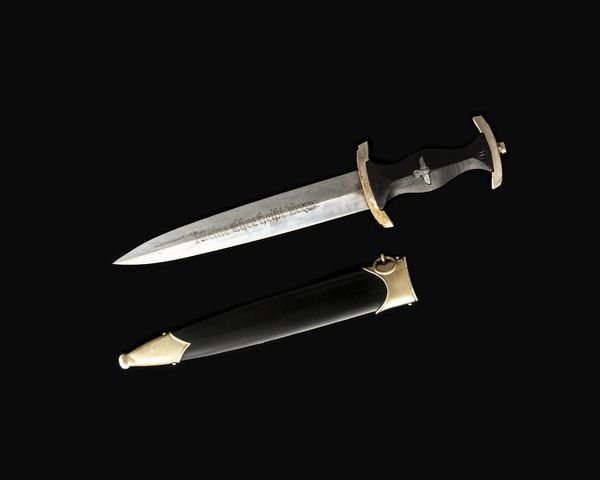
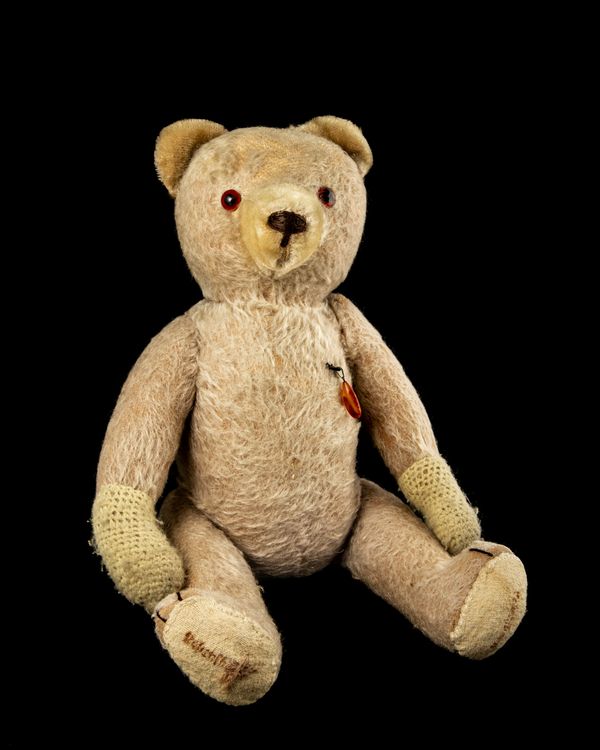
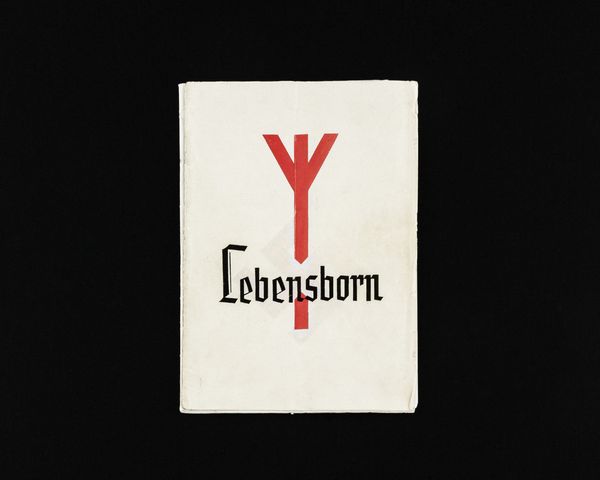
It works well when placing the objects/documents with a black background together in a grid of 2 x 4 images. Size 40x50 cm. There are a lot more of these images than I could send with this open call containing for instance an SS dagger (used for the baptismal ceremony), a Mutter Kreuz (that women would get if they had a lot of babies in Nazi Germany), a spoon from a Lebensborn home (with inscription), Himmler's order for SS to procreate as much as possible etc.
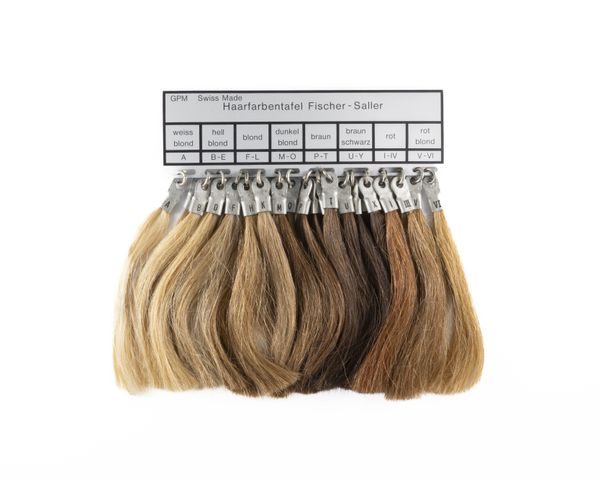
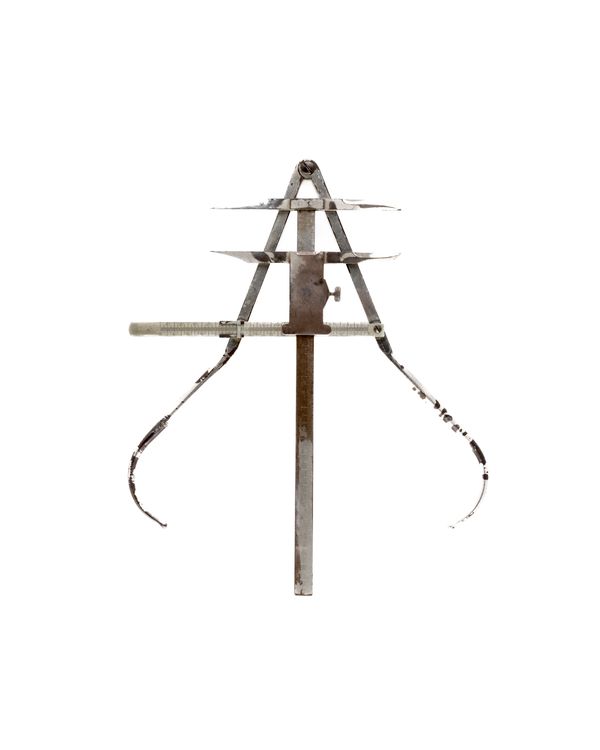
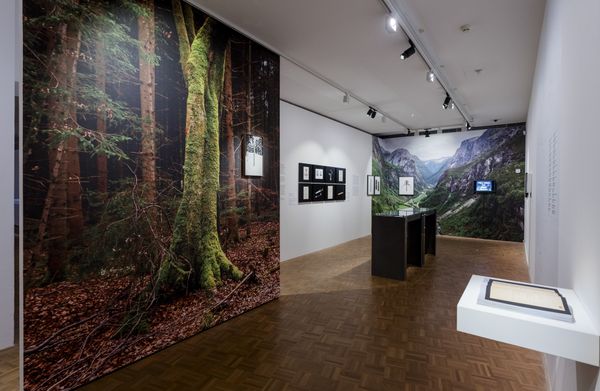
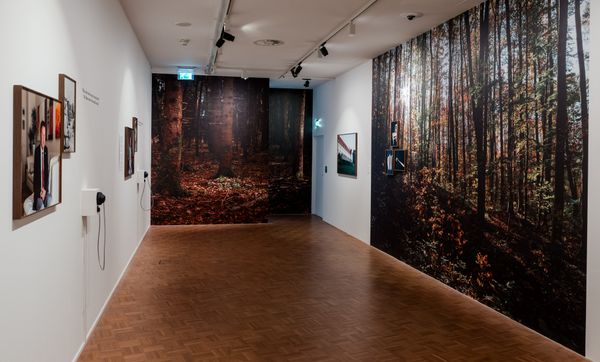
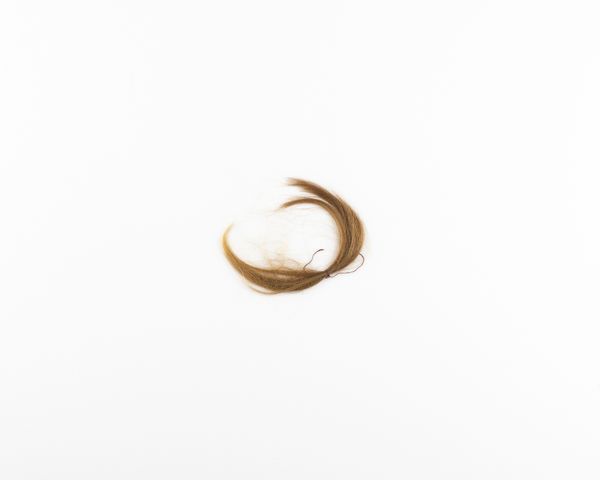
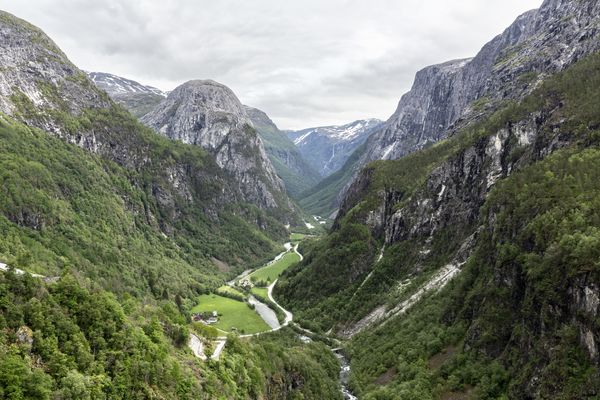
We use a few blow-ups of the 'guilty' landscapes in the exhibition space. This works very well and creates this atmosphere of duality when combined with the measurement devices with white background (48x60 cm). There are three of these devices photographed: a measurement device for eye and skin colour, hair, and head circumference.
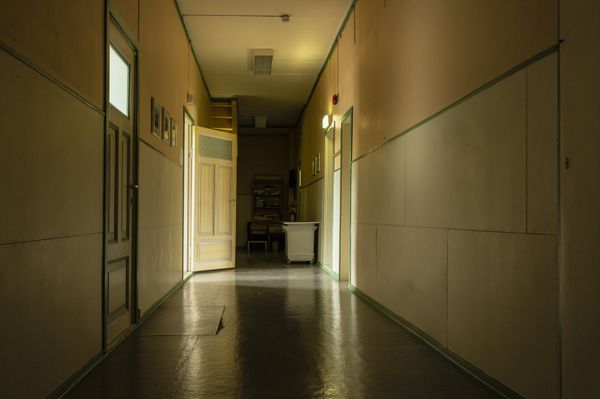
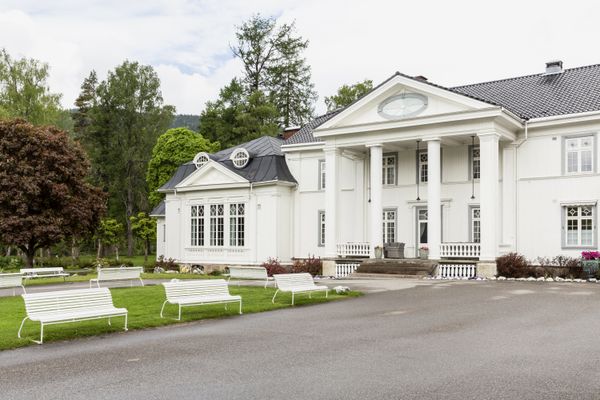
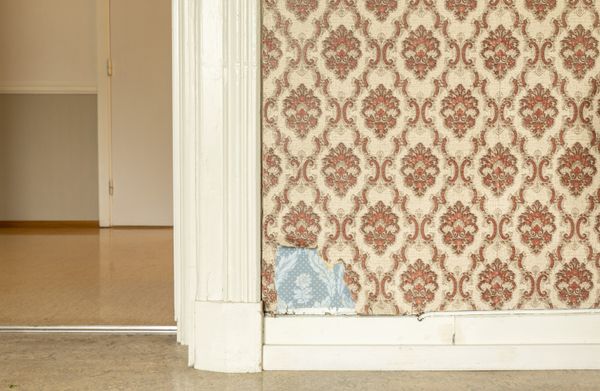
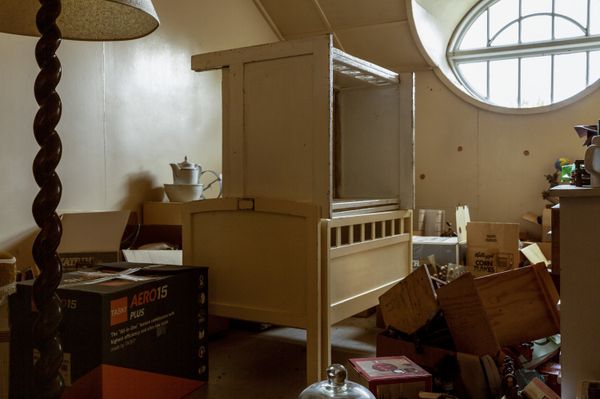
Buildings & Interior can be placed throughout the exhibition space, where it fits, in combination with a blow up landscape.
Protagonists & sound:
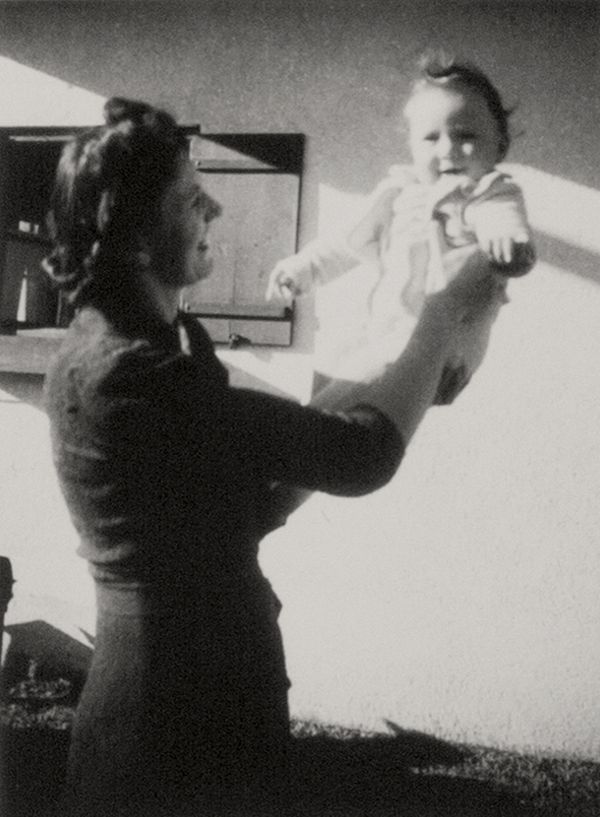
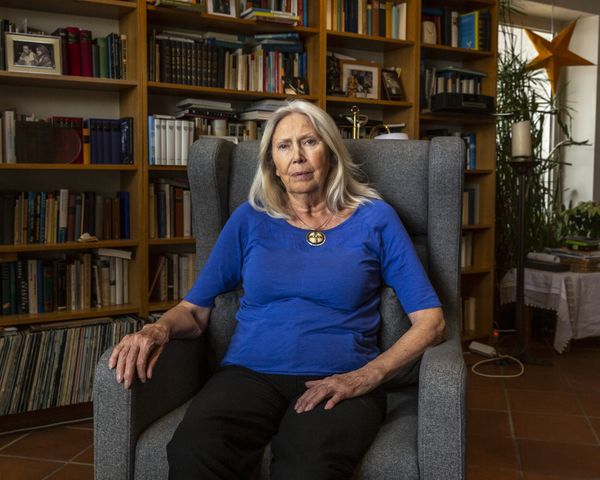
I have three edited interviews where you hear three individuals speaking about their life and experiences, they take about 5-7 minutes each. They are from Gisela Heidenreich, Ingrid von Oelhafen and Michael Sturm. I'd like to show their portraits combined with an archival image and a quote that was used in the book plus a short introduction text. Visitors can then listed to them speak with headphones or it can be played out loud in a loop. Size of the portraits should be bigger than the objects and devices. The archival images smaller.
Propaganda films: An extra addition to the exhibition could be two propaganda films that can be used from USHMM. They show a doctor using the racial measurement devices and another showing the necessity of racial hygiene explained by showing beautiful footage of nature, plants and animals.
Here are the specifications for the expo at Kunsthal: Exhibition Kunsthal just to give an idea. Again, this is not set in stone and I am open for other suggestions and ideas.
4 Wallpaper Landscape
1 Wallpaper Map of Europe
2 Propaganda films, courtesy of USHMM (permission needed)
2 Soundclips with edit of the interviews in English with Gisela & Ingrid, 5-7 minutes
1 Soundclips with edit of the interviews in German with Michae;, 5-7 minutes
3 QR codes and PDF with full text of Gisela, Ingrid and Michael, Dutch & English
Works (sizes exclude frames, all prints on Bariet Fine Art paper)
1 Teddy Bear 640x800mm Matte black frame
8 Black background Grid 400x500mm Matte black frame
3 Measurement Devices White 600x480mm Grey Oak, Art Glass
2 Motherhood Documents Black 450X562mm Matte black frame
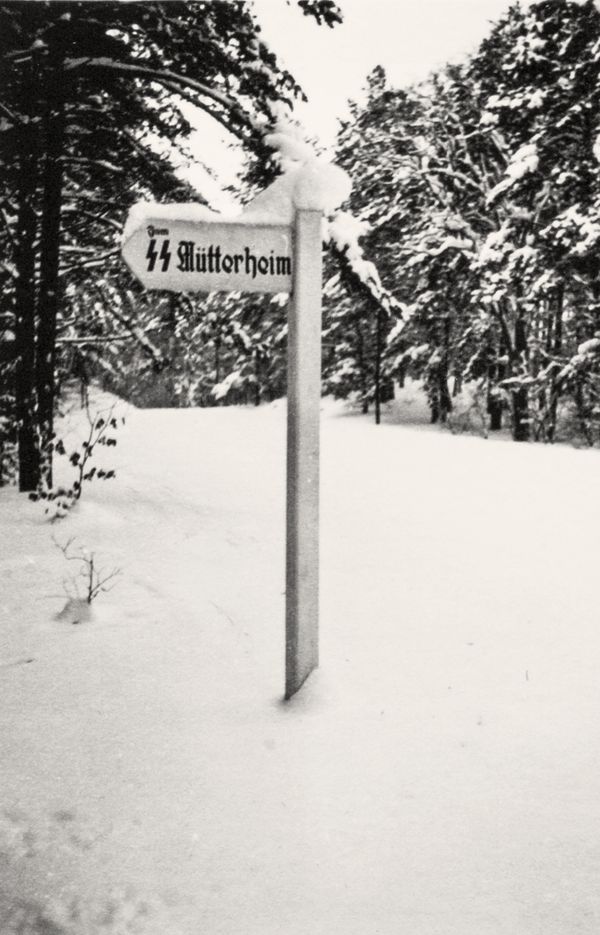
1 SS Mutterheim 470X300mm WENG Waxed frame
3 Portraits 640x800mm WENG Waxed frame
1 Archive child 500x 367mm WENG Waxed frame
1 Archive child 500x 333mm WENG Waxed frame
1 Archive child 500x338mm WENG Waxed frame
3 Interior 533X800mm Dibond with profile
1 Chair 250x375mm WENG Waxed frame
1 Spoon 300x375mm WENG Waxed frame
1 Coffeepot 300x375mm WENG Waxed frame
1 Heim Sonnenwiese 1200 x 800 WENG Waxed frame
Display Cabinets
1 Book Johanna Haarer In my posession
3 Racial Measurement Devices Borrowed from Rijksmuseum Boerhaave
3 Archival Photos 100x150mm Matte paper dibond
1 Archival Illustration 250X168mm Bariet on dibond
1 Archival Illustration 220x176mm Bariet on dibond