L'dor V'dor: From Generation to Generation
-
Dates2022 - Ongoing
-
Author
“L’dor V’dor: From Generation to Generation” is a retelling of my family’s escape from antisemitic persecution during the Holocaust, emphasizing the effects this harrowing chapter of their lives had on them as well as — over 80 years later — on me.
The last of the Holocaust survivors are dying. It’s on this generation to remember their stories. Stories filled with hardship and hope, loss and remembrance. Stories hidden in documents, photographs, and objects, scattered like pieces of a jigsaw puzzle. Stories rarely told, that bring a tear to your eye when the words finally spill out. We repeat the phrase “never forget,” but with only 400,000 of the 3.5 million Jews who survived the Holocaust still alive according to a Claims Conference estimate, it is crucial to actively preserve these stories before it is too late.
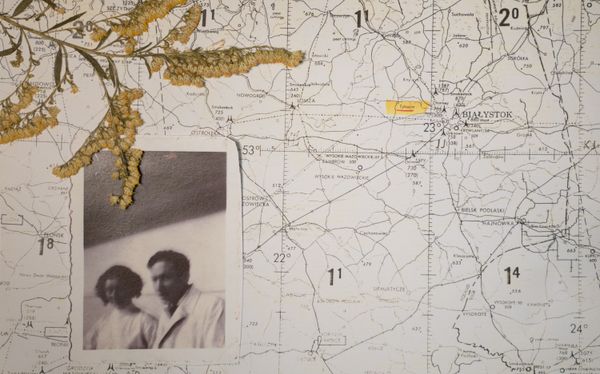
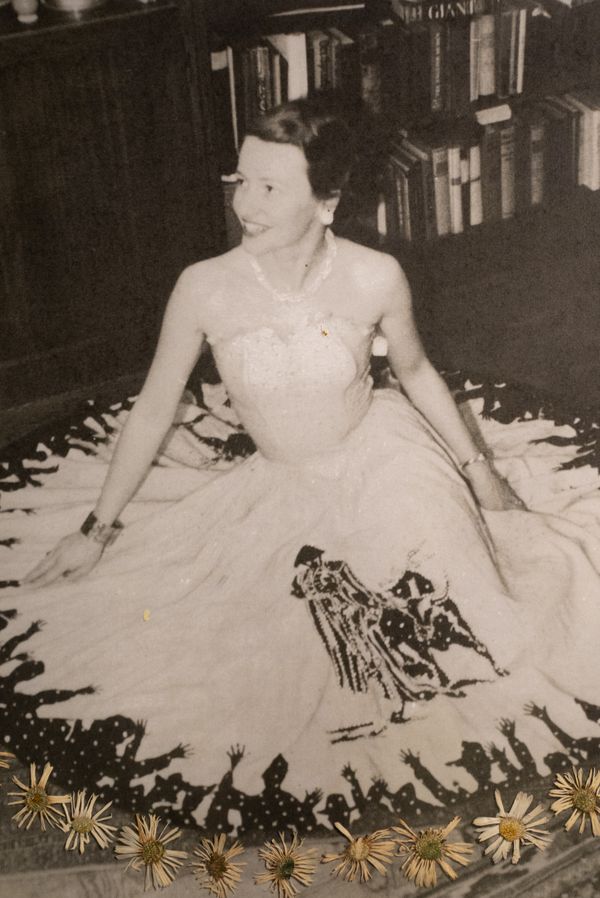
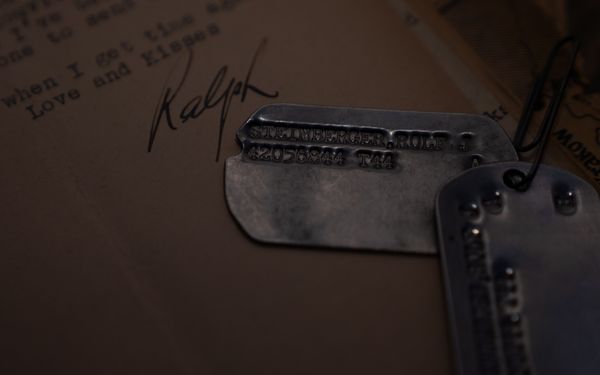
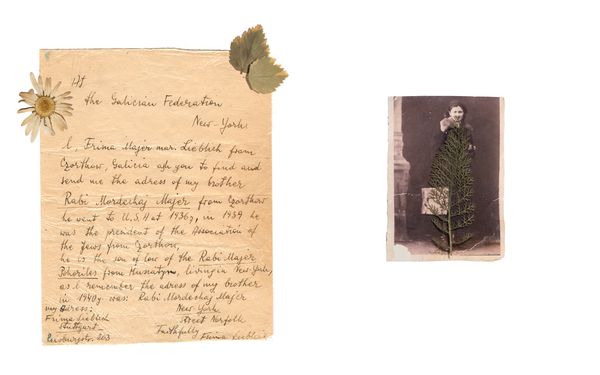
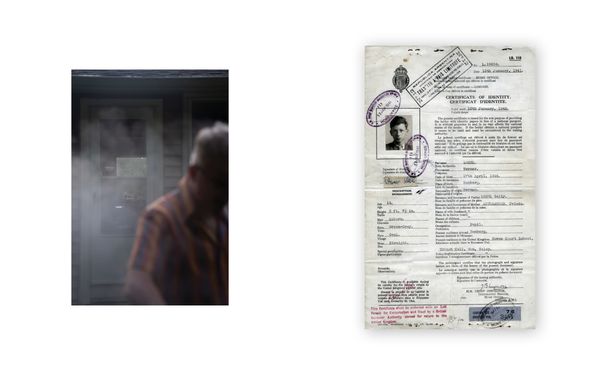
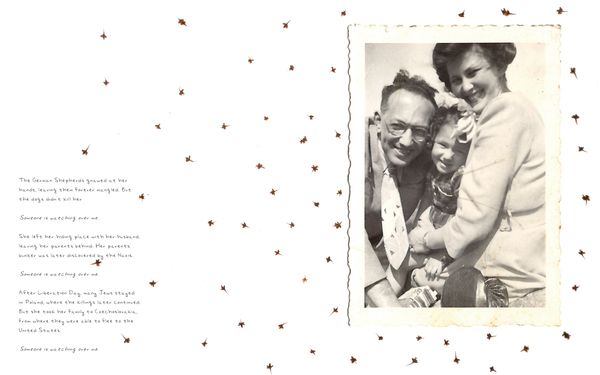
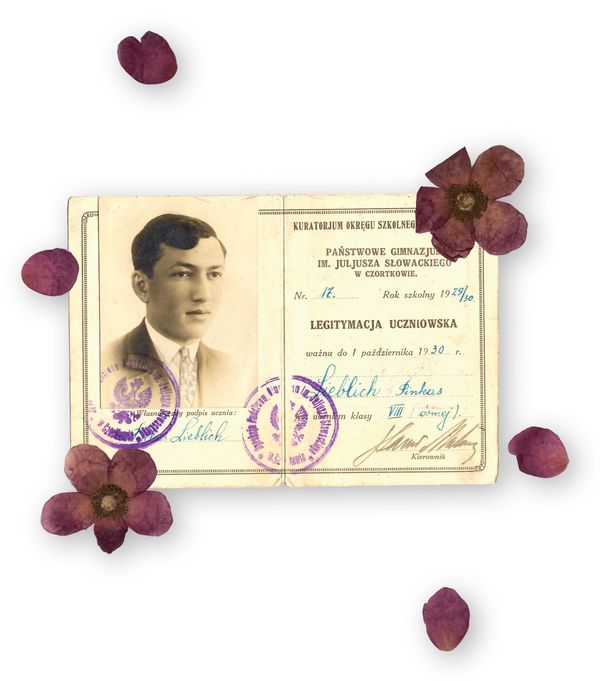
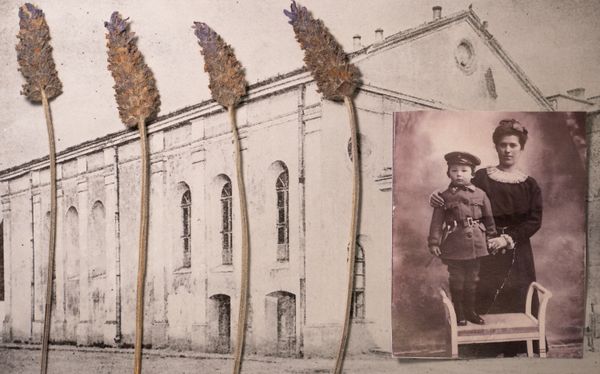
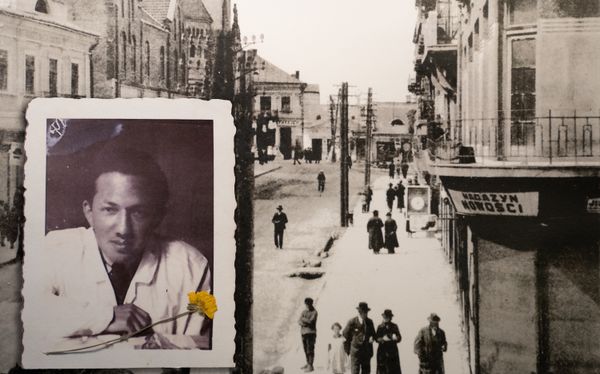
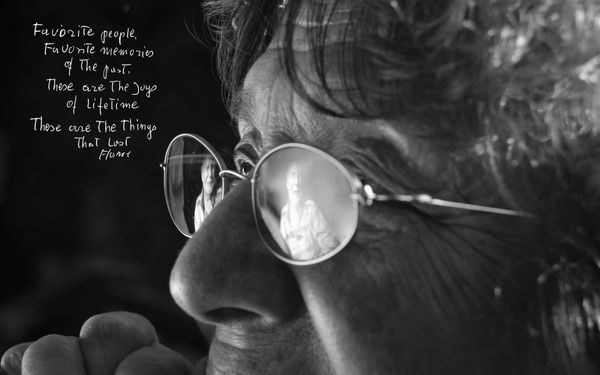
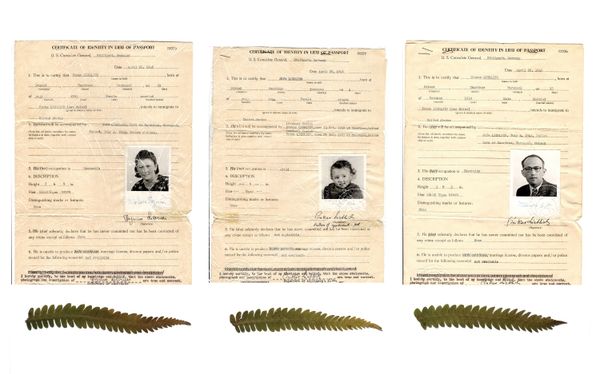
My family is one of these stories. Both sides of my family are Jewish and emigrated from Europe during the Holocaust. My paternal grandmother Erica left Bamberg, Germany, at 14 years old on the Kindertransport with her brother Werner while her parents stayed behind and searched for a country that would grant them visas. Eventually, they met their parents in Ecuador — the only country to let them enter — before leaving for New York a few years later. My paternal grandfather Ralph and his family came to New York from Germany, but he left to fight for the U.S., since German fluency made him a helpful asset in the German prisoner of war camps. My maternal great-grandmother and great-grandfather Florence and Phil hid in a bunker in Czortkow, Poland, and were the only members of either of their families to survive. They had one daughter, my grandmother Gloria, who was born just months after the day they were liberated.
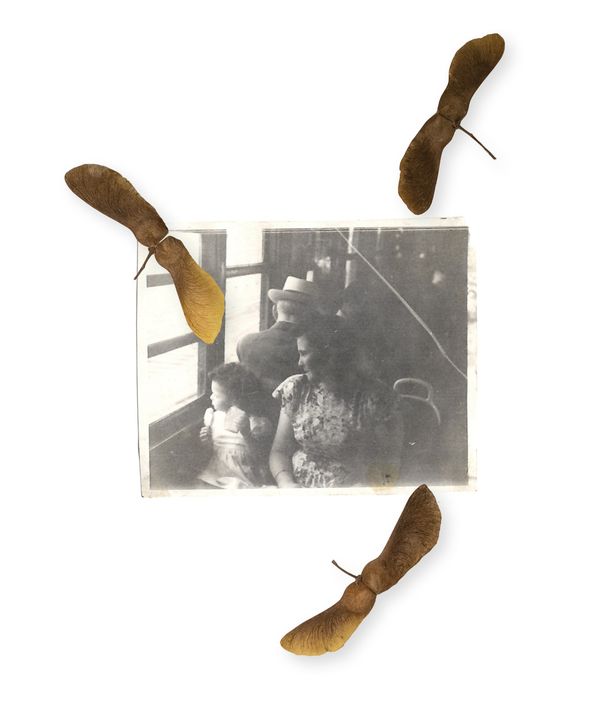
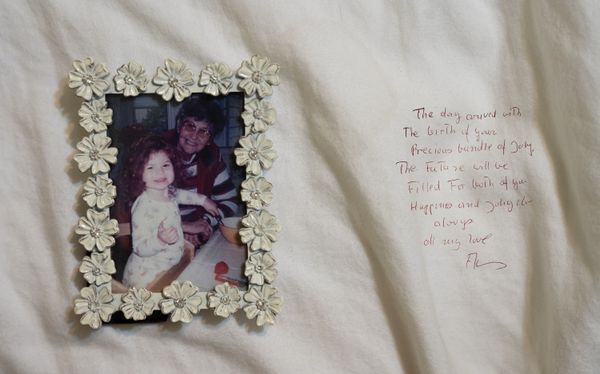
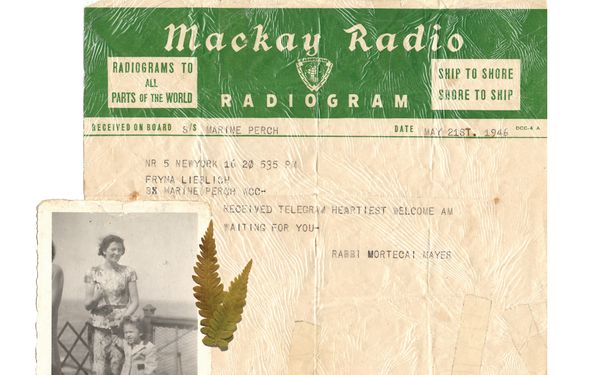
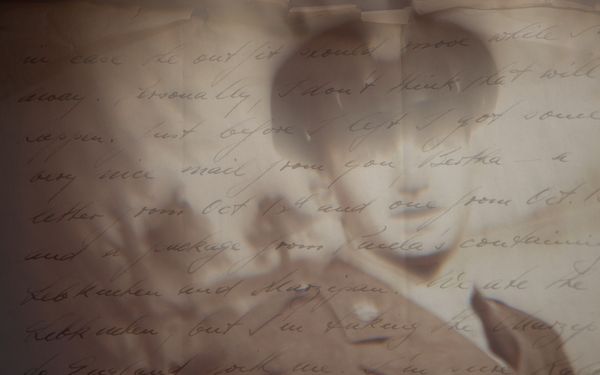
My family members leave behind memories of their lives affected by the Holocaust in photos, diaries, memoirs, official documentation, letters, and oral tales. I consider it a blessing that I have so many first-person accounts of my family's story: in a time where people were actively trying to wipe out any and every trace of the Jewish people, my family was able to preserve their stories. Most Jews, even if they were able to survive the Holocaust, were left without their belongings, their homes, their families.
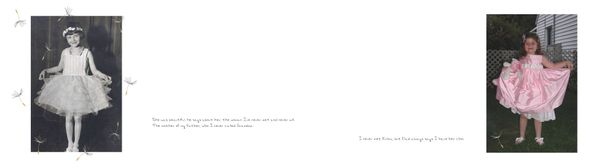
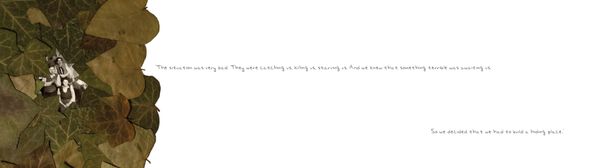
Alongside the materials from my family’s personal archives and my own photographs, I include preserved flora, which has a few meanings. First and foremost, the preserved flowers symbolizes the family history I am preserving by telling this story. Pressing flowers within the pages of books is also a practice that many of the women in my family have done throughout the years; it was an art project my mom used to do with me when I was little. But more than that, pressing flowers is a craft that expands far beyond my family. Many people press flowers, and thus it's a practice they can connect with, similar to my story, which descendants of Holocaust survivors and the survivors of other genocides can relate to.
By piecing together my family's stories, this project — which I intend to publish in the form of a book — explores stories left behind and form the memory of our history, a narrative shared by the hundreds of thousands of families who survived the terror of persecution during the Holocaust.
This is a telling of our story, a documentation of our history.
This is our memory.