La Ronde des hirondelles (Swallow's round)
-
Dates2021 - 2024
-
Author
- Locations Italy, France
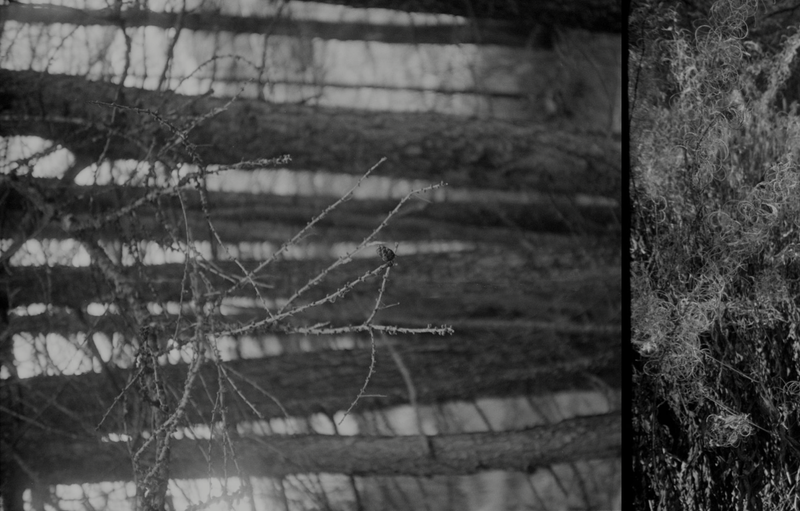
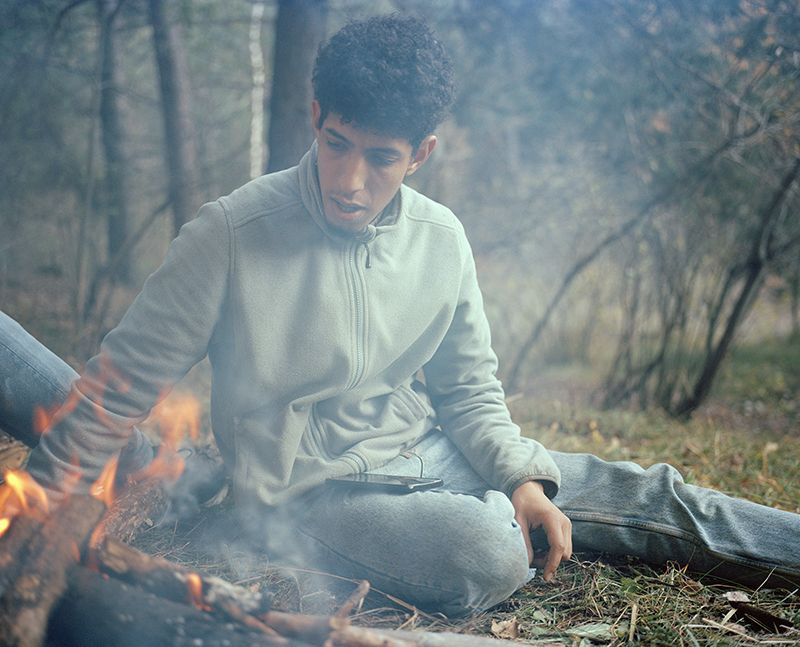
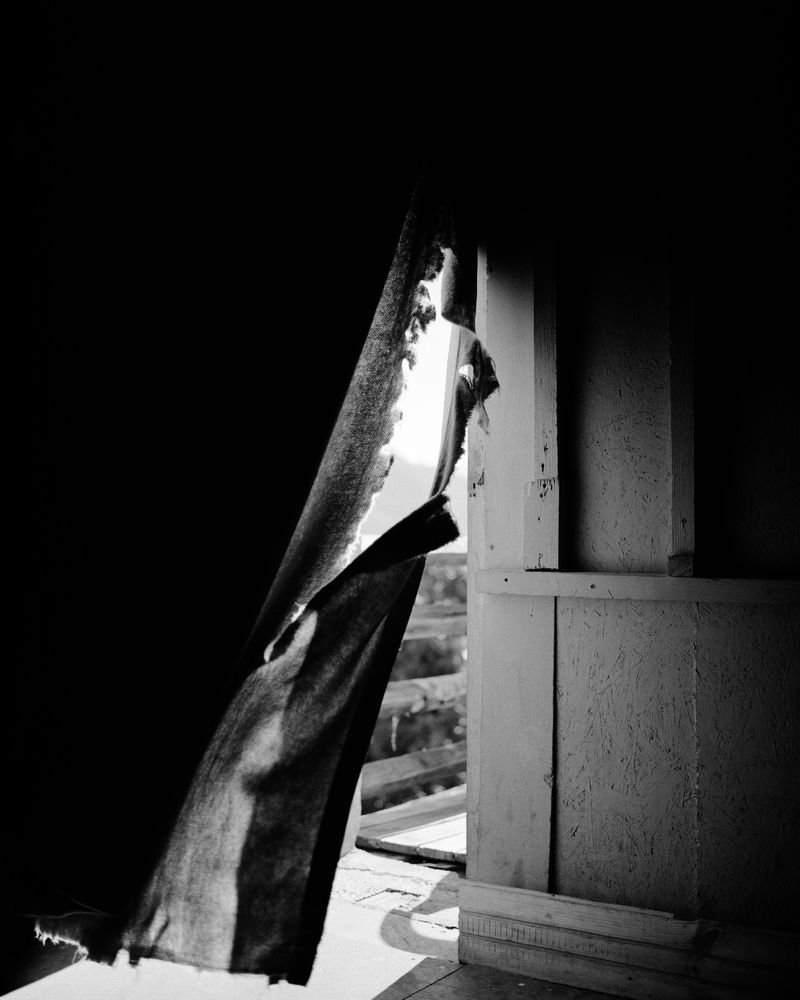
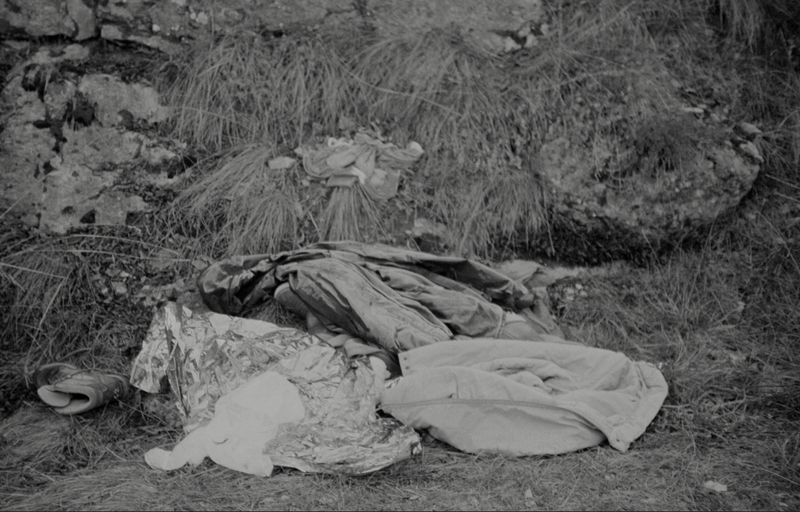
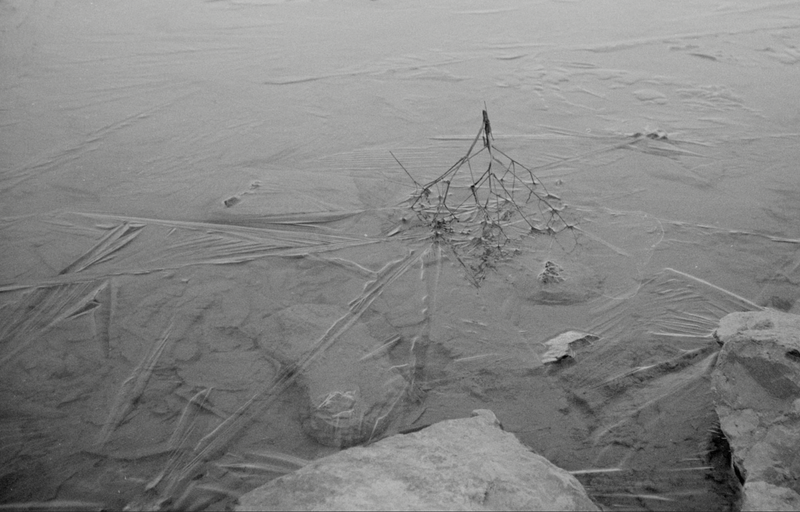
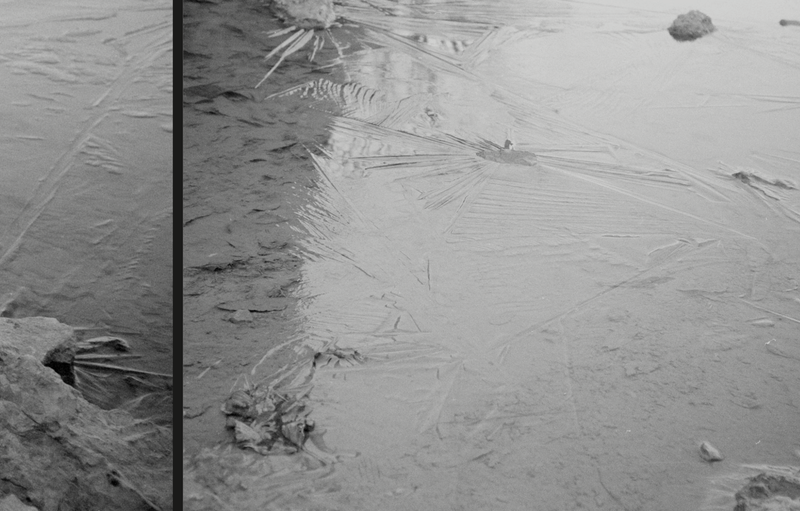
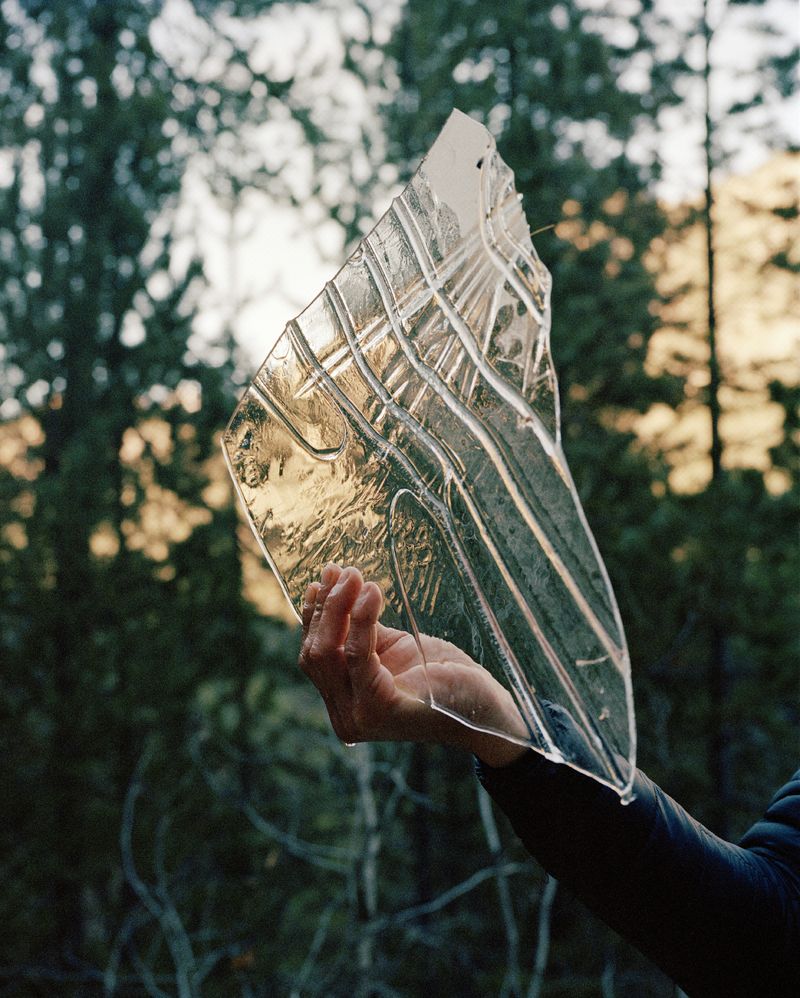
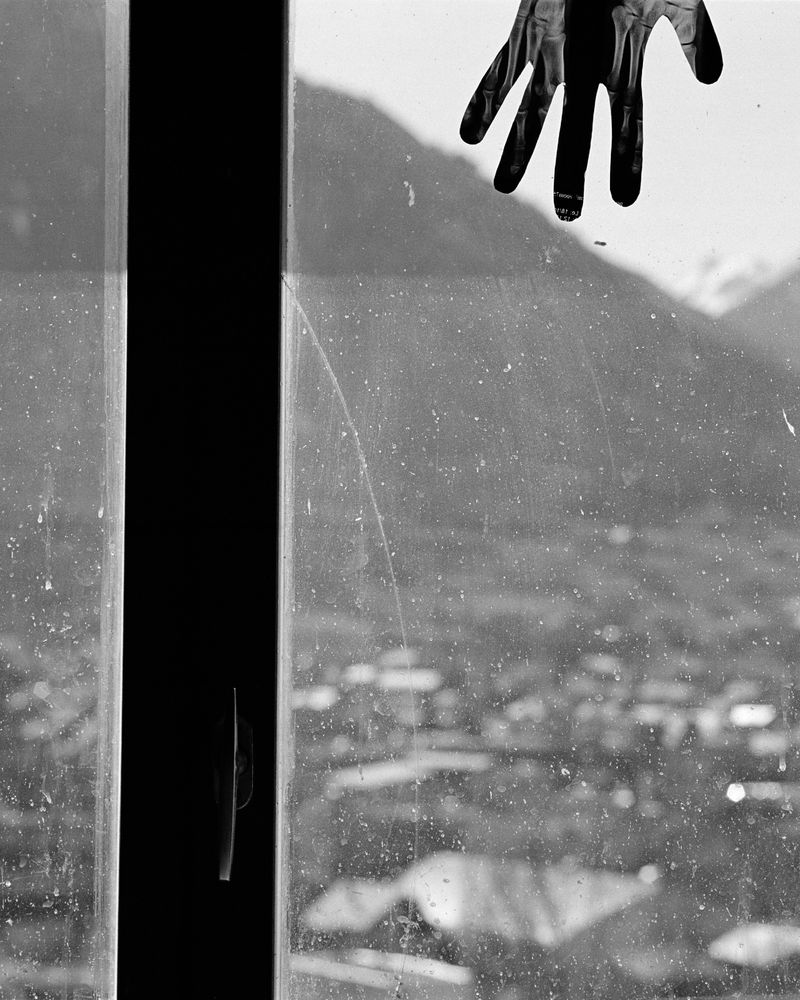
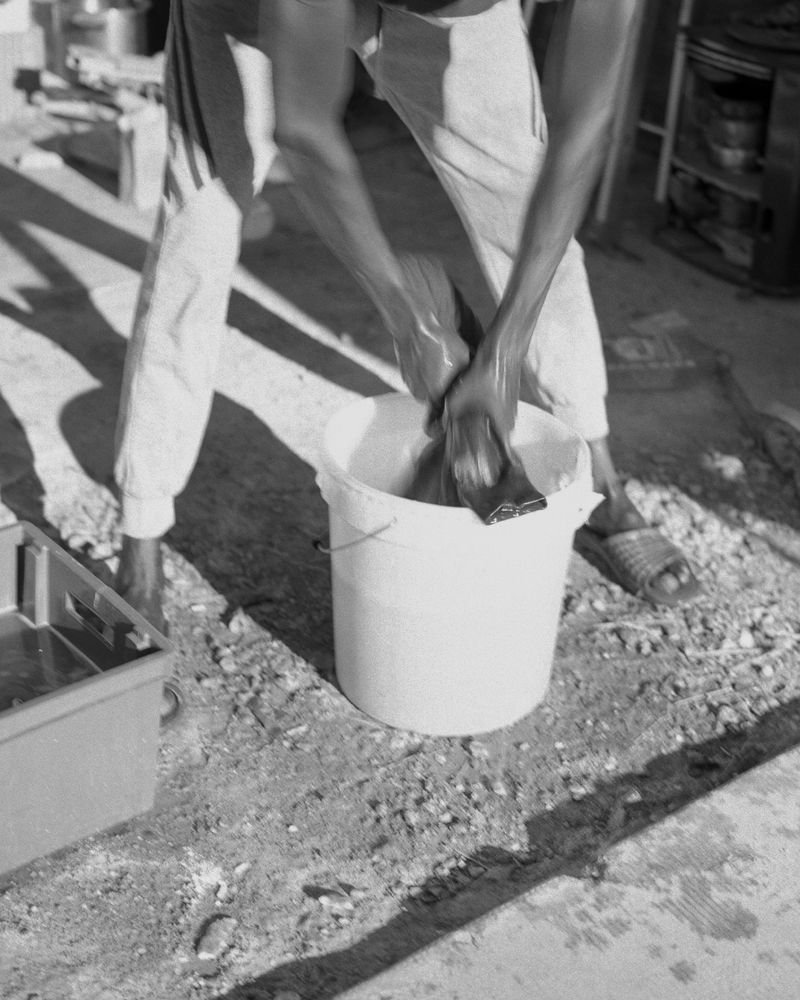
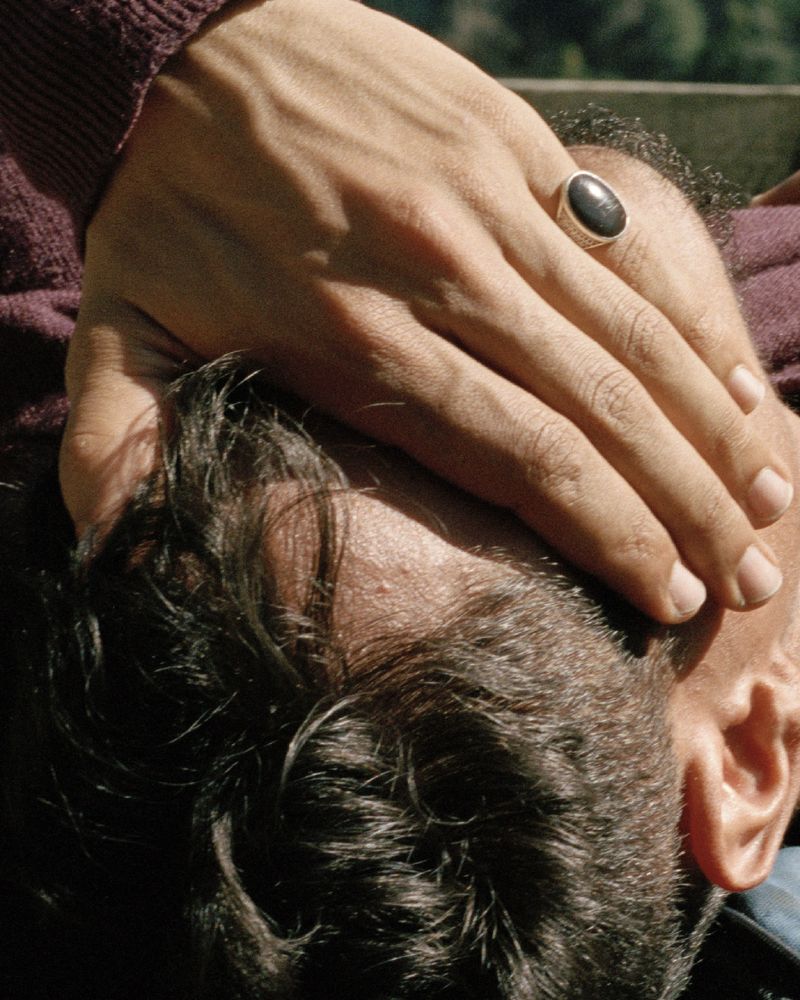
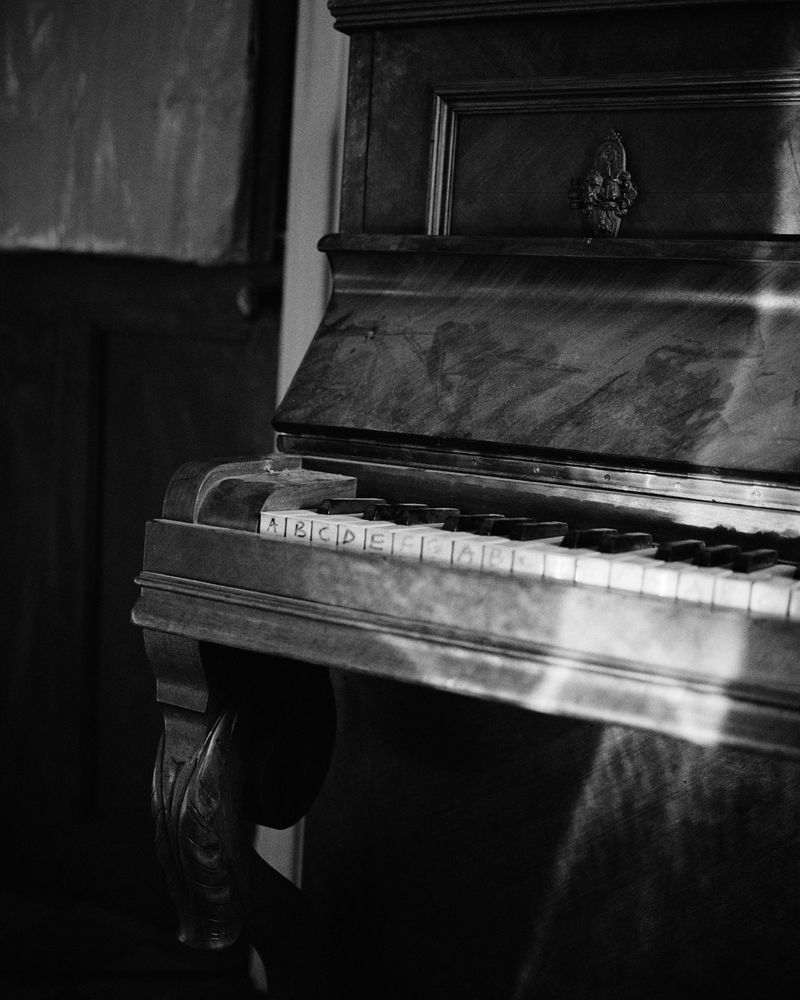
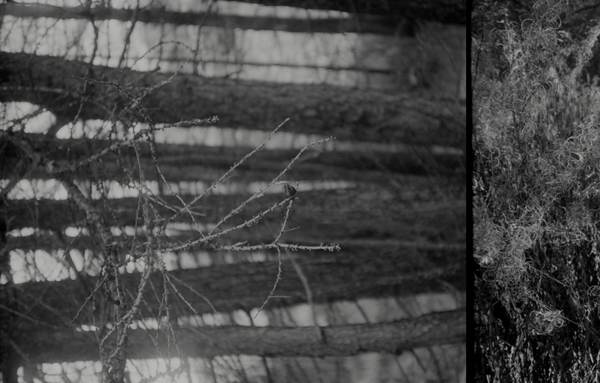
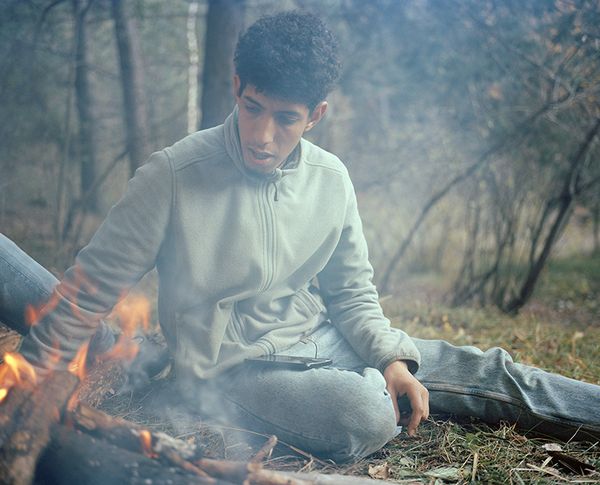
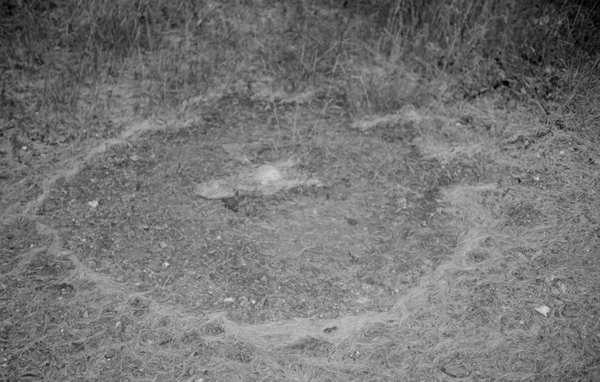
In La Ronde des hirondelles, I retrace by day the 26 km exiles cross by night between Clavière and Briançon. Digital-silver contact calotypes, outdoor portraits, interior fragments from "Chez Marcel", and voices trace lives held in suspension.
I frequently travelled by bus between Italy and France and repeatedly witnessed border police forcing certain passengers to get off. Denied entry into France, they had no choice but to cross the mountains illegally: twenty-six kilometres at night, in the cold, avoiding any light to remain invisible and reclaim a right they are deprived of—the right to move freely. The border reveals itself as a scattered geography of stops, refusals, shelters, and repeated attempts.
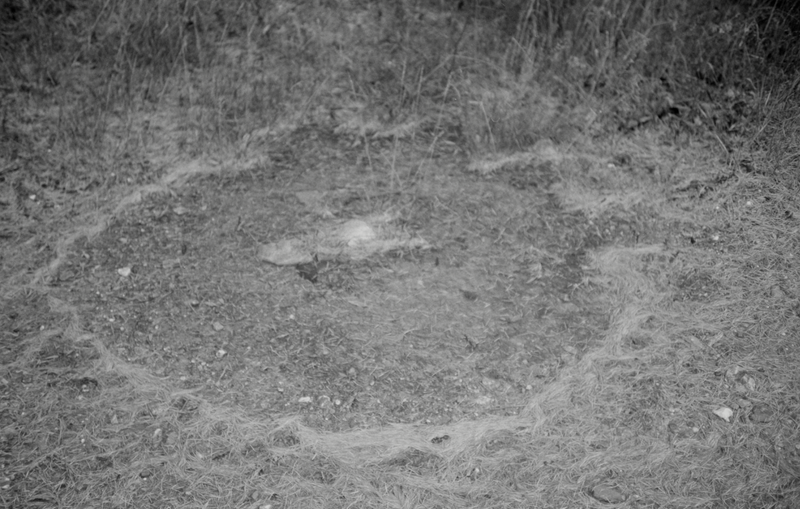
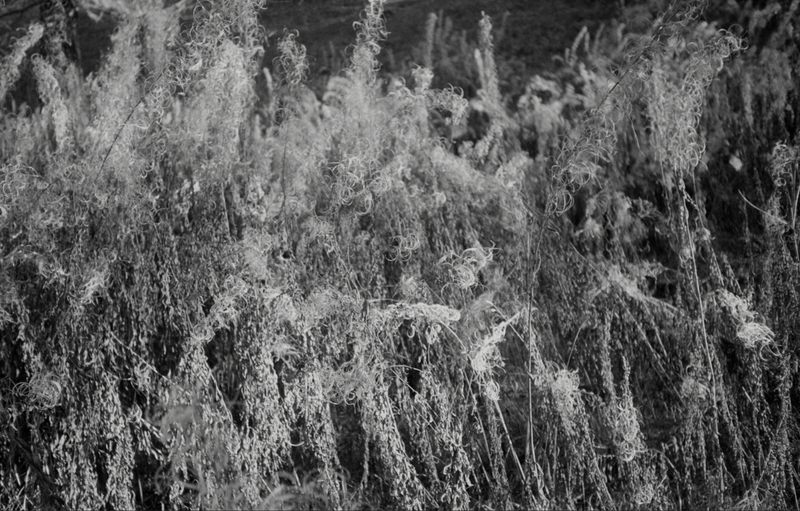
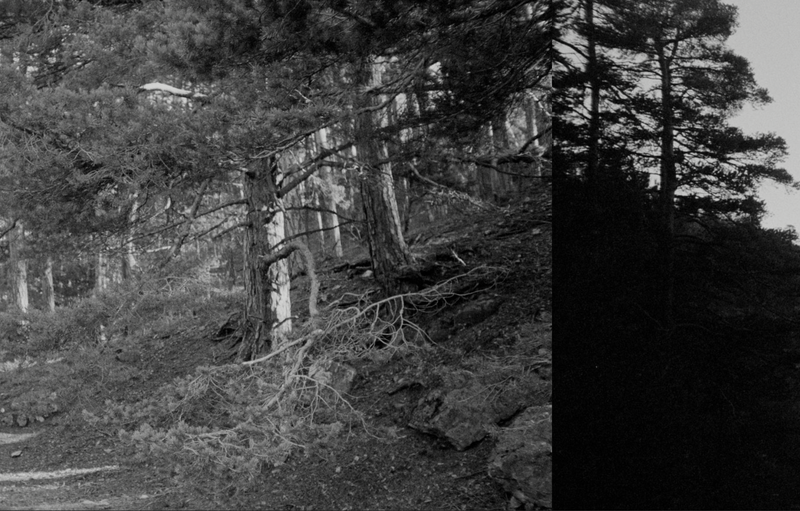
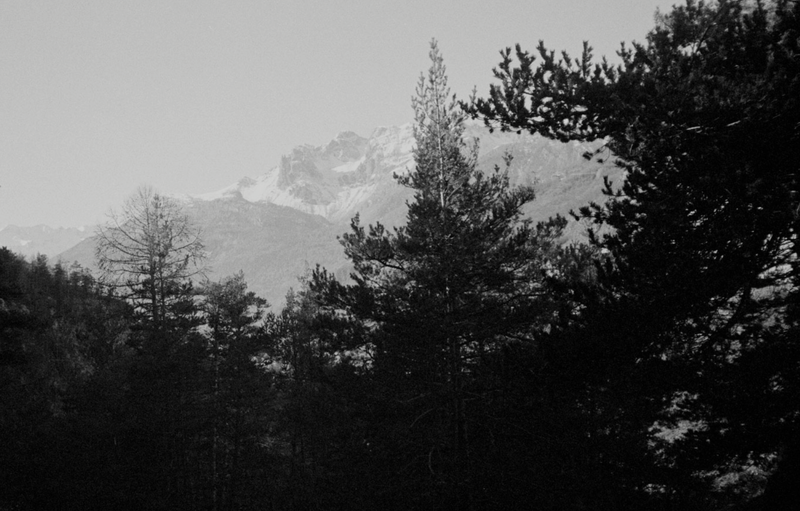
My digital-silver contact calotypes emerge from this imbalance. I cross the border on foot by day, retracing the same twenty-six kilometres that countless exiles travel every night. Rather than describing the landscape, I follow it as a measure of time and endurance: ground, slopes, forest, openings onto the valley, signs that appear and disappear.
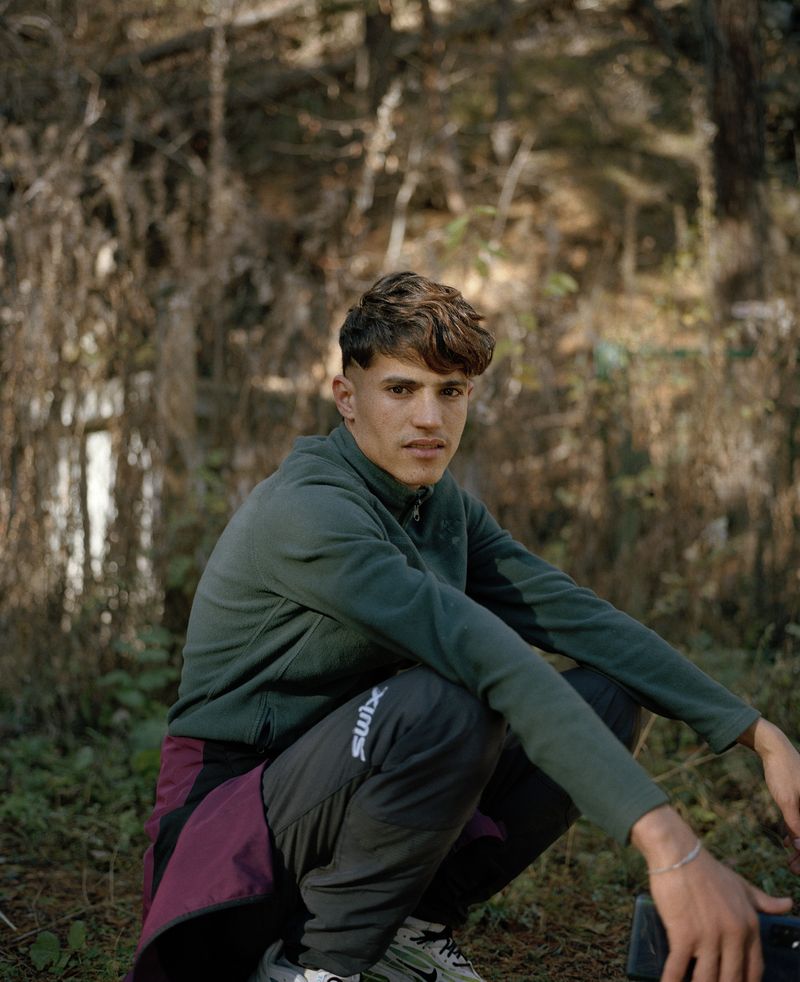
In Briançon, I met Mohamed, Youcef, Mustapha, Ahmed, Ali, Khalid and Tierno, living in a self-run house called Chez Marcel. Originally from the Maghreb and sub-Saharan Africa, they arrived after months or years of displacement. Some wait for work, others for an answer to their asylum applications. Others, after rejection, remain in constant movement. Their stories, marked by grief, came in steady voices, as if held at a distance from their own histories.
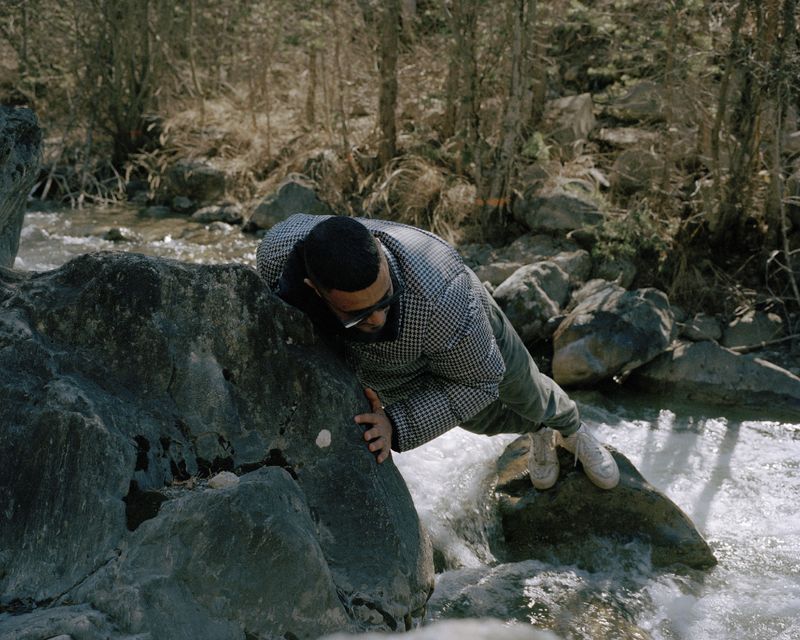
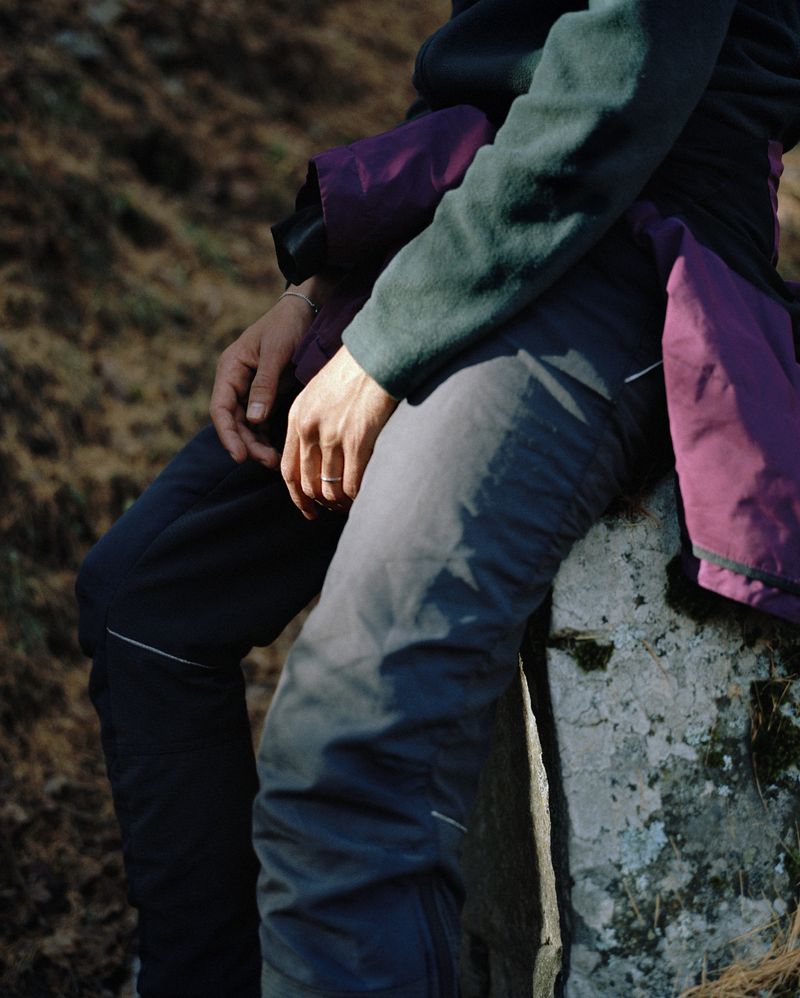
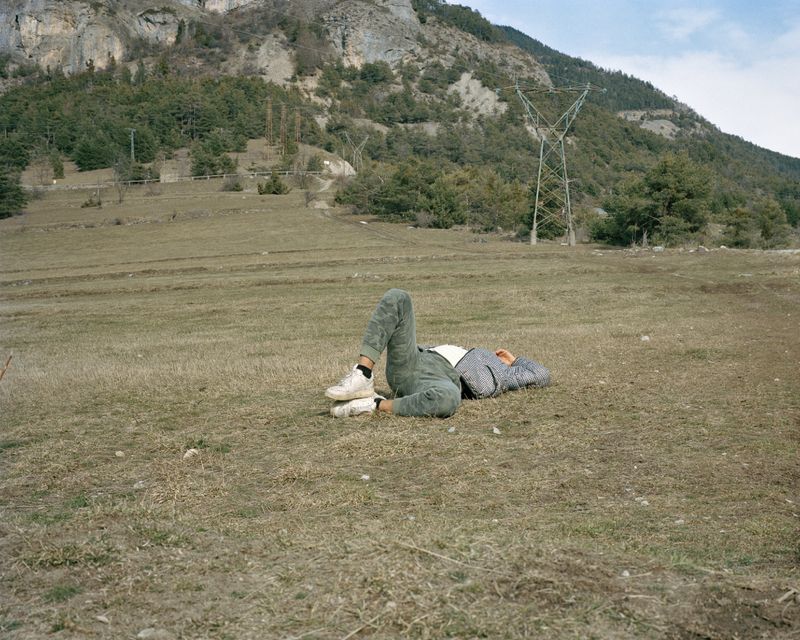
Together, we roamed the Briançon mountains. I walked beside tired, fractured bodies—bodies in limbo, shaped by the decisions, permissions and obligations imposed by state authorities. They find themselves caught in suspension, turning in circles, tracing loops across the landscape like swallows in flight.
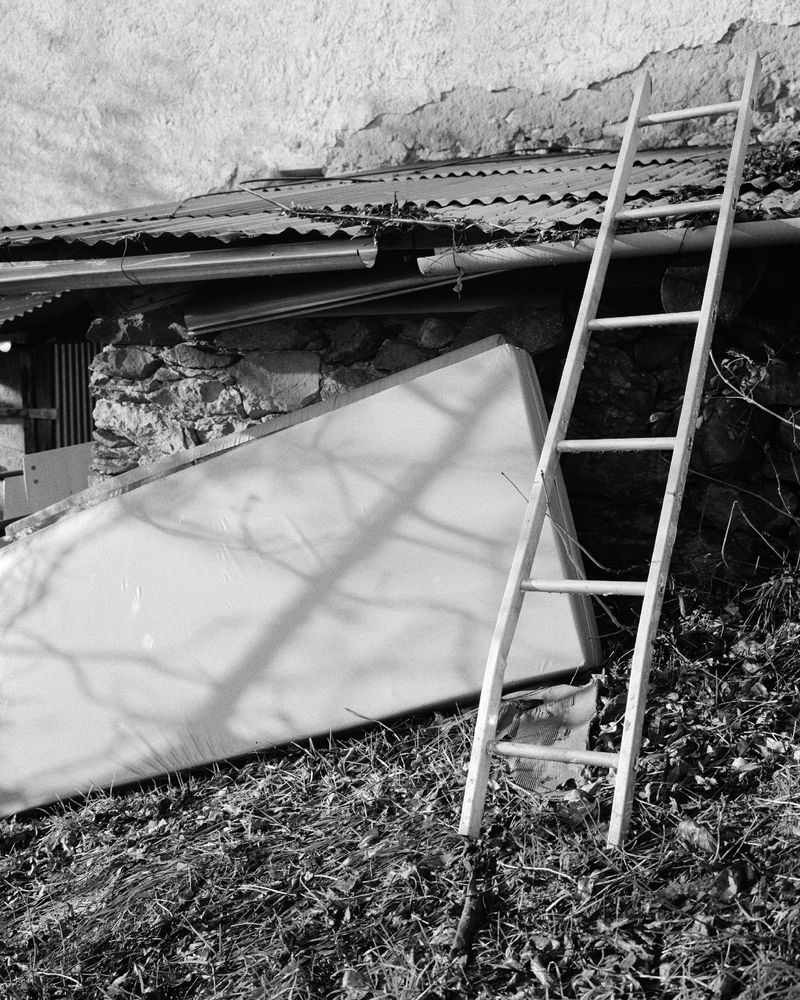
First shaped as a photobook (Chose Commune, 2025), the project now unfolds in space as an installation: a calotype sequence interrupted by colour portraits and small black-and-white fragments of the place of refuge, punctuated by four localized listening points (FR/EN transcripts).