KESINONU - HERITAGE OF THE EARTH
-
Dates2023 - Ongoing
-
Author
- Topics Social Issues, Contemporary Issues, Nature & Environment
Kesinonu Heritage of the Earth is a long term multi sensory research project in Tové, my maternal village in rural Togo.
Kesinonu comes from the Ewe language and means Wealth. It can be understood as "what the earth tells us" or "the knowledge the earth carries."
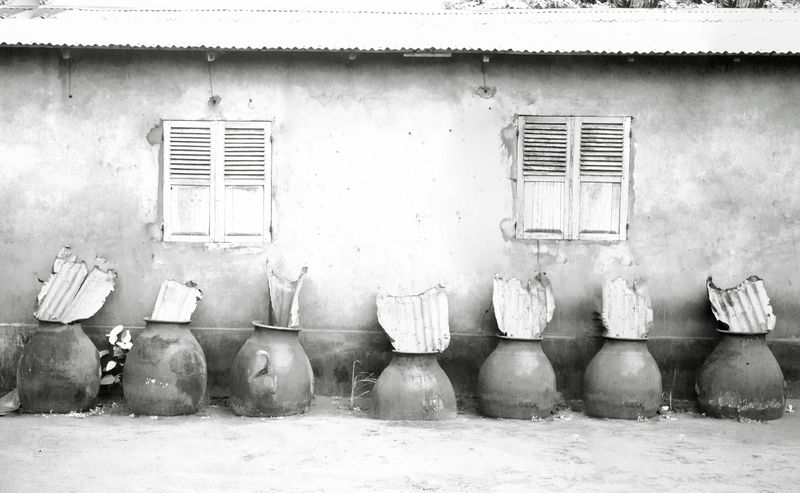
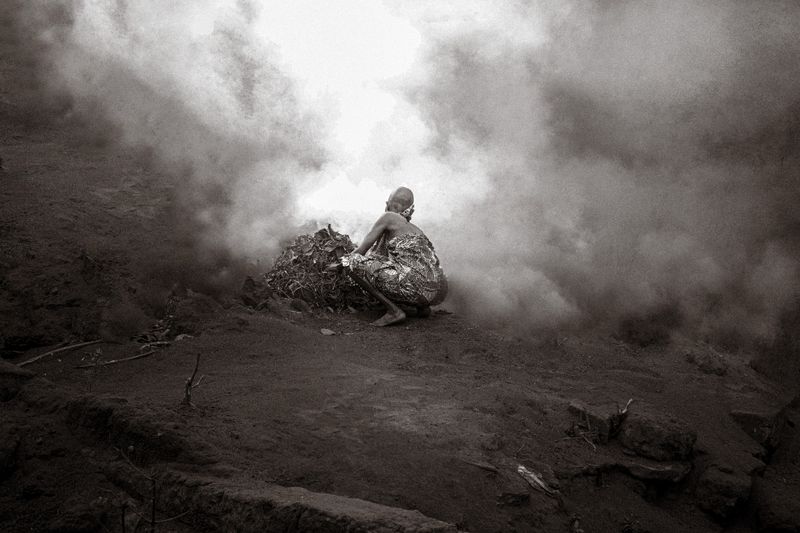
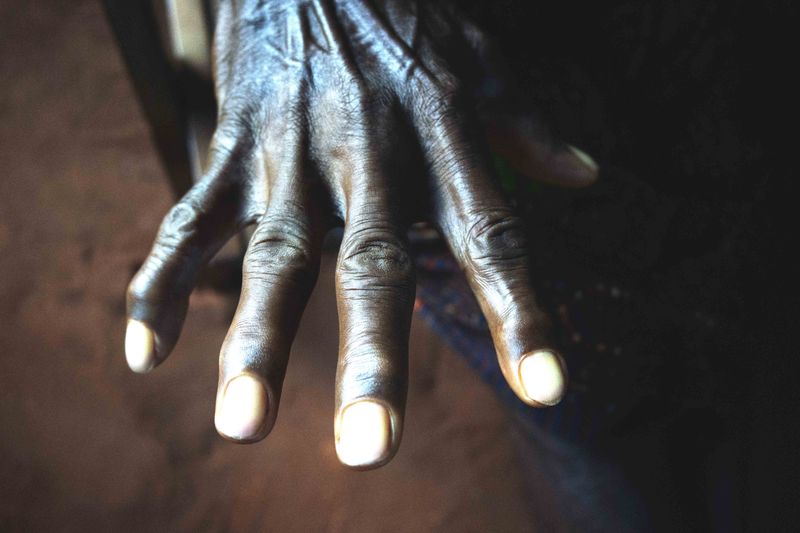
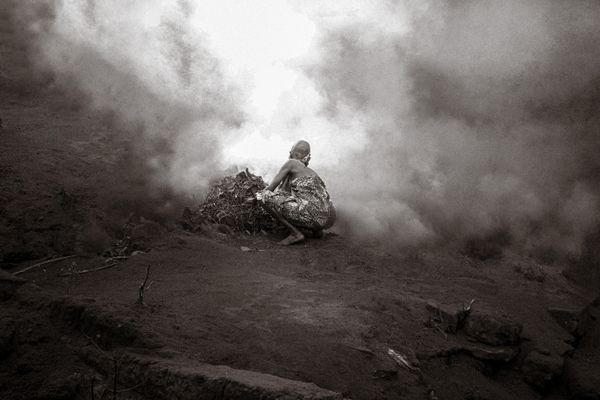
Through photography and field recordings, the project explores daily rituals around water, fire and earth as living and sophisticated technical systems that have sustained communities for generations and continue to adapt today.
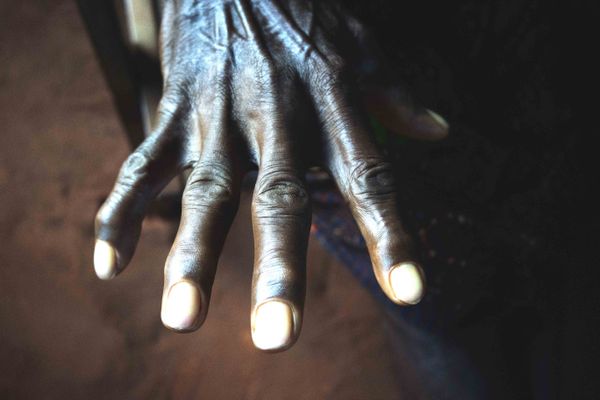
The work focuses on gestures such as drawing water from wells and streams, shaping ceramic vessels, and cooking on three stone hearths. They are precise engineering solutions: jars designed for carrying on the head and for natural evaporative cooling, hearths optimised for fuel efficiency and heat distribution, and clay filters that purify and store water safely without refrigeration. This knowledge is transmitted through observation, repetition and direct sensory experience rather than formal teaching.
Since 2024, Kesinonu has evolved toward a spatial installation combining images, multi channel sound recordings of water poured into jars, clay being tested by striking, wood crackling in the fire and physical ceramic objects. The aim is to create immersive environments where embodied knowledge, felt through sound, touch, heat and smell, becomes a living experience once again.
The project asks: what do we truly lose when modern infrastructure arrives? And what technical sophistication exists in practices too often dismissed as traditional or pre modern?