Kein Held
-
Dates2023 - Ongoing
-
Author
- Locations Normandy, Bad Kissingen, Thorée-les-Pins
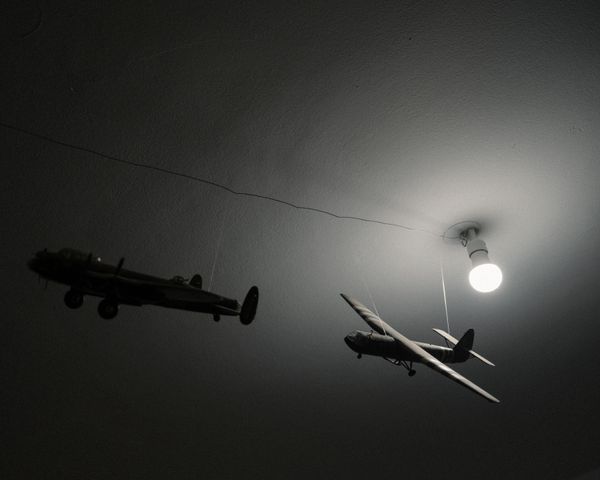
"Kein Held" ("No Hero") explores my grandfather Heinz Nieland’s story as a Wehrmacht soldier and Prisoner of War in France. While imprisoned, he collected over 800 poems. The book is a dialogue between past and present through images, poetry and archive.
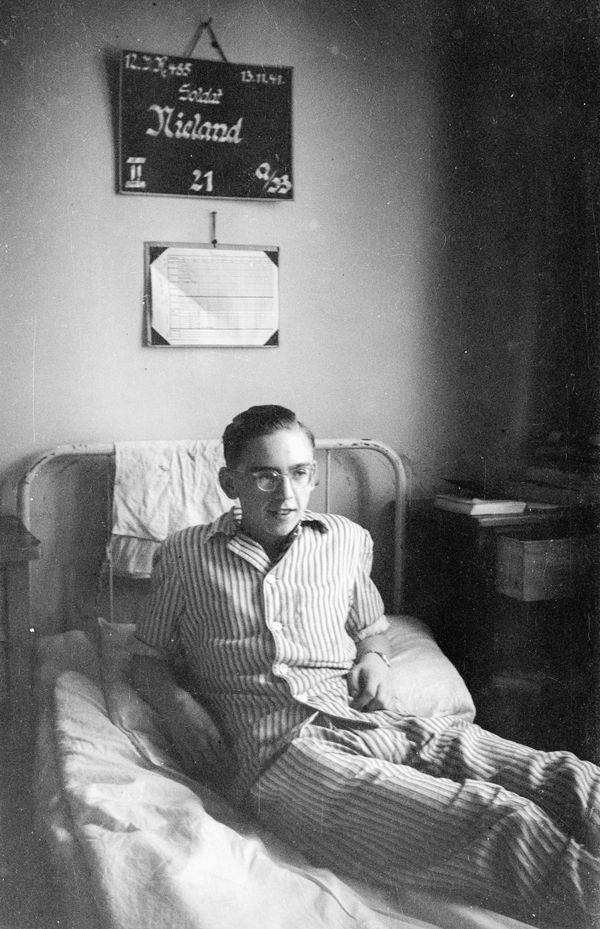
Heinz Nieland was first deployed by the German Wehrmacht in 1941 towards the East. In his very first battle near Moscow his right arm was wounded by a granade splinter. He was sent to the military hospital and declared no longer fit for frontline use. After recovering he was deployed to France, where he served as an infantry clerk.
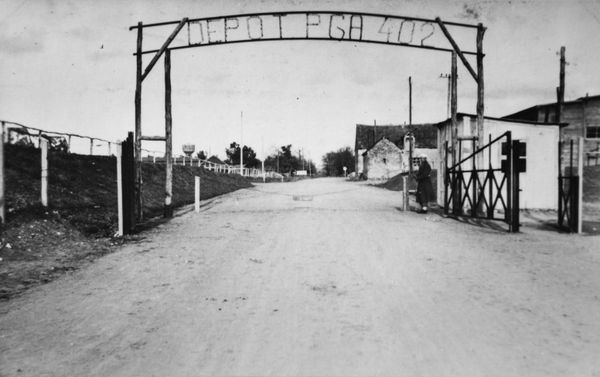
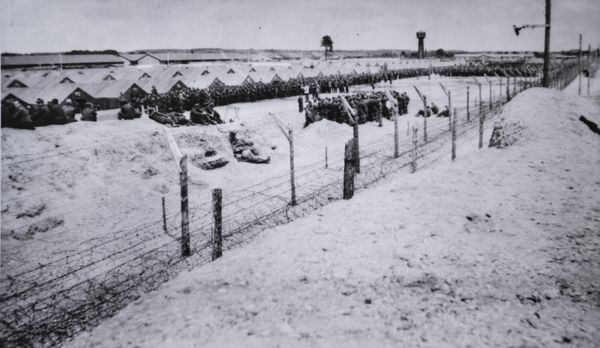
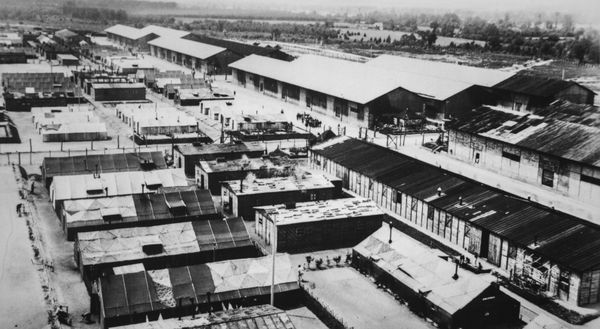
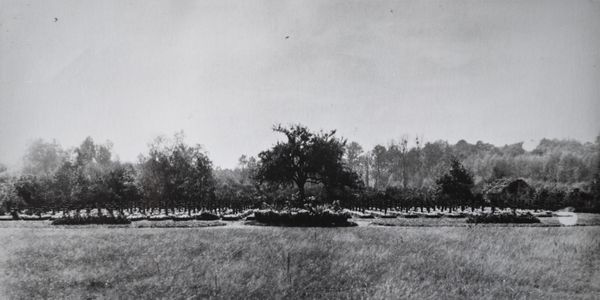
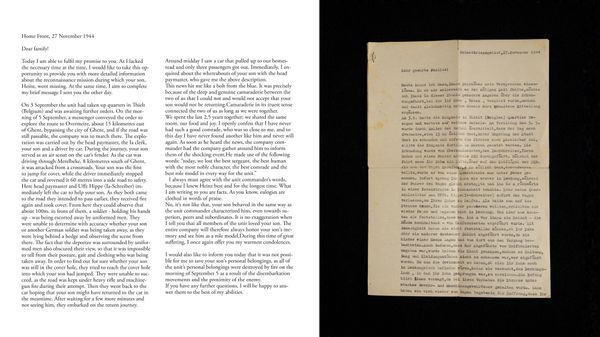
When the Liberation of France started in June 1944, Heinz started marching back to Germany with his unit. On the third of September they had set up a camp in Thielt near Ghent. On the morning of September 5th, Heinz was part of a team that had to explore the route to Overmeire, about 15 kilometres east of Ghent. In the small town Merelbeke, their car was shot at and Heinz jumped out. He was captured by the Belgian police and handed over to the British authorities. They brought him down the French coast to Audrieu, a small village in Normandy. During the Liberation, the Allied forces had started setting up prison camps where Heinz spent the next three years. He was held captive in four different prison camps: Audrieu, Fleury, Cherbourg and Thorée-les-Pins. Inside the prison camp of Thoreé, he served as a translator since he had picked up some French during the past years.
With the typewriter he used for his work he started to write down poetry that was brought to him by fellow prisoners. He collected over 800 poems during his imprisonment. Most of them were written by well known poets and writers. However, a few poems were originals written by fellow prisoners. Most poems are about everyday life, humour, labor and love. Another German prisoner of war bound the pages into three books in exchange for cigarettes. When Heinz was released in 1947, he brought the books back home to Bad Kissingen.
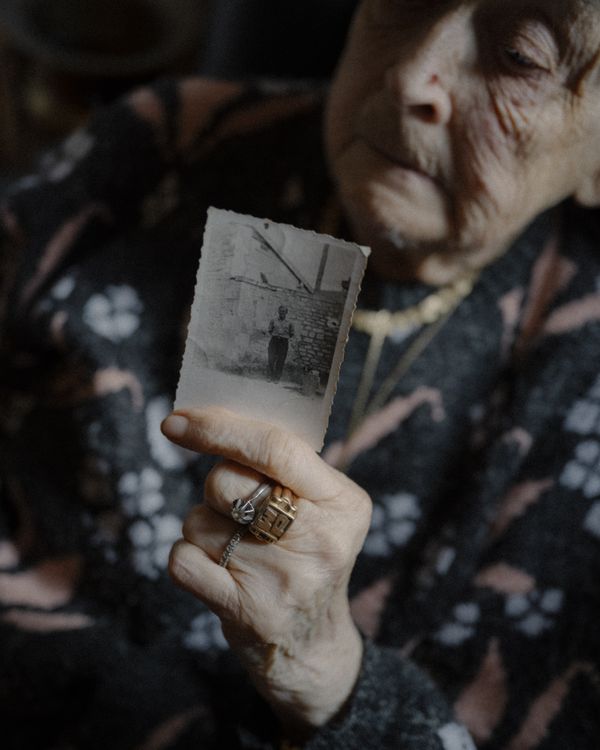
Heinz died from a heart attack in April 1971. I never got to know him. But when my now 91-year old grandmother Margot gifted me the golden ring he used to wear and told me that I was just like him, it made me curious to know who this person was. Together with the ring she also passed on Heinz poetry collection to me. She teared up when she told me the story behind the books and how Heinz used to ocassionaly read poems to her.
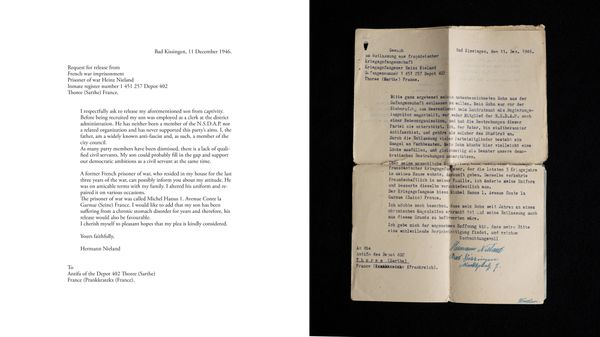
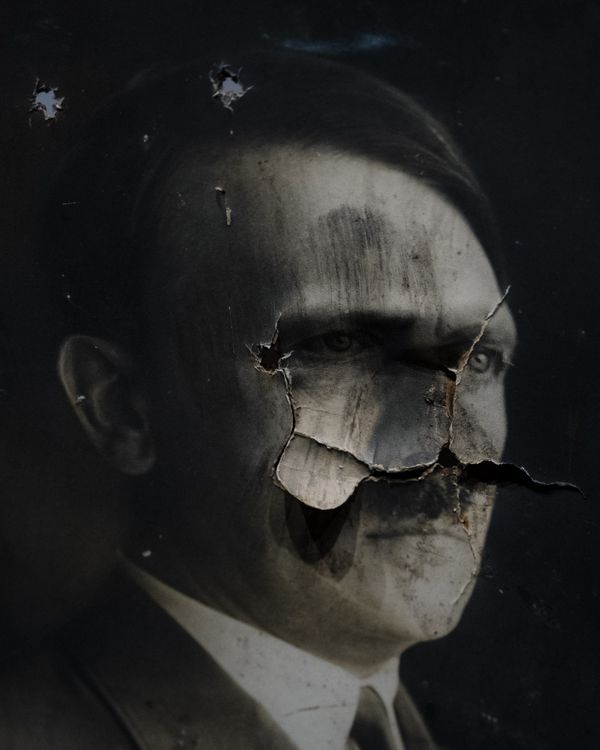
I never could relate to the black and white images of my grandfather as a soldier. Even less to fighting for a fascist regime. This is why it made me proud when I discovered documents stating that my great-grandfather was an anti fascist. It also added a complexity to the narrative I tried to include.
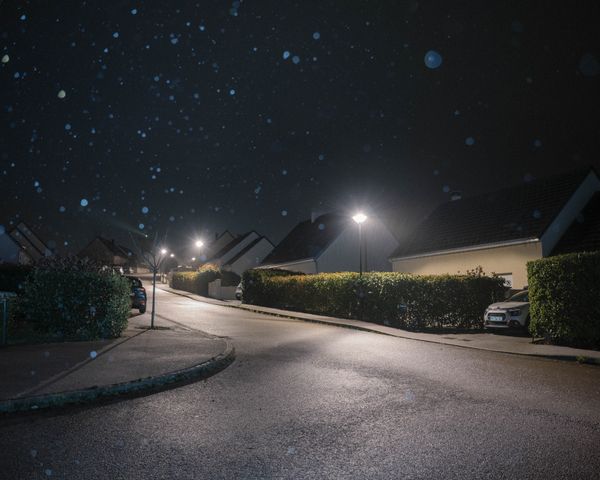
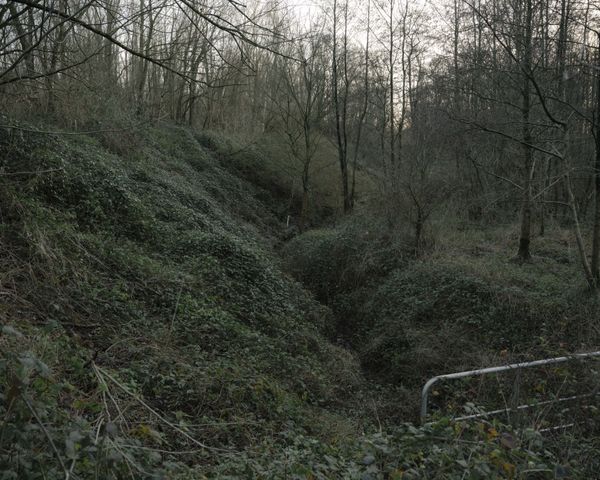
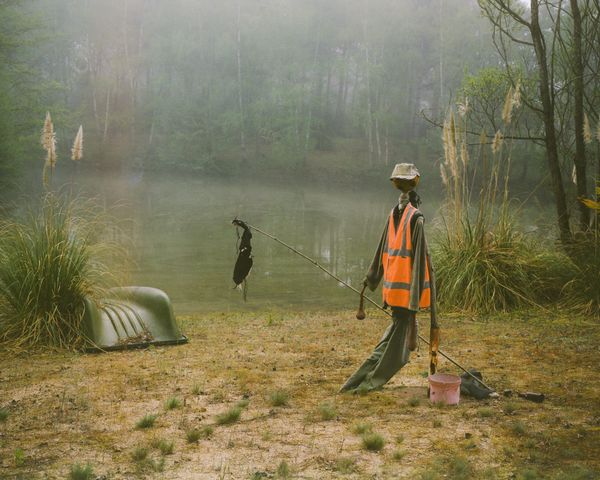
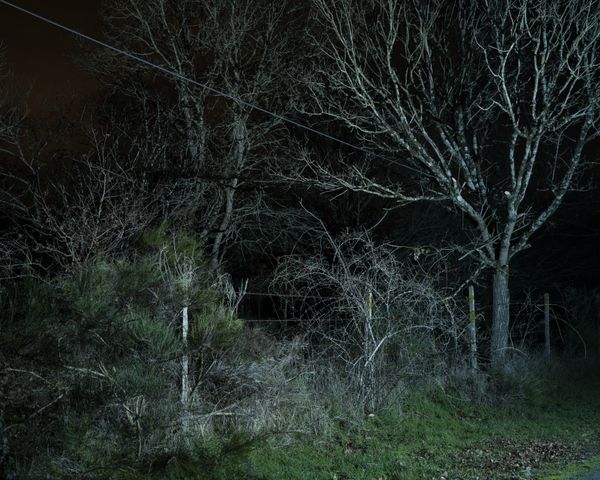
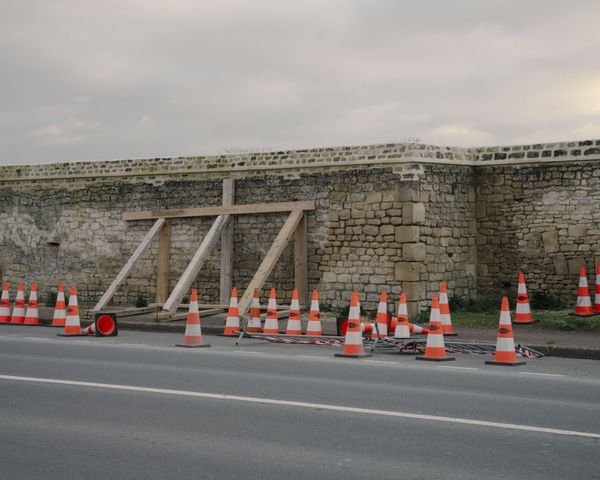
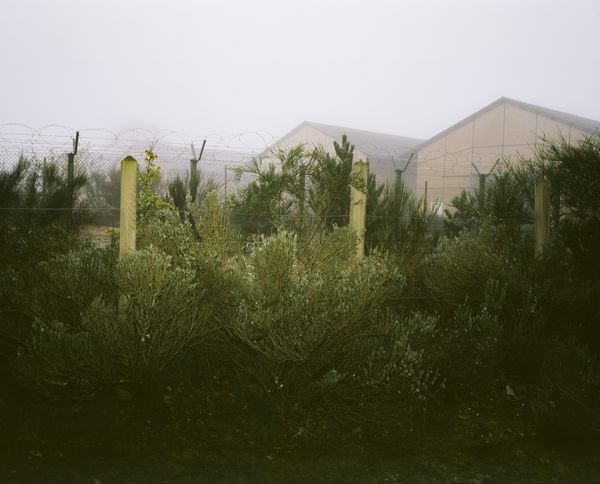
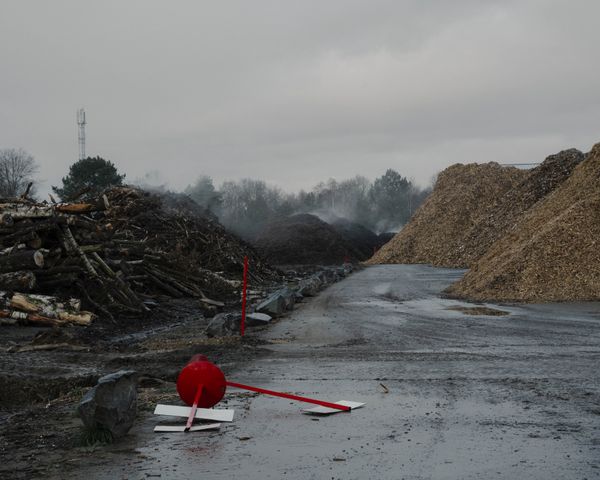
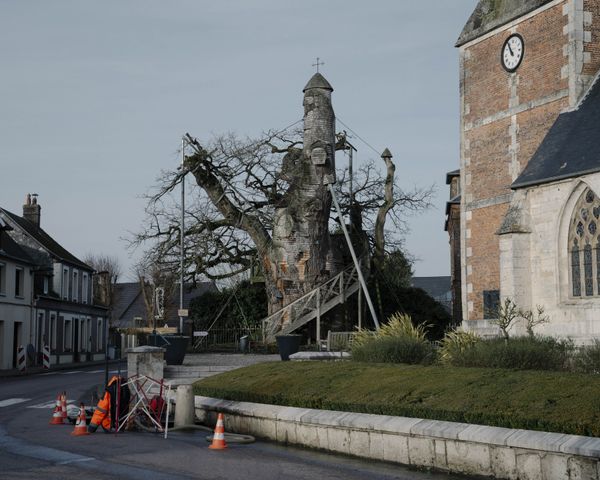
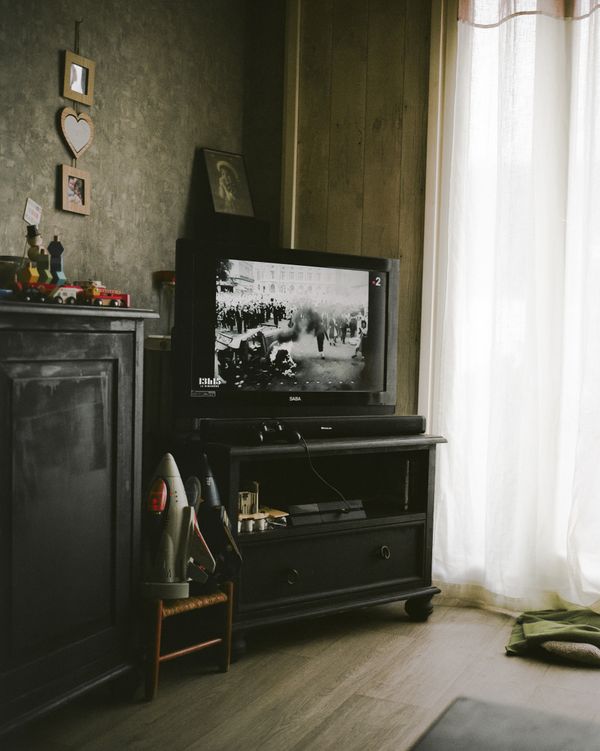
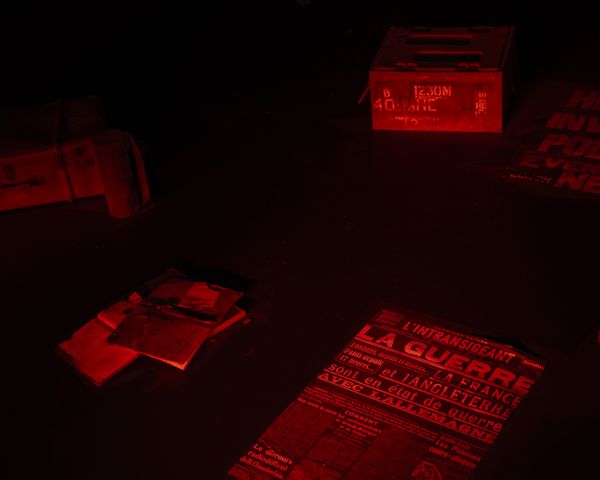
The book is my personal approach to visualize my grandfather‘s history. The pictures inside the book were taken during three journeys that I made from my hometown Bad Kissingen through Merelbeke, along the sites of the former prison camps down to Thorée-les-Pins. By combining my images and archive material with the poetry he collected, the work seeks to open up a dialogue between the past and the present.
Additional Information: I am submitting the sixth dummy of this book, which currently exists only in digital form. It includes an inlay booklet with captions and text, added at the end of the PDF. The cover will be the same as in a recent dummy, which is why I’ve uploaded it as a cover image, but haven’t included a video of me flipping through.