Je fais ce que je fais
-
Dates2024 - Ongoing
-
Author
- Locations Poland, Belgium
Je fais ce que je fais is a collaborative photography project developed with sex workers and supported by UTSOPI. Combining images and text in an artist book, it foregrounds authentic narratives and invites viewers to see sex work beyond stereotype.
Je fais ce que je fais is a long-term participatory photographic project that explores the humanity within sex work through collaboration with sex workers themselves. Developed in close dialogue with participants in Belgium and beyond, including Poland, the project is grounded in mutual trust, shared time, and ethical responsibility. It was realized with the support of UTSOPI, the Belgian union for sex workers.
Rather than documenting sex work from an external perspective, the project seeks to create space for encounter. It does not aim to explain, expose, or define sex work. Instead, it centers the lived experiences of individuals who navigate this profession, foregrounding their voices, agency, and presence. The work emerges from prolonged conversations and relational exchange, allowing participants to influence how and what is represented.
The title, Je fais ce que je fais (“I do what I do”), reflects both autonomy and resistance, a quiet assertion of self-definition in a context often dominated by stigma, moralization, and projection.
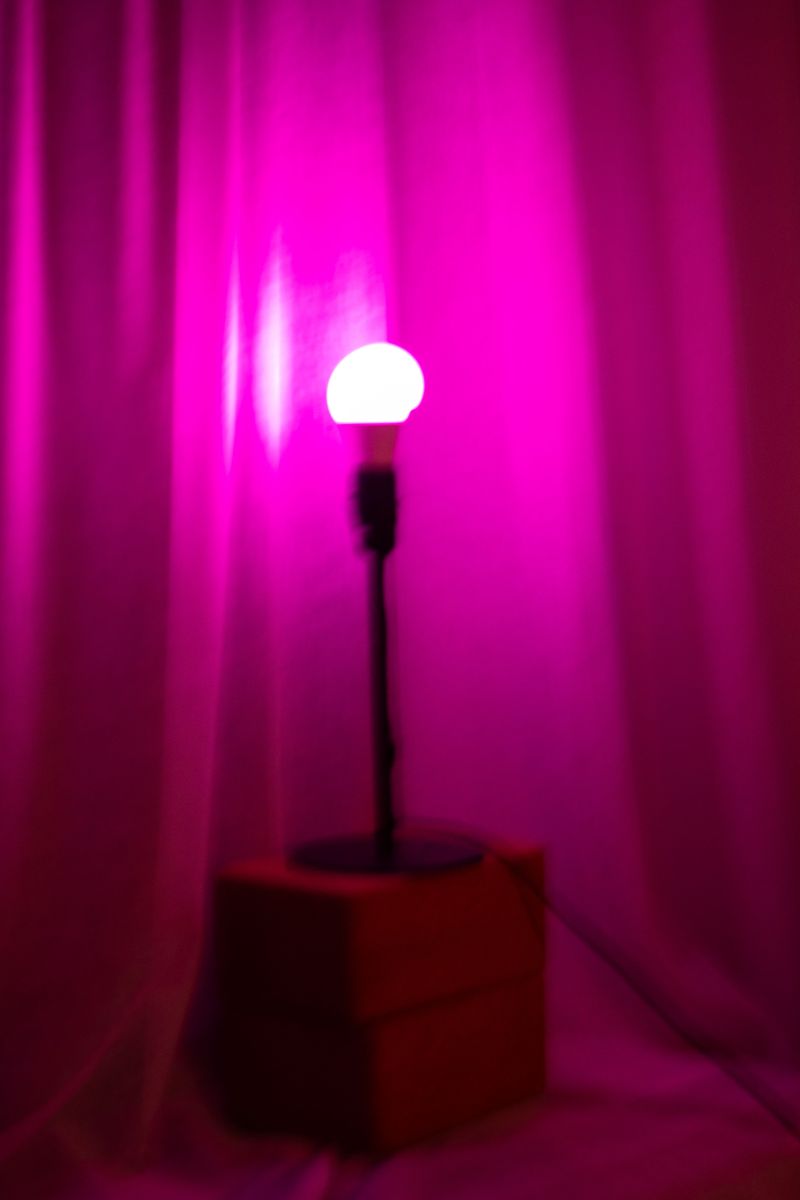
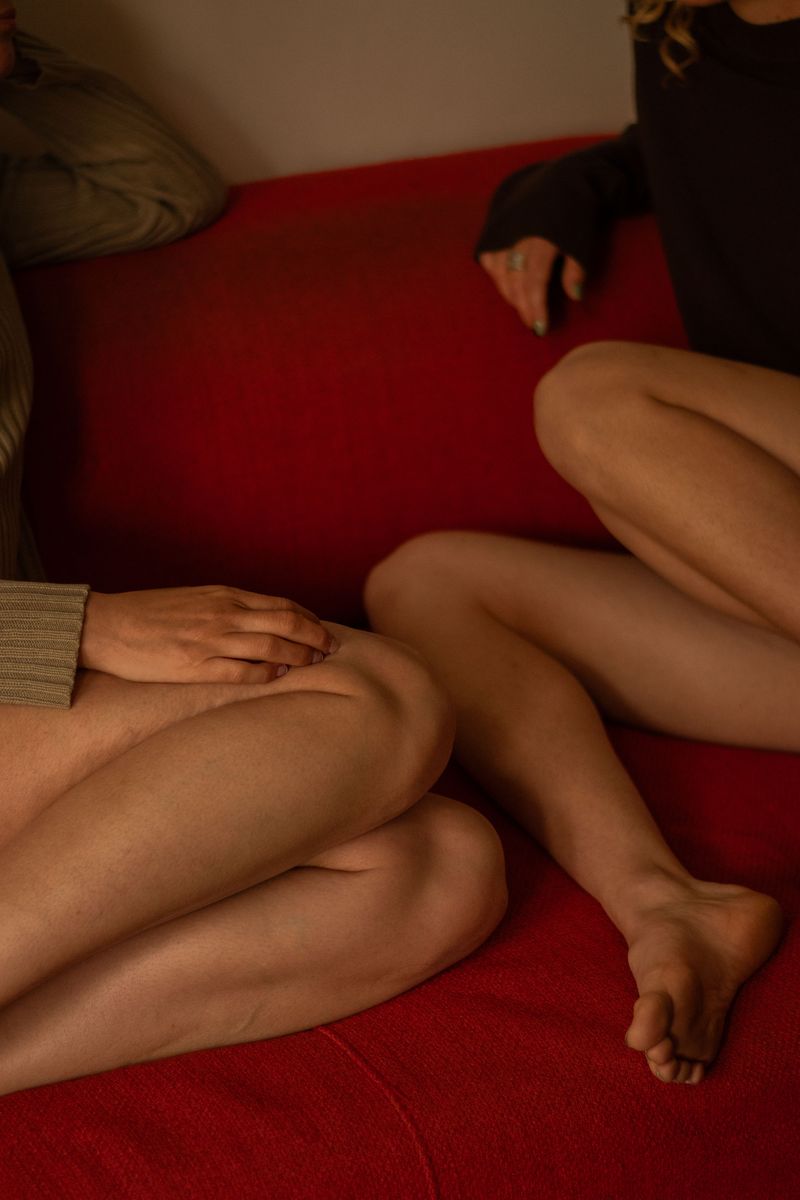
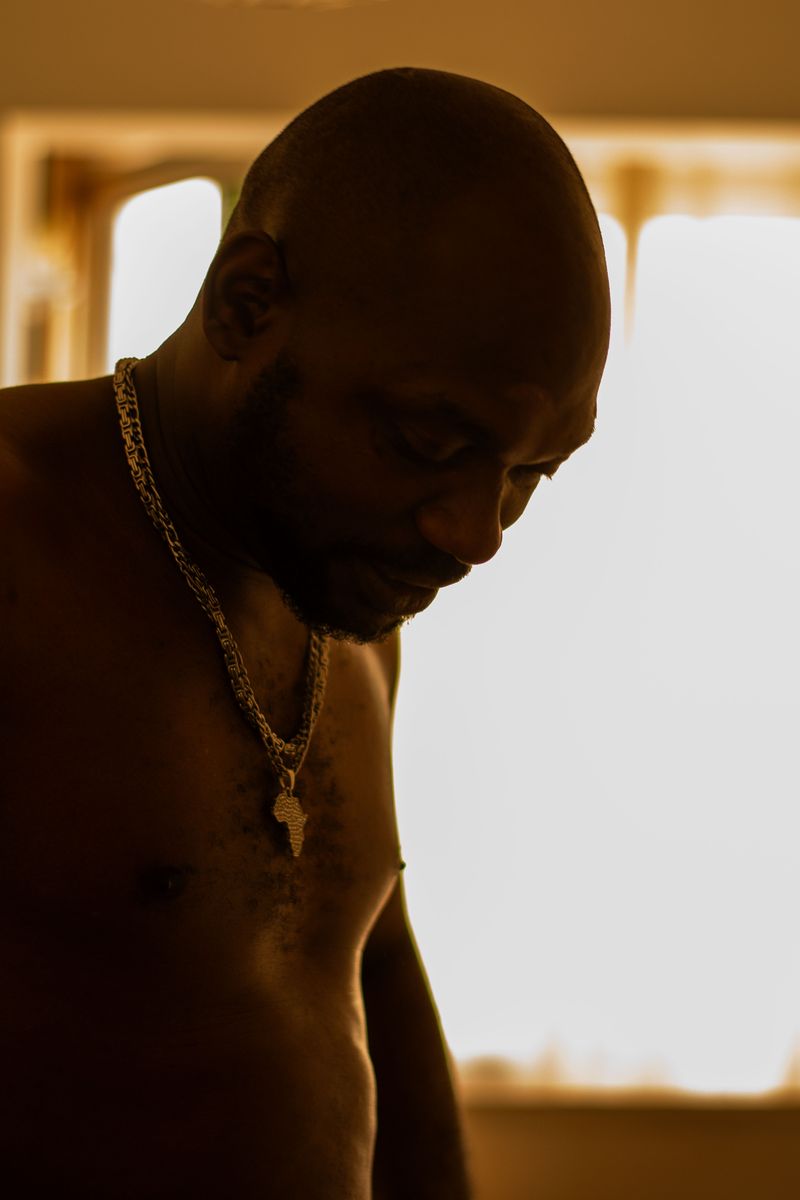
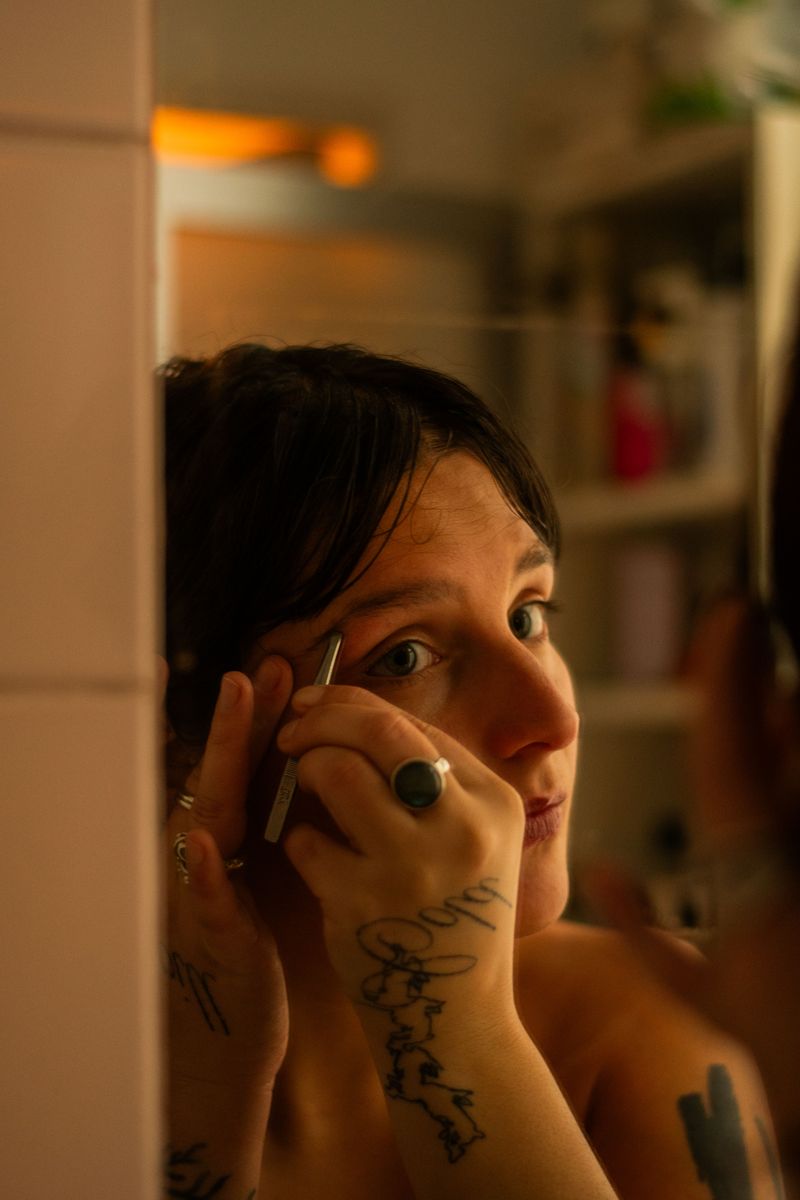
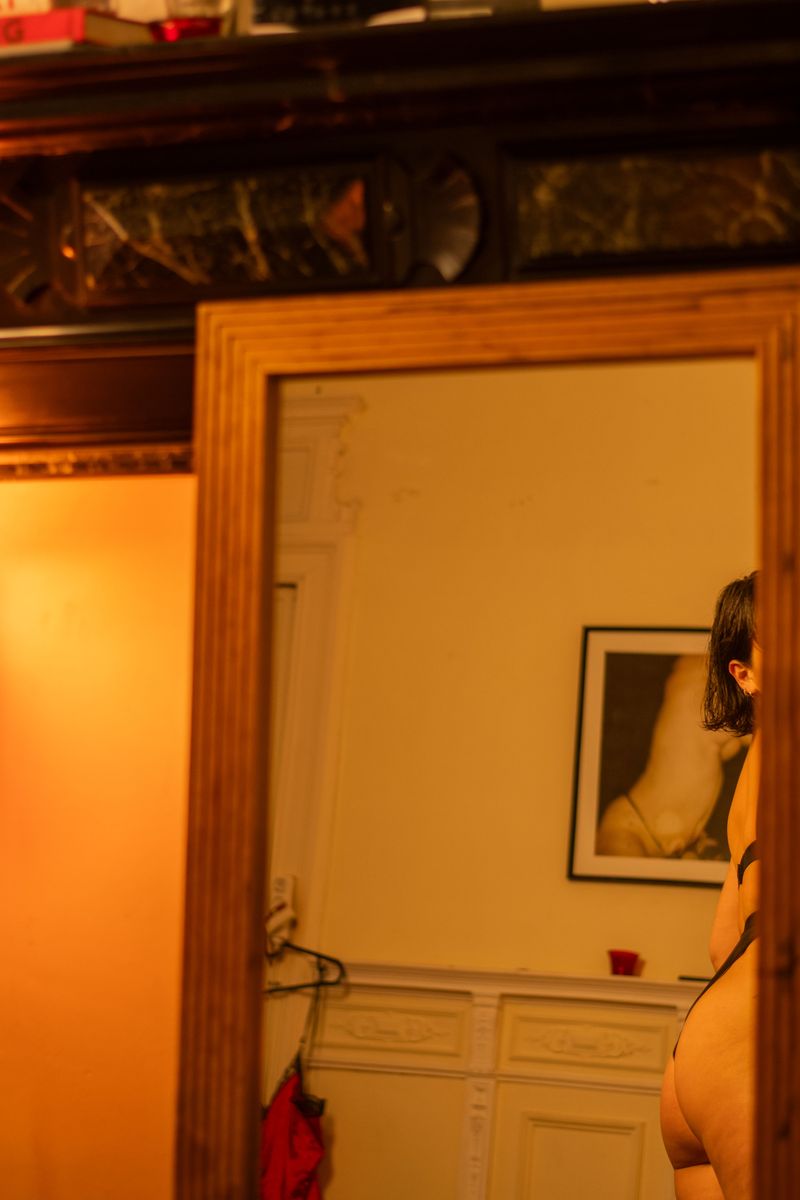
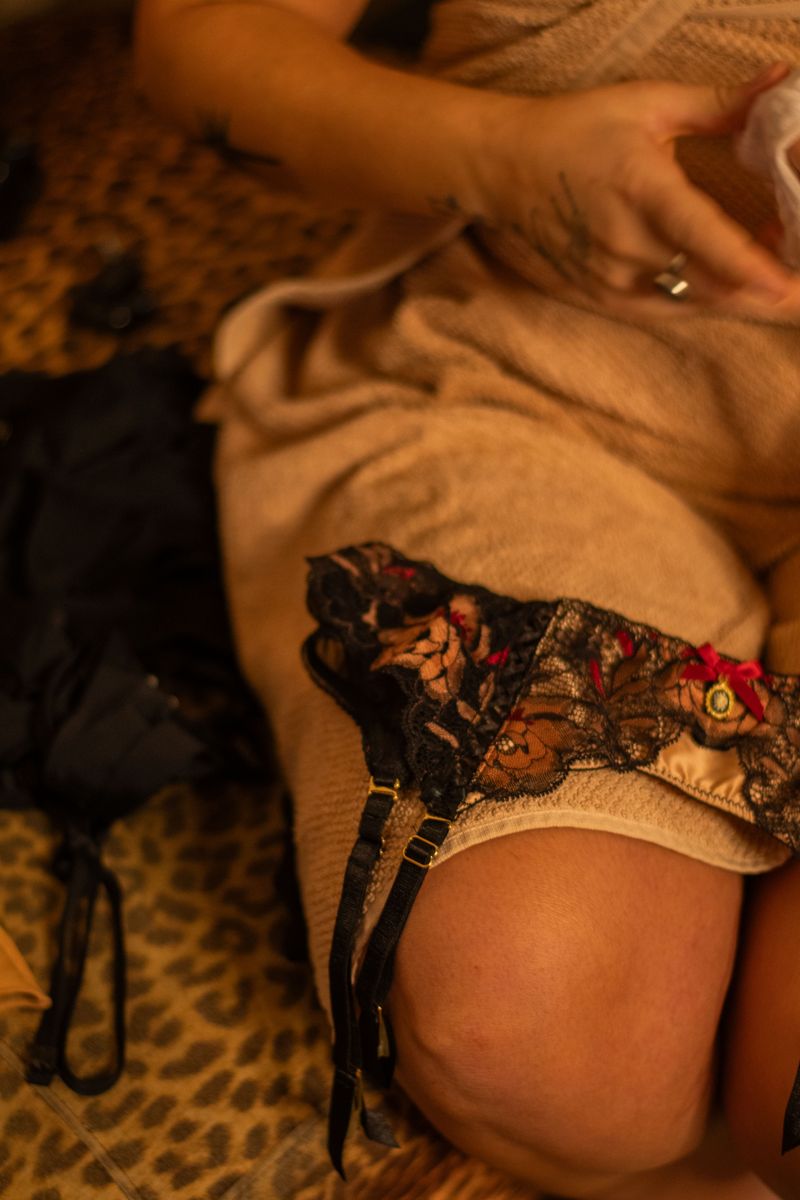
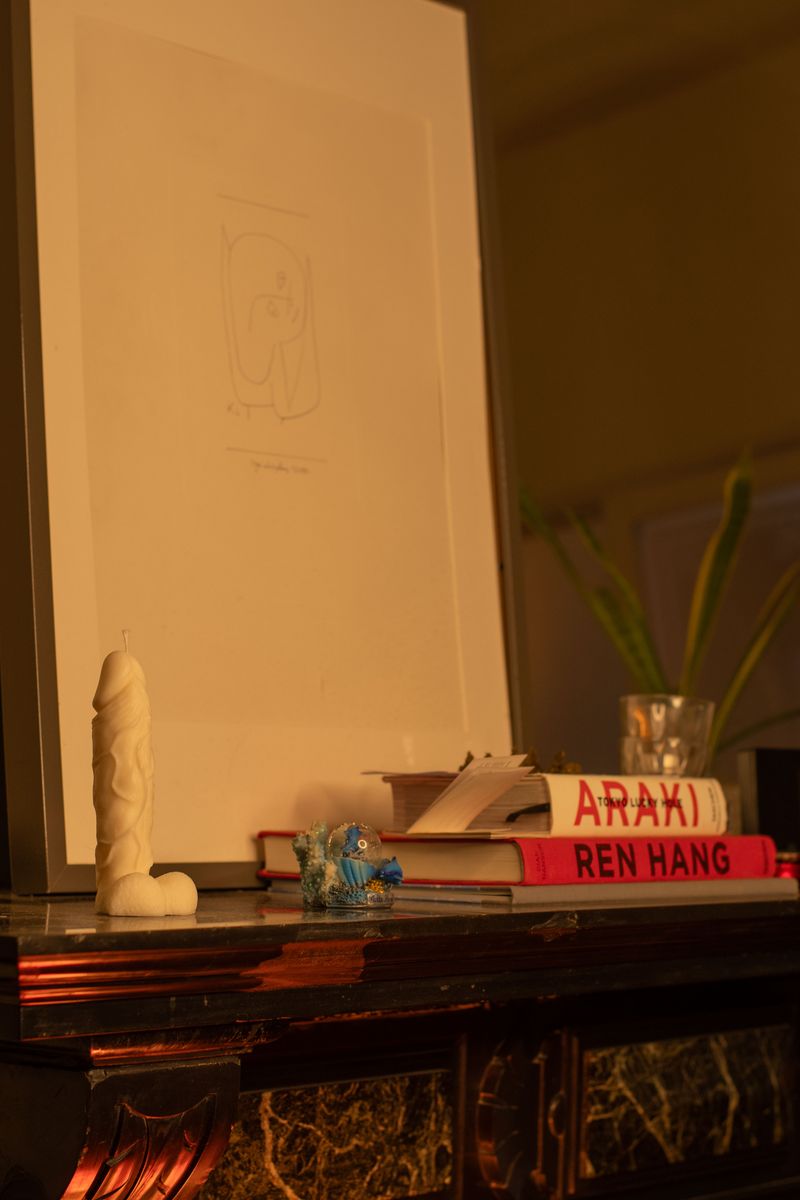
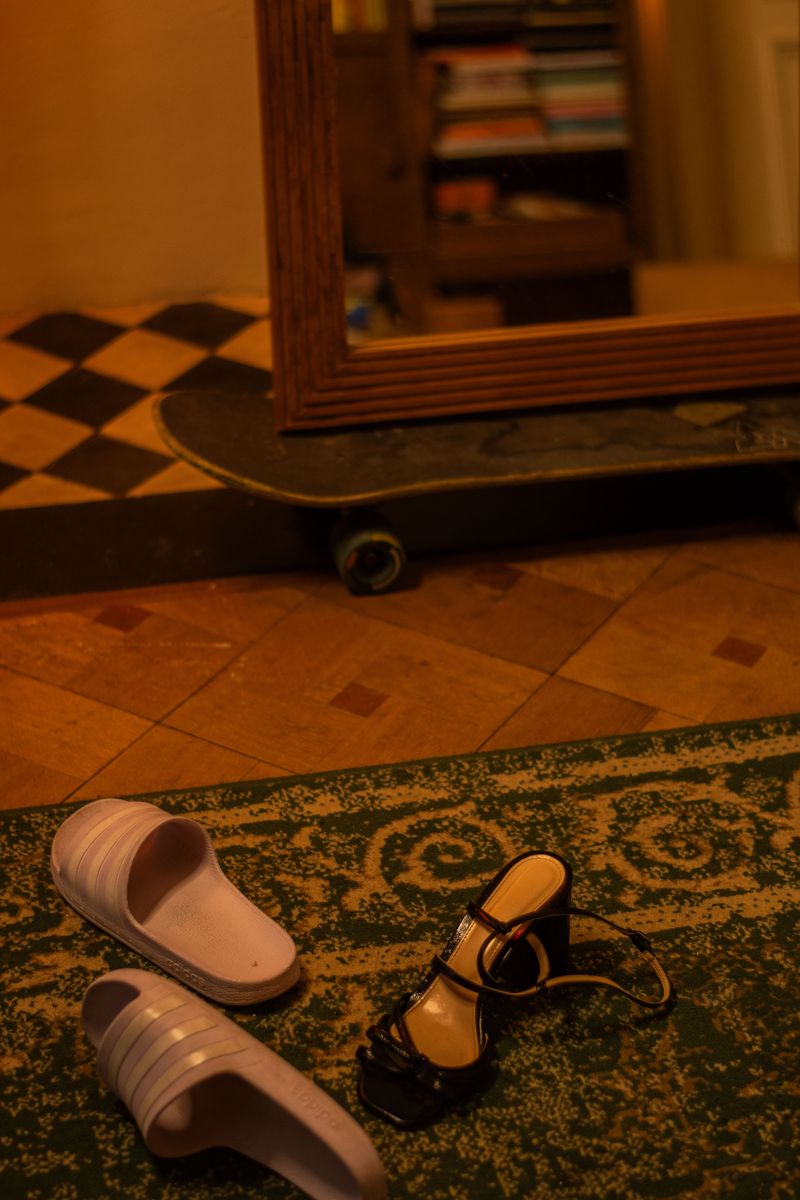
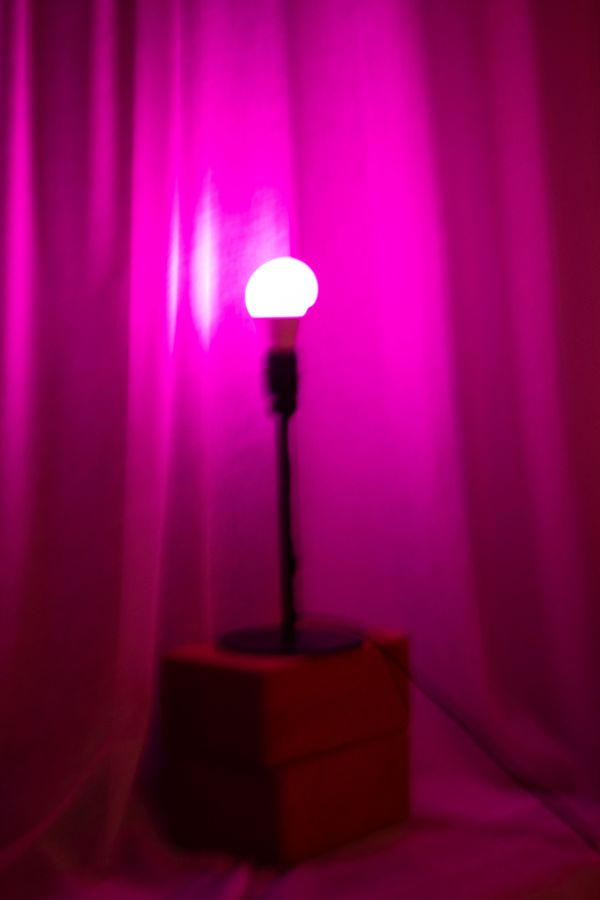
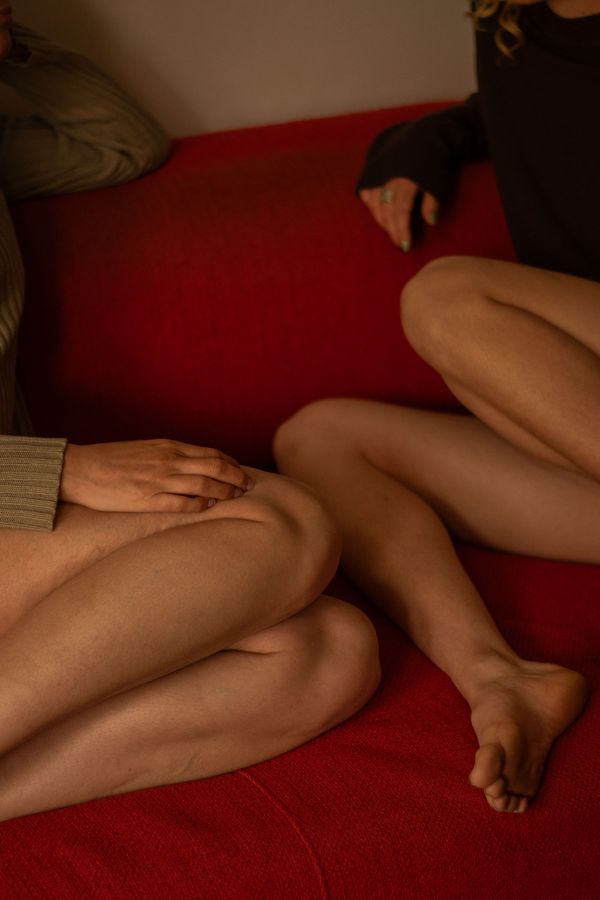
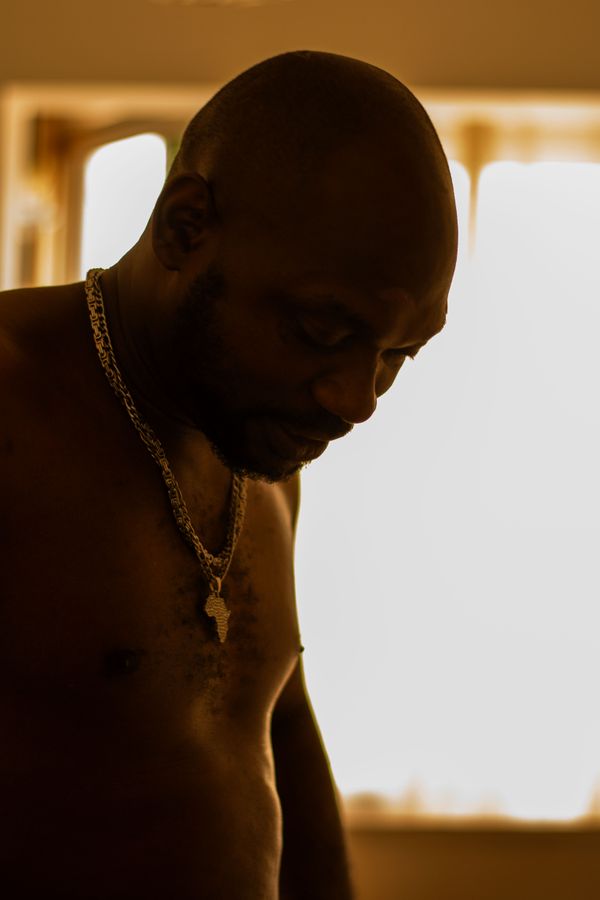
The resulting images do not depict explicit acts or sensationalized scenes. Instead, they focus on everyday spaces, gestures, body language, and traces of presence. Interiors are softly lit; fragments of bodies appear without full disclosure; rooms carry the weight of intimacy and routine. These photographs resist spectacle. They move away from stereotype and instead embrace nuance, ambiguity, and stillness.
The project culminates in an artist book in which photographs and text are brought together in a carefully constructed sequence. The book format is essential: it allows for intimacy, slow looking, and layered reading. It creates a private space between viewer and subject, echoing the relational nature of the project itself. Through sequencing, rhythm, and material choices, the publication becomes an extension of the collaborative process.
Some images are accompanied by text fragments written by or developed in collaboration with participants. These texts include reflections, isolated sentences, personal notes, and contextual information about the social and political realities of sex work. Image and text exist alongside each other as autonomous yet interconnected forms. The combination avoids explanation and instead creates resonance, inviting the viewer to engage actively rather than passively consume.
At its core, Je fais ce que je fais questions how photography can function ethically when dealing with vulnerable or stigmatized communities. It challenges the historical tendency of photography to categorize, objectify, or frame marginalized bodies through dominant narratives. Instead of reinforcing a binary between observer and observed, the project attempts to dissolve that distance.
By focusing on humanity rather than profession, the work shifts attention from what sex workers “do” to who they are. Themes of intimacy, autonomy, vulnerability, resilience, and complexity run throughout the series. The project invites viewers to confront their own assumptions and biases, not through confrontation, but through presence and slowness.
This is not a documentary about sex work. It is an encounter with individuals.
It is not an argument. It is a space.
A space for recognition, for nuance, and for the acknowledgment of shared humanity.
Through this artistic and political gesture, Je fais ce que je fais seeks to move beyond cliché and stigma, proposing a more compassionate and layered way of seeing, one rooted in collaboration, trust, and respect.