Islands We Inherit
-
Dates2023 - 2024
-
Author
- Location Pensacola, United States
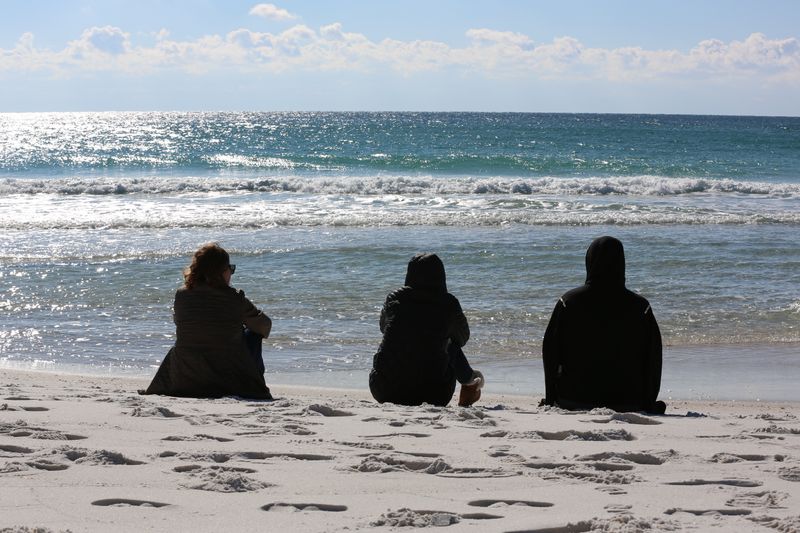
Bound by blood yet distant, these images explore intimacy as an archipelagic condition, where proximity does not guarantee closeness.
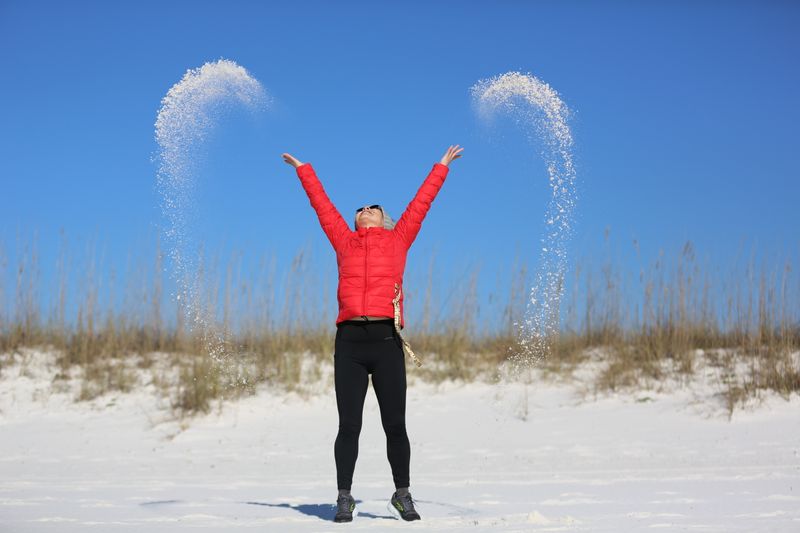
This project was developed during a Christmas trip to Pensacola Beach, where I spent time with my aunt and uncle, who immigrated to the United States many years ago.
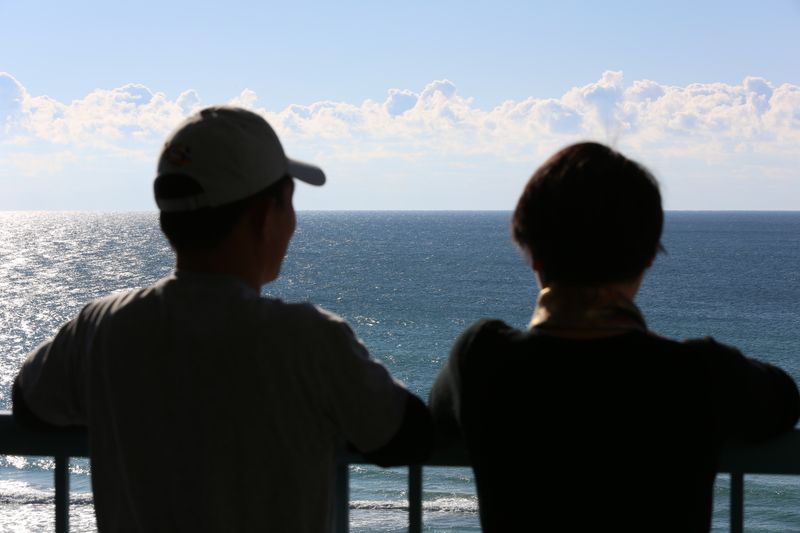
Although we are bound by blood, our relationship is shaped by distance. From the outside, we appear as a coherent family unit — a group that naturally belongs together, like a connected archipelago. Yet beneath this apparent unity, our connection feels partial and unresolved. Formed by differences in generation, geography, and lived experience, we exist alongside one another without fully overlapping.
This condition became more visible as I spent time with them as an adult for the first time. What was assumed to be familiar revealed itself as uncertain. I found myself moving between a desire for closeness and an impulse to withdraw. What separates us is not a fixed boundary, but something more fluid and elusive — shaped by time, migration, and social conditions.
Before the trip, I found an old camera in my aunt’s home, originally given to her by my father. She rarely used it. Holding onto it, I found a point of stability. The camera allowed me to redirect attention, to remain present without direct engagement. It became both a means of communication and a way to maintain distance.
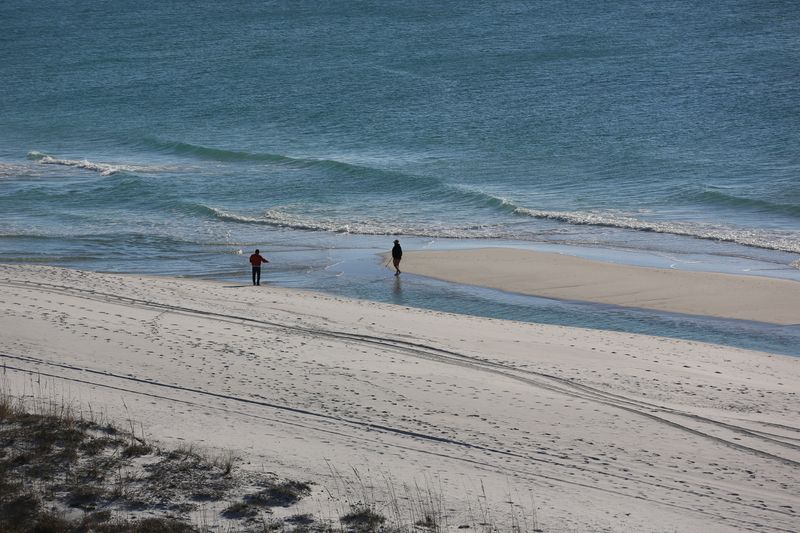
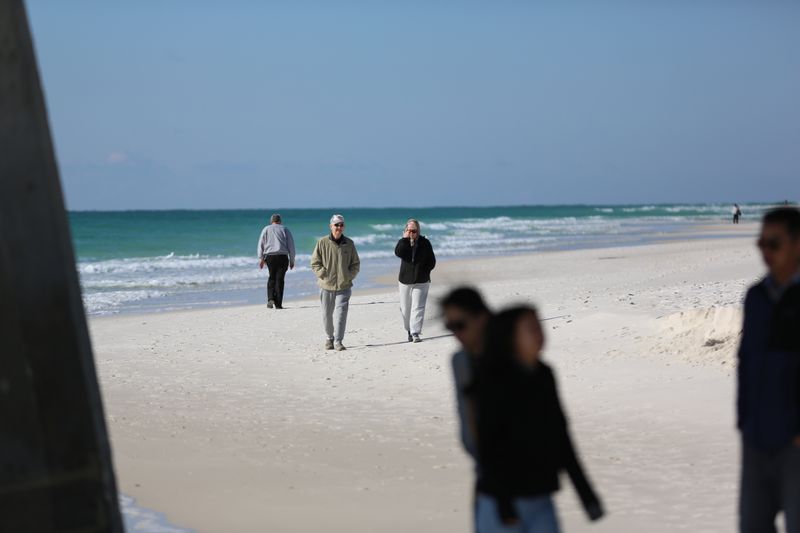
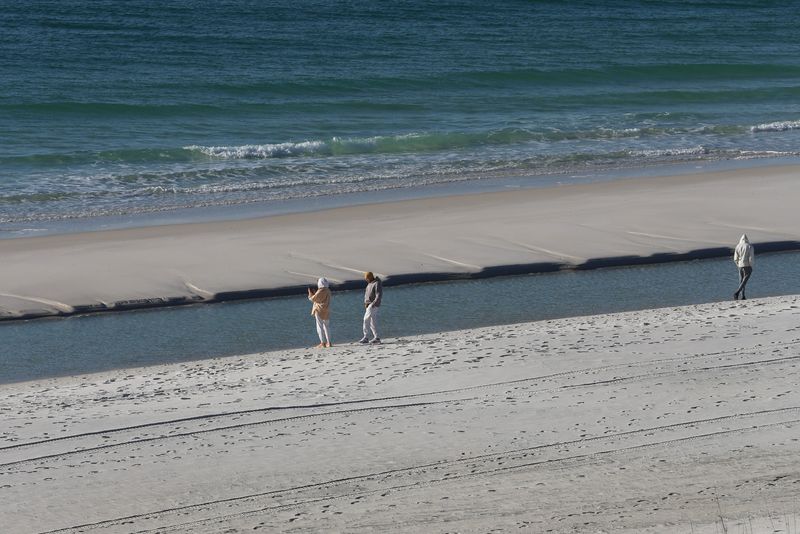
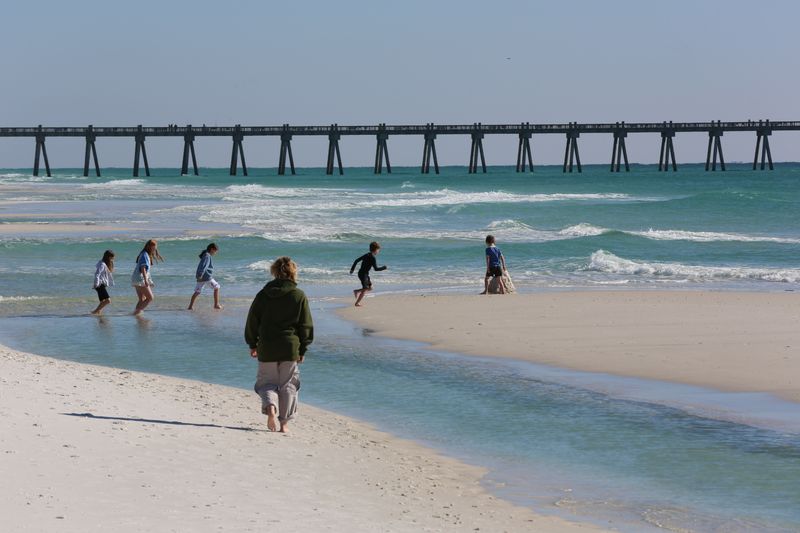
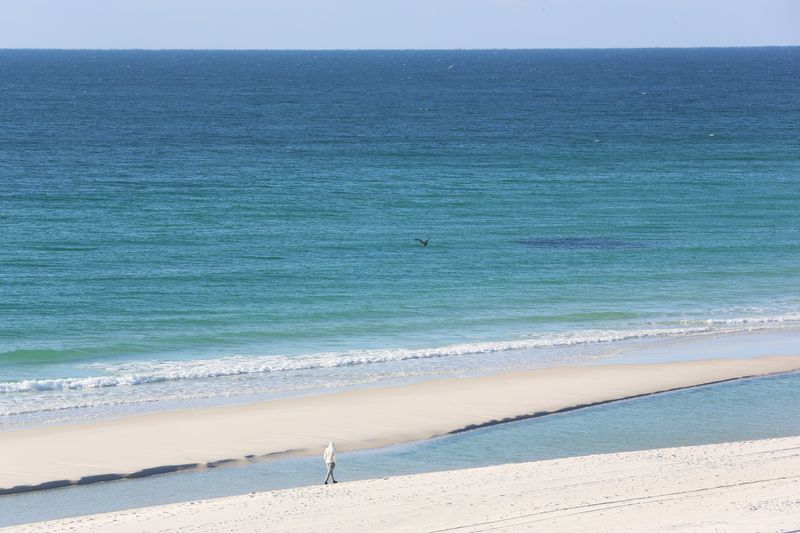
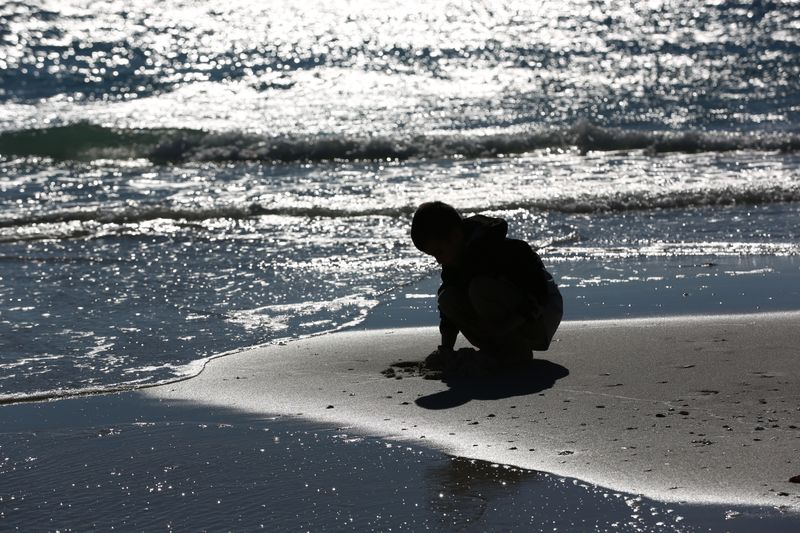
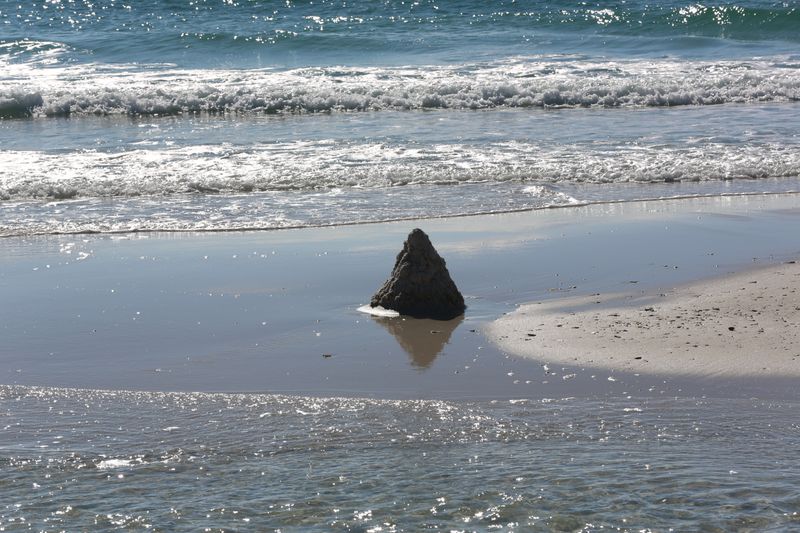
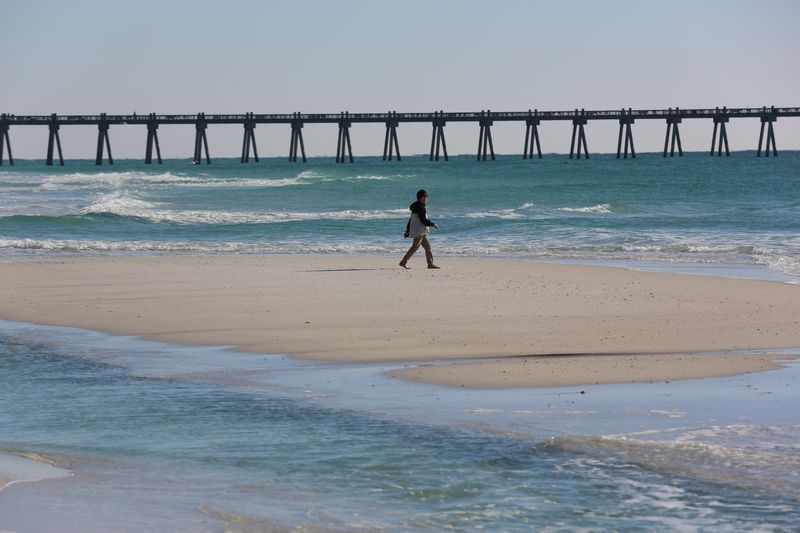
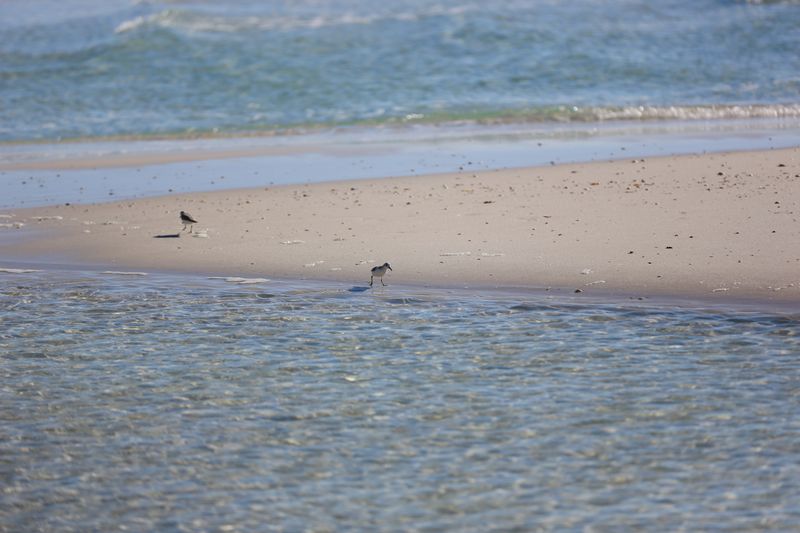
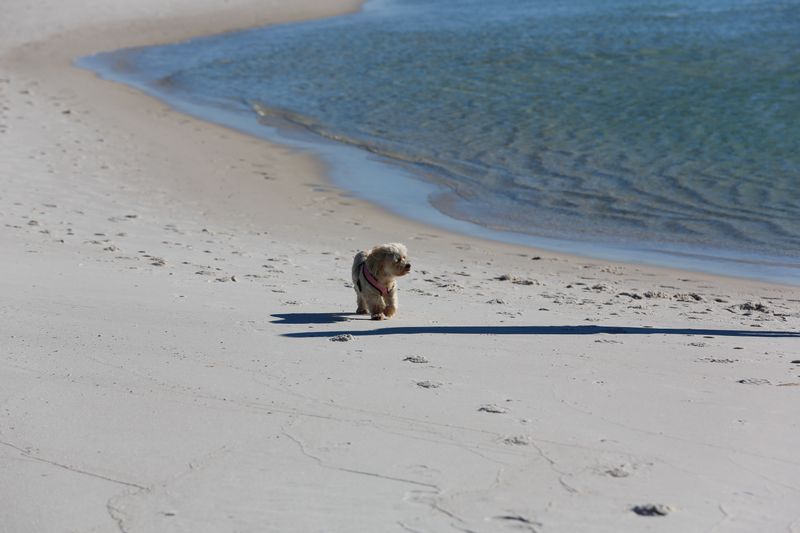
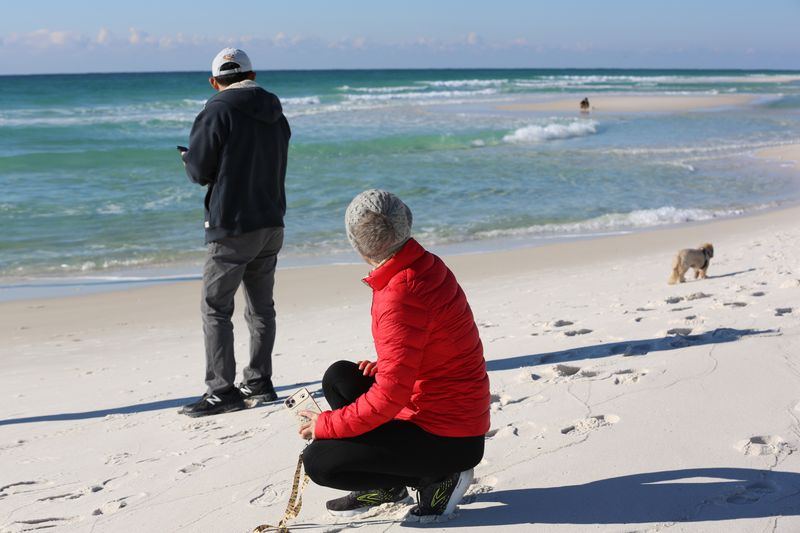
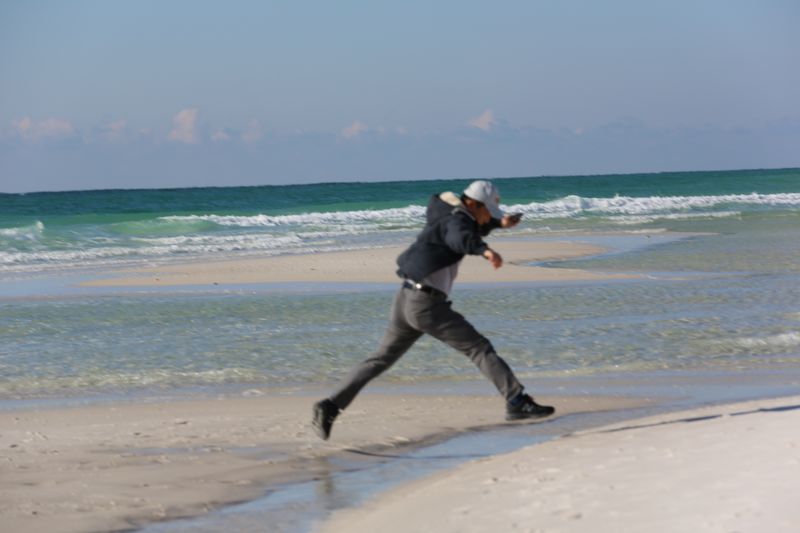
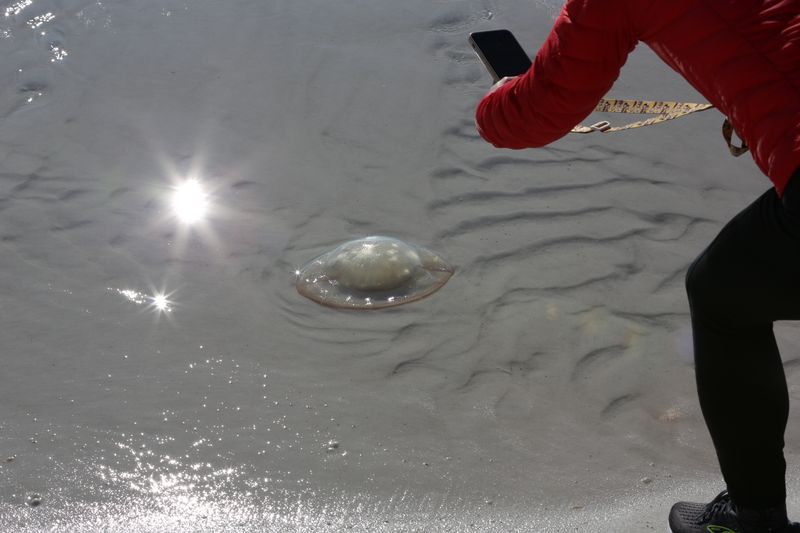
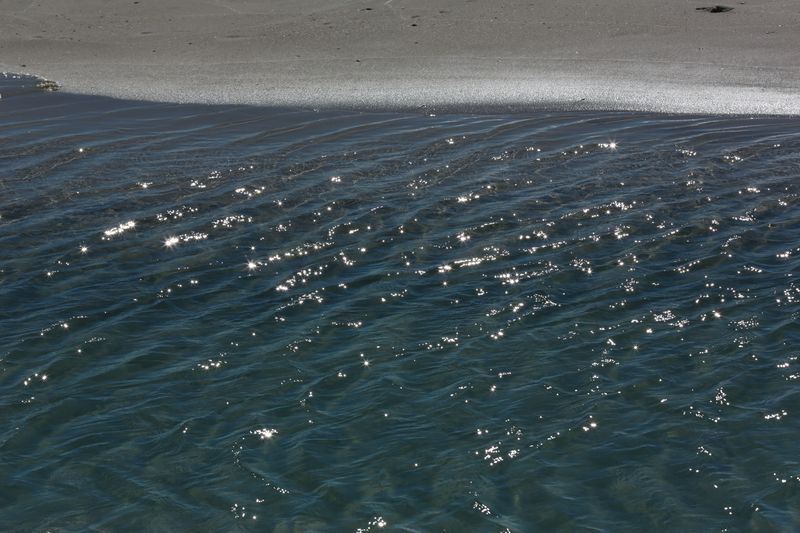
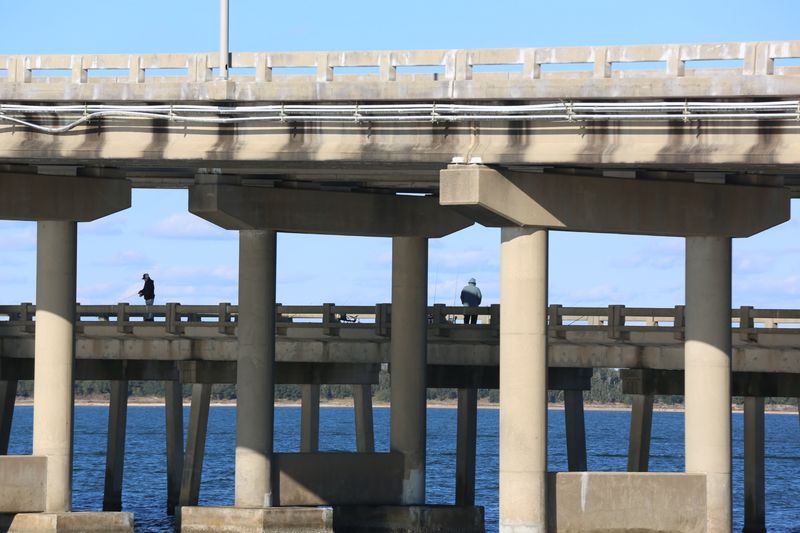
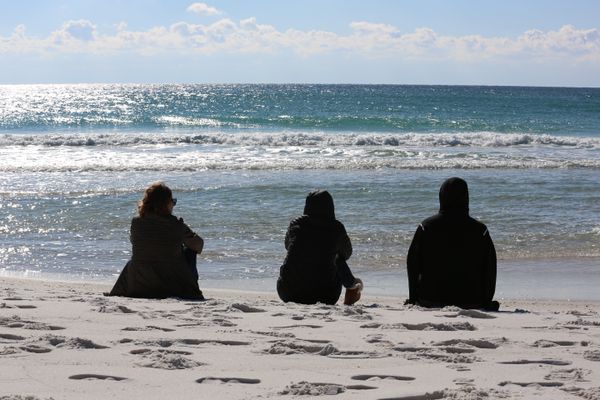
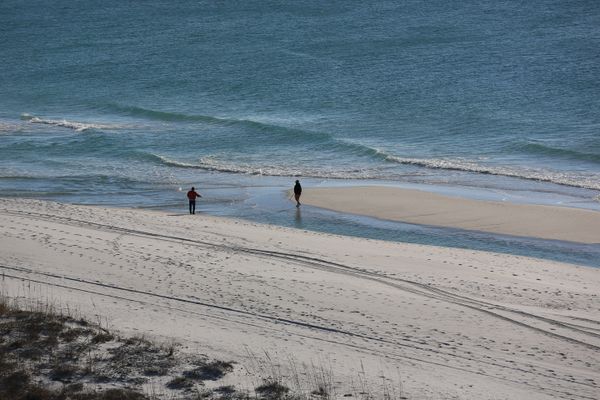
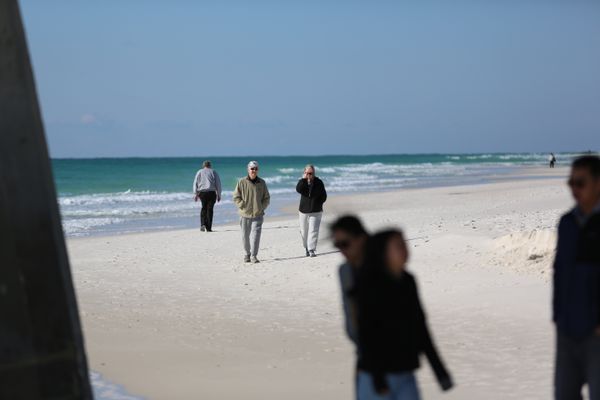
Over time, photography became a fragile bridge between us. When conversation stalled and discomfort emerged, I instinctively raised the camera, turning my attention toward other “islands” — the people around us. On the beach, I could photograph strangers with ease: a child slightly detached from a group, parents absorbed in conversation while their child plays alone by the water, scattered sand structures, a younger figure positioned ahead of an older one, a dog moving independently along the shore. These moments revealed a recurring structure: figures appearing together, yet existing apart.
When I turned the camera toward my aunt and uncle, however, this bridge became unstable. Their expectations of being photographed did not align with my way of seeing. The poses they preferred felt unfamiliar to me, while my approach was not fully understood by them. In this misalignment, photography both connected us and exposed the gap between us — a tension that the images quietly record.
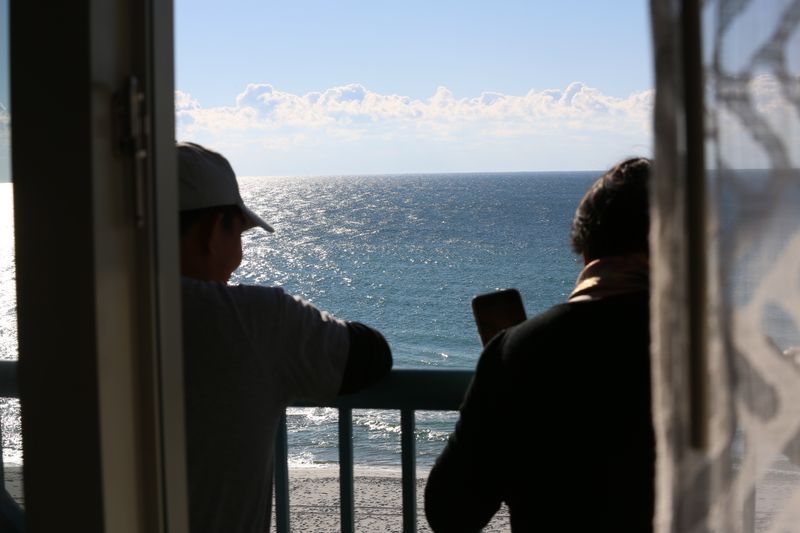
In one image, they stand on a balcony looking out toward the landscape, while I remain inside, separated from them by a half-open glass door — close enough to see, yet unable to fully enter the space they inhabit.
As I observed strangers on the beach, I began to recognize that this structure extends beyond our relationship. Families and groups appeared as unified entities from a distance, just as we might appear to others simply as “an Asian family.” In this mutual act of looking, individual differences are compressed into a singular external form.
I understand this condition as an archipelago — a formation of islands that gather without merging. Bound by inherited ties, we remain in proximity, yet separated by forces that are fluid and difficult to grasp.
In this work, closeness is not given, but negotiated. Connection does not resolve into unity, but persists as tension — between recognition and unfamiliarity, presence and withdrawal.