In The World But Not Of It



-
Dates2009 - Ongoing
-
Author
The Hutterites, pacifist Anabaptists whose roots trace back to the 16th Century Reformation, live communally on colonies throughout western Canada and the north-western United States. Their culture continues to be preserved through deliberate separation from mainstream society and economic self-sufficiency. They cling to traditions that have served them well such as isolating from mainstream society yet allow enough change to their society to stay viable in a modern world.
Members are provided for throughout their entire lives and on the whole experience less of the loneliness and isolation prevalent in the modern world. The importance given to engagement in family life, social life and spirituality, and the defined purpose for their lives means Hutterite communities meet many of the requirements to be considered Blue Zones; area’s where health, happiness and life expectancy rates are higher than average. While we may not all be able to follow in the Hutterites footsteps of communalism we can certainly learn from their strong connectedness to their past, the environment around them and each other.
Despite a history of persecution the Hutterites are currently in the midst of one of their most successful periods. Facing no overt threats from the outside world they have prospered and grown to over 45,000 members. They are one of the most successful models for communal living in modern history.
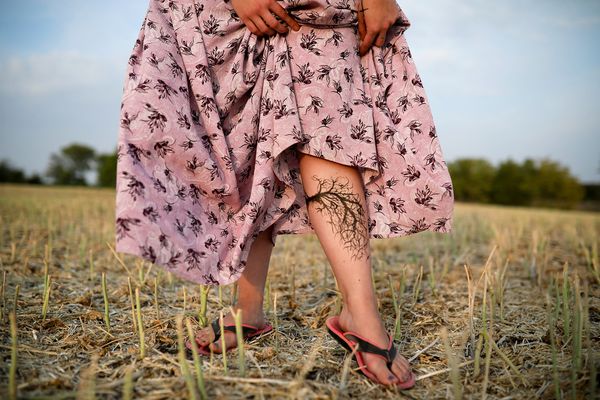
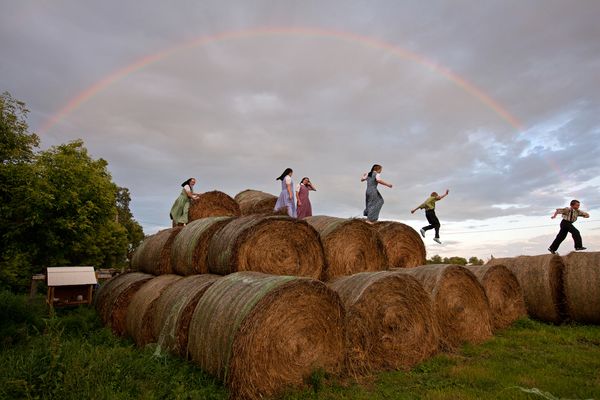
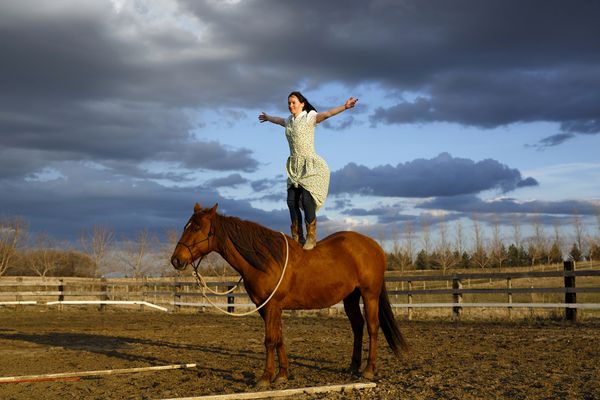
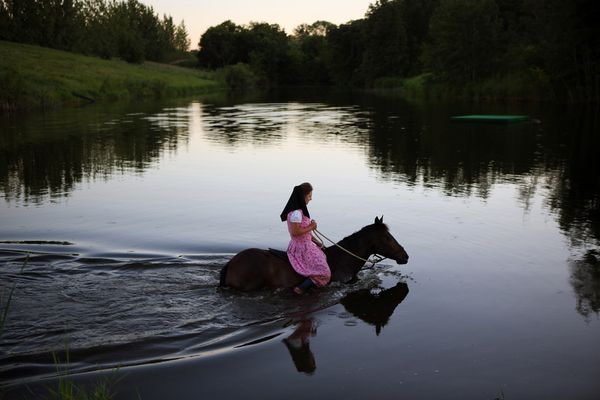
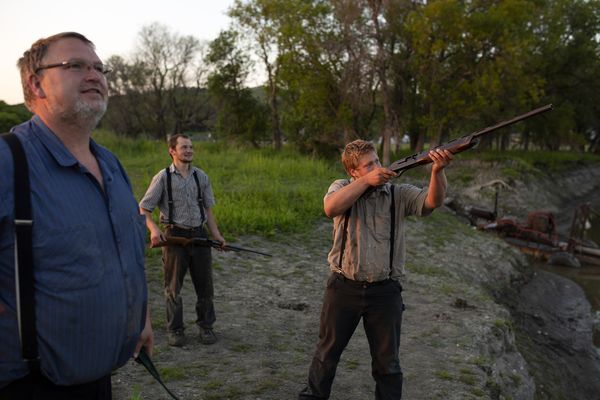
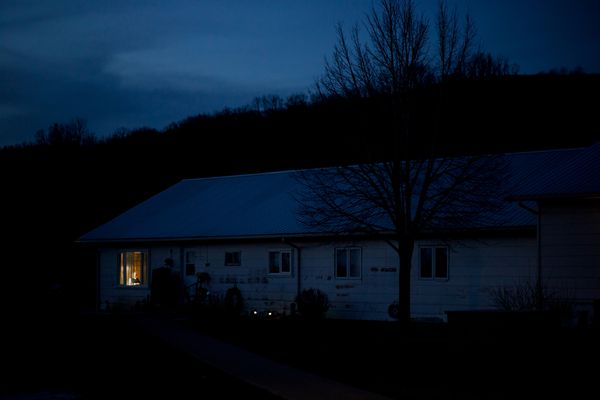
Hutterites are often either romanticized or denigrated as simple, backwards, quaint and/or old fashioned. The reality is that their society is very complex and no two colonies are the same. Smith’s photographs provide a contemporary and nuanced view of the Hutterite colonies – delving into complex decisions at the heart of the everyday. They offer a glimpse into the continuously negotiated sites of Hutterite life. Many of the images focus on the youth culture in the colonies, where expressions of rebellion, respect for tradition, and maintenance of strict gender roles all create a sense of dual resistance – at once against the pressures of the outside world and against tradition. Having devoted 13 years to this project, Smith’s understanding of the Hutterite communities creates a possibility of showing their complexity in ways that are responsive to how they wish to be seen.
Each colony must decide how rigidly they cling to their traditions verses how much they adapt to the increasingly connected outside world. Conformity to the larger group is unofficially policed by the group as a whole. The Minister of each colony is burdened with ensuring the colony stays on a path to godliness rather than worldliness. As Hutterite author Paul S. Gross wrote “We cannot please the world and God at the same time … Either we take this world with all it offers, including trouble, mental stress, sorrow, and death at the end; or else we take a better way.”