Identity
-
Dates2022 - Ongoing
-
Author
- Location Brazil
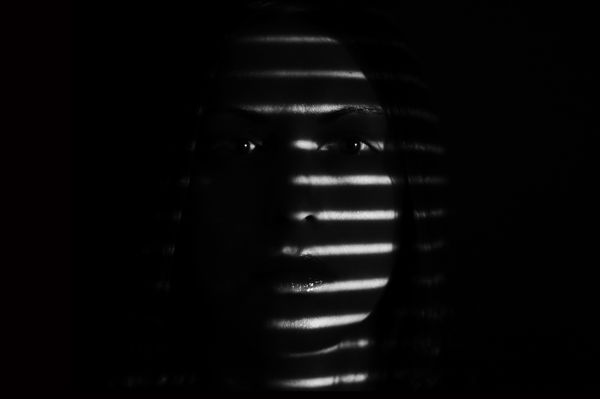
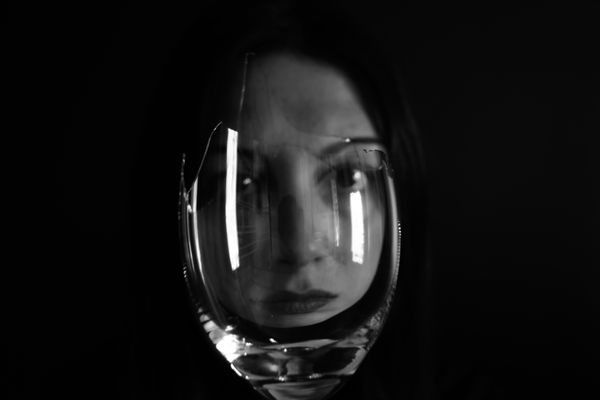
Identity is a series shows the conflict between our known identity and our spiritual condition. Through various self-portraits, the author works with symbolism and imagery that describe a woman whose identity is not fully revealed to us. Her spectral appe
IDENTITY
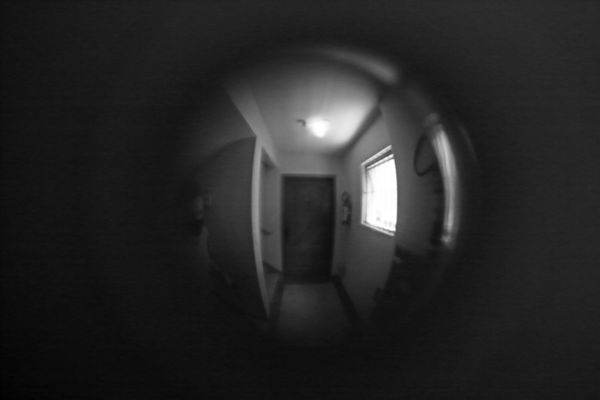
A peephole initiates the narrative of loss and the search for identity. Through it, what is on the other side of the door is perceived, but not completely identified due to distortion. And this distortion will be revisited several times, either literally or metaphorically, throughout "Identity."
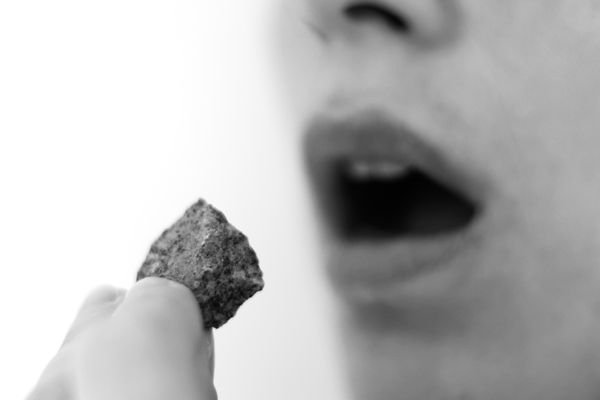
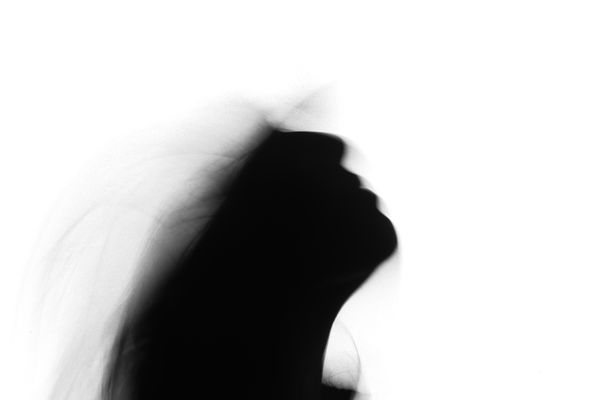
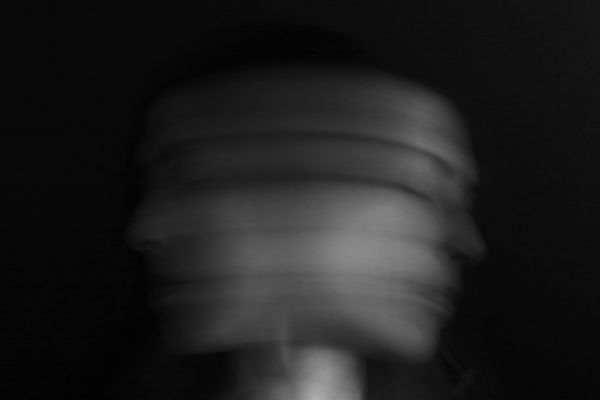
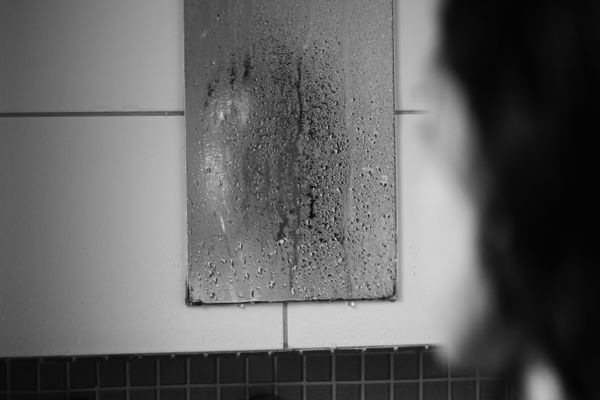
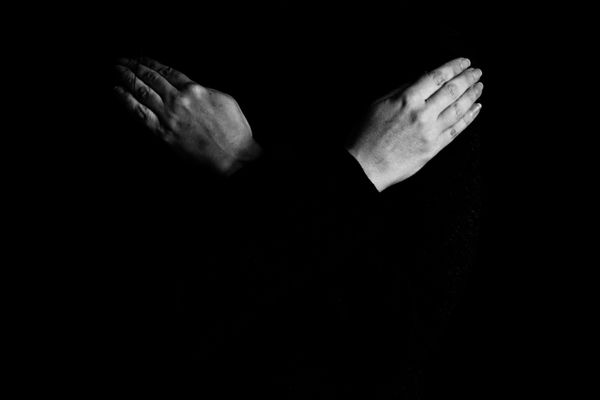
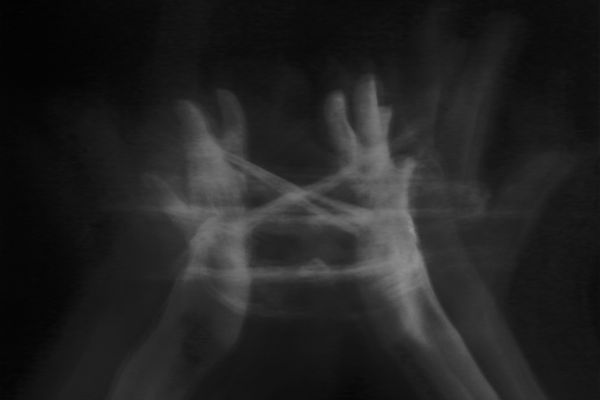
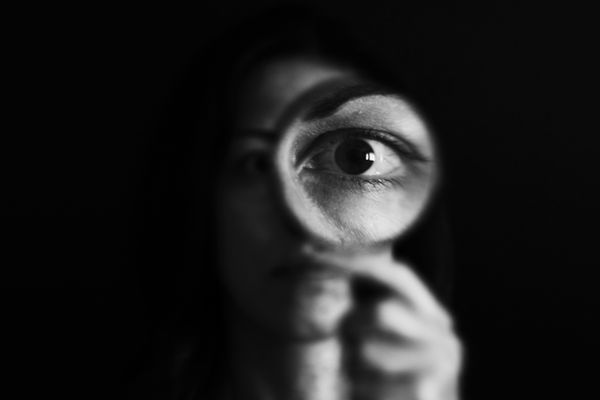
The magnifying glass calls us to penetrate the interior of the one who observes us, reminding us that looking also implies being seen. Through various self-portraits, or rather, self-representations, the author works with symbolism and imagery that describe a woman whose identity is not fully revealed to us: in the shadows, in a foggy mirror or in oscillatory movements. Her spectral appearance reveals that she is not seeking affirmation of her identity, but is trying to lose it, erase it, not allowing any type of access to it.
With surrealistic images, "Identity" depicts the conflict between our known identity and our spiritual condition. The paradox is established in the use of self-portraiture, which is, a priori, a tool for self-recognition. Here, there is a reversal, in images that actually demonstrate a desire to be inaccessible, to erase, dissolve, and disintegrate oneself.