I remember

-
Dates2024 - Ongoing
-
Author
- Locations Liberia, France, Mexico, Spain
“I remember” becomes a collective refrain across four territories bound by steel, showing how extraction connects distant geographies through dispossession and violence against bodies, memory, and the ecologies that sustain them.
1. Steel as an Axis
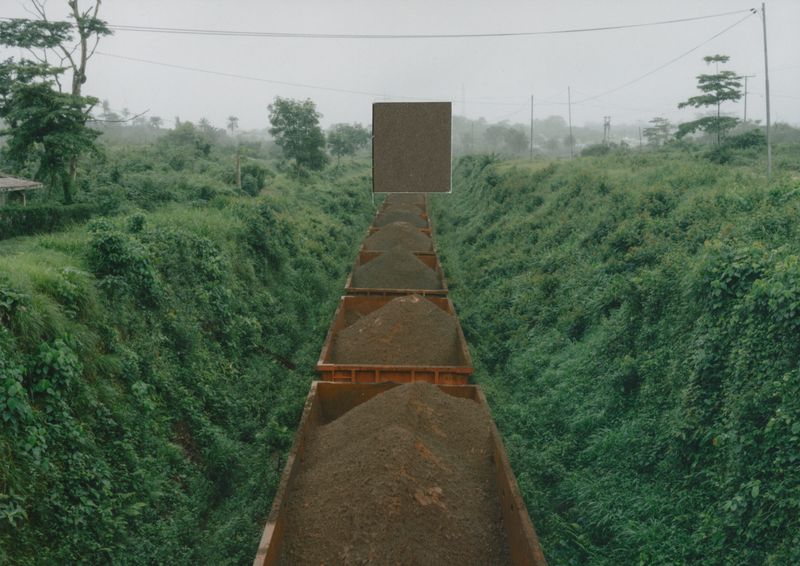
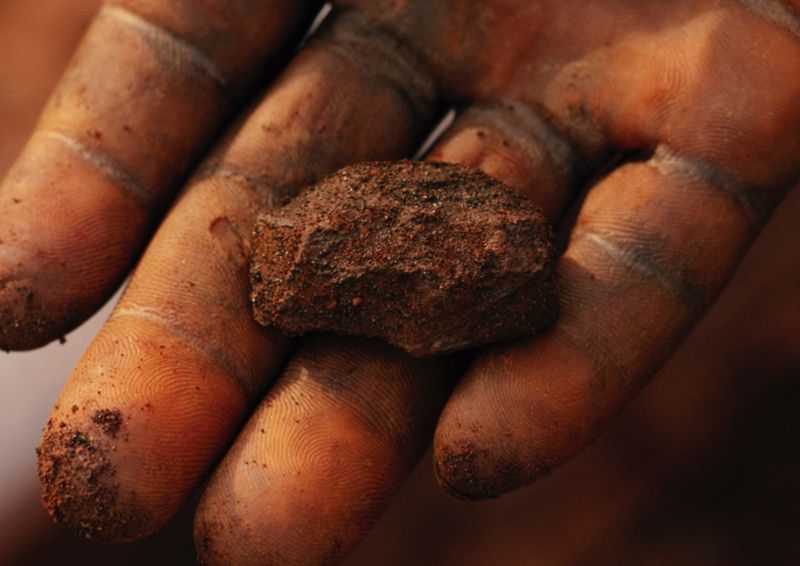
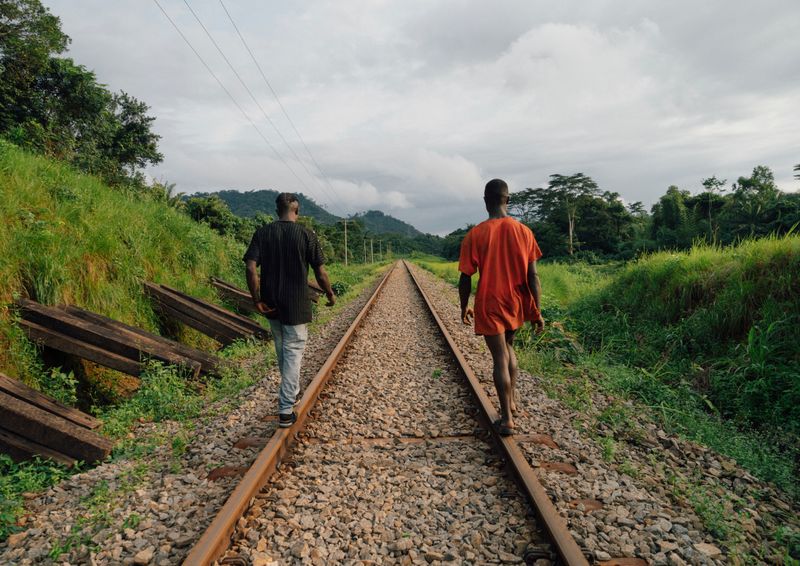
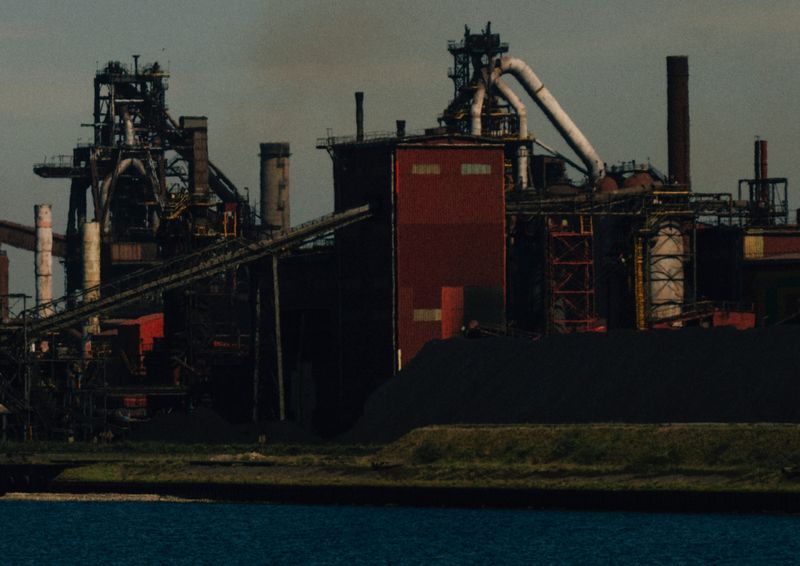
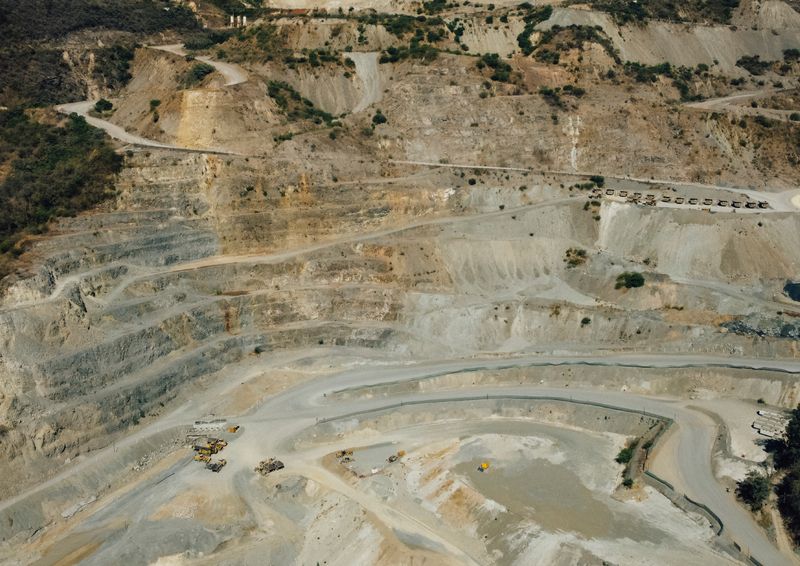
This project traces the trajectory of steel across four territories: iron ore extraction in Liberia and Mexico, and steel manufacturing in France and Spain.
ArcelorMittal, Europe’s largest steel producer and the second largest worldwide, operates within uneven legal, environmental, and economic frameworks. In Liberia, mining activities have resulted in land dispossession and ecological degradation. In Mexico, environmental defenders opposing industrial expansion have been threatened and killed. In Spain and France, steel production persists under public subsidy while contributing to air pollution, greenhouse gas emissions, and increasingly precarious labor conditions.
Steel becomes both material and axis, a connective structure linking distant geographies through asymmetrical relations of extraction, production, and accountability.
2. Extractive Logics
Across these territories, extractive logic reshapes everyday life in structurally interconnected ways.
While corporate discourse emphasizes transition and decarbonization, the underlying architecture of extraction remains largely intact. Environmental harm is unevenly distributed, frequently along lines of race, class, and geography. What is framed as progress in one location may register as dispossession in another.
3. Image and Counter-Archive
Extractivism is also a visual regime. Industrial expansion has historically been accompanied by images that frame infrastructure as achievement while obscuring its social and ecological consequences.
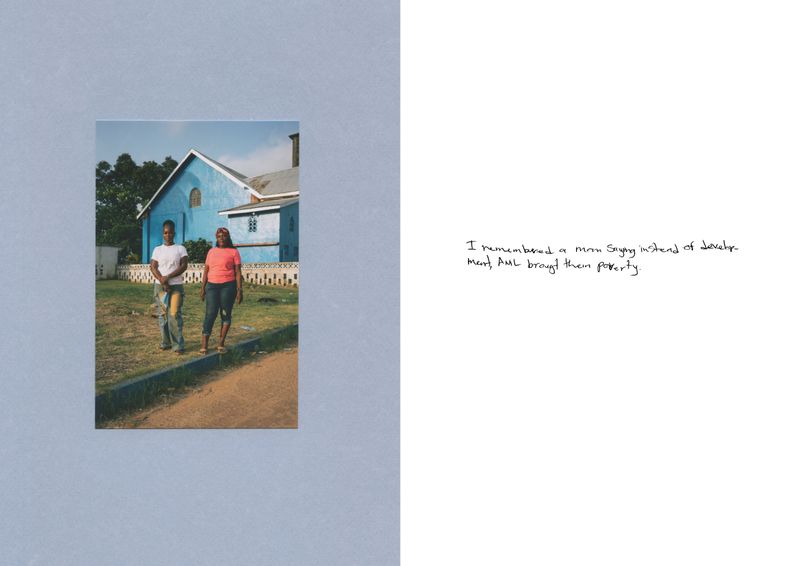
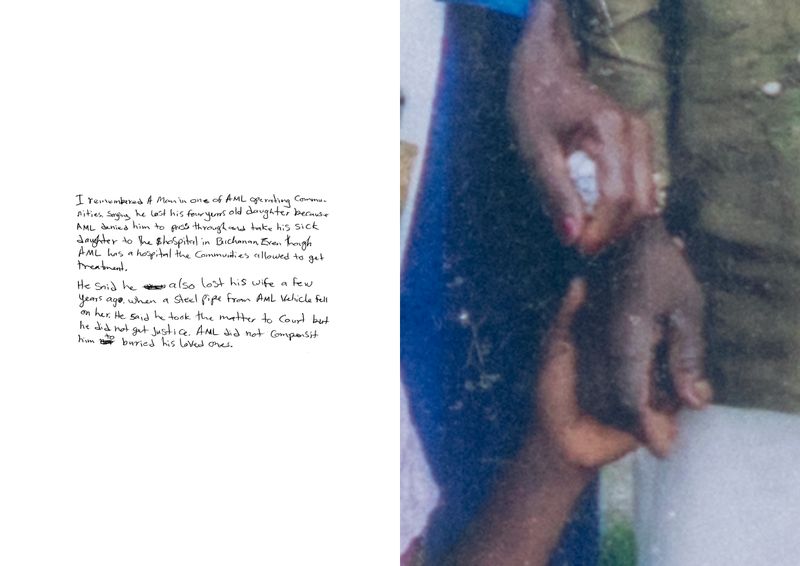
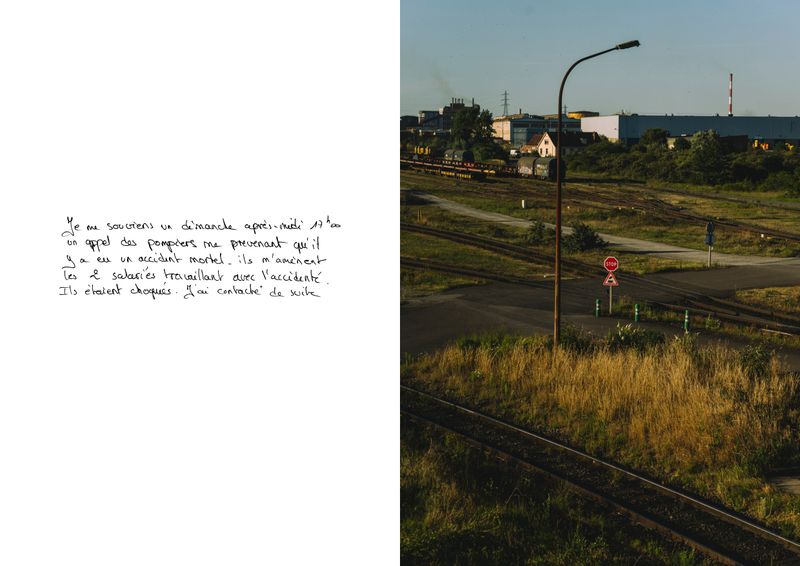
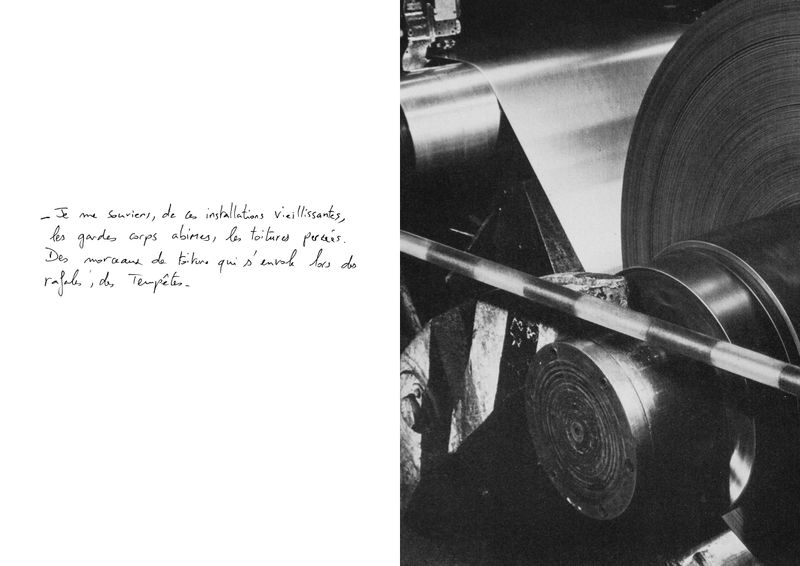
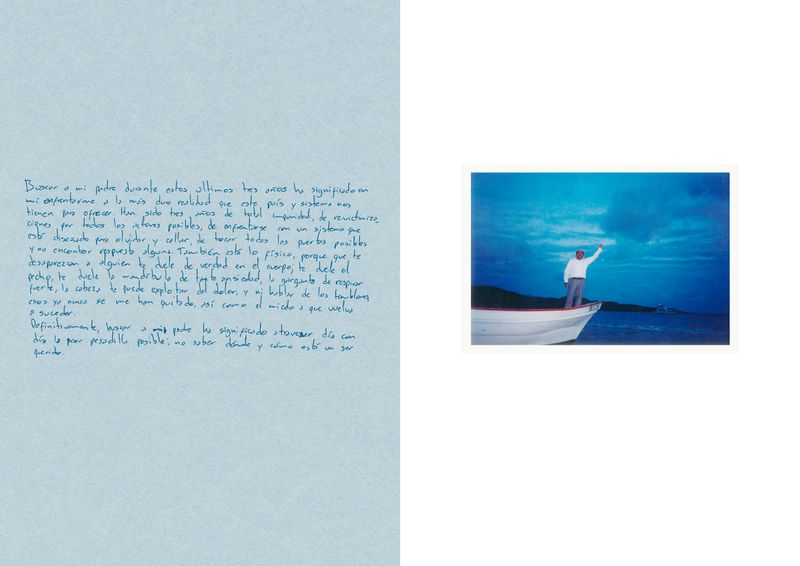
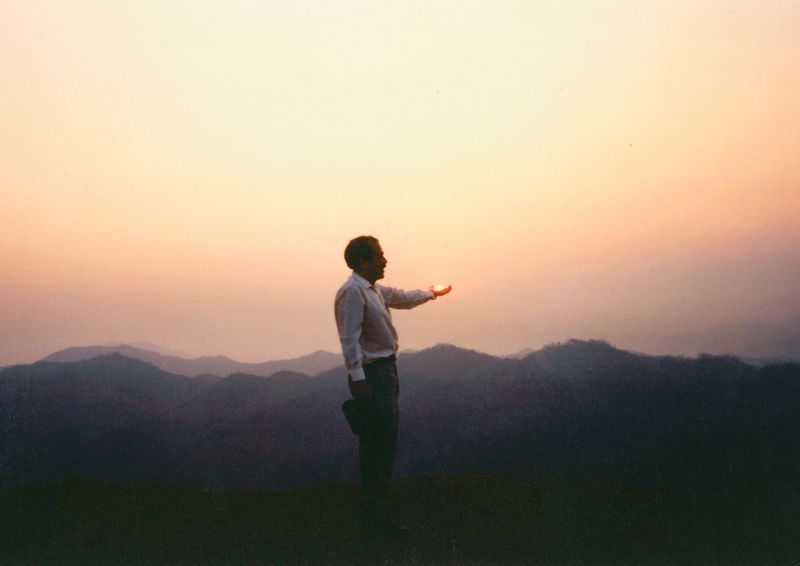
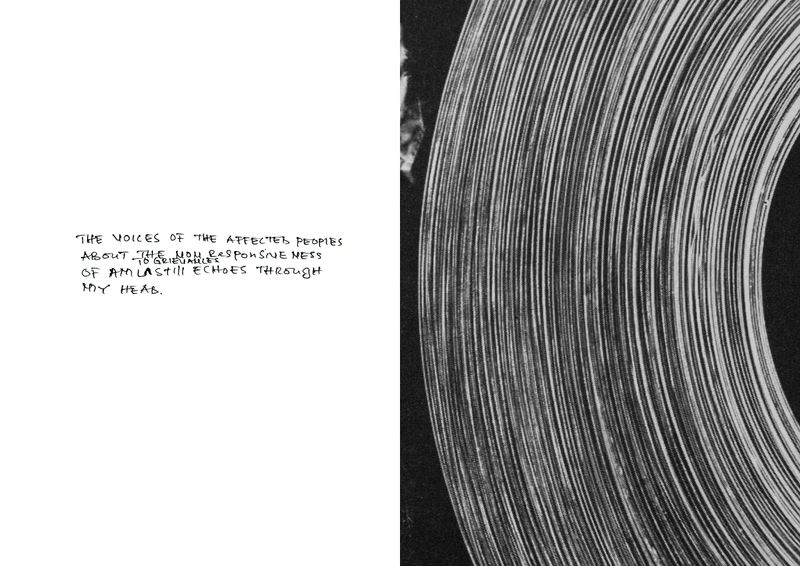
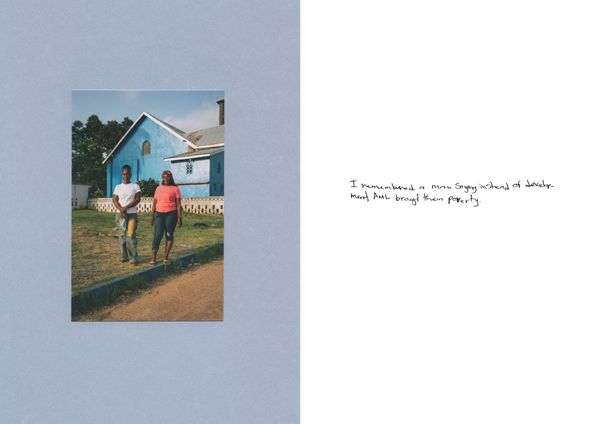
Through contemporary photographs, archival materials, cartographies, and handwritten testimonies, the project assembles a counter-archive of steel production. The sequencing remains intentionally discontinuous, echoing the fragmented circulation of raw materials, capital, and political responsibility.
Rather than constructing a linear narrative, the work inhabits gaps, overlaps, and silences.
4. Collective Practice
Developed in dialogue with journalists and contributors in each territory –Mae Azango in Liberia; Beto Paredes in Mexico; Coline David in France–, the project incorporates affective mapping, written memories, and collective readings of archival images.
Handwritten testimonies appear in Spanish, French, and English. They begin with recurring phrases —“I remember,” “Je me souviens,” “Me acuerdo”— openings that situate experience in lived time and shift narrative authority toward embodied knowledge.
5. Visual Language
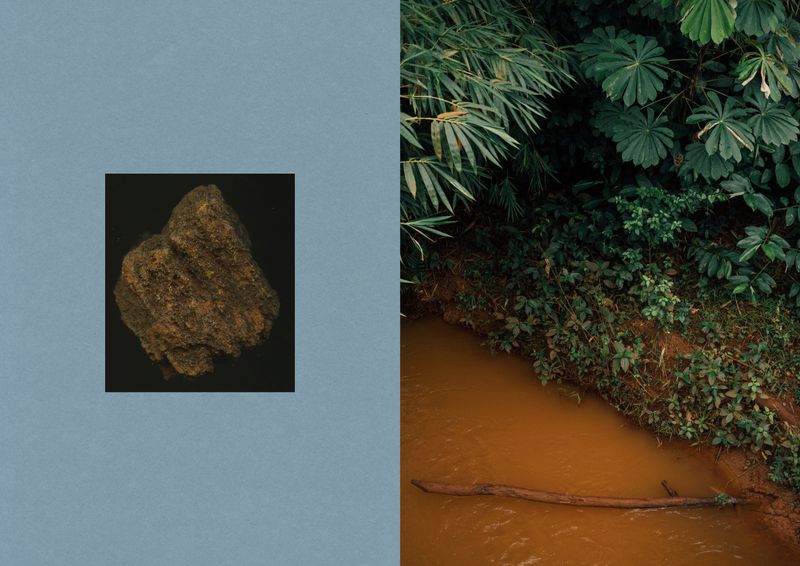
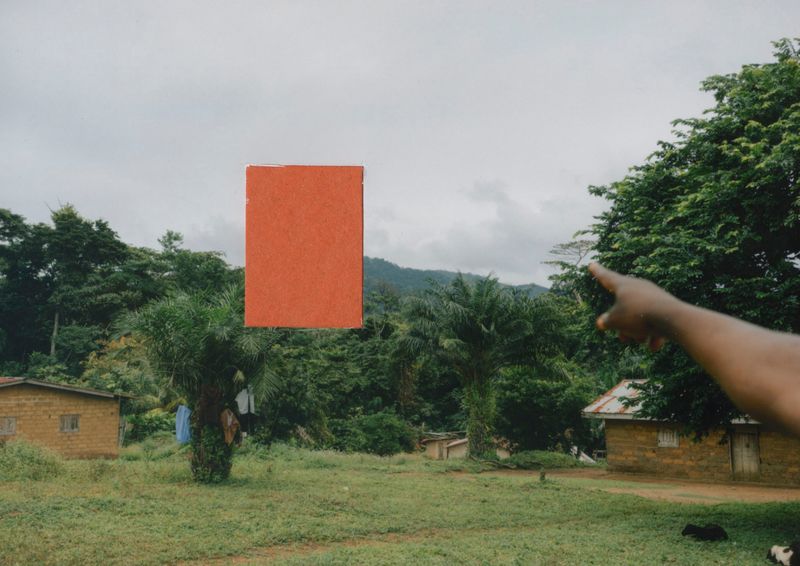
Materiality is central to the project. Photography is approached not as neutral evidence, but as a surface inscribed within the very histories it seeks to examine.
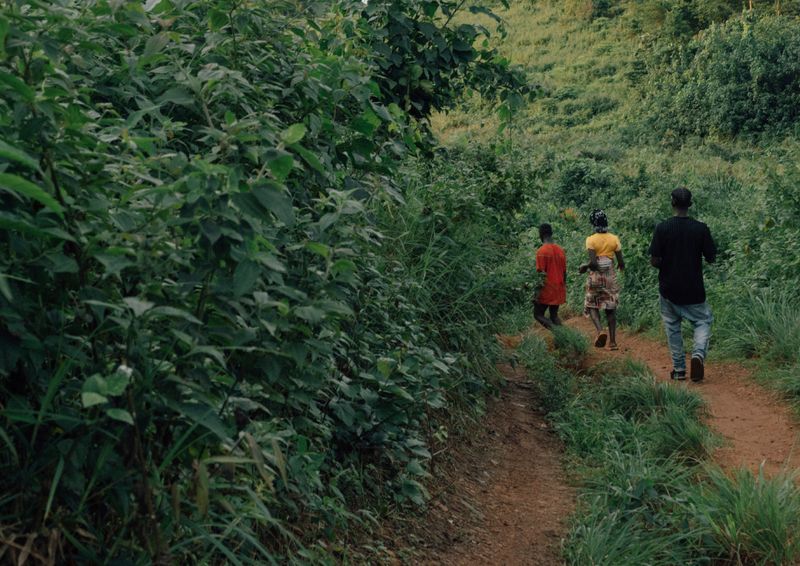
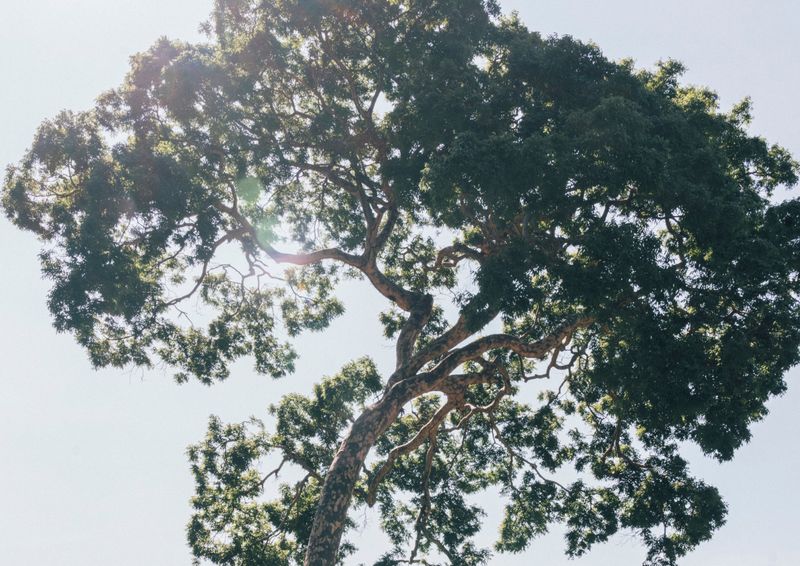
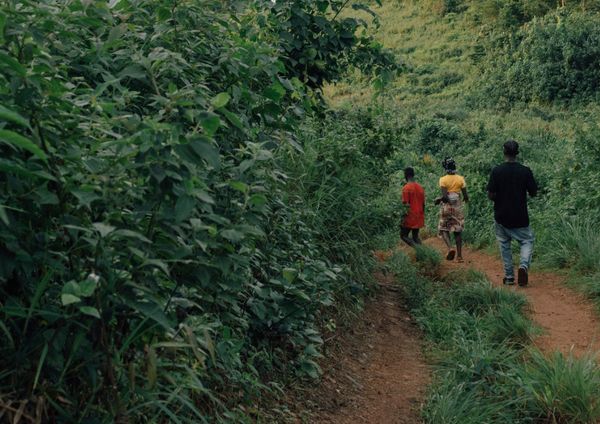
Color functions as a subtle narrative thread. Greens and blues — associated with vegetation and water — coexist with oxidized reds and metallic tones tied to extraction and steel production. These chromatic tensions mirror the coexistence of regeneration and depletion, visibility and erasure.
6. Process
“I remember” is grounded in revisiting: looking closely, listening attentively, and allowing time to sediment.
Within systems governed by speed and productivity, slowness becomes a deliberate gesture. The handwritten texts operate simultaneously as testimony and image. Printed photographs insist on their physical presence and material weight.
The coexistence of formats reflects the project’s methodology: returning to what has occurred, to what was silenced, and to what continues to reverberate across territories.
_______________________________________________________________________________________________
*Searching for my father over these past three years has meant confronting the harshest reality that this country and its system have to offer. These have been three years of total impunity, of re-victimization by every possible actor, of facing a system designed to forget and to silence, of knocking on every possible door and finding no answer. There is also the physical aspect, because when someone is disappeared, it truly hurts in your body; your chest aches, your jaw tightens from so much anxiety, your throat burns from heavy breathing, your head can feel like it might explode from the pain and not to mention the tremors; those have never gone away, nor has the fear that it could happen again.
Ultimately, searching for my father has meant living, day after day, through the worst possible nightmare: not knowing where or how a loved one is.