回家 (huí jiā)

  • Dates
    2018 - Ongoing
  • Author
  • Location Madrid, Spain

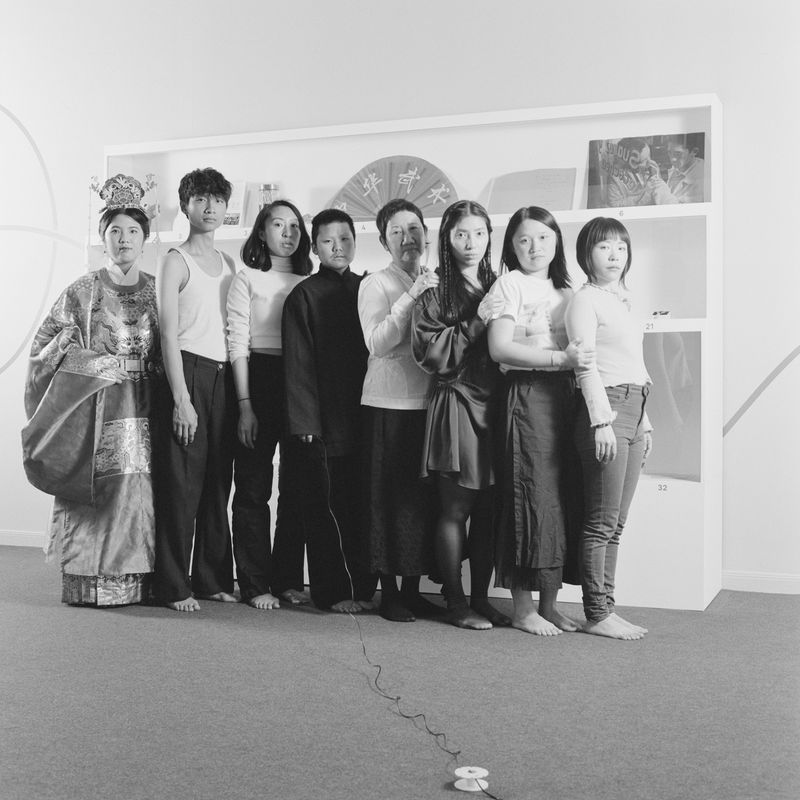
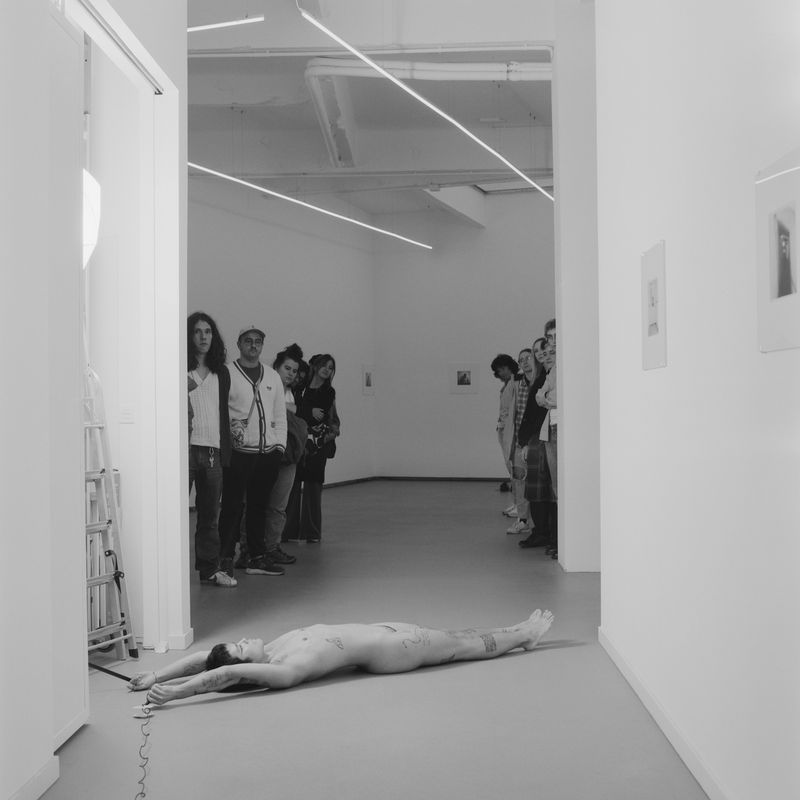
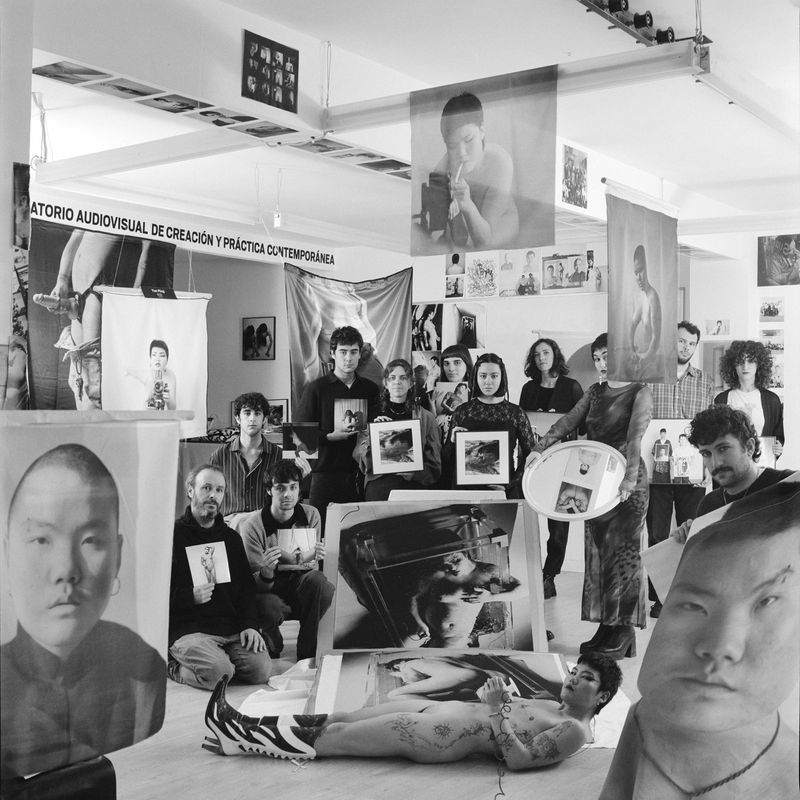
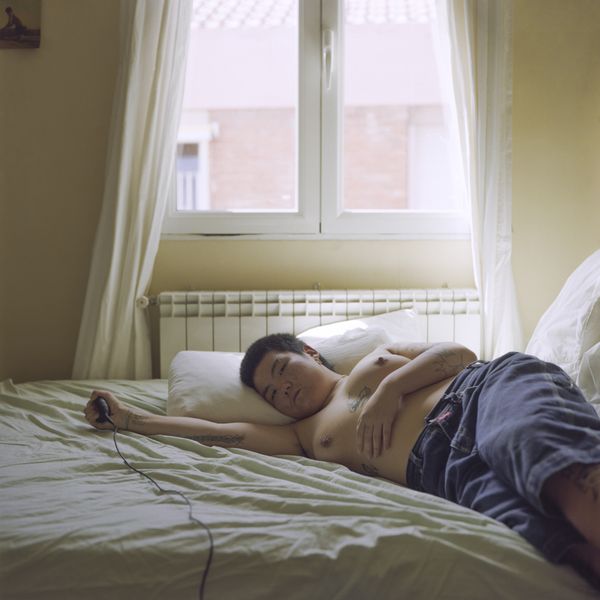
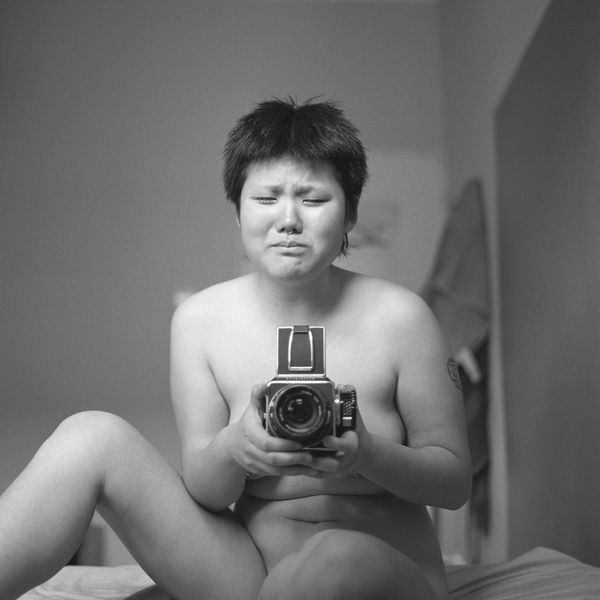
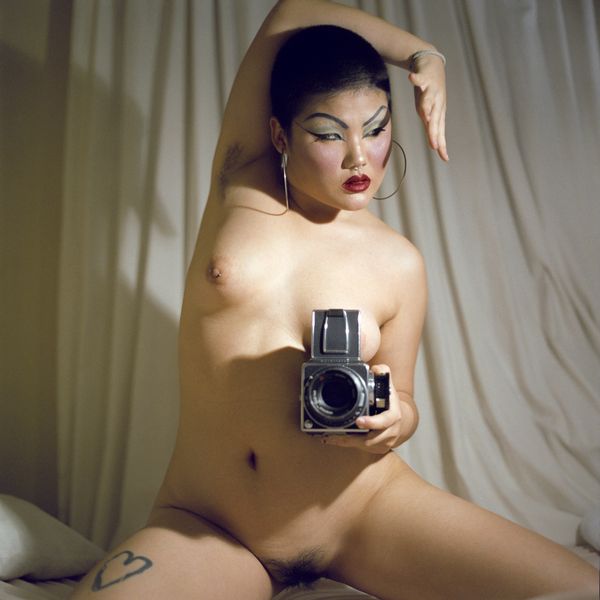
回家 (huí jiā) equates to an autobiographical assemblage that can be viewed as an ongoing exploration of representational processes – one that adds an action photo each time the artist moves apartment or stages a new exhibition.

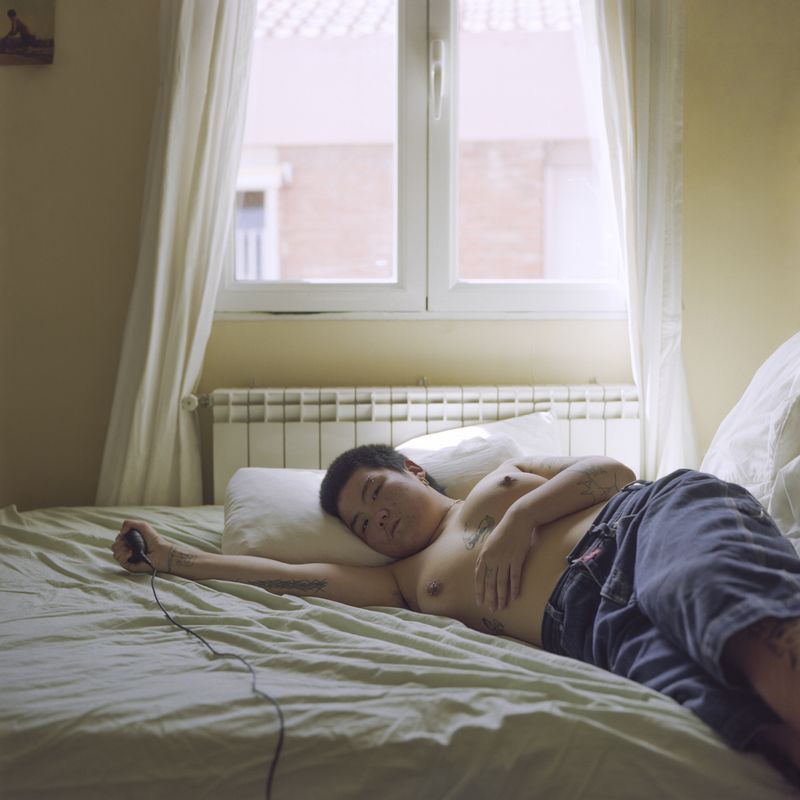
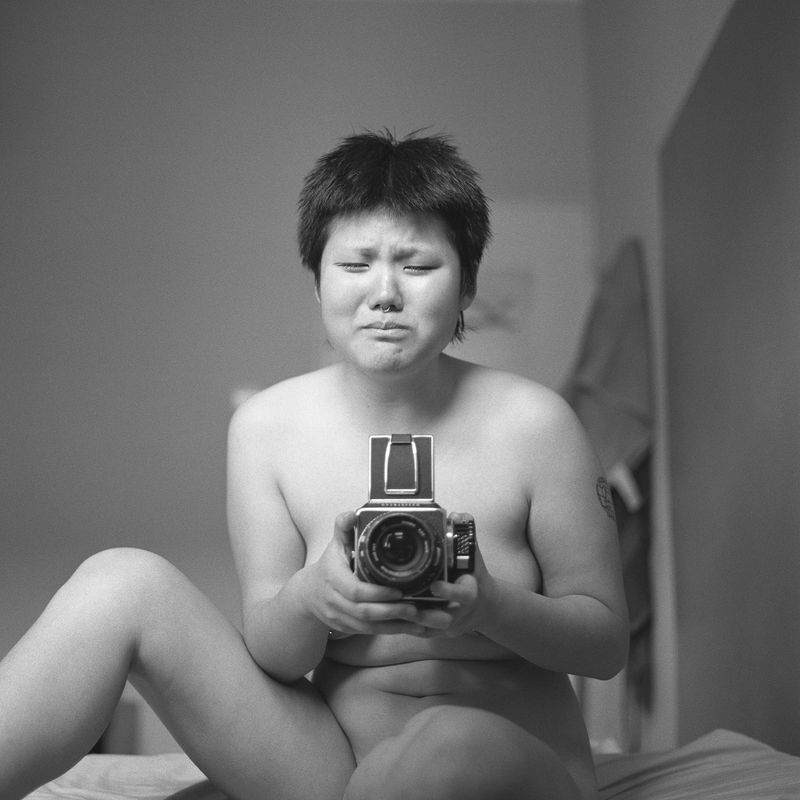
回 (huí) translates as “circle”, “time”, “to go back”, “to turn around” and/or “to respond” and 家 (jiā) as “home” and/or “family”. Together, they mean homecoming, and this return represents an autobiographical journey through my identity-search processes. This is an ongoing project (2018-) that depicts my gender transition while delving into the concept of intimacy, connecting the private and home and understanding the body as a place to inhabit. It takes place between the different households where I have lived. Thus, each chapter opens a new door to delve into a new aspect of my identity. 回家 (huí jiā) captures the aesthetic exploration and physical changes my body goes through time. I explore the different possibilities of my image in it, by multiplying it, breaking it, shaping it... This way, the project challenges the limits of gender through the creation and development of someone who inhabits femininity through a transmasculine body, that is unmade to be made again, that goes toward its place of origin. By portraying people that surround me, I show the other side that accompany me and through which I also build my own sense of kinship. These photographs, which play with the codes of family portraiture, serve to question consanguinity by emphasizing the idea of adoption as a choice. The camera accompanies me by creating affective relationships and documenting vital changes. This concept addresses transitioning as a return to a place which is familiar to the body, circular and constructed as a home. The project functions as a visual diary of everyday experiences entangled in multiple identity transitions, where gender, racialization, and adoption intertwine, where both author and work mutually shape each other. Showing all the effects of treatments, my entire aesthetic change, and the evolution of someone who, at this moment, is also advancing in their own youth, 回家 (huí jiā) is an expansion through space and time.
© Yunping Li - Image from the 回家 (huí jiā) photography project
i

«This self-portrait gathers the period of time when I lived at my first place in Madrid, where I started my gender transition journey on a social and medical level».

© Yunping Li - Image from the 回家 (huí jiā) photography project
i

«This portrait was taken right when I started to dig deeper into my gender transition. It condenses the emotions of having to consciously face anintense and deep journey in search for my true soul».

© Yunping Li - Image from the 回家 (huí jiā) photography project
i

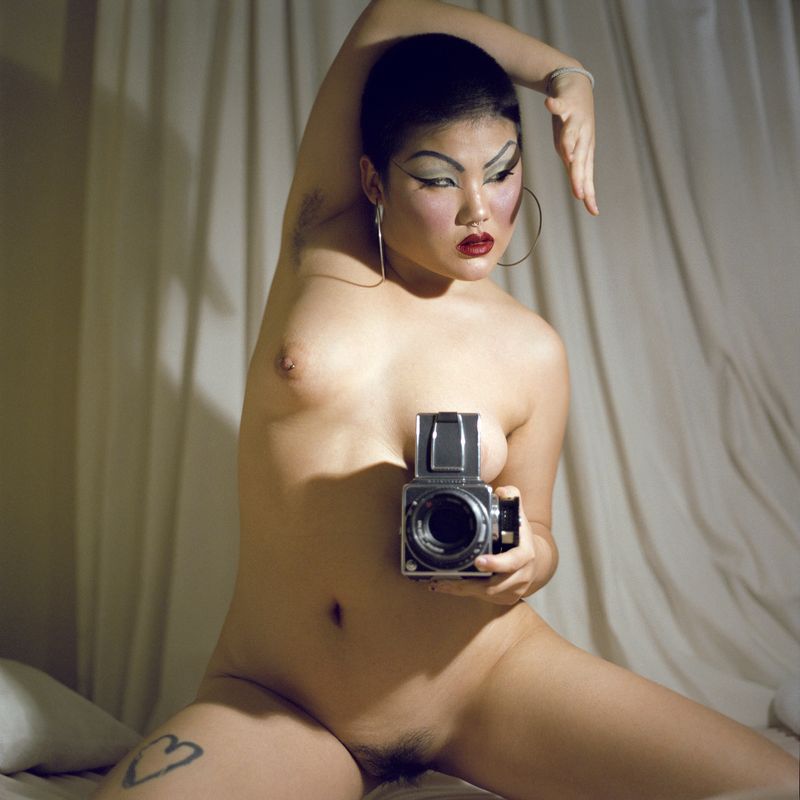
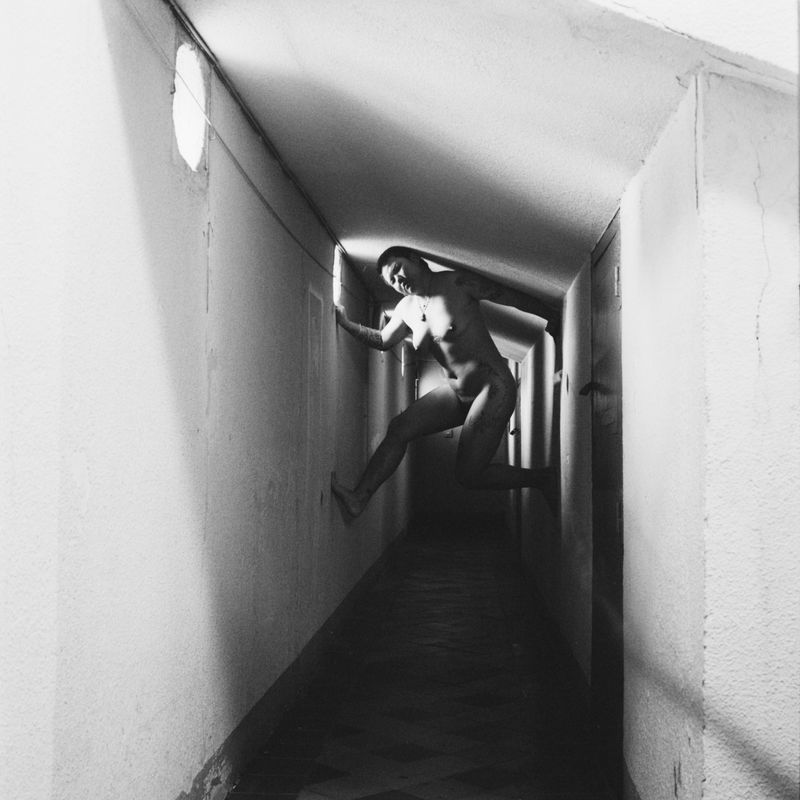
«When I began to explore my gender identity and my transsexuality, I also began to share some intimate moments with my camera, playing withmakeup and nudity trying to get closer to a femininity that suited me from a place that was no longer being a woman. This helped me deal withgender dysphoria feelings as I played with my body and my nakedness almost as if it were a suit».

© Yunping Li - Image from the 回家 (huí jiā) photography project
i

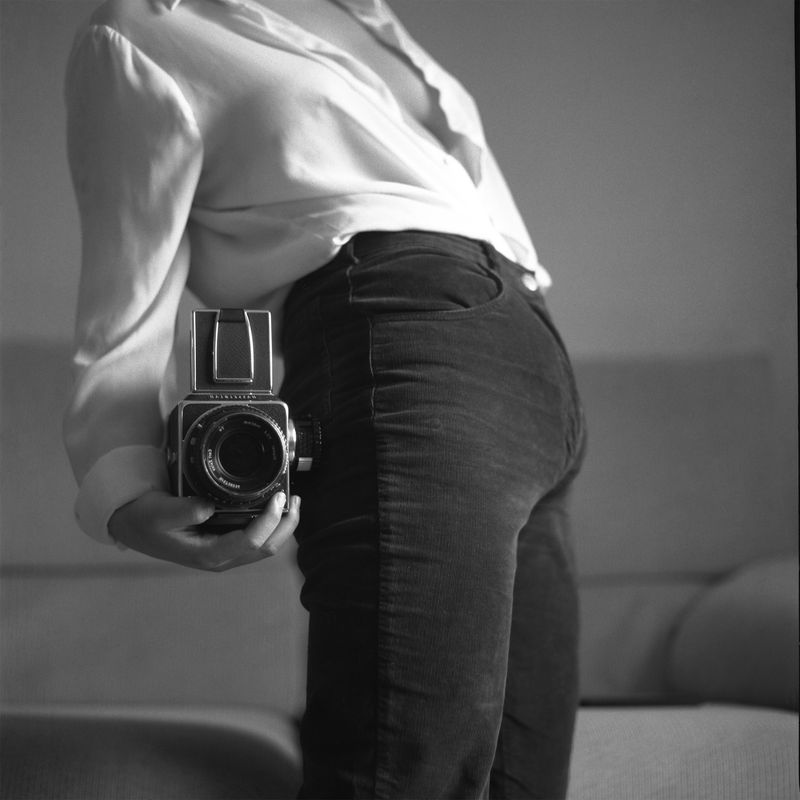
«This image documents ‘packing,’ which, in the trans FTM (female-to-male) community, is the practice of putting a penile prosthesis to achieve an outward appearance as well as reducing feelings of gender dysphoria. The first time I did it was with a sock».

© Yunping Li - Image from the 回家 (huí jiā) photography project
i

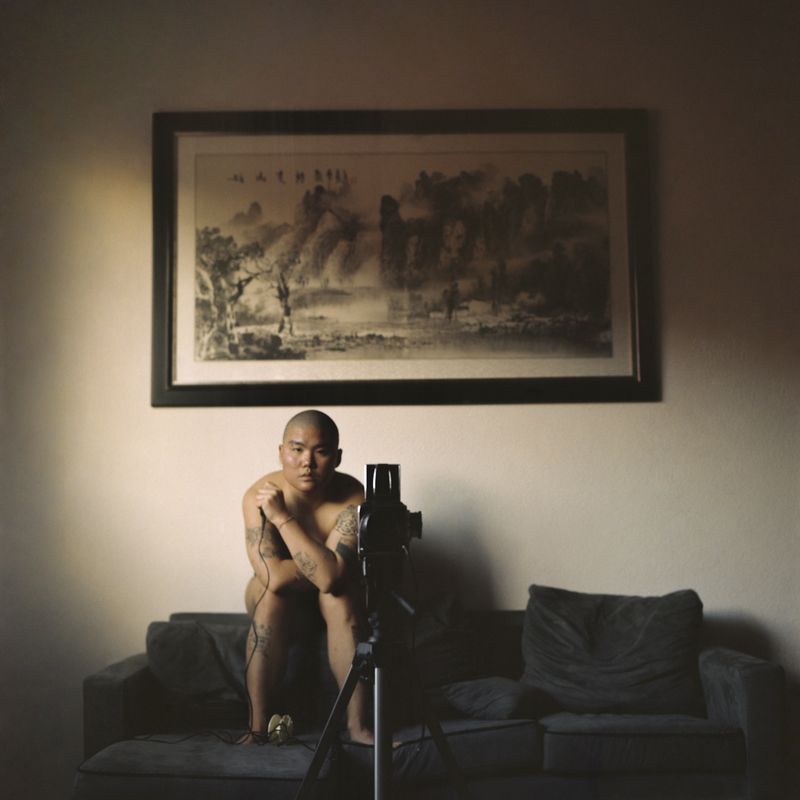
«This self-portrait was taken when I moved to my “new” place. The presence and sense of comfort my body takes up in space gathers the importance of home throughout the project. This image condenses the moment when I started to dig into my Chinese heritage».

© Yunping Li - Image from the 回家 (huí jiā) photography project
i

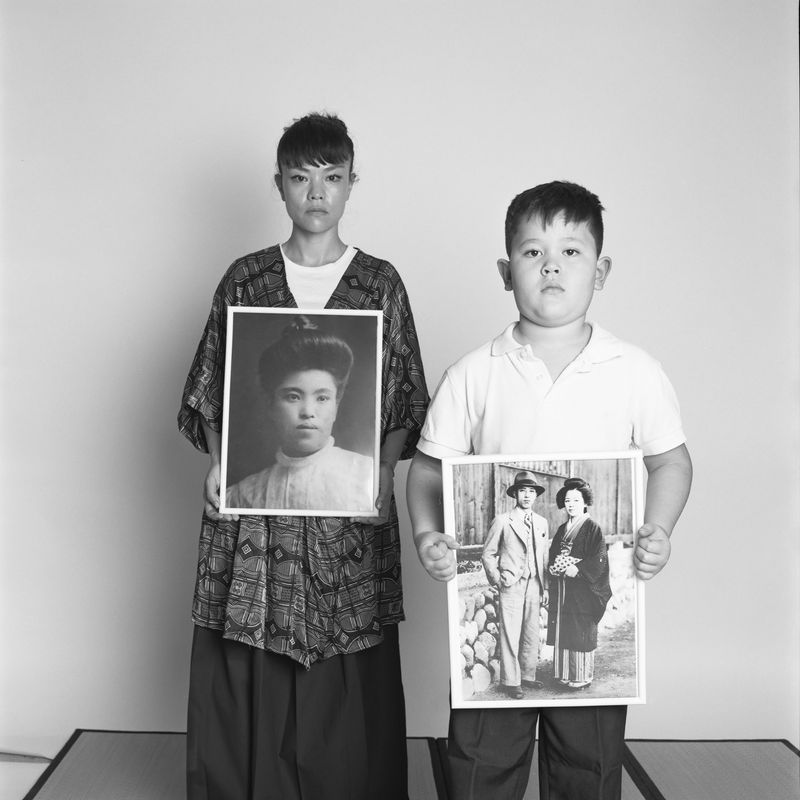
«In Japanese 三浦家 translates as Miura family. Inspired by “Family” (家) series by Masahisa Fukase, this portrait captures María and Ryu’s heri-tage through their surname Miura, inherited by their great-grandmother to their grandparents and to them».

© Yunping Li - Image from the 回家 (huí jiā) photography project
i

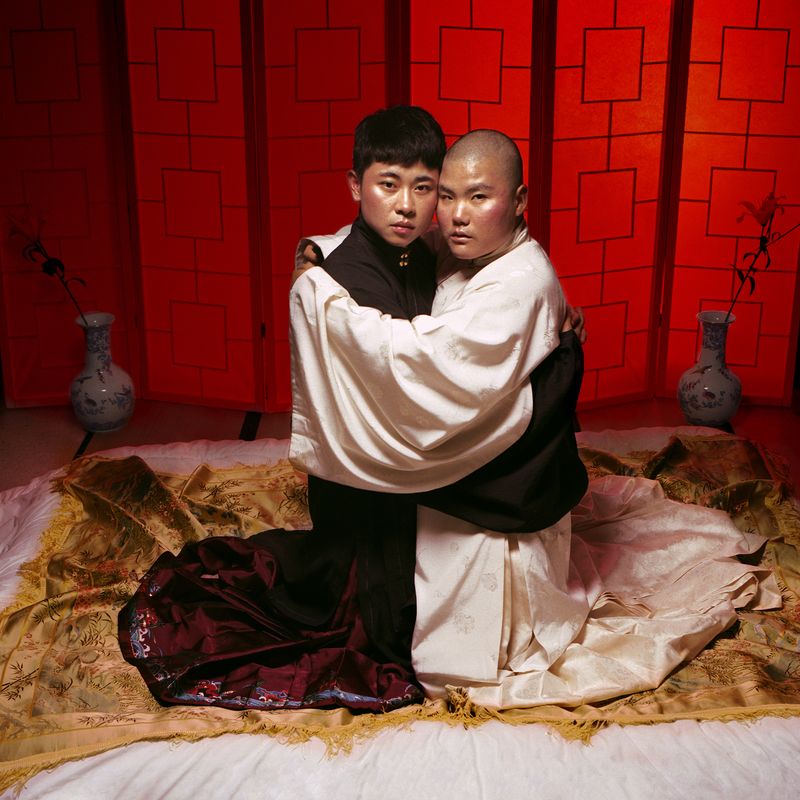
«“The Passion of The Cut Sleeve” 断袖之癖 is inspired by the Chinese legend known as the same name. It dates back to Han Dynasty and it is said that one afternoon, after napping together as usual, the Emperor woke up while Dong was peacefully sleeping on his sleeve. In order to avoid waking him up, Aidi decided to cut his sleeve off to let his lover rest instead of disturbing his sleep».

© Yunping Li - Image from the 回家 (huí jiā) photography project
i

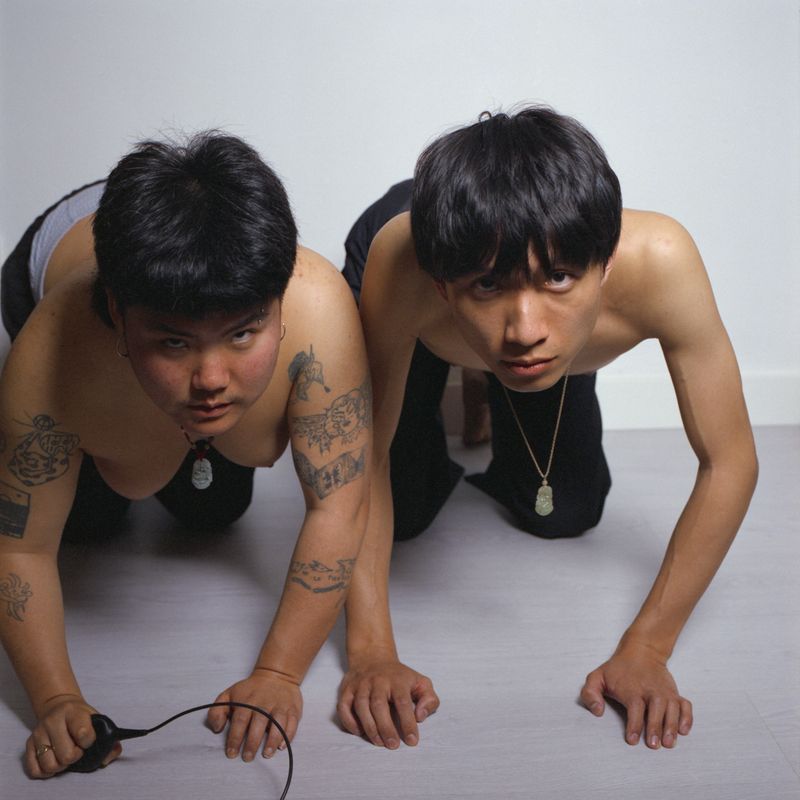
«This self-portrait addresses the friendship I have with Julie Zhen. The title quotes an excerpt from a letter that Julie wrote to me a few years agoand that alludes to one of the foundations that sustains our relationship: sharing the Tiger as a Chinese horoscope».

© Yunping Li - Image from the 回家 (huí jiā) photography project
i

«El Palomar is the house where I moved in 2023. This self-portrait understands adoption as an experience of adaptation by adjusting the body to the shapes of a space».

© Yunping Li - Image from the 回家 (huí jiā) photography project
i

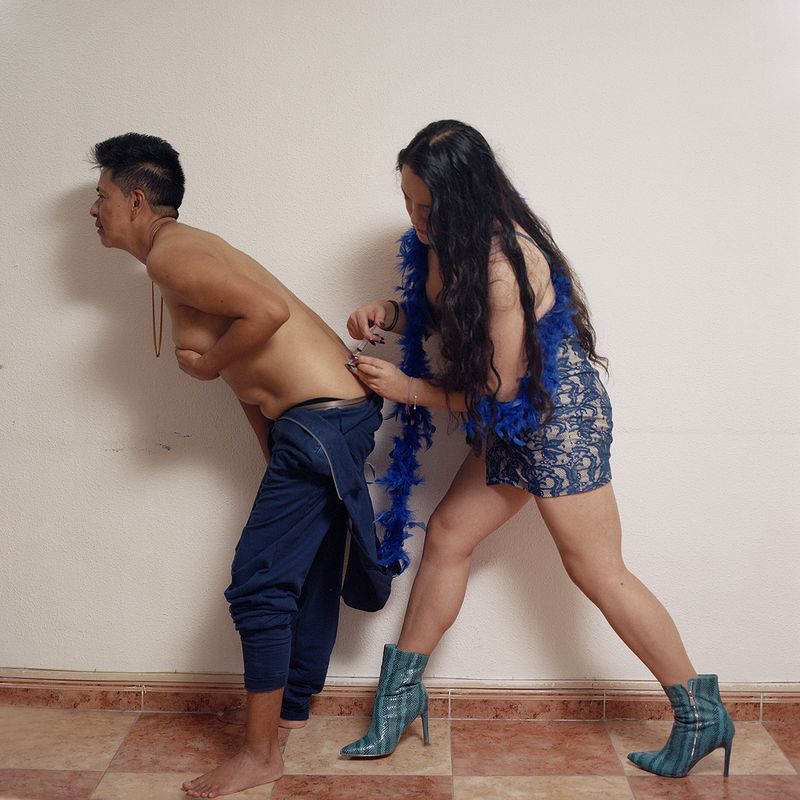
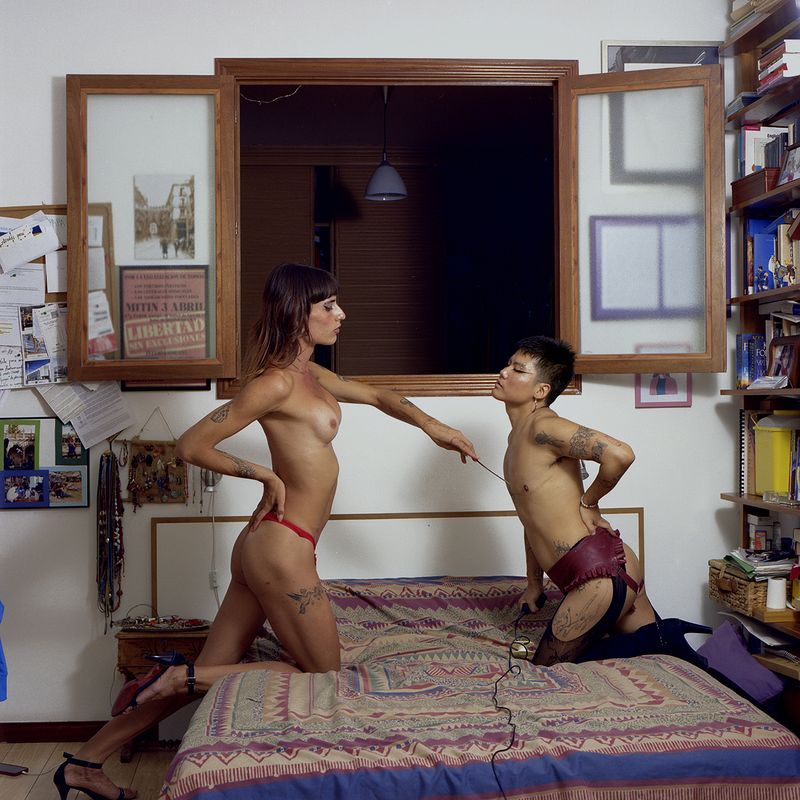
«Testo-Yonqui references the book by Paul B. Preciado that discusses his experience on HRT (hormonal replacement therapy) taking testosterone. In queer and BIPOC communities it is really common to have this practice done by some of your closest friends because of the difficulties accesing the Spanish medical system».

© Yunping Li - Image from the 回家 (huí jiā) photography project
i

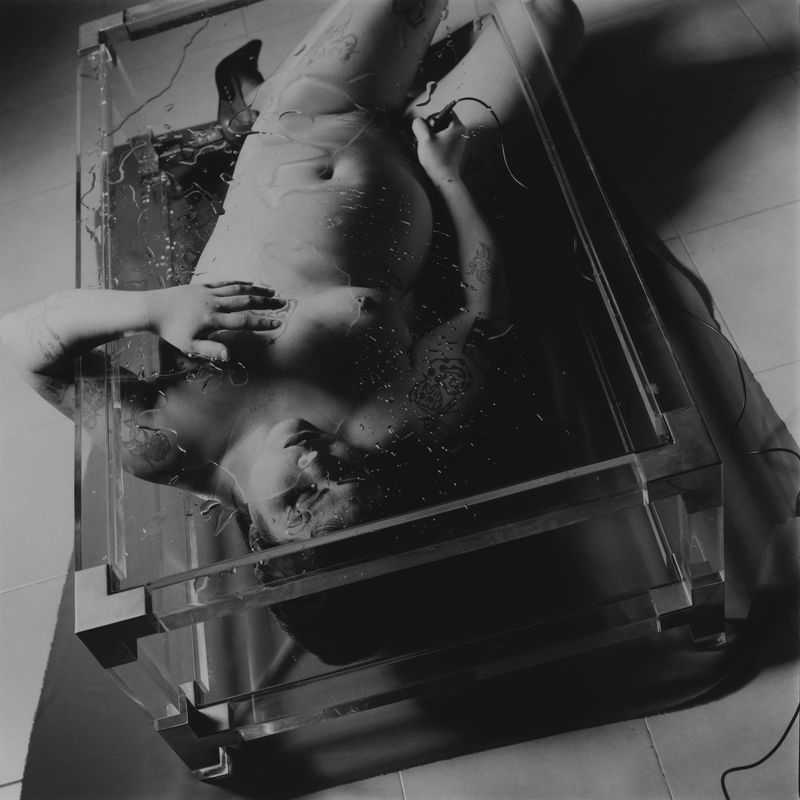
«“Be Water, my Friend” establishes a performative relationship between my body and water, citing the philosophy of the influential martial artist Bruce Lee, an icon of Chinese masculinity in the West. I perform a goodbye ritual to my chest in anticipation of a top surgery, channeling the adaptability of water and the power of a body to remake itself».

© Yunping Li - Image from the 回家 (huí jiā) photography project
i

«This self-portrait captures the connection that Nenu and I have maintained over time in relation to our sexual and gender identities. The exchan-ge stems from our encounter after having breast surgery—I had a mastectomy and she had a breast augmentation—feeling a symbiosis in thisunique and special accompaniment that characterizes our relationship».

© Yunping Li - Image from the 回家 (huí jiā) photography project
i

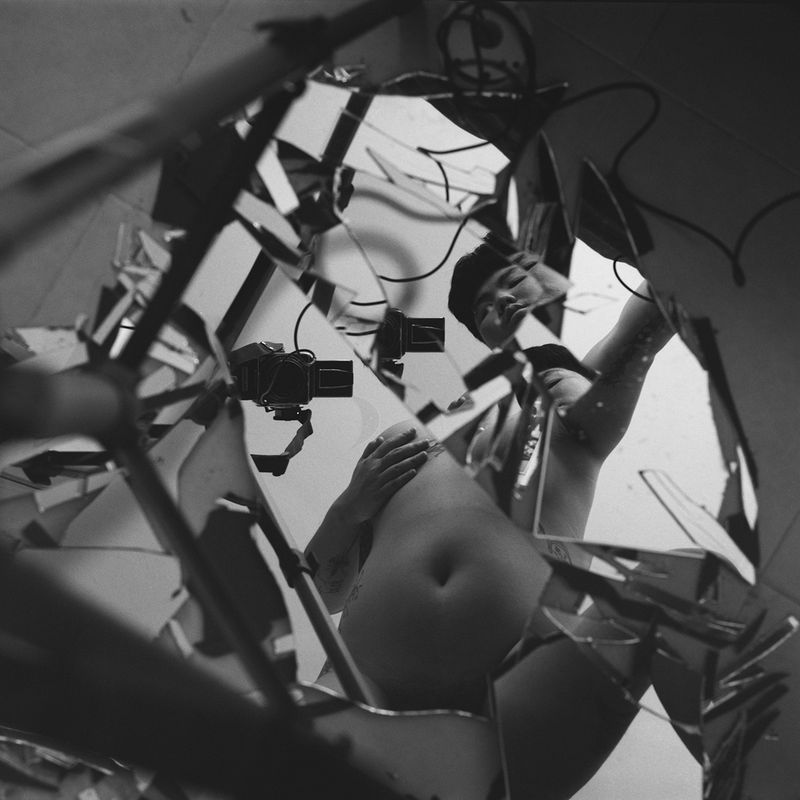
«"Self-Portrait with Broken Glass" discusses multiplicity within identity. We all are a combination of different versions we have embodied and that shape who we are constantly becoming».

© Yunping Li - Image from the 回家 (huí jiā) photography project
i

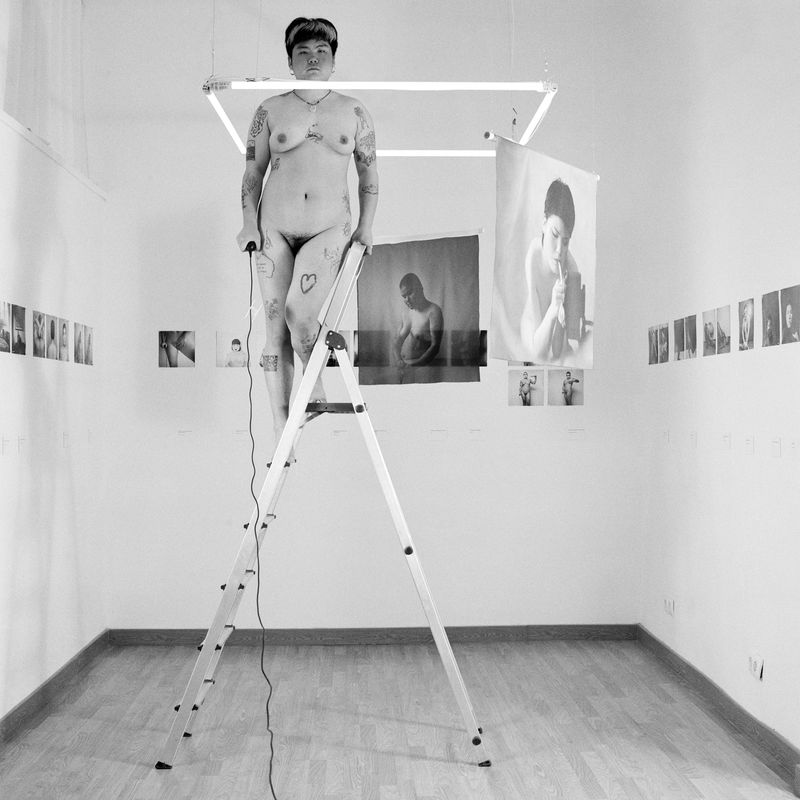
«This Self-Portraiture Performance took place during the first exhibition of 回家 (huí jiā). This gestural repetition and resulting loop highlight the procedural within a display by incorporating the ladder used during the installation».

© Yunping Li - Image from the 回家 (huí jiā) photography project
i

«“Mesa redonda” is the name of the collective that originated from the exhibition “ZHŌNGGUÓ. El país del centro” at the National Museum of Anthropology. It alludes to the round table as a symbol of union and a show of affection in Chinese culture. This image speaks of collective identity and addresses community as a space for recognition».

© Yunping Li - Image from the 回家 (huí jiā) photography project
i

«This Self-Portraiture Performance took place during my first exhibition in the Basque Country, which is the place where I grew. It discusses beingin the middle of two places».

© Yunping Li - Image from the 回家 (huí jiā) photography project
i

«This image contains all the versions I’ve embodied so far and shows the pride and respect I have for them. It’s a celebration of existence in allits forms and a tribute to those around me who allow it. It aims to speak of community within the creative process and highlight the importance ofteam collaboration».