How to eat at night
-
Dates2022 - Ongoing
-
Author
- Location Poland
Using a damaged digital camera, How to Eat at Night explores how ideological systems distort reality and collective memory. The camera's malfunction becomes a metaphor for a political mechanism that keeps producing distorted images.
How to Eat at Night
In societies shaped by ideological regimes, reality is not simply represented but continuously constructed. History becomes a narrative, collective memory is selectively preserved, and familiar symbols acquire meanings determined by those in power. What disappears is not always visible. Sometimes absence is concealed beneath an excess of images, rituals, and reassuring stories.
My ancestors came from Ukraine, Belarus, and Russia — places whose histories, borders, and identities have been repeatedly rewritten. Growing up in Belarus, I inherited a version of the world shaped by Soviet mythology, where complex histories were reduced to a single, seemingly coherent narrative. Yet beneath its surface, there were always gaps, contradictions, and things left unspoken.
How to Eat at Night is an ongoing multimedia project exploring the fragile boundary between lived reality and manufactured narratives. Through photography, found materials, visual interventions, and installations, it examines how ideology infiltrates everyday life, shaping collective memory and transforming ordinary spaces and objects into carriers of political and cultural meaning. Drawing on the unsettling logic of fairy tales, where beauty and fear coexist, the project approaches Belarus as a landscape suspended between the familiar and the absurd.
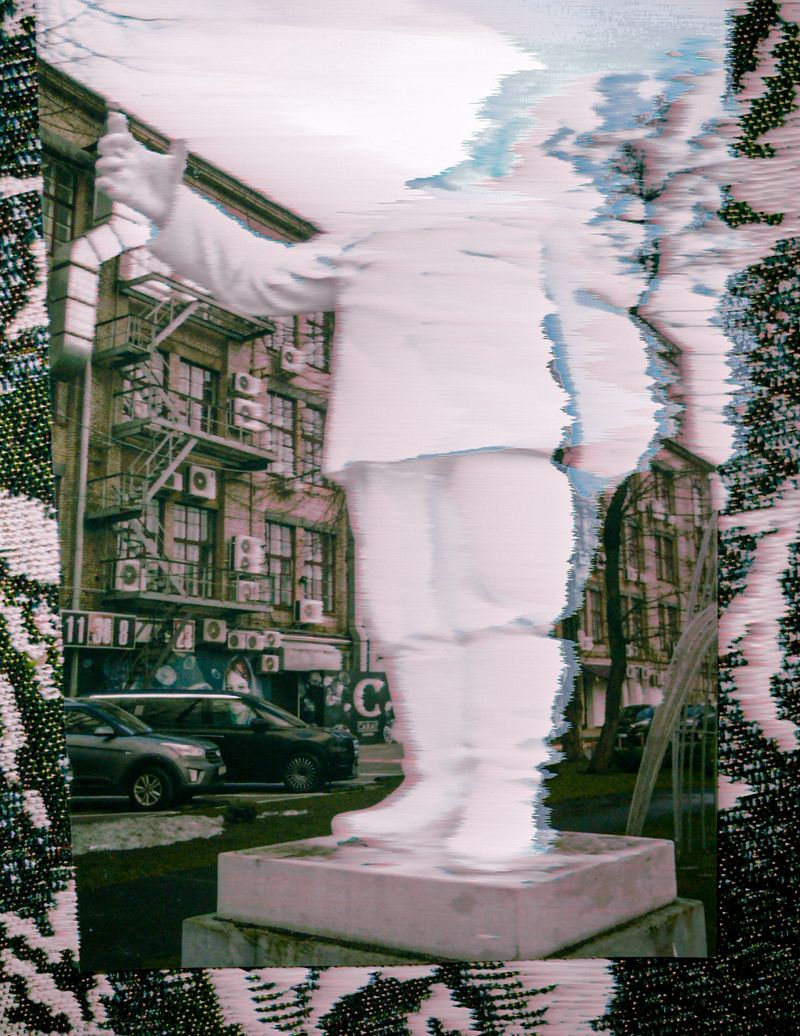
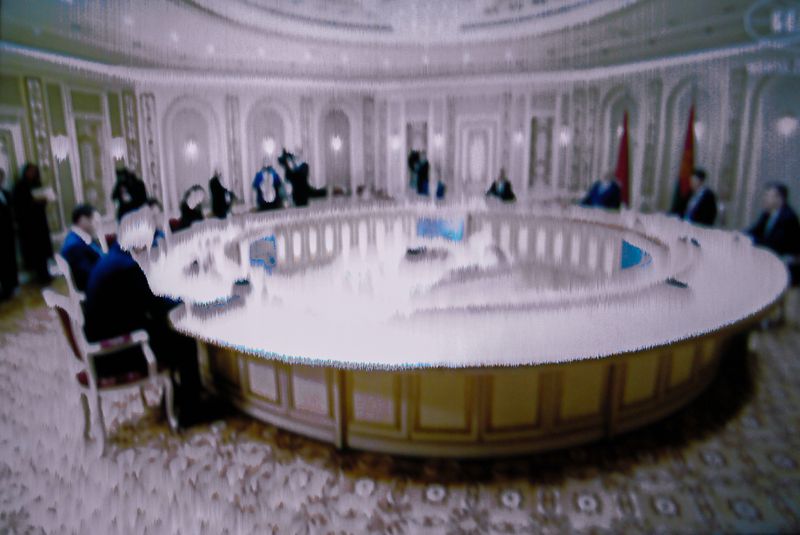
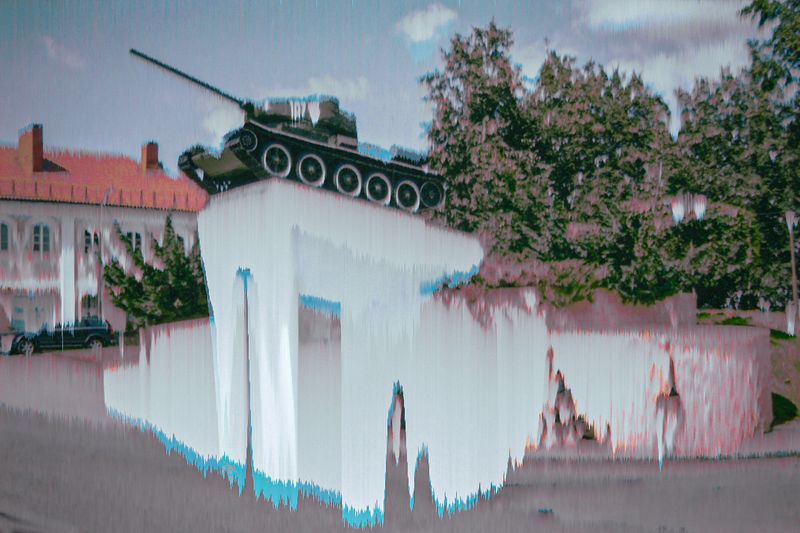
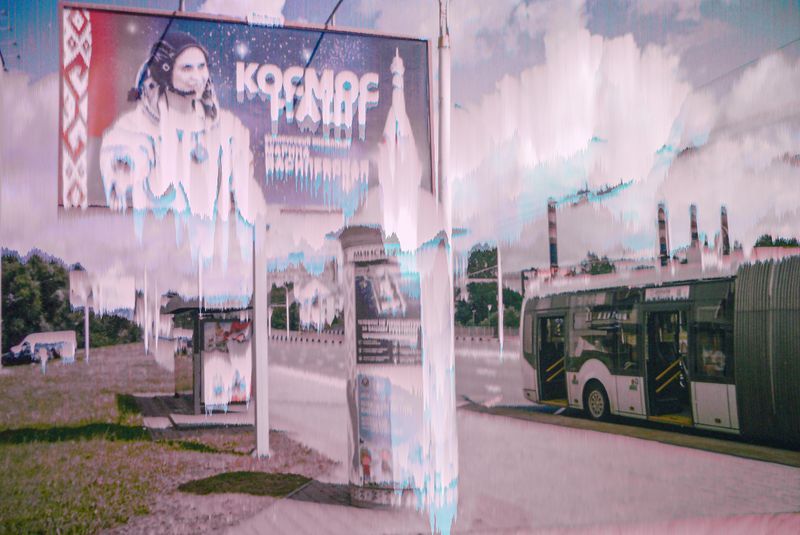
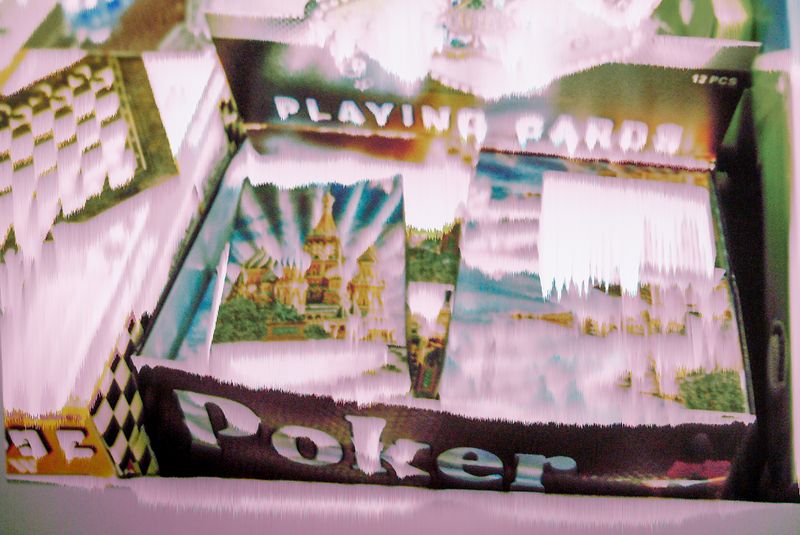
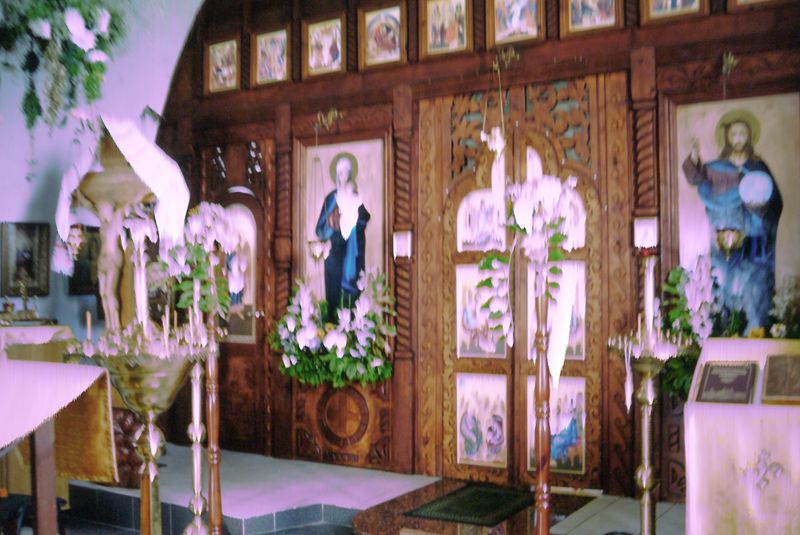
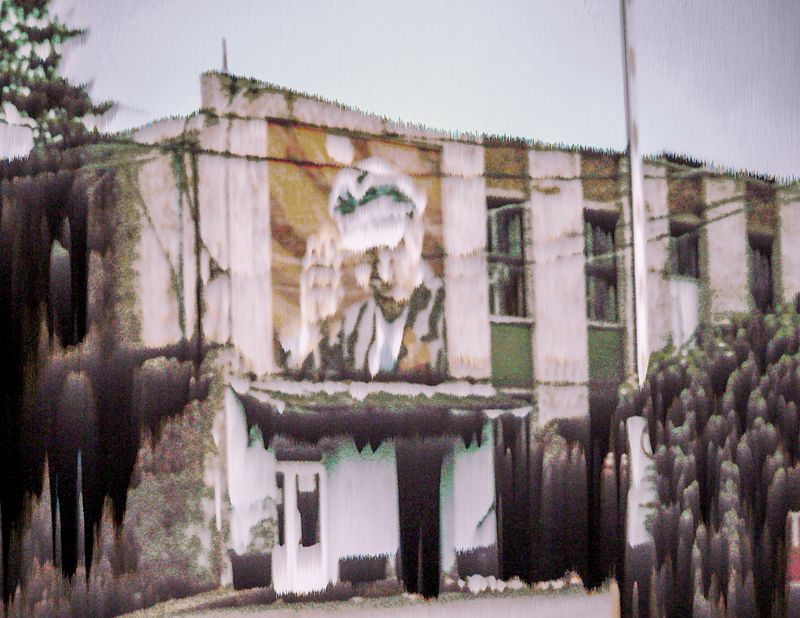
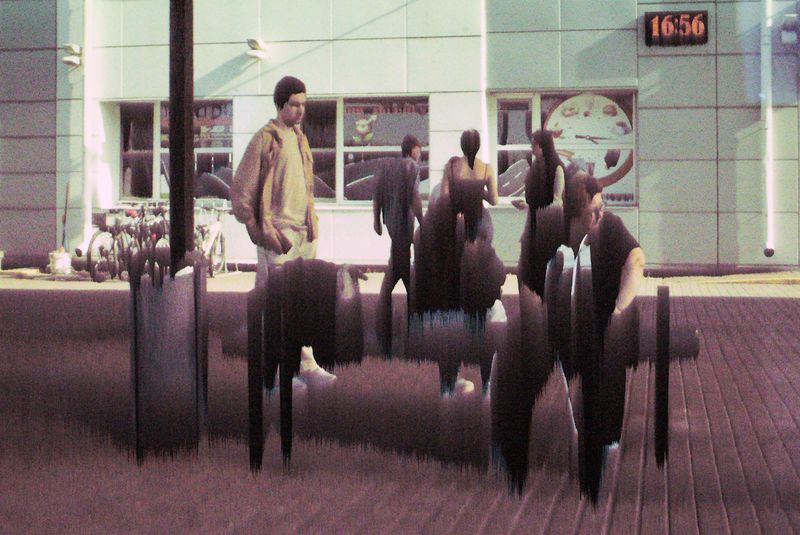
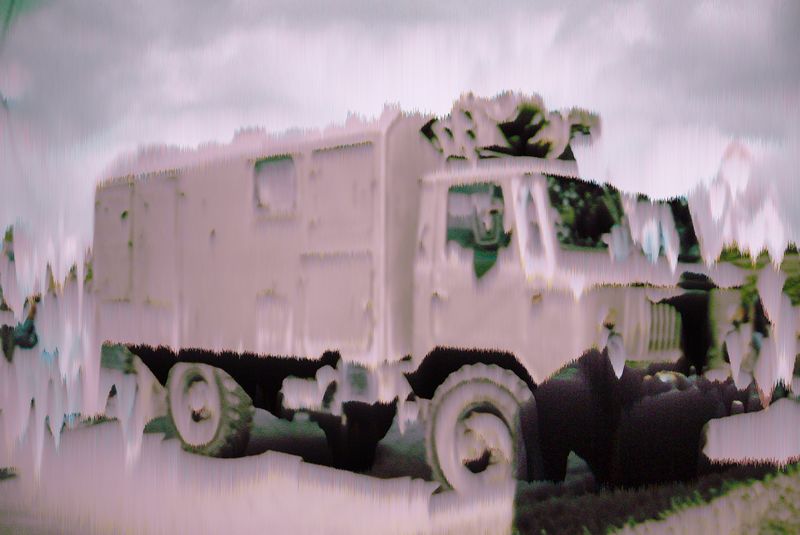
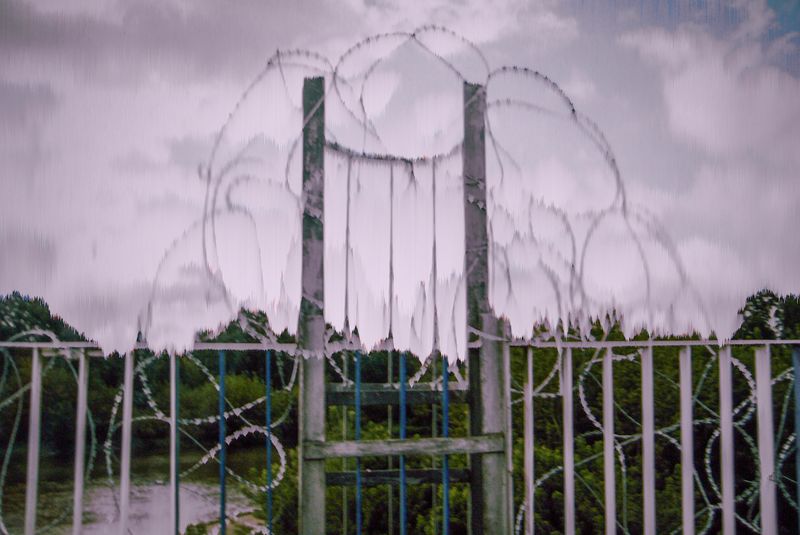
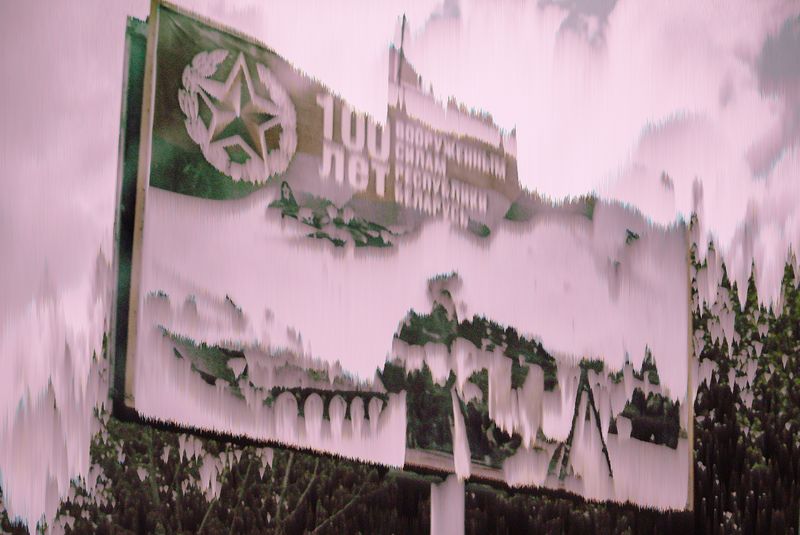
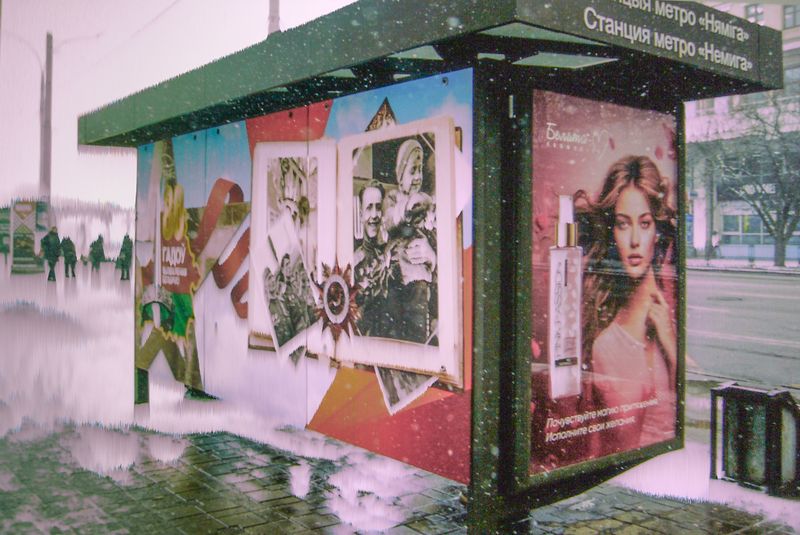
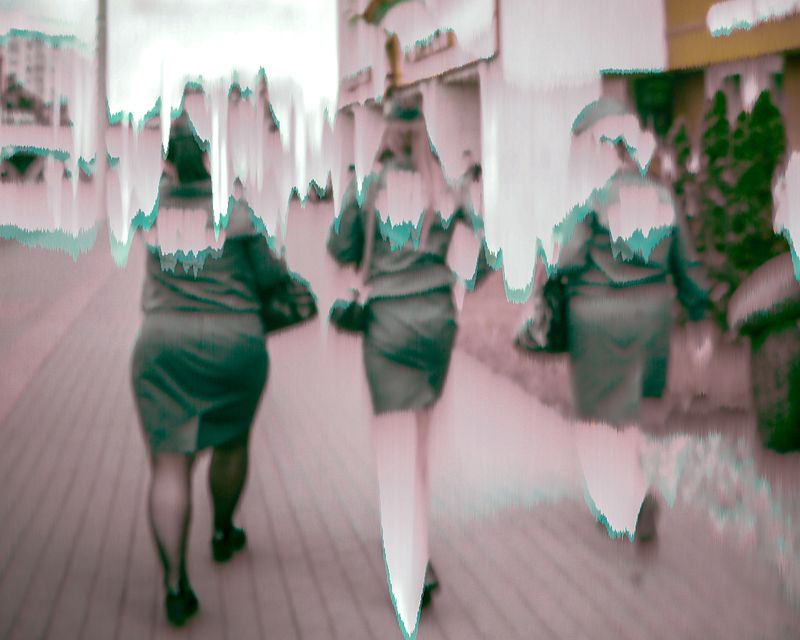
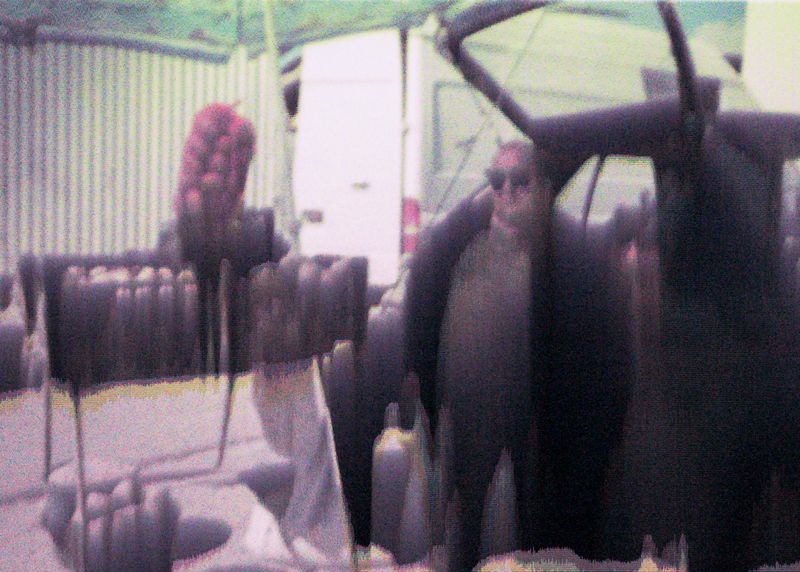
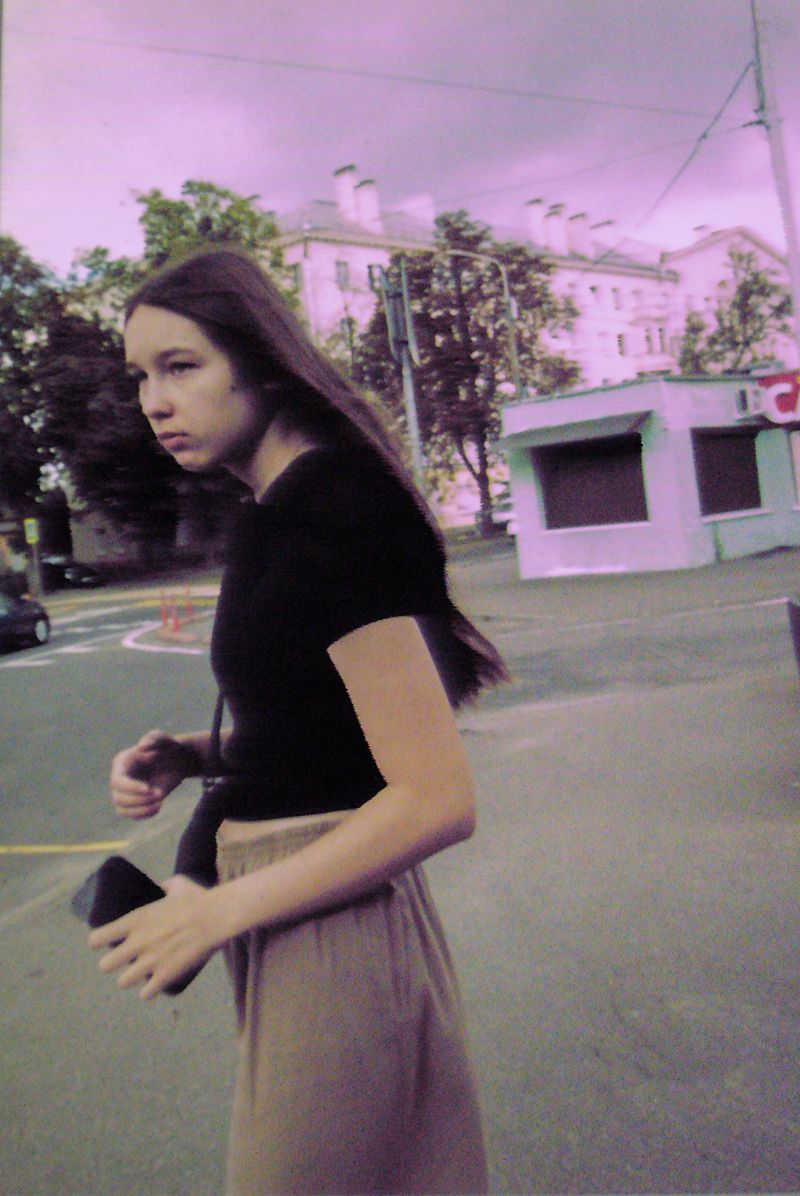
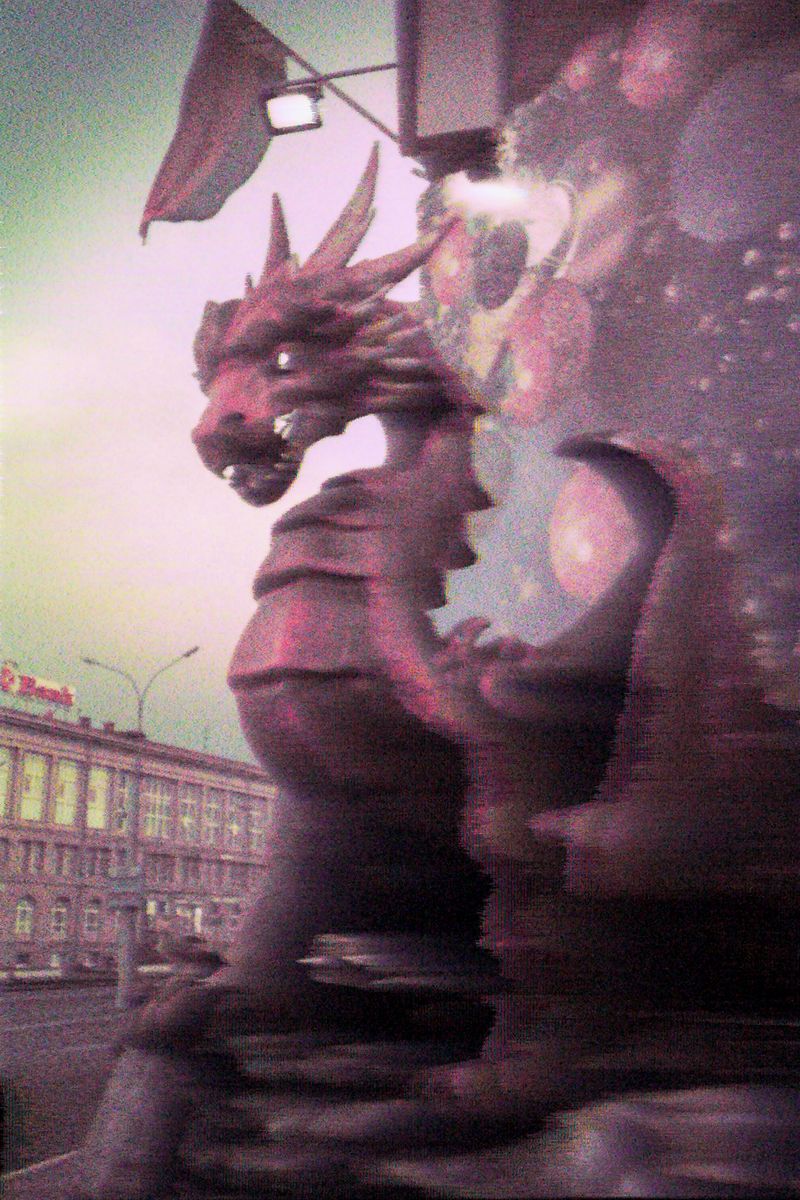
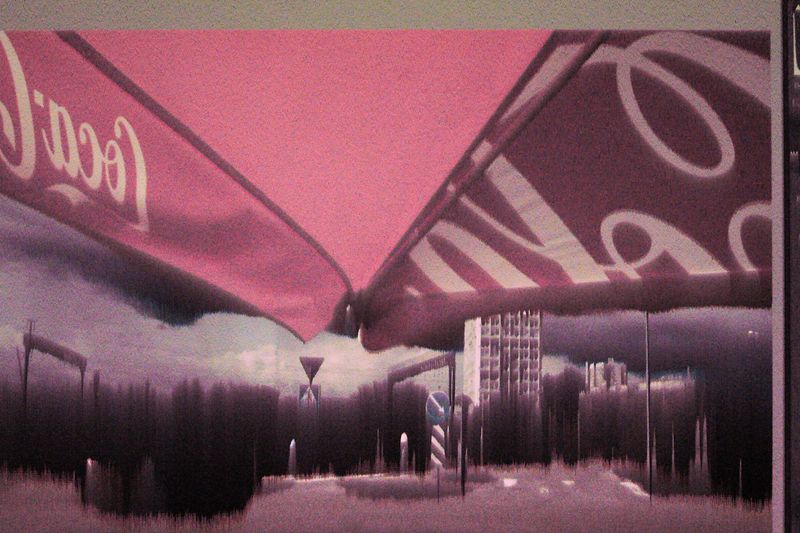
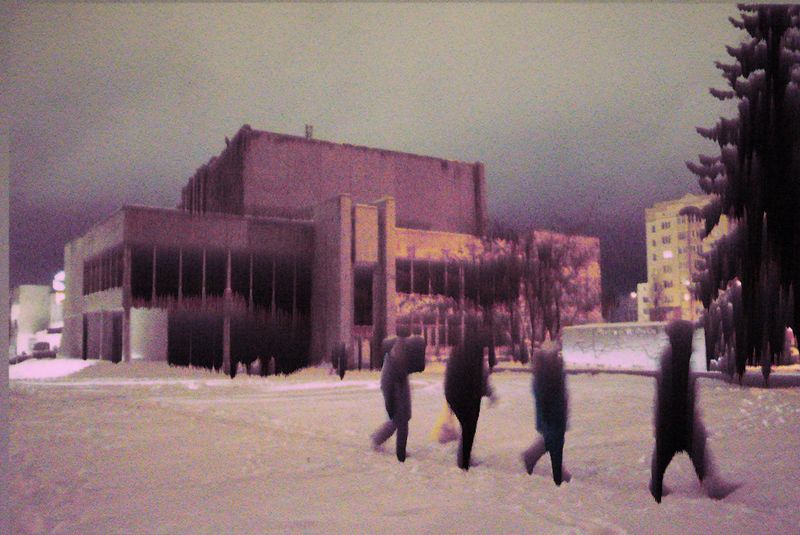
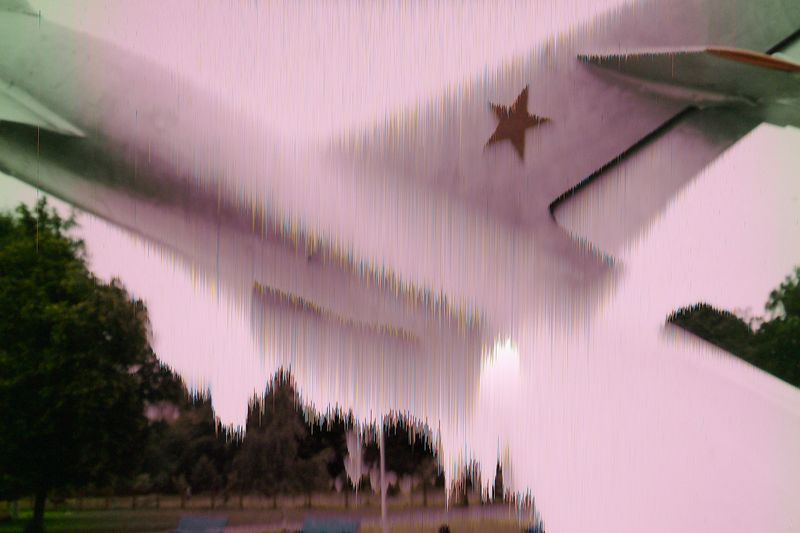
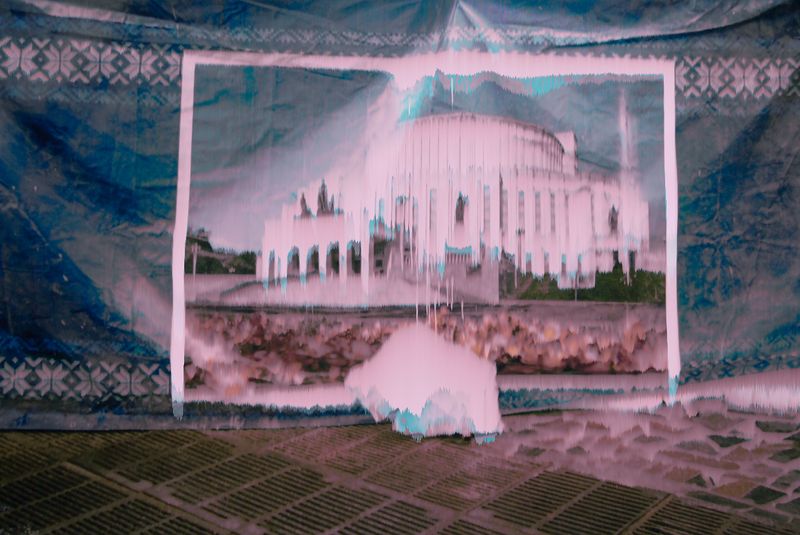
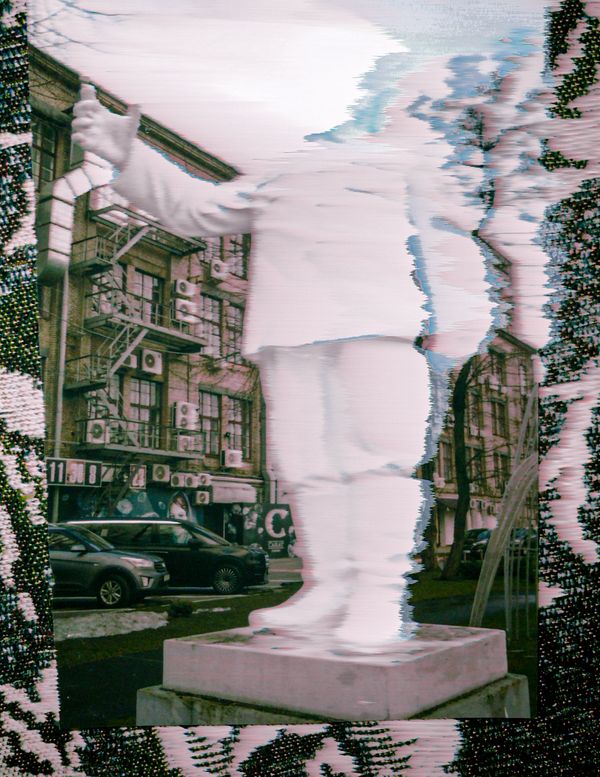
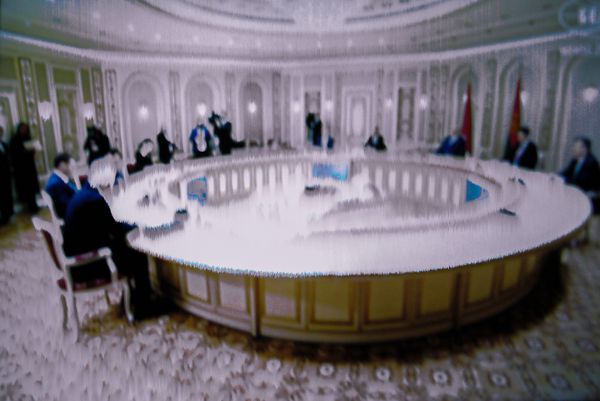
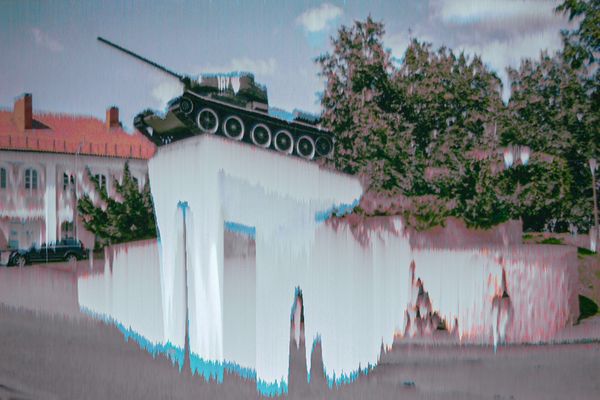
The photographs presented here form one part of this broader investigation. Made with a damaged digital camera, they capture a reality that appears to dissolve from within. Buildings, monuments, political symbols, and everyday scenes remain partially recognisable, while fragments of their visual information disappear. The images are not digitally manipulated; their distortions emerge directly within the camera during the photographic process itself.
The damaged camera becomes a metaphor for a malfunctioning political and social system. No matter what is placed before its lens, the mechanism continues to produce distorted images. The problem lies not in what is being photographed, but in the apparatus through which reality is recorded and interpreted. As long as that mechanism remains unchanged, the distortion persists.
In this sense, absence is not simply what has disappeared from the photographs. It is also what the system makes impossible to see. The images question photography's promise to preserve reality while reflecting on the structures that determine how reality is represented, remembered, and understood.
How to Eat at Night inhabits the uncertainty between memory and invention, presence and disappearance. It asks whether a different image of the world is possible without first changing the mechanism that produces it.