How To Burn A Memory
-
Dates2025 - Ongoing
-
Author
- Topics Fine Art
- Location Boston, United States
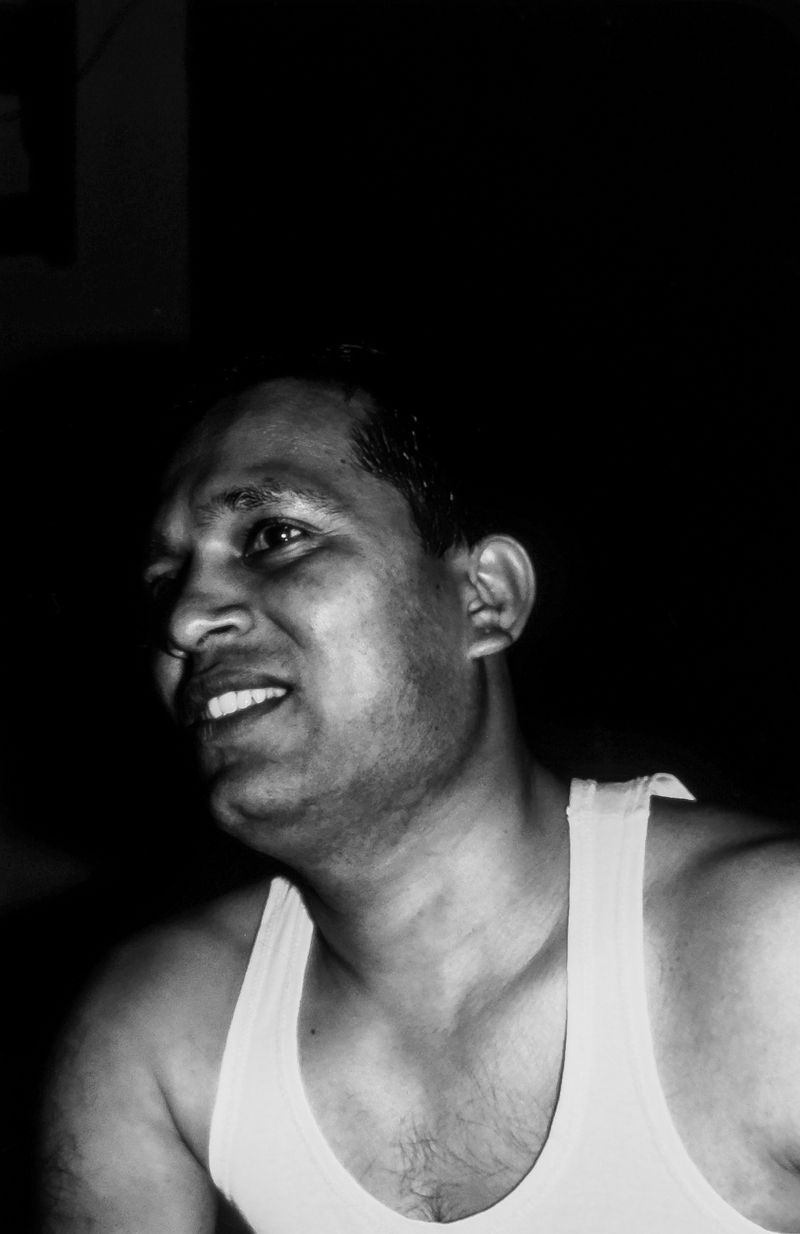
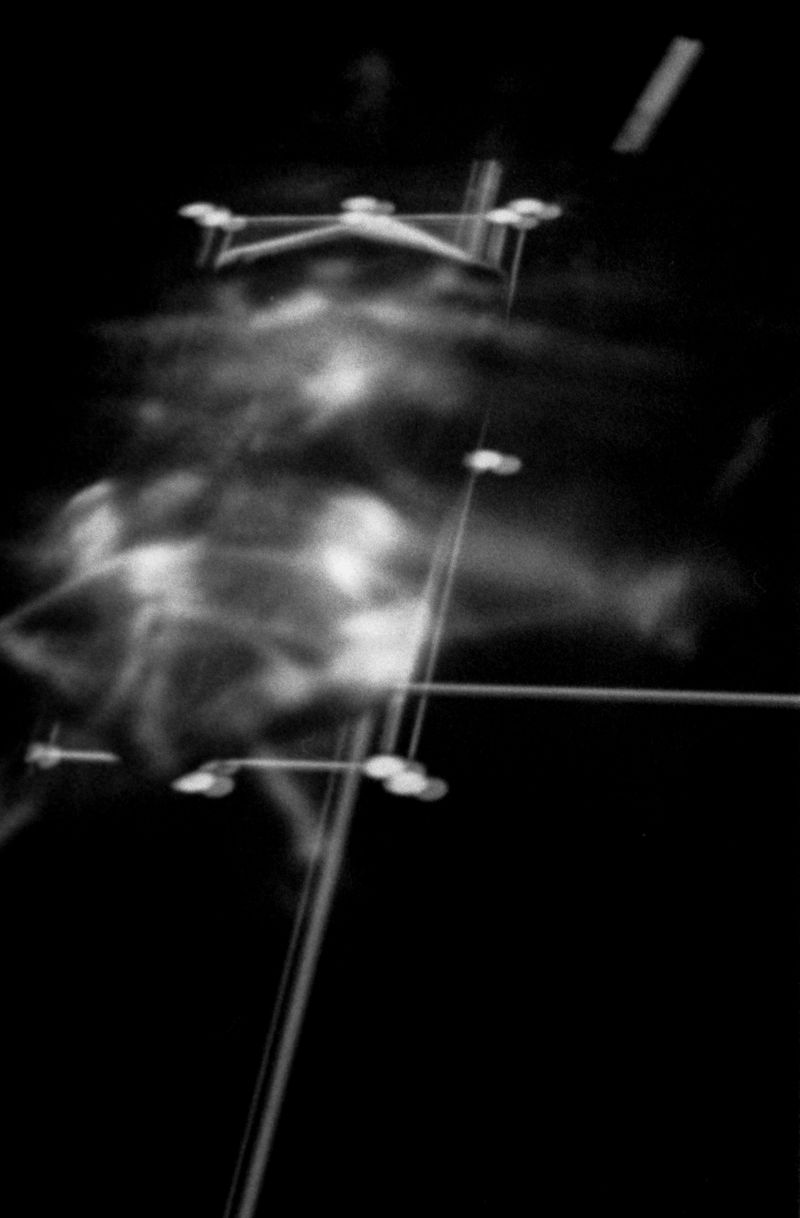
How to Burn a Memory explores trauma and its manifestations as a physical entity—encoded in DNA and passed between generations.
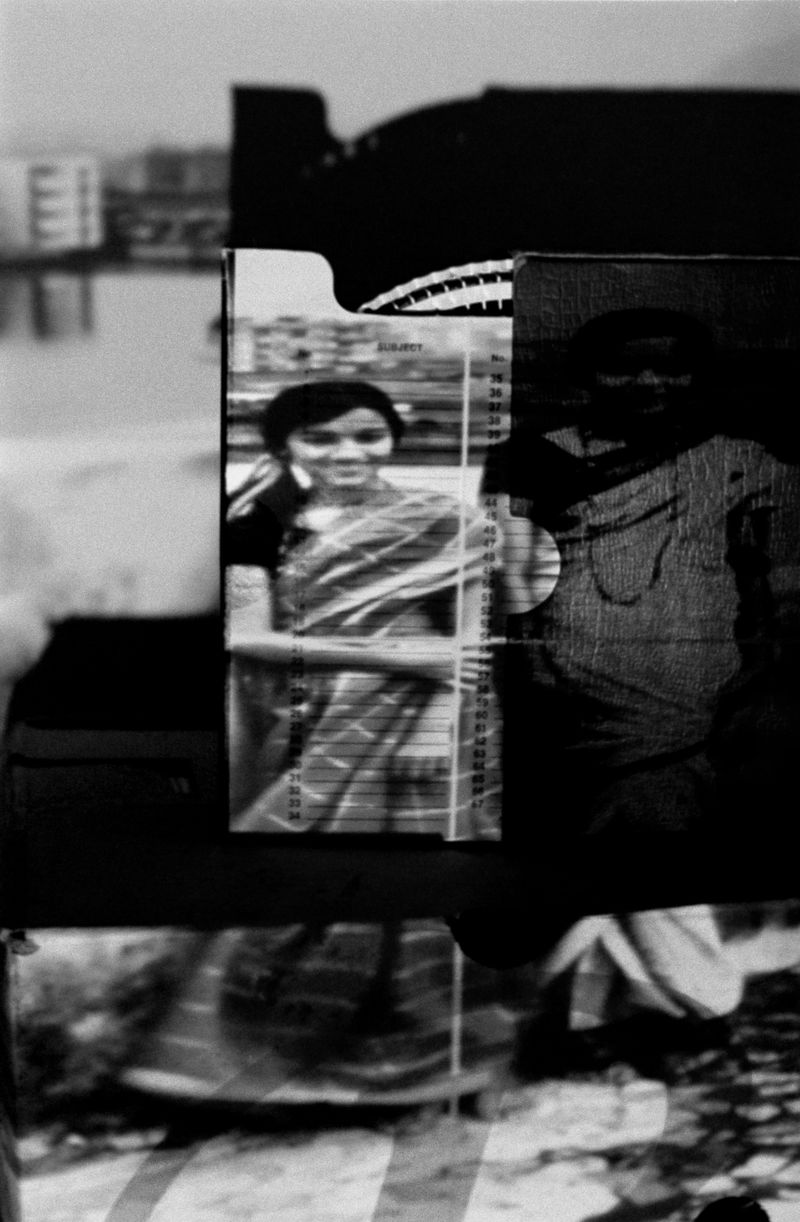
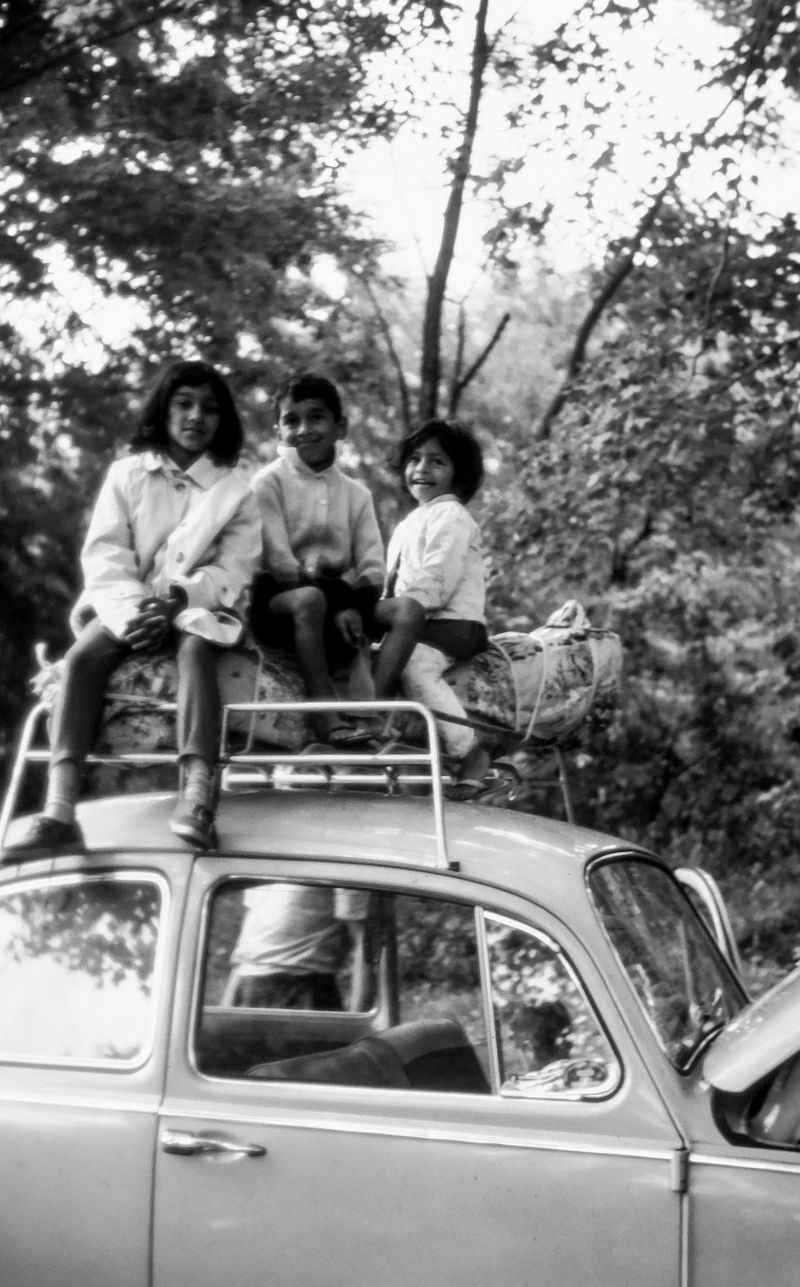
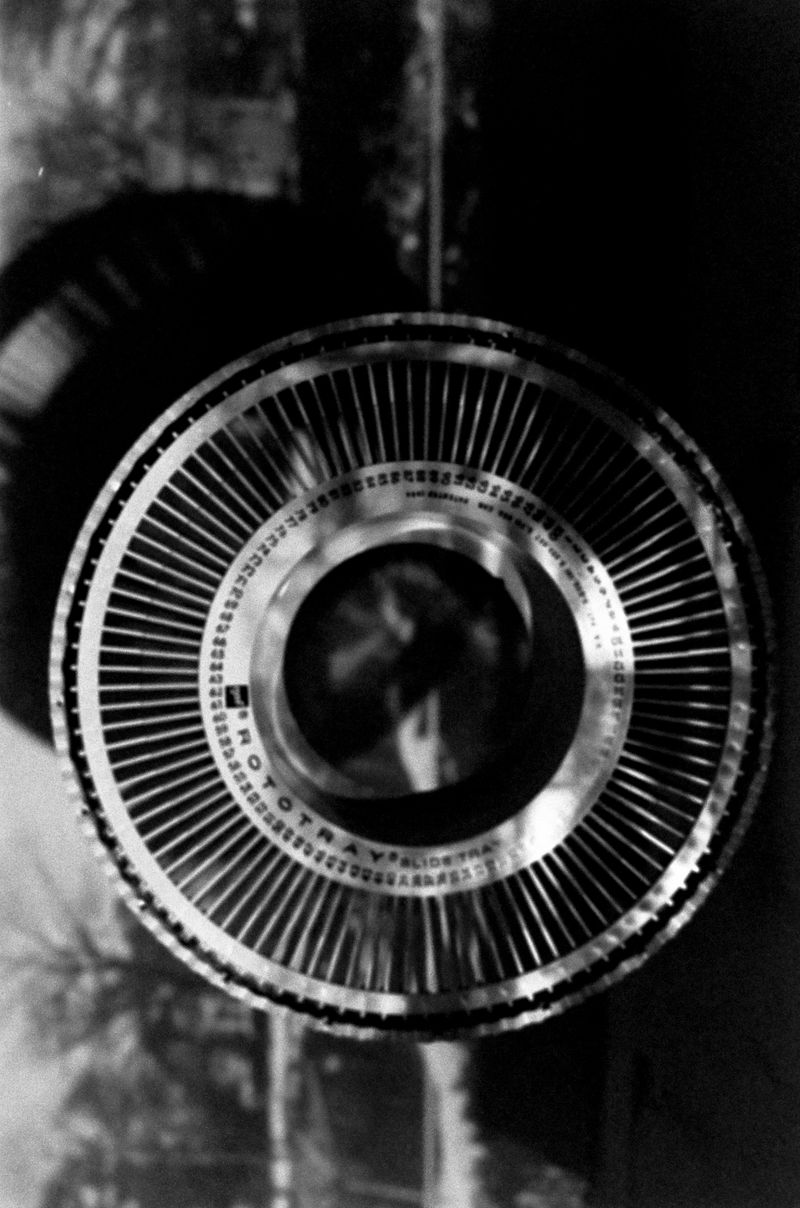
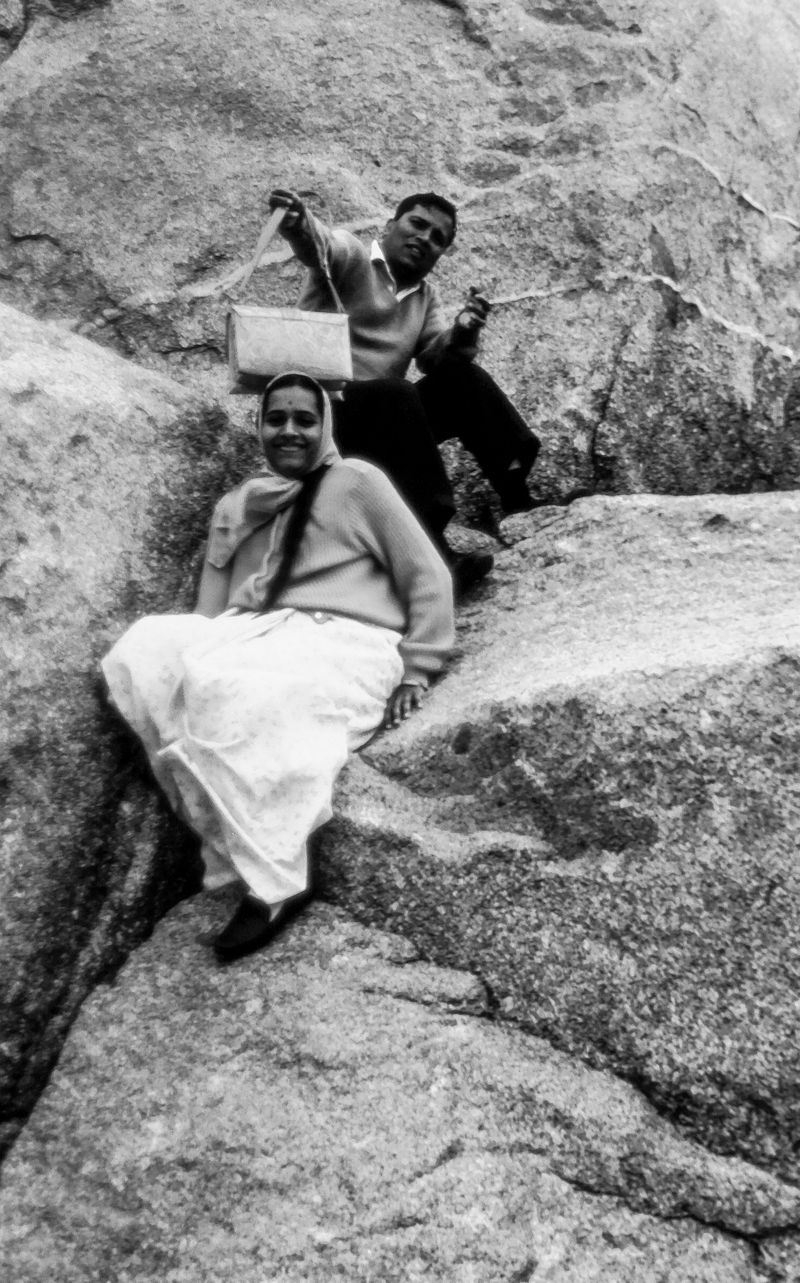
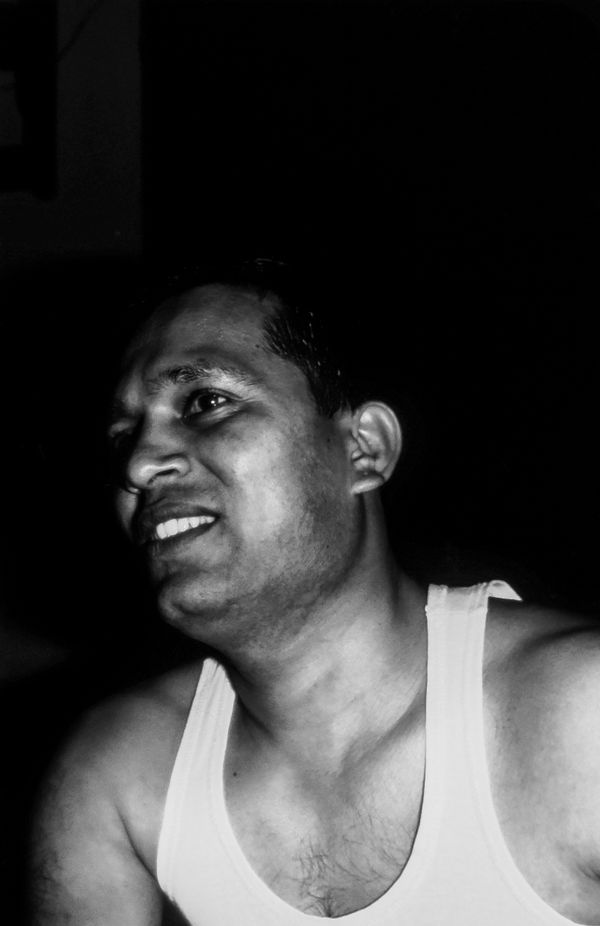
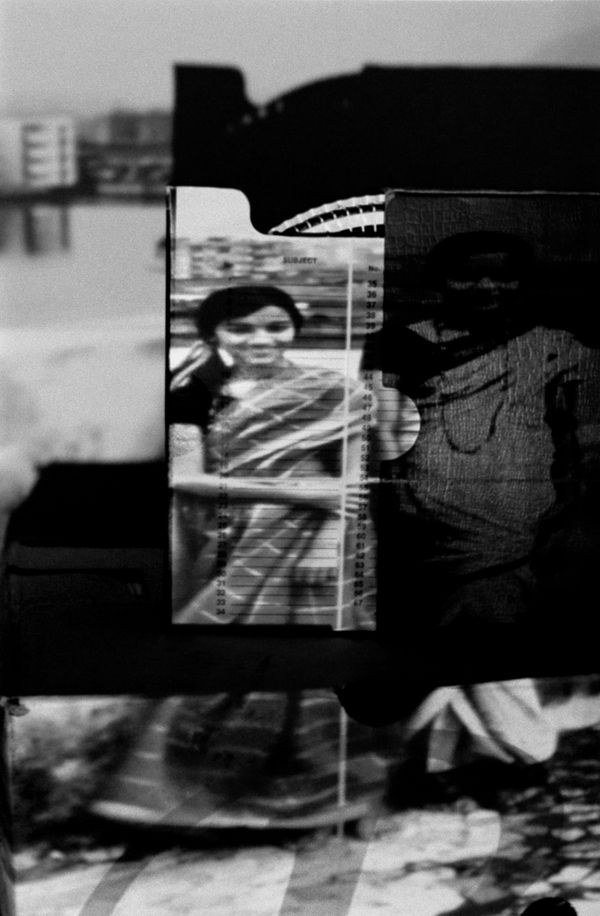
How to Burn a Memory began with my late grandfather’s Super 8 films and color-slide photographs, family images that had been sitting unseen for decades until I inherited them after he passed away. They felt incomplete, but still alive, fragments of a person I knew mostly through stories, silences, and the distortions that gather around family history over time.
The series looks at trauma and inheritance as both emotional and physical, something carried through memory, behavior, the nervous system, and the body itself. Epigenetics, where the experiences of past generations can alter gene expression and who a person is biologically, gave me a way to think about this as a form of physical inheritance.
I viewed the archive alone, and then with my Mom. Her reactions to the films and photographs, and my reactions to her, made the images feel more active, unstable, and unresolved. My grandfather was a temperamental and difficult man, but the version of him I inherited through stories was not the same as the version she had lived with. His outbursts shaped her sense of self, and alcohol became one way she managed that distortion. In turn, her pain and anxiety shaped me.
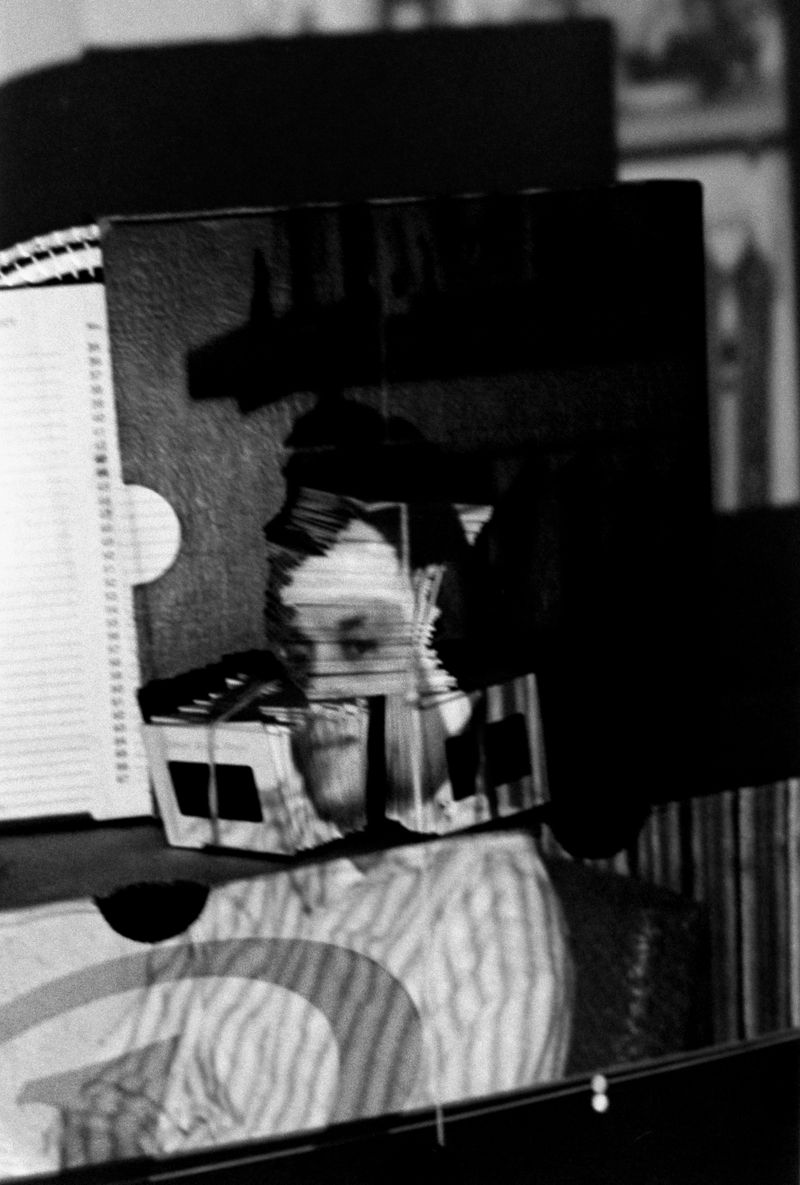
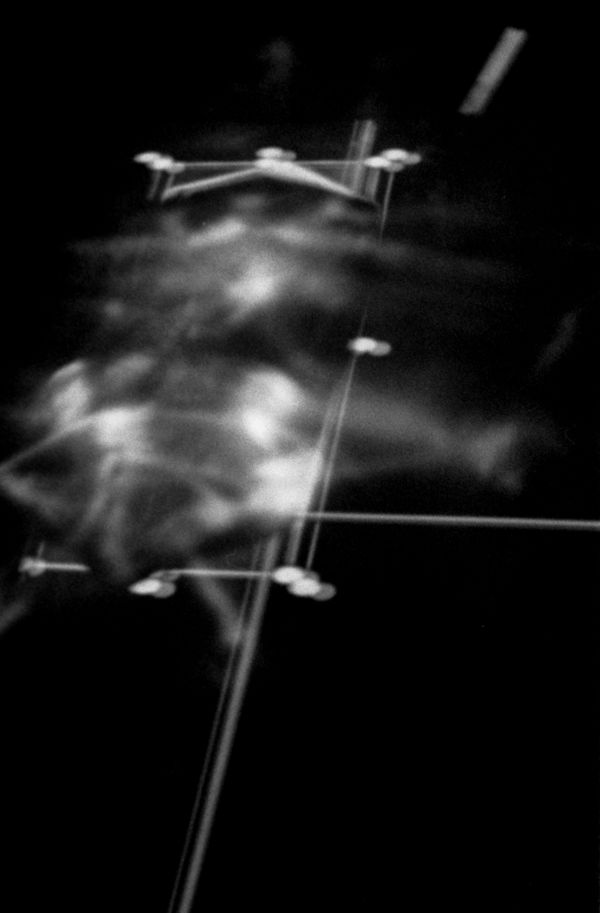
The things I recognize in myself, my anxiety, my sensitivity, my reactions, my way of holding tension, began to feel connected to inherited physical traits and to the emotional conditions I grew up within. I started to understand inheritance less as a fixed destiny and more as an internal mechanism worn by previous use, like a gear shifter that has been pushed into certain positions over and over, making the body more likely to stutter, catch, or jump into familiar responses. Through the films, photographs, projections, and transformations of the archive, the work became less about explaining my family history and more about sitting with what inheritance feels like, something intimate, physical, unresolved, and still moving through us.