How Must I Live?
-
Dates2024 - Ongoing
-
Author
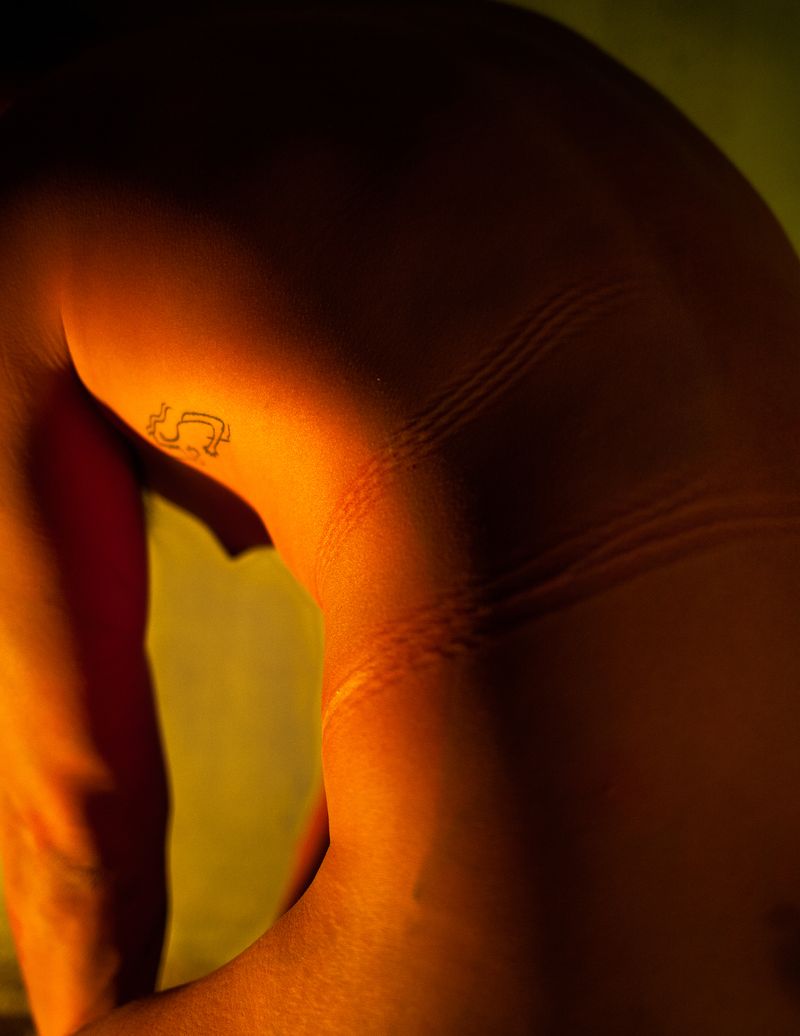
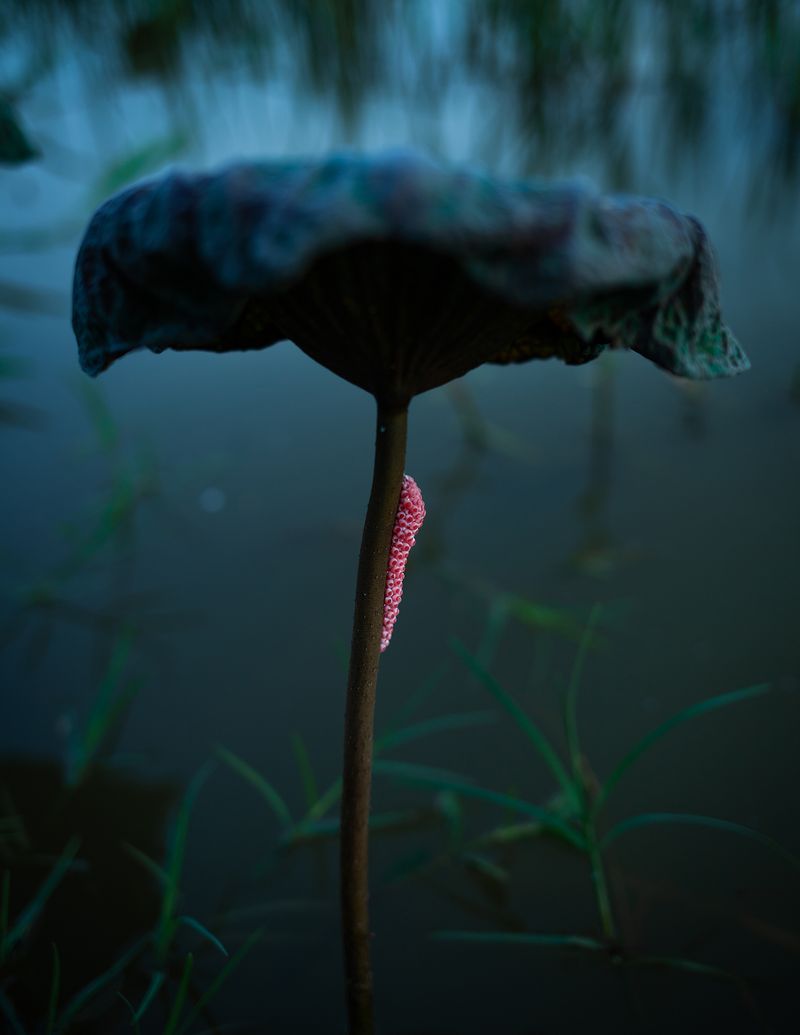
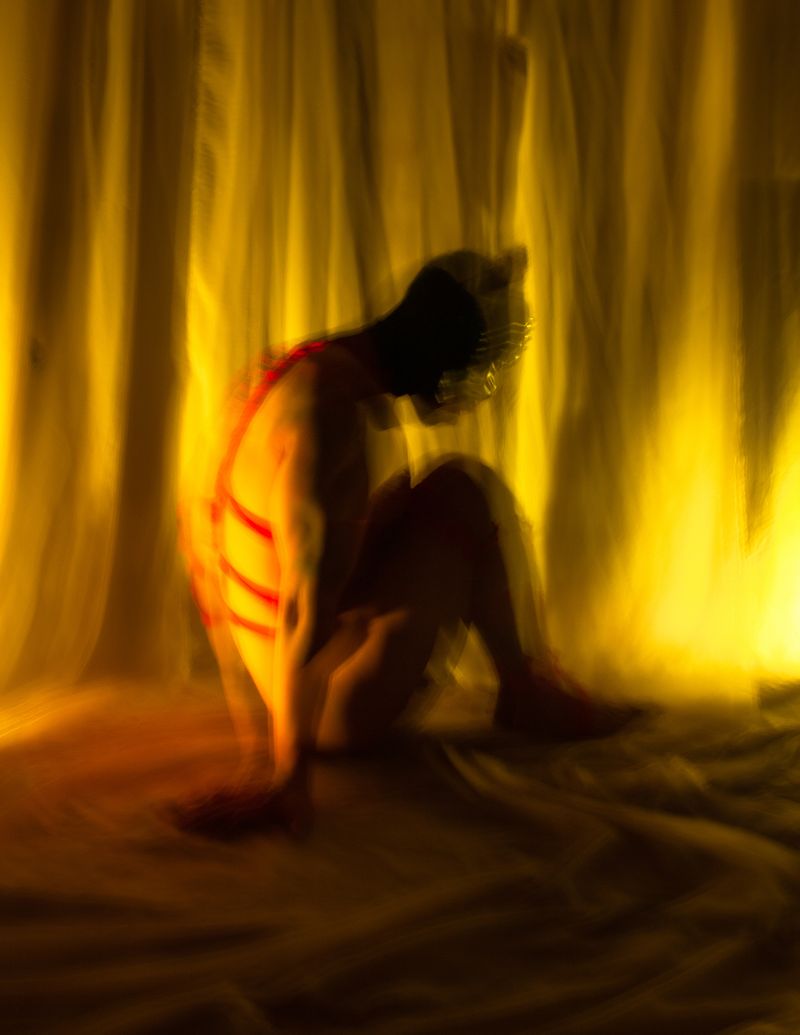
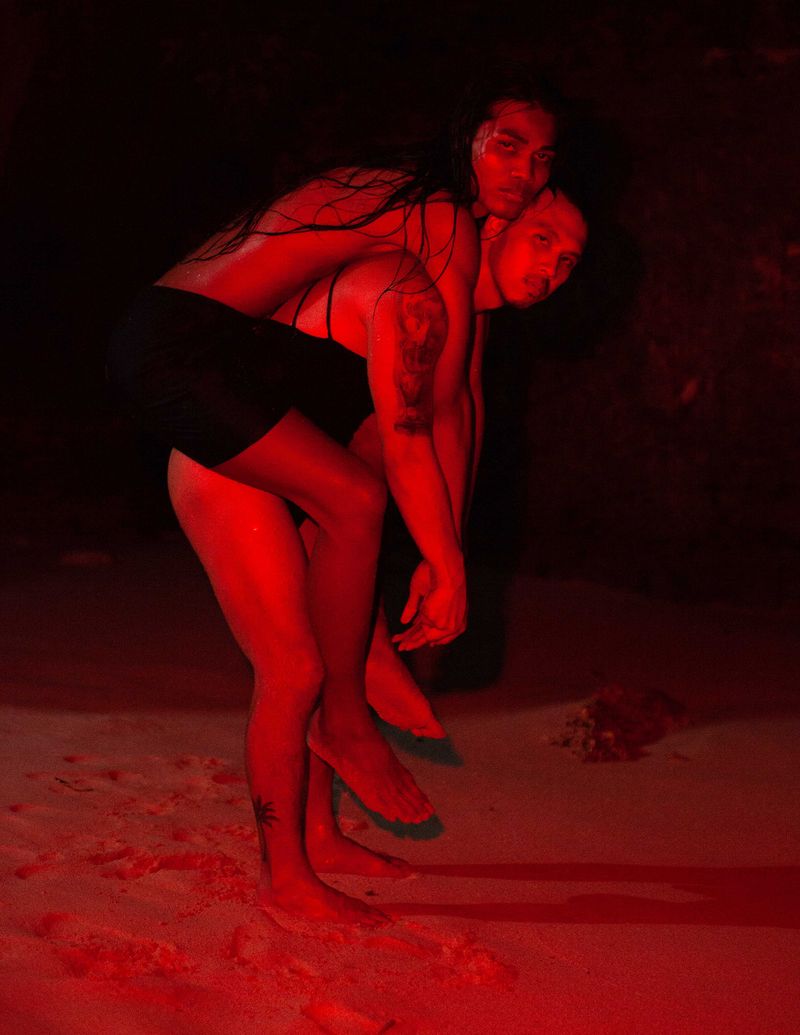
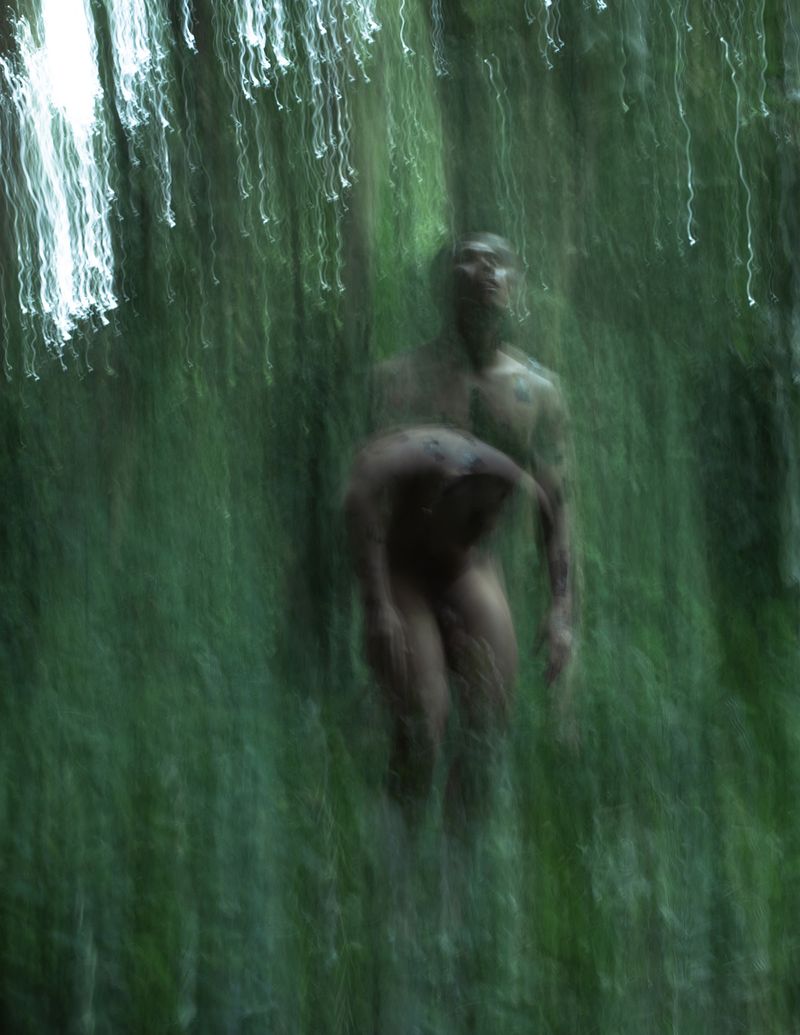
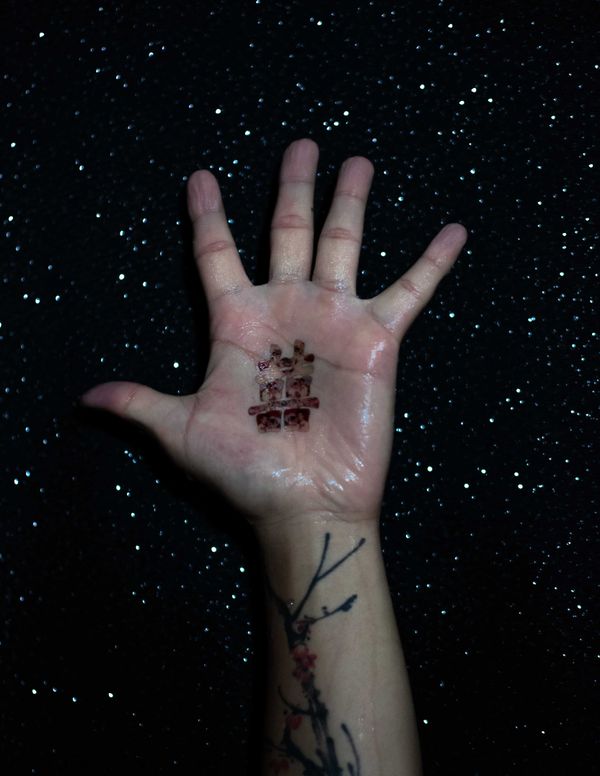
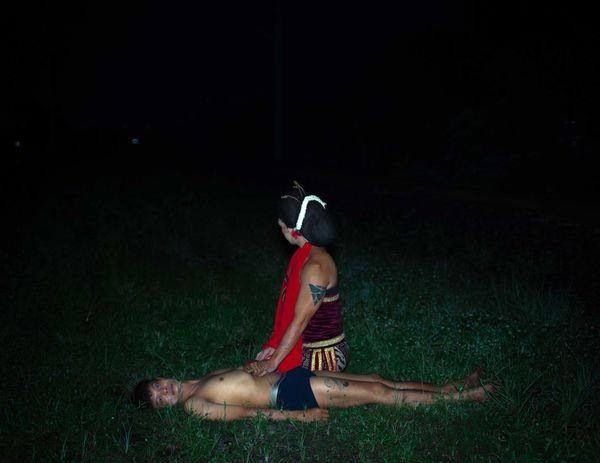
Following my parents’ separation, I embarked on a journey to reexamine memory, kinship, and belonging by constructing an imaginary family. Through self-portraits and archival traces, the project confronts fragmentation and articulates a process of return.
As a man raised within a conservative Chinese Indonesian environment, I was taught from an early age that living beyond the boundaries of accepted norms was a grave mistake, especially when it came to understanding my identity as a queer individual. That perspective settled quietly within me, shaping how I understood relationships, existence, and my place in the world. Until one day, a question surfaced from within: why not imagine an imaginary family?
From that point grew the courage to create distance from the family I came from. The decision became a quiet turning point, opening a journey that slowly revealed that leaving was not a form of loss, but another kind of return. I found space to come back to myself through encounters with people I chose along the way.
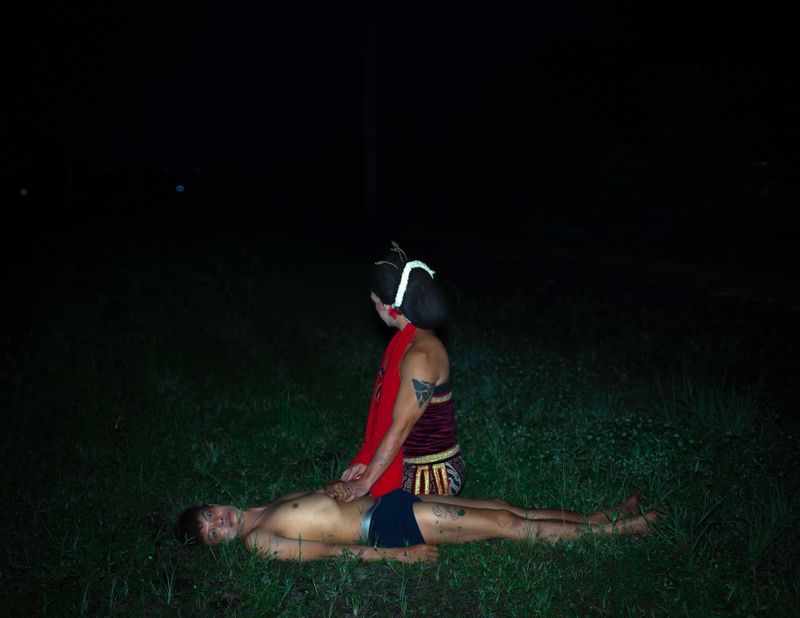
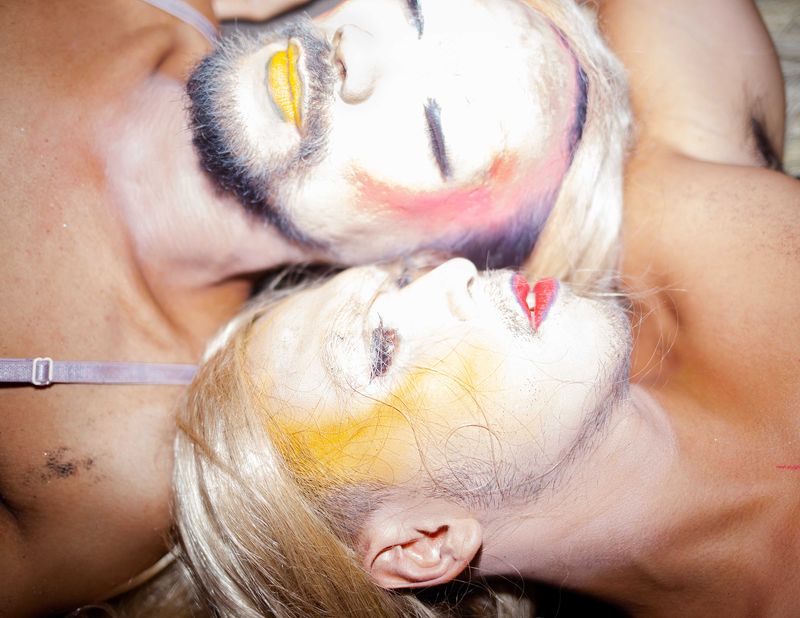
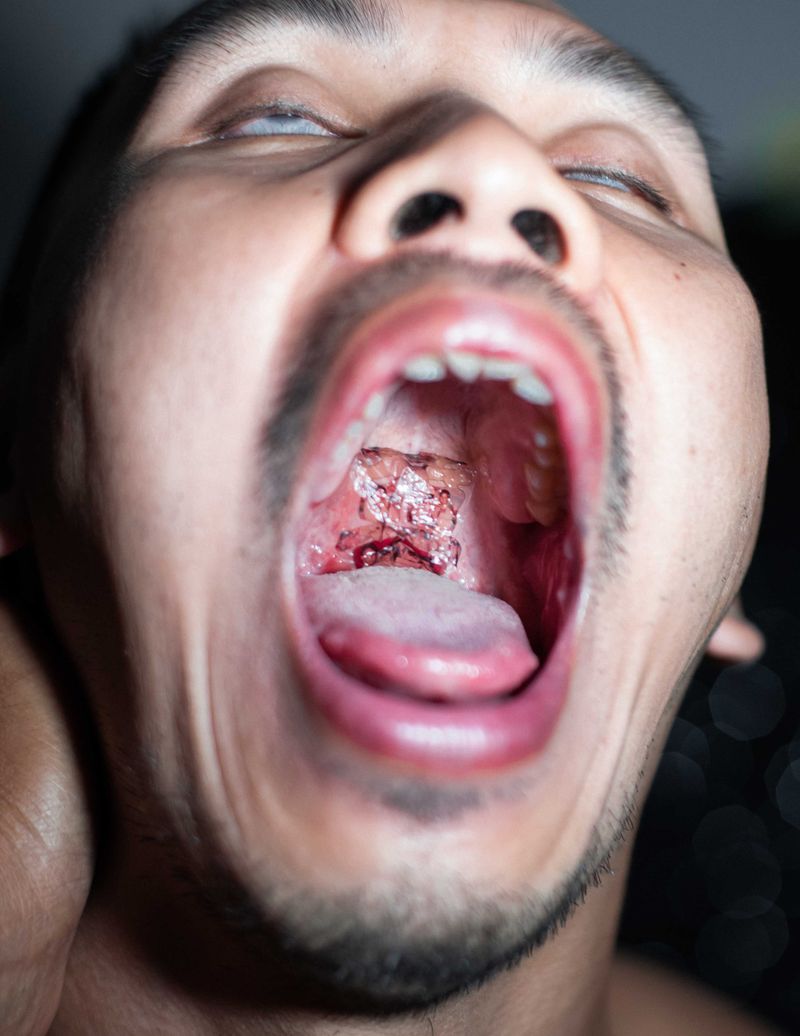
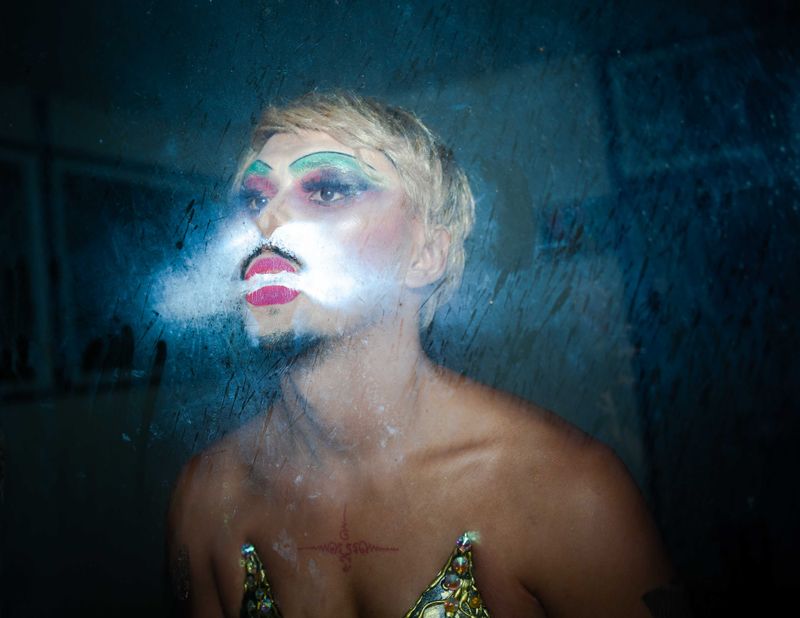
These bonds were not built on bloodlines or lineage, but on resonant experiences. They carried similar wounds, holding histories of trauma within memory and within their bodies. In this togetherness, our relationships evolved into collaborations that sustained growth and shaped new ways of understanding values and life itself.
Through the act of pressing the shutter, honest conversations emerged that I had never experienced before, gazes free of judgment and the presence of equality. From there, pain long confined to silence found room to be acknowledged and heard. This experience nurtured the courage to begin healing, appearing in forms that were quiet yet steadying.
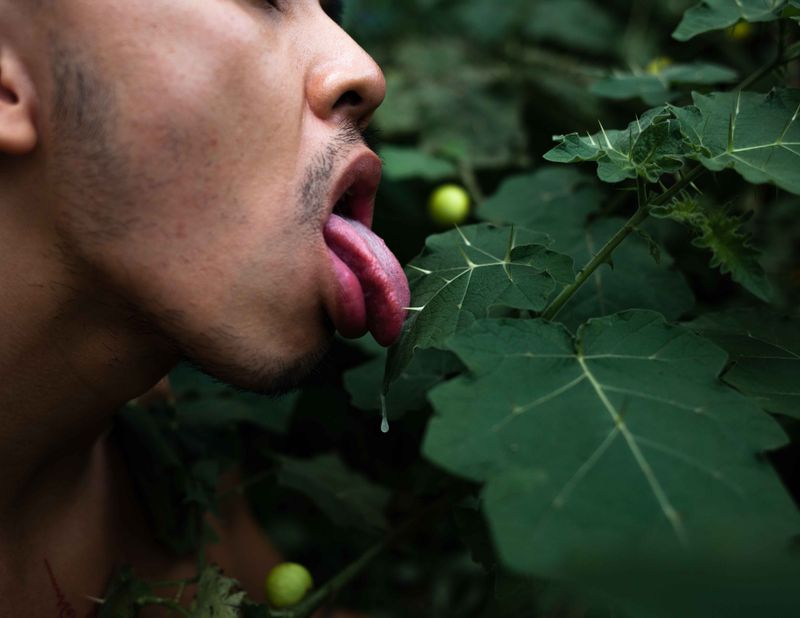
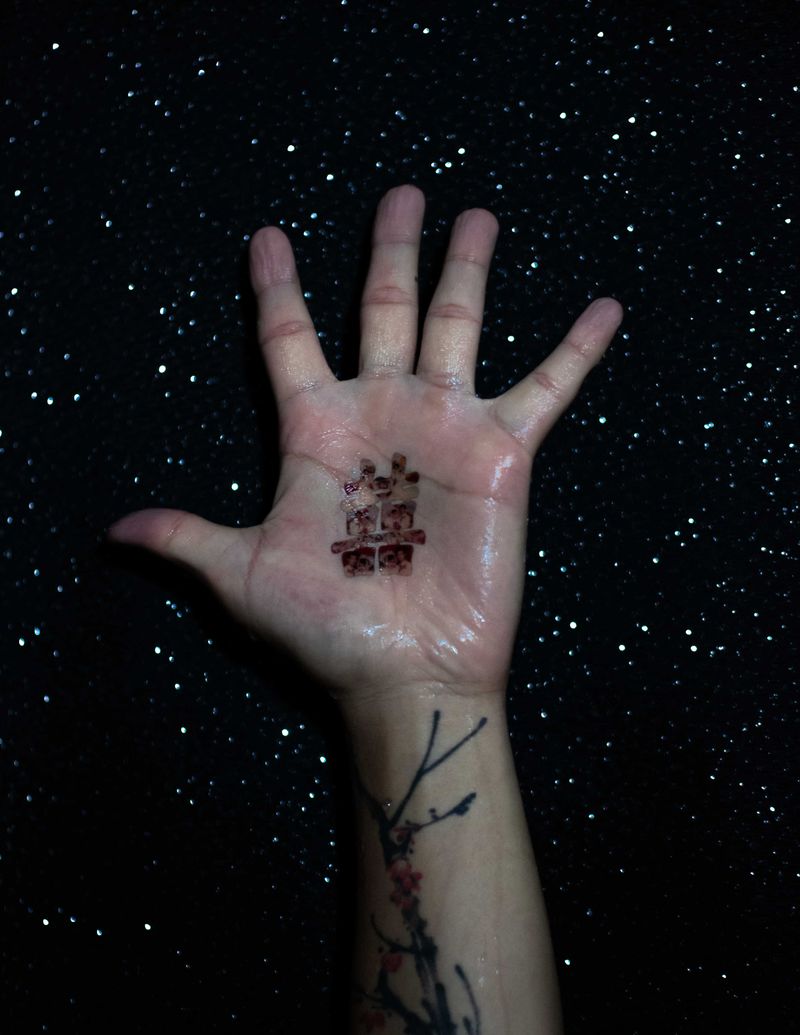
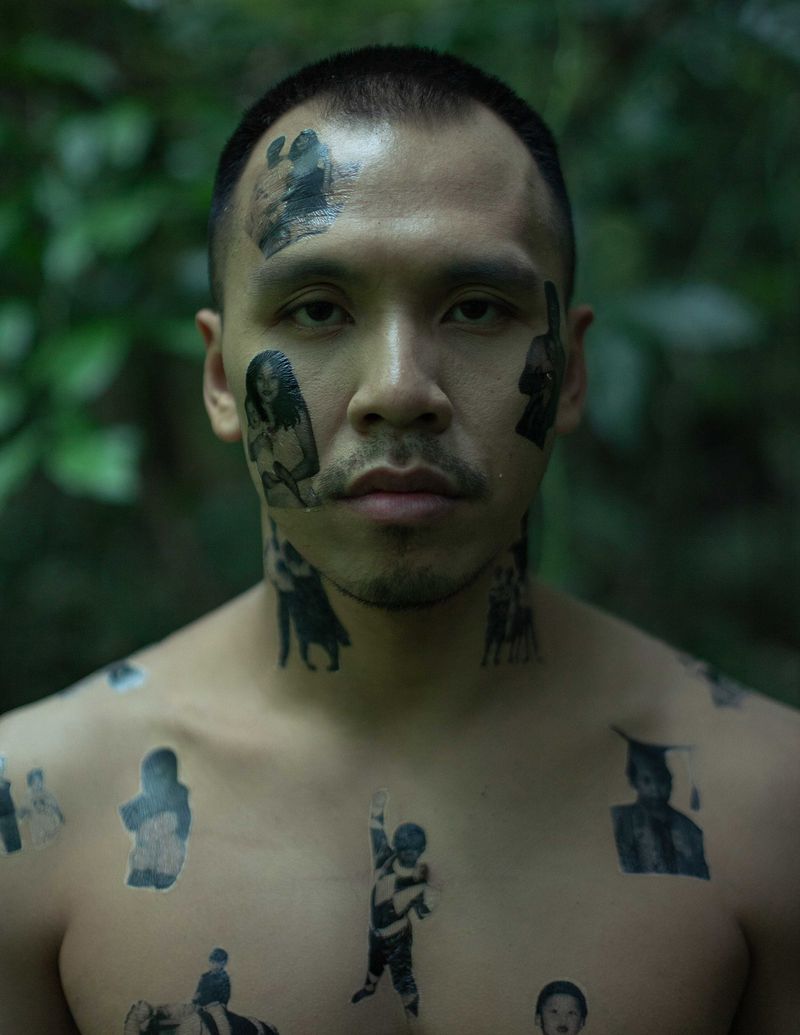
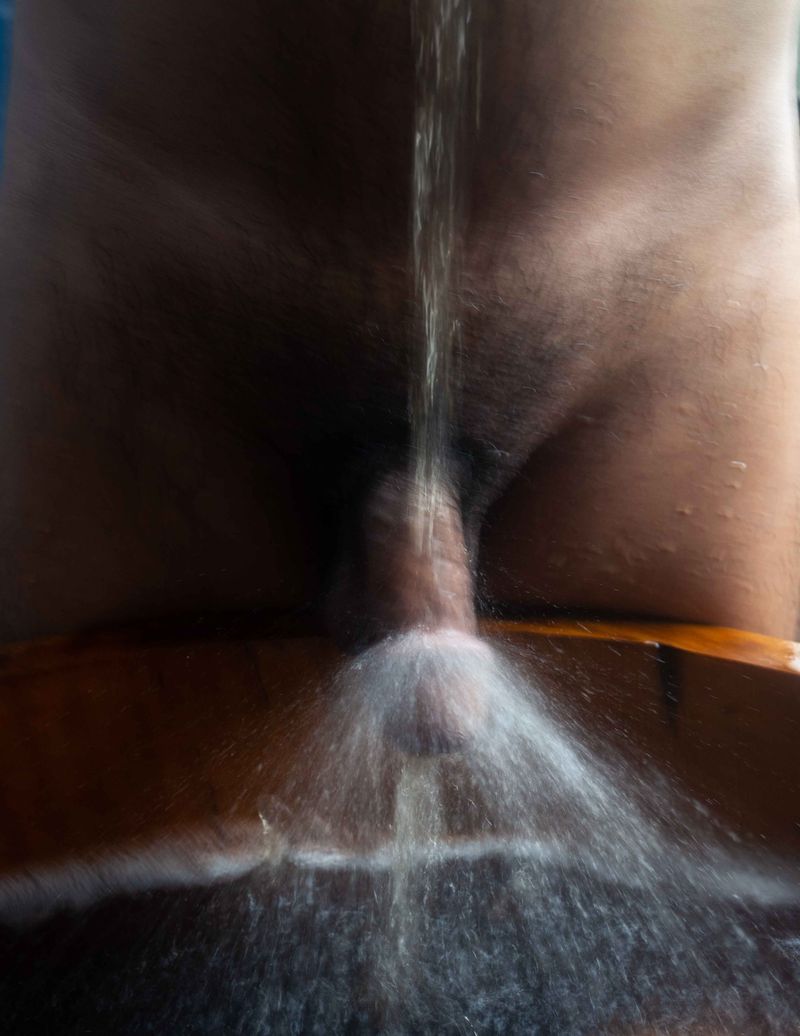
That effort also led me to turn backward, toward layers of memory once avoided. Through self-portraiture, the body became a site of reunion, a place where emotions hardened by time could be touched, desires could be seen, and fragments of identity embraced without rejection. The camera did more than record, it helped gather scattered parts, allowing presence to be held in wholeness.
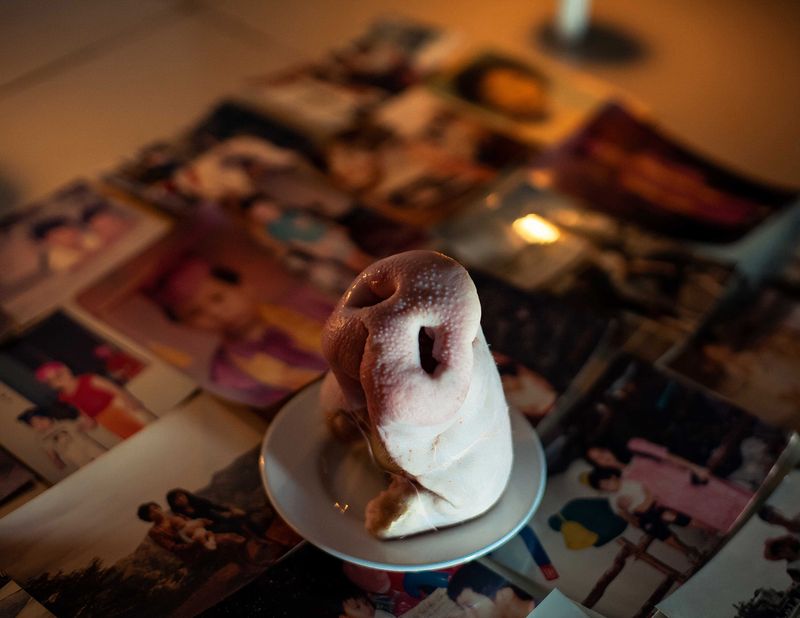
In tracing childhood archives, what once felt like burdensome inheritance transformed into an entryway for understanding origins and new possibilities. Small rituals, embodied experiences, and intimate conversations opened subtle paths toward personal transformation.
Within this circle of relations, I came to understand unconditional acceptance as something lived and practiced, not merely imagined. The emptiness I carried began to soften, given space to shift and reshape itself. Recognizing my authentic self did not arise from rebellion, but a means of survival and wholeness. To this day, loving myself feels like the most honest and quiet homecoming, shaping a sense of belonging that continues to grow.