Home of the Perpetually Lost
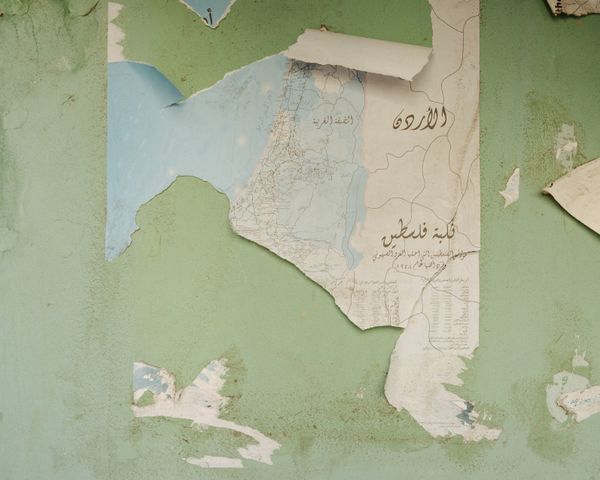
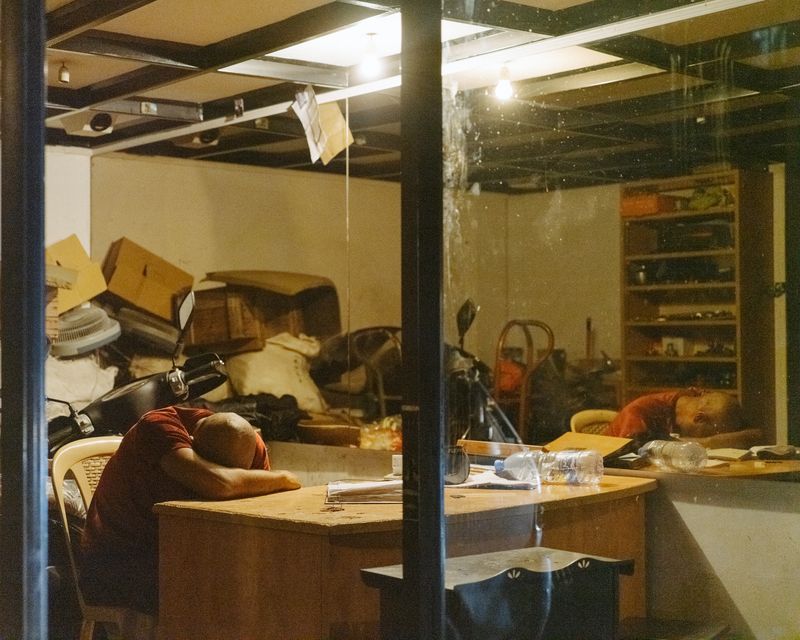
Home of the Perpetually Lost explores the fragile concept/term "home"as both place and feeling, and what happens when it collapses. Set in Lebanon, a space of arrival and departure, the work reflects longing, loss, and the ongoing search for belonging.
Home of the Perpetually Lost is a photographic exploration of the multifaceted and fragile concept of “home,” which encompasses both physical and emotional dimensions. Home is, on one hand, a concrete place where we live, and on the other, a feeling of security and belonging. But what happens when this home falls apart? When you have to leave it, lose all hope, and don’t know if it will ever be restored?

Lebanon, a country with a complex history of migration, a large refugee population, and people in transit, forms the backdrop for the questions in my work. As a refuge for people from the Middle East who have lost their homes, while also being a country many of its own residents are forced to leave due to economic and political instability, Lebanon embodies the coexistence of arrival and departure, longing and loss, touching on a universal theme. In this sense, the work resonates with the idea of an archipelago—fragmented yet interconnected spaces of belonging, shaped by distance, displacement, and the continuous movement between them.

The photographs reflect the complex emotions and desires of those who are searching for something elusive, have already found it, or are in a constant process of searching: for a home.
This project is a candidate for PhMuseum Days 2026 Photography Festival Open Call

Learn more Present your project
© Vedad Divovic - Image from the Home of the Perpetually Lost photography project
i

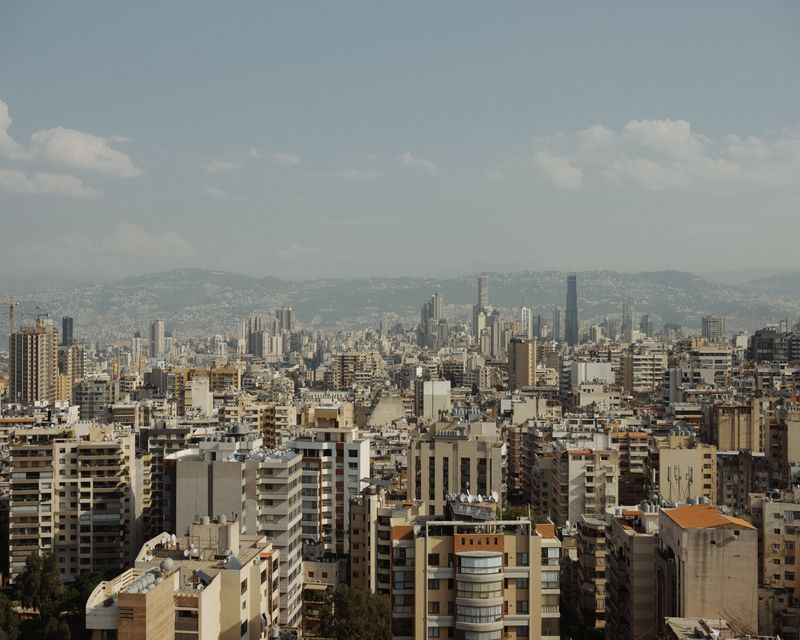
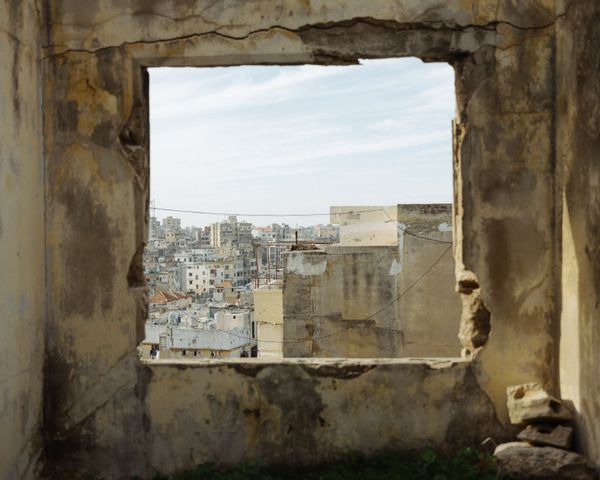
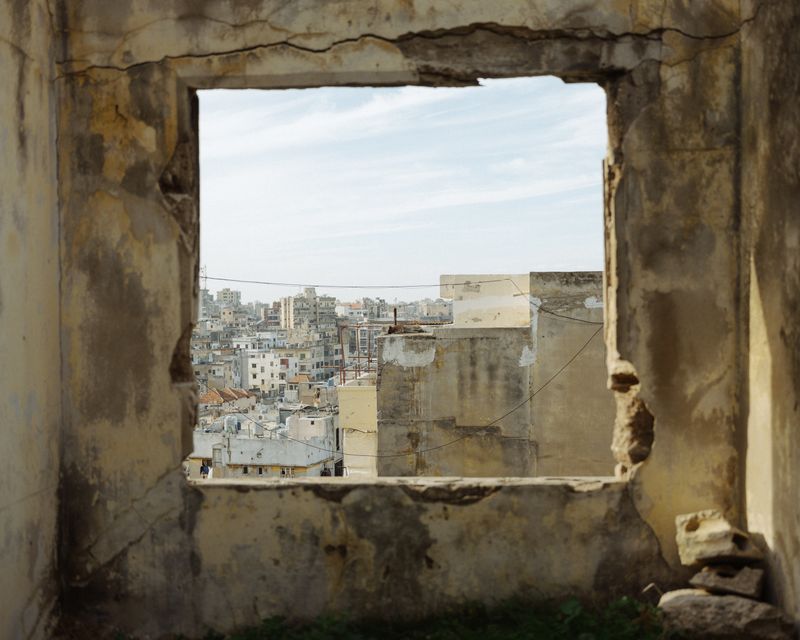
A rectangular opening in a crumbling wall frames a dense cityscape beyond. The rough, cracked edges of the window bear the marks of time and neglect, turning the act of looking outward into something fragile and provisional. Inside, the space feels abandoned; outside, life continues in tightly packed buildings layered one behind another. Home is seen from within ruins, vulnerable, incomplete.

© Vedad Divovic - Image from the Home of the Perpetually Lost photography project
i

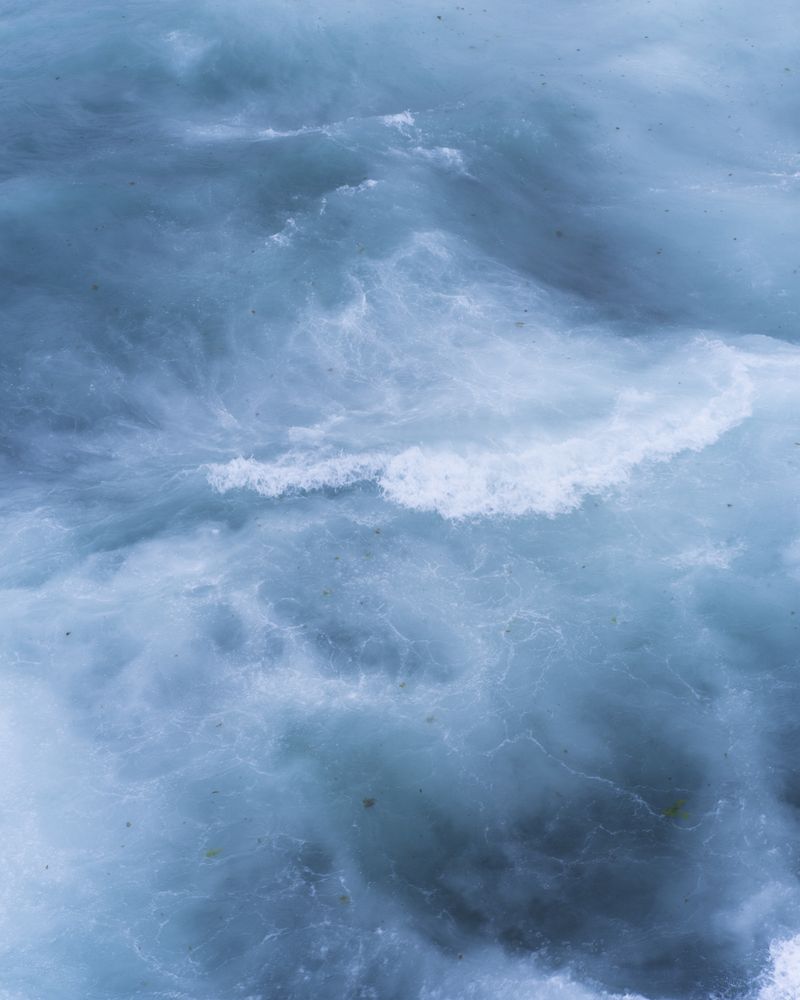
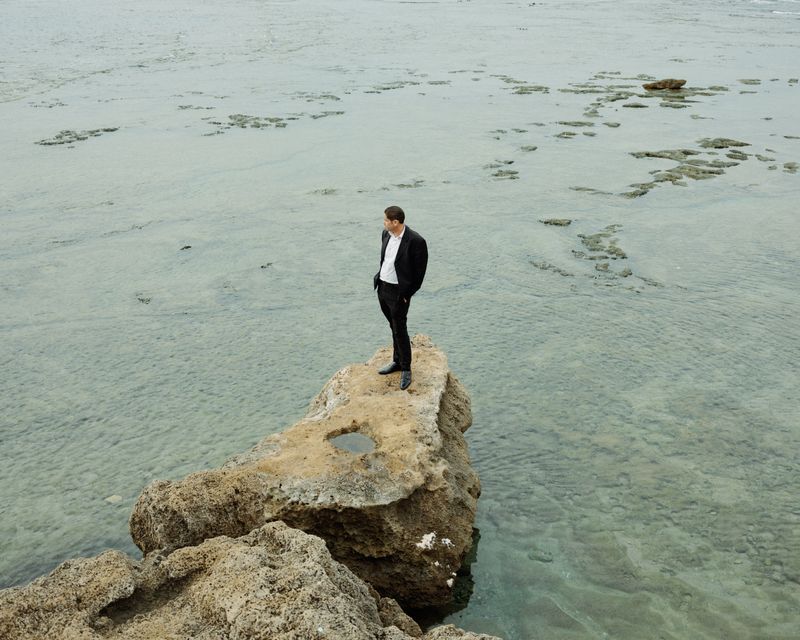
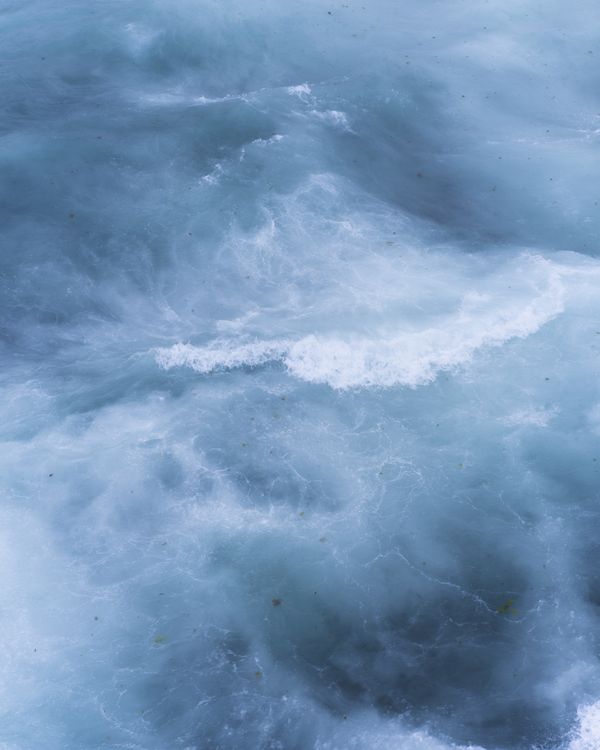
The sea in these images stands for the deep, aching longing for the faraway, for a place beyond the horizon, both real and imagined. It evokes desire, escape, and possibility. But the sea is never just romantic. It is also a deadly path, one that many refugees are forced to take in search of a better life. In that sense, it becomes a cruel border, vast, indifferent, and dangerous.

© Vedad Divovic - Image from the Home of the Perpetually Lost photography project
i

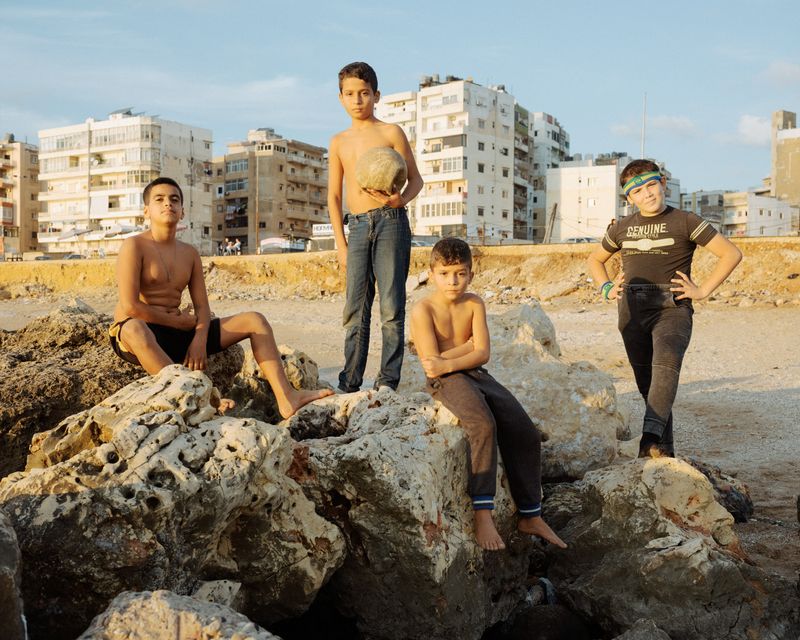
The photograph balances tenderness and toughness, documenting not just a moment of play, but also a glimpse into the boys' world, their posture and gazes hinting at dreams, challenges, and the close-knit energy of childhood in a place where home is made more by people than by walls.

© Vedad Divovic - Image from the Home of the Perpetually Lost photography project
i

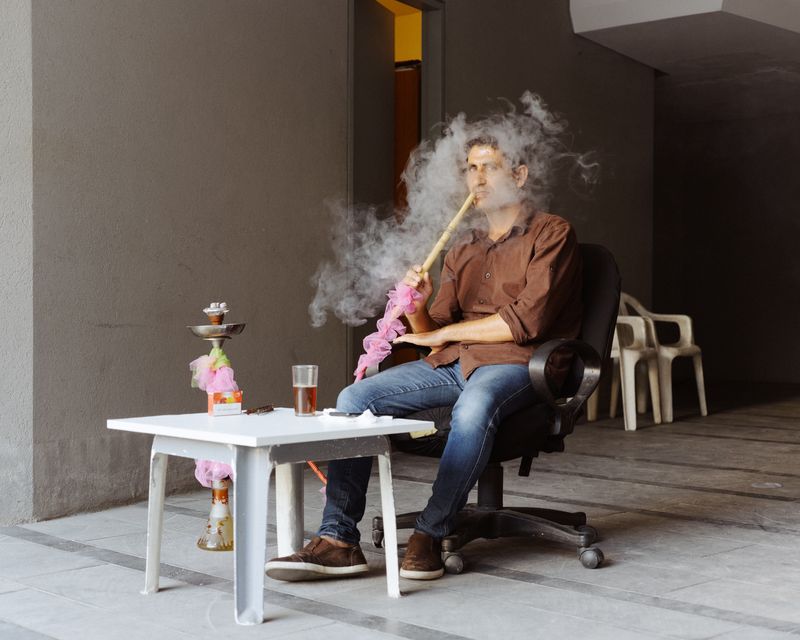
This image can be read as a reflection on the simple, often overlooked moments of life, where time feels suspended. The man’s connection with his environment is intimate, yet detached, perhaps suggesting how people navigate the complexities of their surroundings, whether as a moment of personal reflection or as an act of perseverance in a world that feels increasingly chaotic.

© Vedad Divovic - Image from the Home of the Perpetually Lost photography project
i

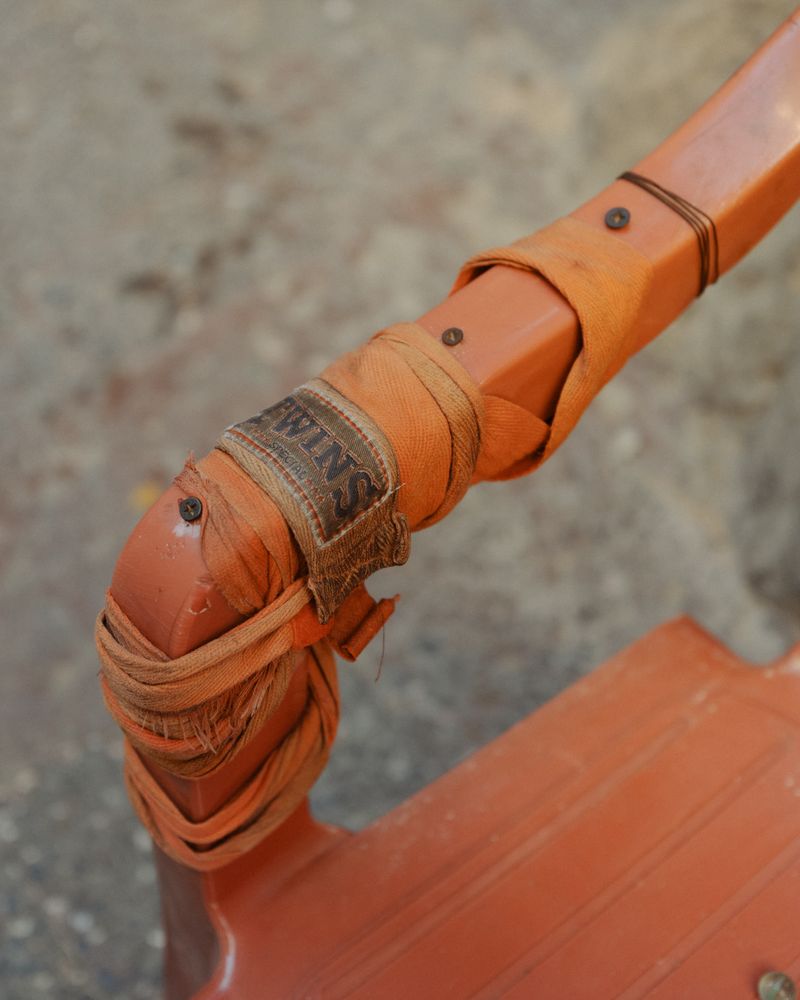
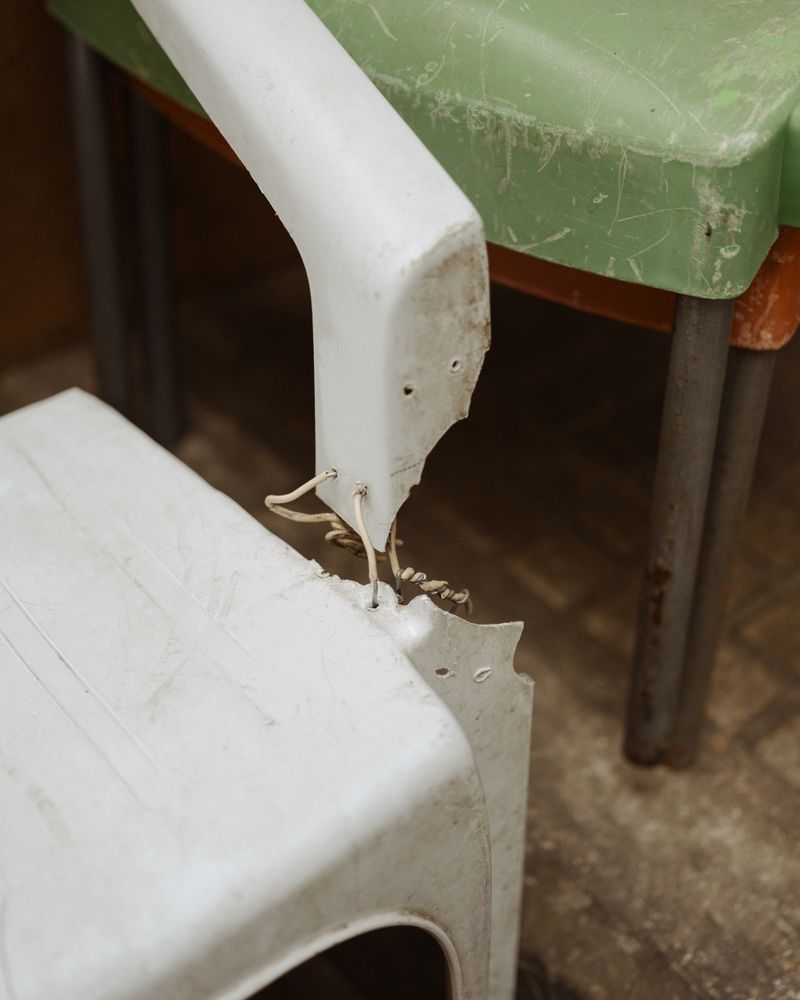
These chairs are more than furniture; they are quiet reflections of a larger question: What happens when the state is no longer there for its people? When systems fail, people continue to build, making spaces to sit, to wait, to live. Even in precarity, life insists on structure, on form. A home, however fragile, always takes a shape. The chairs are appearing repeatedly in the work.

© Vedad Divovic - Image from the Home of the Perpetually Lost photography project
i

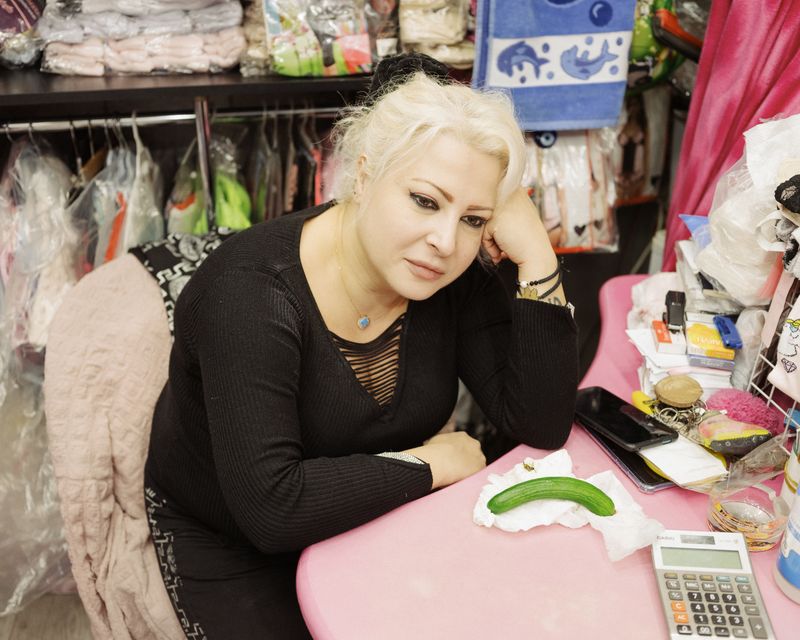
A woman sits behind a small shop counter, her head resting on her hand, surrounded by folded clothes and everyday clutter. A single cucumber lies on a napkin in front of her, quiet and out of place. The scene feels intimate and tired—home here is not a private space, but a place of work, routine, and lingering thoughts where life pauses between customers.

© Vedad Divovic - Image from the Home of the Perpetually Lost photography project
i

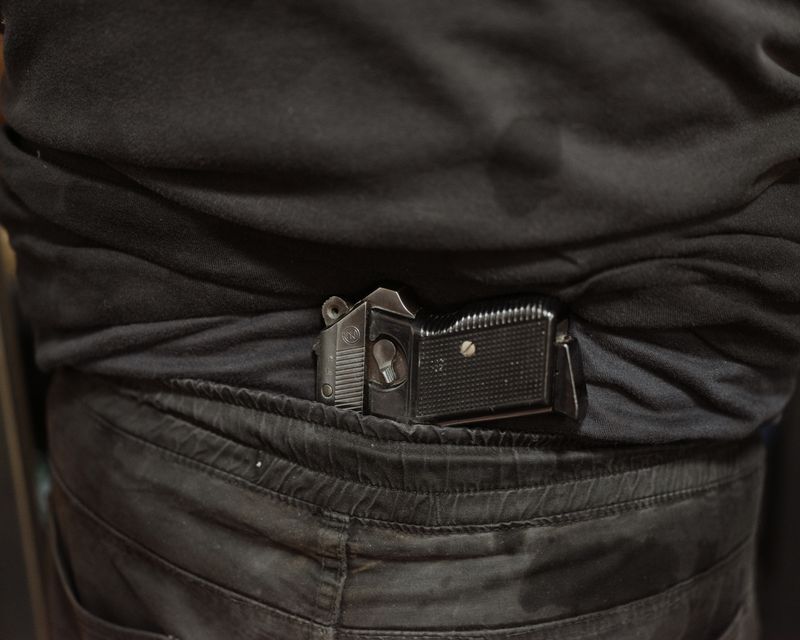
The gun serves as a metaphor for the fragility of peace and the hidden violences or tensions we carry, whether in our personal lives or within the larger social context. Constant negotiation between safety and danger, between visibility and concealment. The subtlety of the weapon's placement underscores the internalized tension, the narratives of power, vulnerability, and the complexity of life.

© Vedad Divovic - Image from the Home of the Perpetually Lost photography project
i

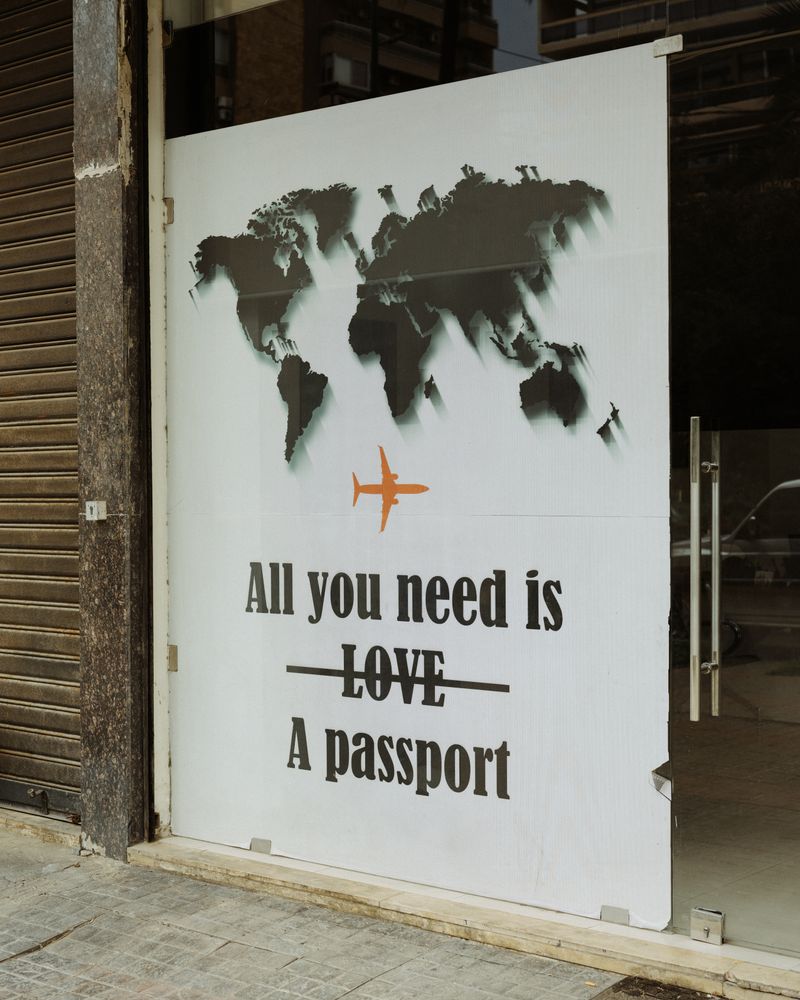
The image reflects travel, longing, and home as ideas marked by disillusionment. The travel agency, usually a place of promise, becomes a symbol of lost expectations. The crossed-out “love” suggests that what people seek through movement or escape may no longer offer answers. The passport, a tool for movement and change, seems to ask what truly matters when we want to move.

© Vedad Divovic - Image from the Home of the Perpetually Lost photography project
i

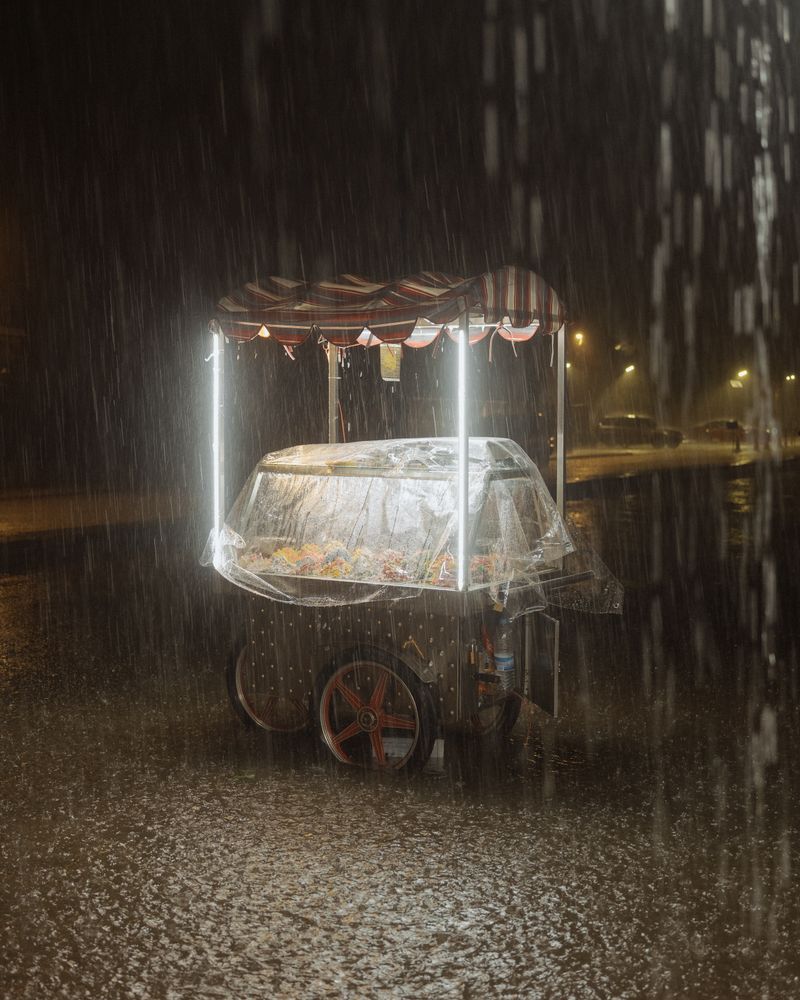
The image radiates a sense of resilience and isolation. Despite the weather, the cart stands ready, illuminated, as if still waiting for someone to come by. There’s care and beauty in how it’s protected. wrapped gently in plastic like something fragile and loved.

© Vedad Divovic - Image from the Home of the Perpetually Lost photography project
i

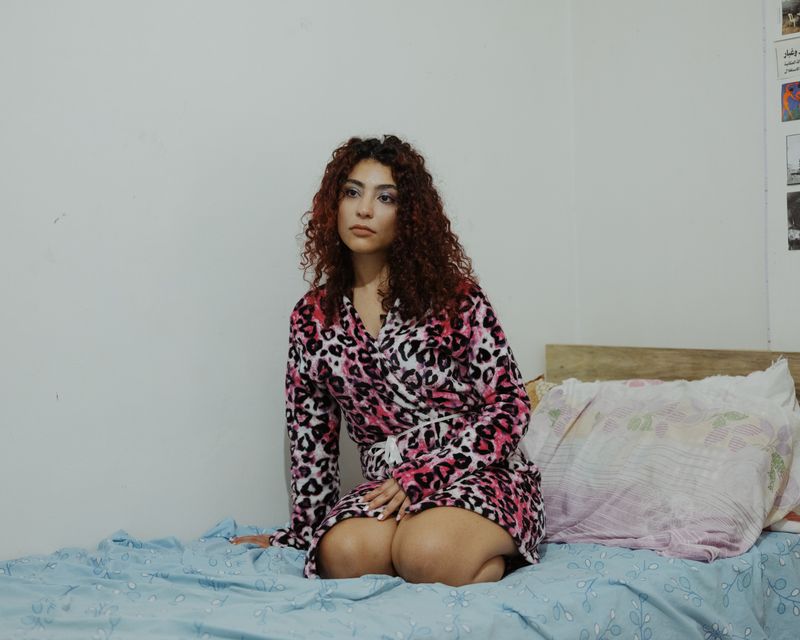
Mariam sits on the edge of her bed in a pink leopard-print robe. The modest room, marked by personal photos and posters, frames her quiet presence. Her distant gaze suggests a pause, a moment of waiting or reflection.

© Vedad Divovic - Image from the Home of the Perpetually Lost photography project
i

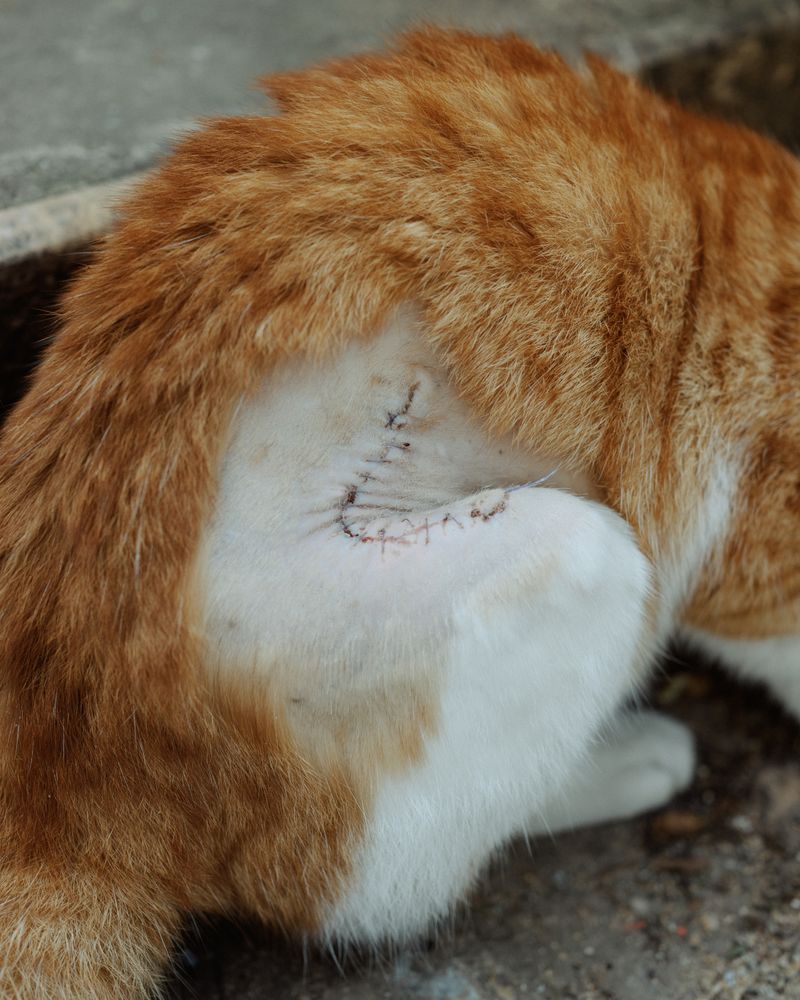
The image is tender, but also jarring, it captures both vulnerability and resilience in one frame. There's something deeply human in the way this animal carries its scar, a visible sign of pain and survival. The photo doesn't sensationalize the wound; instead, it offers a dignified, intimate look at healing.

© Vedad Divovic - Image from the Home of the Perpetually Lost photography project
i

These chairs are more than furniture; they are quiet reflections of a larger question: What happens when the state is no longer there for its people? When systems fail, people continue to build, making spaces to sit, to wait, to live. Even in precarity, life insists on structure, on form. A home, however fragile, always takes a shape. The chairs are appearing repeatedly in the work.

© Vedad Divovic - Image from the Home of the Perpetually Lost photography project
i

A man in a black suit stands alone on a rock in the shallow sea, gazing toward the horizon. The rock feels like a fragile island between land and water, echoing a sense of longing and uncertainty. Dressed for the city yet placed in nature, he seems suspended between places, carrying the idea of home within him, or still searching for it.