Globesity

  • Dates
    2015 - Ongoing
  • Author
  • Topics Social Issues, Contemporary Issues, Documentary

In recent decades in the world is spreading a new emergency called Globesity, considered an epidemic by WHO which threatens all nations. Currently, for the first time in human history, the world has more overweight than underweight people, and adult obesity is more common globally than malnutrition.

In recent decades, in the world is spreading a new emergency, called Globesity, considered an epidemic by World Health Organization, which threatens the health of all nations.

Currently, the percentage of obese people in the world, is growing at double the rate of people who suffer from hunger or malnutrition.

Indeed, for the first time in human history, the world has more overweight than underweight people, and adult obesity is more common globally than undernutrition: in the world there are around 1.9 billion adults, and 41 million children under 5, overweight or obese.

Obesity, has been considered for a long time, the under-product of the lifestyle of rich countries like USA, but now, the social-economic and political implications behind the modern phenomenon of Globesity, are to be found not only in the excess of food, but in its poor quality, and in the lack of access, by poorer sections of the population, to quality foods and adequate medical care.

Experts indicate that this "epidemic" is largely a product of globalization and poverty, due to the fact that many cultures, are abandoning their traditional foods in favor of foods and drinks with high-calorie rate.

This has meant that people are suffering from malnutrition to become obese.

As The World Food Program underlines “undernutrition, when people do not get enough food, and obesity-itself a form of malnutrition, are two sides of the same coin, and together they inflict a socalled double burden of disease on people and economies, all over the world”.

"GLOBESITY" is a photojournalistic investigation project, realized on three continents and three target countries, representing the problem, which wants to deepen and examine the epidemic of obesity, its effects on people, and their life conditions, in particular in the low and middle-income countries: Mexico, South Africa and Italy.

According to the recent studies, undernutrition is declining, but overnutrition is expected to become the largest social and economic burden in the world.

The political and economic implications of this phenomenon, are enormous (costs of health, quality and expectancy of life, power of food lobby, etc.). Globesity grows inexorable in rich countries as well as in developing ones involving all social classes, threatening the health and future of new generations.
© Silvia Landi - Image from the Globesity photography project
i

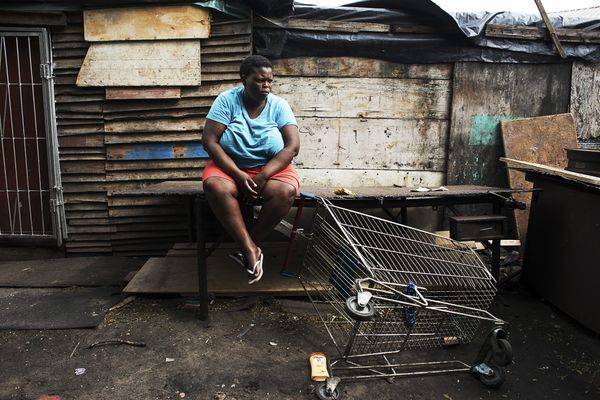
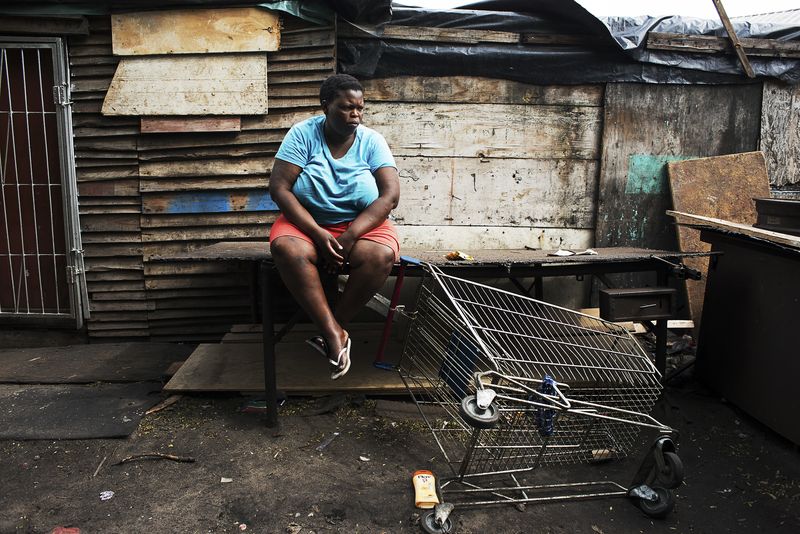
Cape Town, South Africa, Township of Langa. A girl suffering from obesity, sitting in front of his house in the Langa township, in the poor suburb of Cape Town. Obesity has become a global problem, called Globesity, and is now considered an epidemic by World Health Organization, which threatens the health of all nations (WHO, 2014 data). Indeed, for the first time in human history, the world has more overweight than underweight people (Popkin BM, The world is fat, 2007). The modern phenomenon of globesity, must be sought not only in the excess of food, but also in poor quality of food, and in the lack of opportunity and access, by the poorest population groups, to quality food and to adequate medical care The obesity problem, in South Africa, affects more women than men: 69.3 per cent of South African women have unhealthy levels of body fat and more than four in ten are clinically obese.

© Silvia Landi - Image from the Globesity photography project
i

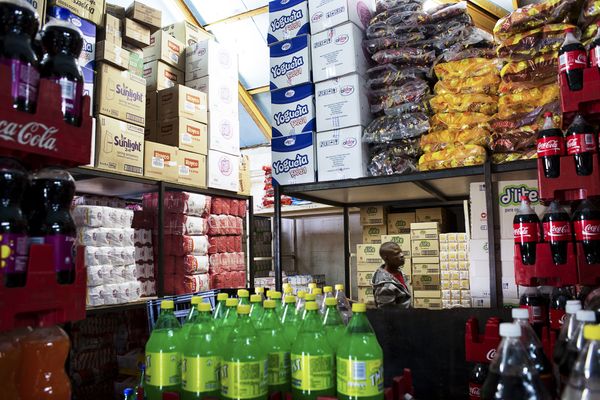
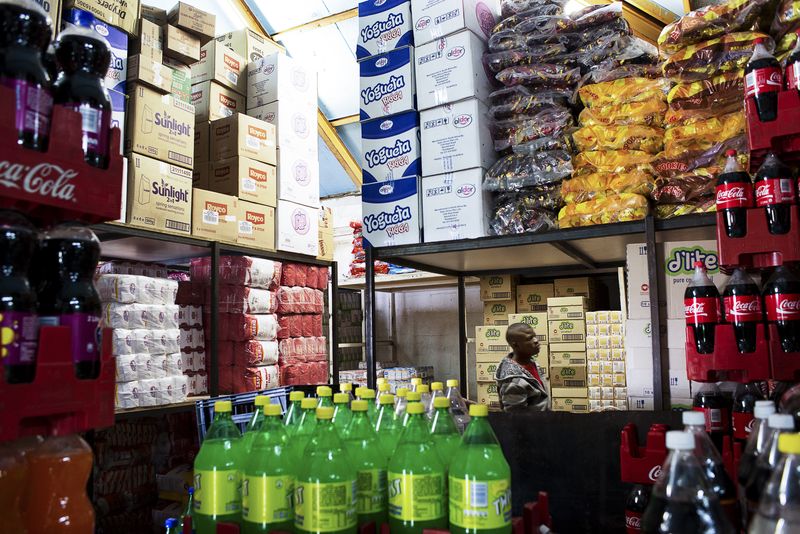
Cape Town, South Africa, Township of Langa. A man in one of the main supermarkets in Langa one of the poorest areas of Cape Town. Inside the store is only possible buy food and drinks high in sugar content. The origins of Globesity have often been associated with globalization and poverty, and caused by the spread of food and cheap drinks, rich in sugars and fats, which have radically changed the eating habits of people in many countries, in particular, in the emerging markets of developing countries, where a high percentage of the population lives below the poverty line, without access to quality food and eating cheap junk food. This meant that in many of these countries are the poorest segments of the population to become obese.

© Silvia Landi - Image from the Globesity photography project
i

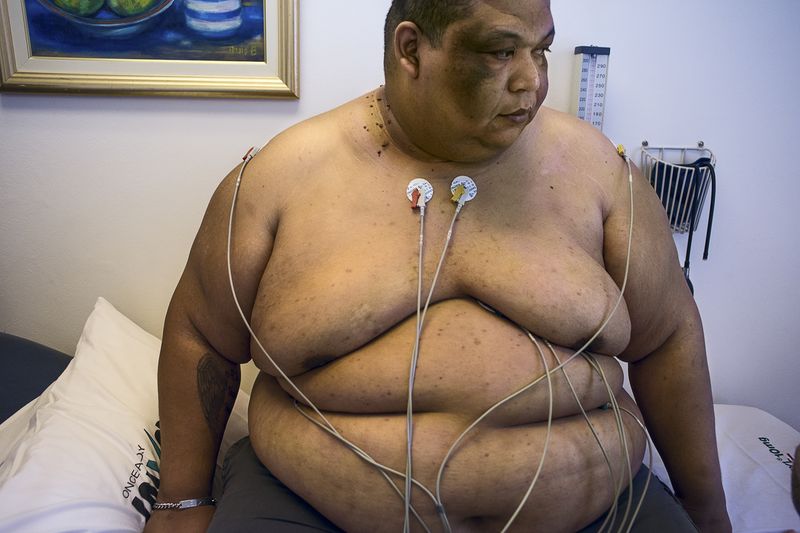
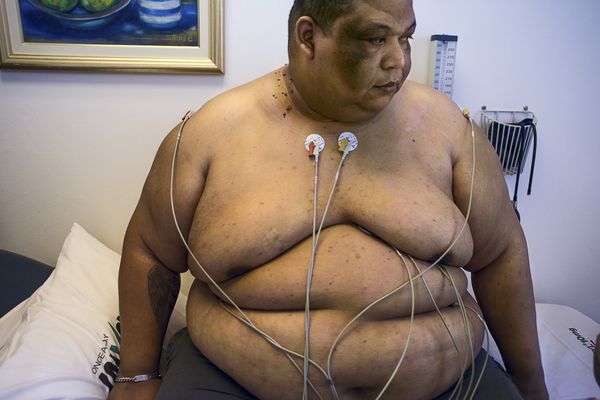
South Africa, Cape Town, Life Kinksbury Hospital. Ricardo (36 years), during the preoperative medical examination in the Chrysalis Clinic for the treatment of obesity, in the Life Kinksbury Hospital. The weight problems, caused to Ricardo, many knee problems that prevent him from walking for a long time, or do physical efforts. Obesity is a chronic disease with a multifactorial etiology including genetics, environment, metabolism, lifestyle, and behavioral components, and is accompanied in many cases to physical limitations, psychological distress, depression, isolation and difficulties in social relationships. The high costs for surgical operations, make it difficult to access for poor sections of the population, treatment for severe obesity. Currently this care ,in South Africa, are only accessible to those who have a health insurance. Experts say that the diseases correlated with obesity, will soon overtake HIV and tuberculosis as the biggest causes of death in South Africa, following the global trend of lifestyle conditions causing a majority of fatalities. The United Nations already predicts that by the end of the next decade non-communicable diseases will kill nearly five times as many people worldwide as infectious scourges such as AIDS and malaria, which have caused carnage in poorer parts of the planet.

© Silvia Landi - Image from the Globesity photography project
i

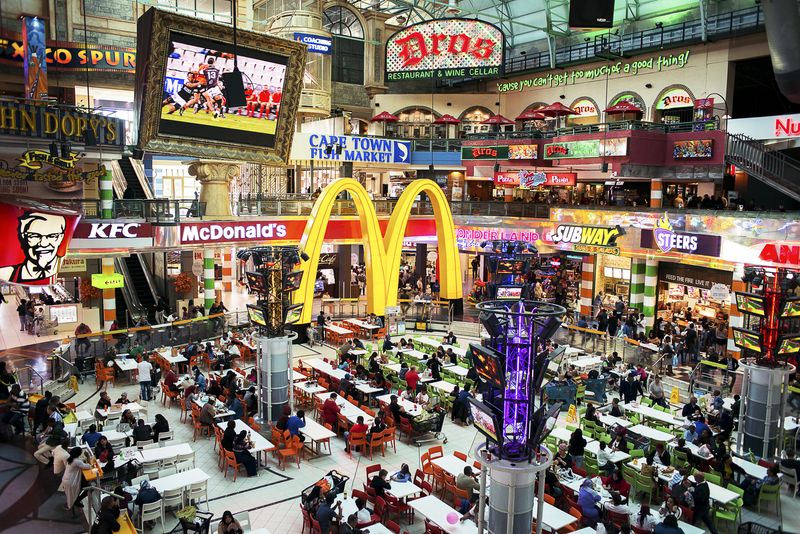
South Africa, Cape Tow. The food court of Canal Walk, one of the largest shopping centers in the suburbs of Cape Town. Adult obesity is more common globally than under-nutrition, and the worldwide prevalence of obesity more than doubled between 1980 and 2014. According to the WHO data, there are around 1.9 billion adults overweight, of those 600 million are considered obese. Most of the world's population live in countries where overweight and obesity kill more people than underweight (this includes all high-income and most middle-income countries). The origins of Globesity have often been associated with globalization and poverty, and caused by the spread of food and cheap drinks, rich in sugars and fats, which have radically changed the eating habits of people in many countries, in particular, in the emerging markets of developing countries, where a high percentage of the population lives below the poverty line, without access to quality food and eating cheap junk food. This meant that in many of these countries are the poorest segments of the population to become obese.

© Silvia Landi - Image from the Globesity photography project
i

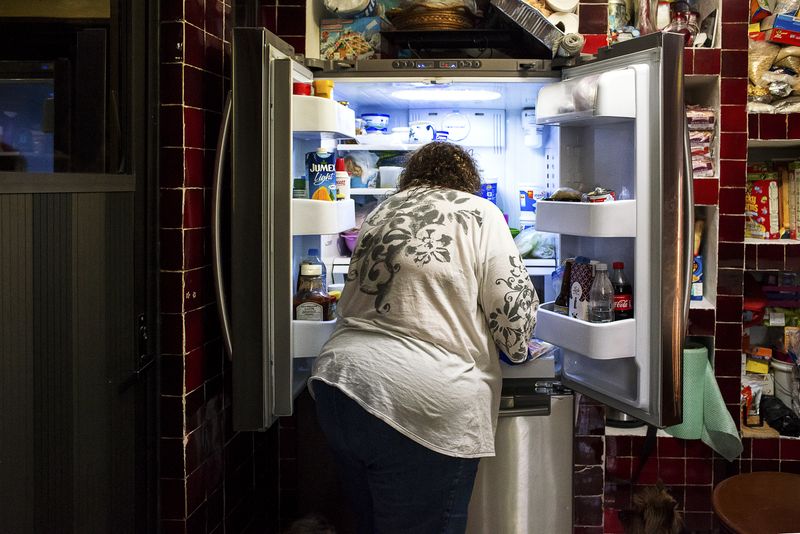
Mexico City, Mexico. Antonia 62, looking for food in her fridge to prepare a snack. Antonia suffers from obesity and one of her daughters, has made a gastric bypass operation to lose weight. Undernutrition and overweight/obesity are the two sides of the malnutrition coin, and together they inflict a ‘double burden’ on countries and people, the study found “The Cost of the Double Burden of Malnutrition: Social and Economic Impact”. While undernutrition undermines physical growth and impairs brain development, overweight and obesity can lead to non-communicable diseases such as type II diabetes, hypertension and cancer. Both hinder the development of individuals, the well-being of communities. The implications for the future of countries are frightening. According to the study, undernutrition is declining, but overnutrition is expected to become the largest social and economic burden in the region. From 2014 to 2078, overweight and obesity are projected to cost on average US$13 billion in Mexico per year.

© Silvia Landi - Image from the Globesity photography project
i

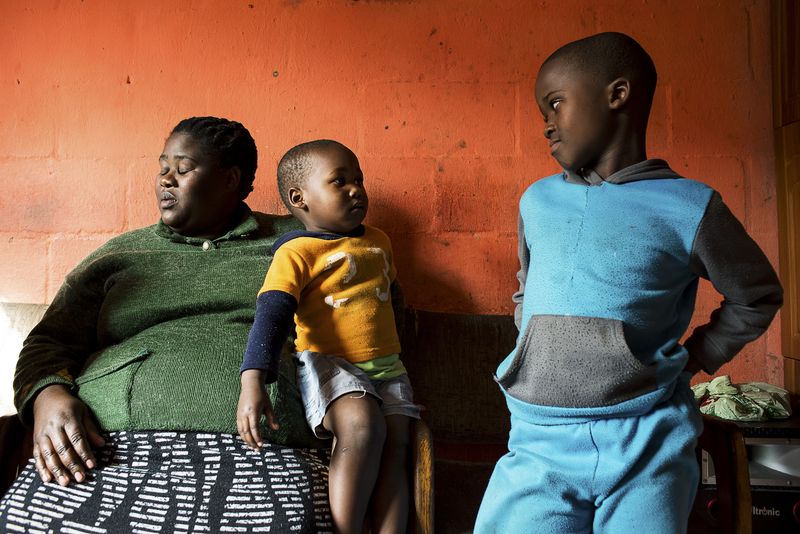
Wendy, a single mother, with her two children in their home. Wendy live in Langa, the oldest township in the suburbs of Cape Town, South Africa. Wendy suffers from diabetes caused by obesity. Its diet is mainly made up of fried foods, red meat and meals purchased at fast food restaurants. His two children indicate as main dishes of their diet crisps, fast food dishes and sweets. Most of the world's population live in countries where overweight and obesity kill more people than underweight (this includes all high-income and most middle-income countries). The origins of this alarming situation have often been associated with globalization and poverty, and caused by the spread of food and cheap drinks, rich in sugars and fats, which have radically changed the eating habits of people in many countries, in particular, in the emerging markets of developing countries, where a high percentage of the population lives below the poverty line, without access to quality food and eating cheap junk food. This meant that in many of these countries are the poorest segments of the population to become obese.

© Silvia Landi - Image from the Globesity photography project
i

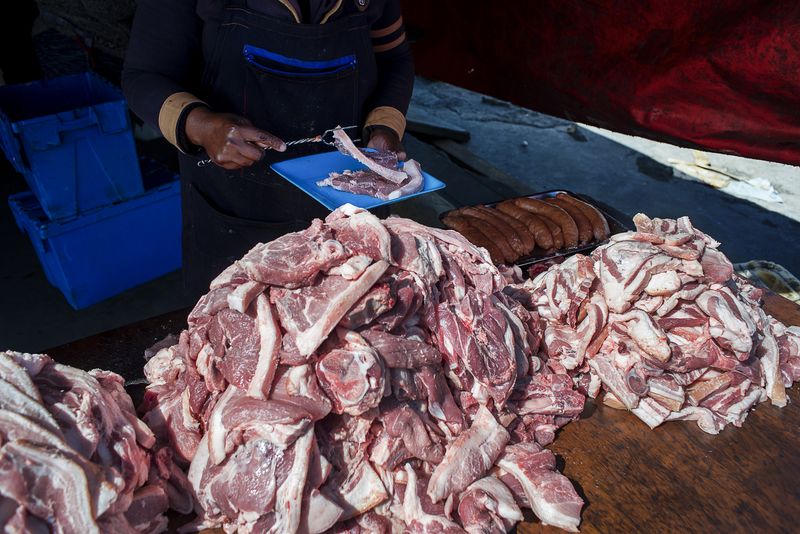
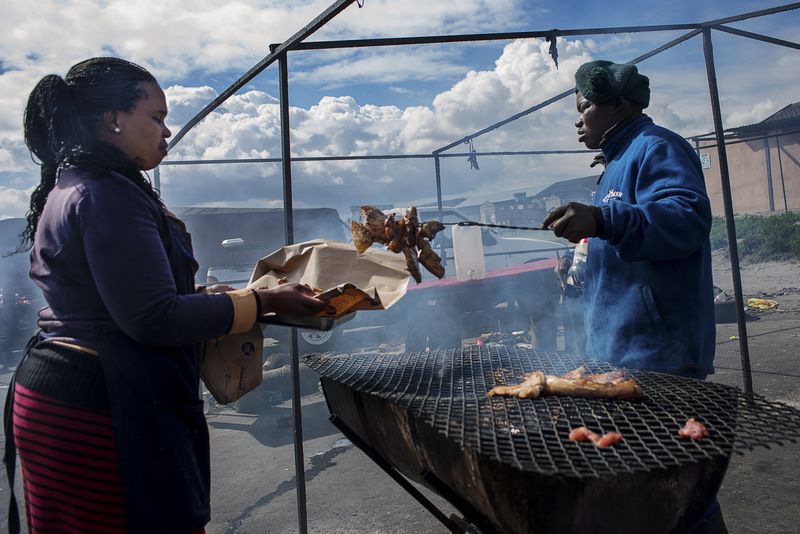
South Africa, Cape Town, Township of Khayelitsha. Sale of meat in the streets of Khayelitsha one of the poorest areas of Cape Town. Behind the modern phenomenon of globesity, must be sought not only in the excess of food, but also in poor quality of food, and in the lack of opportunity and access, by the poorest population groups, to quality food and to adeguate medical care. In South Africa, for Aaron Motsoaledi, the minister of health of South Africa "obesity is caused by the rapid shift to urban living combined with increased consumption of Western-style diets high in sugar, fat and salt. The problem is worsened in South Africa since it is a nation with a love of meat barbecued on the braai, cutting across ethnic boundaries; the two groups hit hardest by obesity are white Afrikaner males and black urban females. On top of this, fear of crime has boosted car culture, with cities designed around US-style shopping malls".

© Silvia Landi - Image from the Globesity photography project
i

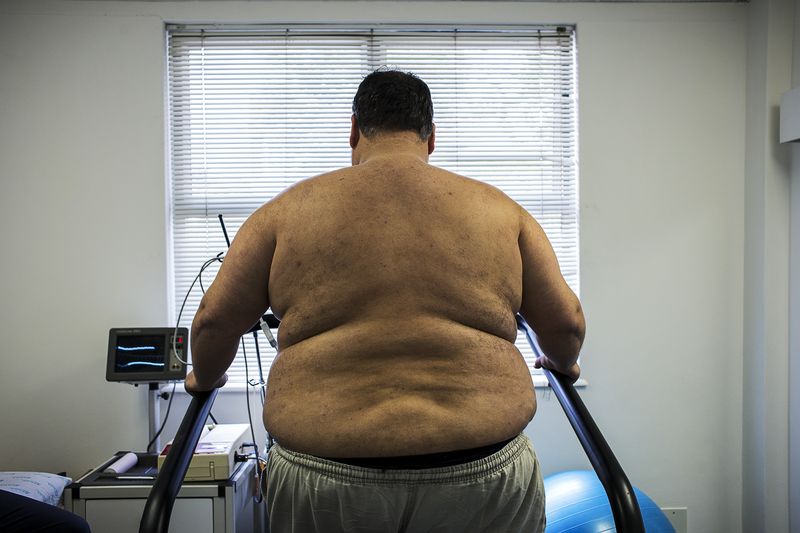
South Africa, Cape Town, Life Kinksbury Hospital. Andre (41 years), during the preoperative medical examination in the Chrysalis Clinic for the treatment of obesity, in the Life Kinksbury Hospital. Andre weighs 169 kg. Obesity is a chronic disease with a multifactorial etiology including genetics, environment, metabolism, lifestyle, and behavioral components, and is accompanied in many cases to physical limitations, psychological distress, depression, isolation and difficulties in social relationships. The high costs for surgical operations, make it difficult to access for poor sections of the population, treatment for severe obesity. Currently this care ,in South Africa, are only accessible to those who have a health insurance. Experts say that the diseases correlated with obesity, will soon overtake HIV and tuberculosis as the biggest causes of death in South Africa, following the global trend of lifestyle conditions causing a majority of fatalities.

© Silvia Landi - Image from the Globesity photography project
i

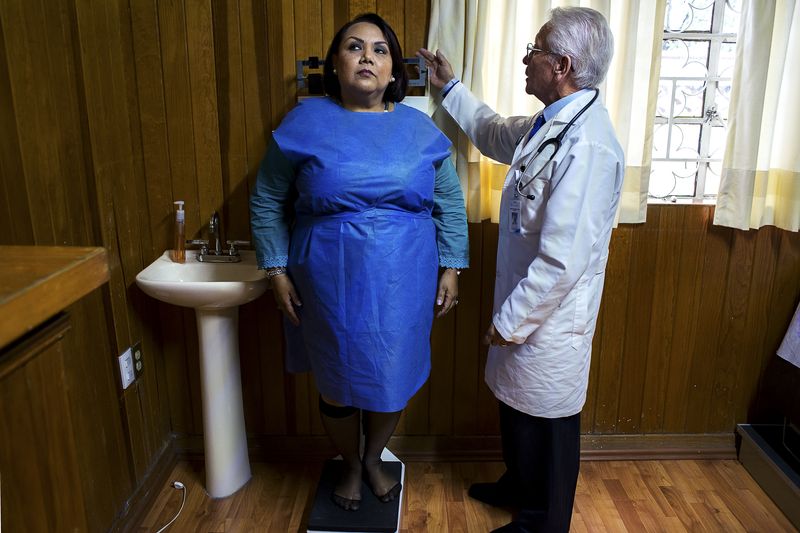
Mexico City, Mexico. Giosefina, 51 years old, during a visit with Dr. J.M. Miranda at the clinic "Fundacion RH Pharma" in Mexico City. Giosefina suffers from rheumatoid arthritis whose symptoms are aggravated by his condition of obesity. Obesity is a chronic disease with a multifactorial etiology including genetics, environment, metabolism, lifestyle, and behavioral components, and is accompanied in many cases to physical limitations, psychological distress, depression, isolation and difficulties in social relationships.

© Silvia Landi - Image from the Globesity photography project
i

South Africa, Cape Town, Life Kinksbury Hospital. Andrè (38), during the preoperative medical examination in the Chrysalis Clinic for the treatment of obesity, in the Life Kinksbury Hospital in Cape Town. Obesity is a chronic disease with a multifactorial etiology including genetics, environment, metabolism, lifestyle, and behavioral components, and is accompanied in many cases to physical limitations, psychological distress, depression, isolation and difficulties in social relationships. The high costs for surgical operations, make it difficult to access for poor sections of the population, to treatment for severe obesity. Currently such care in South Africa are only accessible to those who have a health insurance.

© Silvia Landi - Image from the Globesity photography project
i

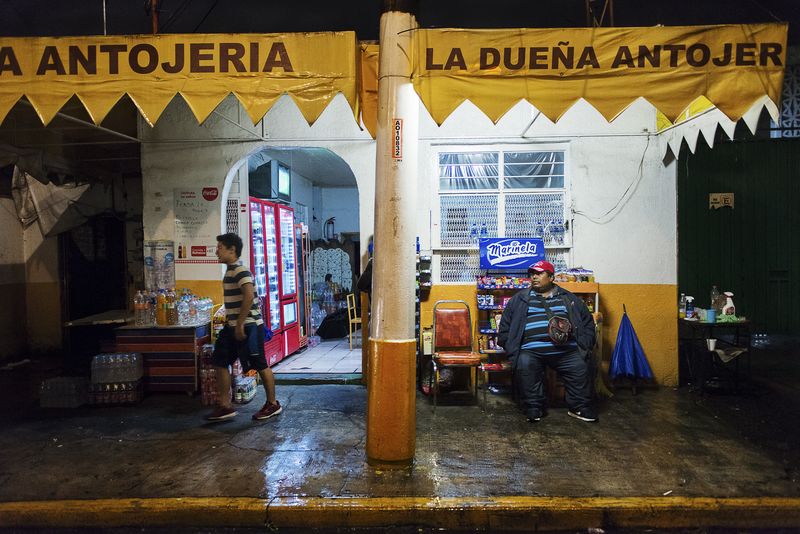
Mexico City, Mexico. Benito 40 years hold, in his workplace, he has an informal job (abusive parking valet, helps street vendors in market purchases etc. in exchange for some pesos). He often waits all night for a car to park, and while he is waiting he drinks and eats snacks and drinks "refrescos" (drinks that are gasated and rich in sugar), which he buys in the store.He suffers from severe obesity and is not following diets or treatments to solve his problem. In Mexico, 50% of the population lives below the poverty line, without access to quality food and eats inexpensive junk food.

© Silvia Landi - Image from the Globesity photography project
i

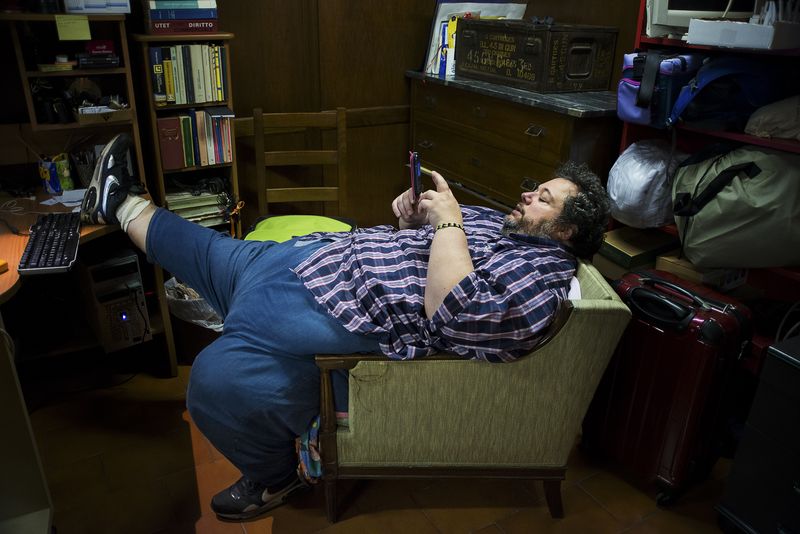
Rome, Italy. Giovanni, 47 years old, in his house. Giovanni suffers from severe obesity since many years, and over time, has lost and put on weight, up to more than 661 lb (300 kg). He has always battled against his body, and obesity has deeply influenced his emotional and work life. Italy the land of the Mediterranean diet, isn’t immune to the obesity: more than 57 thousand people die due to patologies caused by obesity, that is 1 thoausend every week, and according to datas collected in 2010 by the surveillance system “PASSI”, in Italy, 32% of adult are overweight, while 11% are obese.

© Silvia Landi - Image from the Globesity photography project
i

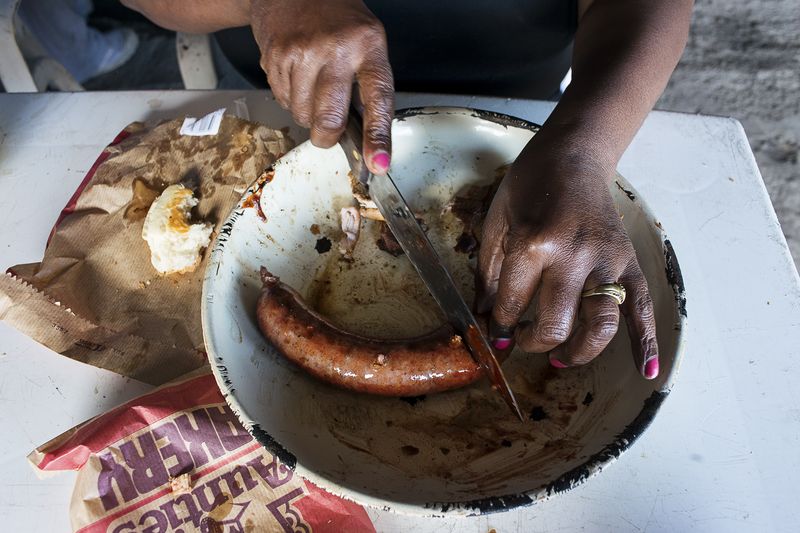
South Africa, Cape Town, Township of Khayelitsha. A woman has breakfast with a sausage, cooked in a street braai (a tipical South African BBQ), in the township of Khayelitsha, one of the poorest areas of Cape Town. The modern phenomenon of globesity, must be sought not only in the excess of food, but also in poor quality of food, and in the lack of opportunity and access, by the poorest population groups, to quality food and to adeguate medical care. In South Africa, for Aaron Motsoaledi, the minister of health of South Africa "obesity is caused by the rapid shift to urban living combined with increased consumption of Western-style diets high in sugar, fat and salt. The problem is worsened in South Africa since it is a nation with a love of meat barbecued on the braai, cutting across ethnic boundaries; the two groups hit hardest by obesity are white Afrikaner males and black urban females. On top of this, fear of crime has boosted car culture, with cities designed around US-style shopping malls" (<a href="https://mosaicscience.com/story/south-africas-obesity-crisis" target="_blank">https://mosaicscience.com/story/south-africas-obesity-crisis</a>).

© Silvia Landi - Image from the Globesity photography project
i

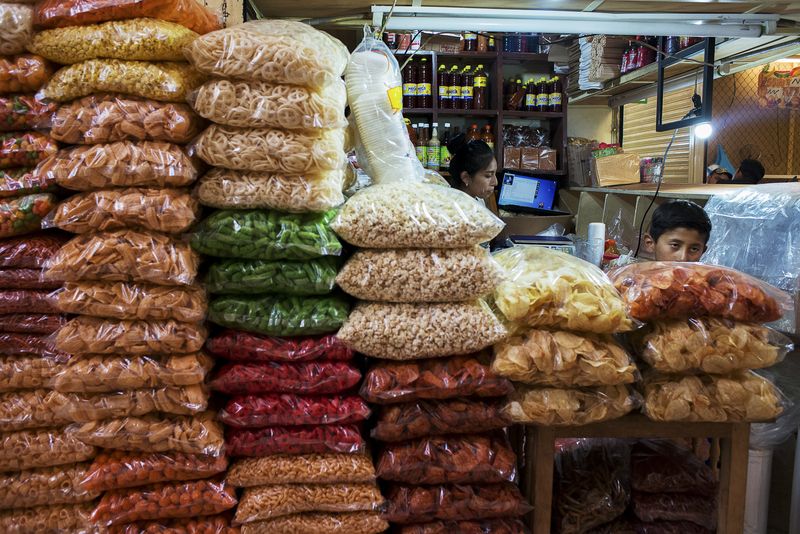
Xochimilco, Mexico. A shop that sells xxl bags of fries and fried snacks. A The government of Mexico has been faced with the enormous fiscal and health consequences of obesity and made major regulatory changes. These include taxing two components of the diet, Sugar Sweetened Beverages (SSBs), and non-essential foods (unhealthy food with excessive saturated fat, sugar and/or sodium), to provide important new revenue sources and reduce intake of SSBs and unhealthy food with excessive saturated fat, sugar and/or sodium. On January 1, 2014, the Mexican government began instituting two taxes. One is a 1 peso per liter (effectively slightly less than 10%) excise tax on any (non-alcoholic and non-dairy) beverage with added sugar. Concurrently, the government instituted an 8% sales tax on a wide range of non-essential foods that are foods high in sodium, added sugars, or solid fats. These include all salty and other snacks, confectionery products, chocolate and products derived from cacao, puddings and flans, candy, peanut butter and hazelnut butter, ice cream, and popsicles.

© Silvia Landi - Image from the Globesity photography project
i

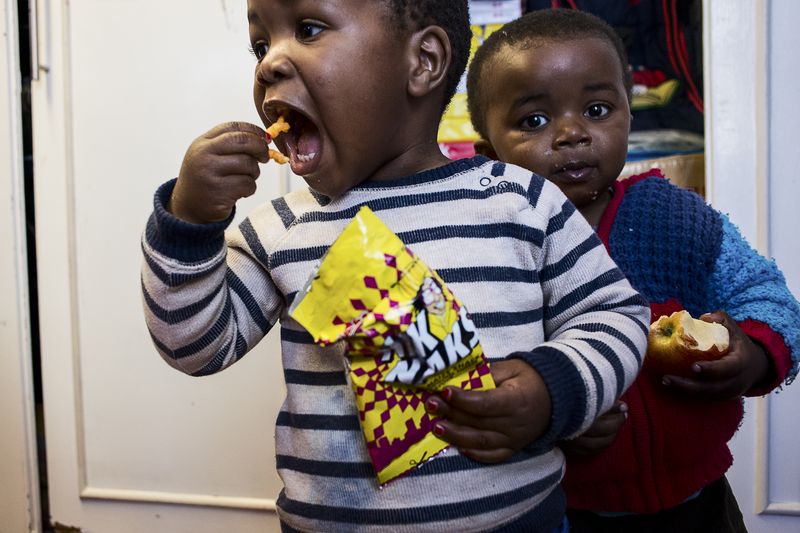
South Africa, Cape Town, the township of Philipphi. Two children take a snack in Zanethemba Kidz Haven School. The school is an Early childhood Development center Which is focused on child educational development, nutrition and health care for orphaned and displaced sector of society in the poorest area of Phillippi. The study “The Cost of the Double Burden of Malnutrition: Social and Economic Impact”, recommends measures to mitigate this burden; governments should promote consumer education through clear policies and incentives to ensure reliable food labelling, physical activity programmes, and the support of community-based nutrition education programmes. And it encourages the food industry to work with governments to guarantee the production, availability, and accessibility of healthier food products, and to play a positive and responsible role in educating consumers on healthy food choices.

© Silvia Landi - Image from the Globesity photography project
i

South Africa, Cape Town, Township of Khayelitsha. A woman buys meat as a snack, in the streets of Khayelitsha is one of the poorest areas of Cape Town. The modern phenomenon of globesity, must be sought not only in the excess of food, but also in poor quality of food, and in the lack of opportunity and access, by the poorest population groups, to quality food and to adeguate medical care. In South Africa, for Aaron Motsoaledi, the minister of health of South Africa "obesity is caused by the rapid shift to urban living combined with increased consumption of Western-style diets high in sugar, fat and salt. The problem is worsened in South Africa since it is a nation with a love of meat barbecued on the braai, cutting across ethnic boundaries; the two groups hit hardest by obesity are white Afrikaner males and black urban females. On top of this, fear of crime has boosted car culture, with cities designed around US-style shopping malls" (<a href="https://mosaicscience.com/story/south-africas-obesity-crisis" target="_blank">https://mosaicscience.com/story/south-africas-obesity-crisis</a>)

© Silvia Landi - Image from the Globesity photography project
i

Mexico City, Mexico. A woman fills a tray of pastries at a sweets store. The Mexicans love to eat street food during the day, and when they come together at the end of the day, using eating sweets and pastries with their family. Mexico have very high levels of child obesity and an increasing rates of type 2 diabetes among children. The government of Mexico has been faced with the enormous fiscal and health consequences of obesity and made major regulatory changes. These include taxing two components of the diet, Sugar Sweetened Beverages (SSBs) and non-essential foods (unhealthy food with excessive saturated fat, sugar and/or sodium), to provide important new revenue sources and reduce intake of SSBs and unhealthy food with excessive saturated fat, sugar and/or sodium.

© Silvia Landi - Image from the Globesity photography project
i

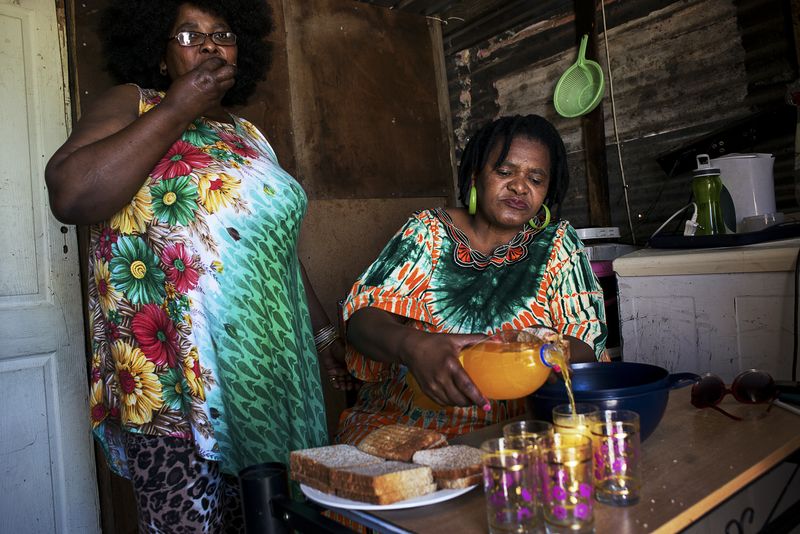
South Africa, Cape Town, Township of Khayelitsha. Grace, a resident of Khayelitsha, eat with a friend (Angel), a meat dish, and drink a fruit-flavored drink with a high sugar content. When asked "do you eat fruit in your daily diet? ", she answers "yes, I drink coke and juice". A study of the Human Sciences Research Council found that 88% of South Africans regard a fat body as their ideal, and most people see no need to change their lifestyle. In South Africa, approximately two-thirds of the population are overweight and, the problem affects more women than men: 69.3 per cent of South African women have unhealthy levels of body fat and more than four in ten are clinically obese.

© Silvia Landi - Image from the Globesity photography project
i

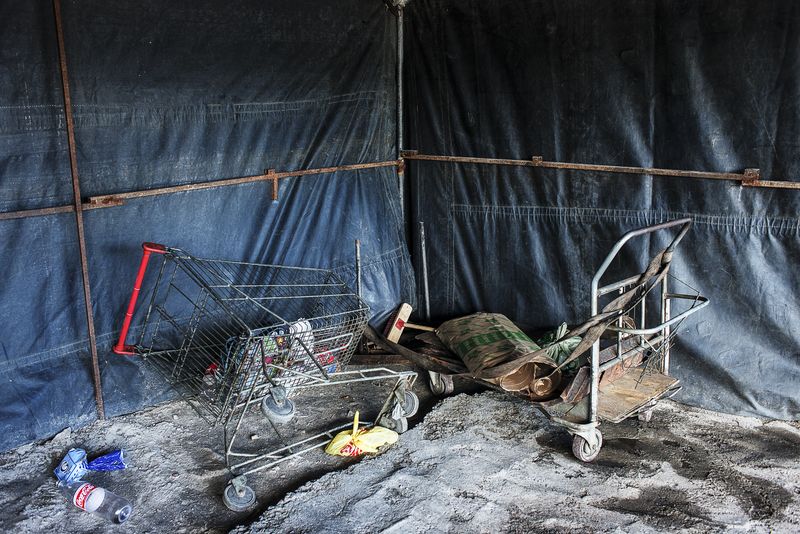
South Africa, Cape Town, Township of Khayelitsha. Two shopping carts abandoned on a street. Many middle and low income countries are facing an emerging phenomenon called "double burden" of disease. In these countries, it is not uncommon to find malnutrition and obesity coexist side by side. The origins of this alarming situation have often been associated with globalization and poverty, and caused by the spread of food and cheap drinks, rich in sugars and fats, which have radically changed the eating habits of people in many countries, in particular, in the emerging markets of developing countries, where a high percentage of the population lives below the poverty line, without access to quality food and eating cheap junk food. This meant that in many of these countries are the poorest segments of the population to become obese.

© Silvia Landi - Image from the Globesity photography project
i

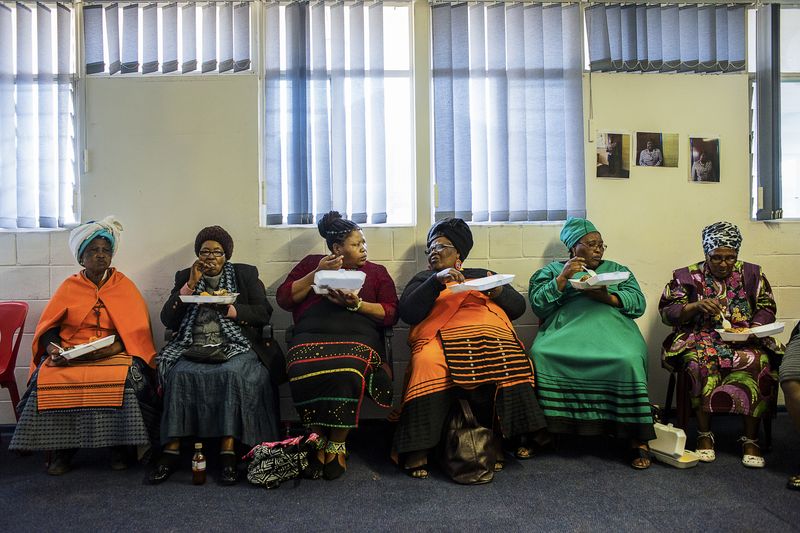
South Africa, Cape Town, Township of Khayelitsha. Some women with traditional clothes of South Africa, during a political meeting organized in the township of Khayelitsha one of the poorest areas of Cape Town. During the meeting, have been offered free food and alcohol to all present. An example of the evolution of globesity, is South Africa, one of the fattest nations on earth, with one of the highest overweight and obesity rate in sub-Saharn Africa: two-thirds of the population are overweight, driven by increasingly sedentary lifestyles, a rise in disposable income and the popularity of cheap junk food, sugary drinks, fat- and salt-laden crisps and fried chicken who are becoming popular in South African diets.