Fronton walls in Spanish villages
-
Dates2022 - Ongoing
-
Author
- Location Spain
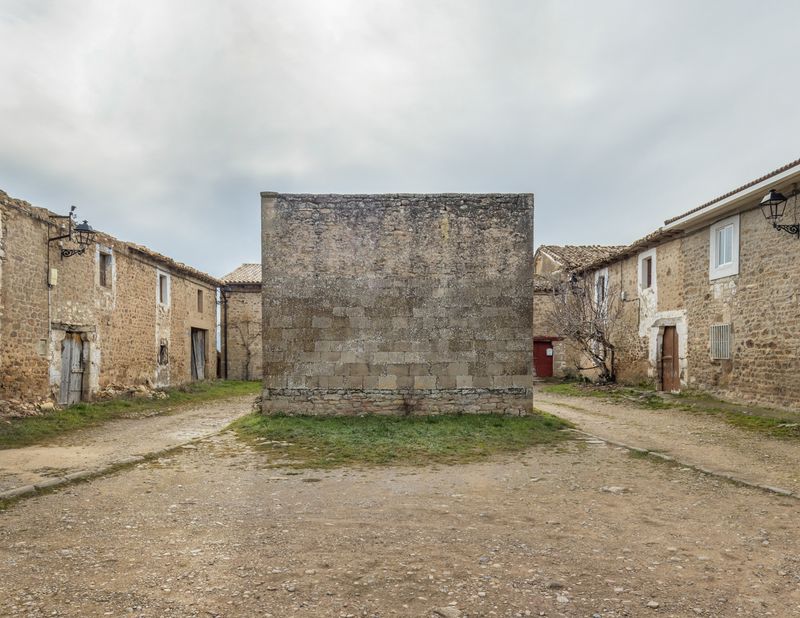
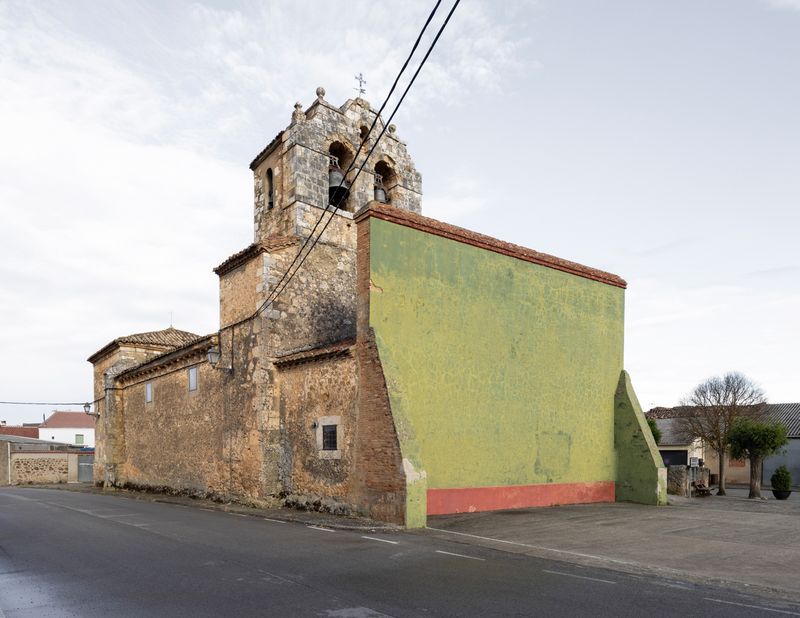
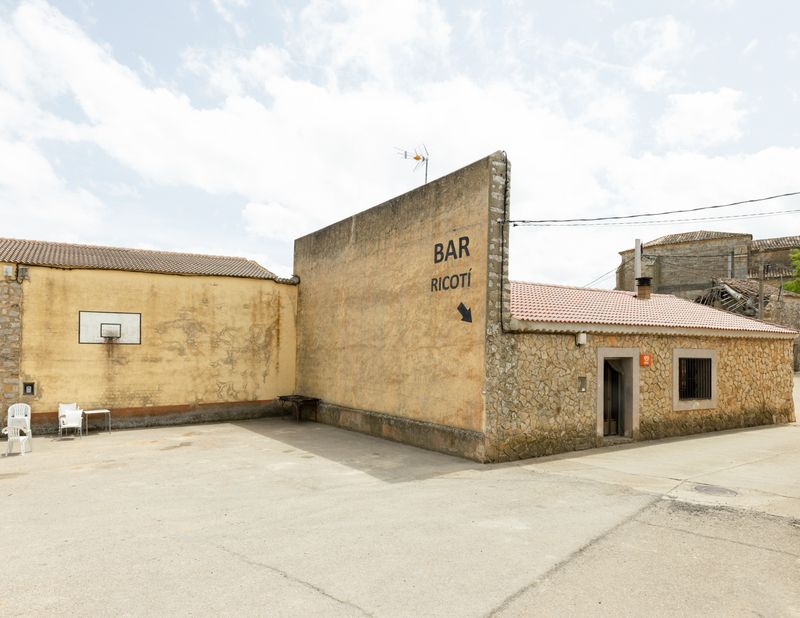
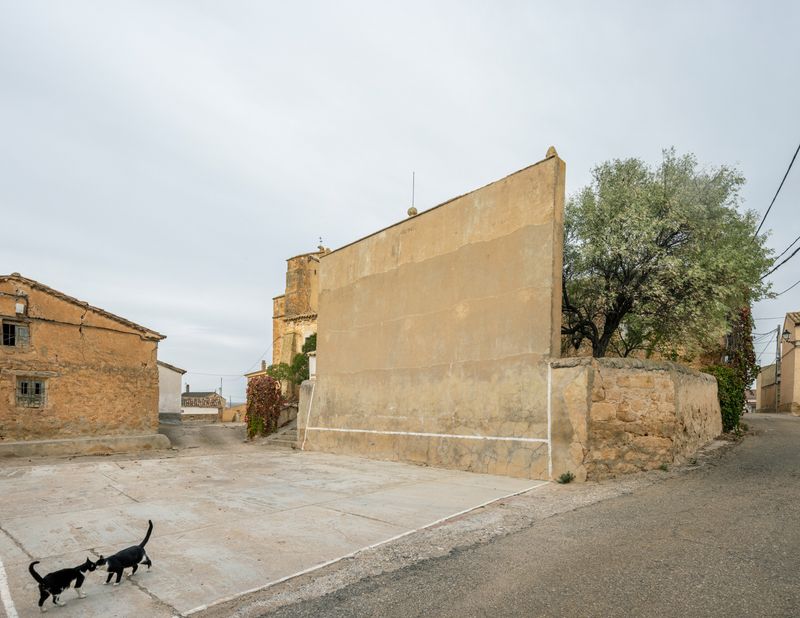
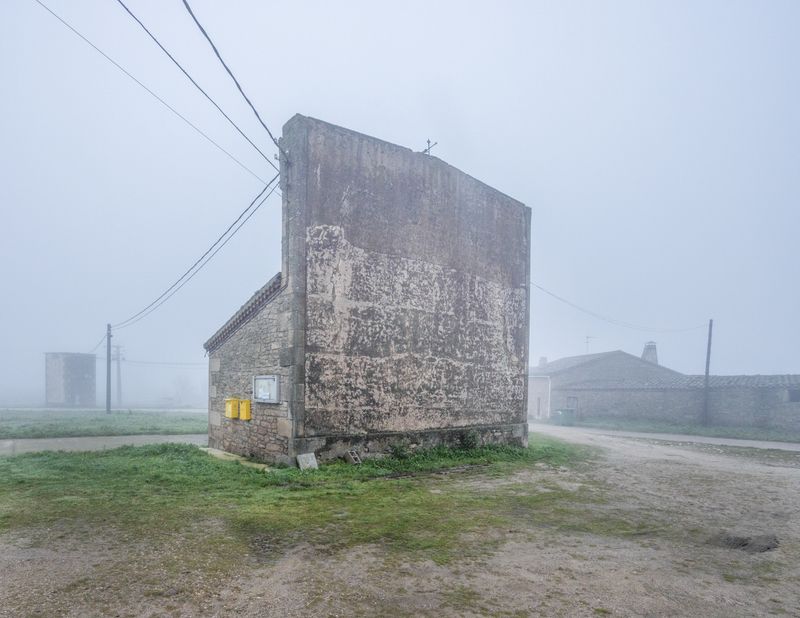
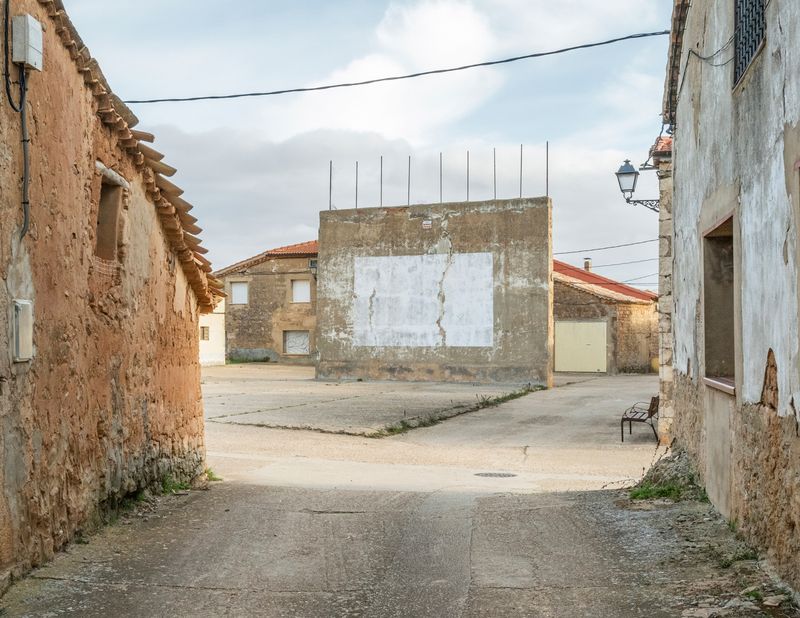
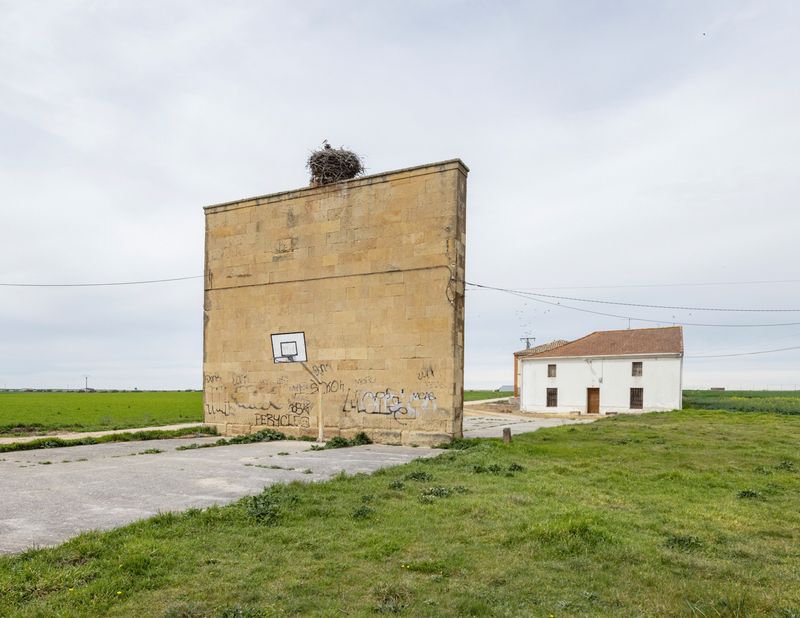
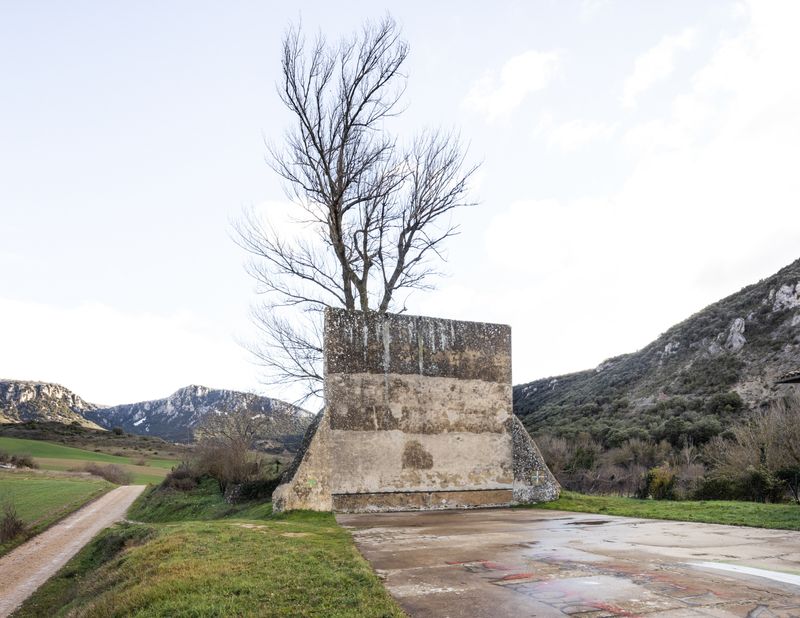
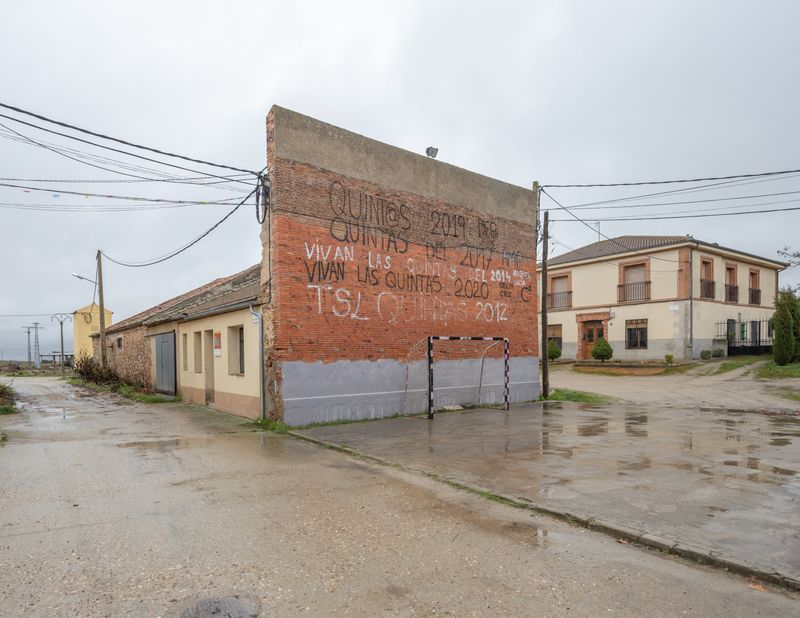
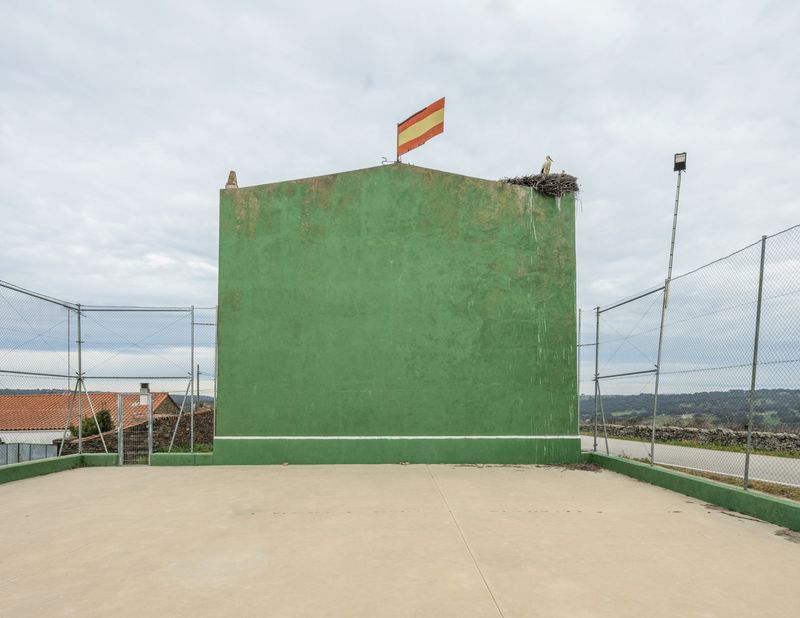
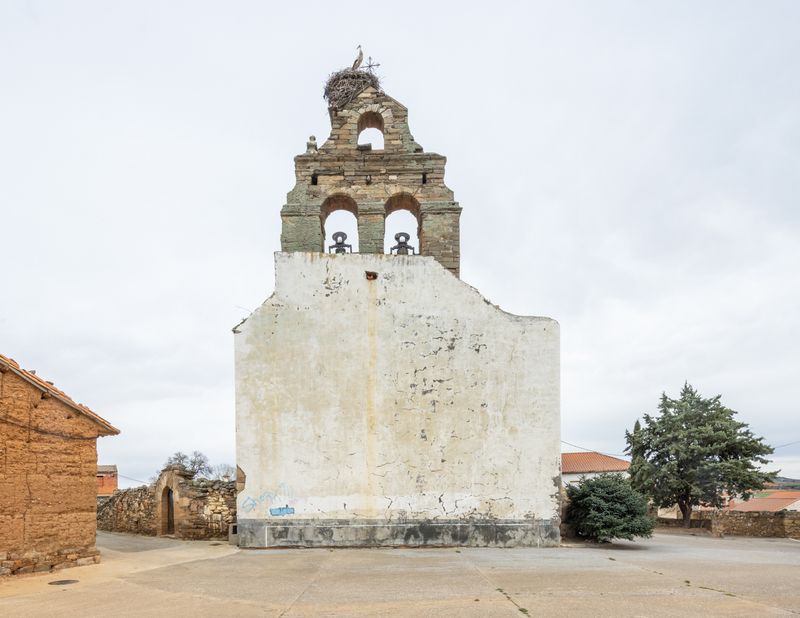
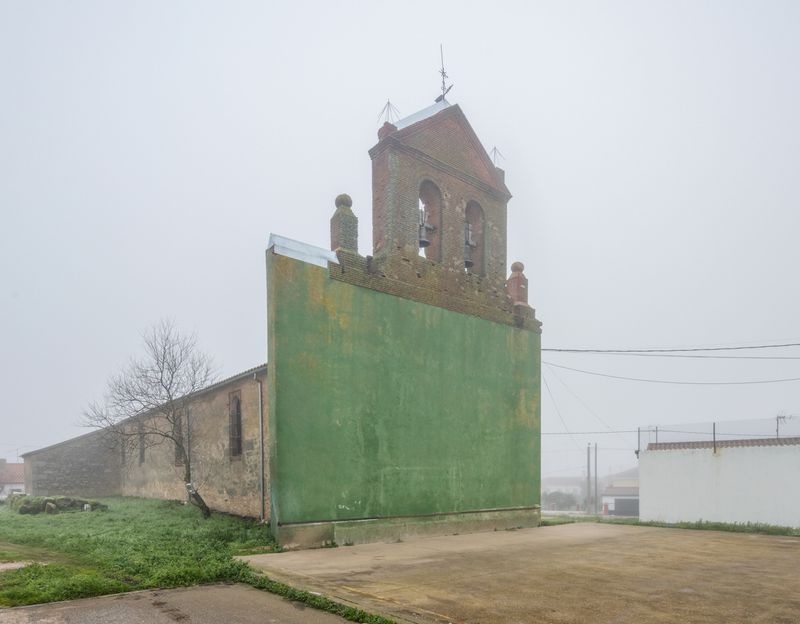
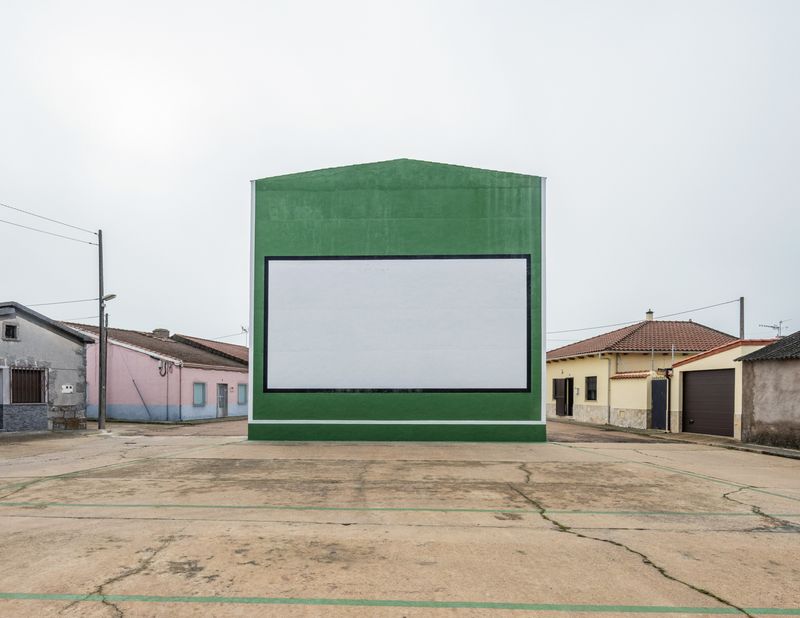
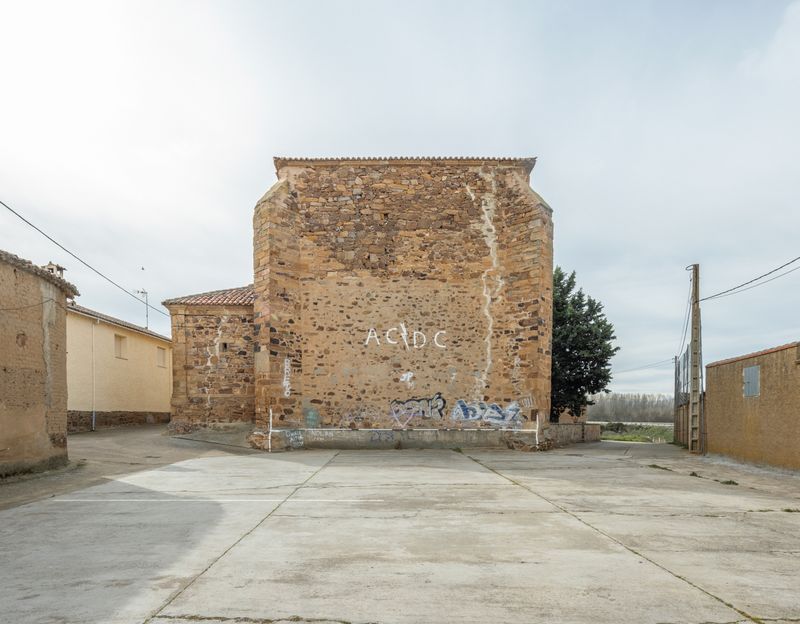
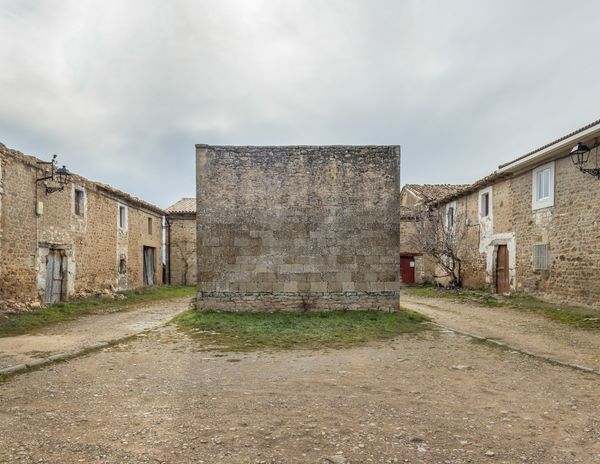
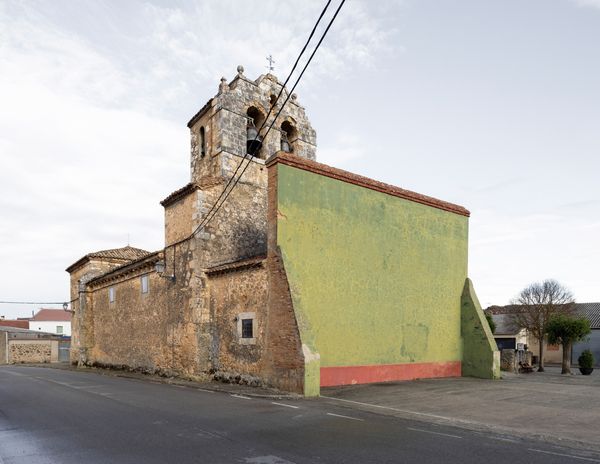
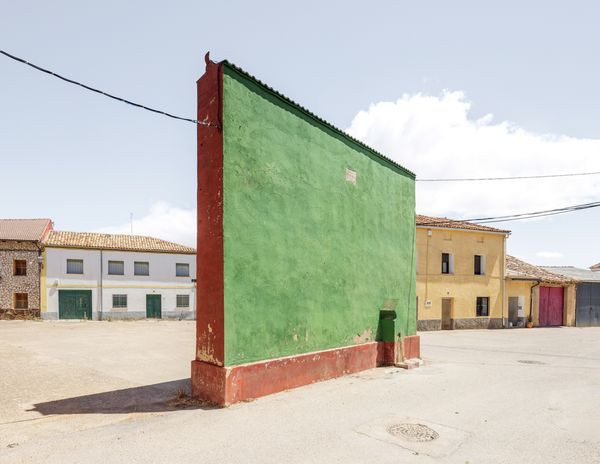
Fronton is a handball game where players hit a ball against a wall. Found in Spanish villages, fronton walls symbolize community gathering spots. Amid rural depopulation, they stand as reminders of cultural identity, showcasing unique architecture.
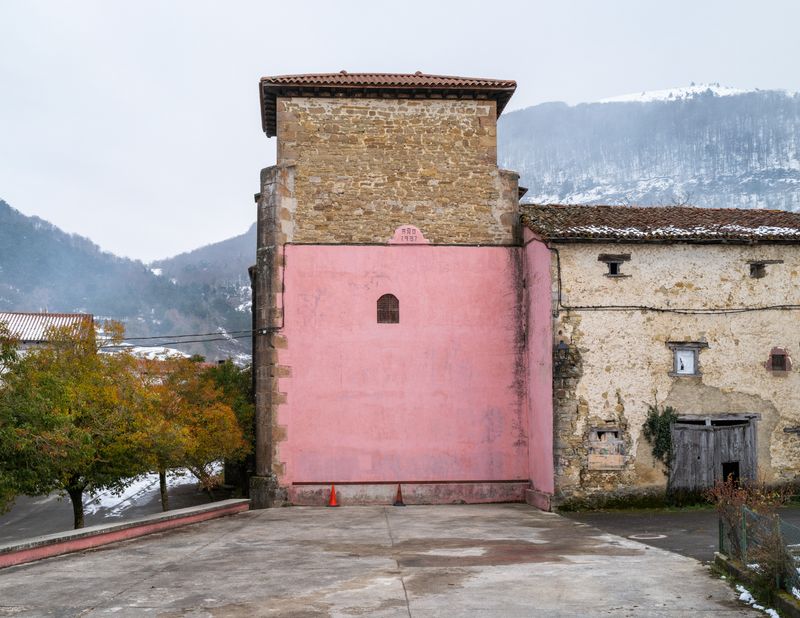
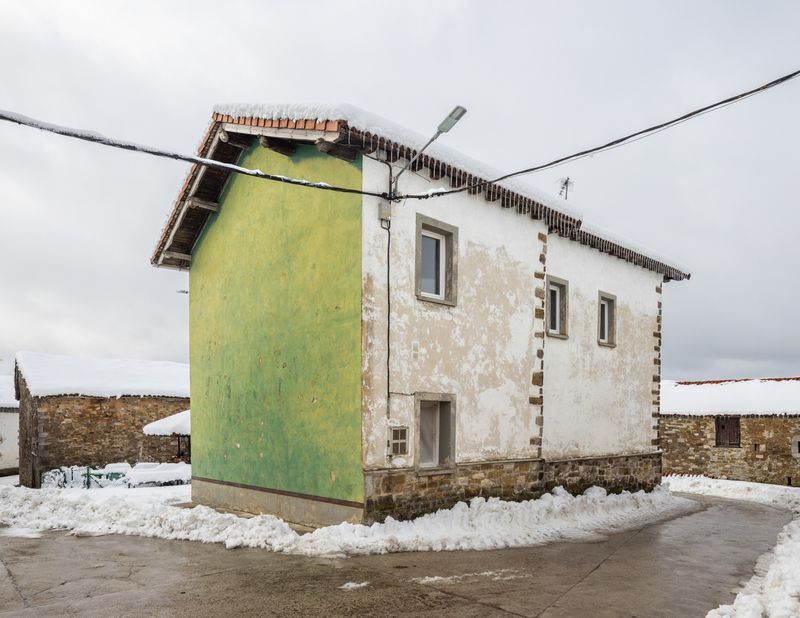
Fronton Walls in spanish villages. The unique monuments are telling stories.
Fronton is a simple handball game in which two or more players try to outplay
each other by hitting a small rubber ball with their hands against a wall.
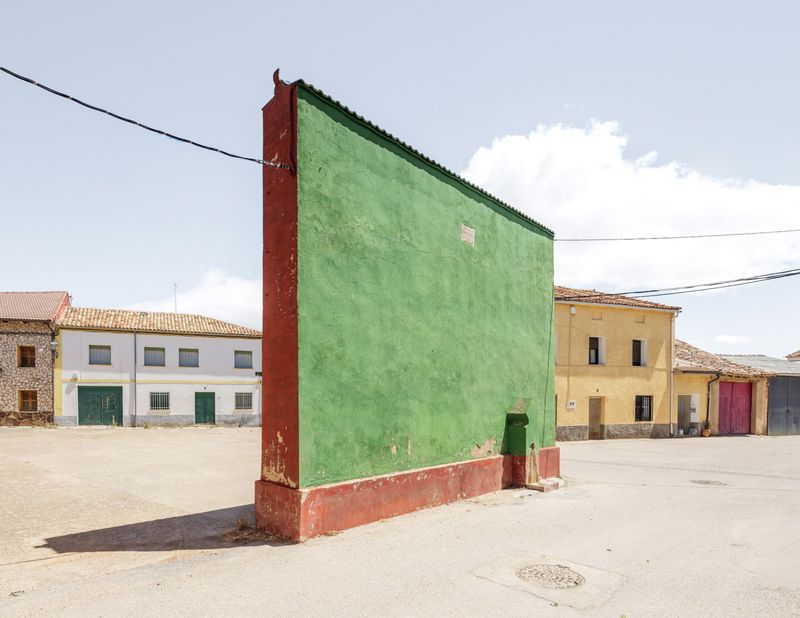
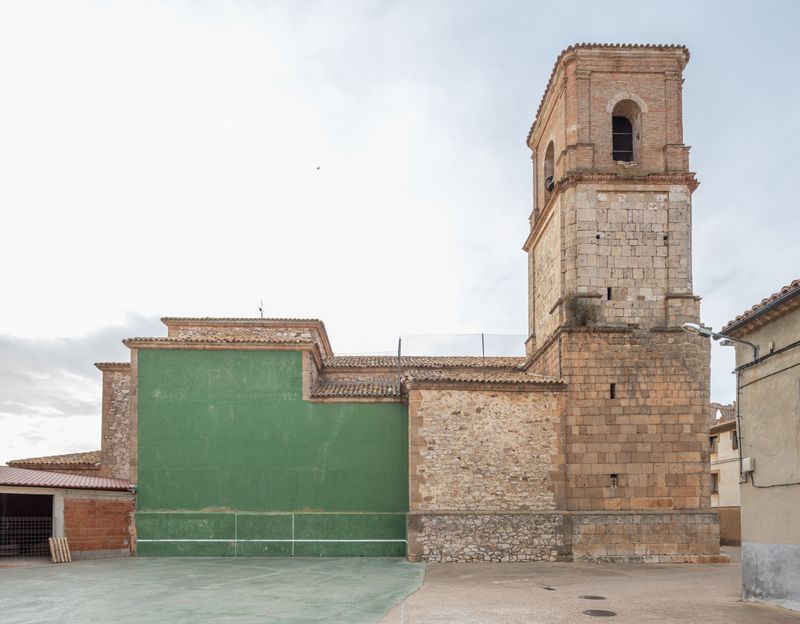
Fronton walls can be found in many villages throughout Spain, and are typically
located in the main square, which serves as a natural meeting place
for the villagers.
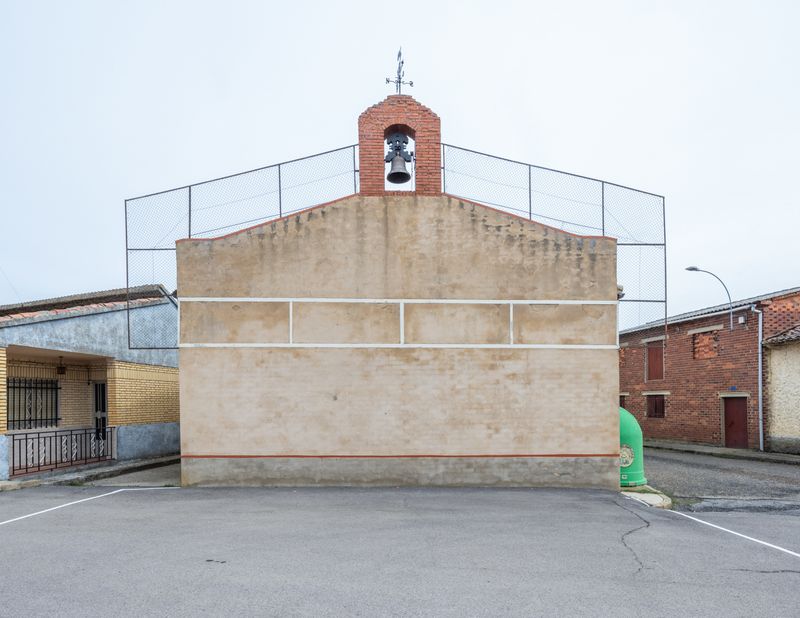
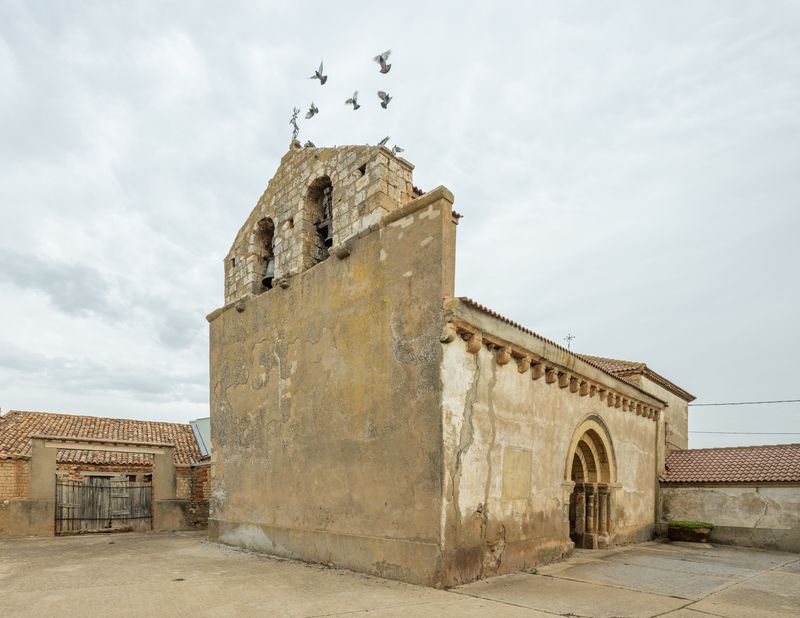
In many places, the exterior of the church mural served as a fronton wall.
What was once a space for social gatherings and exiting fronton competitions
has become an empty wall in many villages.
The difficult living conditions of Spain’s remote villages contributed to
the depopulation of the countryside as people sought better employment
opportunities in the cities
While the current generation remains connected to their roots, spending summer holidays in their villages and
organising fronton matches and in many places insisting on their preservation and restoration,
the rest of the year the Fronton wall returns to be a silent, unique monument,architectonically imposing and surprising.
What remains in the Spanish hinterland are empty or sparsely populated villages where centuries-old fronton walls serve as reminders of a vibrant
past.
The marks on the walls of the impacts of the rubber ball become traces of a memory that is still latent, though increasingly silent.
For my ongoing photographic project about fronton walls I visited villages in the provinces of Soria, Zaragoza, Salamanca, Zamora, Navarra and Ávila.