Forest Ruins

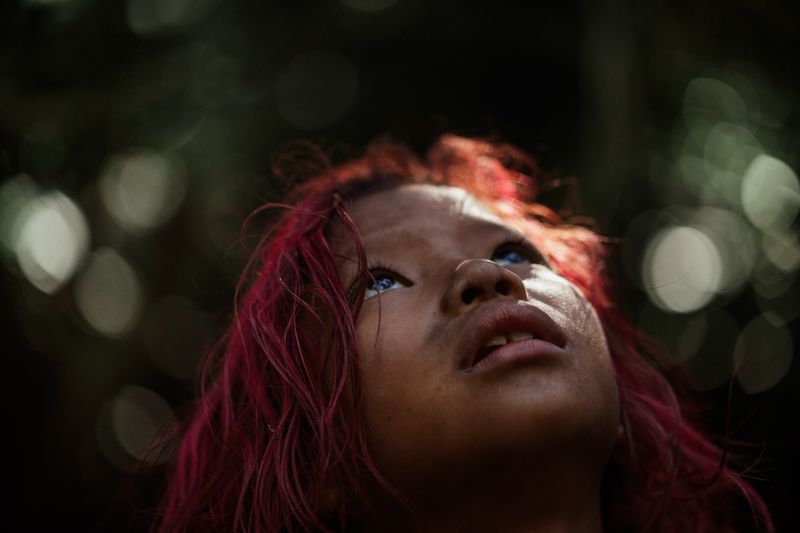
On São Paulo’s outskirts, where forest meets asphalt, the Guarani protect one of the last Atlantic Forest remnants in the Americas’ largest city. Rafael Vilela documents their resistance, revealing the clash between urban sprawl and Indigenous survival.

About the project

Forest Ruins is a visual, historical, and spiritual investigation into the survival of the Guarani-Mbyá, one of the oldest Indigenous peoples in South America, who now inhabit the heart of the São Paulo metropolis. Through photography, archival research, and collaboration with Indigenous leaders and anthropologists, the project offers a contemporary reflection on the connections between nature, the city, and colonial history.

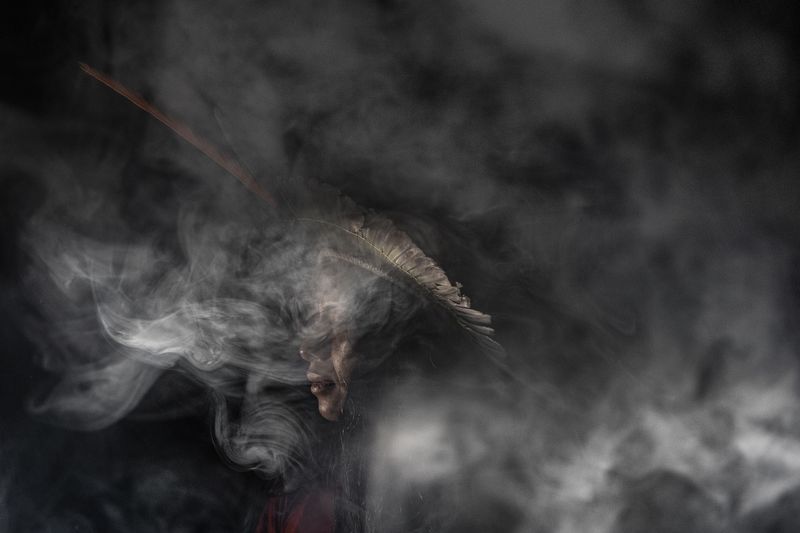
Rafael Vilela’s narrative weaves together documentary photography, contemporary art, and decolonial thought, unfolding across three intertwined layers: Indigenous daily life in the city, the spiritual power of smoke, and a re-reading of colonial archives that shaped the European imagination of “the other”.

The Guarani people’s resistance is both a spiritual practice and a challenge to the idea that modern life must sever its ties with nature.

When the Portuguese arrived in 1500, the Guarani inhabited a vast region stretching from Brazil’s coast to the Río de la Plata. Colonization displaced and enslaved thousands, whose labor built São Paulo’s wealth while erasing their presence from the city. Five centuries later, surrounded by 21 million inhabitants, the Guarani of Pico do Jaraguá protect a 500-hectare biodiversity sanctuary, although their officially recognized land covers only 1.7 hectares, the smallest Indigenous territory in Brazil.

Their resilience offers a counterpoint to the Western concept of progress: over the past 30 years, Indigenous territories in Brazil have lost only 1% of their native vegetation, compared to 20% on private lands.

A new generation is now reclaiming the narrative through digital media, using cameras and cell phones to defend the forest and their future. In 2026, the official demarcation of Jaraguá Indigenous Land is expected to transform this small territory into one of the largest Indigenous areas within any megacity, an act of ecological and cultural justice.

The project has received broad international recognition and circulates across photojournalism, visual arts, and environmental humanities, functioning as a case study in collaborative storytelling and symbolic reparation. It currently seeks incentives to expand its international dialogue, engaging diverse audiences and contributing to ongoing conversations around climate justice and Indigenous rights.
© Rafael Vilela - Image from the Forest Ruins photography project
i

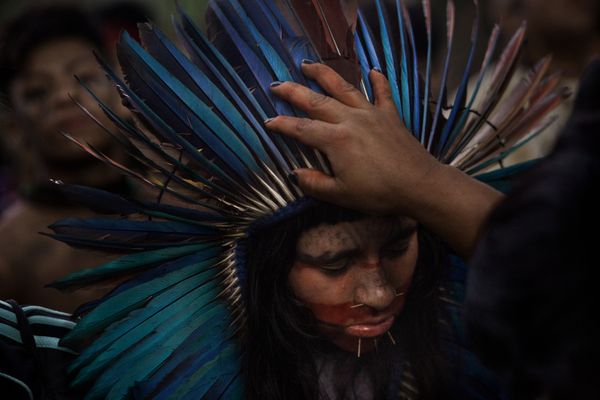
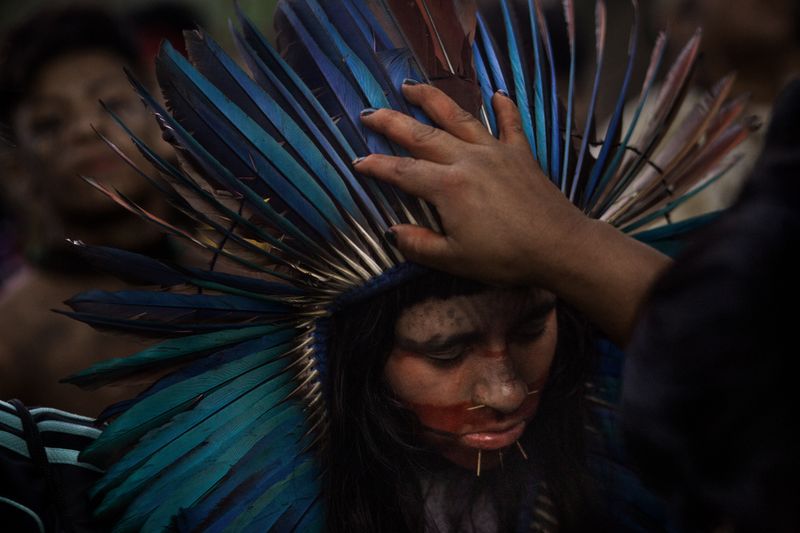
São Paulo, Brazil. March 10, 2020. Ray Para Poty, an Indigenous warrior, is blessed by a Guarani shaman before facing the São Paulo Military Police in a potential confrontation to protect the Jaraguá territory from the construction of dozens of multi-story residential buildings.

© Rafael Vilela - Image from the Forest Ruins photography project
i

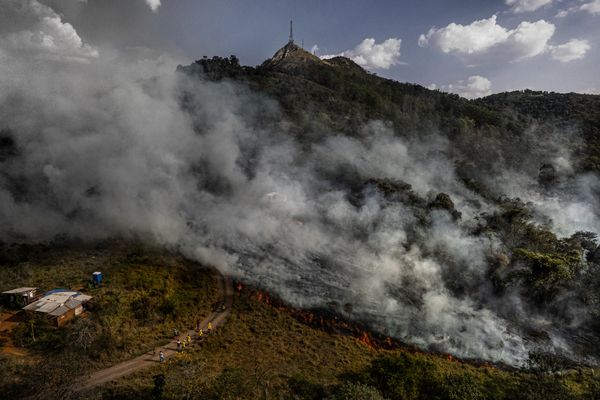
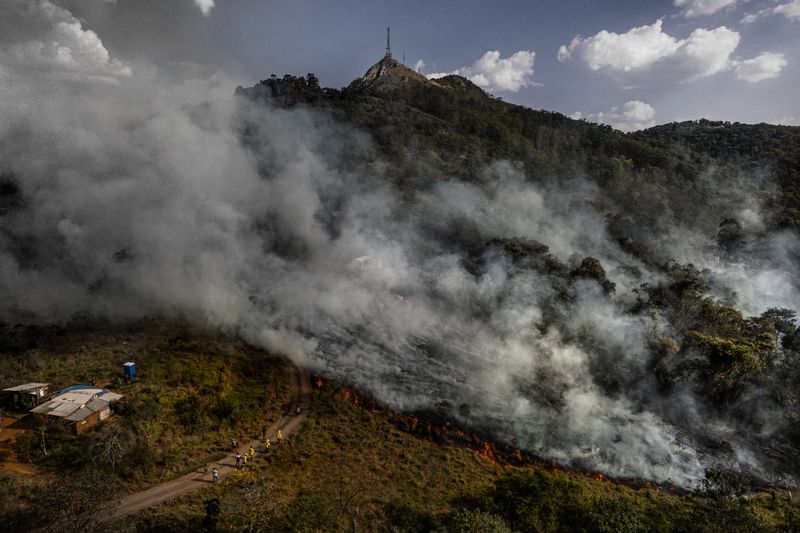
São Paulo, Brazil. August 23, 2023. A fire strikes the Guarani Indigenous Land at Pico do Jaraguá. Three years after a historic blaze in 2020, the Guarani fire brigade, dressed in yellow uniforms, acts quickly to contain the flames. These fires are becoming increasingly frequent, driven by rising temperatures due to global warming, threatening all nine villages surrounding the peak.

© Rafael Vilela - Image from the Forest Ruins photography project
i

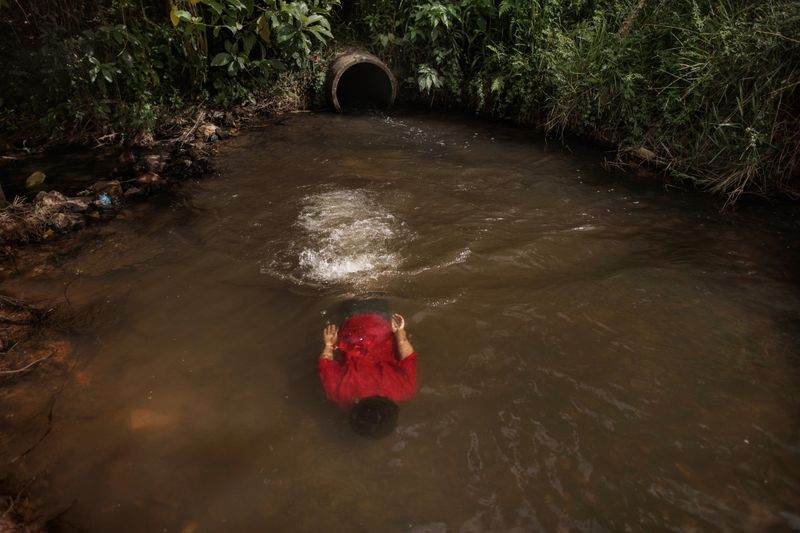
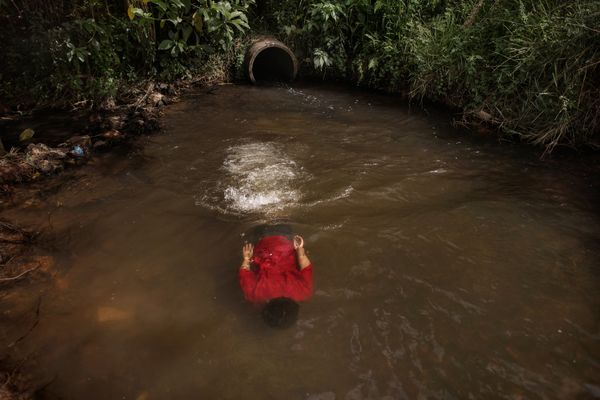
São Paulo, Brazil. March 7, 2020. Vitor Tupã, 13, swims in a river near his village, a place where his parents and grandparents also used to swim. This vital water source is being diverted into pipelines as São Paulo’s urban expansion and real estate development advance over his territory.

© Rafael Vilela - Image from the Forest Ruins photography project
i

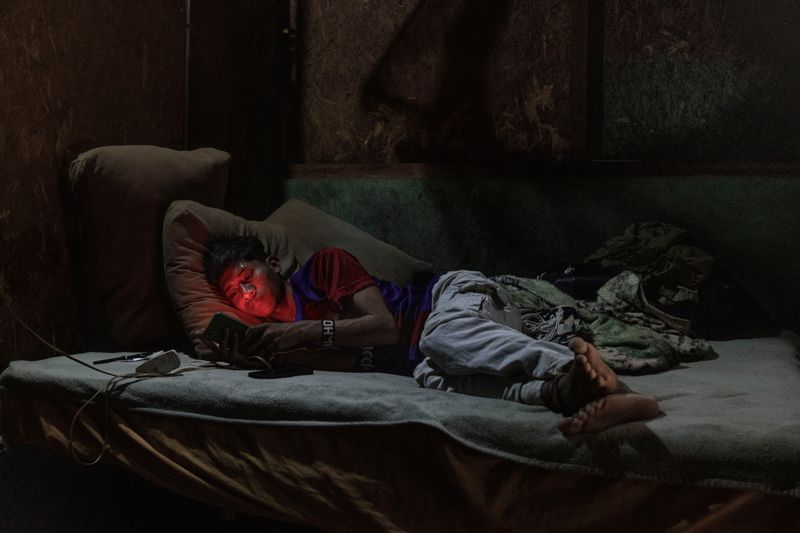
São Paulo, Brazil. October 26, 2023. Rafael Kaje, 24, is an LGBT artist and TikToker with thousands of followers from the Pyau village. On his social media platforms, he shares content portraying everyday life in the Guarani community and explores the impact of urban expansion on their culture, challenging stereotypes and misconceptions about his people and their way of life.

© Rafael Vilela - Image from the Forest Ruins photography project
i

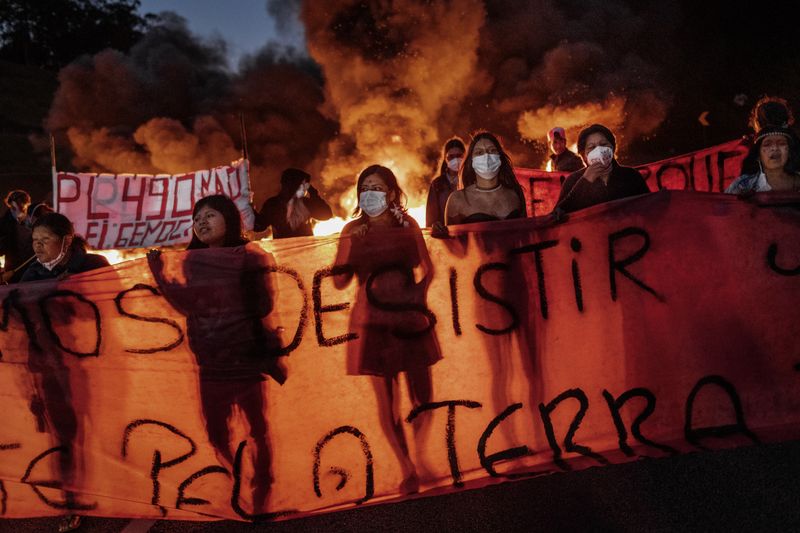
São Paulo, Brazil. June 25, 2021. The Guarani community occupies the five-lane Bandeirantes Highway in protest against a legislative bill that could strip them of their lands at Pico do Jaraguá. This major roadway, which cuts through their territory, is one of the largest in the country. The demonstration halts traffic for several hours and draws national attention.

© Rafael Vilela - Image from the Forest Ruins photography project
i

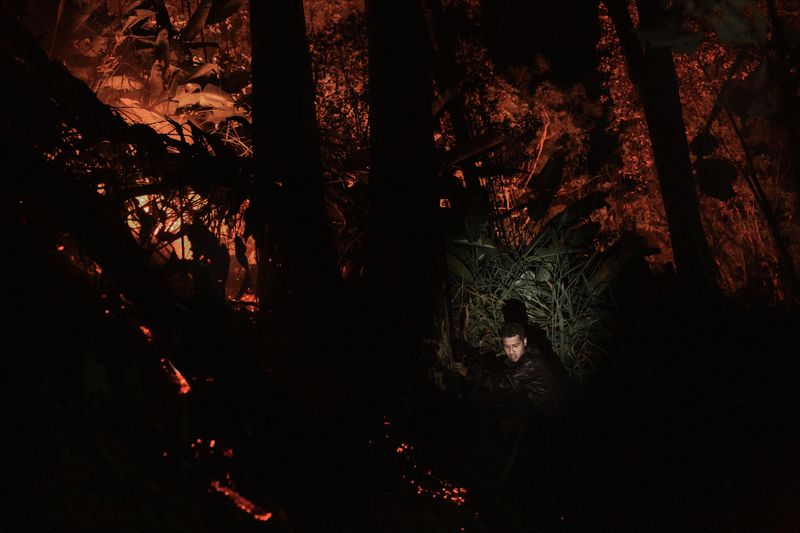
São Paulo, Brazil. June 21, 2020. Thiago Karaí Kekupe, 25, a young Guarani Mbyá chief, fights a fire near the Itakupe village alongside his companions. During this historic blaze of unknown origin, which consumes nearly 18 hectares of forest, the Guarani work tirelessly for hours, even without technical training or adequate equipment.

© Rafael Vilela - Image from the Forest Ruins photography project
i

São Paulo, Brazil. June 24, 2020. Manuela Vidal, 6, a resident of the Itakupé village, observes the aftermath of a devastating fire that swept through the Guarani lands.

© Rafael Vilela - Image from the Forest Ruins photography project
i

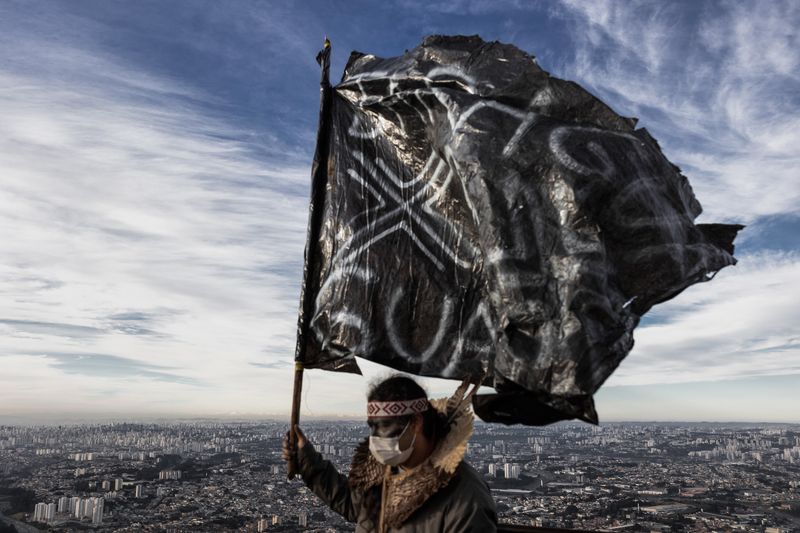
São Paulo, Brazil. June 30, 2021. Anderson Vilar Martim, 35, a Guarani warrior, raises a flag made of discarded plastic at the top of Pico do Jaraguá, the highest geographical point in São Paulo. Accompanied by hundreds of Indigenous people from nearby villages in the Jaraguá Indigenous Territory, the protest seeks to disrupt the telecommunications and internet signals controlled by the massive an

© Rafael Vilela - Image from the Forest Ruins photography project
i

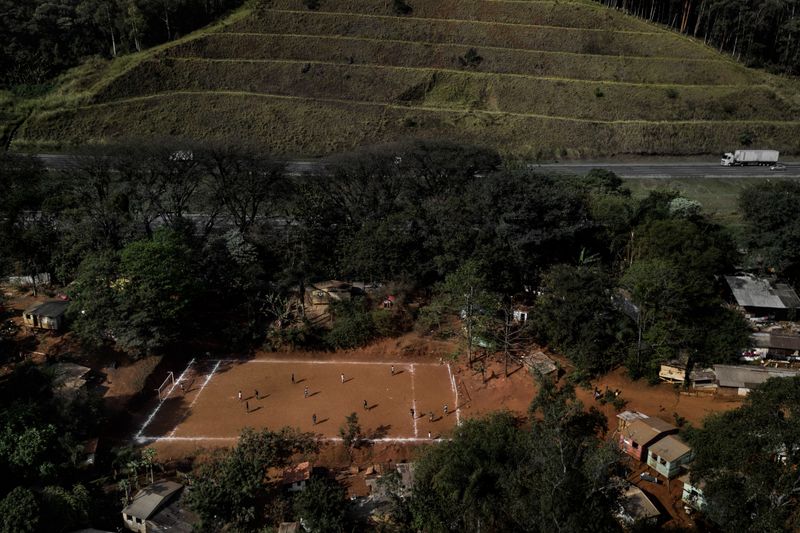
São Paulo, Brazil. August 14, 2020. Young Guarani from the Pyau village play soccer during pandemic isolation as the Bandeirantes Highway, named after Portuguese colonizers, cuts through and fragments their territory, creating a barrier for local wildlife.

© Rafael Vilela - Image from the Forest Ruins photography project
i

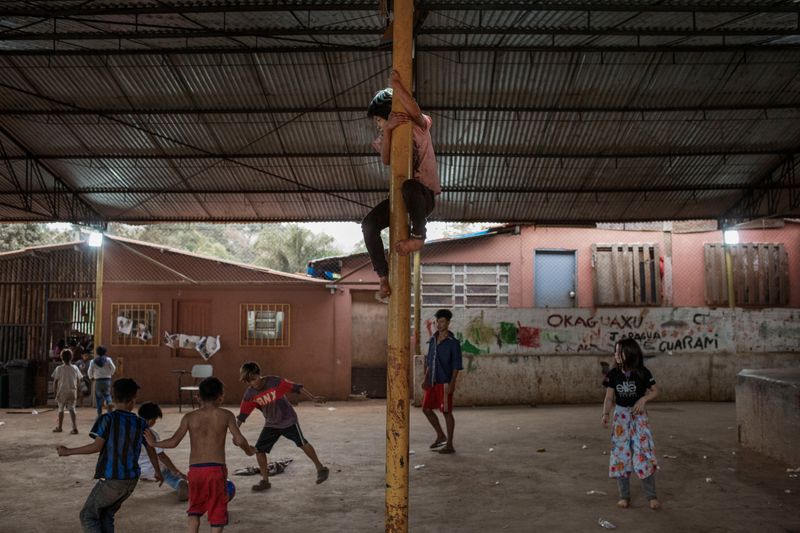
São Paulo, Brazil. August 15, 2020. Guarani Mbyá children play in the Pyau village. At Jaraguá, they grow up speaking Guarani at home and later attend a bicultural school that blends Indigenous knowledge with Western education.

© Rafael Vilela - Image from the Forest Ruins photography project
i

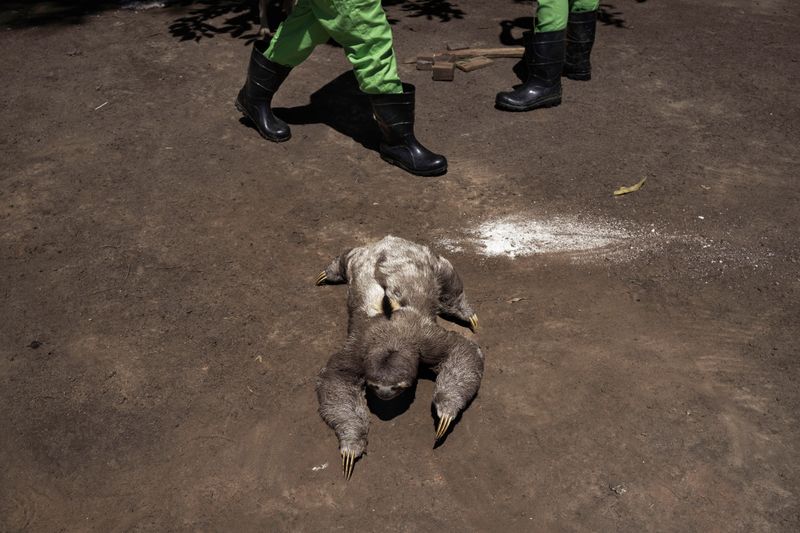
São Paulo, Brazil. March 13, 2024. Guarani Mbyá rescue a disoriented sloth attempting to cross the Bandeirantes Highway at the edge of Jaraguá Indigenous Land, the second such rescue in less than a month.

© Rafael Vilela - Image from the Forest Ruins photography project
i

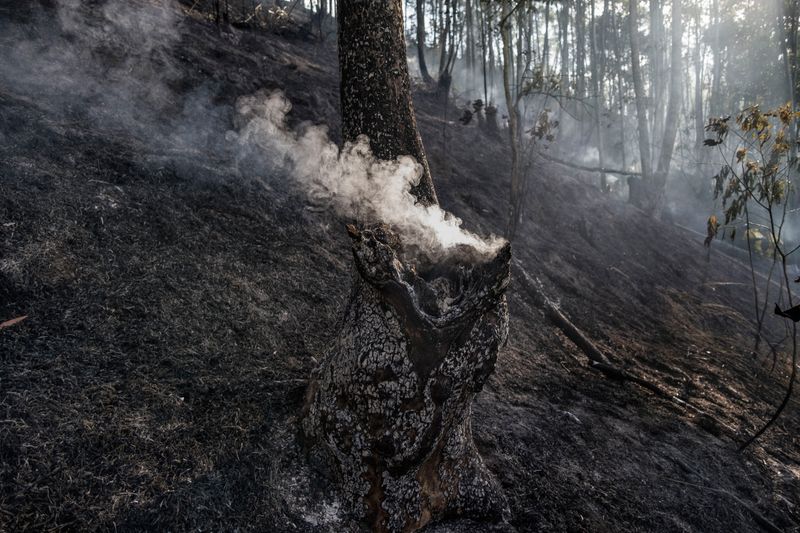
São Paulo, Brazil. August 11, 2020. A tree burned by a wildfire in the Jaraguá Indigenous Land, near the Itakupe village. Guarani leaders suspect the fires may have been deliberately set to favor urban expansion and real estate speculation, a practice also common on the city’s outskirts.

© Rafael Vilela - Image from the Forest Ruins photography project
i

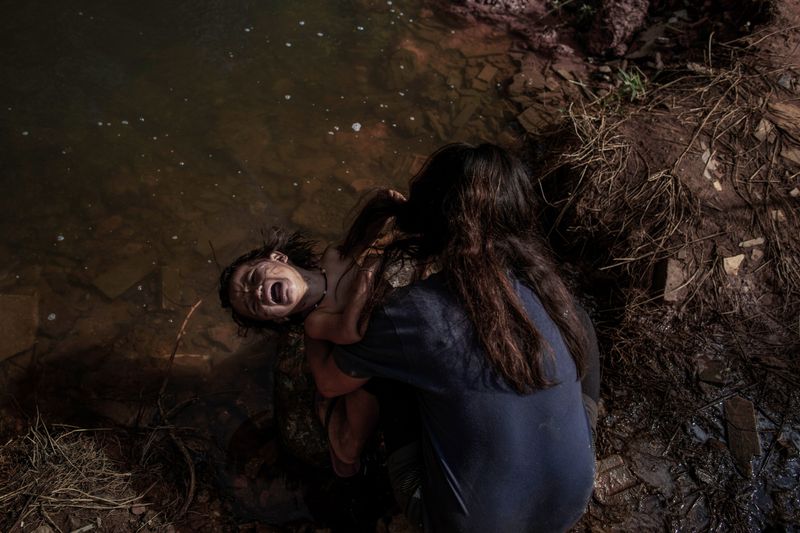
São Paulo, Brazil. March 7, 2020. A Guarani mother bathes her child in a possibly polluted river near the Pyau village, in the Jaraguá Indigenous Land. Sanitary conditions in the villages are precarious as urban expansion leads to overcrowding. Many Indigenous residents are forced to share the same resources, disrupting the traditional Guarani organization of residential areas and land use.

© Rafael Vilela - Image from the Forest Ruins photography project
i

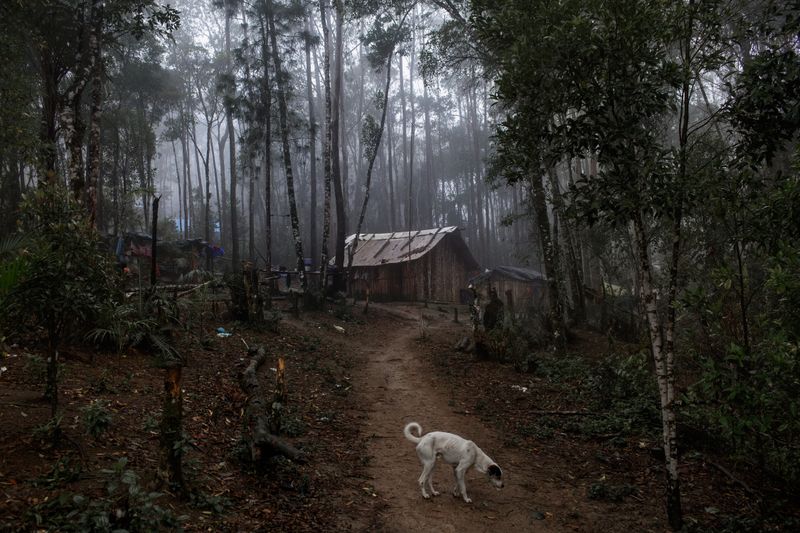
Sorocaba, Brazil. August 21, 2020. A Guarani house stands amid eucalyptus trees in the rural Guyra Pepó village. The State of São Paulo granted this land as compensation two decades after the Bandeirantes Highway cut through Jaraguá territory. More isolated from urban centers, the village has become a place where young Guarani reconnect with their culture and elders.

© Rafael Vilela - Image from the Forest Ruins photography project
i

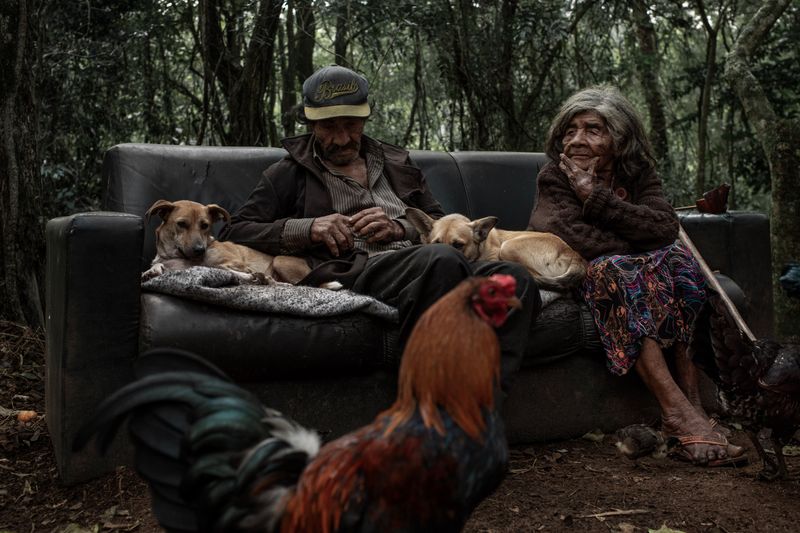
São Paulo, Brazil. August 19, 2020. Emilia Kaxuka, 110, the oldest Guarani elder, spends the afternoon outside her home in Itakupe village with her husband. During the pandemic, she sought refuge in a more remote area of Jaraguá Indigenous Land, away from urban expansion and contagion. She attributes her longevity to a traditional Guarani diet based on ancestral crops such as corn, sweet potato, p

© Rafael Vilela - Image from the Forest Ruins photography project
i

São Paulo, Brazil. November 27, 2024. Neusa Quadros, 35, leader of Pindomirim village, poses inside the prayer house. She led the landback movement to reclaim the area, now home to 14 families within the future demarcated Jaraguá Indigenous Land. In under a year, she established the village to protect the territory from invasions, deforestation, and illegal hunting.

© Rafael Vilela - Image from the Forest Ruins photography project
i

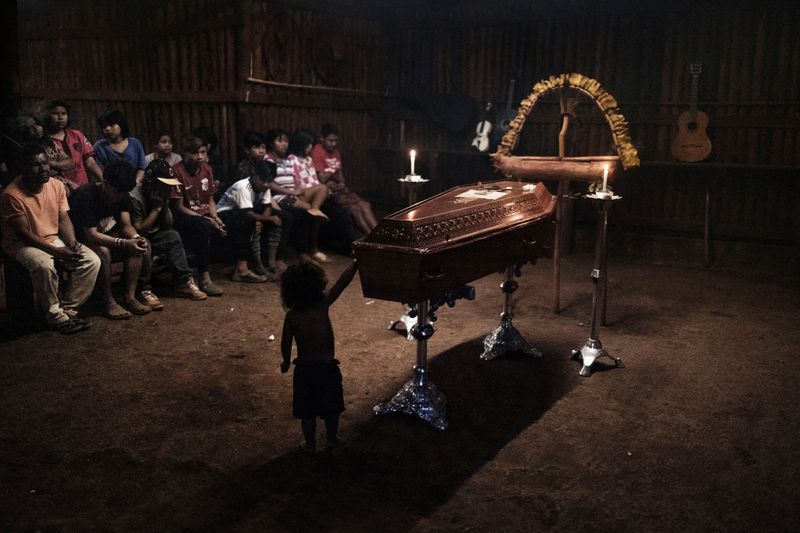
São Paulo, Brazil. August 19, 2023. The funeral of 15-year-old Guarani Brayan Ribeiro da Silva takes place after he was allegedly struck by a vehicle on the Bandeirantes Highway, which cuts through Jaraguá Indigenous Land. The territory is also crossed by the Anhanguera Highway, “Devil’s Path” in Guarani, creating a biological island and causing frequent deaths of Indigenous residents and animals.

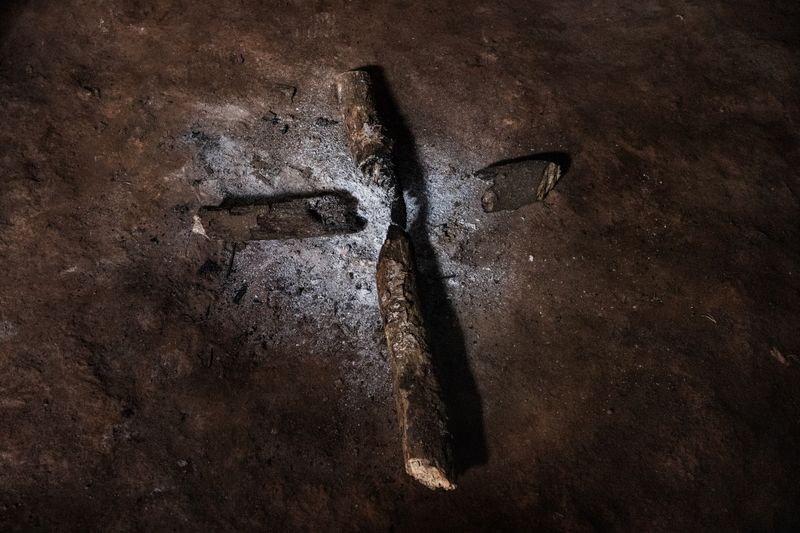
© Rafael Vilela - São Paulo, Brazil. December 12, 2024. Remains of a fire are found inside the Guarani prayer house in the Pyau village.
i

São Paulo, Brazil. December 12, 2024. Remains of a fire are found inside the Guarani prayer house in the Pyau village.

© Rafael Vilela - Image from the Forest Ruins photography project
i

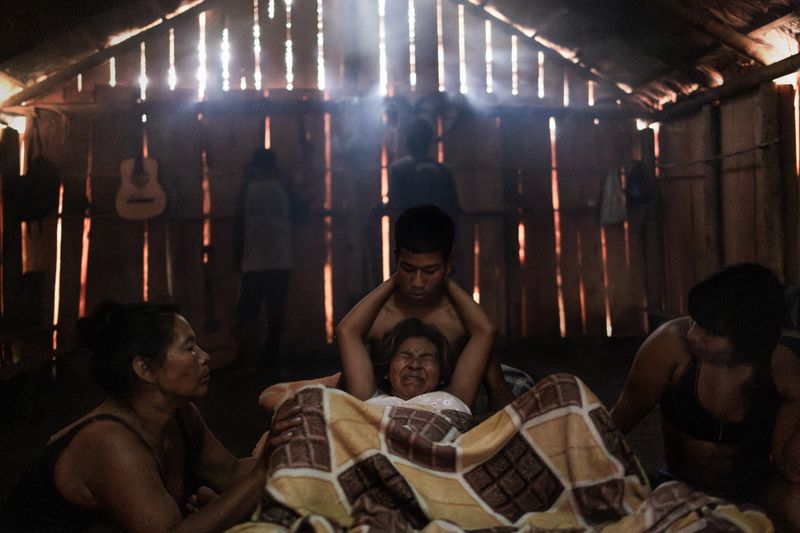
São Paulo, Brazil. October 8, 2023. Maysa Kerexu Aquiles Benites, 15, goes into labor in Pindomirim village but, as tradition forbids childbirth in the prayer house, she is taken to a hospital. Her son is born on the Anhanguera Highway. For the Guarani, burying the placenta at home affirms Indigenous presence and territorial rights.

© Rafael Vilela - Image from the Forest Ruins photography project
i

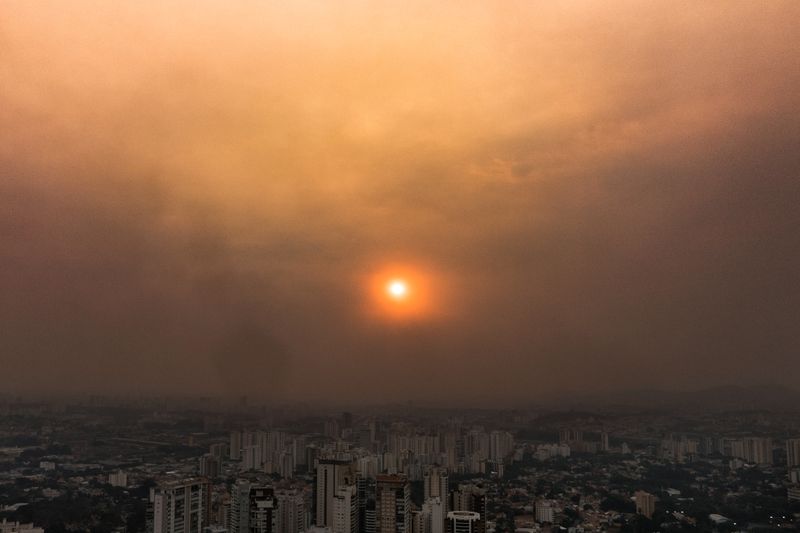
São Paulo, Brazil. August 24, 2024. Pico do Jaraguá and the city are engulfed in smoke from widespread winter wildfires in the Amazon, Pantanal, and Cerrado. A thick haze turns the sun orange and darkens the sky for weeks. During the crisis, São Paulo recorded the worst air quality in the world for five consecutive days, according to IQAir.