Forest Ruins
-
Dates2021 - Ongoing
-
Author
- Locations Brazil, São Paulo
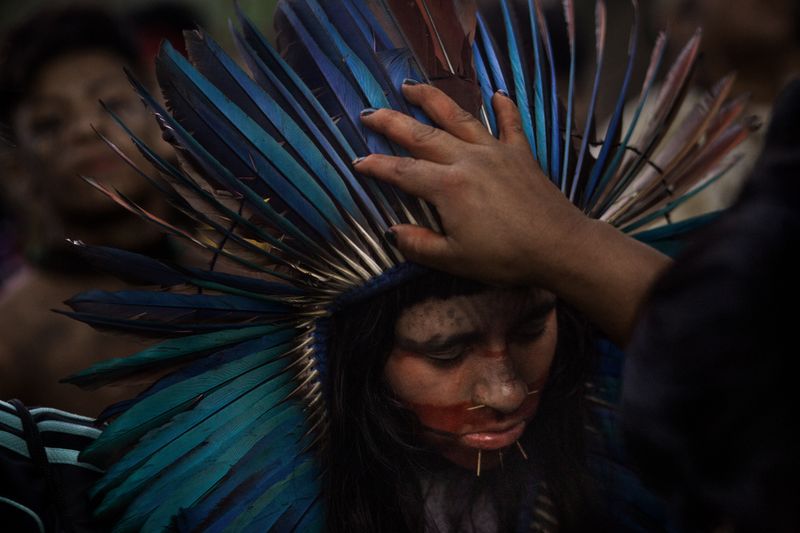
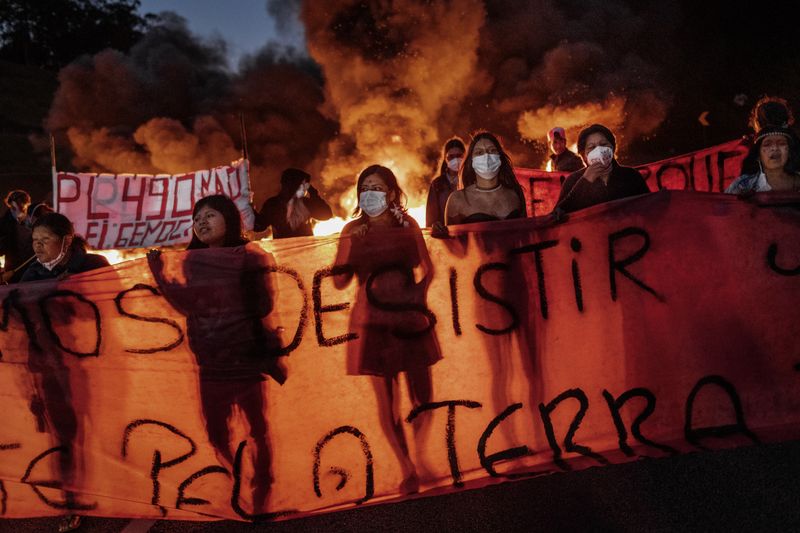
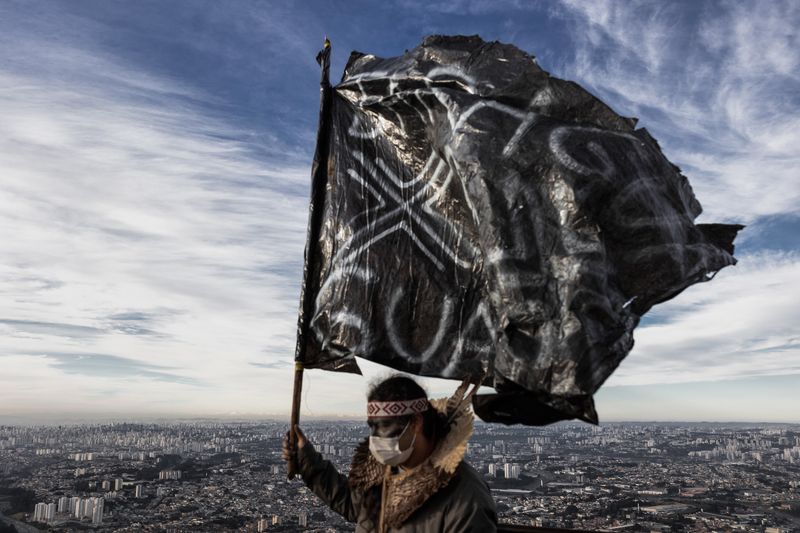
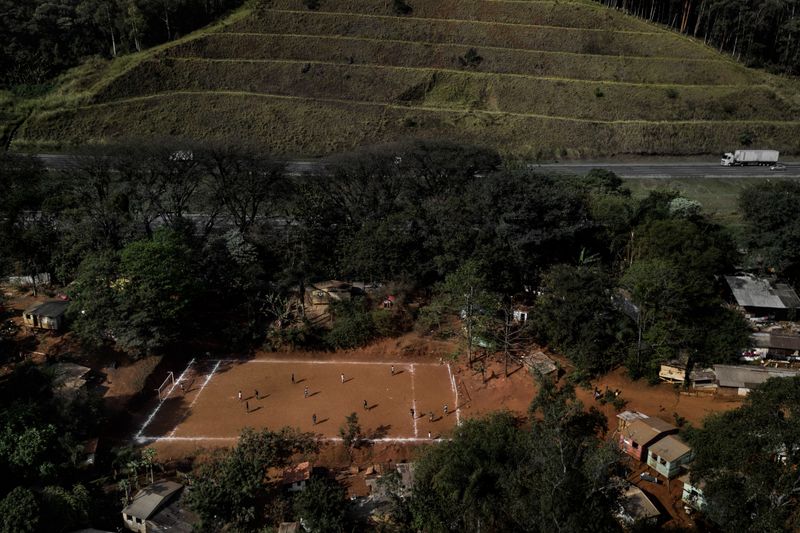
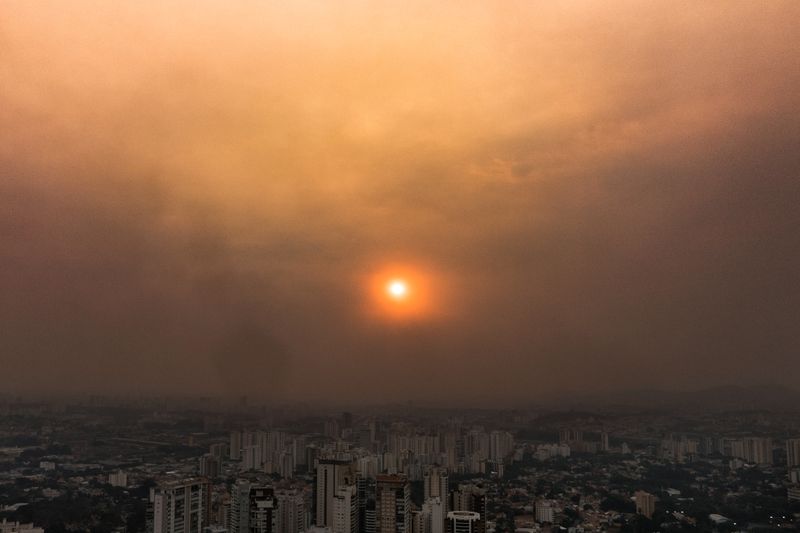
On São Paulo’s outskirts, where forest meets asphalt, the Guarani protect one of the last Atlantic Forest remnants in the Americas’ largest city. Rafael Vilela documents their resistance, revealing the clash between urban sprawl and Indigenous survival.
About the project
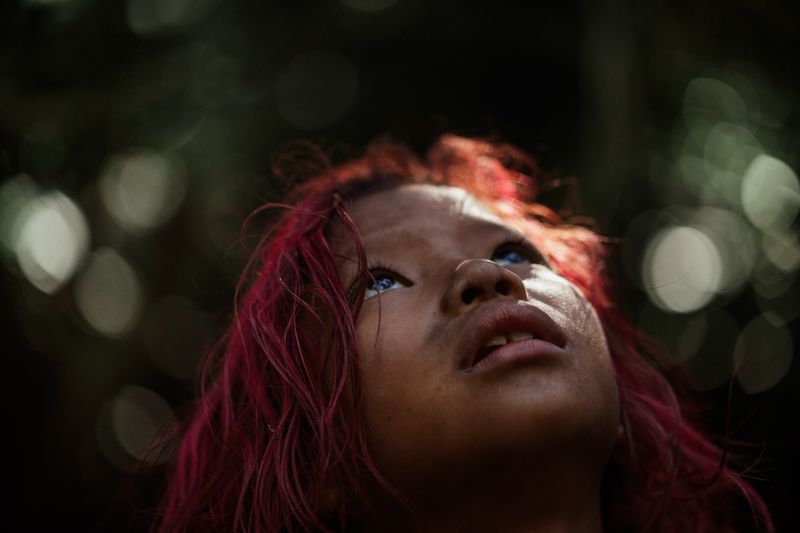
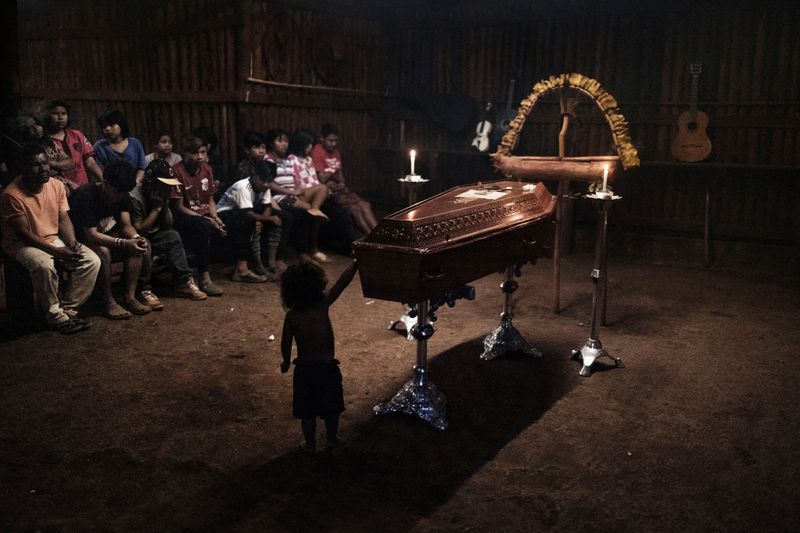
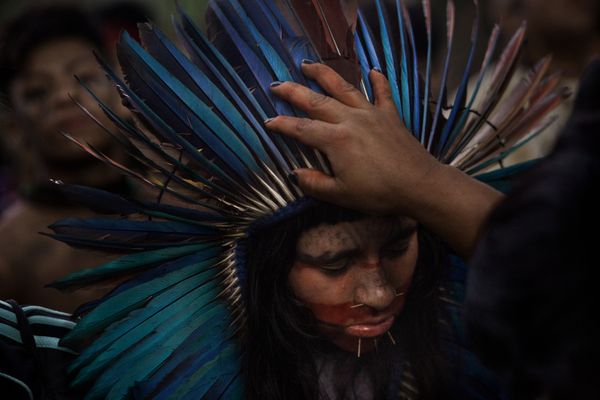
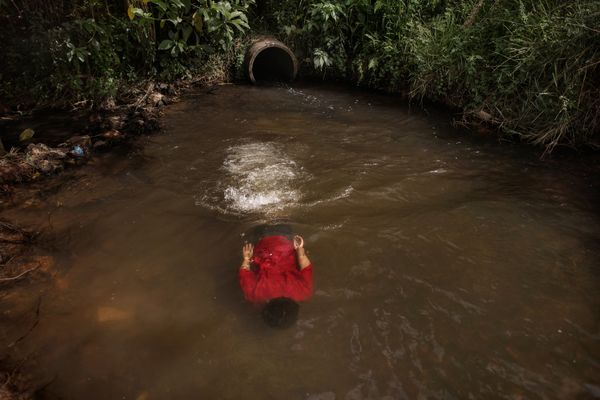
Forest Ruins is a visual, historical, and spiritual investigation into the survival of the Guarani-Mbyá, one of the oldest Indigenous peoples in South America, who now inhabit the heart of the São Paulo metropolis. Through photography, archival research, and collaboration with Indigenous leaders and anthropologists, the project offers a contemporary reflection on the connections between nature, the city, and colonial history.
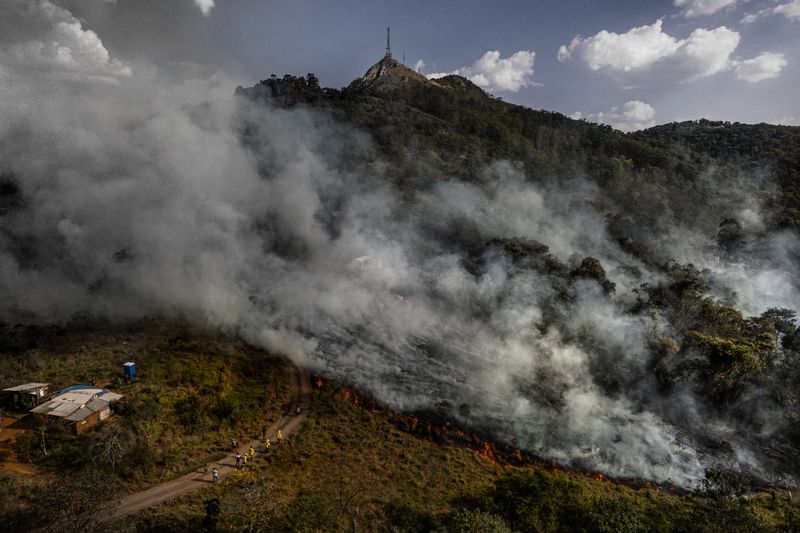
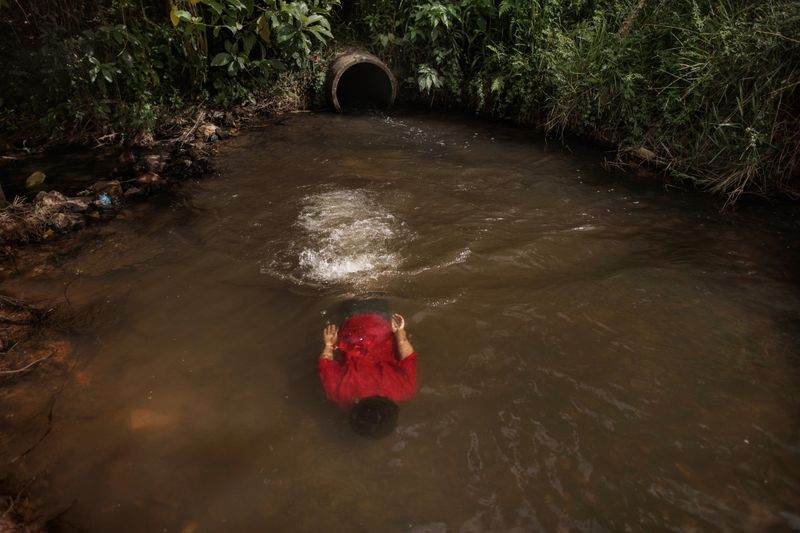
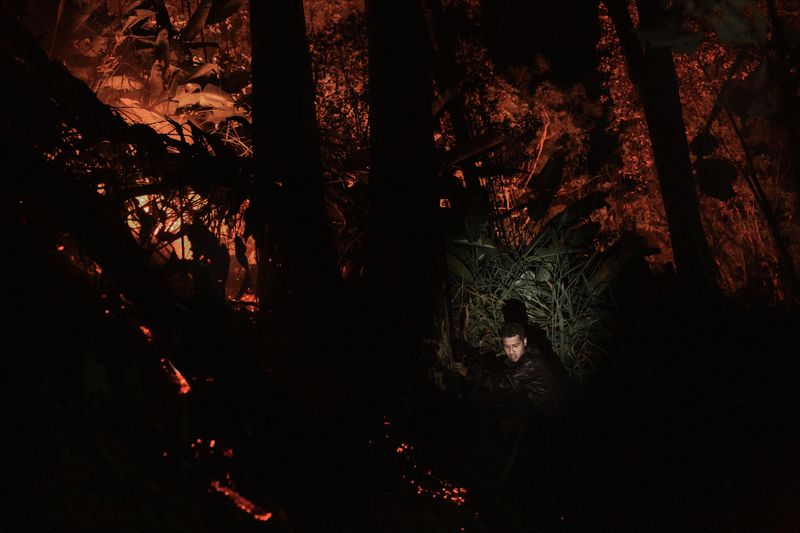
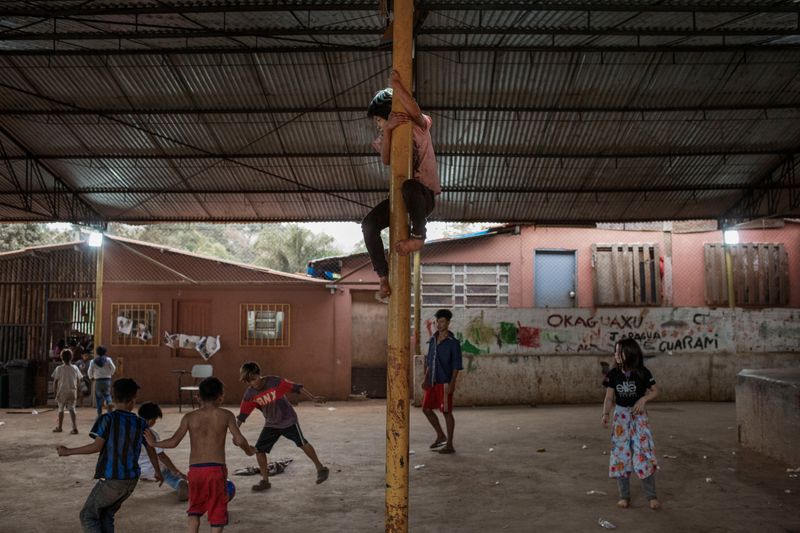
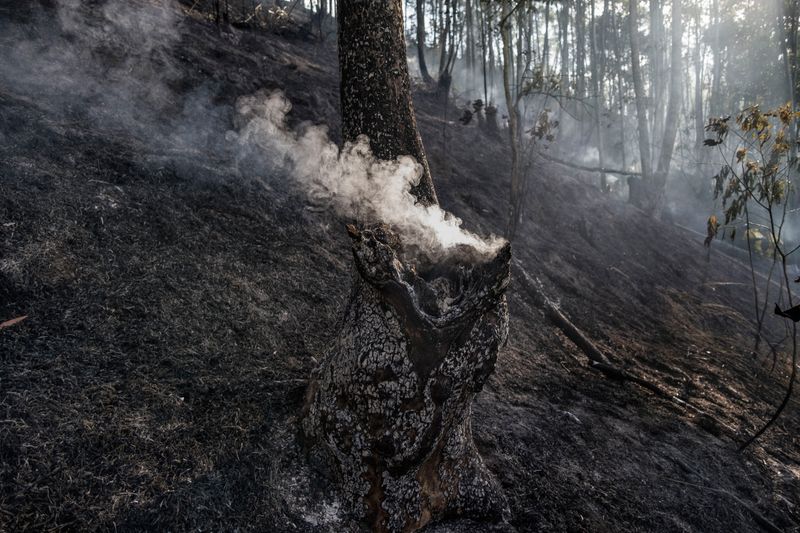
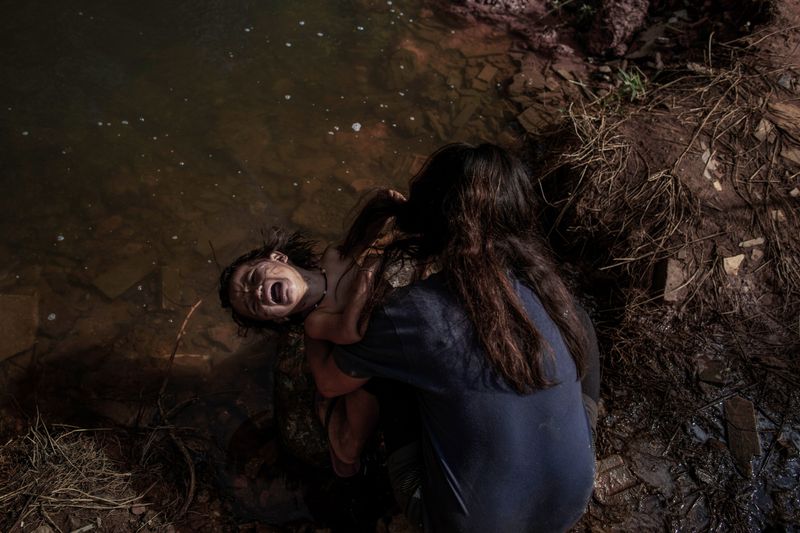
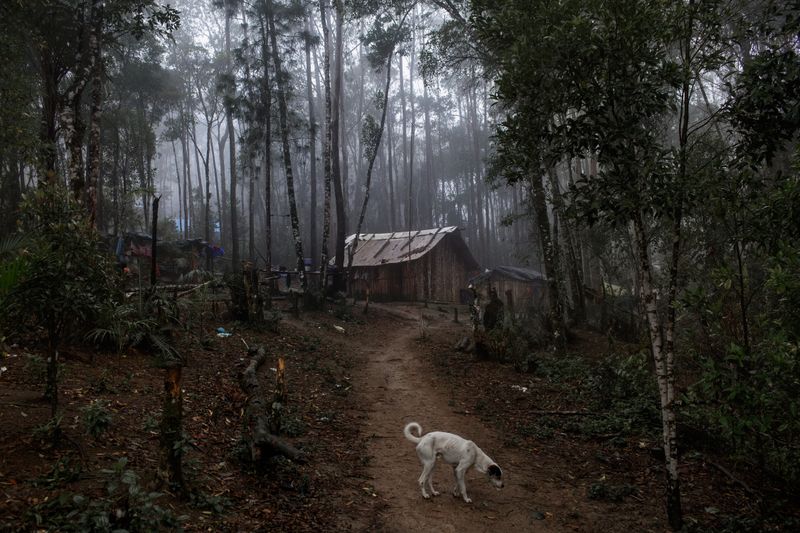
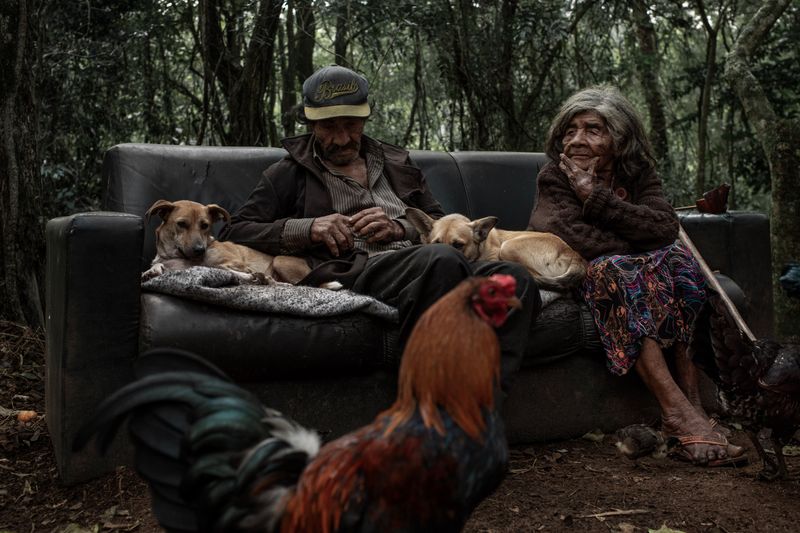
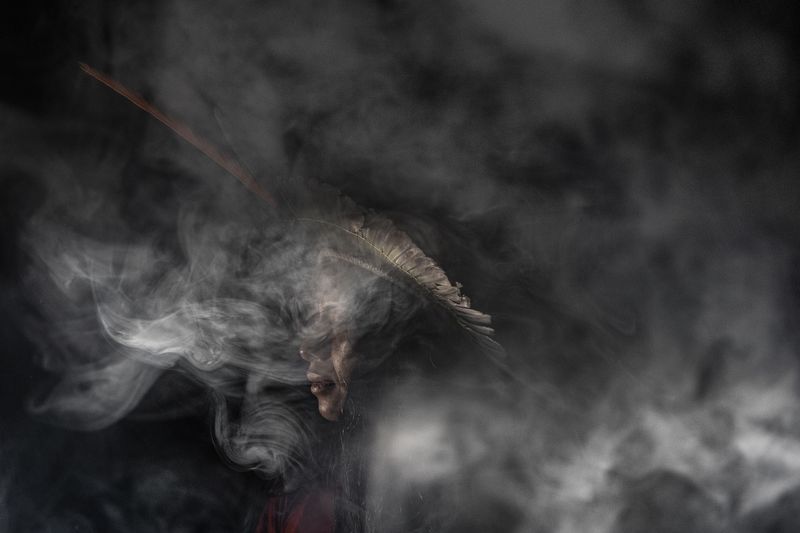
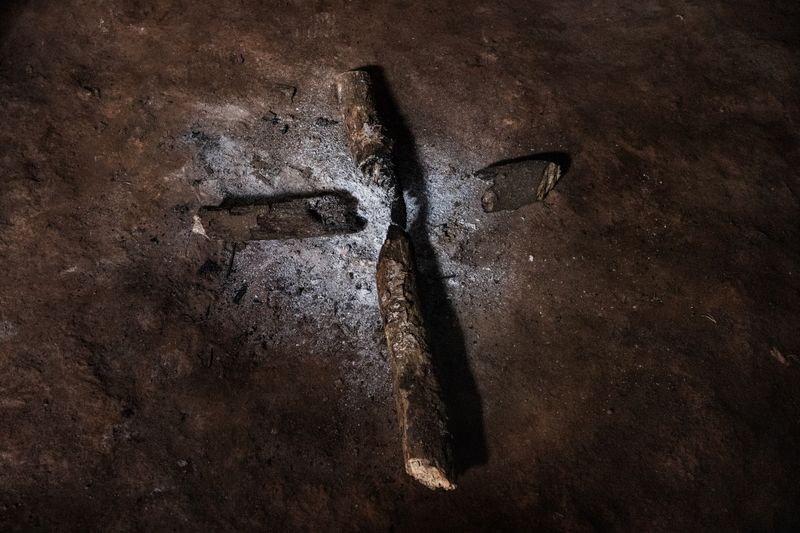
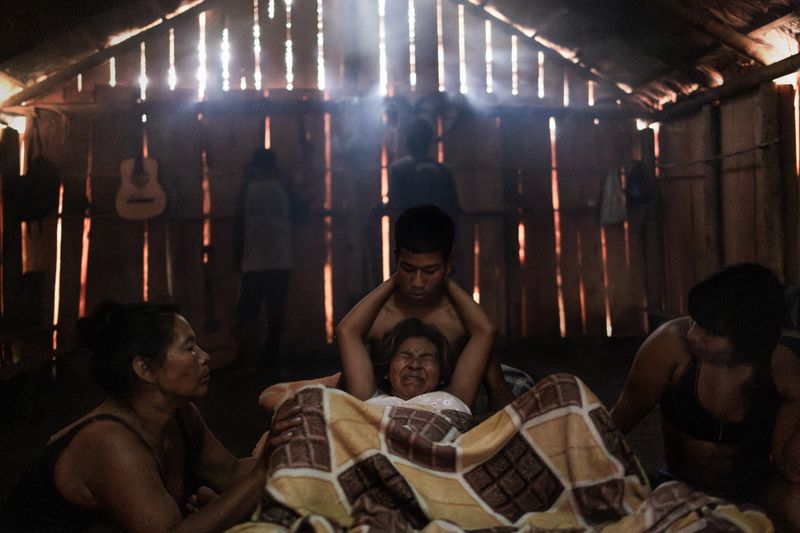
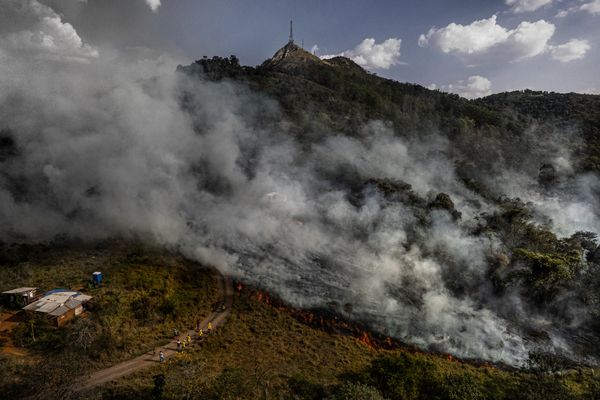
Rafael Vilela’s narrative weaves together documentary photography, contemporary art, and decolonial thought, unfolding across three intertwined layers: Indigenous daily life in the city, the spiritual power of smoke, and a re-reading of colonial archives that shaped the European imagination of “the other”.
The Guarani people’s resistance is both a spiritual practice and a challenge to the idea that modern life must sever its ties with nature.
When the Portuguese arrived in 1500, the Guarani inhabited a vast region stretching from Brazil’s coast to the Río de la Plata. Colonization displaced and enslaved thousands, whose labor built São Paulo’s wealth while erasing their presence from the city. Five centuries later, surrounded by 21 million inhabitants, the Guarani of Pico do Jaraguá protect a 500-hectare biodiversity sanctuary, although their officially recognized land covers only 1.7 hectares, the smallest Indigenous territory in Brazil.
Their resilience offers a counterpoint to the Western concept of progress: over the past 30 years, Indigenous territories in Brazil have lost only 1% of their native vegetation, compared to 20% on private lands.
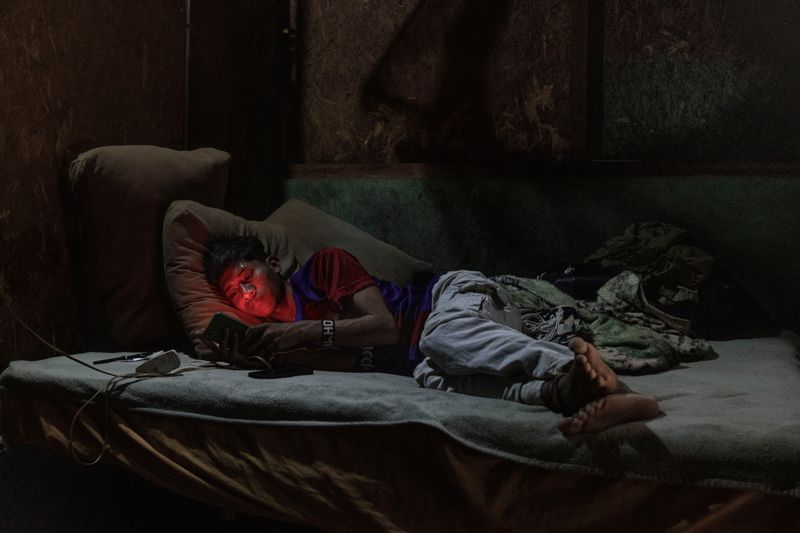
A new generation is now reclaiming the narrative through digital media, using cameras and cell phones to defend the forest and their future. In 2026, the official demarcation of Jaraguá Indigenous Land is expected to transform this small territory into one of the largest Indigenous areas within any megacity, an act of ecological and cultural justice.
The project has received broad international recognition and circulates across photojournalism, visual arts, and environmental humanities, functioning as a case study in collaborative storytelling and symbolic reparation. It currently seeks incentives to expand its international dialogue, engaging diverse audiences and contributing to ongoing conversations around climate justice and Indigenous rights.