fArsta
-
Dates2022 - Ongoing
-
Author
- Topics Contemporary Issues, Documentary
fArsta is a photo project exploring stigma and media narratives, renegotiating place and perception through portraits and everyday presence.
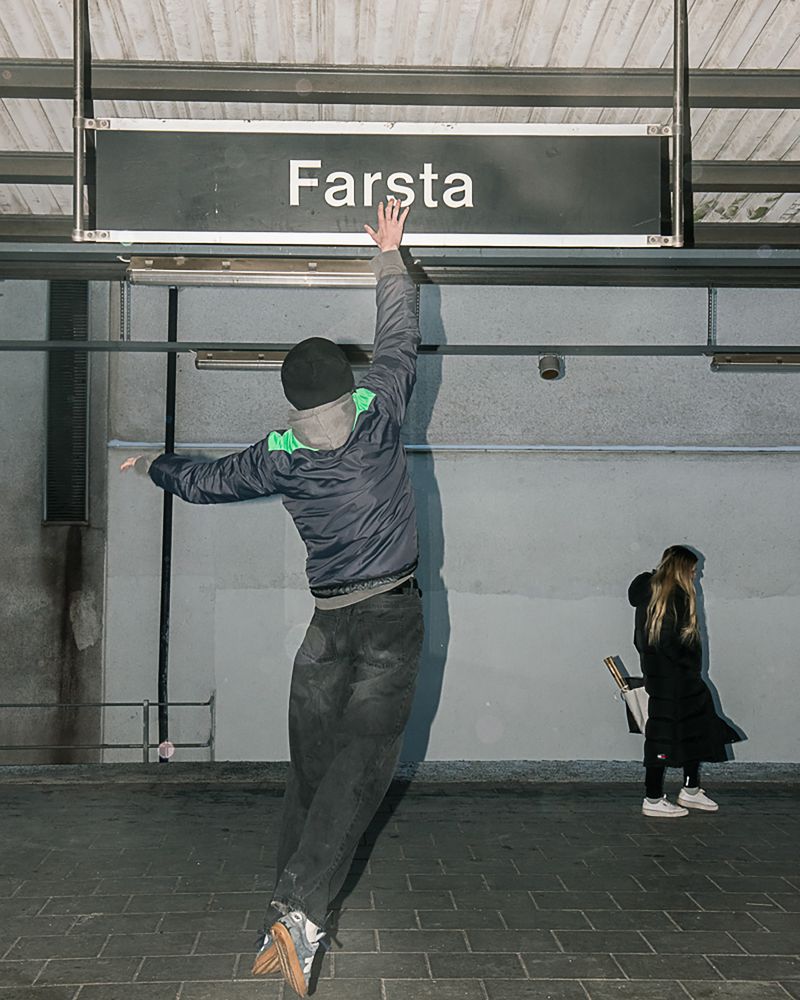
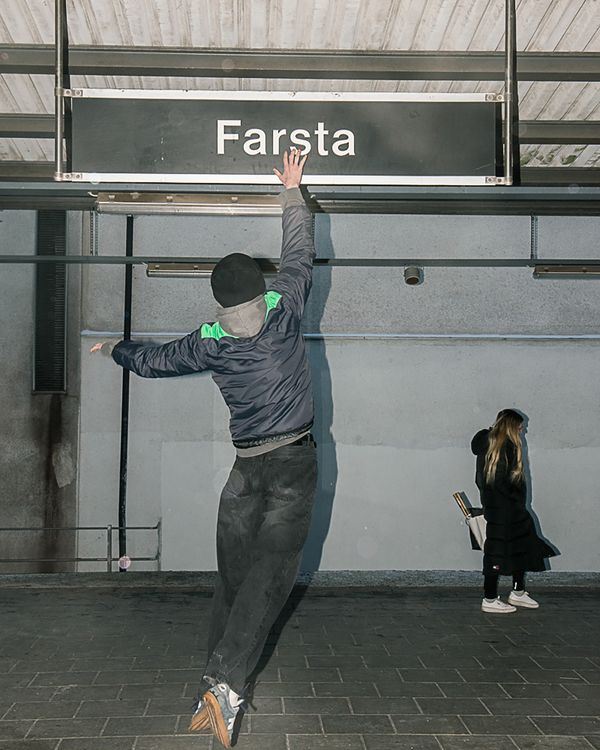
Farsta is a long-term photographic project that examines how stigma, fear, and mediated narratives shape our understanding of place and belonging. The project originated in my own relocation to Farsta after more than twenty years in adjacent areas. Despite the geographical proximity, my perception of the area had largely been formed through recurring media representations marked by violence, crime, and social unrest. These depictions are not untrue, but they are incomplete.
After moving, it became clear how these internalized images influenced my own sense of safety. As part of the working process, I therefore began to deliberately move through the area in the evenings and at night, particularly in places that initially appeared unsafe. Gradually, an insight emerged: the perceived danger was more closely tied to preconceptions than to the place itself. The project thus evolved into an exploration of how the relationship between place, body, and gaze can be renegotiated through presence and attentiveness.
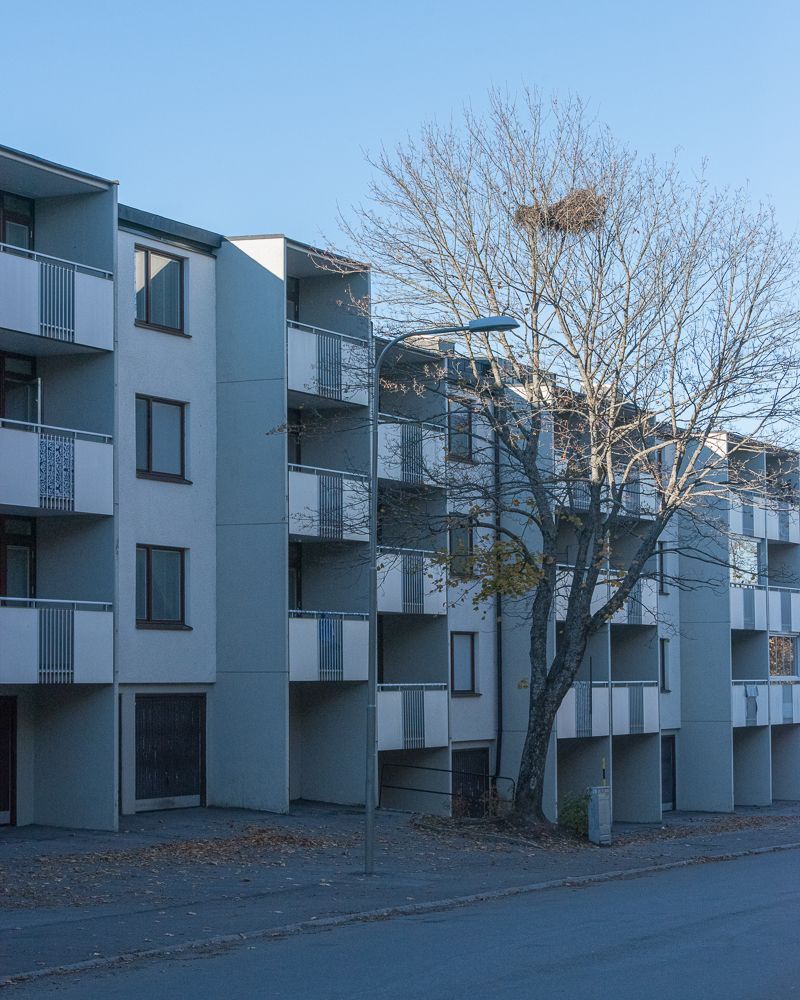
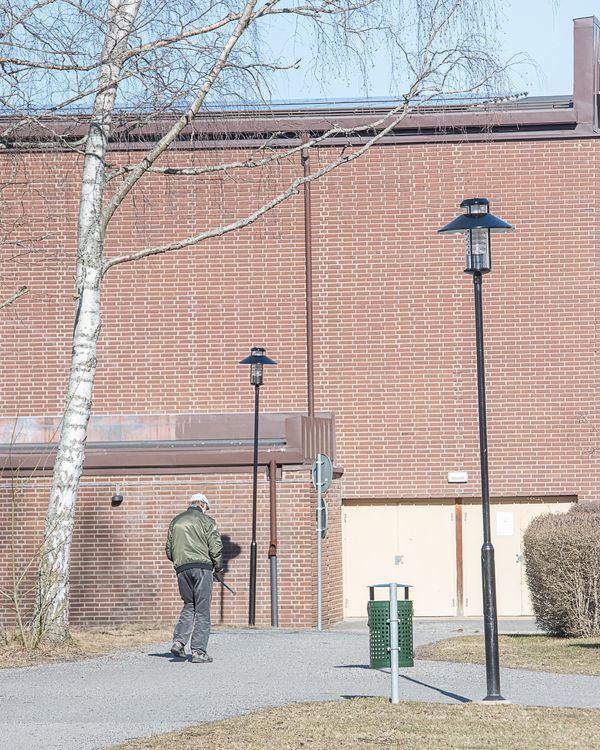
A review of previous photographic representations of Farsta revealed a limited and repetitive visual history, often focused on marginality or anonymous architecture. This project positions itself in contrast to that tradition by directing attention toward everyday presence and interpersonal encounters rather than deviation.
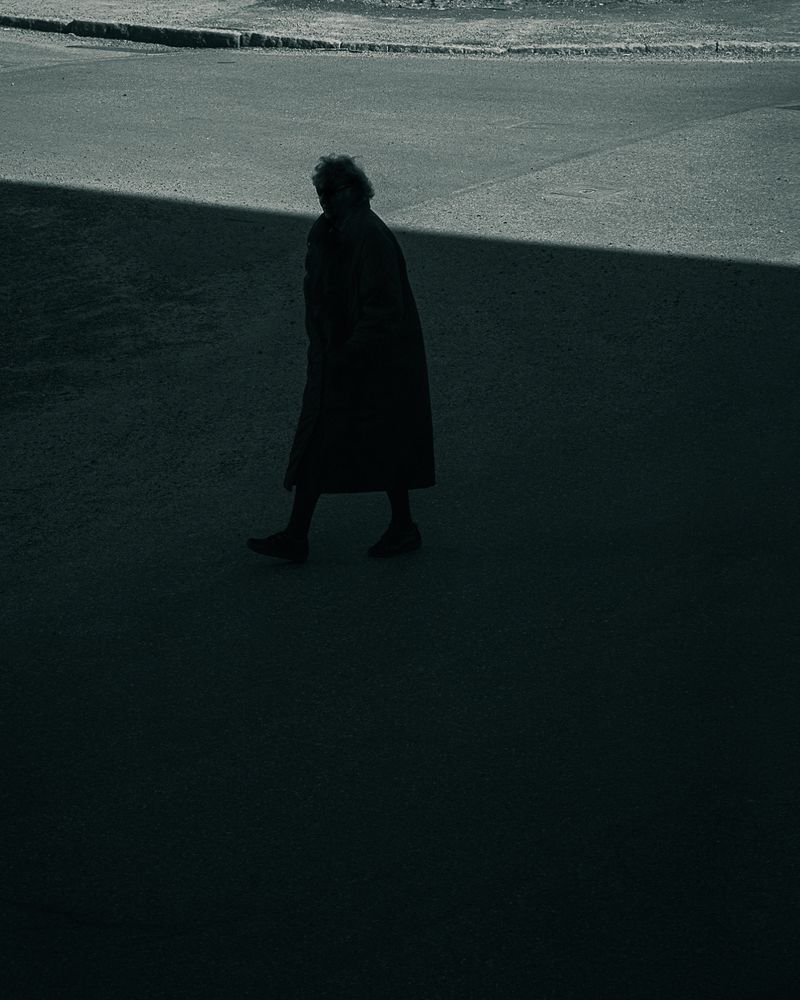
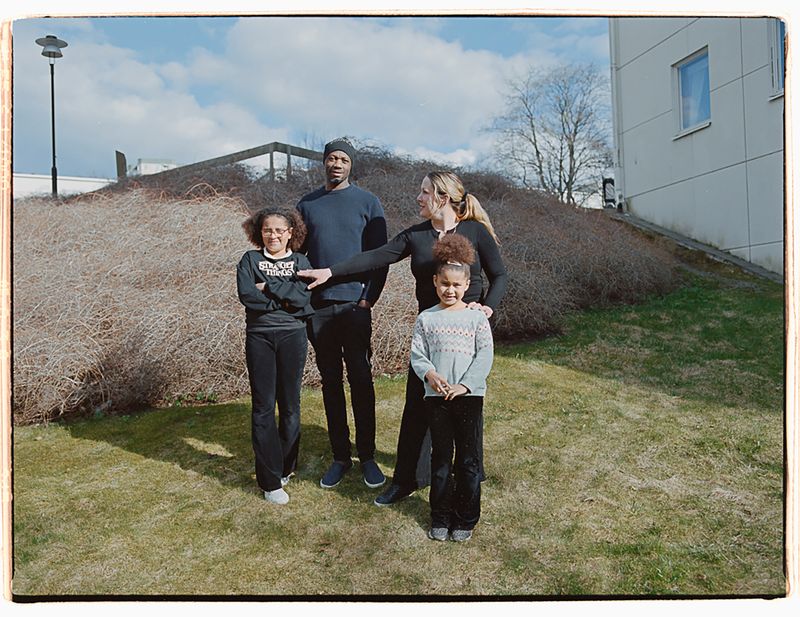
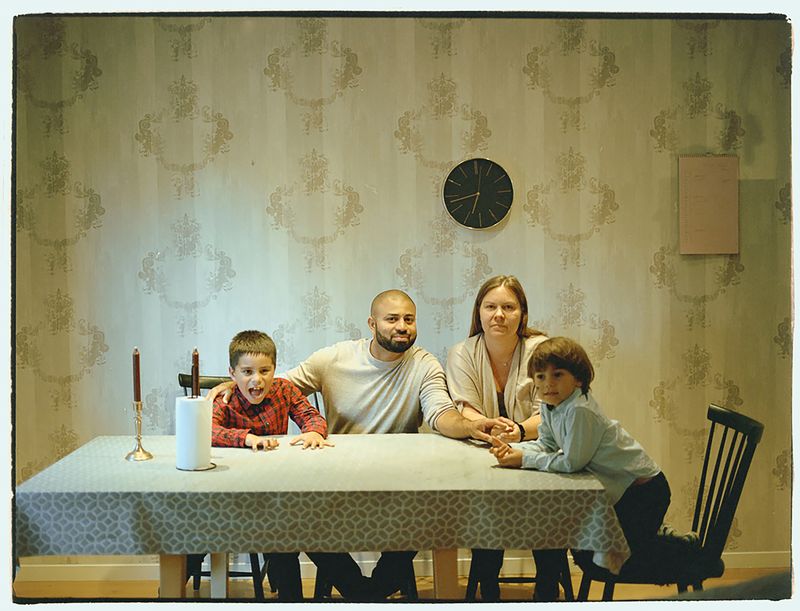
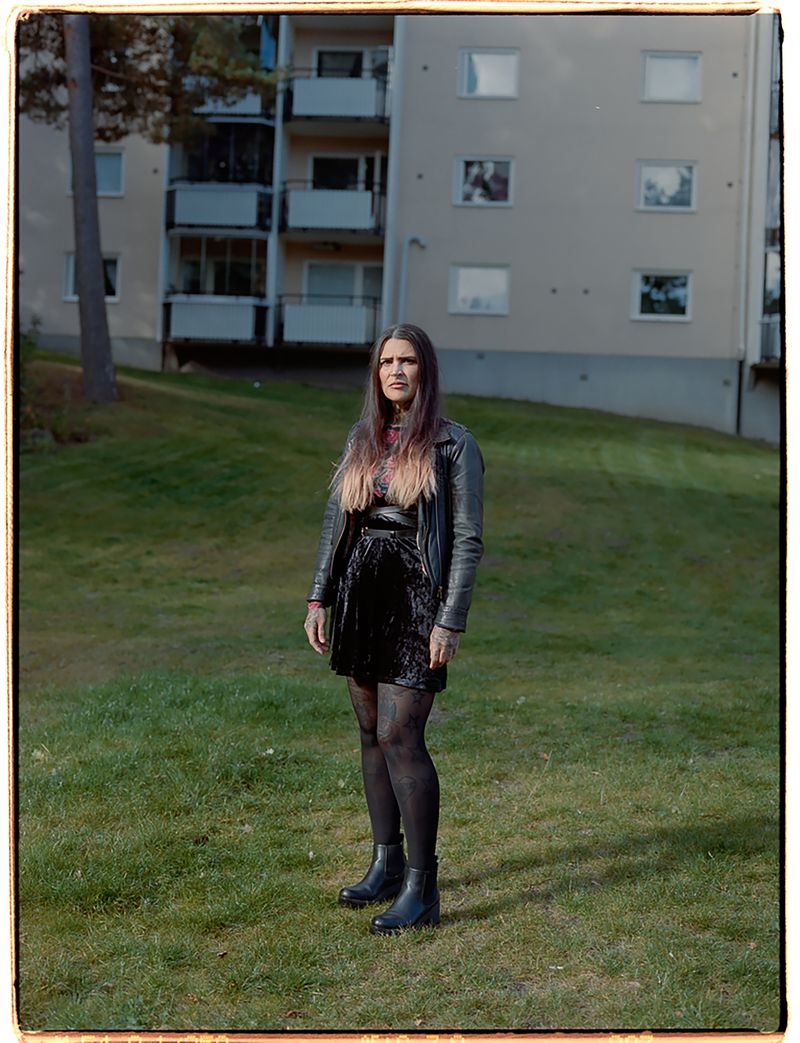
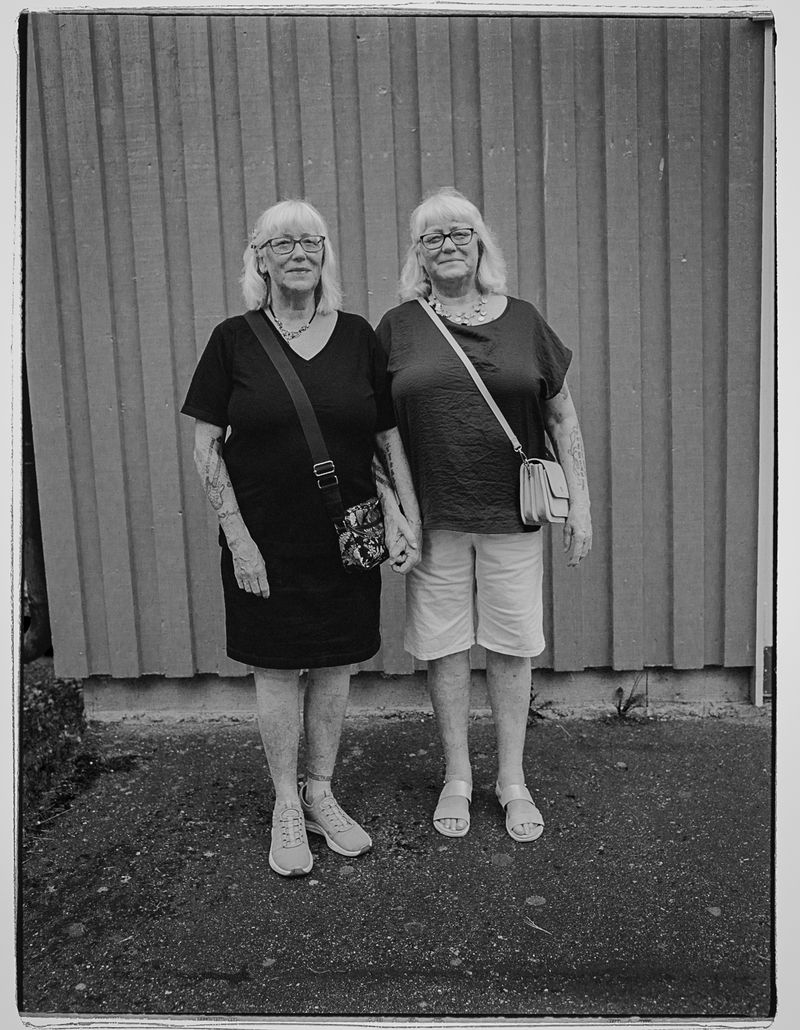
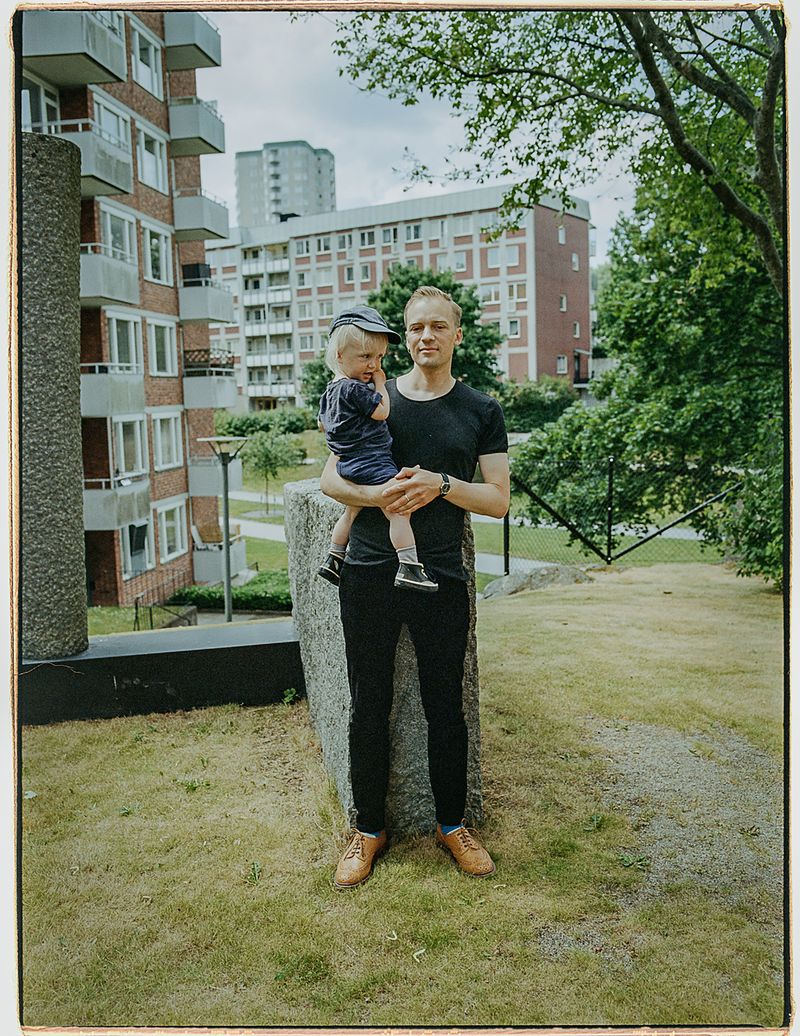
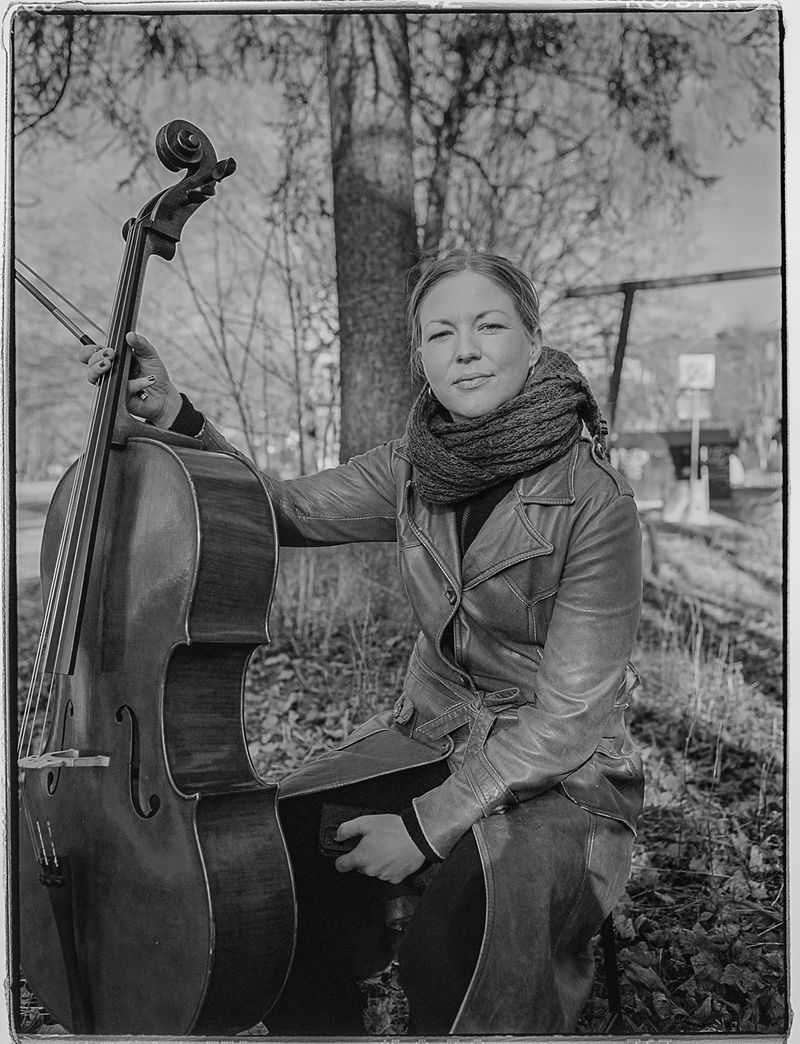
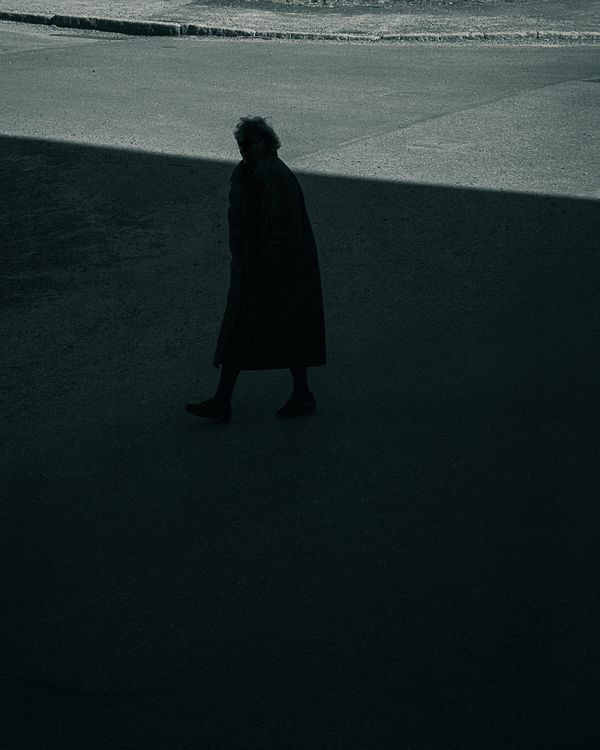
The portraits constitute the core of the work. Each photograph is preceded by a conversation and establishes a reciprocal situation rather than a one-sided act of documentation. The images are intentionally stripped of dramatic lighting and staging in order to avoid reproducing stereotypical readings. The participants represent diverse social contexts, yet no biographical information is disclosed. The intention is for each portrait to function as a direct encounter with an individual, not as an illustration of a category.
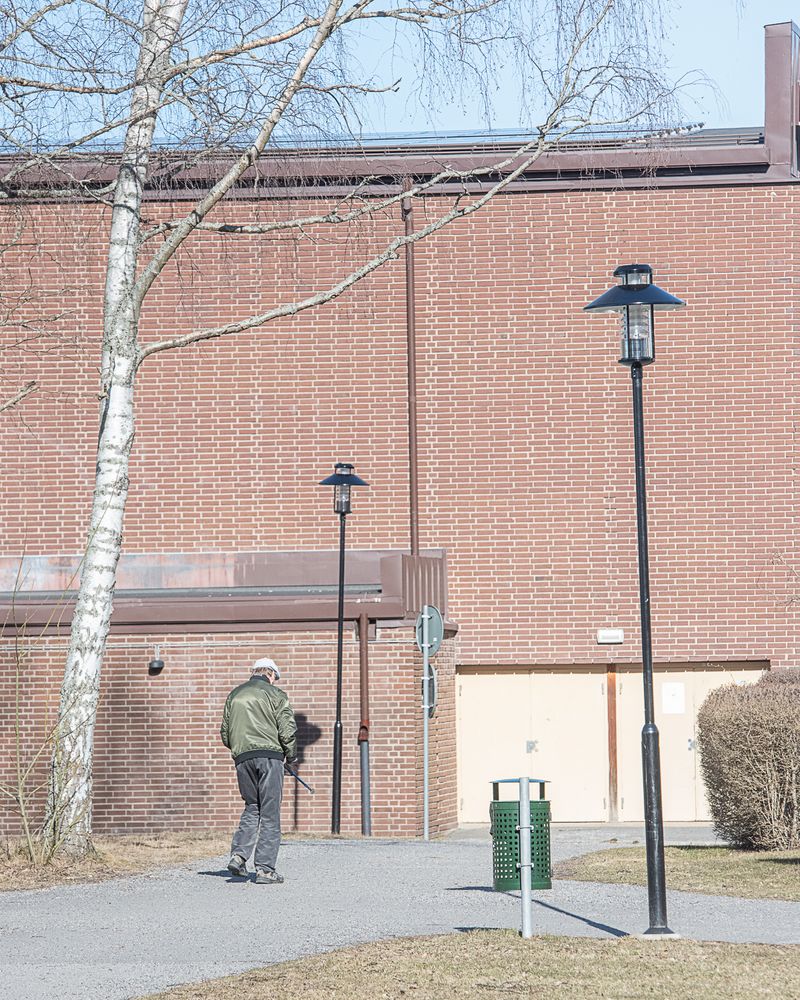
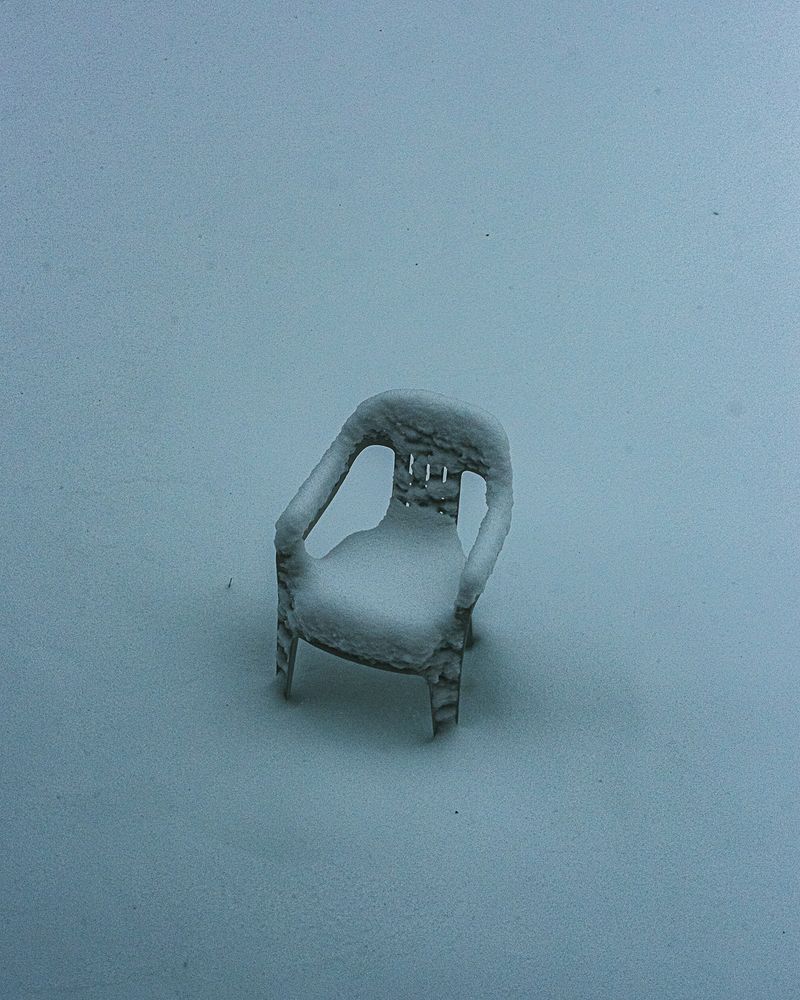
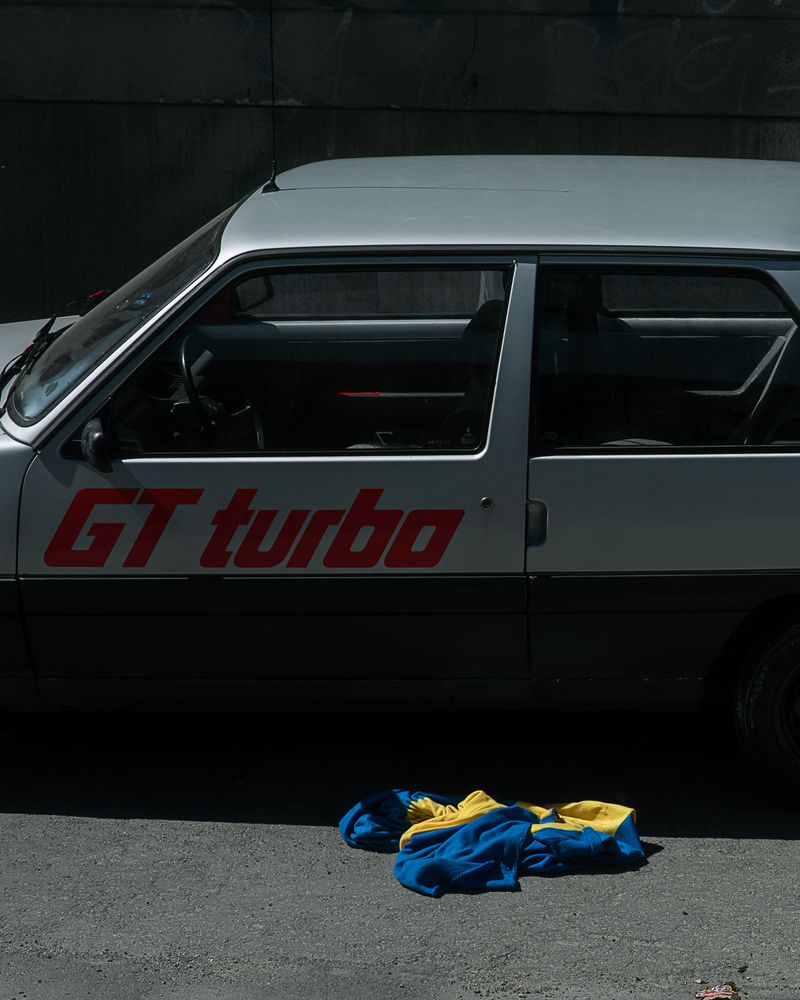
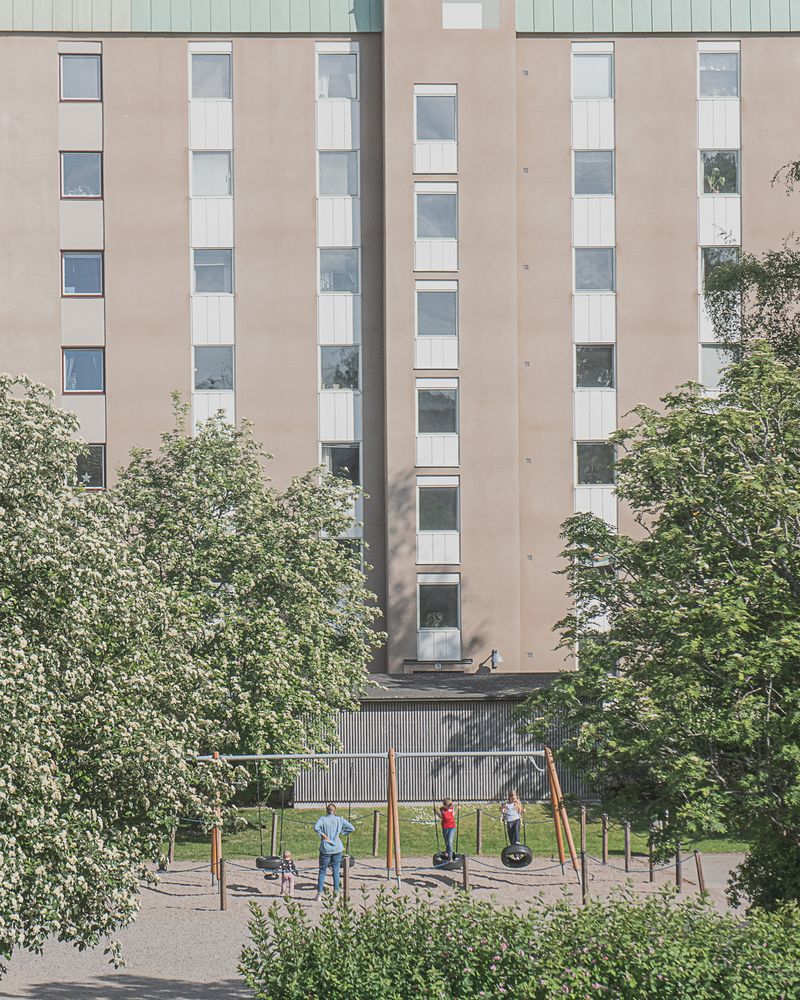
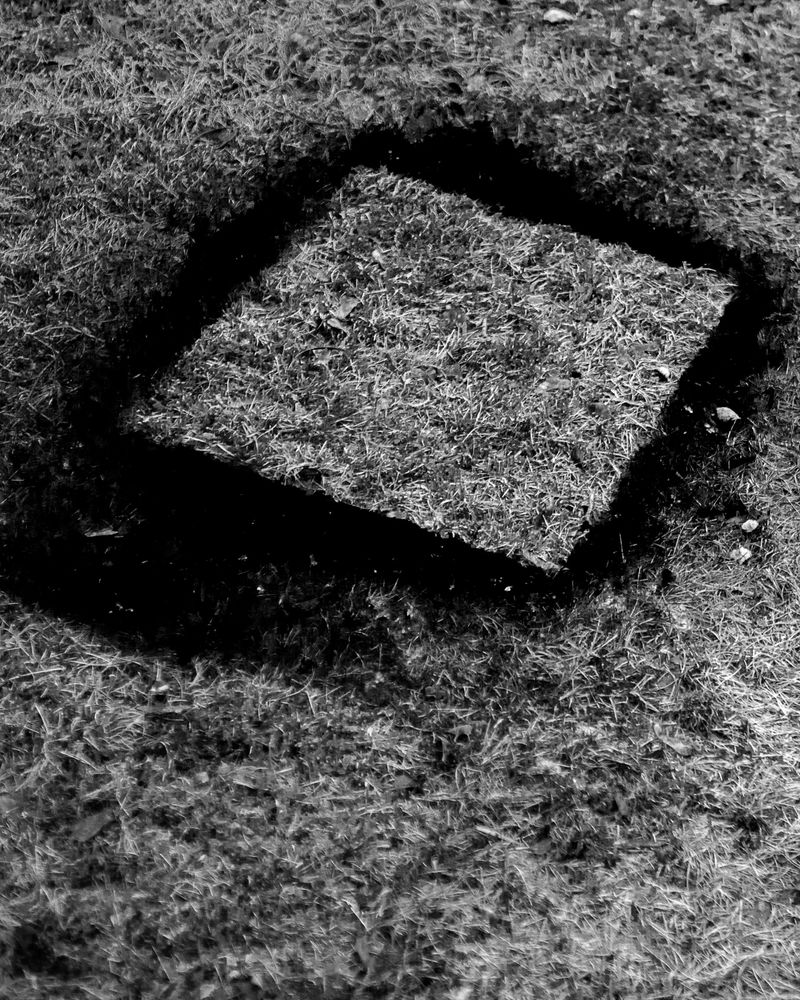
Parallel to the portraits, I photograph environments, architecture, and fleeting everyday situations. Farsta is approached under the same visual conditions as any small town. The focus shifts from the exceptional to the continuous—from event to presence.
The project also includes a conceptual engagement with language through a mind map consisting of my own associations as well as words and expressions collected from residents in the area. This linguistic material has functioned as a structuring element for both the spatial installation and the accompanying publication.
In recent years, concepts such as “population mixing” and integration policy have been the subject of intense debate. The idea that populations need to be “mixed” in order for integration to occur often reflects a simplified understanding of how Swedish suburbs actually function. Although clearly segregated enclaves exist—both socioeconomically vulnerable and affluent—many suburbs are already characterized by a tangible social and cultural diversity. The project seeks to make visible the inherent complexity and strength within this everyday coexistence.
Outside the metropolitan regions, a simplified and often distorted image of the suburb as uniformly dangerous and deviant continues to circulate. Farsta aims to nuance this perception by insisting on the place’s ambiguity and presence.
As a complement to the photographs, Martin Schibbye contributes a text on Farsta, adding further perspectives and deepening the project’s dialogue between image and language.