Faërie
-
Dates2016 - Ongoing
-
Author
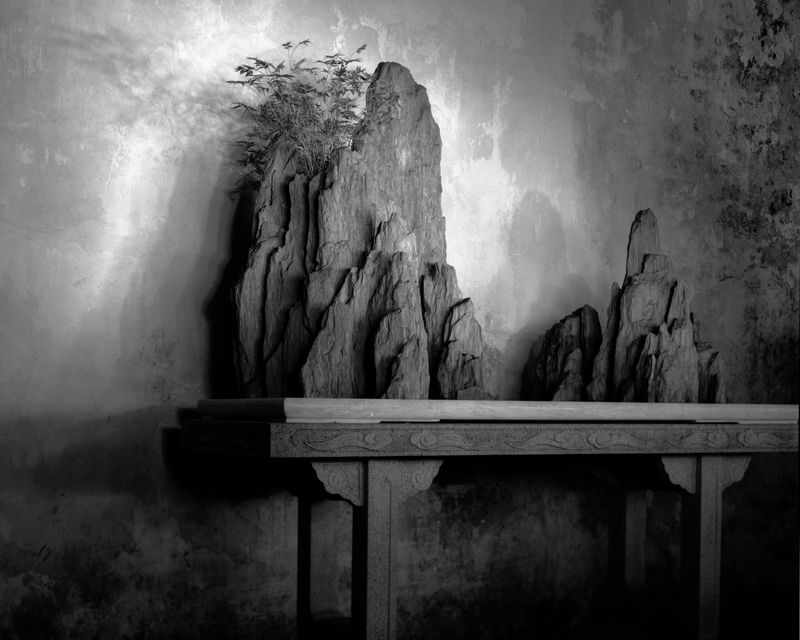
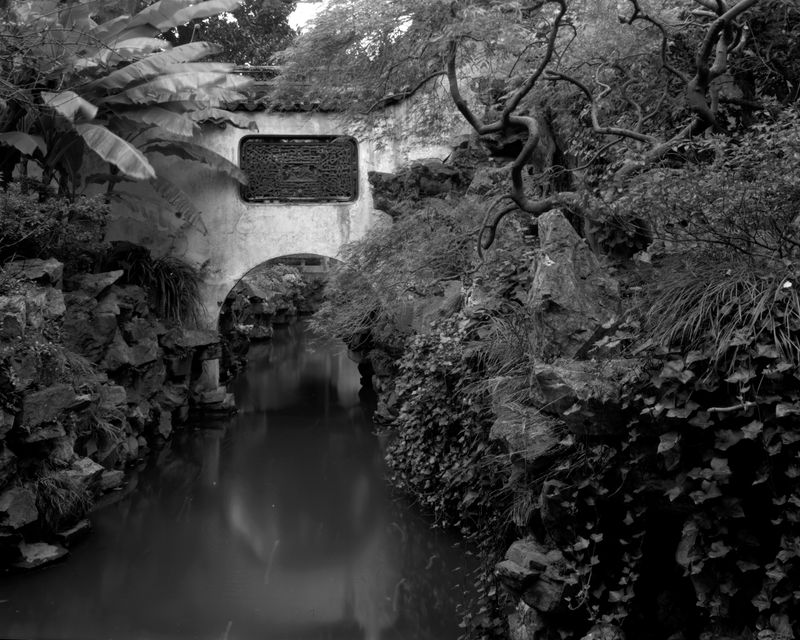
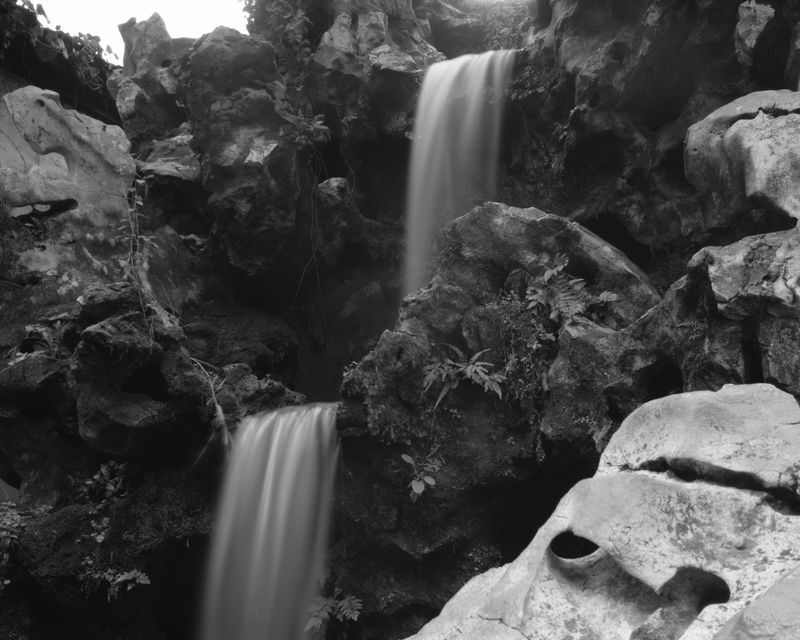
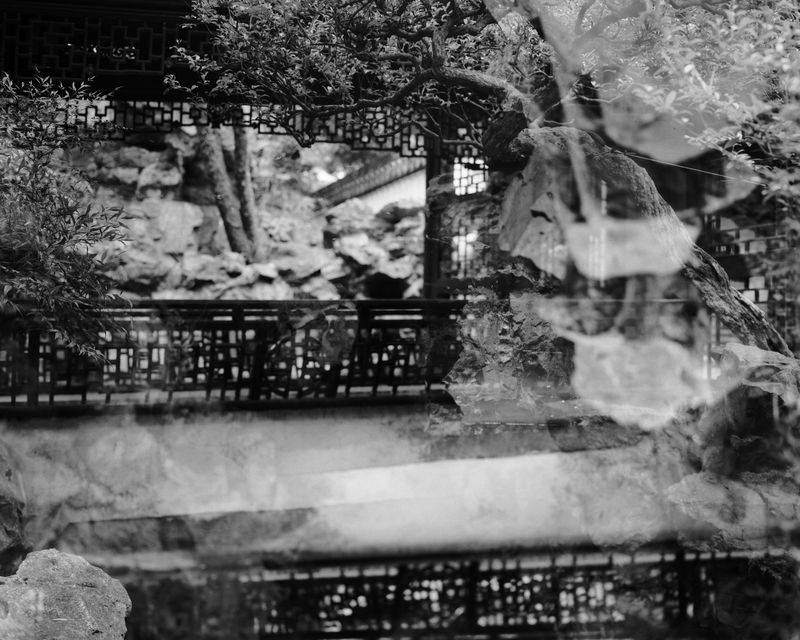
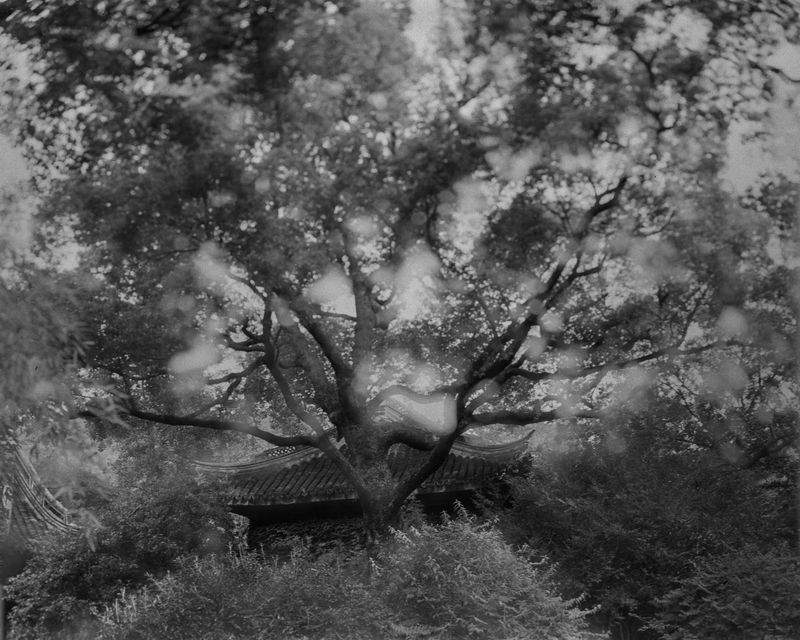
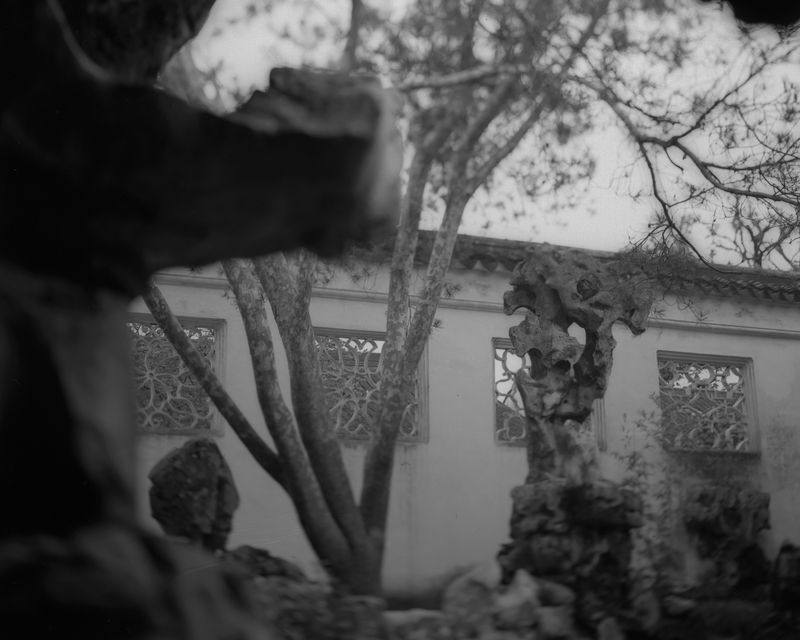
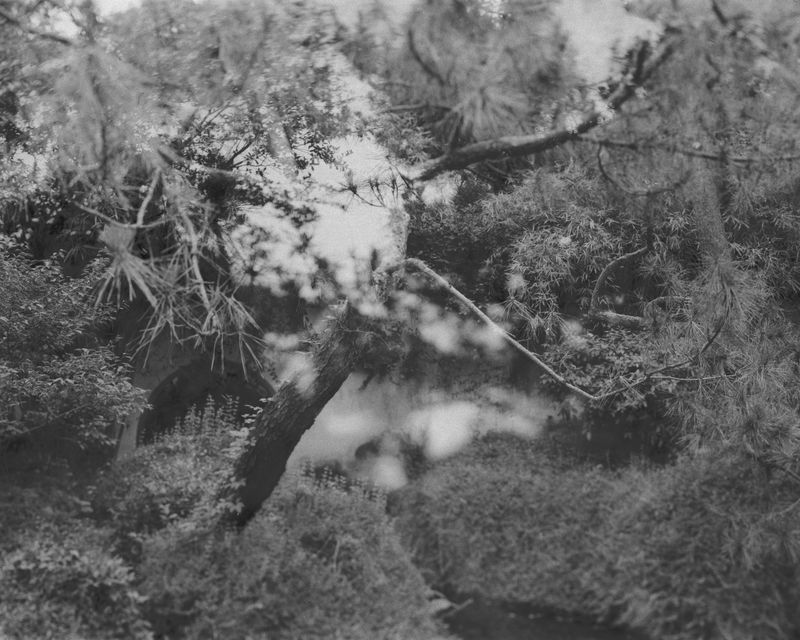
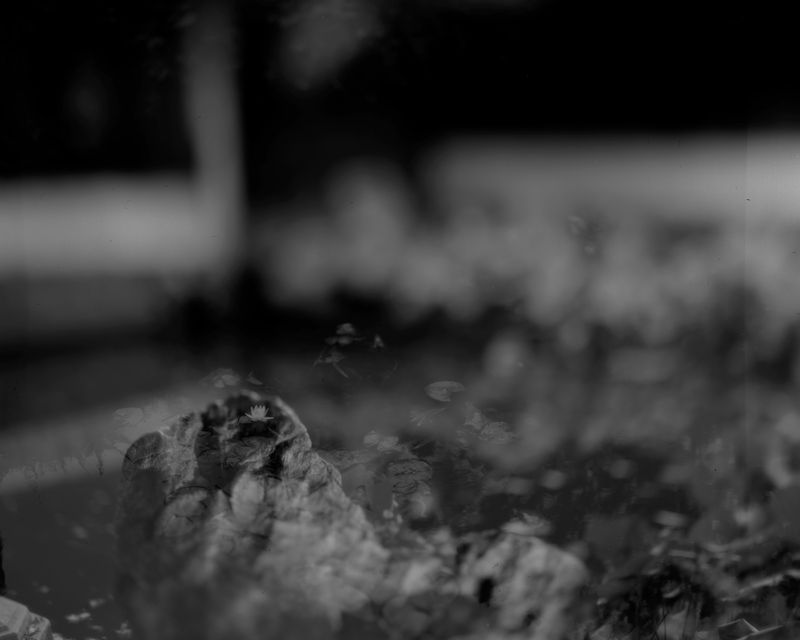
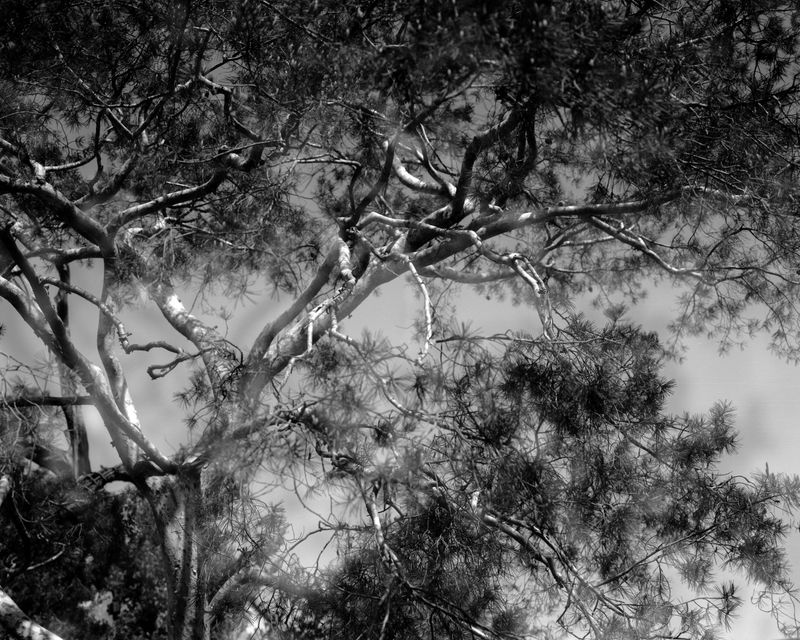
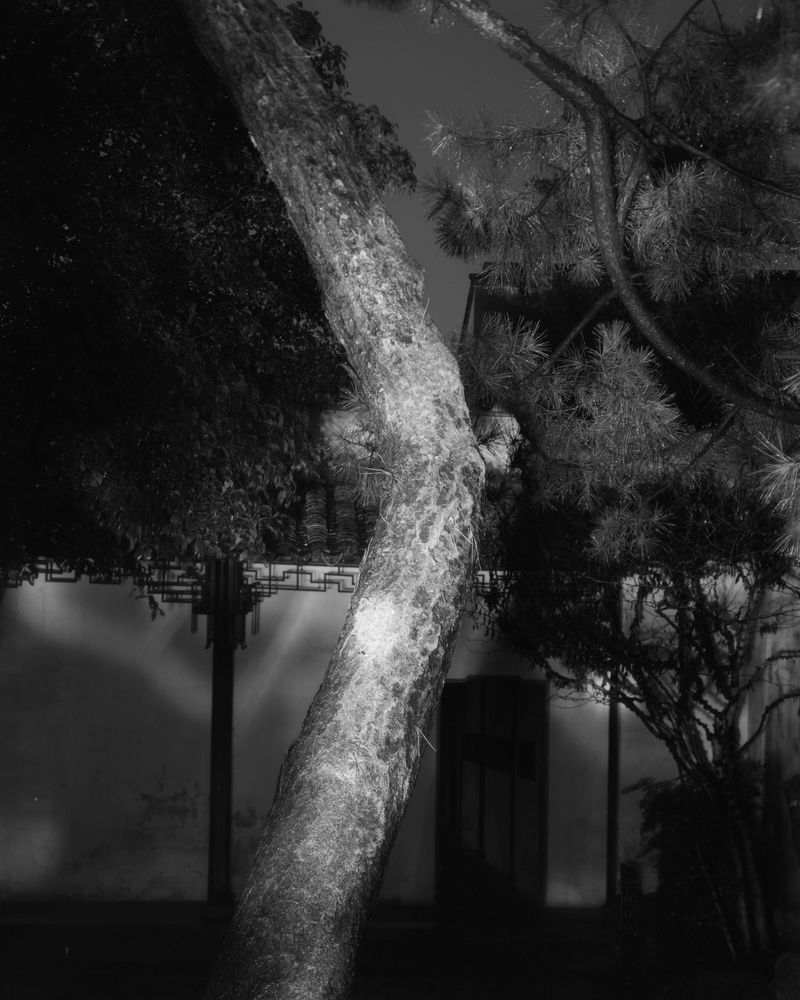
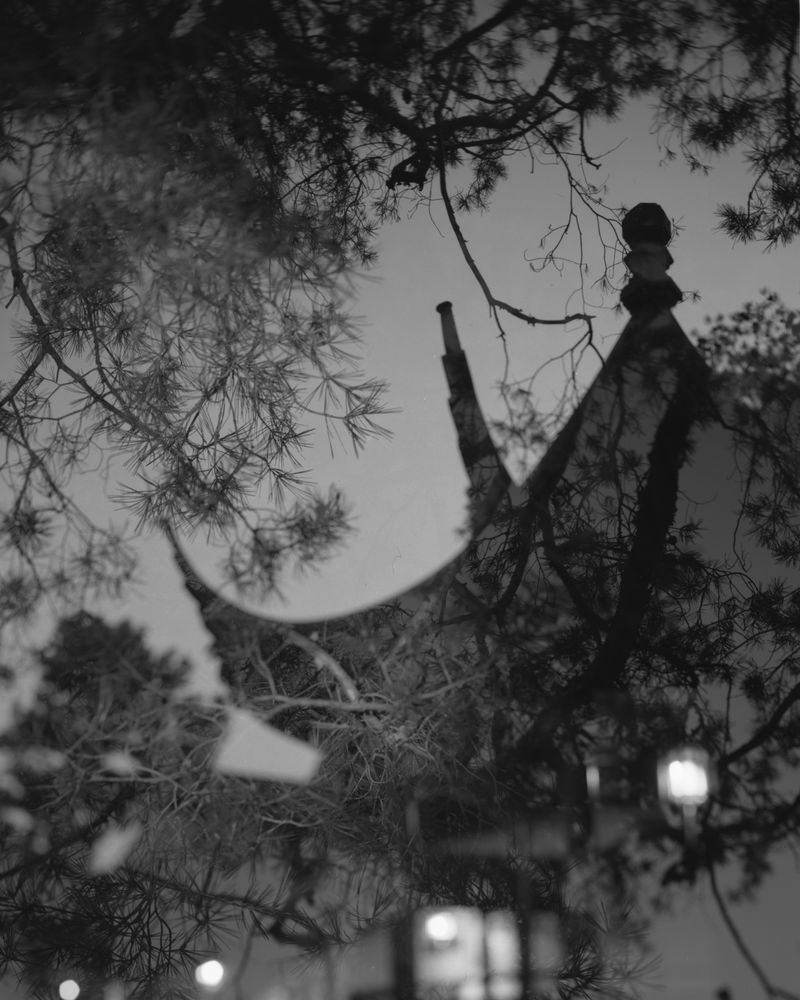
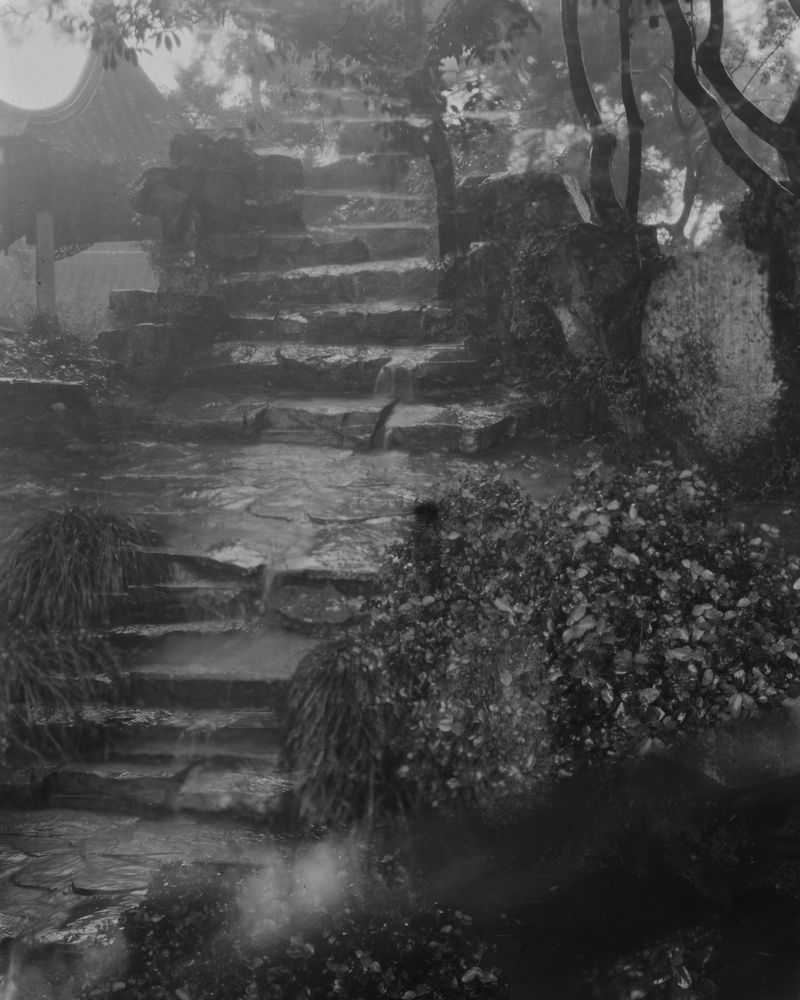
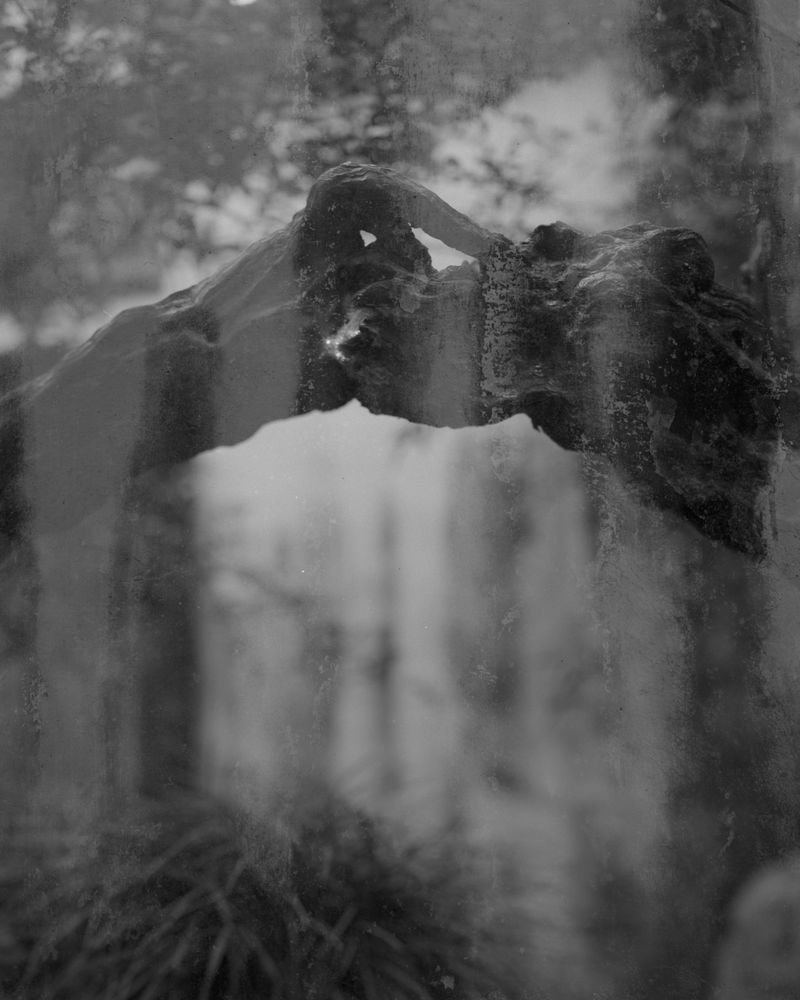
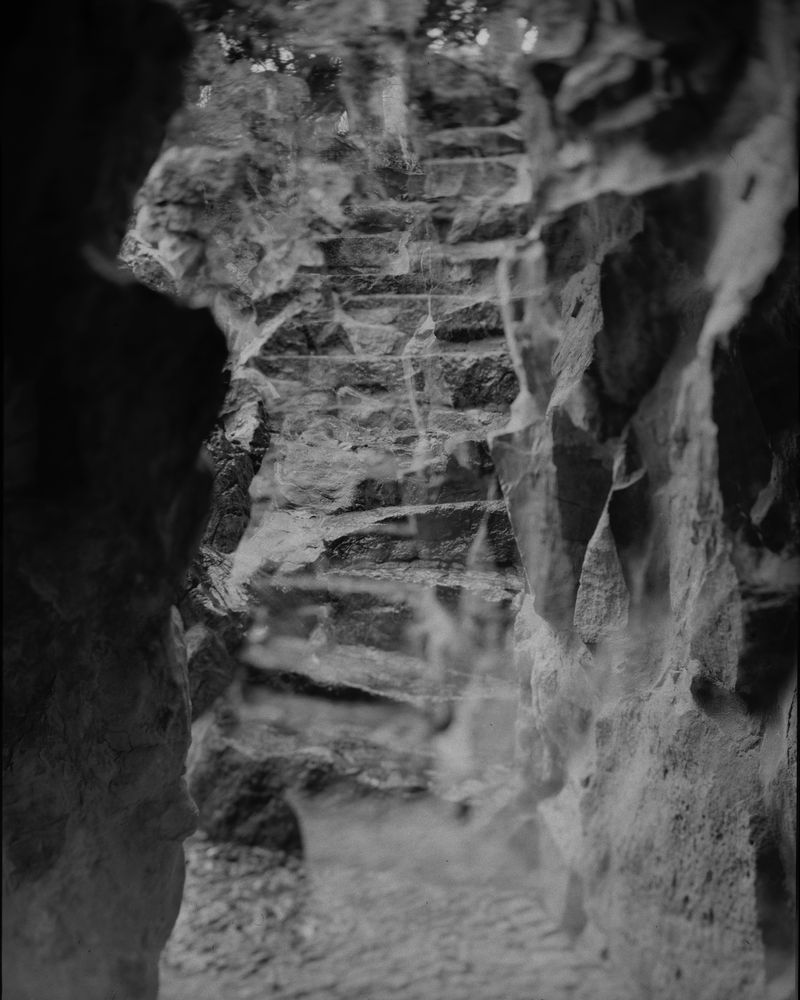
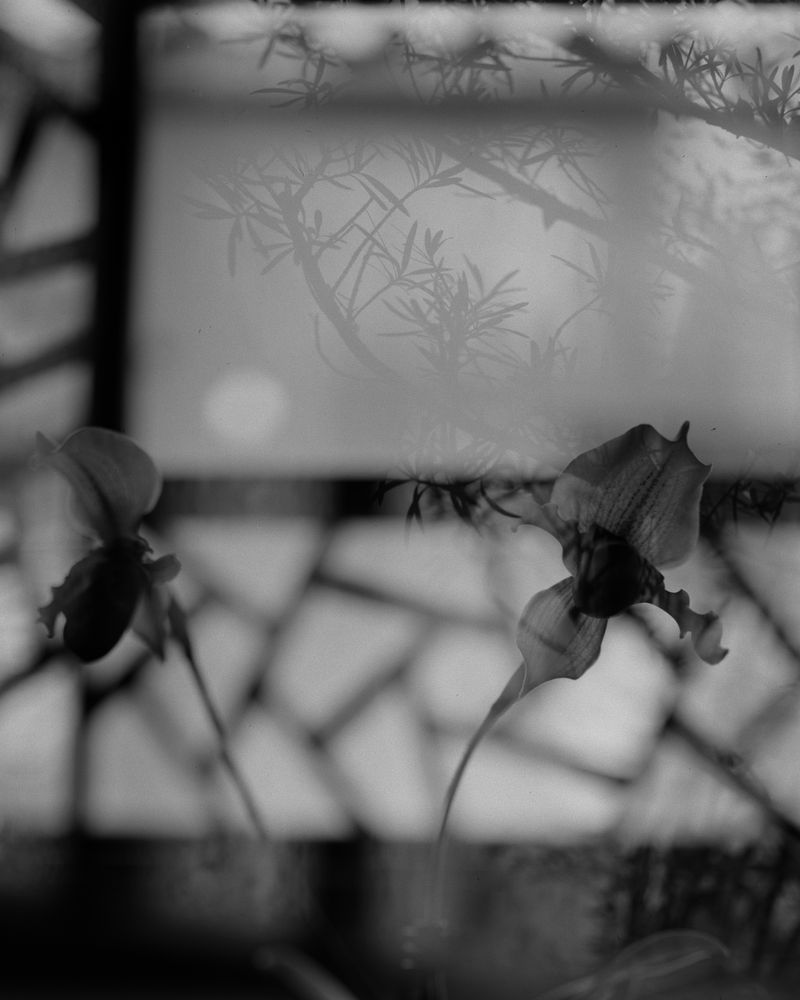
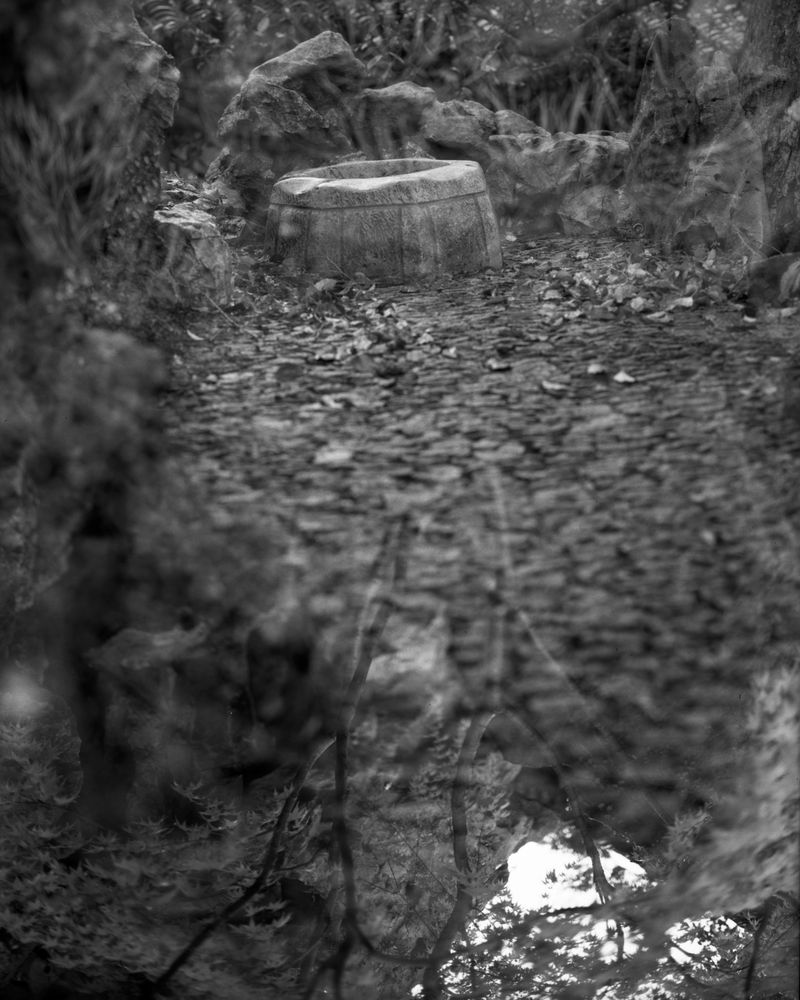
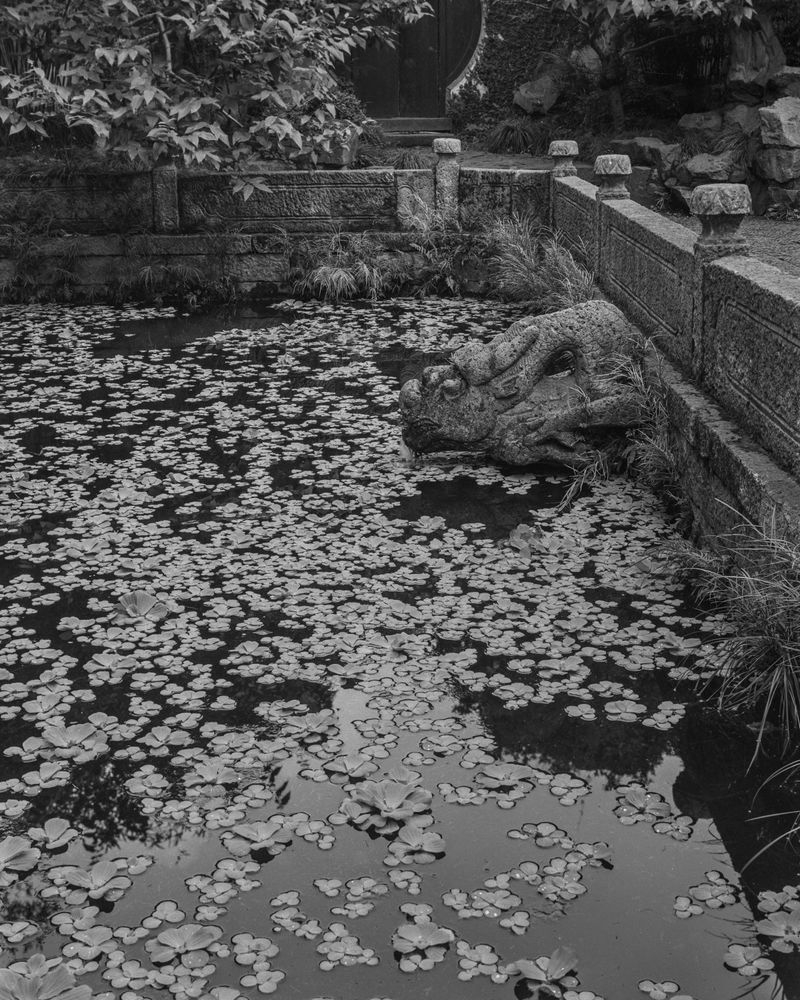
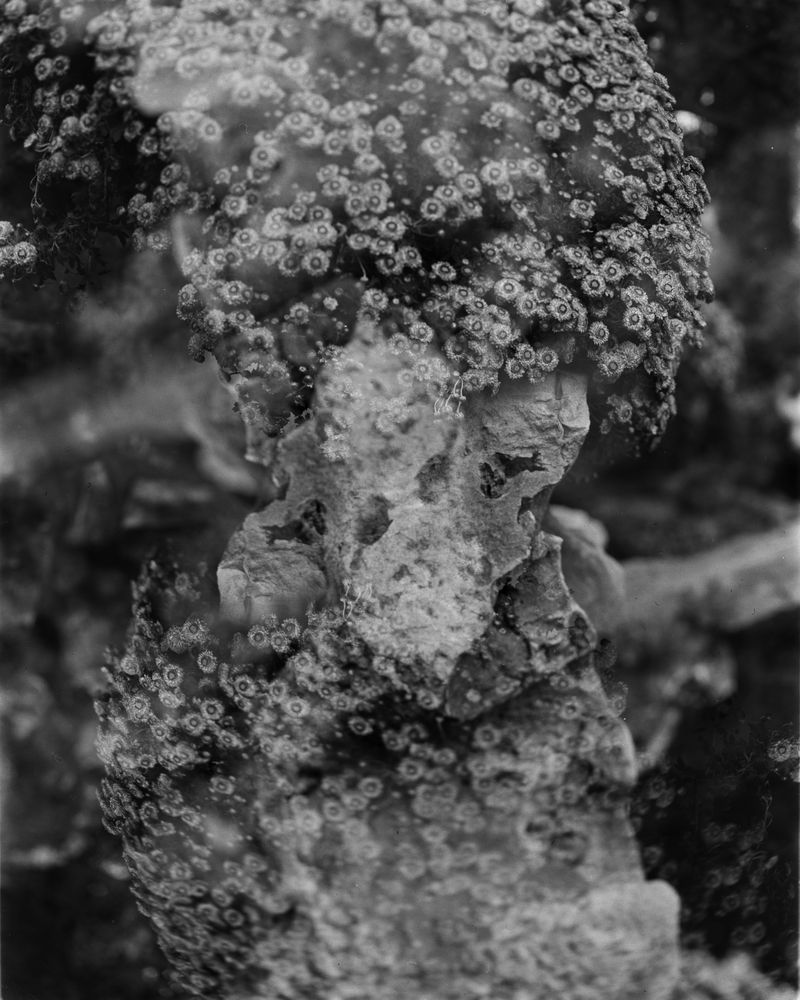
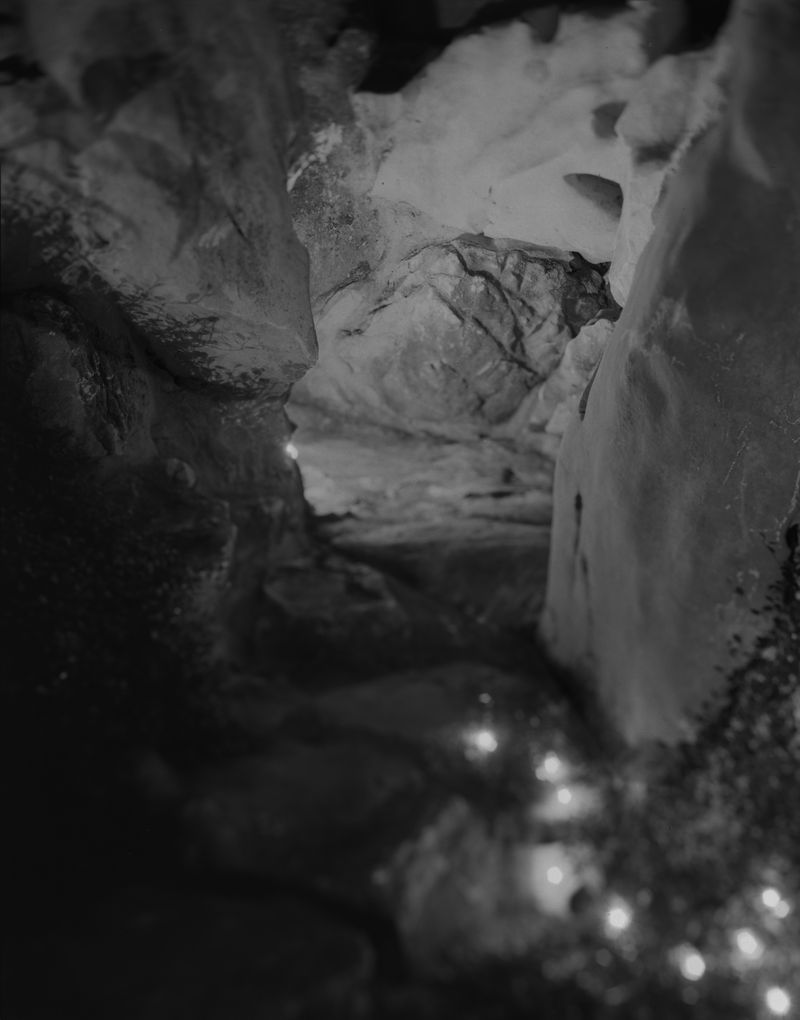
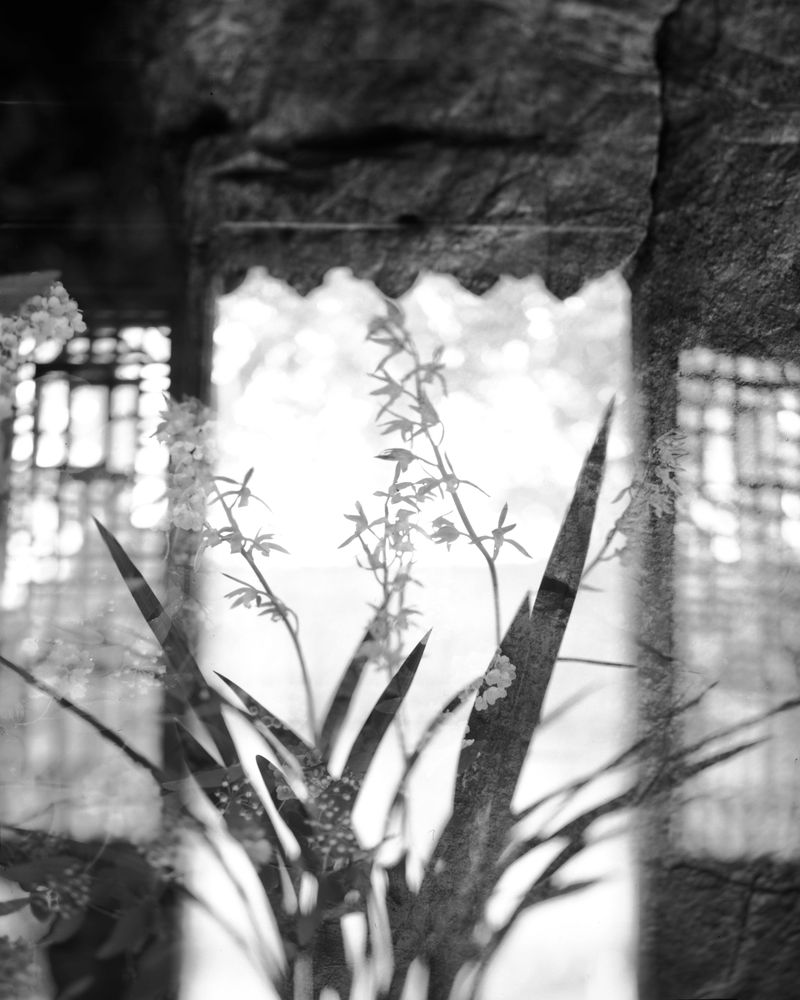
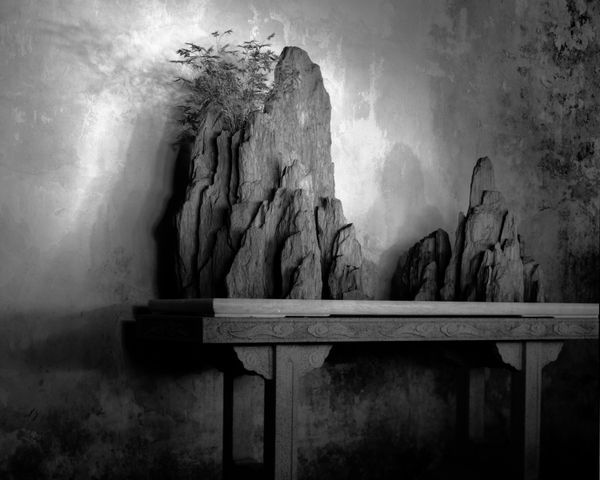
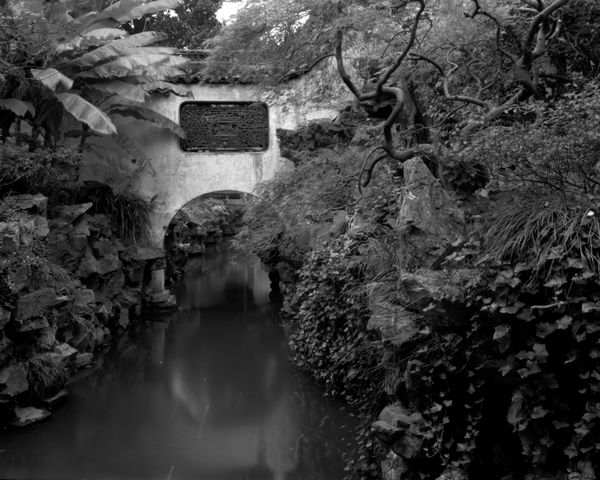
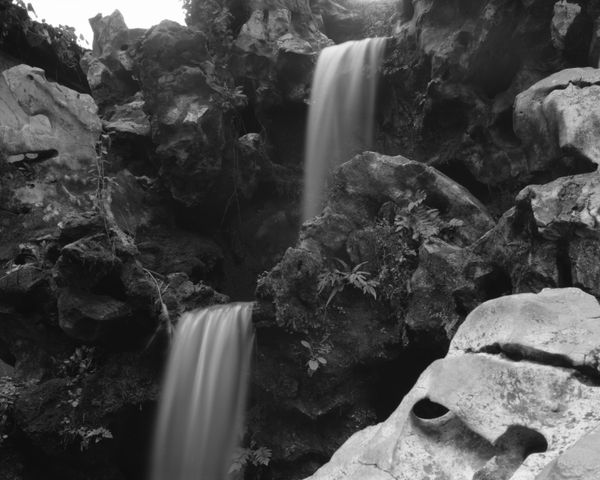
‘Faërie’ explores Chinese literati gardens beyond their value as cultural heritage. Shot with 4x5 b&w negative, my image looks beyond the material world. Truth claim of analog photography verifies the Faërie’s existence.
The ongoing project <Faërie>, created in various locations in Suzhou and Shanghai, China, seeks to explore the traditional Chinese literati gardens as a form of spatial imagination. At the mouth of the Yangtze River is the fertile flood plain where many scholar-officials of the dynastic China made their retirement home. Here, they build their private gardens, characterising artificial mountains made of stones from the Lake Tai, winding corridors and pavilions upon quiet ponds. Time seems to work differently within and outside the gardens. A thousand years could have passed in the real world while merely a day in the gardens. Thus, a garden is a paradise built on earth.
In effect, literati garden do not follow the law of the Nature, nor are they mere simulation of our Primary World. Rather, the scholar-official of the dynastic China who built them were Sub-Creators of a Secondary World, in the same way, as J. R. R. Tolkien pointed out, that fairy-story authors create a Secondary World, a Faërie, that follows its own law, free from the domination of observed ‘fact’, and into which our mind can enter and find Escape and Consolation.
Literati gardens are three-dimensional Secondary World, into which we can physically enter, and Escape, not only from the old or modern ‘real life’, but more importantly, from the ultimate Doom: Death. After all, in the Ming Dynasty classic <Peony Pavilion>, it was in the garden that a fair maiden dreamt of her true lover and later woke up from Death for him. From <Peony Pavilion> to other ancient folk tales full of fairies, ghosts and spirits, Gardens have always been the background, a fictional time and space, in which our ultimate desire could be fulfilled: to escape from death.
Photographic medium is very much rooted in realism. However, I’m trying to push the boundaries of photography by capturing the invisible and illusive realm of Faërie within the traditional literati gardens, in a contemporary allusion to Taoism as well as the 19th century ‘spirit photography’ tradition. Indeed, ‘spirit photography' has historically been used to portray the existence of supernatural phenomena and make the invisible seen. Using the techniques of long exposure and double exposure, whilst drawing on photographic medium’s traditional ‘truth claim’, I transform the gardens from present-day tourist sites back to a mysterious realm. When the setting sun shines upon the lotus flower in the middle of the lake or when the goldfish disappears into the depth, viewers could look beyond the material world and find the hidden Faërie.