ETERNAL CONQUEST: the human invasion of landscape

-
Dates2017 - Ongoing
-
Author
- Topics Landscape, Contemporary Issues
- Locations Australia, United States, Iceland, Norway
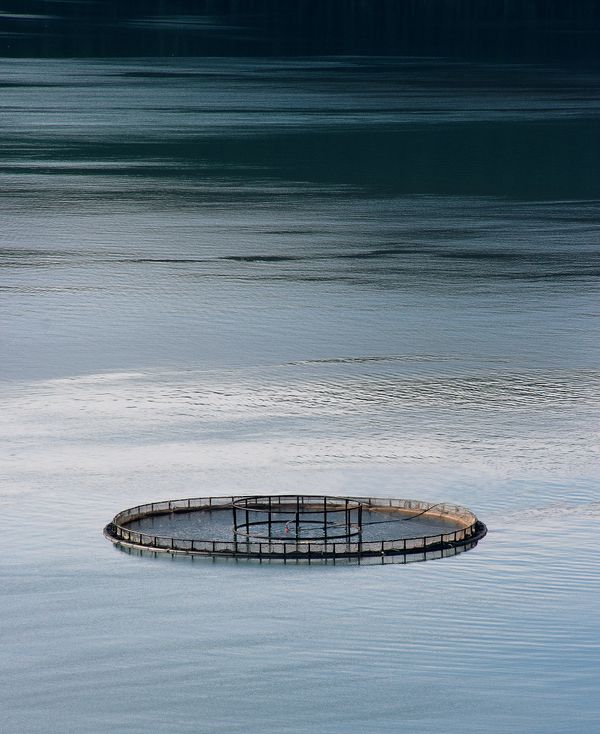
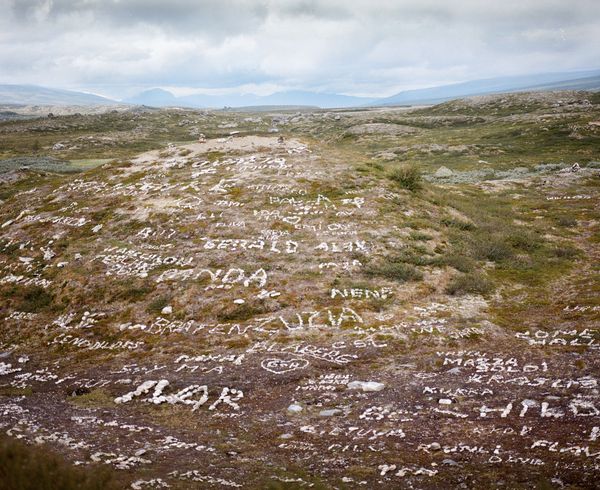
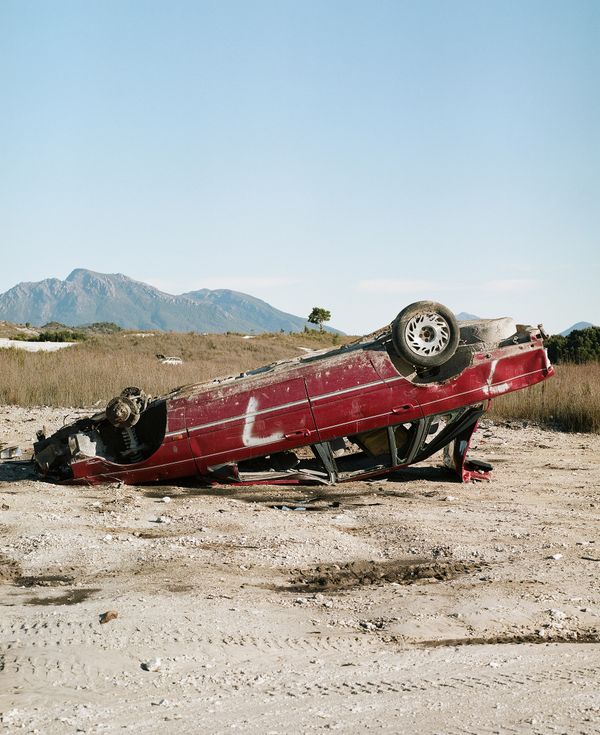
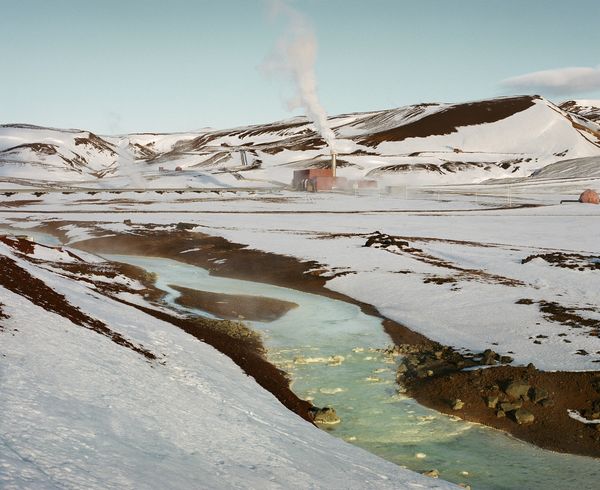
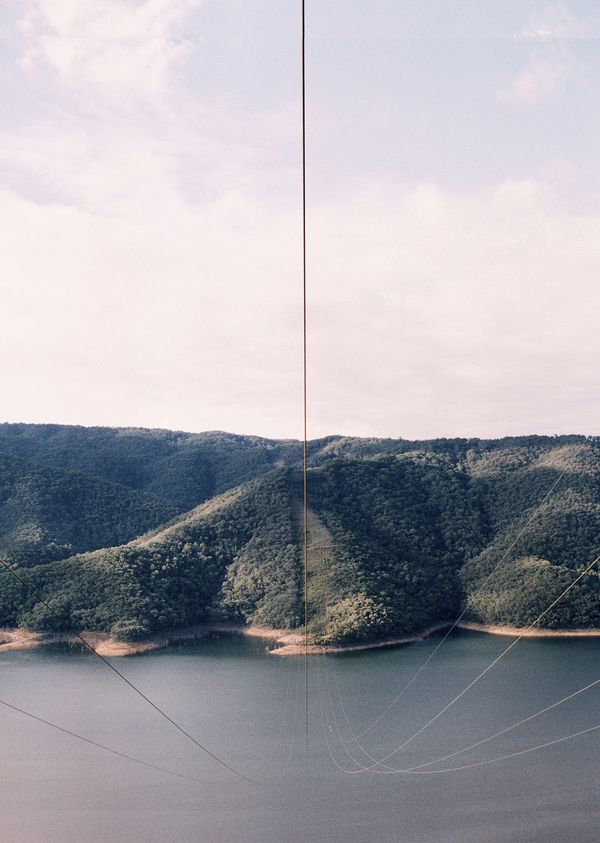
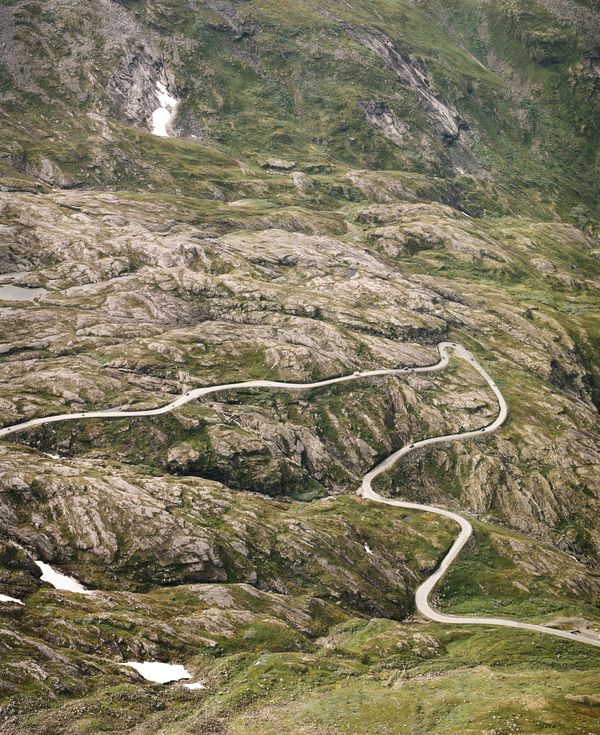
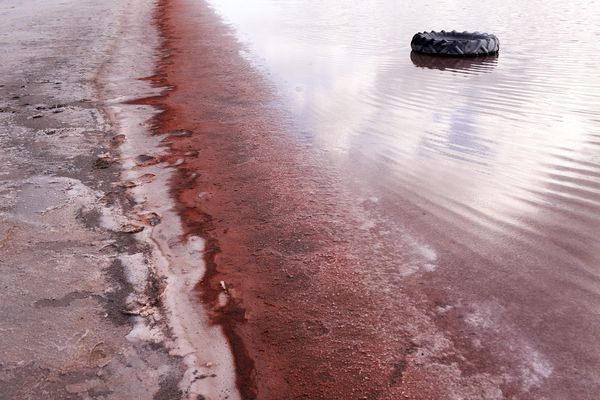
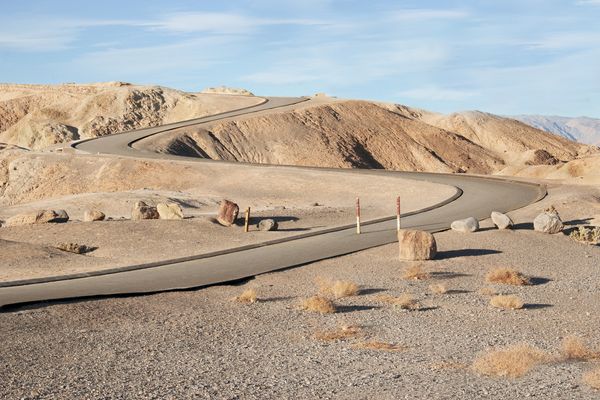
Marcelle Bradbeer's “ETERNAL CONQUEST: the human invasion of landscape” depicts our species’ incessant need to inhabit and occupy space. As a landscape photographer this occupied space consequently is the natural landscape - its sublime and pristine otherness invaded by man-made artefacts.
Marcelle Bradbeer's ongoing project “ETERNAL CONQUEST: the human invasion of landscape” depicts our species’ incessant need to inhabit and occupy space. As a landscape photographer this occupied space consequently is the natural landscape - its sublime and pristine otherness invaded by man-made artefacts.
By focussing on the human element in nature, Bradbeer is questioning the existence of the pristine environment and diverting the viewer’s gaze away from the conventional aesthetics of landscape photography towards the reality of contemporary landscape altered by human impact. This invasion of natural space represents the human need to conquer - our suffocating tendency to leave nothing untouched and mark our territory.
Bradbeer utilises a landscape’s innate beauty to illustrate the relationship between humans and nature and entice the viewer to engage with the work’s narrative. Her use of vivid colour and delicate composition depicts scenes of tranquility that at first glance might be mistaken as 'just a pretty picture' - an intended outward show of innocence that disguises its true meaning and critiquing essence in the subtext and challenges the viewer (in a gentle, subtle way) to look more closely.
Photography is a crucial tool for visually portraying the environmental issues at the forefront of our minds. Particularly in the current climate crisis it is easy for one to feel overwhelmed and powerless. This is where art plays a fundamental role in society - it communicates when words fail, non-verbally questions and critiques behaviours and policies and allows individual voices to be heard.