Ephemeral

-
Dates2011 - 2021
-
Author
In the 1970s, Dana Raphael theorized about the transition period of the body and psyche of a woman while becoming a mother. In her view, matrescence is the state, sometimes very time-consuming, in which a woman creates a new identity to recognize herself as a mother. In a certain way, her hypothesis refutes the popular saying "the moment a child is born, the mother is also born"; in her conception, motherhood is much more than a ready-made social role, acquired from an event. In fact, a baby is born finished while a mother needs time and certain internal work to accept herself as such, gradually facing the demands for availability, services, and care, but also a change of professional plans, routine or social life. And its ambivalence is what characterizes matrescence and makes it a difficult experience to be put into words: from unconditional love, we are easily brought to repentance; from the loneliness to a strong sense of belonging to the universe; from sadness to euphoria; from enchantment to exhaustion; from guilt to overcoming. Accepting, forgiving, thanking, letting it be.
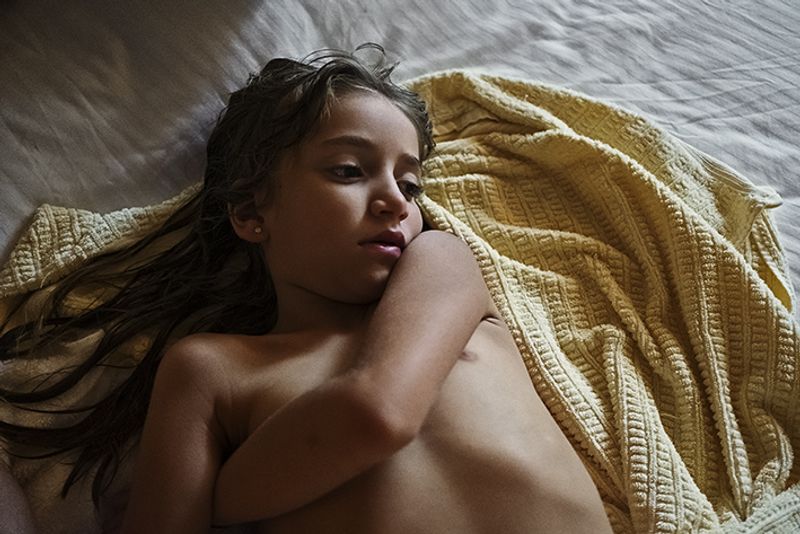
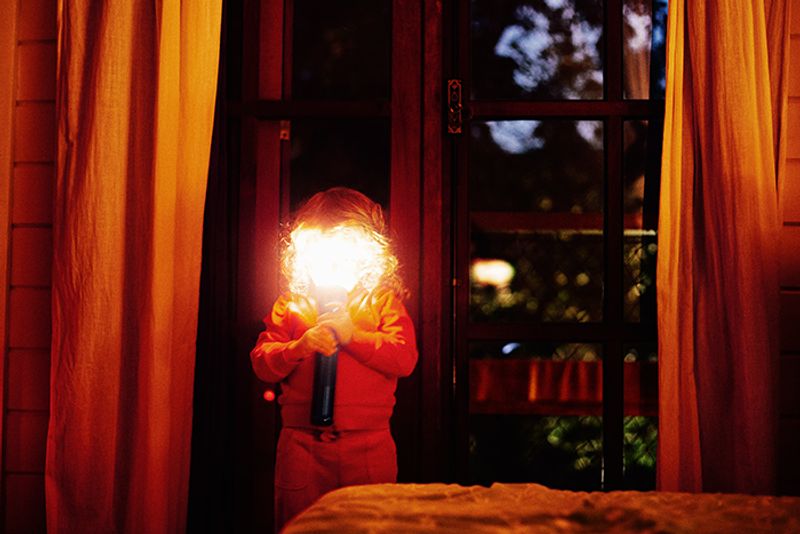
This serie is part of a book, that is one of the possible translations of motherhood and matrescence since, it reflects on the first seven years of the artist’s mothering. It is undoubtedly an autobiographical, but it allows everyone to create a connection with the unique and surprising experience of bringing to the world a new life and accepting its transformations. Abundance, prosperity, mystery, and welcome are the keywords with which the photographer invites us to enter her maternal intimacy and (re)create our own journey in the experience of being mother, daughter, son, or brother and sister.
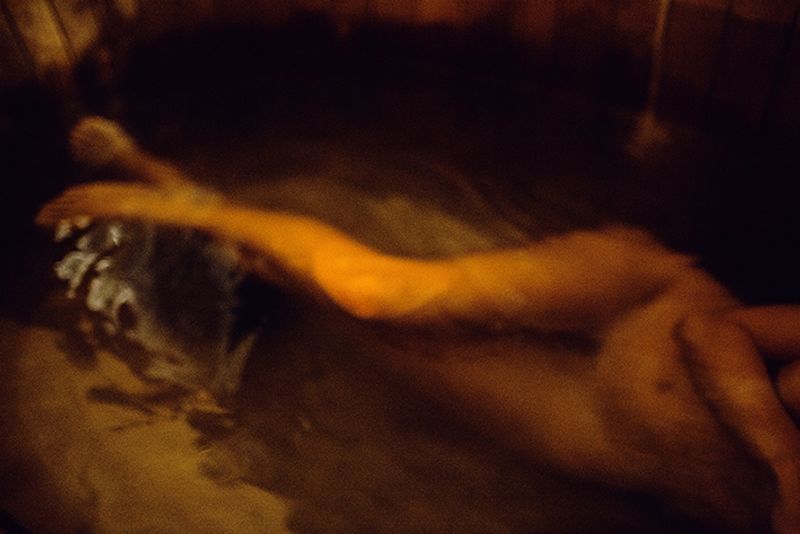
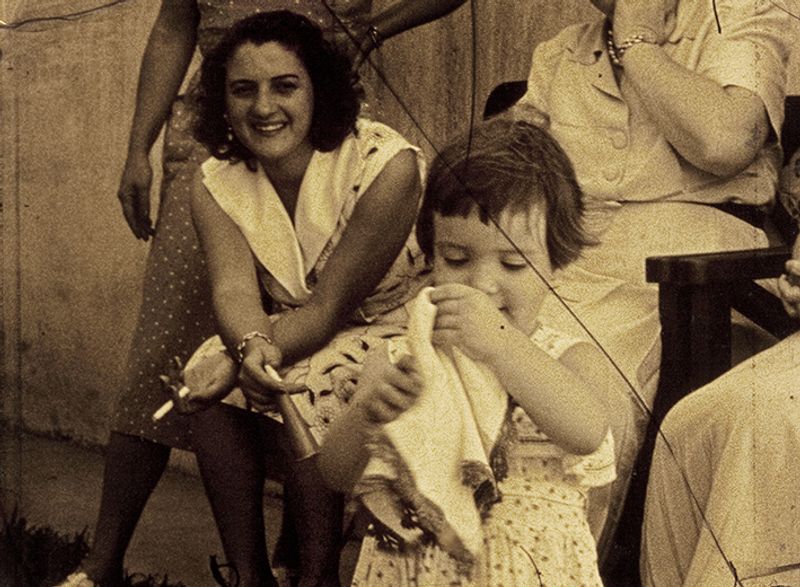
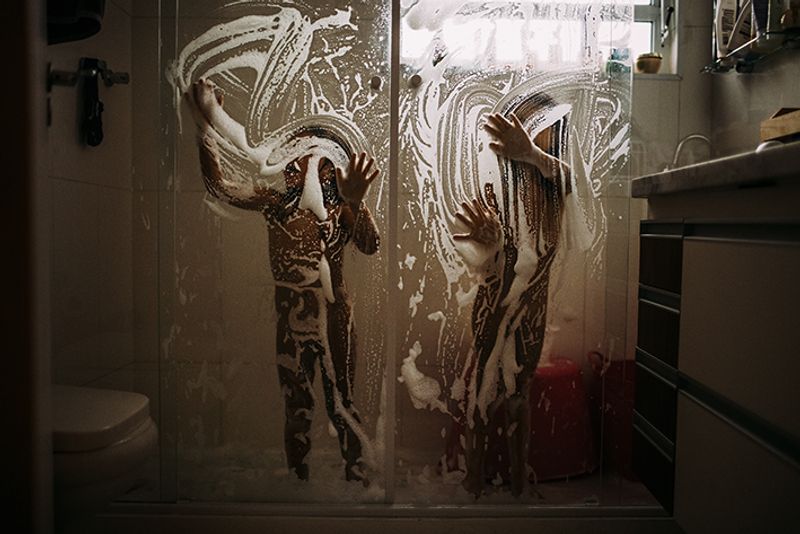
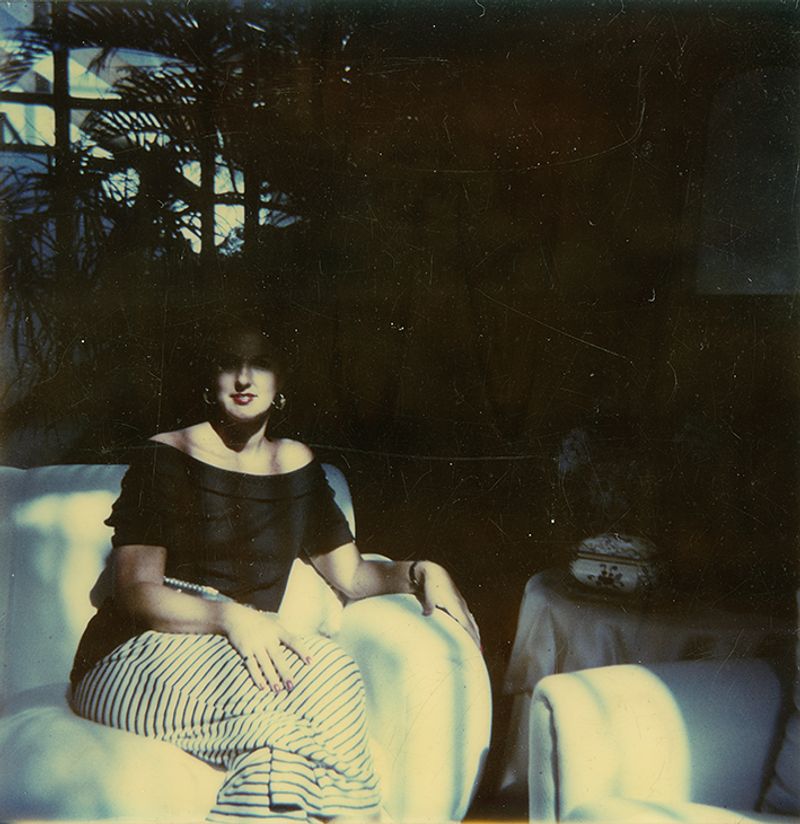
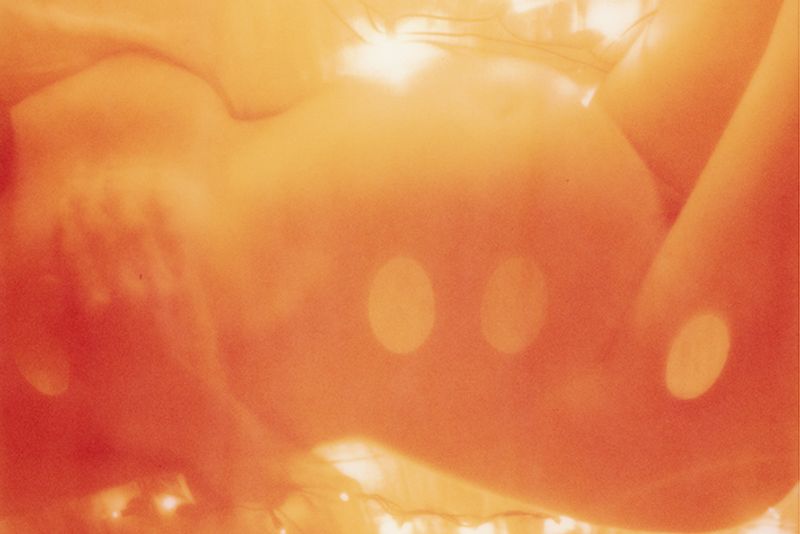
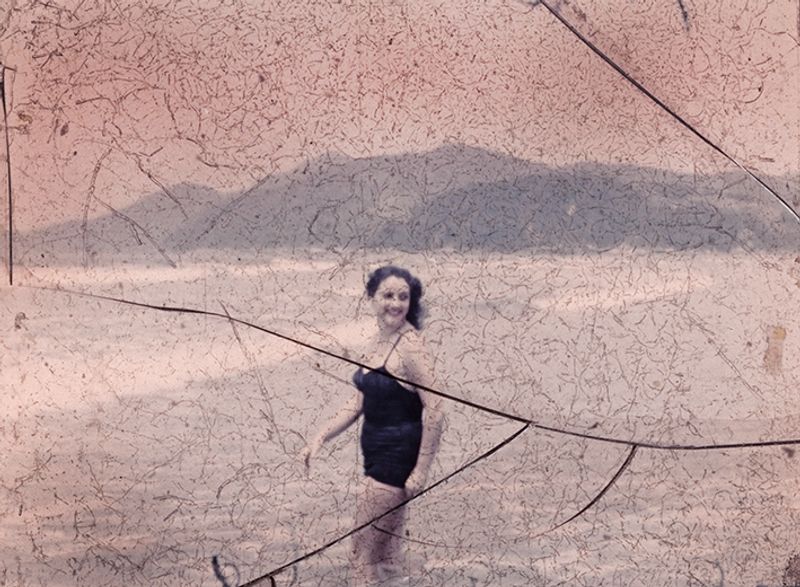
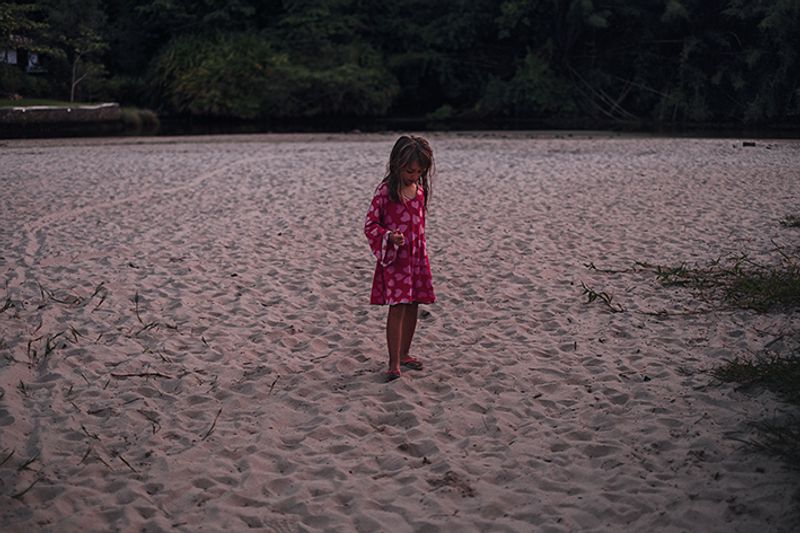
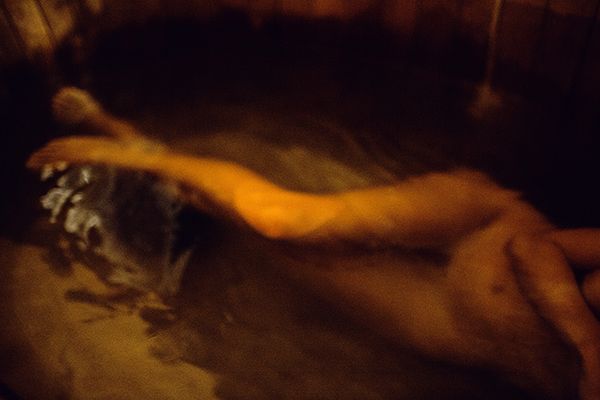
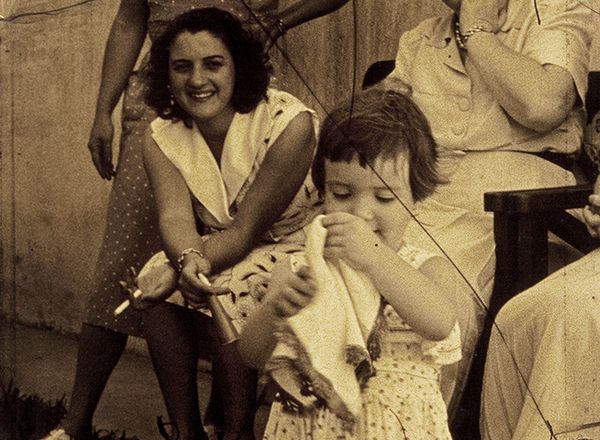
The images produced over the mentioned first seven-year cycle as well as the photographs found in the familiar archive are revealed in several layers to represent a complex and complete range of emotions and sensations. Ephemeral sways us constantly between anguish and pleasure, between desire and reality.
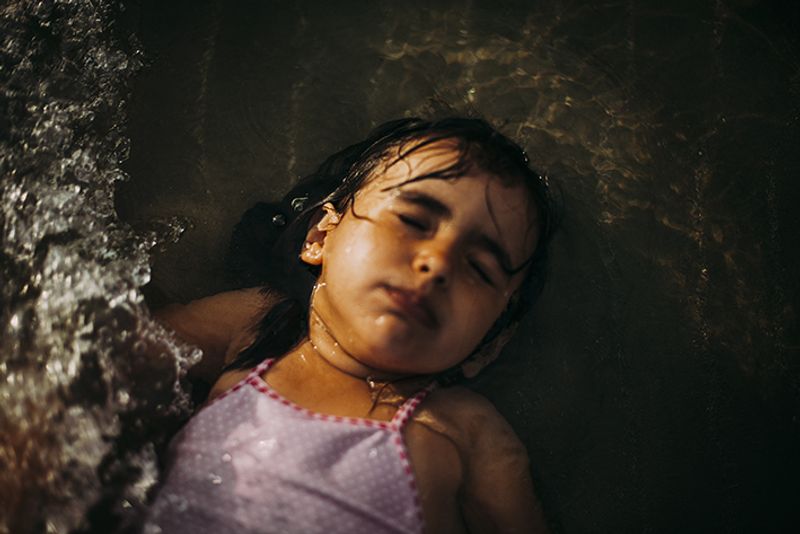
Throughout the serie, we meet the characters that constellate the female universe of the artist: two daughters, her mother, and grandmother. A timeline (firstly, affective), a line_age. Paula seems to bring them into the narrative as an act of ritualization, aiming to reconfigure the relationships from the past, forgiving sorrows, or letting go of the guilt that makes a new mother be drowned in the incessant search for perfection. Which is both idealized and unreal. These generations look at each other in a generous gesture of understanding the effort of being a mother and the parental desire to always do their utmost. And in the mantle woven with affections, children arise as a new opportunity to the hugs, to live the corporality, to dive into the rawness and the nakedness of our humanity, and they bring with them a nest, a safe place, an invitation to the healing.
Ephemeral is a ballad about the transition in which the artist holds us in her lap and cradles us in her arms before lying on the uncertain and mysterious waters that maternal love is.
Irmina Walzack