Elefante en la Habitación (Elephant in the room)
-
Dates2023 - Ongoing
-
Author
- Location Maracay, Venezuela
Elefante en la Habitación explores the normalization of paternal absence in Latin America. Through archives and self-portraiture, it investigates how silence and abandonment shape our identity, turning a personal wound into a collective story.
What happens when a father’s absence becomes the norm?
How can I carry feelings for someone who was never truly there?
I started this project two years ago, after reuniting with my paternal grandparents following ten years of no contact. Standing outside their door, I was nervous, unsure of what I’d find. I thought I might see my father too, but he wasn’t there. My grandmother told me he had moved to Colombia, and I felt relieved; I wasn’t ready to confront him.
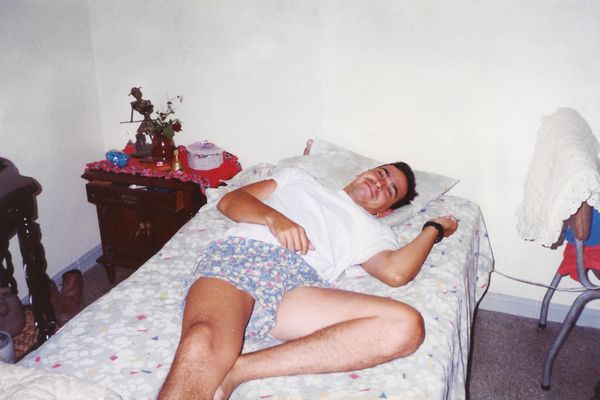
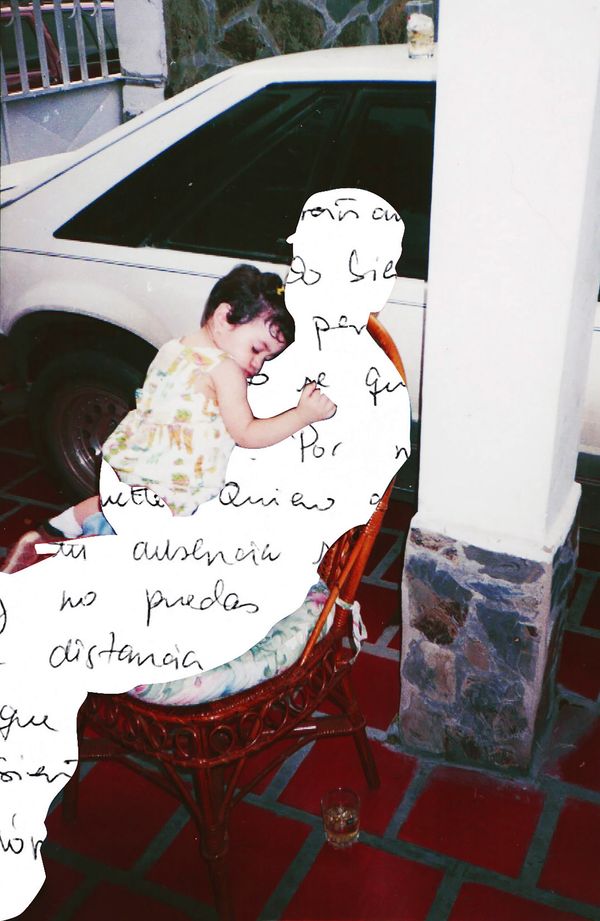
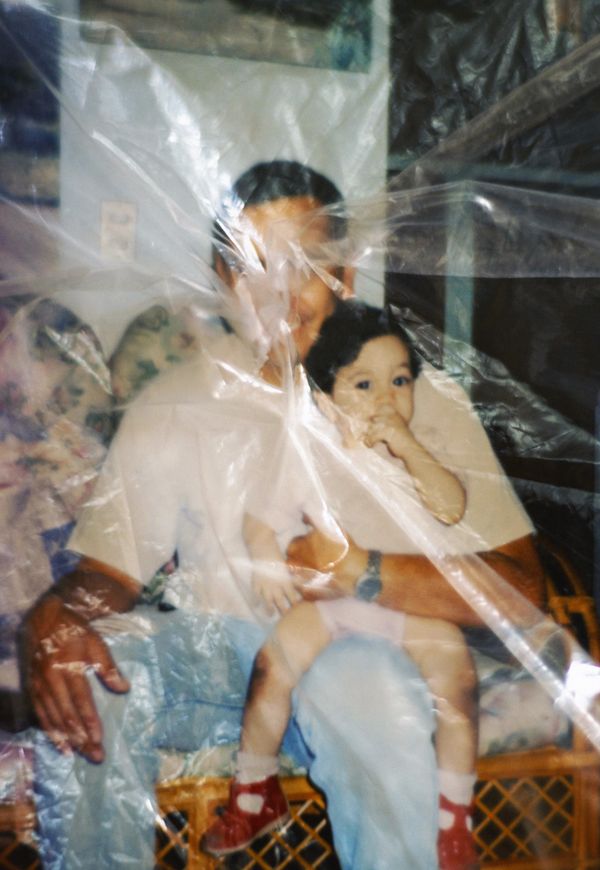
The last time I saw my dad, I was 13. He promised he would change, that he would call more, but he never did. I buried the pain and convinced myself it didn’t affect me. It was easy to pretend, especially when no one in my family talks about him. However, as I began visiting my grandparents, something started to ache. My father was present even in his absence: in objects, in silences, and in old photographs. One day, while going through an album, I saw a picture of him holding me as a baby. I stared at the image and thought, “How dare you.” How dare you hold me like that and then leave. He hugged me as a child, but never as an adult.
In Latin America, the figure of the absent father is a frequent, almost expected circumstance. Mexico has over 30% of children in single-parent households (INEGI, 2020), while in Colombia, nearly 40% of homes are headed by women (World Bank, 2023). In Venezuela, the number is likely higher due to the forced migration of nearly 7.9 million people (IOM, 2023). This absence is normalized, yet we rarely delve into how it shapes those who were abandoned.
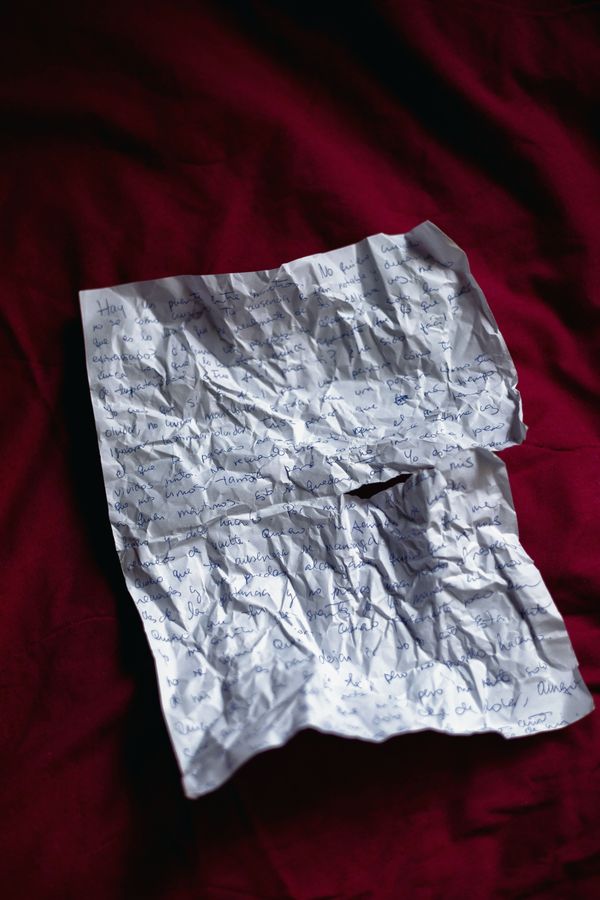
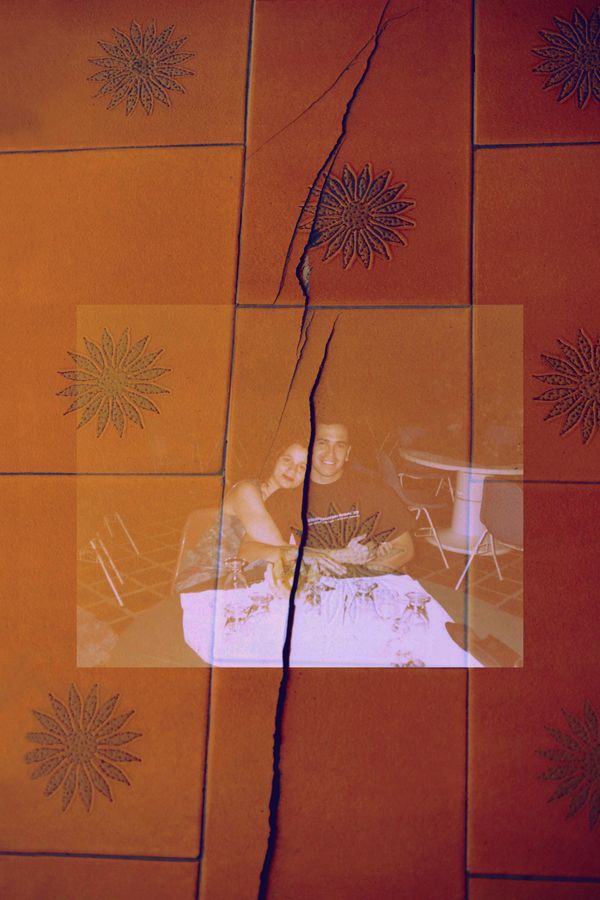
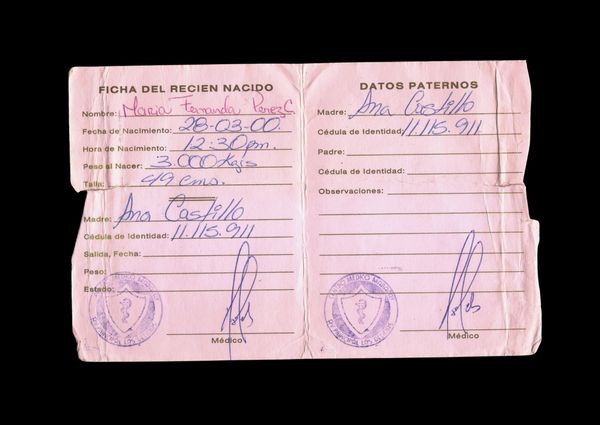
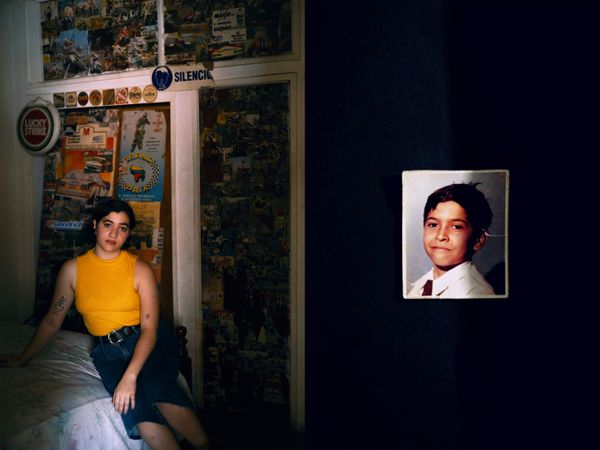
My practice combines the reconstruction of memory with the interplay between past and present through family archives, self-portraits, and the documentation of significant objects. Adopting an autoethnographic approach, I start from my personal history to explore a collective experience and name a common wound that has been silenced in both family and social discourses.
For years, I believed my father’s absence didn’t hurt. Photography, however, began to reveal what I had refused to recognize. The images I produced almost unconsciously evidenced a void that I had ignored for 25 years.
Elefante en la Habitación is not just a personal project, but a shared story. It invites others to reflect on the emotional inheritance of abandonment and how silence can shape entire lives.