Echoes of Extinction
-
Dates2018 - Ongoing
-
Author
- Location Sydney, Australia
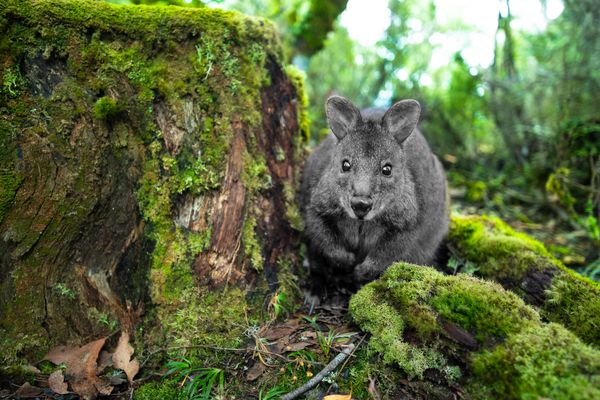
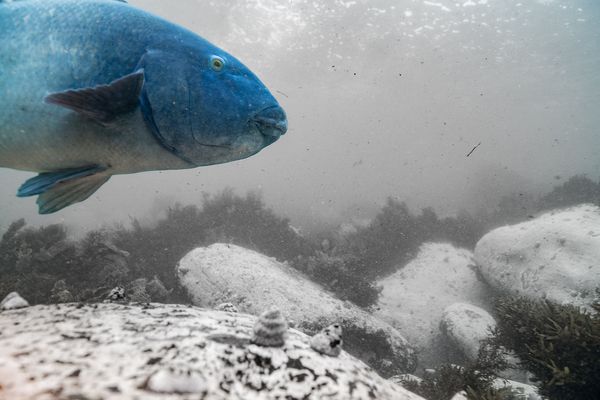
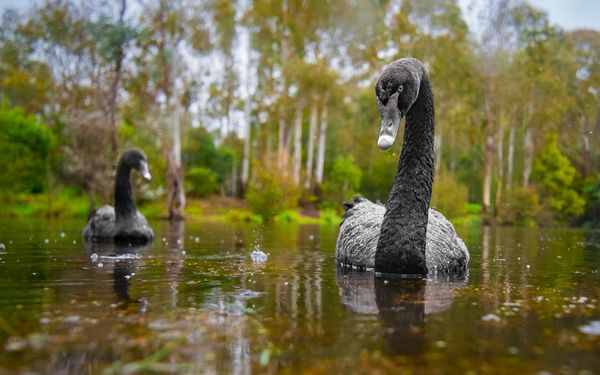
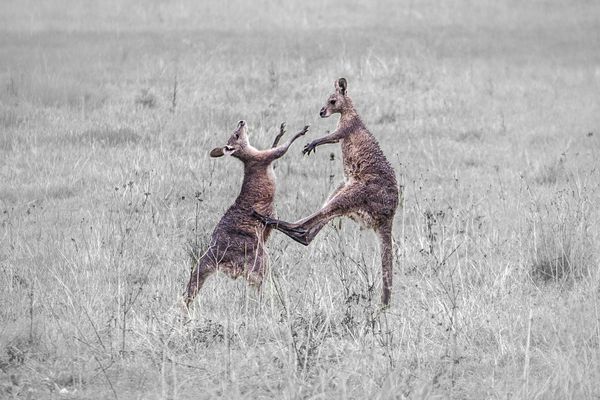
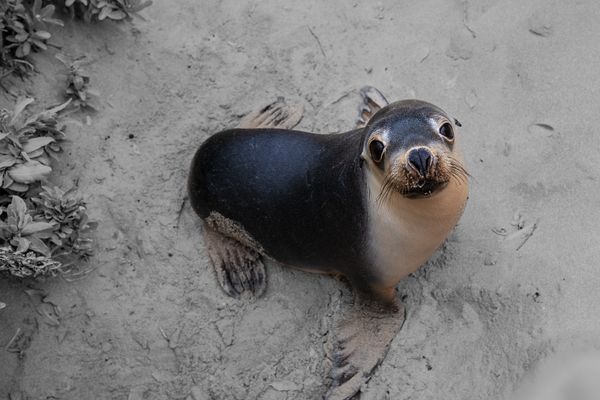
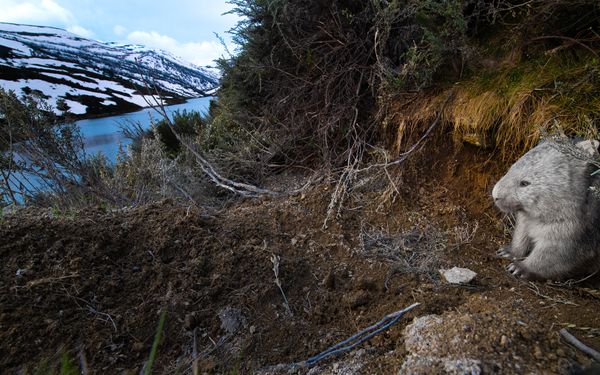
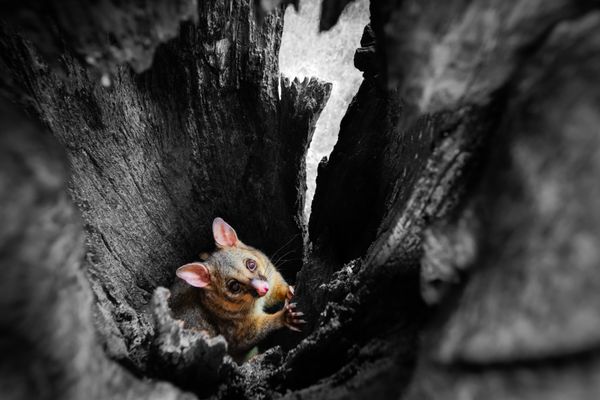
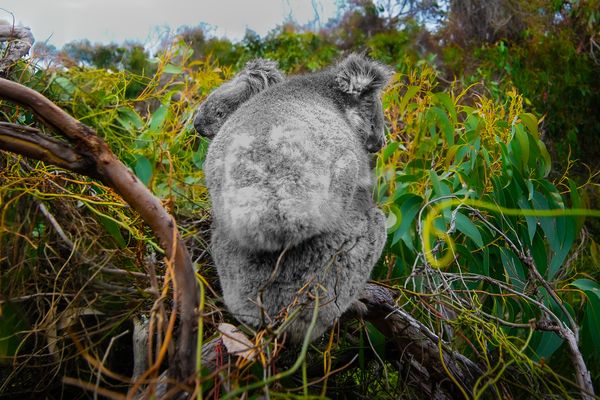
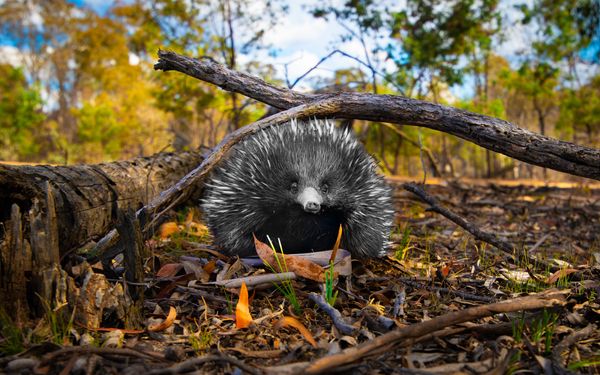
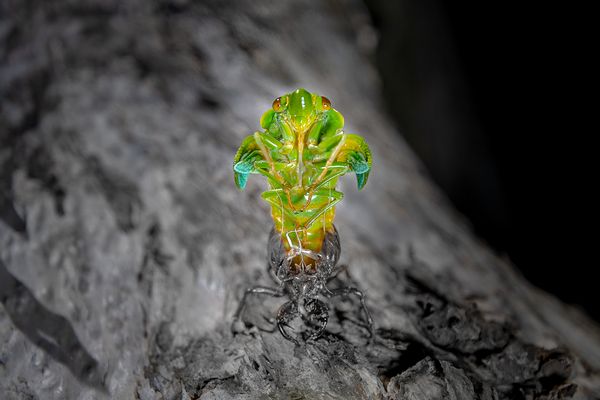
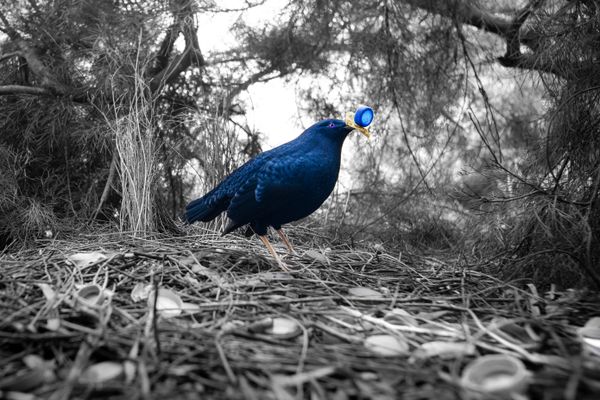
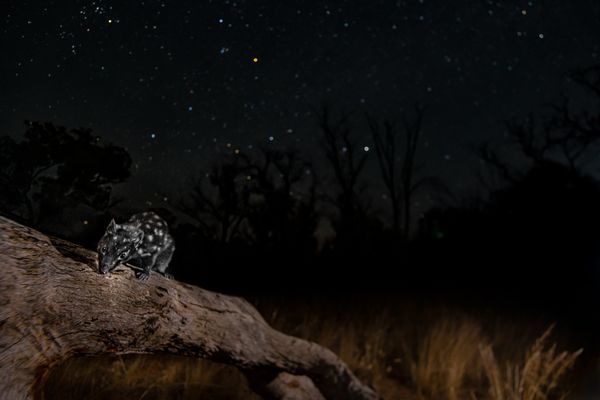
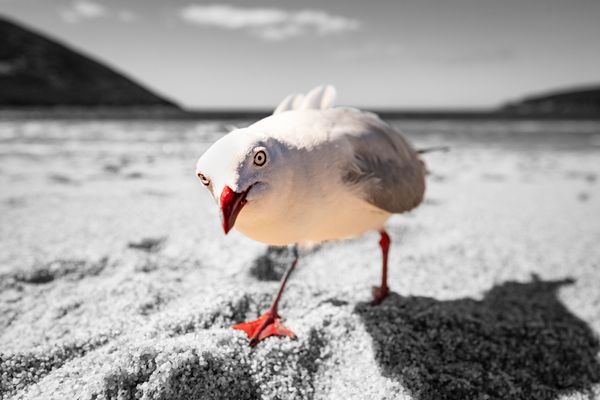
This series showcases native Australian wildlife and, by removing colour from the animals/habitats in the images, invites reflection on habitat loss, coexistence and the responsibility to protect the fragile ecosystems that remain.
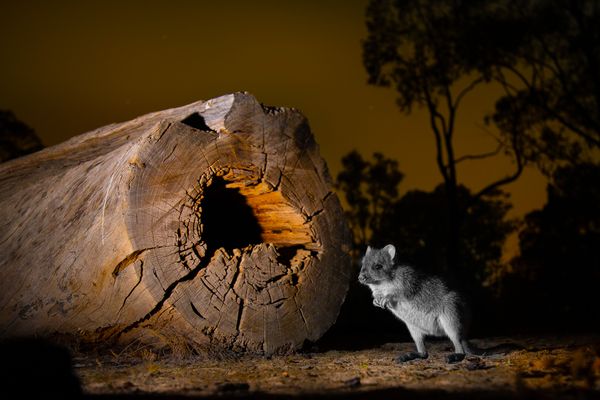
This body of work explores the fragile beauty of native Australian wildlife along the east coast of Australia, and the urgent need to protect and conserve these species and their habitats. Each image has been carefully composed to reflect both the presence and vulnerability of these animals. Colour has been deliberately removed — either from the subject or its surrounding environment — to evoke the silent disappearance of species and the gradual erosion of their ecosystems. When an animal fades into monochrome against a living backdrop, it suggests species slipping from visibility. When the habitat itself is drained of colour, the land feels diminished, empty, and at risk. This visual disruption mirrors the real threats of habitat destruction, urban expansion, bushfires, climate change, and species decline along Australia’s eastern coastline.
Throughout the project, ethical wildlife practices guided every decision. Distance was maintained, habitats were left undisturbed, and the wellbeing of each subject took precedence over any photograph. Natural light was used, with the exception of the nocturnal shots, preserving the authentic atmosphere of each location and letting the environment itself shape the visual narrative. To capture intimate moments that might otherwise go unseen, the series combined handheld photography with strategically placed camera traps. Handheld cameras allowed for responsive, personal encounters with wildlife, while camera traps revealed private, nocturnal, or elusive behaviours, giving a fuller portrait of life in these ecosystems.
This series transforms familiar wildlife portraits into reflections on loss. The absence of colour becomes symbolic: a warning of irreversible disappearance. The images invite viewers to consider not only what exists today, but what may soon be lost, hopefully prompting reflection on our individual and collective responsibilities to protect what remains.