Echoes of Extinction
This series showcases native Australian wildlife and, by removing colour from the animals/habitats in the images, invites reflection on habitat loss, coexistence and the responsibility to protect the fragile ecosystems that remain.

This body of work explores the fragile beauty of native Australian wildlife along the east coast of Australia, and the urgent need to protect and conserve these species and their habitats. Each image has been carefully composed to reflect both the presence and vulnerability of these animals. Colour has been deliberately removed — either from the subject or its surrounding environment — to evoke the silent disappearance of species and the gradual erosion of their ecosystems. When an animal fades into monochrome against a living backdrop, it suggests species slipping from visibility. When the habitat itself is drained of colour, the land feels diminished, empty, and at risk. This visual disruption mirrors the real threats of habitat destruction, urban expansion, bushfires, climate change, and species decline along Australia’s eastern coastline.

Throughout the project, ethical wildlife practices guided every decision. Distance was maintained, habitats were left undisturbed, and the wellbeing of each subject took precedence over any photograph. Natural light was used, with the exception of the nocturnal shots, preserving the authentic atmosphere of each location and letting the environment itself shape the visual narrative. To capture intimate moments that might otherwise go unseen, the series combined handheld photography with strategically placed camera traps. Handheld cameras allowed for responsive, personal encounters with wildlife, while camera traps revealed private, nocturnal, or elusive behaviours, giving a fuller portrait of life in these ecosystems.

This series transforms familiar wildlife portraits into reflections on loss. The absence of colour becomes symbolic: a warning of irreversible disappearance. The images invite viewers to consider not only what exists today, but what may soon be lost, hopefully prompting reflection on our individual and collective responsibilities to protect what remains.

© Matthew Theophile - Image from the Echoes of Extinction photography project
i

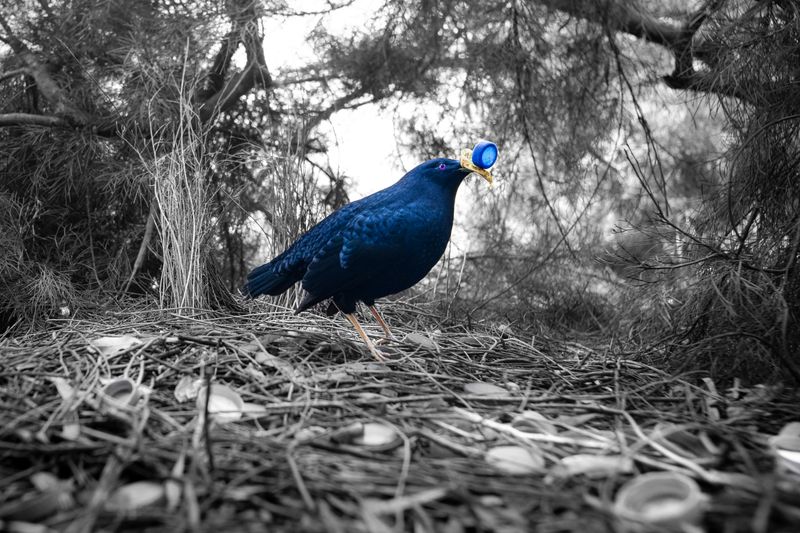
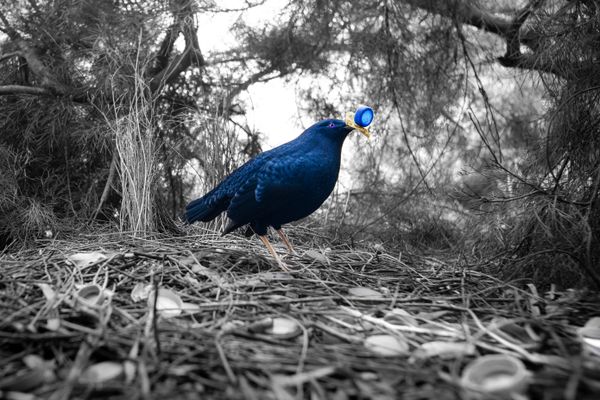
A male Satin Bowerbird standing outside his bower, holding a plastic bottle cap in his mouth while other caps he has collected lay scattered around. Prior to human encroachment, his bower would be decorated by native flowers, berries feathers and snail shells.

© Matthew Theophile - Image from the Echoes of Extinction photography project
i

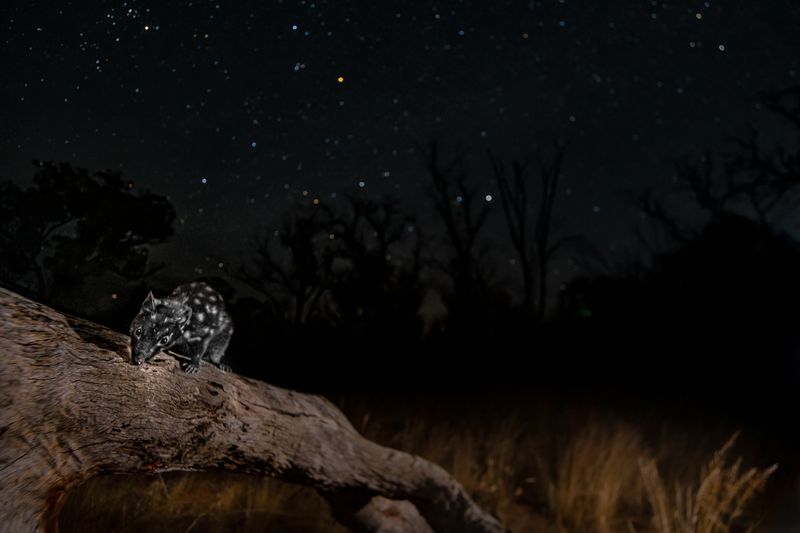
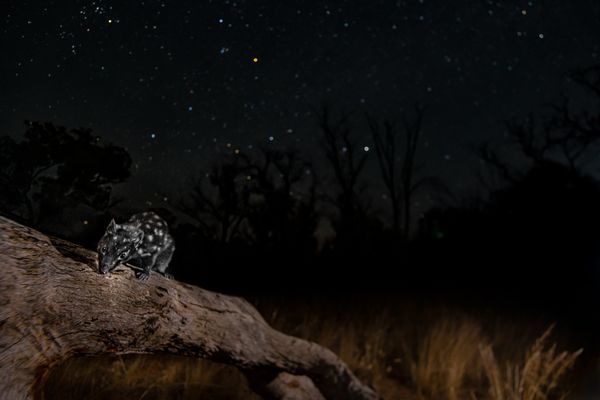
The Eastern Quoll is declining as introduced predators like foxes and feral cats prey on them and compete for food. Habitat loss and these invasive species put these endangered marsupials at serious risk.

© Matthew Theophile - Image from the Echoes of Extinction photography project
i

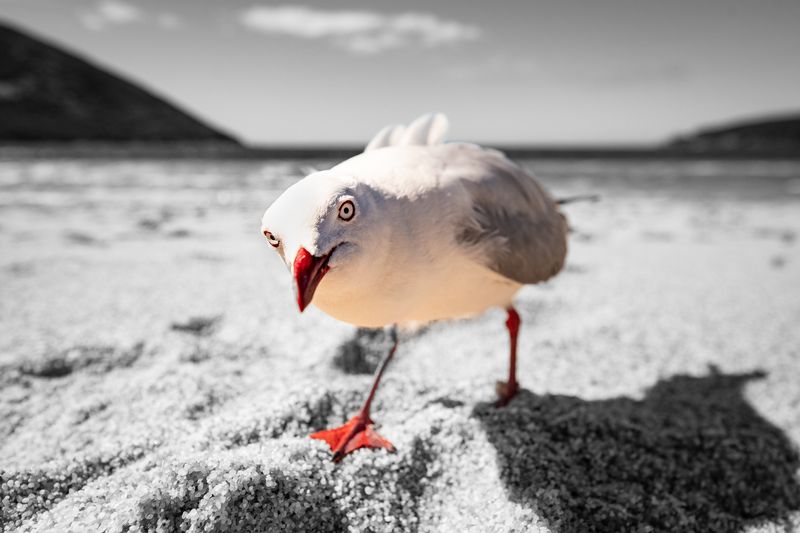
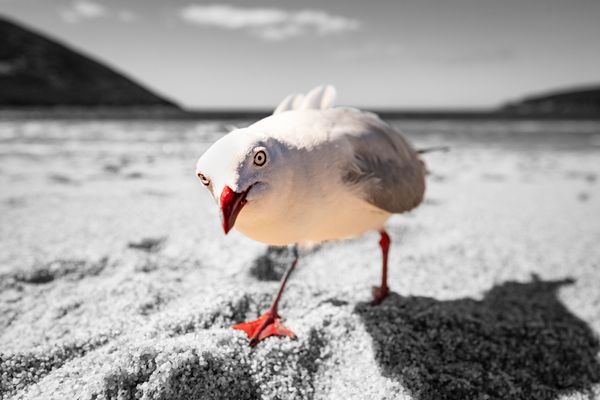
Coastal erosion is steadily shrinking beaches and nesting sites, putting native Australian seabirds at risk. As shorelines disappear, species lose safe places to breed, feed, and rest, threatening their survival along the coast.

© Matthew Theophile - Image from the Echoes of Extinction photography project
i

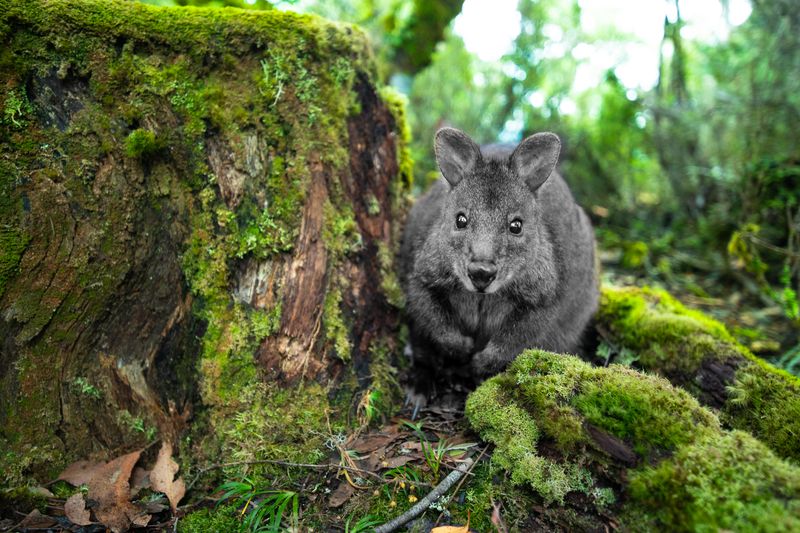
The forests of Tasmania are steadily disappearing, stripped by logging, land clearing, and climate pressures. These ancient landscapes are vital habitat for native species like the Tasmanian Pademelon, who rely on dense undergrowth for shelter and survival.

© Matthew Theophile - Image from the Echoes of Extinction photography project
i

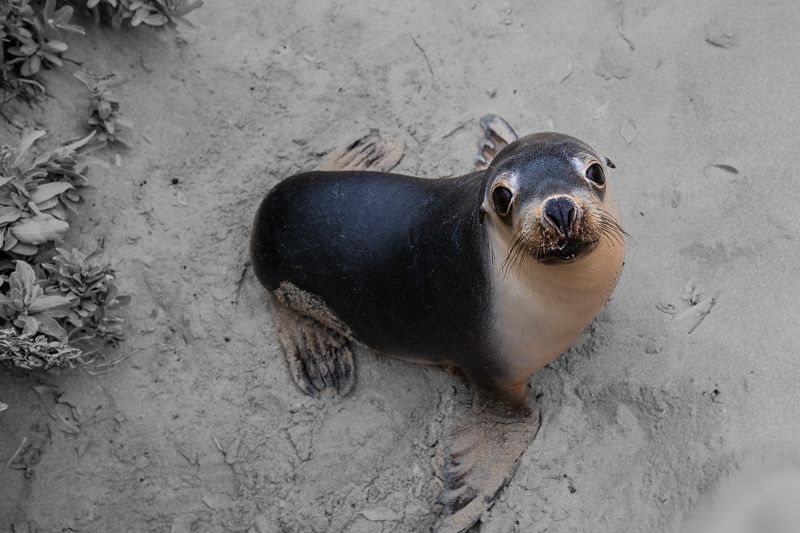
Overfishing across our oceans is placing growing pressure on marine ecosystems, reducing vital food sources for species like the Australian Sea Lion. As fish stocks decline, these endangered animals face increased competition, starvation, and an uncertain future.

© Matthew Theophile - Image from the Echoes of Extinction photography project
i

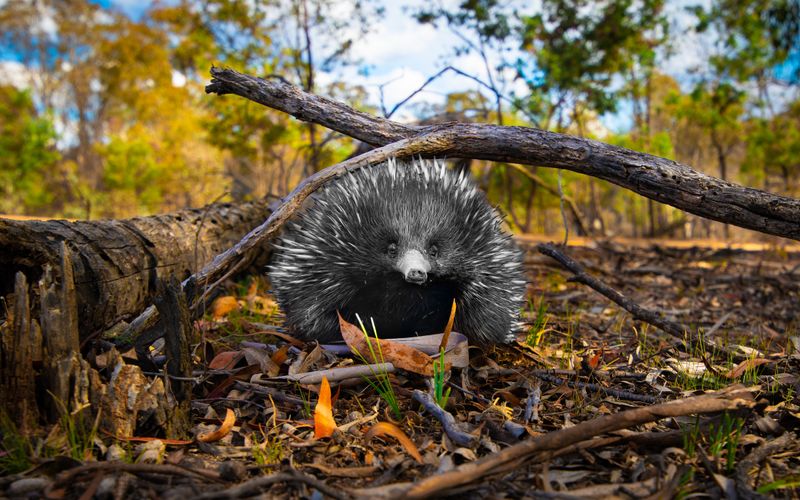
The Short-beaked Echidna faces growing threats from habitat clearing, road strikes, bushfires, and attacks by feral predators. As landscapes fragment and climates shift, this ancient species becomes increasingly vulnerable in environments it once thrived in.

© Matthew Theophile - Image from the Echoes of Extinction photography project
i

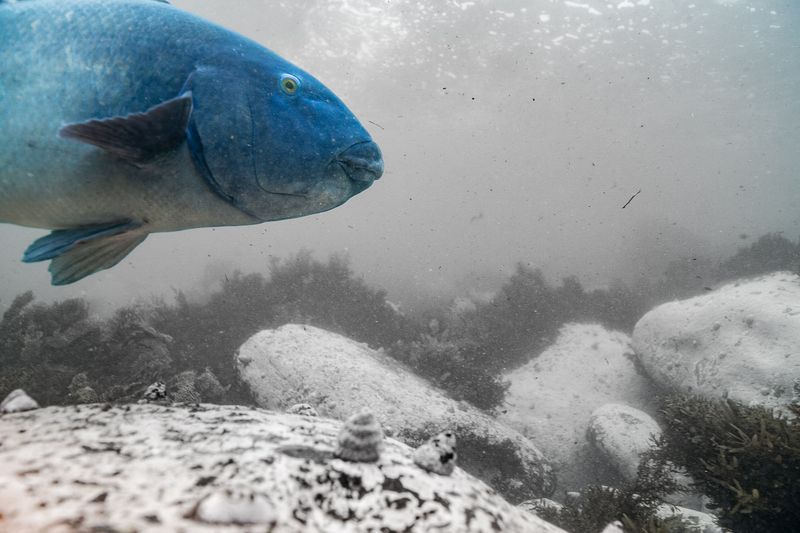
Rising ocean temperatures, acidification, and shifting currents from climate change are disrupting marine ecosystems, threatening species like the Blue Grouper. These changes reduce food availability, damage habitats, and put marine life under increasing stress.

© Matthew Theophile - Image from the Echoes of Extinction photography project
i

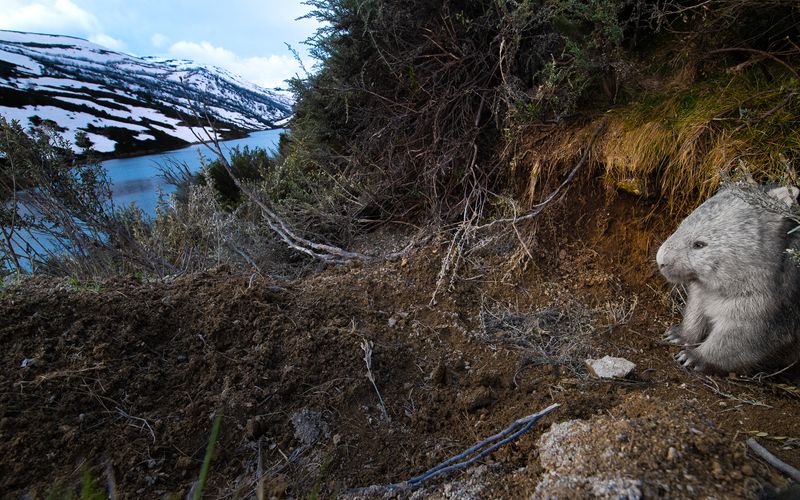
Rising temperatures and changing snow patterns are reshaping Australia’s alpine ecosystems, putting species like wombats under pressure. Reduced habitat, food scarcity, and harsher conditions threaten their survival in these fragile environments.

© Matthew Theophile - Image from the Echoes of Extinction photography project
i

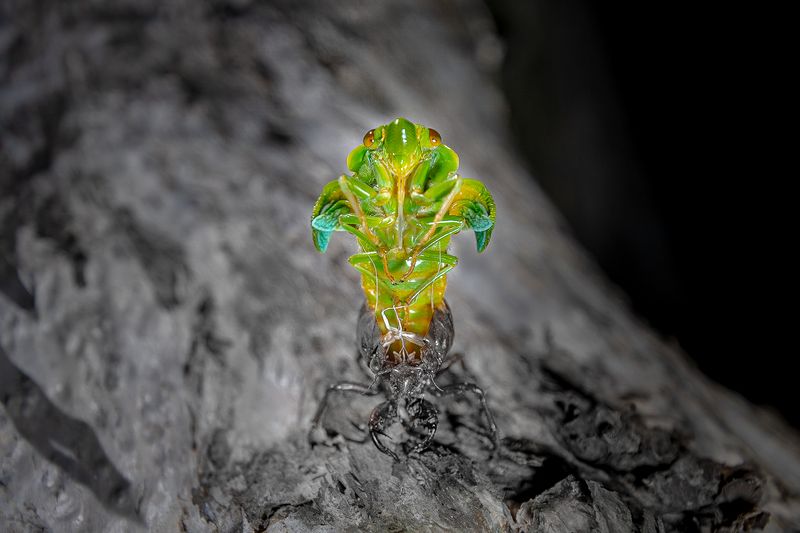
Habitat fragmentation breaks continuous landscapes into isolated patches, making it harder for species like the Greengrocer Cicada to feed, breed, and thrive. This isolation increases vulnerability and threatens their survival.

© Matthew Theophile - Image from the Echoes of Extinction photography project
i

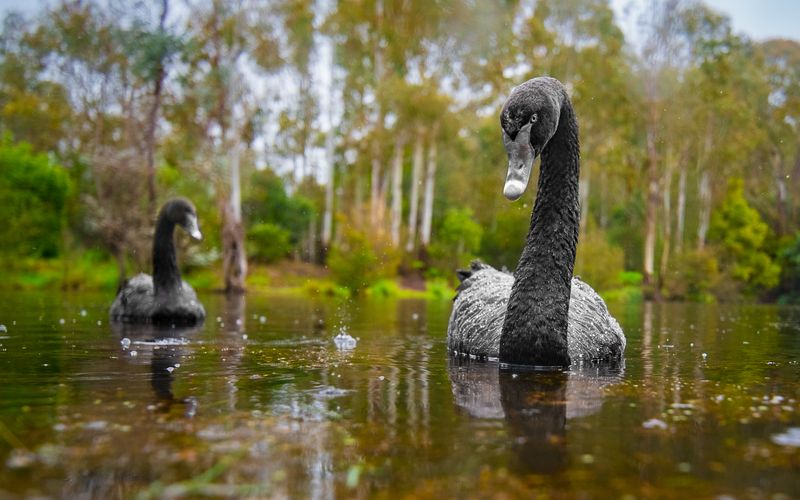
Pollution from chemicals, plastics, and runoff is degrading Australia’s waterways, harming species like the Black Swan. Contaminated water reduces food quality, damages health, and threatens the survival of these iconic waterbirds.

© Matthew Theophile - Image from the Echoes of Extinction photography project
i

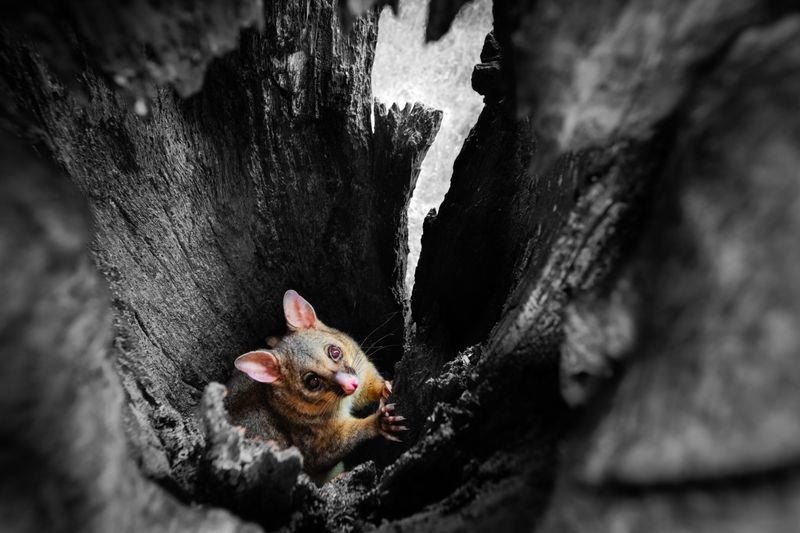
Logging old-growth trees removes the natural hollows that take decades to form, destroying critical shelter for native wildlife. Species such as the possums rely on these tree cavities for nesting and protection — once lost, they cannot be quickly replaced.

© Matthew Theophile - Image from the Echoes of Extinction photography project
i

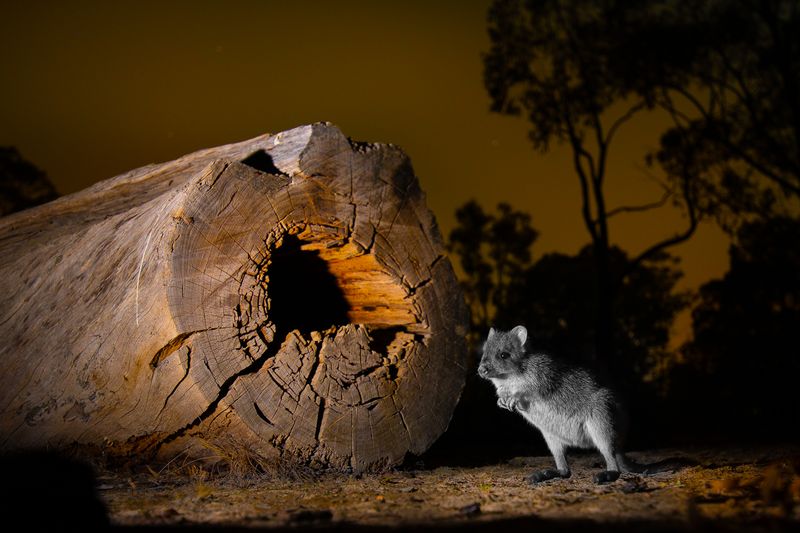
The Eastern Bettong faces threats from habitat loss, predation by feral cats and foxes, and environmental changes. These pressures mean that this marsupial is now extinct on the mainland.

© Matthew Theophile - Image from the Echoes of Extinction photography project
i

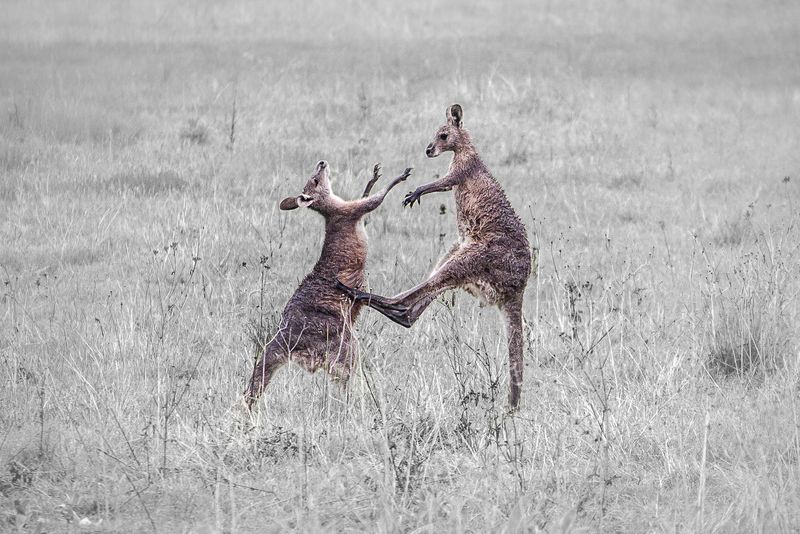
Increased vehicle collisions and worsening droughts are major threats to native wildlife. For species like the Eastern Grey Kangaroo, roads fragment habitats and water scarcity stresses populations, putting their survival at risk.

© Matthew Theophile - Image from the Echoes of Extinction photography project
i

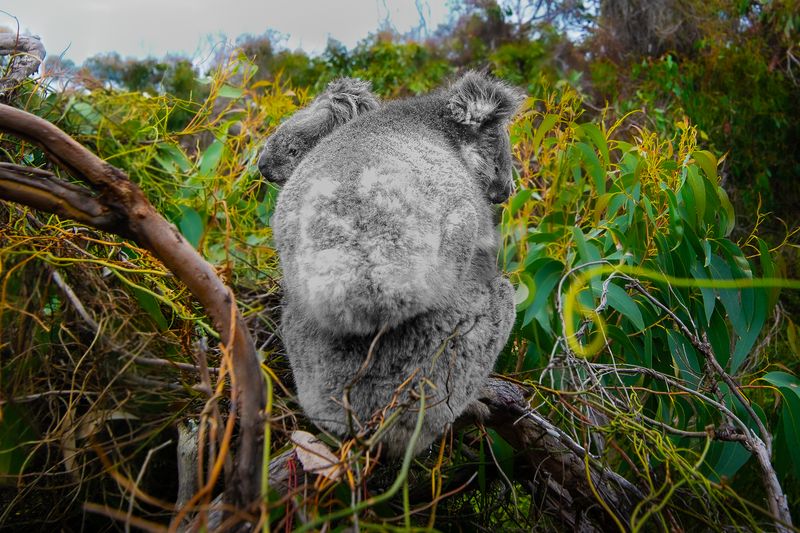
Climate change is intensifying droughts and extreme bushfires across Australia, destroying vital eucalyptus forests and fragmenting habitat. For the Koala, these escalating fires mean loss of food, shelter, and life — pushing already vulnerable populations closer to extinction.

Echoes of Extinction by Matthew Theophile

Prev Next Close