Dust From Home, 2024
-
Dates2024 - Ongoing
-
Author
- Locations Brazil, Syria, Lebanon
Dust from Home is a journey of time, land and family. Starting in Brasil and ending in Syria, it illustrates the immigrational journey my great grandparents did 100 years ago. Once they left their village, neither them or anyone came back, until now.
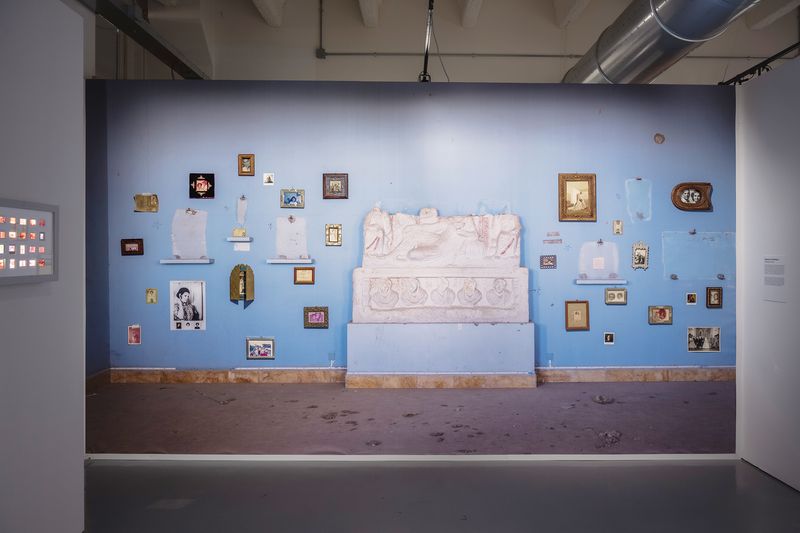
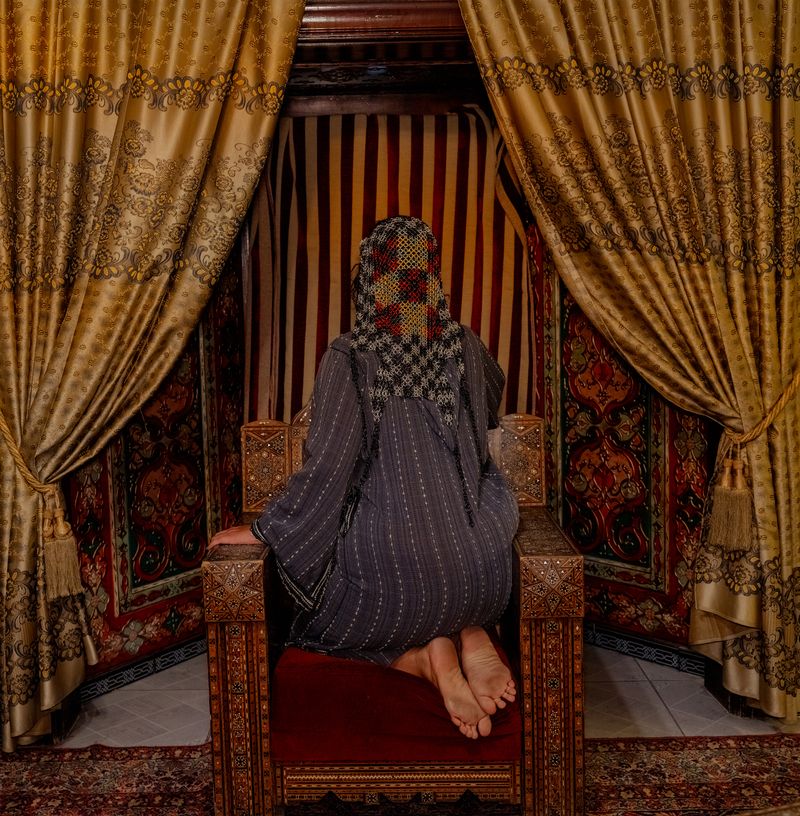
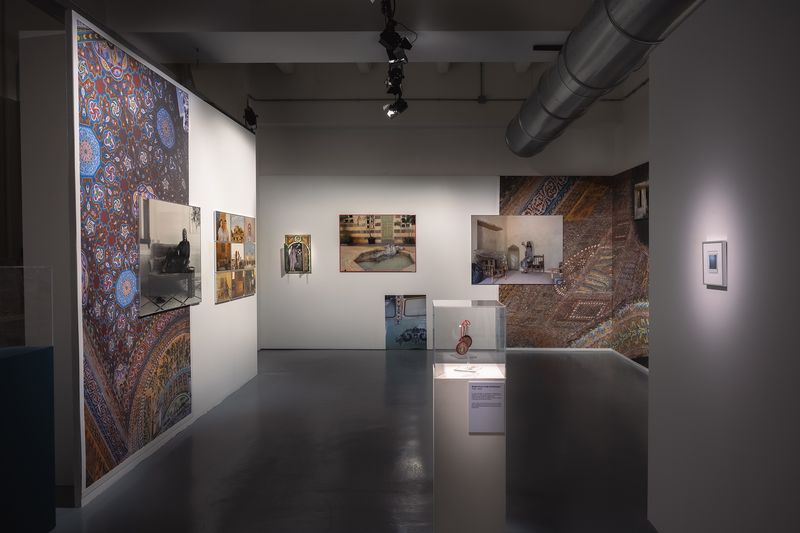
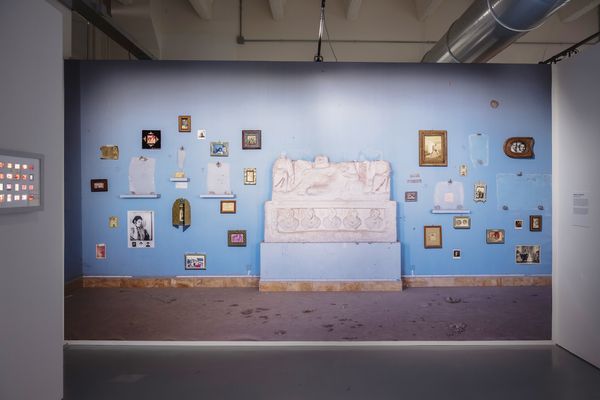
Through the intricate streets of my story, Dust from Home is a journey through time, land, and family. Starting from the family archive, the series is an imagistic representation of one’s search to reclaim what has been lost, stolen, broken, taken, and destroyed. The journey, which began in Brazil and ended in Syria, is the reverse immigration journey my great-grandparents Nayef and Maria took 100 years ago. Once they left their village, Sednayah, they could never afford to return and died holding onto this dream. Neither their kids nor any of their descendants had ever gone back, until now.
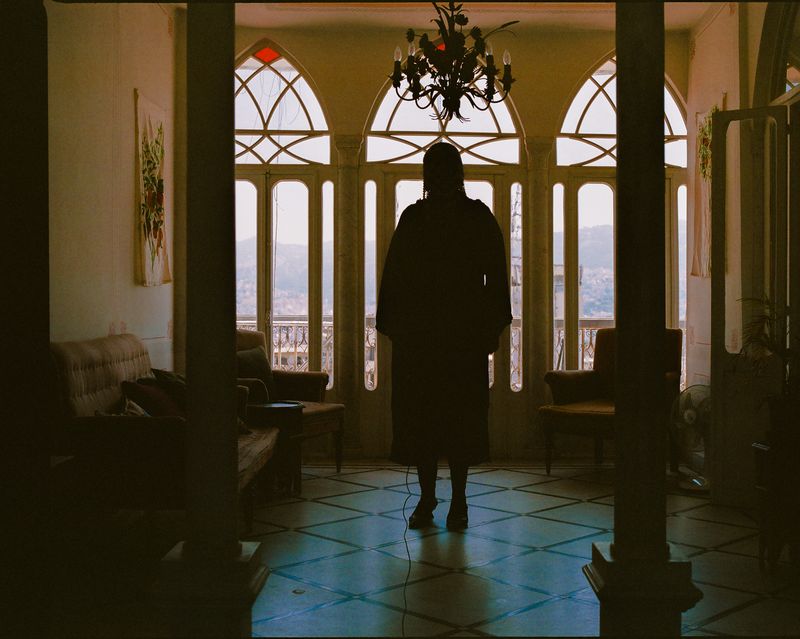
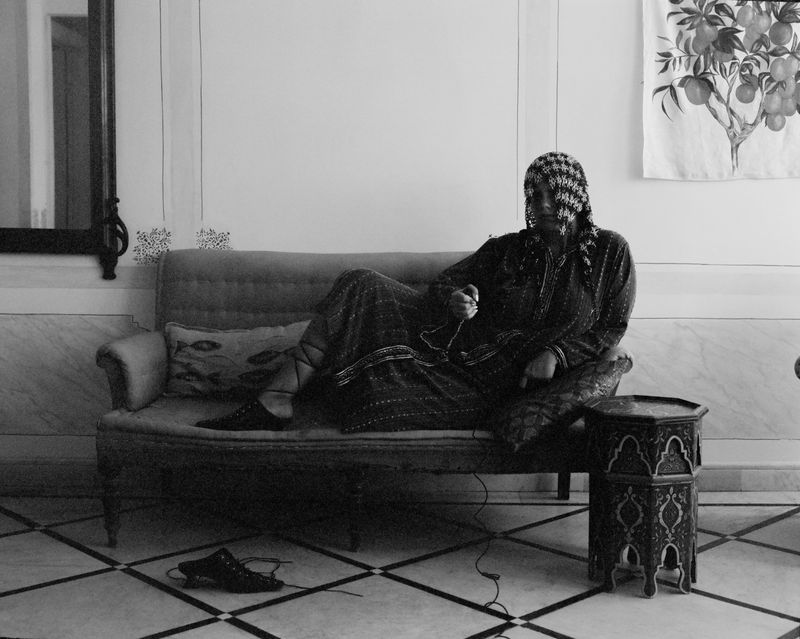
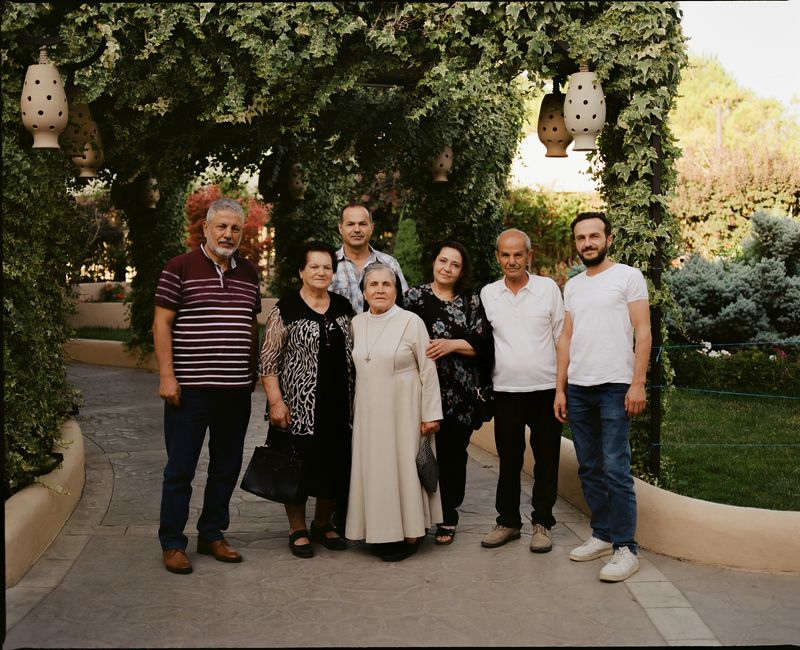
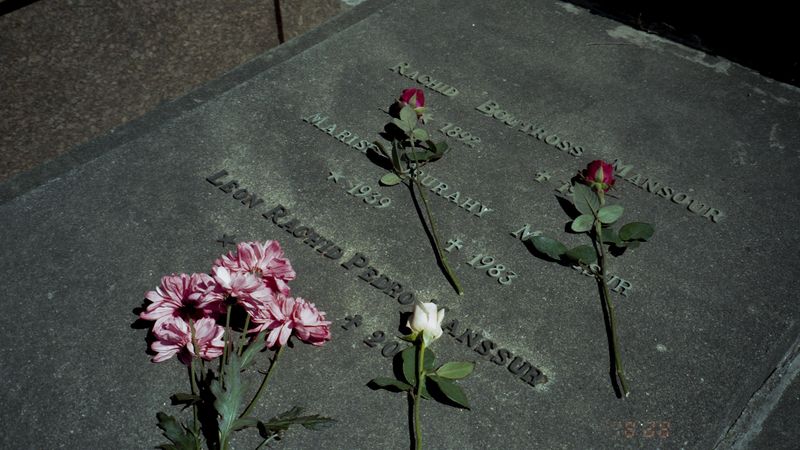
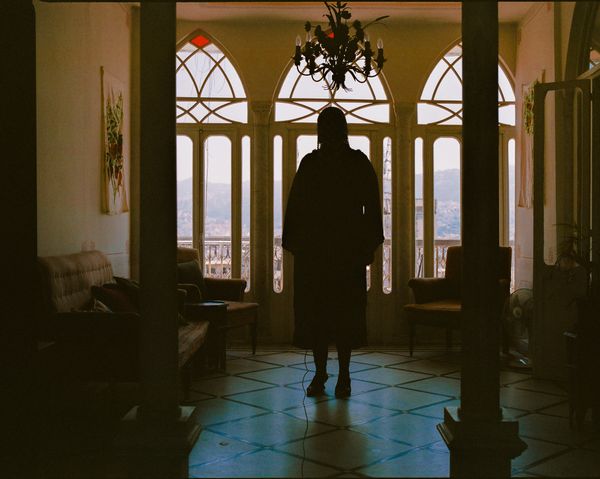
The death of my grandmother Luci, their daughter, occurred ten years ago and became the catalyst for the crumbling of my family, as what was left was deep sorrow and separation. Her kids, my father and uncle, haven’t spoken since. I haven’t seen the rest of the family since her funeral. Everything changed on March 9, 2024, when we reconnected because of this project. Upon my request, the family gathered to pose for my camera and to rejoice and reconnect by sharing our favorite Syrian dishes and playing backgammon. The one moment I was alone during the day, I felt my grandma's spirit smiling at me.
The Brazilian branch of the family lost contact with the Syrian side around twenty years ago. Considering the Syrian Civil War and the massive displacement of refugees around the world, they all believed we wouldn’t have anyone left there to tell stories.
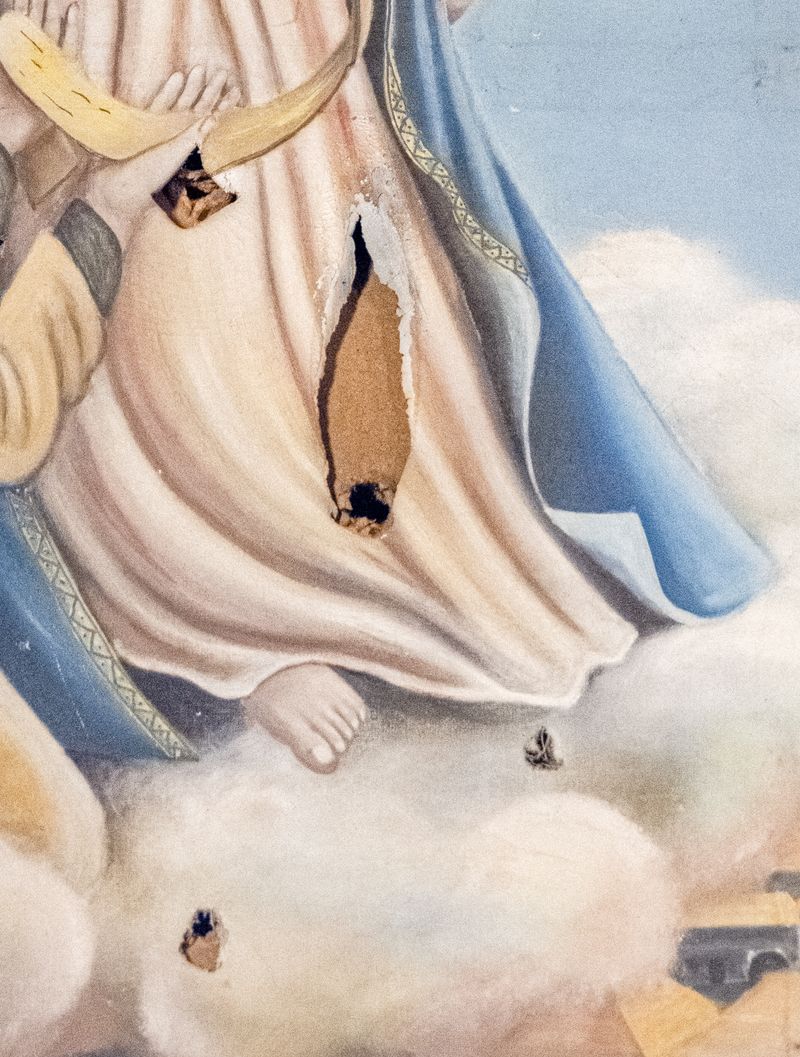
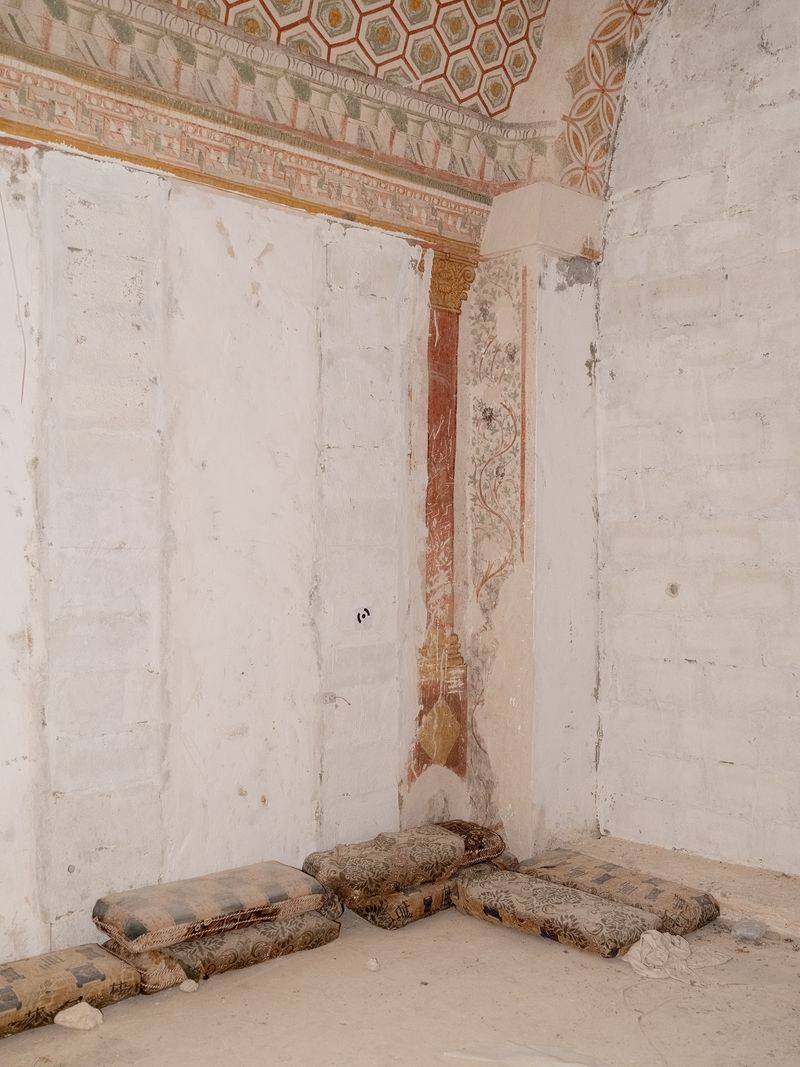
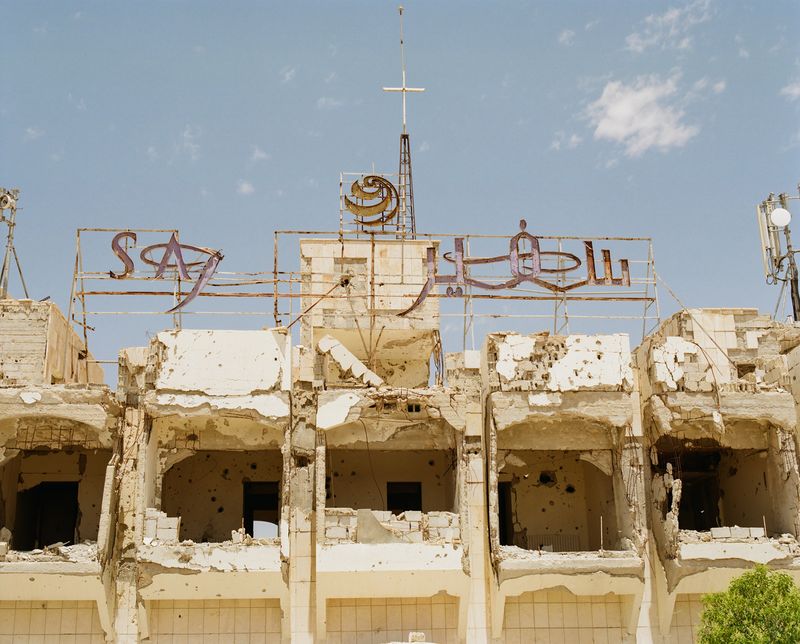
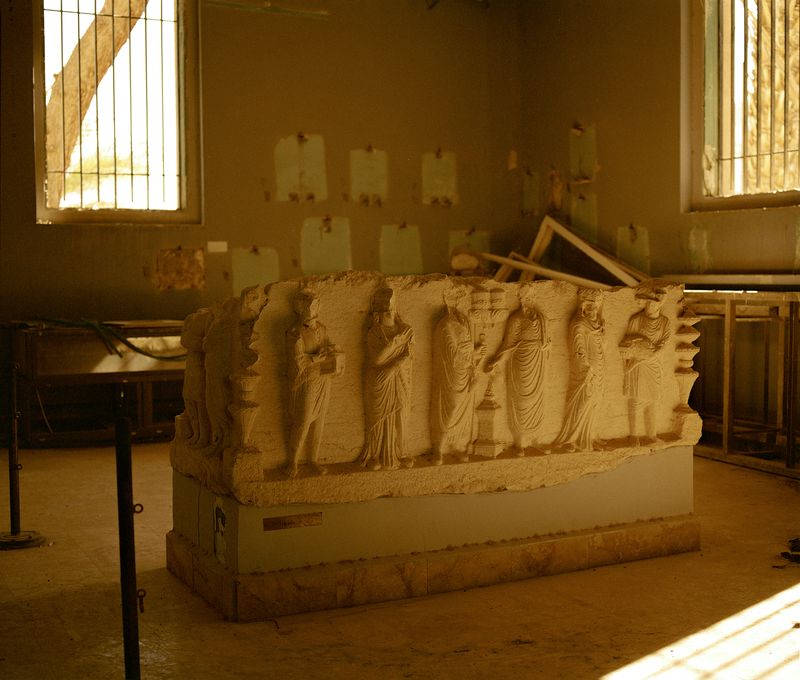
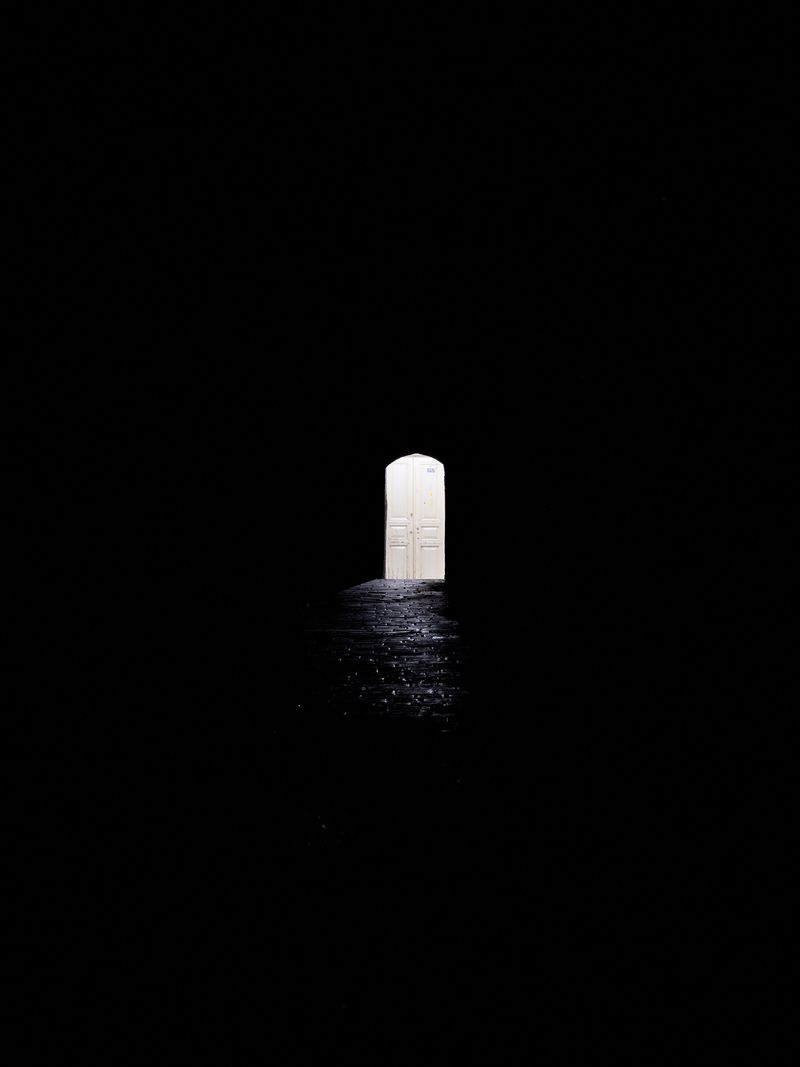
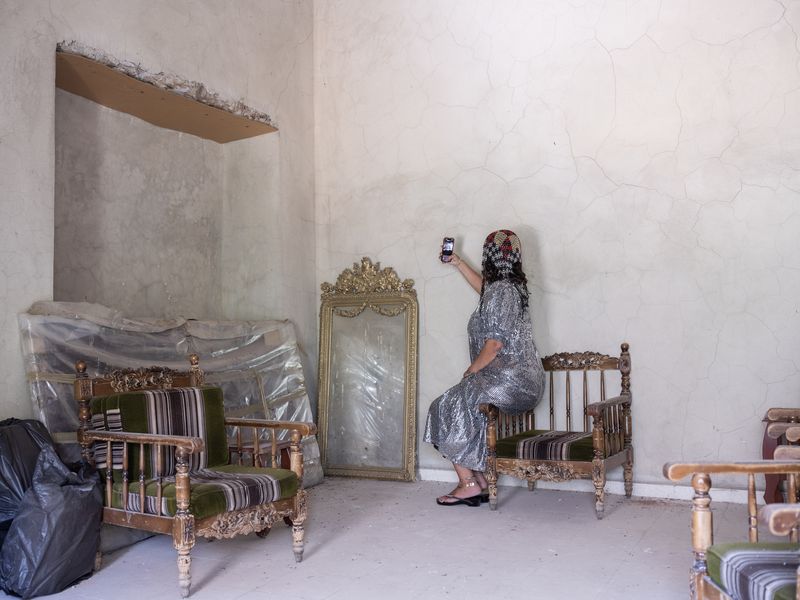
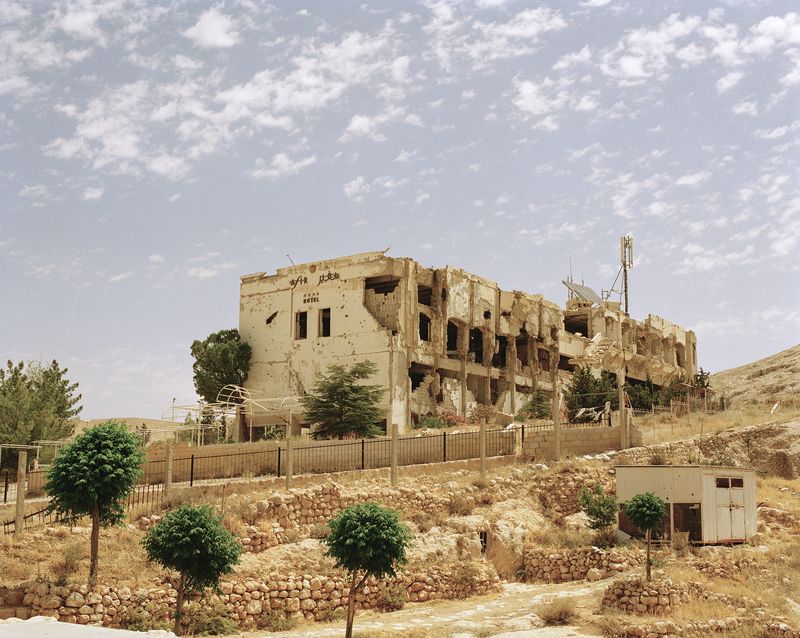
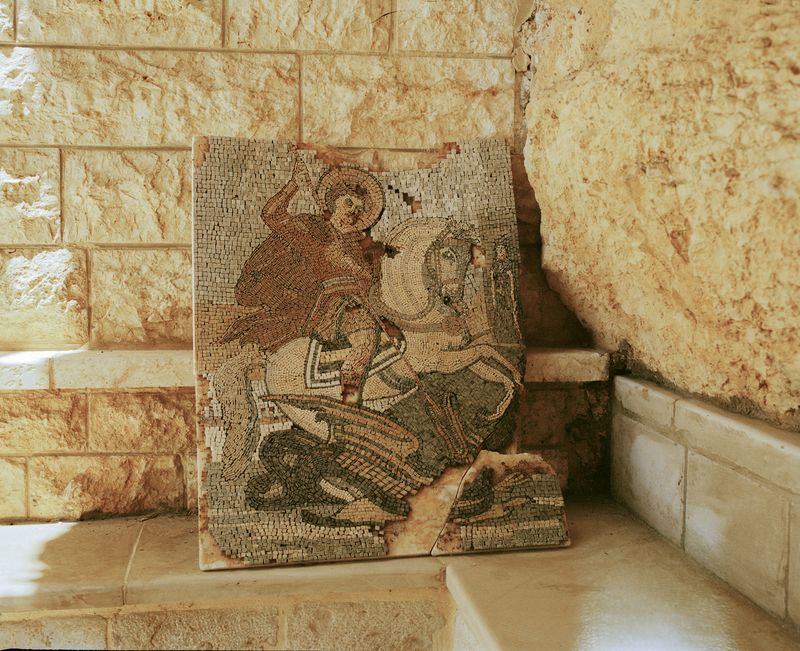
My first two weeks in Syria were marked by a road trip around the country. I was privileged to see parts of the country many never will, from the southern ruins of Busra to the ones in the north near Palmyra. What started as a very personal journey transformed into an immersive experience and a broader understanding of Syrian identity and cultural heritage, which has suffered systematic attempts at erasure during the war. As I was searching through the ruins of my family and our story, I was faced with the ruins of a country trying to rebuild itself in the aftermath of a devastating and traumatic conflict that had civilians and culture on the front line of death. Syria showed me the extremes of human capability: creating breathtaking beauty and destruction simultaneously.
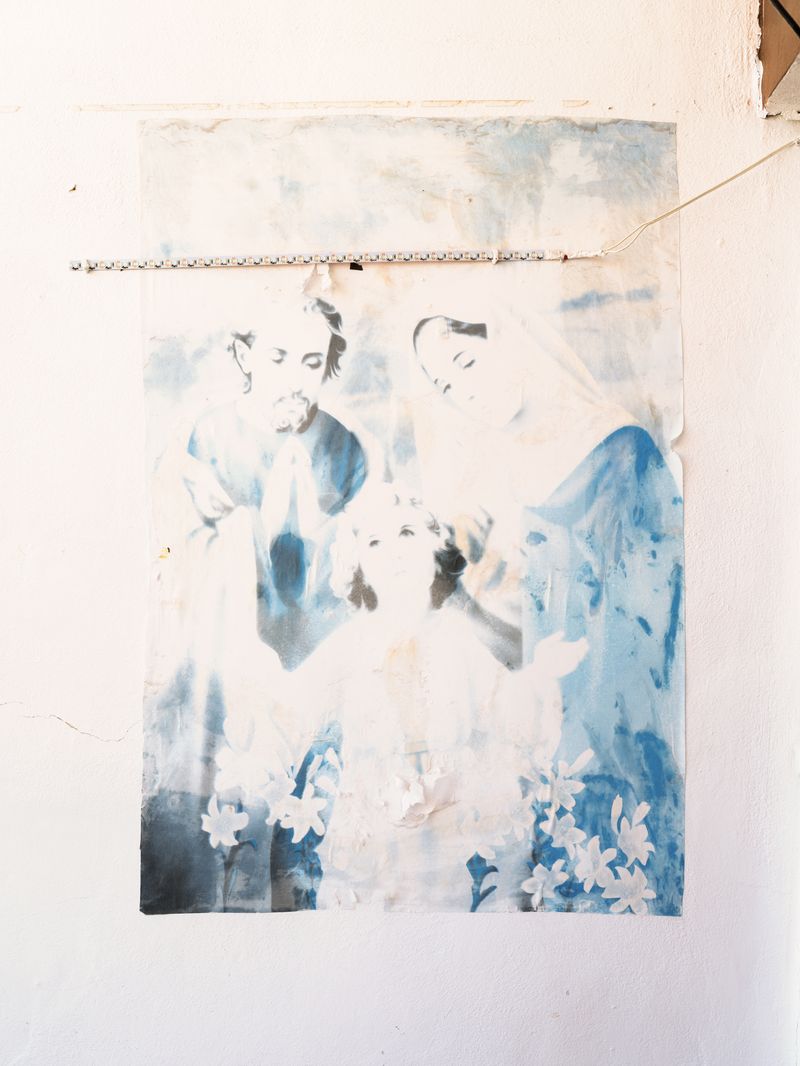
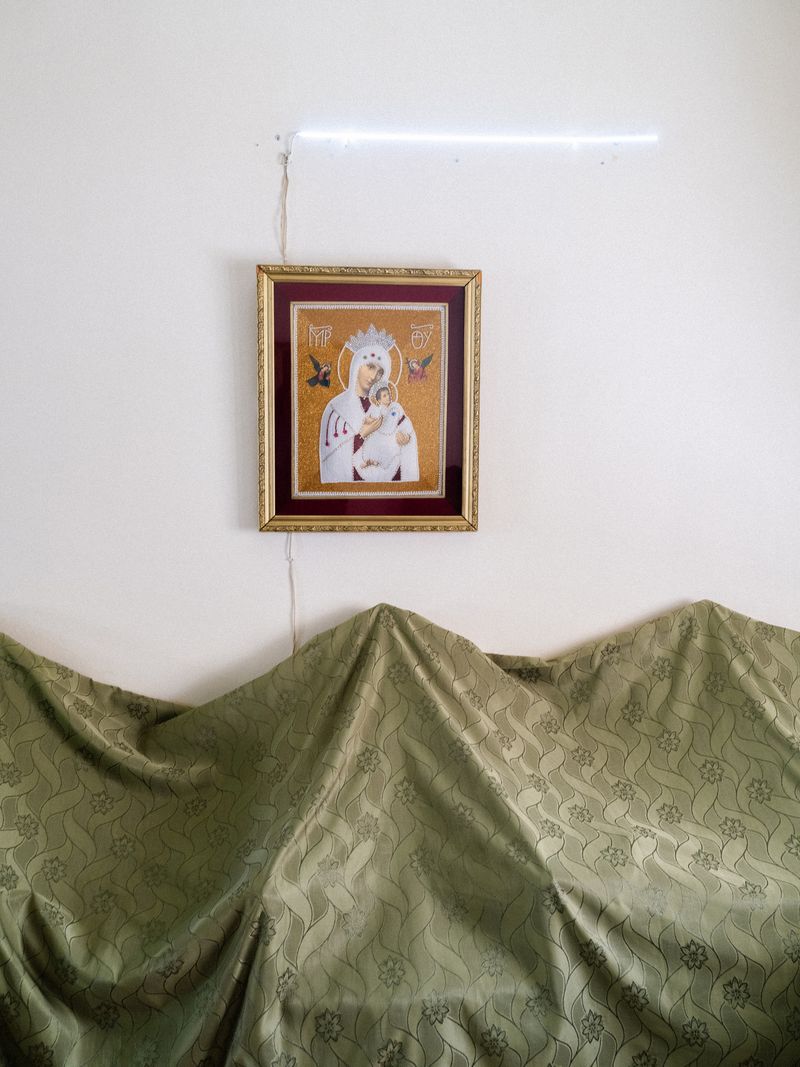
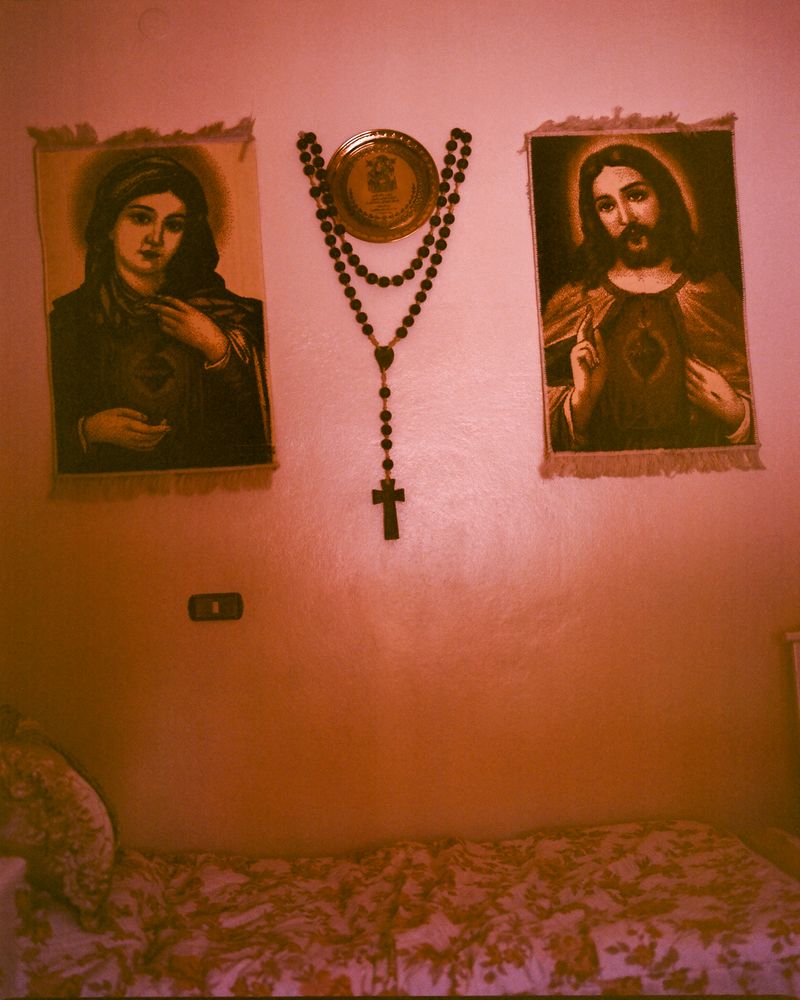
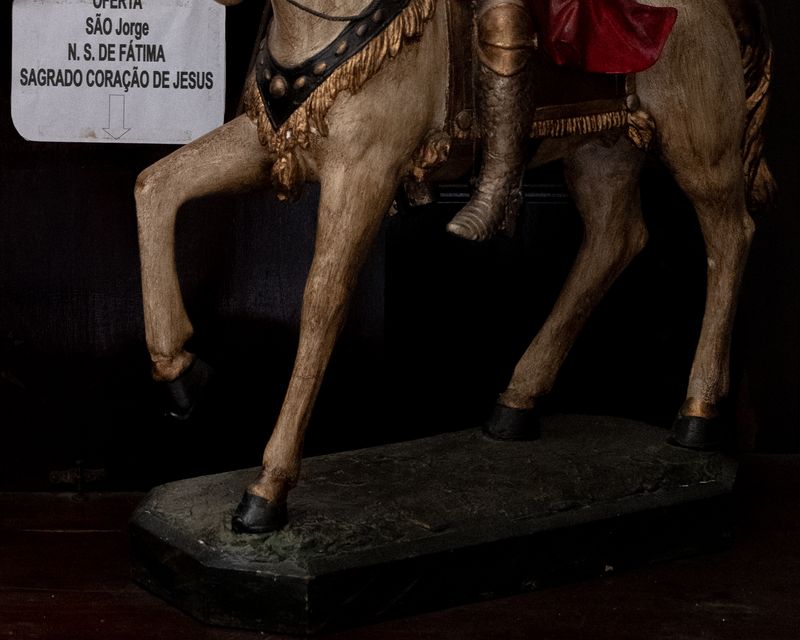
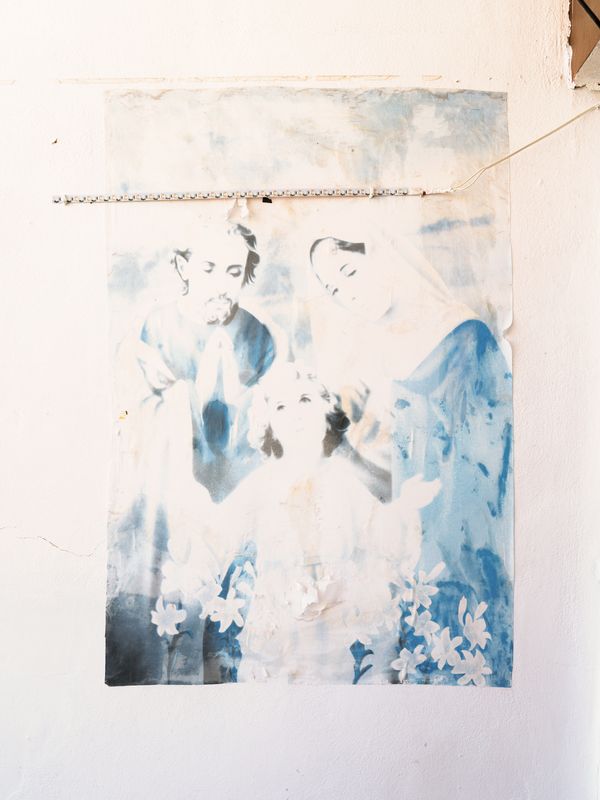
One of the few objects left from my great-grandparents is a medal they brought with them on the ship from the church. This was one of the few leads I had in my search for living relatives, besides our names. Upon arriving in Sednayah, I felt the embrace of their spirit, each holding my hand. A great-granddaughter they never met, returned home for them. I was searching for clues about our family and a new medal from the church, as I was told the year before by a friend that they still make the same. After finding one in the monastery, I was told by the head nun to try the Catholic church across the street.
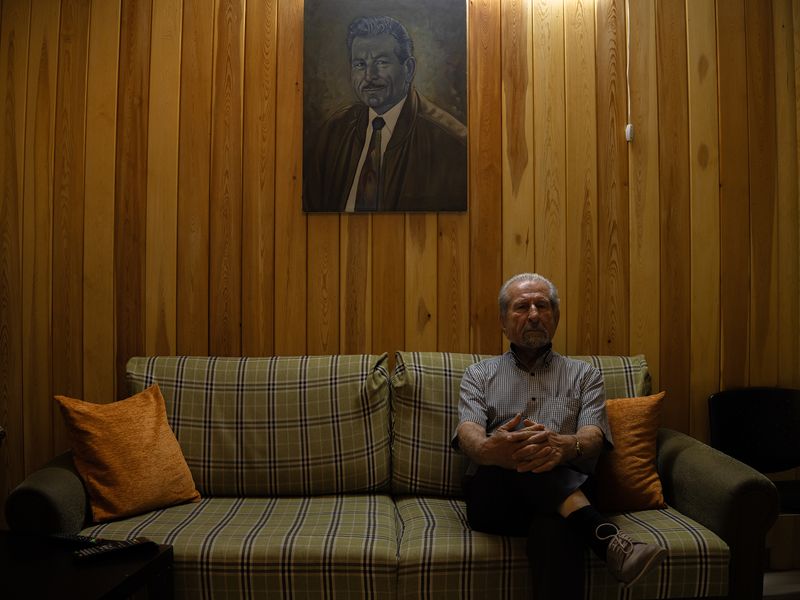
After meeting the priest, who warmly welcomed me to my country and celebrated my journey, I was informed I indeed still had family in town. As I looked around the room, phone calls were being made, and in less than an hour, I was sitting with my family drinking tea and eating biscuits. Relatives left work mid-shift, and my nun cousin left her monastery immediately to meet this familiar stranger who came from very far away in their search. We had never seen each other before, but we looked so much alike. What happened next is history, as I spent weeks with them, recognizing myself and my relatives in Brazil in their gaze, the sparkle in their eyes, and the loving embrace. What started as a search for family became also the discovery of identity.