Dust and Dominion

Rodeos celebrate rural pride and tradition, but animals often suffer stress, injury, and even death. This series questions the ethics of animal entertainment and what it reveals about our values and relationship with the natural world.

In an era where tradition and long-held rural values are often seen as under threat, rodeos remain a stronghold of rural identity—bringing communities together to celebrate the grit, skill, and spectacle of stockmanship. For many, these events are a source of pride and adrenaline. But at the heart of the performance are animals whose experience is far removed from that of their human counterparts.

Cattle and horses used in rodeos more than often display clear signs of emotional distress. Injuries are common, and in more severe cases, animals can be seriously harmed or killed. Marketed as a contest between man and beast, the rodeo raises an uncomfortable question: how fair is the competition when animals are subjected entirely to human control? Most of these animals are born into a life of captivity, destined for a predetermined end. Is it not enough that they live short, utilitarian lives—must they also be made to entertain us?

As we face an era of ecological crisis, perhaps it’s time to question the cultural impulse to dominate other species for amusement. Our treatment of animals is not an isolated moral issue; it reflects broader attitudes about power, control, and our relationship with the natural world. When we normalize the exploitation of animals for entertainment, it becomes easier to justify harm elsewhere—against the environment, and even against one another.

This series challenges viewers to reconsider the ethics of animal-based entertainment, to reflect on its true cost, and to examine how our perceptions of animals mirror deeper societal values.
© Karoliina Kase - Image from the Dust and Dominion photography project
i

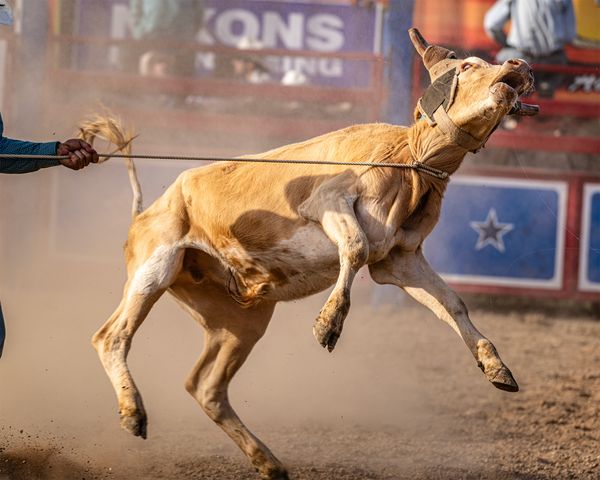
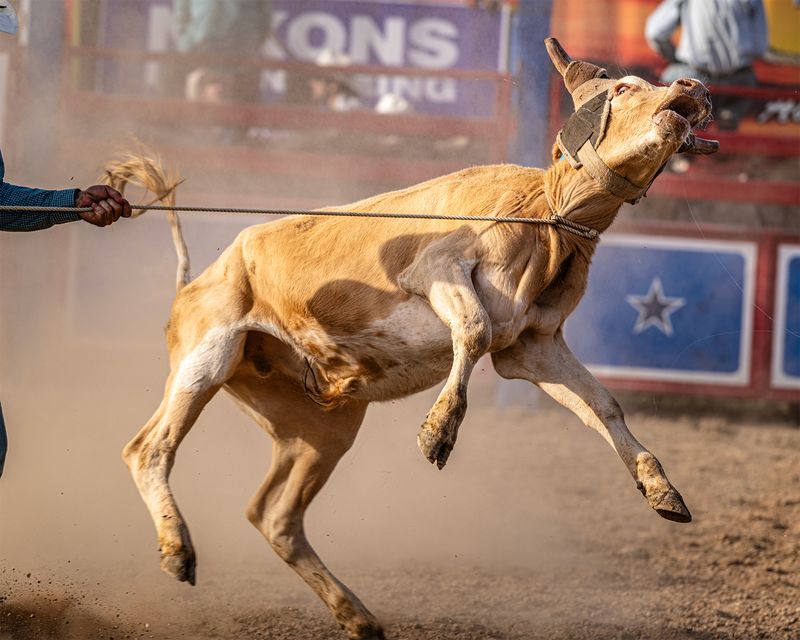
YANKED. The young steer is caught mid-air, his body pulled sharply by the rope around his neck. Hands grip the rope tightly, forcing the animal off balance as he struggles to regain footing. The frame captures the tension and physical control imposed on the young animal, highlighting the rodeo’s demand for human skill at the steer’s expense.

© Karoliina Kase - Image from the Dust and Dominion photography project
i

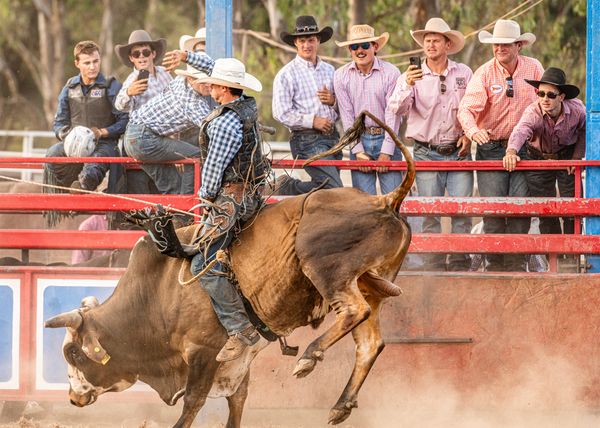
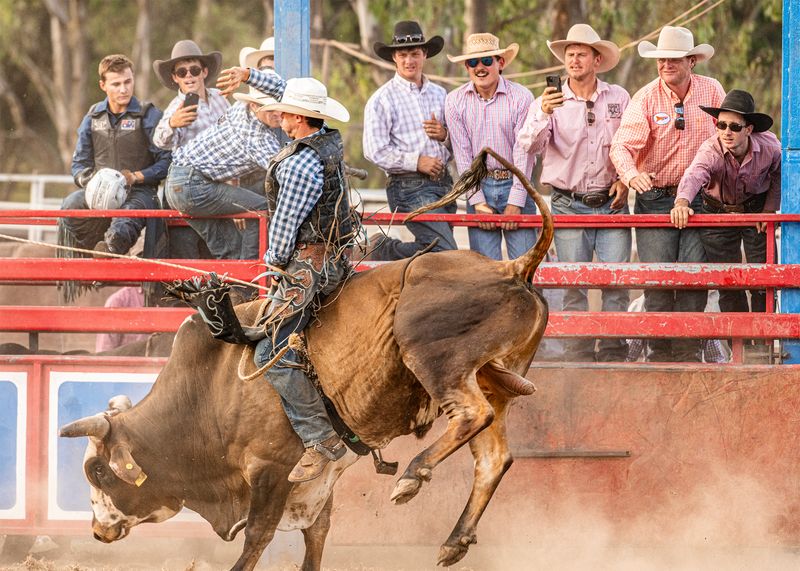
CONSUMED. Cheering and filming, the audience transforms a moment of struggle into spectacle, rewarding human skill while the animal becomes a secondary participant. The image comments on the cultural appetite for risk and control.

© Karoliina Kase - Image from the Dust and Dominion photography project
i

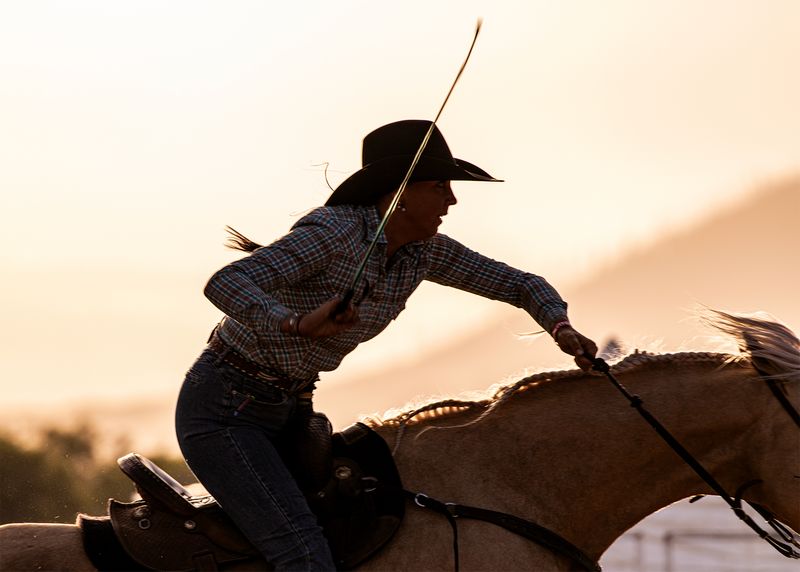
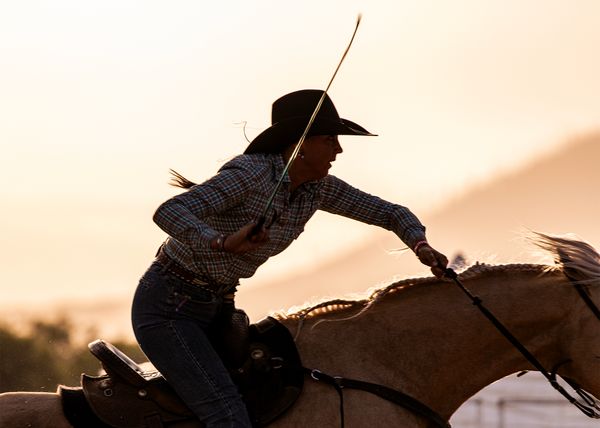
SPURRED. The whip drives the horse through the last stretch, each strike imposing pressure and prompting pain. The animal’s body reacts to the coercion required to perform.

© Karoliina Kase - Image from the Dust and Dominion photography project
i

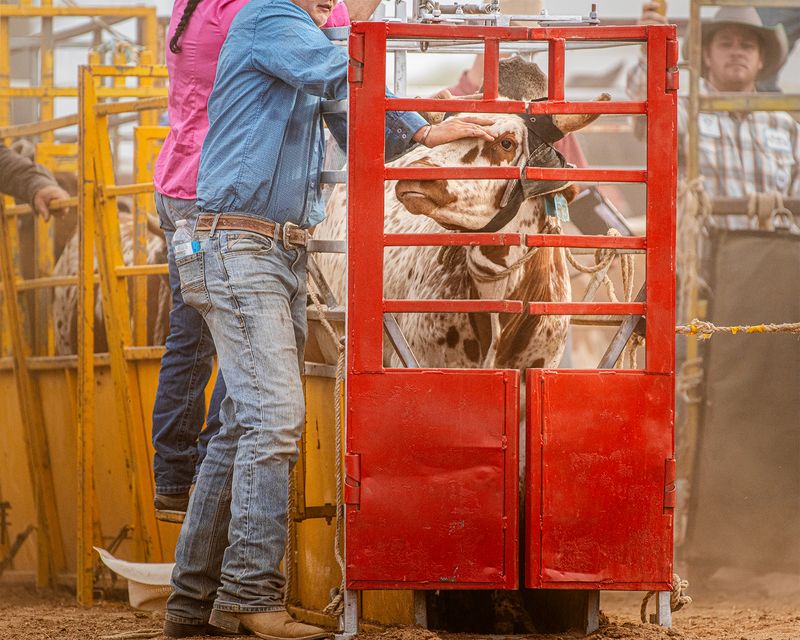
HANDLED. The young animal is held in the chute, his head pushed down by a boy preparing for the breakaway roping. He remains under the boy’s direction until the chute opens. The moment reflects how children learn that asserting control over animals is part of the sport.

© Karoliina Kase - Image from the Dust and Dominion photography project
i

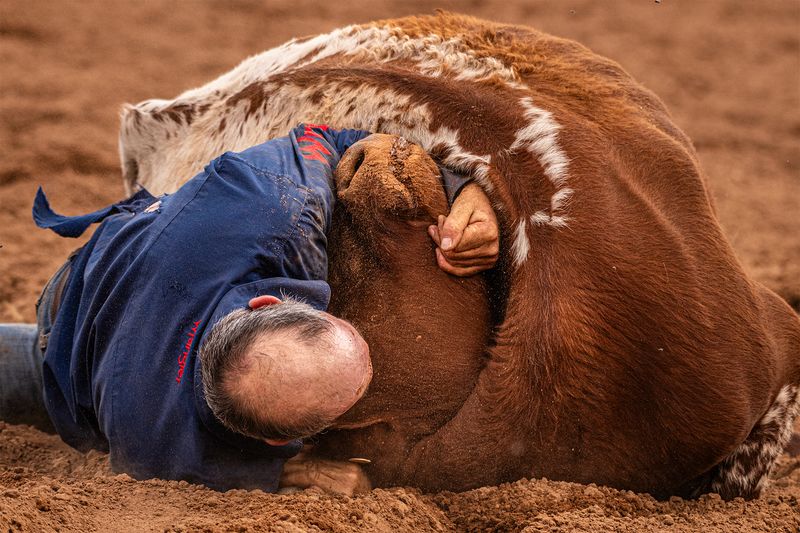
LOOPED. The cowboy wrestles the steer to the ground after several attempts. Following the stress of the chase, the animal is subjected to forceful twisting, which can result in neck strains, broken horns, and other injuries, such as fractured bones or torn ligaments.

© Karoliina Kase - Image from the Dust and Dominion photography project
i

TOPPLED. During a bronc riding event, a bucking horse falls headfirst, with the rider ending up beneath the animal. Bronc riding poses significant risks for horses, including leg, back, and joint injuries. Collisions with riders, fencing, or gates can also cause trauma. Repeated use of the same horses, combined with cumulative stress and high demands, increases the likelihood of long-term harm.

© Karoliina Kase - Image from the Dust and Dominion photography project
i

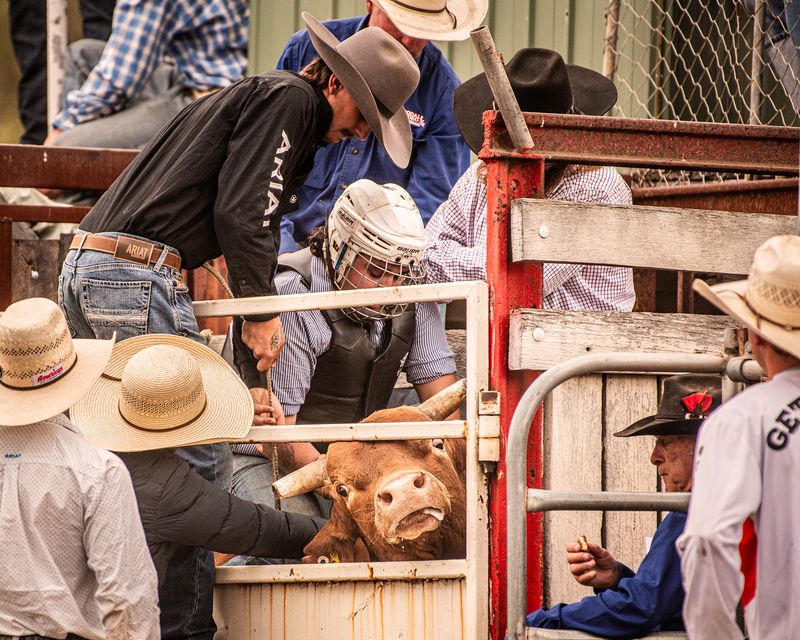
HELD. As the cowboy prepares to mount, the bull peers nervously from the chute, already showing signs of distress. Bulls are often exposed to rough handling, tight flank straps, and intense sensory stimuli—all designed to provoke fear. This fear has become an integral part of the performance, driving powerful bucking while also raising the risk of injury for both the bull and the rider.

© Karoliina Kase - Image from the Dust and Dominion photography project
i

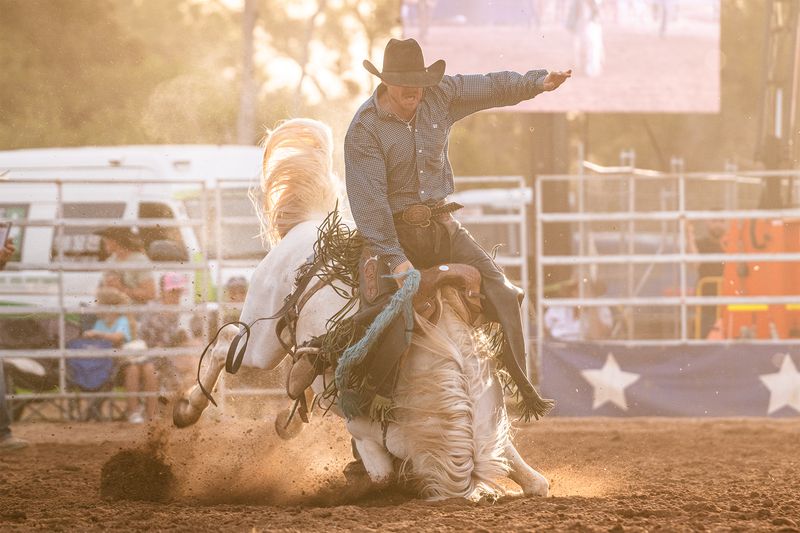
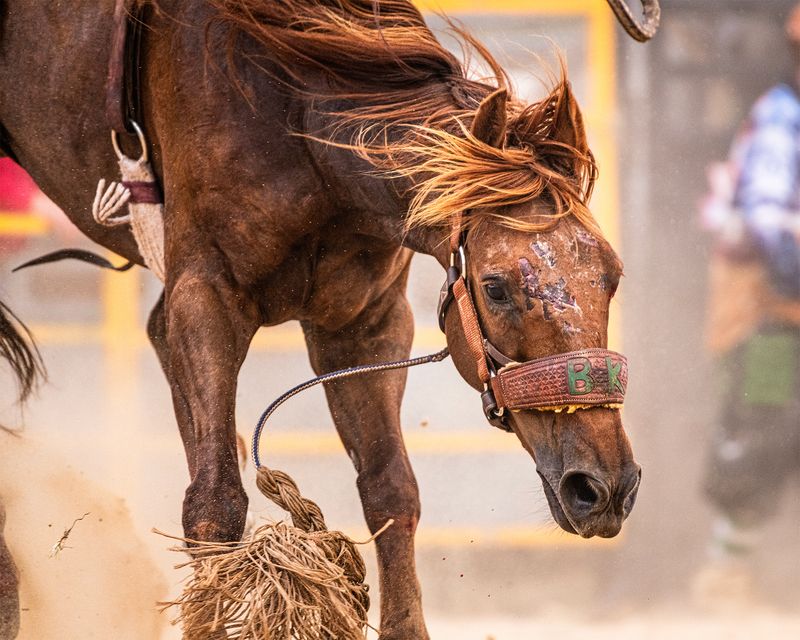
BUNRT. Bearing visible scars on his head, the bronc horse bucks violently after unseating the rider. Horses used in rodeo are often trained with methods that elicit fear or discomfort, placing them at high risk of both physical harm and psychological stress.

© Karoliina Kase - Image from the Dust and Dominion photography project
i

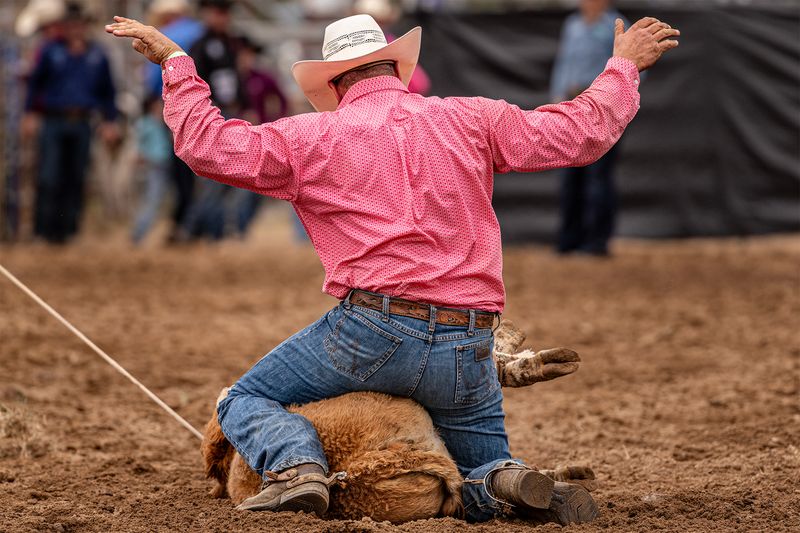
PINNED. A cowboy signals the completion of calf roping after tying the young animal beneath him. The event involves a mounted competitor chasing, lassoing, throwing, and tying the calf’s legs. Adult men perform these actions on developing animals, whose small bodies are highly vulnerable to sudden jerks, abrupt stops, and the force of being thrown.

© Karoliina Kase - Image from the Dust and Dominion photography project
i

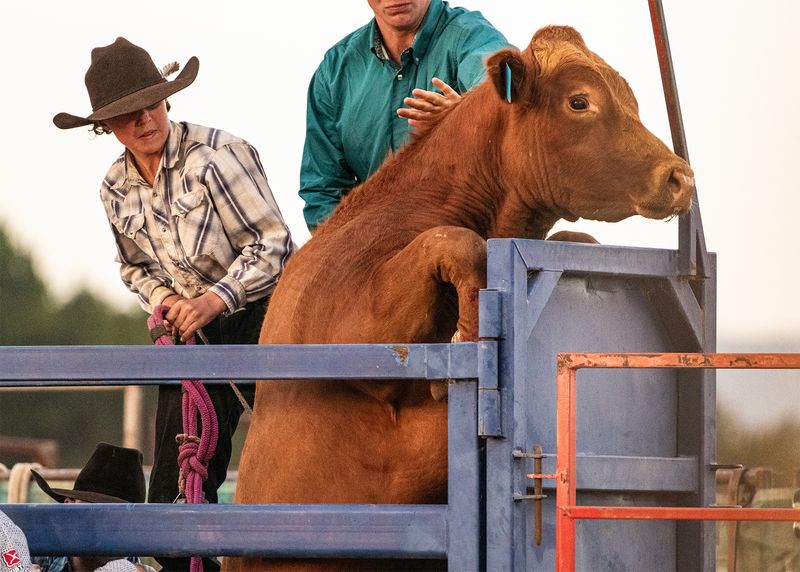
PANICKED. The steer tries to jump from the chute, panicked but trapped by its high walls. Unable to escape, he struggles within the confined space, highlighting his fear and the pressures animals face in rodeo events.

Dust and Dominion by Karoliina Kase

Prev Next Close