Costanza Lorenzetti
-
Dates2024 - Ongoing
-
Author
- Location Italy
The project shows the life of a woman who challenged the rigid gender roles of fascism, silently leaving her mark on art history in Italy. Still unknown, she was also the first woman to use photography as an educational and analytical tool.
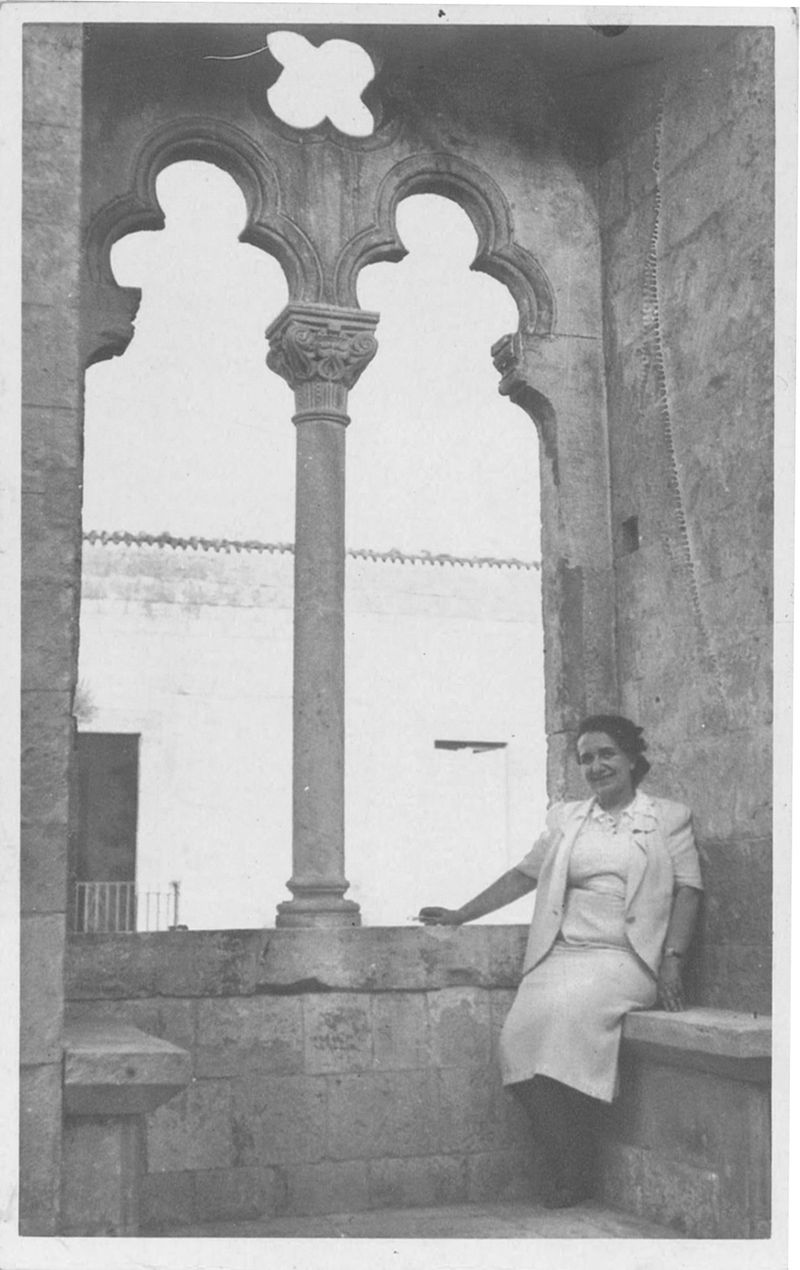
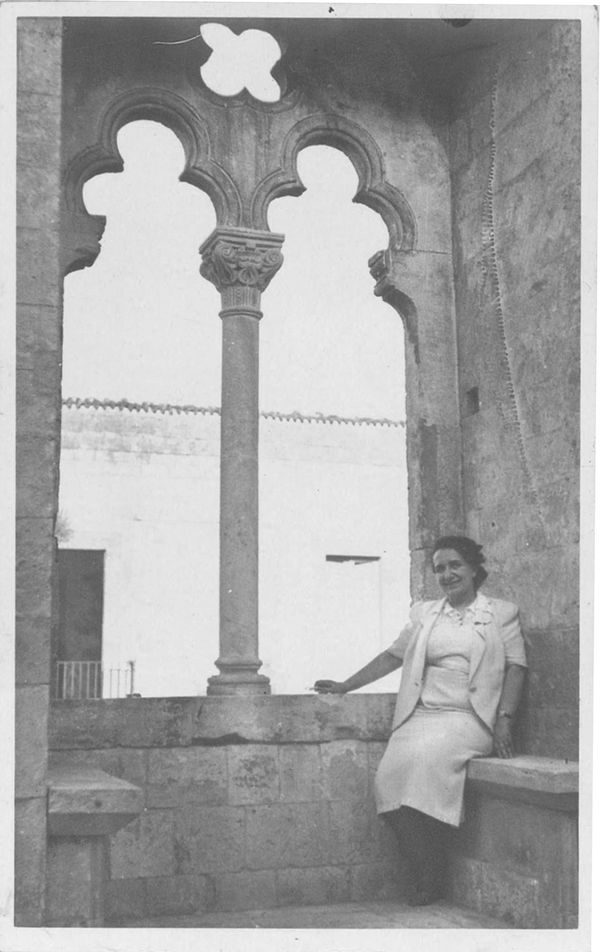
The photography project focuses on the figure of Costanza Lorenzetti, a pioneer of women's emancipation in the cultural context of twentieth-century Italy.
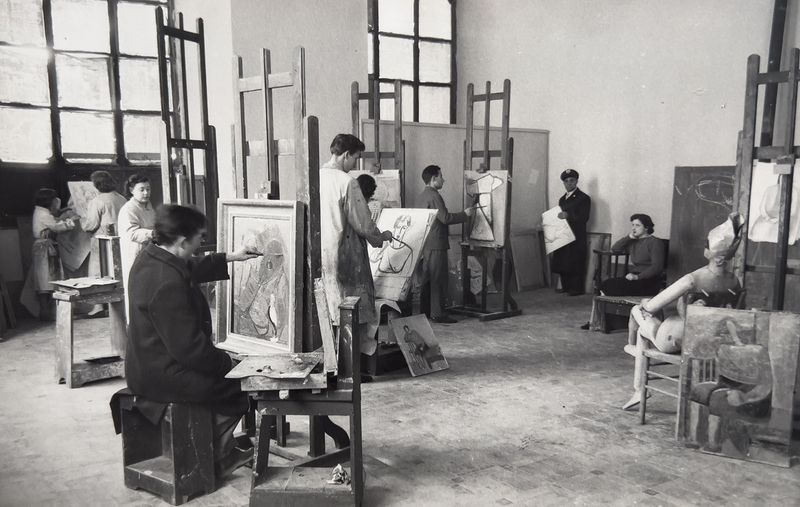
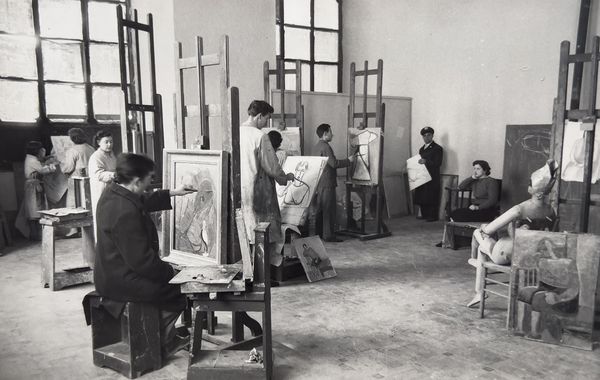
A maverick art historian, Costanza managed to emerge at a time when the fascist regime imposed rigid gender roles. In 1921, she was the first woman to hold a professorship at the Accademia delle Belle Arti in Naples, leaving an indelible mark on the Italian academic community. She was able to disrupt the traditional approach to theoretical art history teaching by integrating photography as a didactic tool.
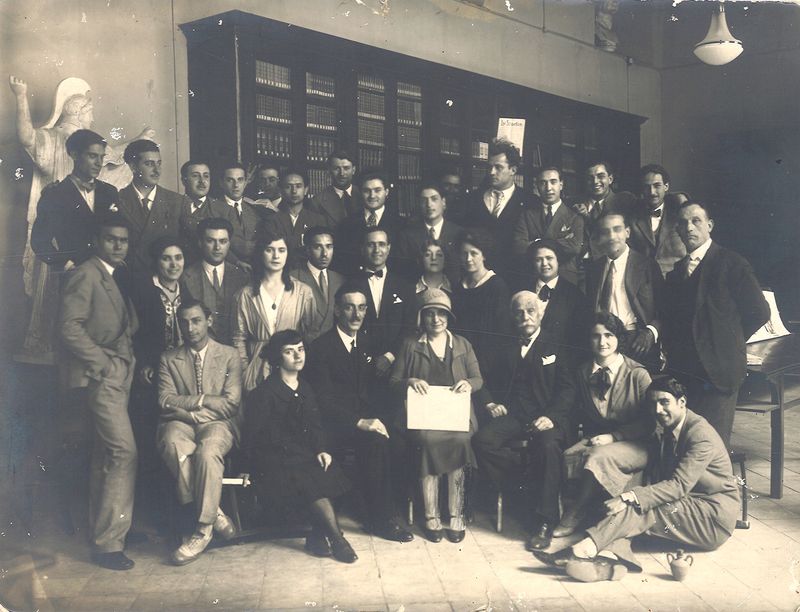
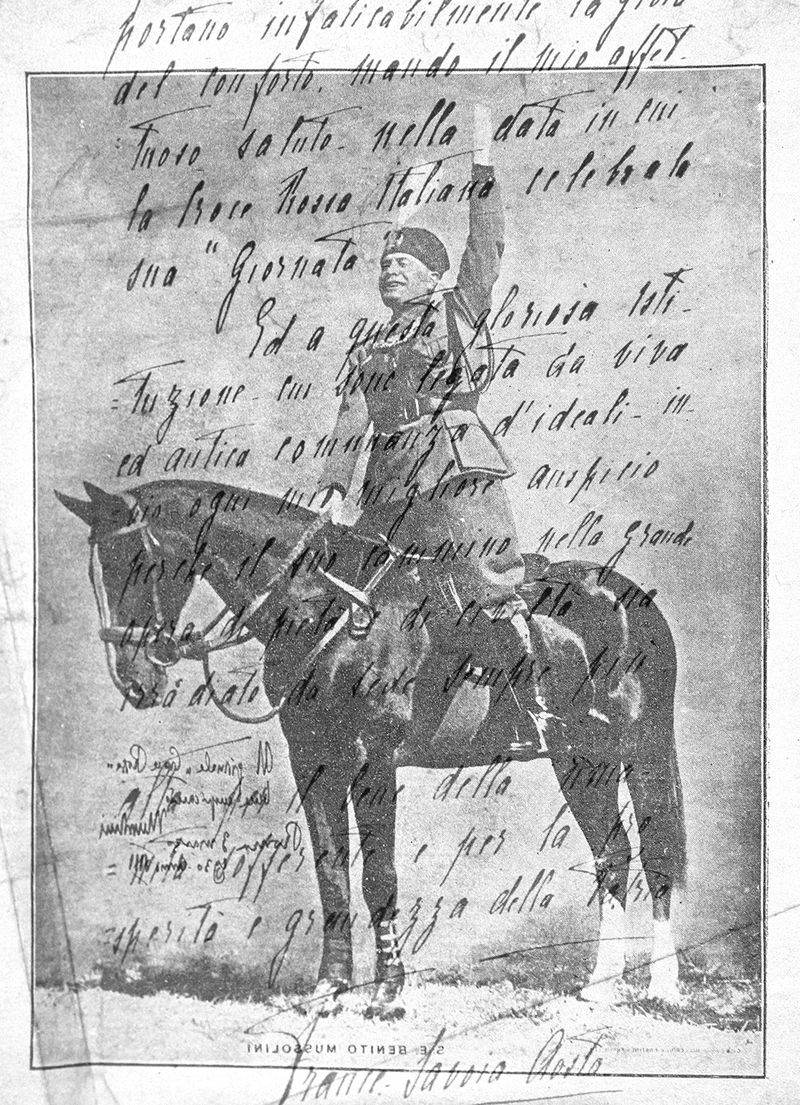
As my ancestor, I feel a strong bond with Costanza, even though I did't have the privilege of knowing her. Strong and independent woman, she chose to renounce the expectations and conventions of the domestic sphere to devote herself entirely to school and study. Important was also her commitment to the gender struggle, presiding at the commemoration of the Muliebre Cultural Alliance, which was a feminist movement for women's labor rights, later suppressed by Benito Mussolini.
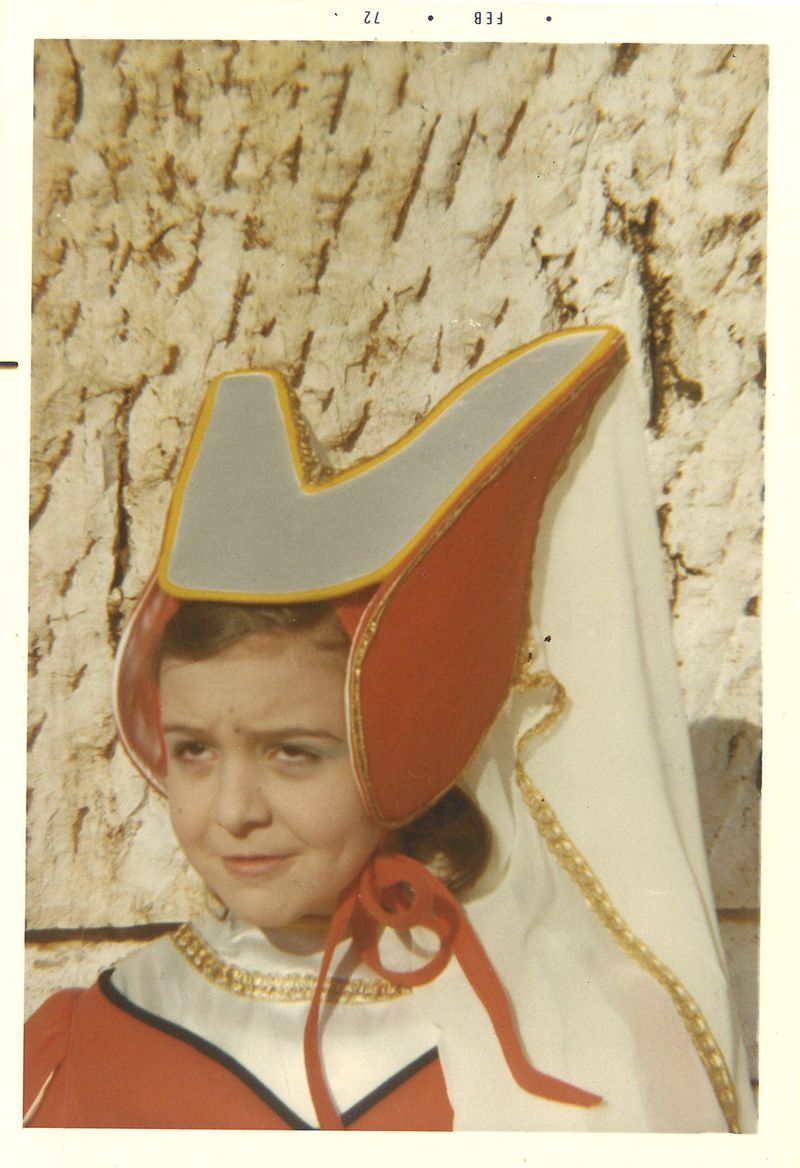
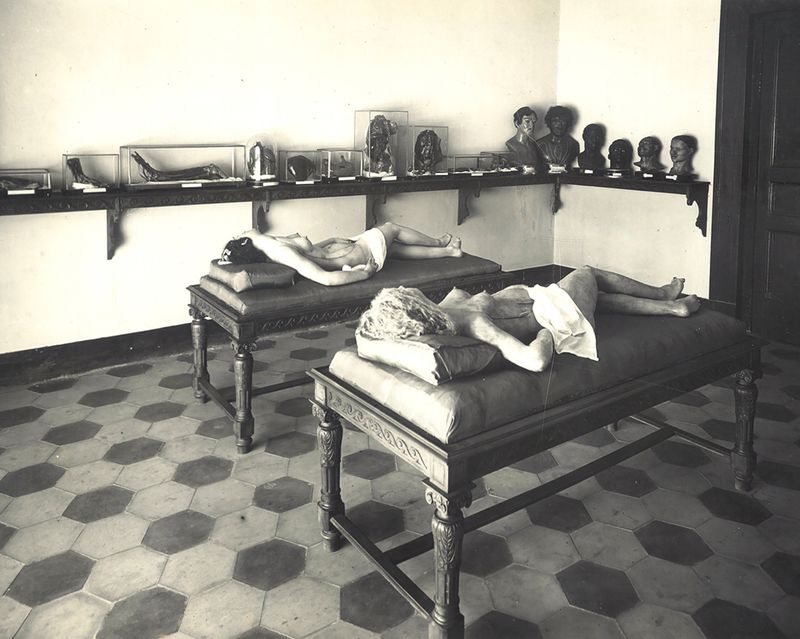
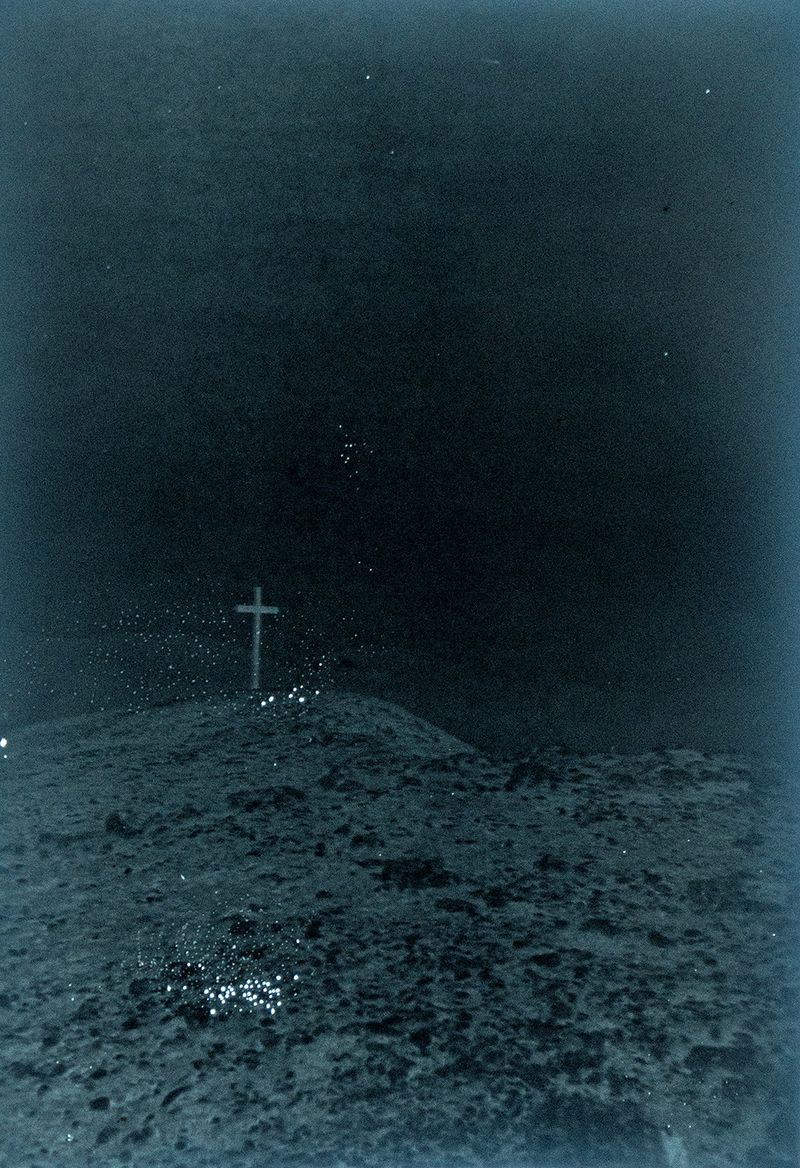
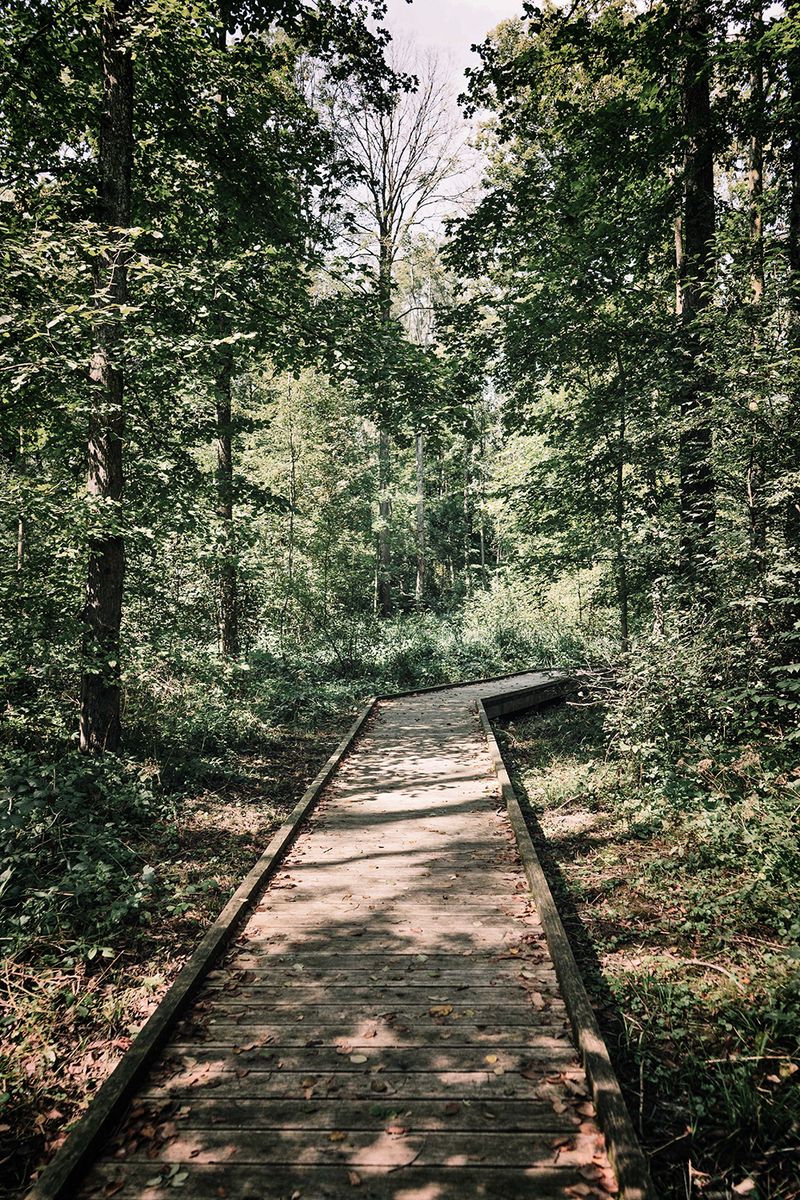
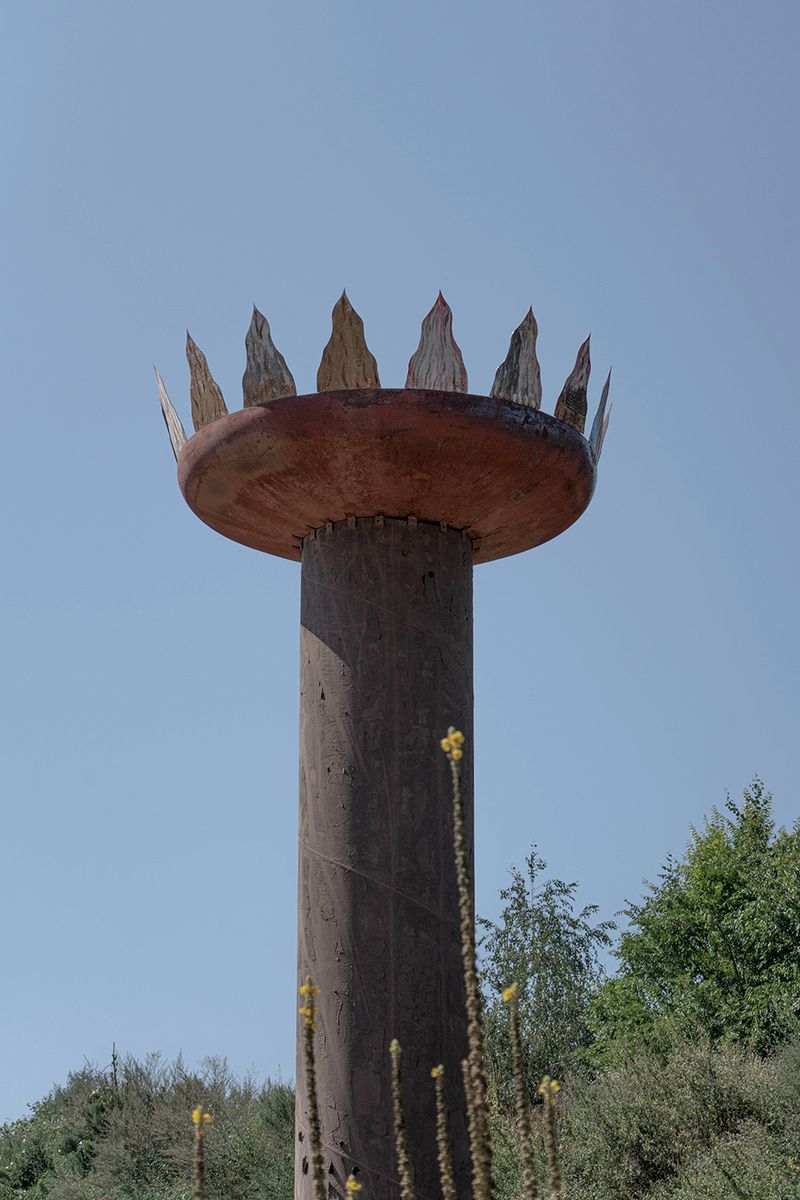
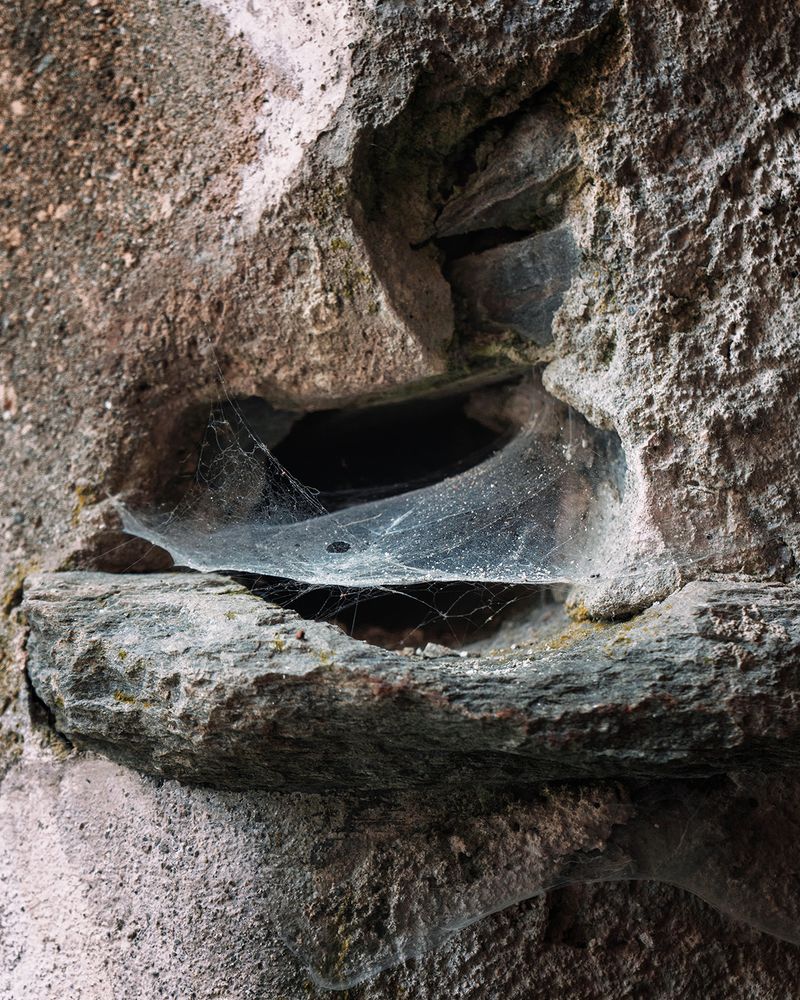
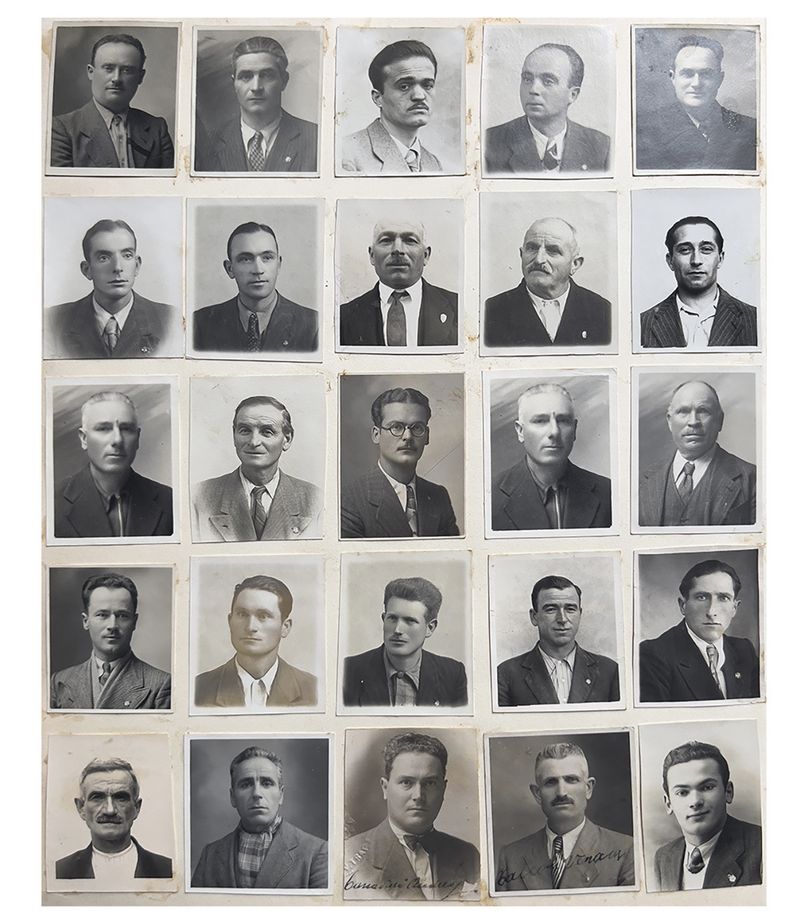
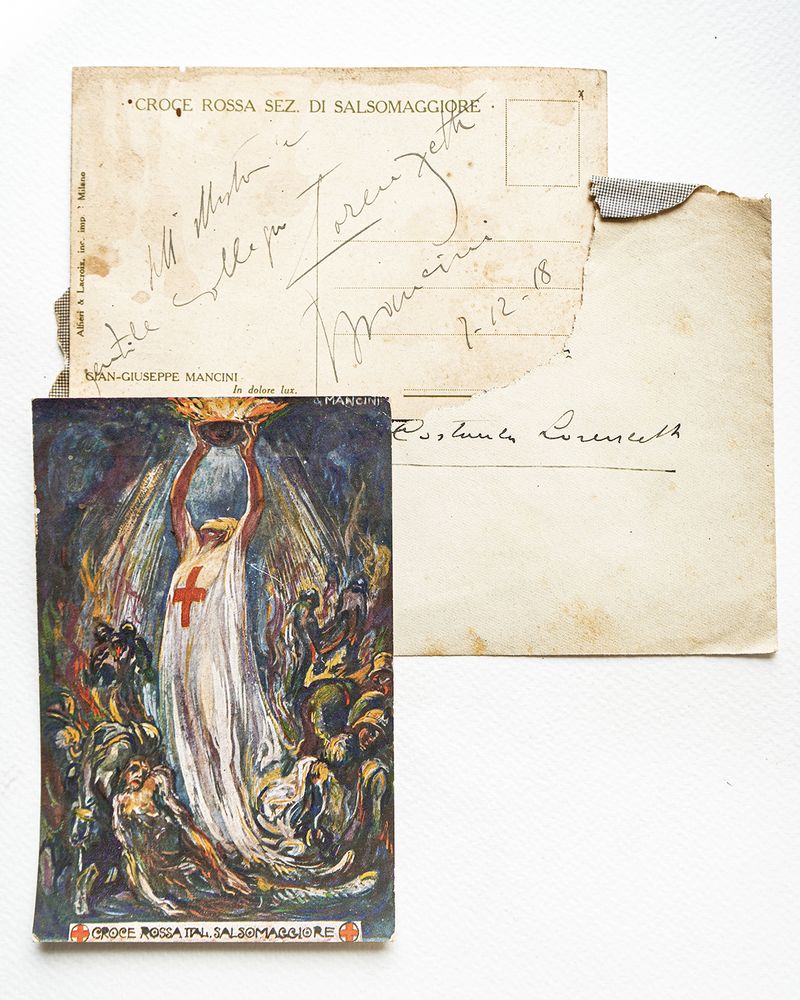
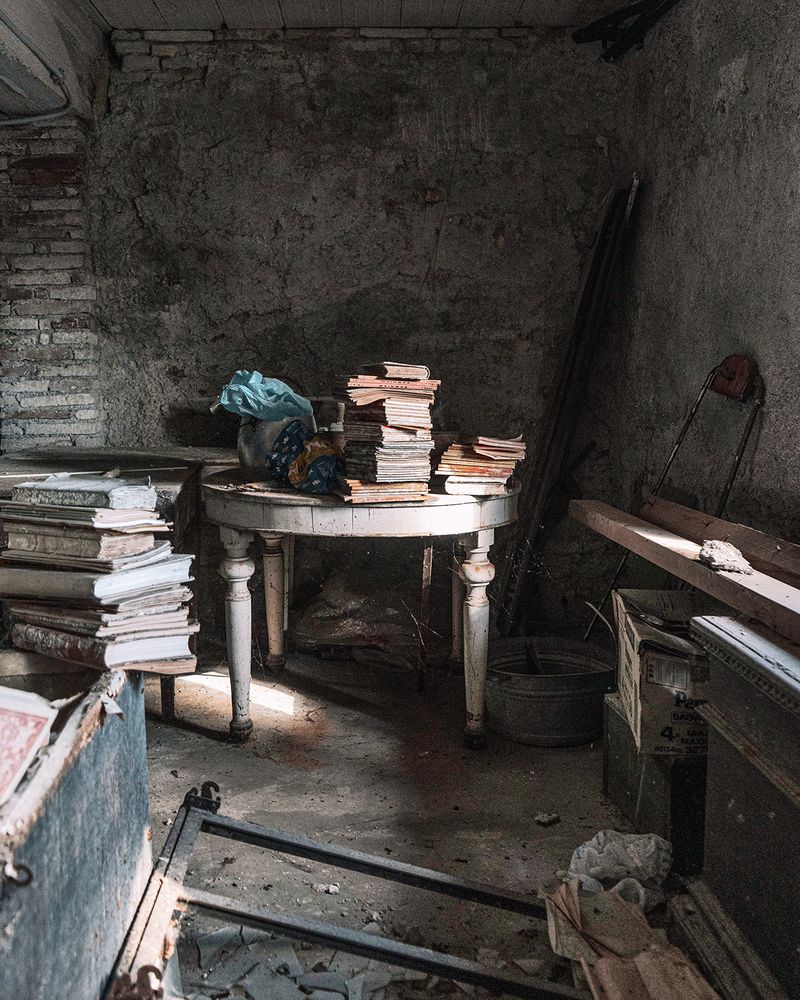
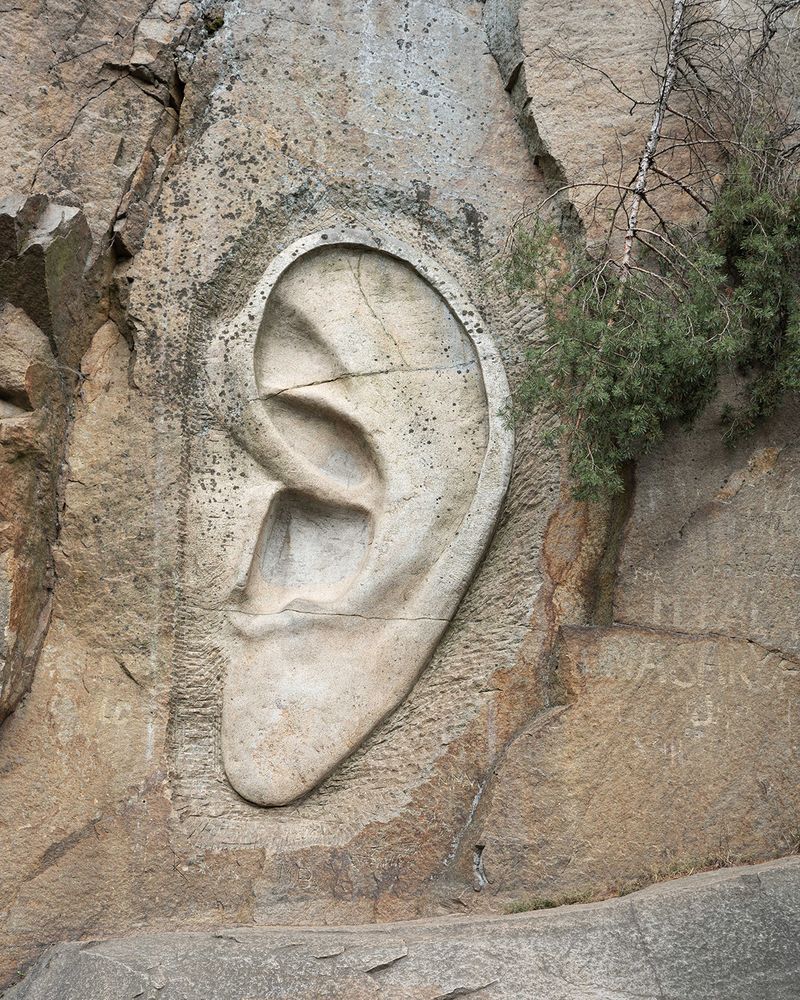
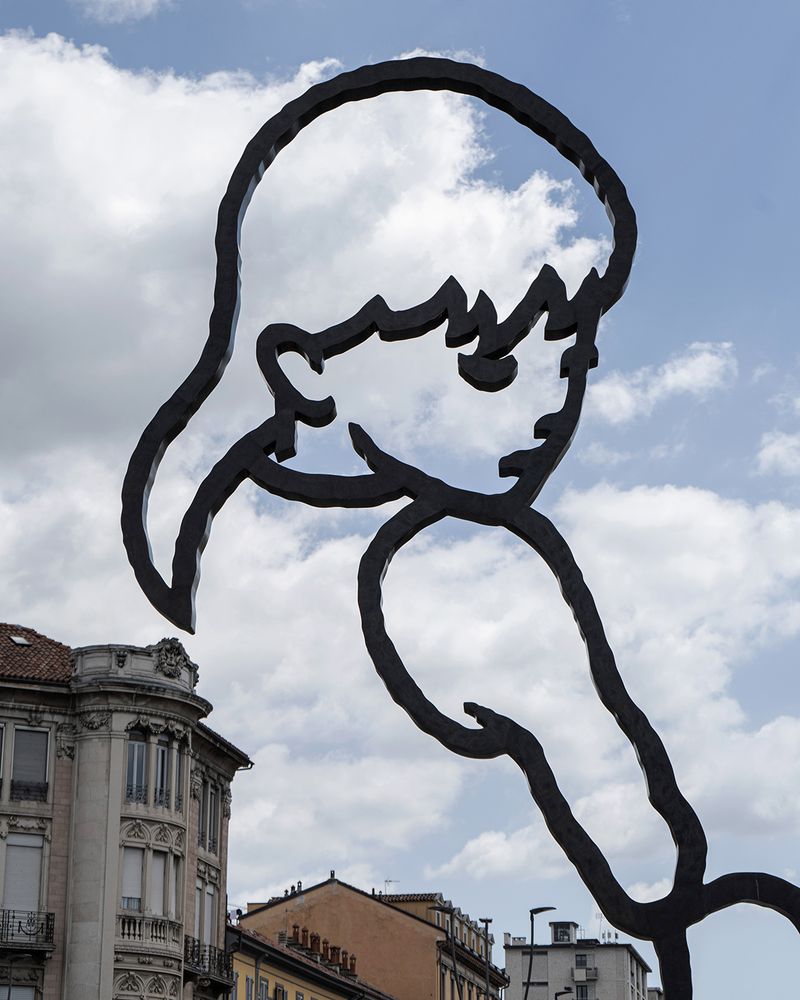
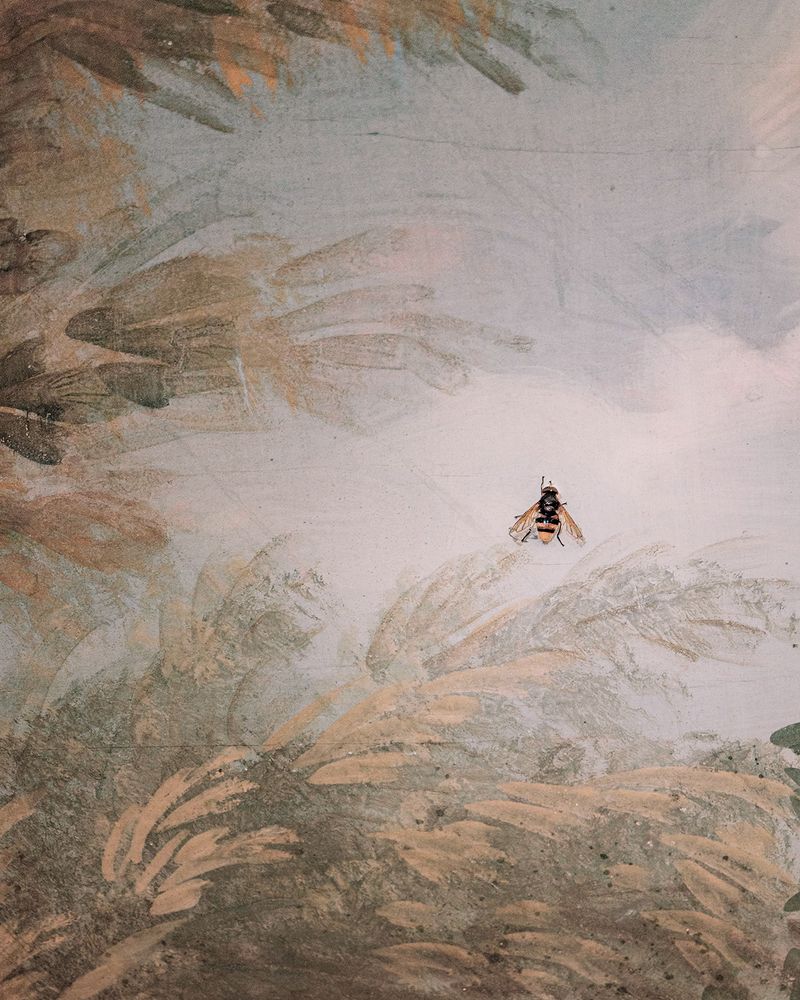
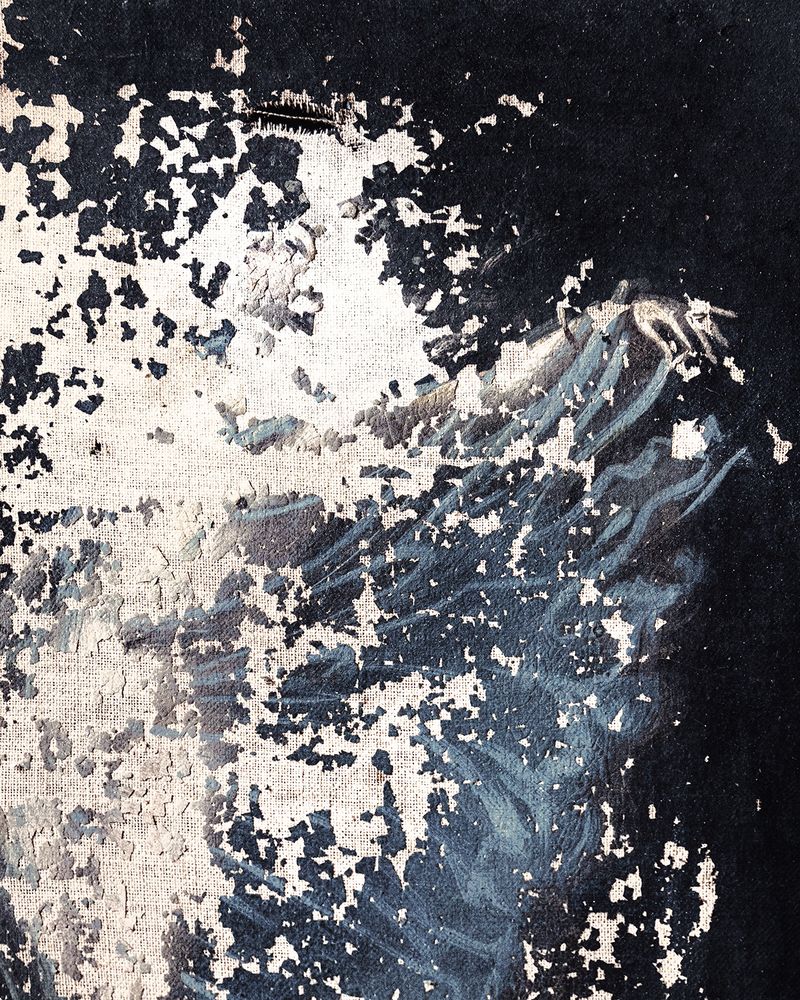
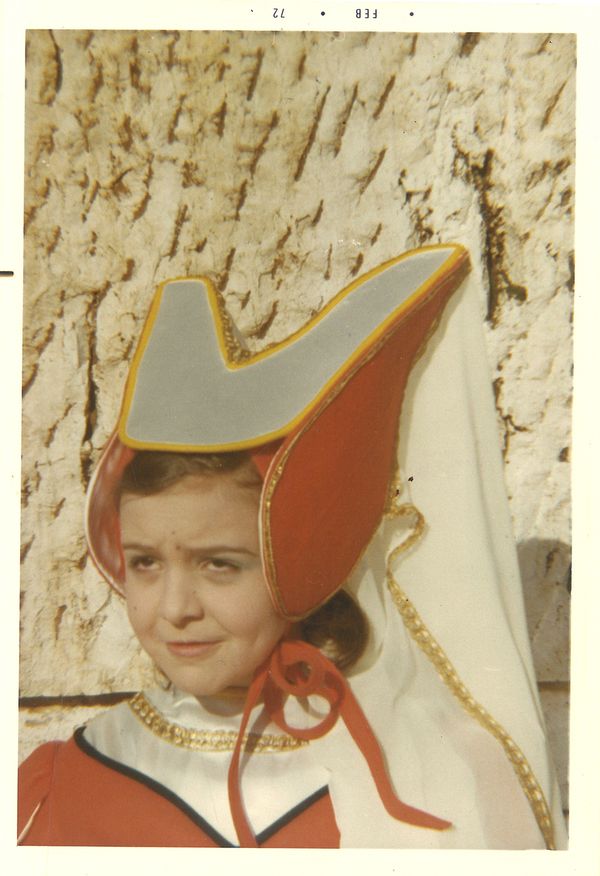
My visual research starts from the archive inherited by Costanza, which not only tells her story but also offers an insightful look at the era in which she lived. The images reveal the influence of a woman, still not well known, who silently changed the way art is studied in Italy, while remaining a model of female emancipation that is relevant now. Reconstructing and visually reinterpreting the traces of her practice, photography has helped me to better understand not only my family, but also myself and the relevance of this work.