Caxitlán
-
Dates2024 - Ongoing
-
Author
- Location Colima, Mexico
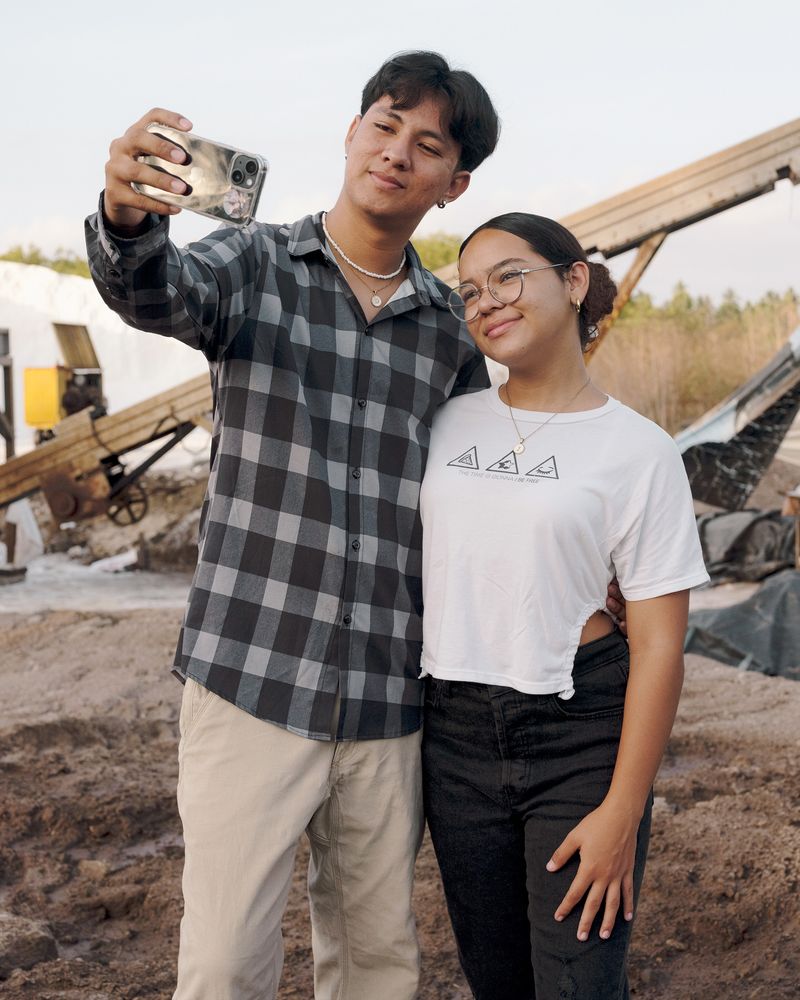
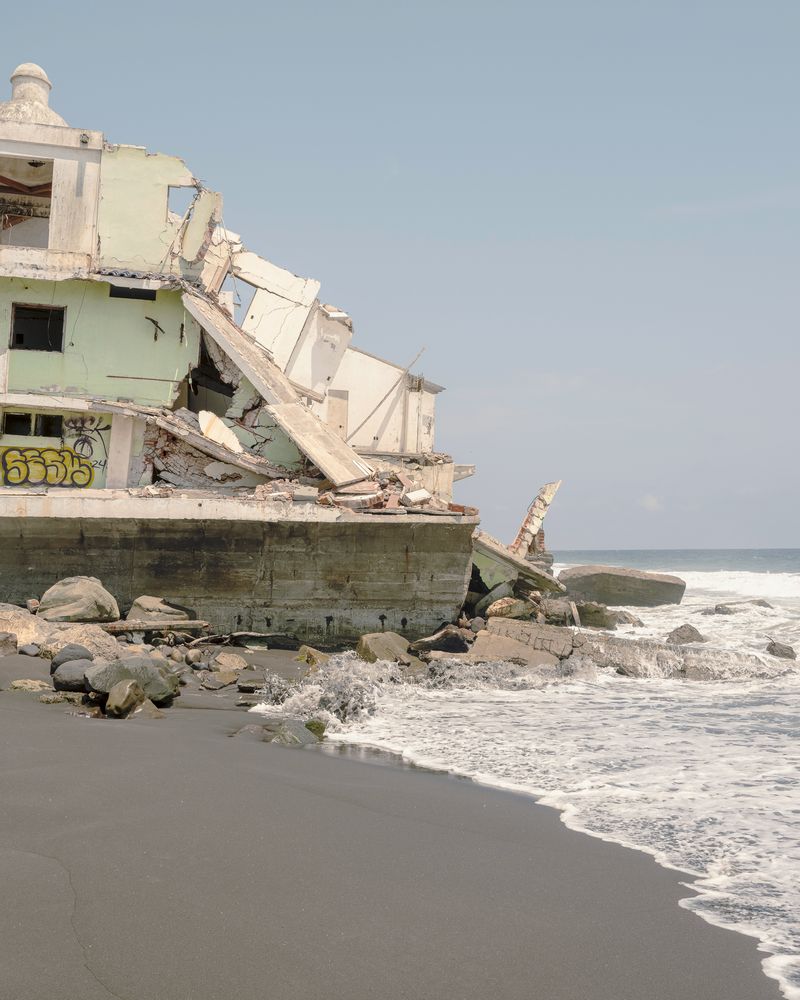
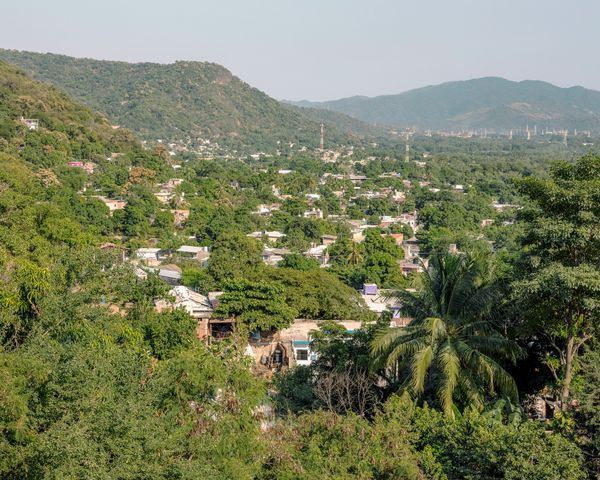
Caxitlán traces the 1523 Spanish conquest route in Colima, Mexico, to explore how colonial history remains actively present in contemporary life. All photographs are contemporary—no archives, no comparisons. Who are we, the current inhabitants?
Caxitlán
I arrived in Colima, Mexico, almost fifteen years ago. During that time, I gathered what I knew about the region's history in fragments: conversations with people, visits across the state, and details that surfaced without my seeking them. When the 500th anniversary of colonial intervention was commemorated, I decided to turn those scattered fragments into a deliberate investigation. That is how I discovered the original conquest route: a path that split into two arms from the town of Caxitlán—one along the Pacific coast, the other into the Colima valley.
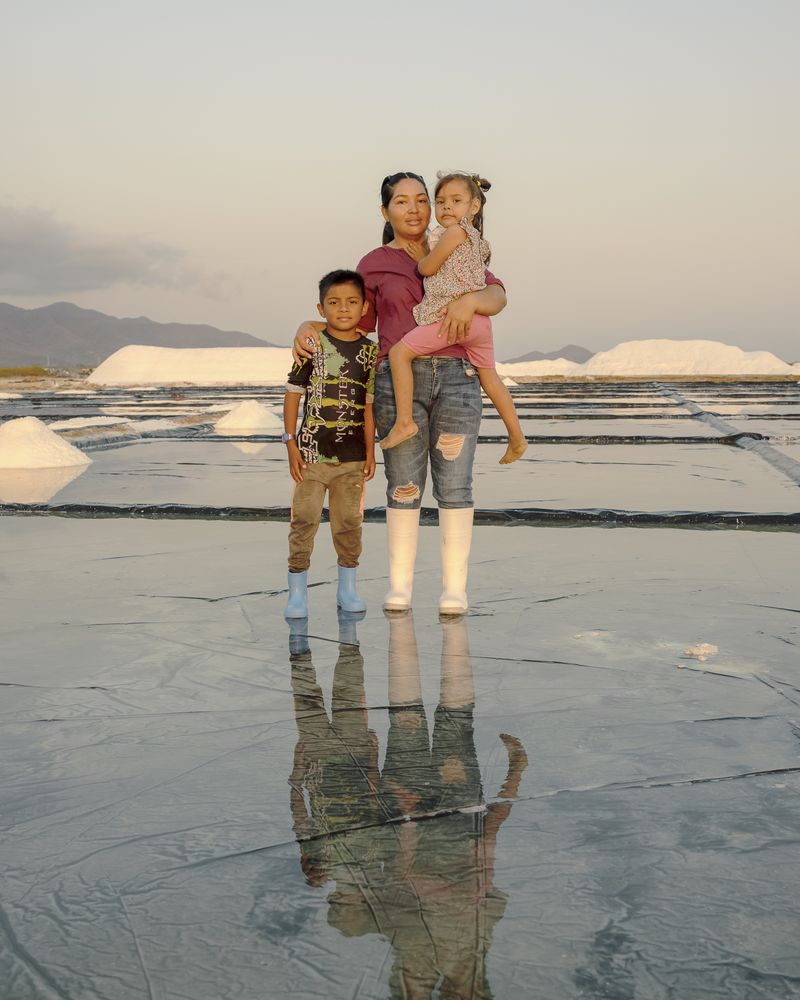
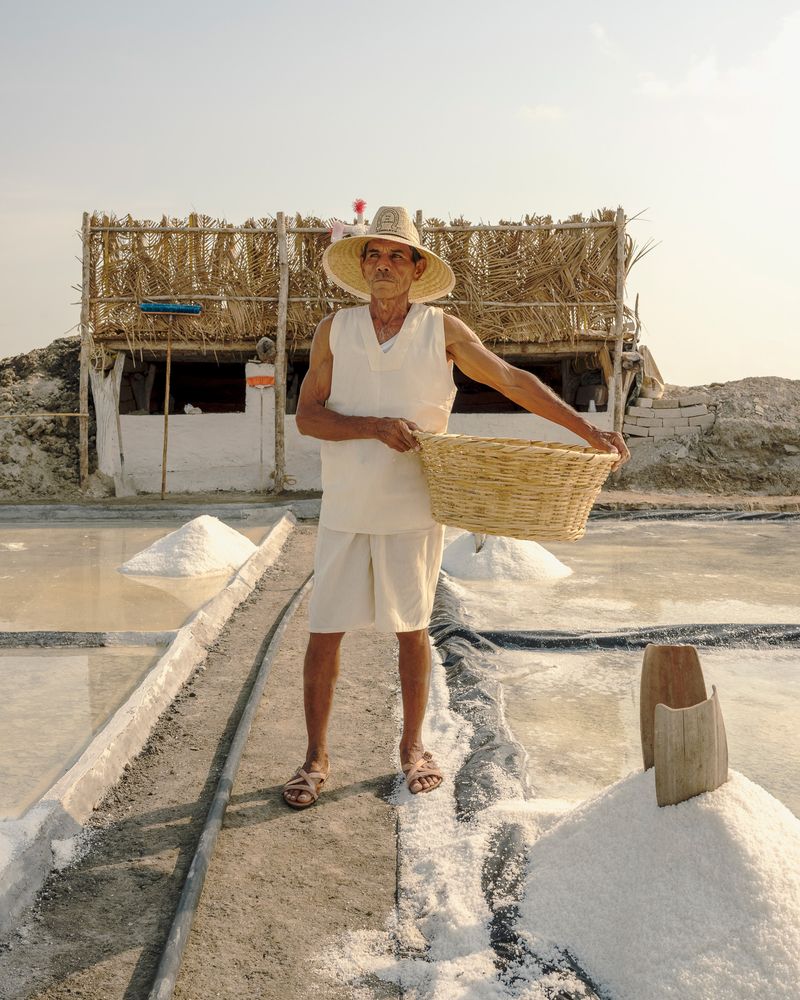
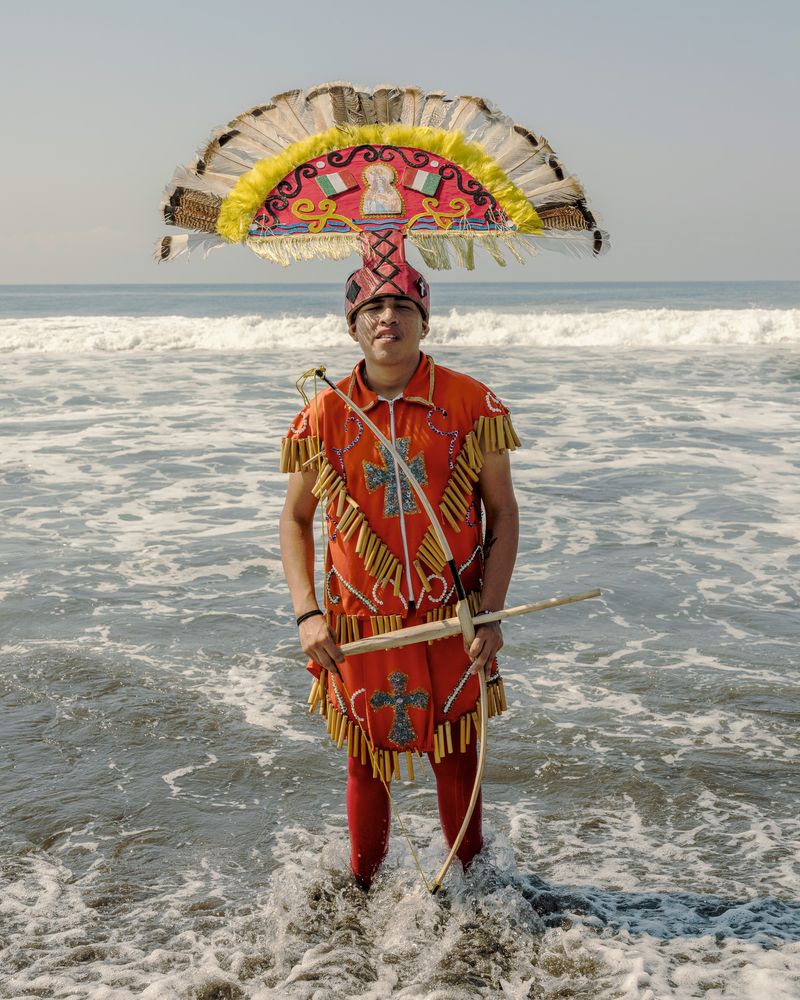
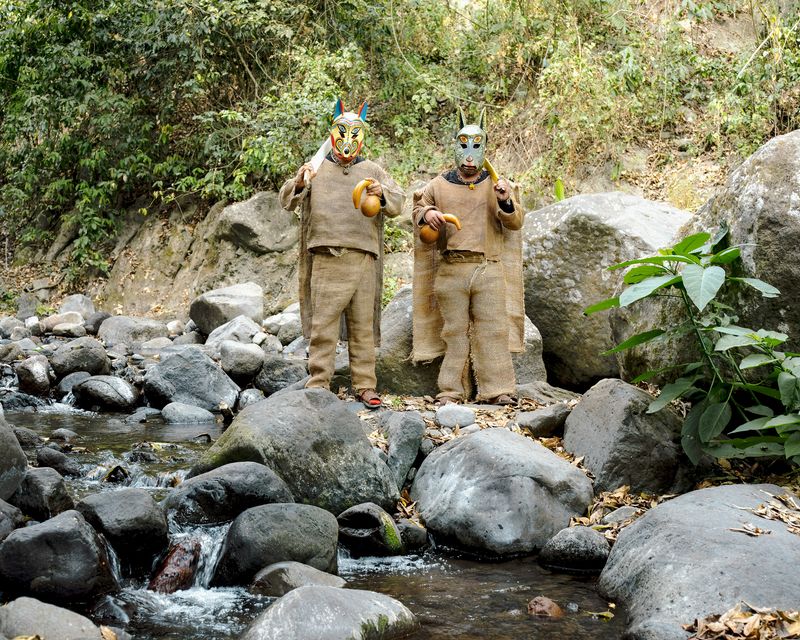
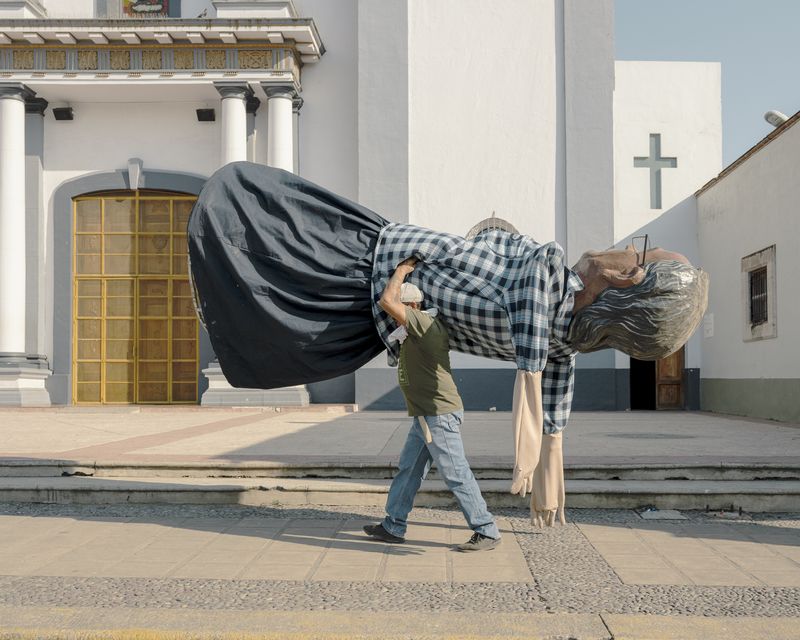
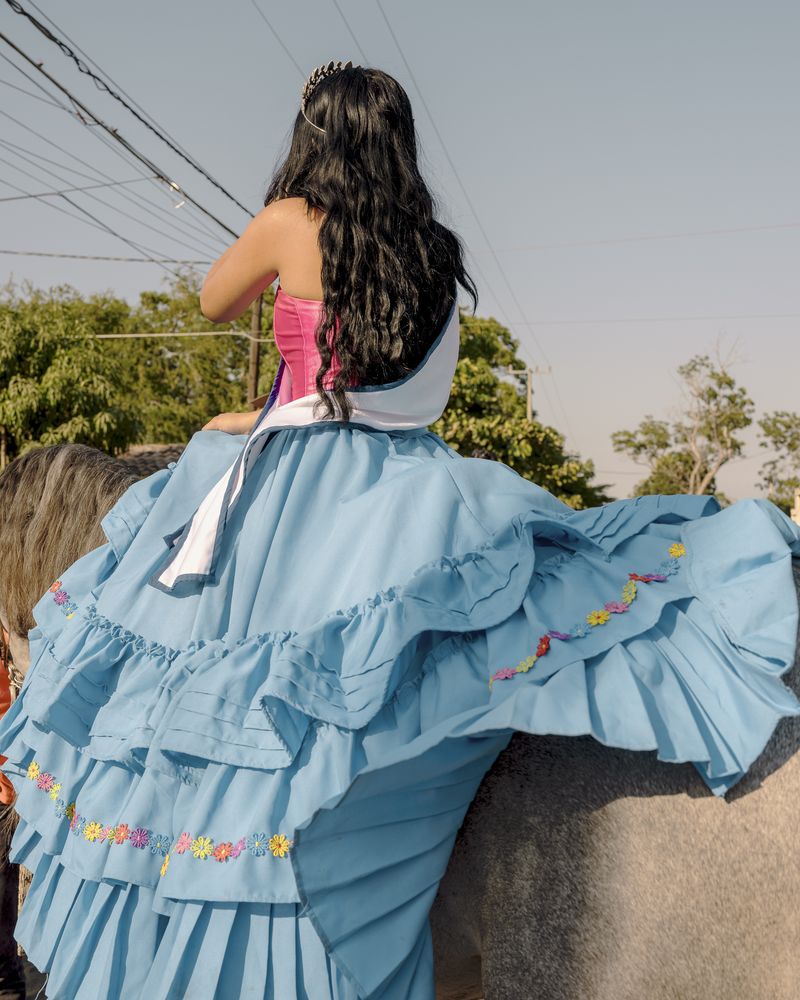
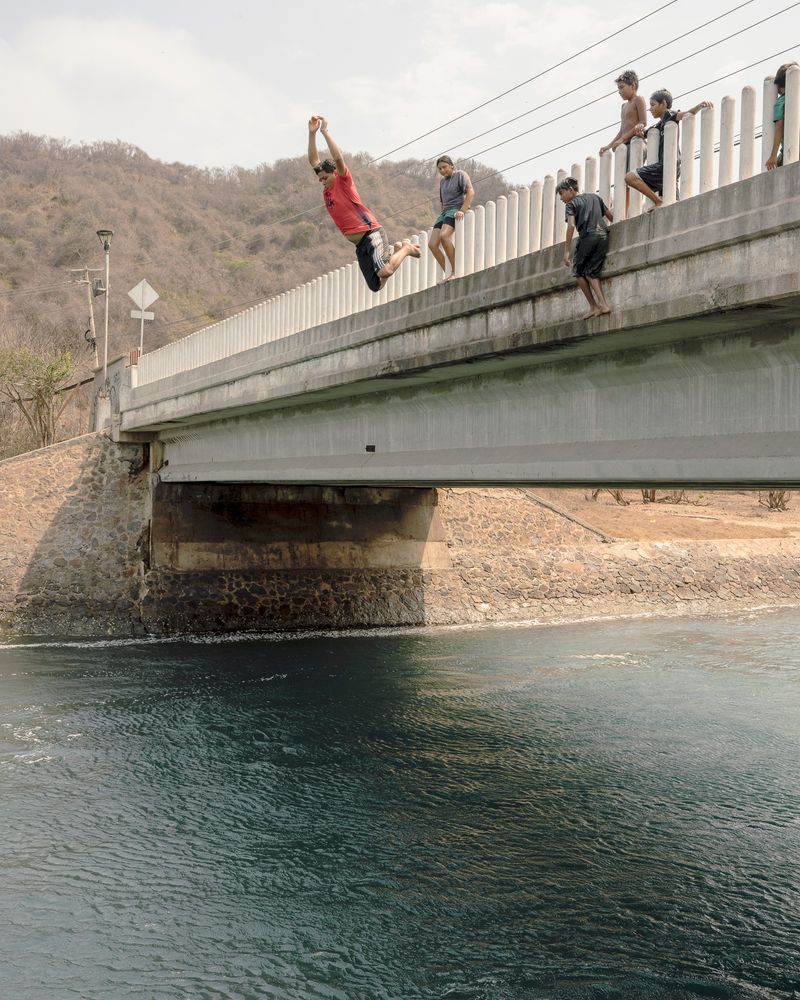
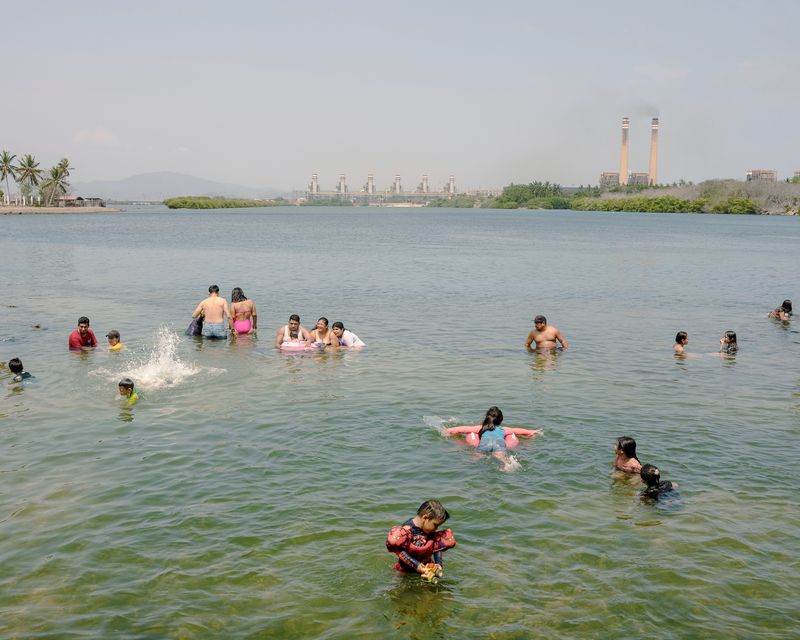
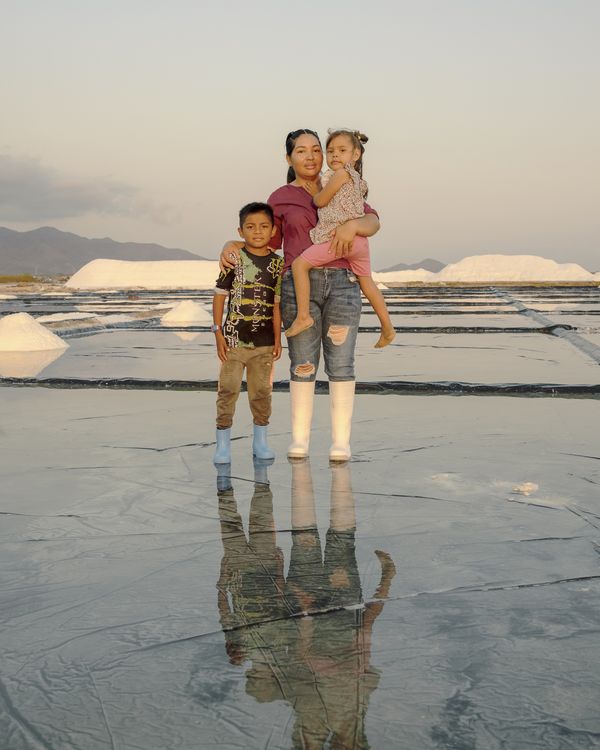
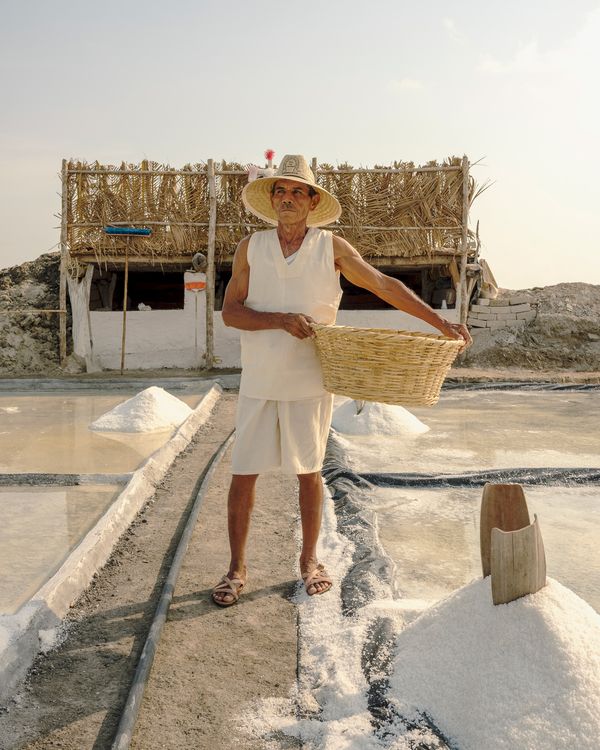
The project takes this historical route as a starting point, but not as a rigid script. It is a flexible reference that allows me to explore how the past remains inscribed in the present—not as memory or remnant, but as active reality. Through environmental portraiture, landscape, and everyday life photography, I document moments in which multiple centuries coexist in a single instant: salt production that predates the conquest, colonial crops that sustain today's economy, and processions where Catholic devotion and indigenous relationships with nature converge.
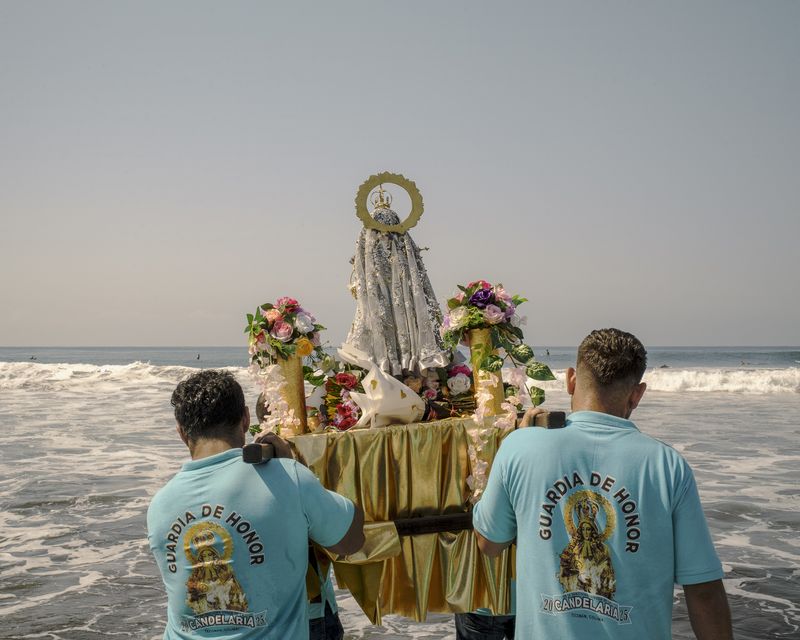
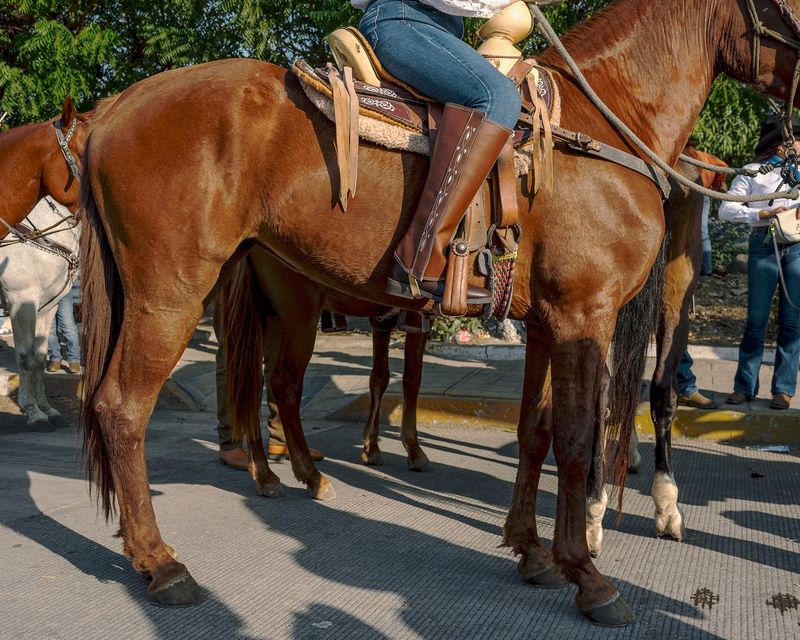
Critically, all photographs are contemporary. There are no historical archives or comparisons between then and now. The power of the work lies in showing that this separation does not exist in lived experience. A young man covered in salt isn't preserving an old tradition—he is working, now, in a process driven by sun and tide that predates any human decision. Festival riders don't reenact history—they live it, wearing everyday jeans beneath centuries-old artisanal saddles. Religious processions don't remember syncretism—they enact it, carrying the Virgin into Pacific waves to negotiate with forces no human controls: hurricanes, earthquakes, and volcanic eruptions.
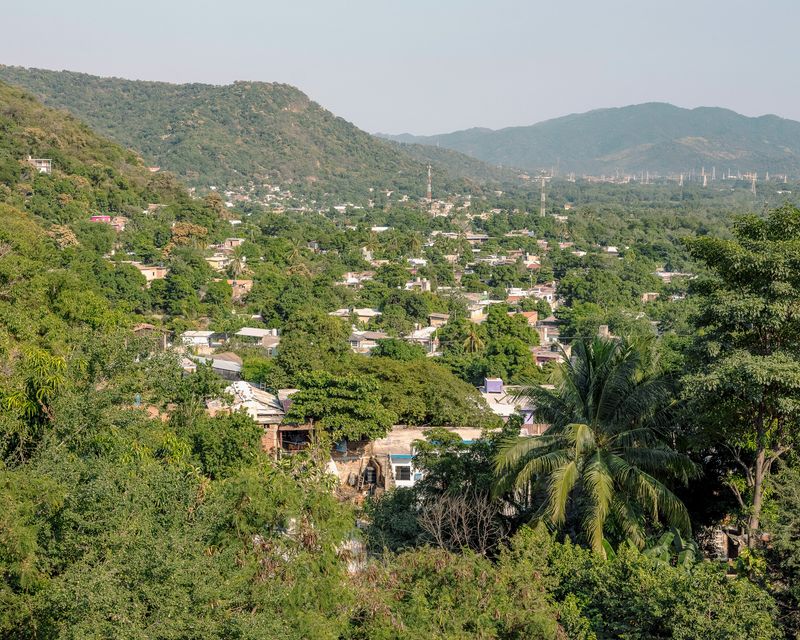
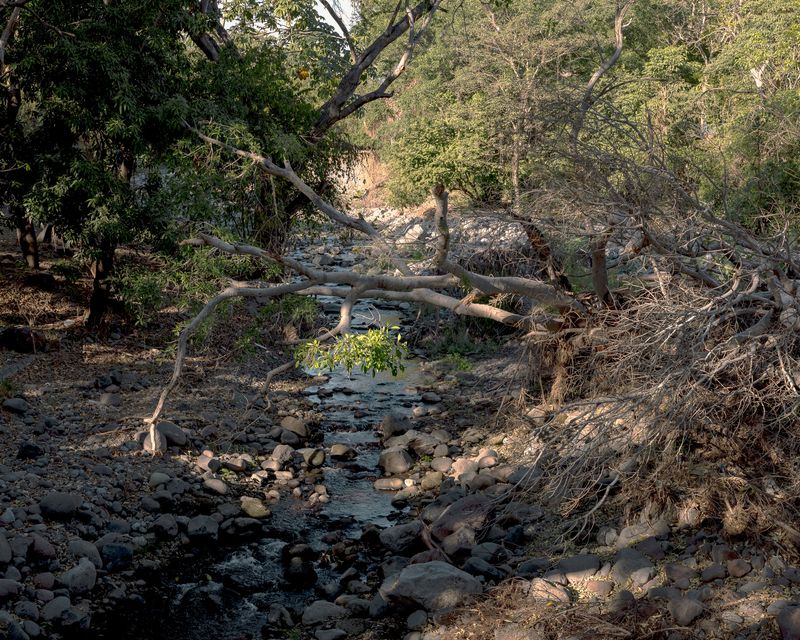
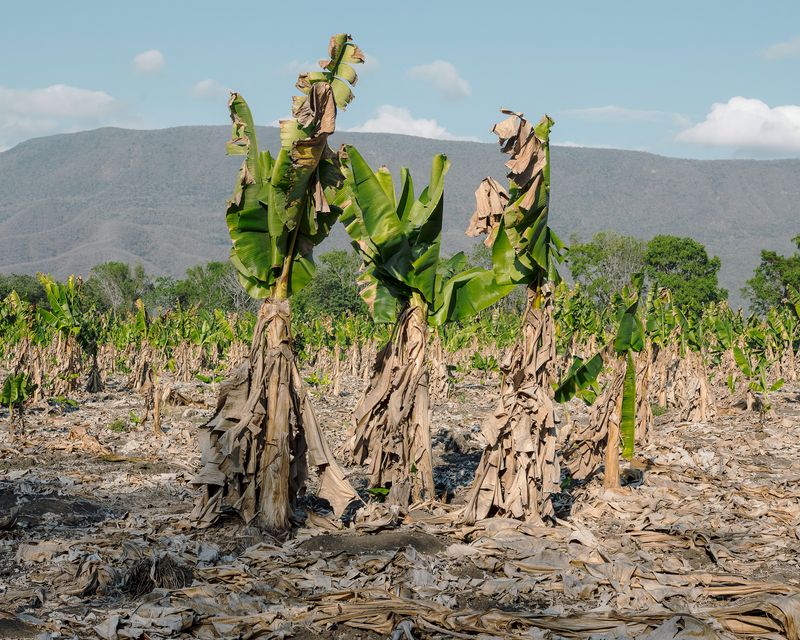
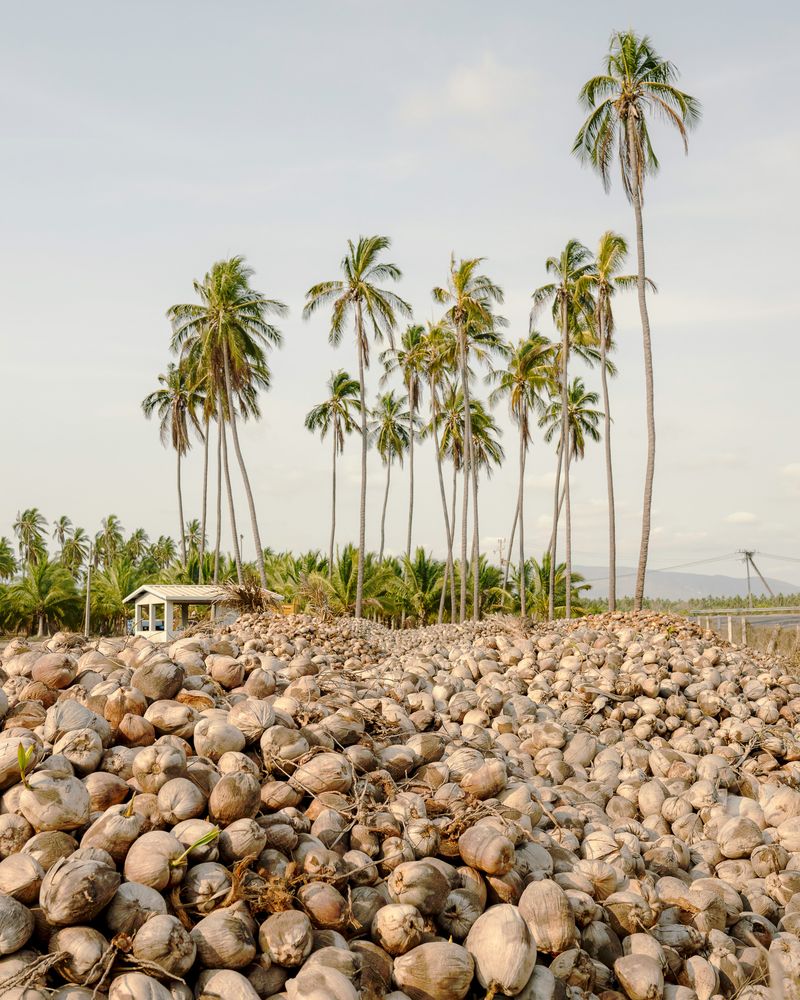
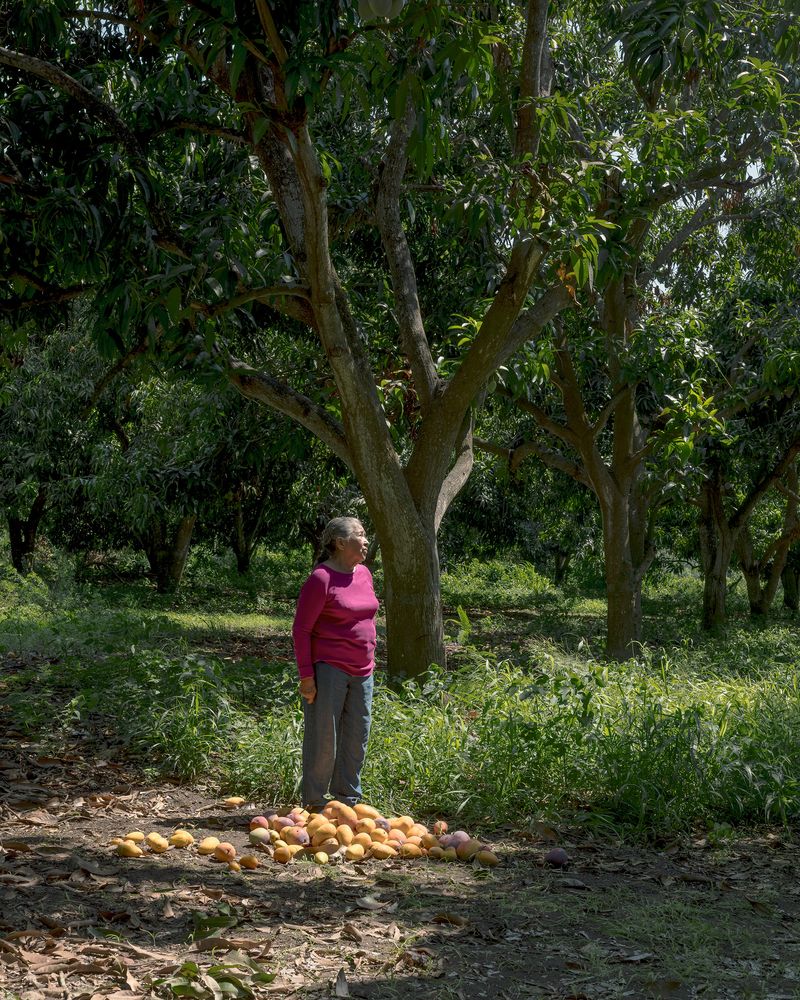
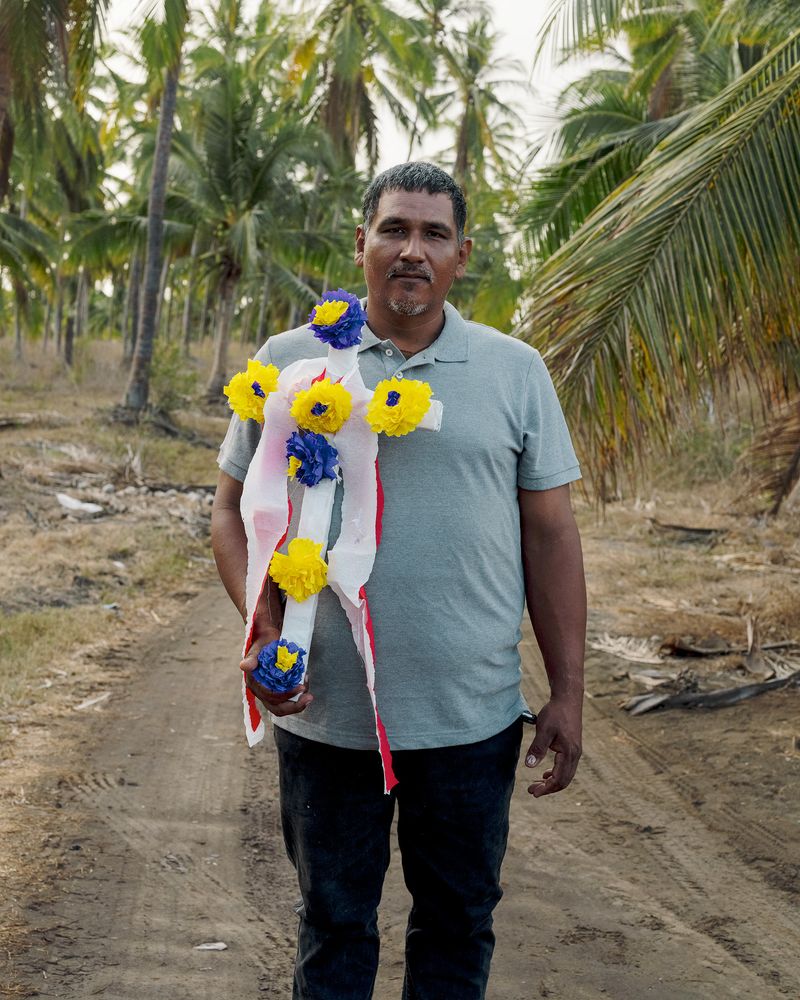
The conquest was also an ecological event. Species introduced during colonization—coconut, banana, mango, and sugarcane—took possession of the landscape with their own biological agency, transforming the territory so completely that their foreign origin is nearly forgotten. The same topography that determined the 1523 conquest strategy continues to determine where people build homes. Non-human forces—tides, volcanic soil, tropical dry forest, agricultural cycles—have shaped identity here as profoundly as any history of conquest or mestizaje.
I revisit the same places across different seasons and moments to observe the layers that time, agricultural cycles, and deep religious syncretism reveal. The accumulation of images—now over 190 photographs—makes explanation unnecessary: there is not a single frame without at least two temporal layers. It is the condition of the territory, not an aesthetic choice.
Rather than seeking answers, Caxitlán is a visual meditation on what binds us as inhabitants of this territory: the practices, beliefs, and landscapes we share and that, often without knowing it, define who we are. The fundamental question driving this search remains open: who are we, the current inhabitants of this territory?
In places built on conquest and centuries of cultural mixing, we are always multiple things simultaneously.