CAVITEÑA
-
Dates2026 - Ongoing
-
Author
- Topics Portrait, Fine Art
- Location Cavite, Philippines
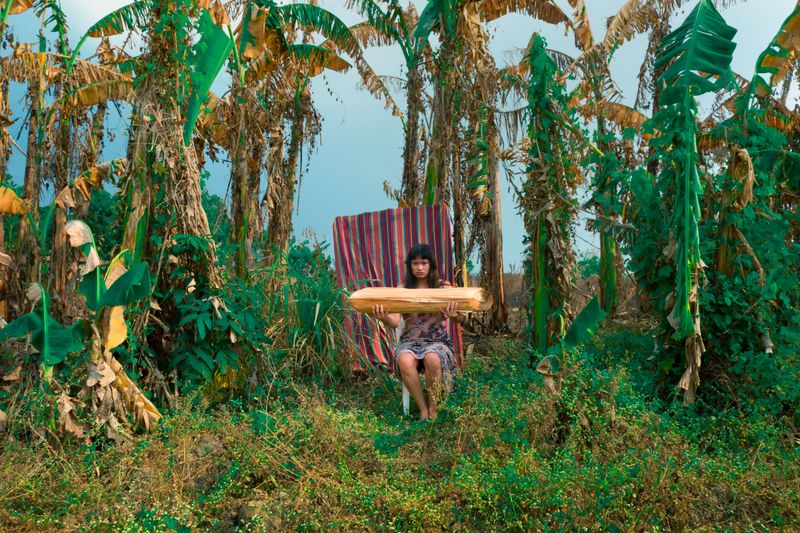
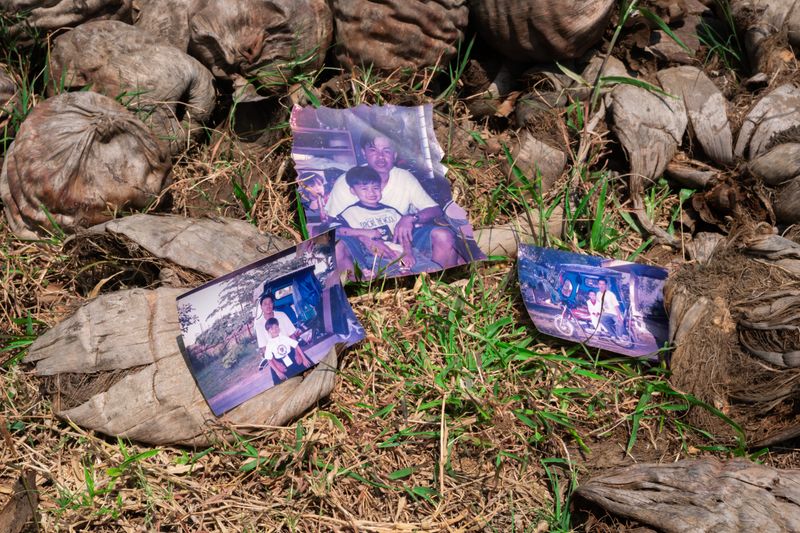
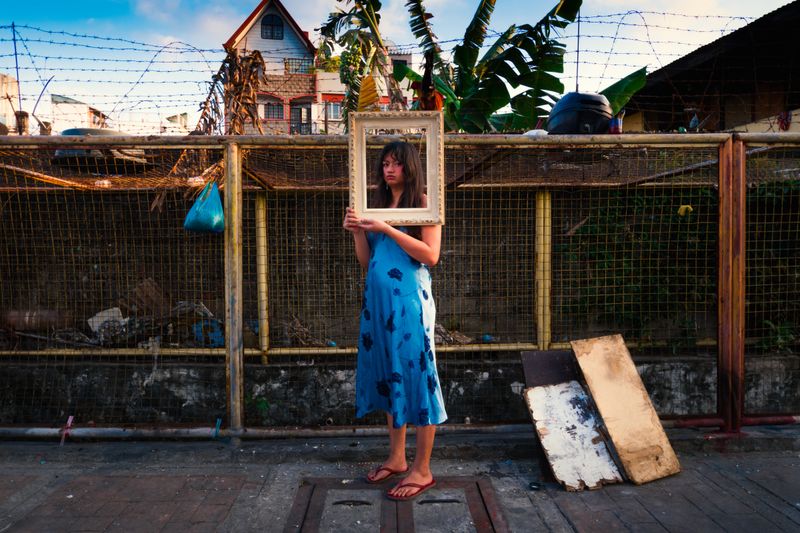
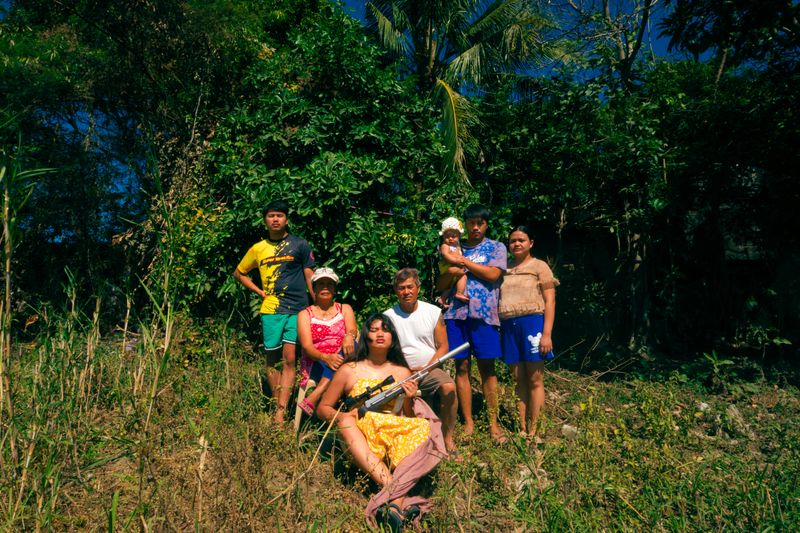
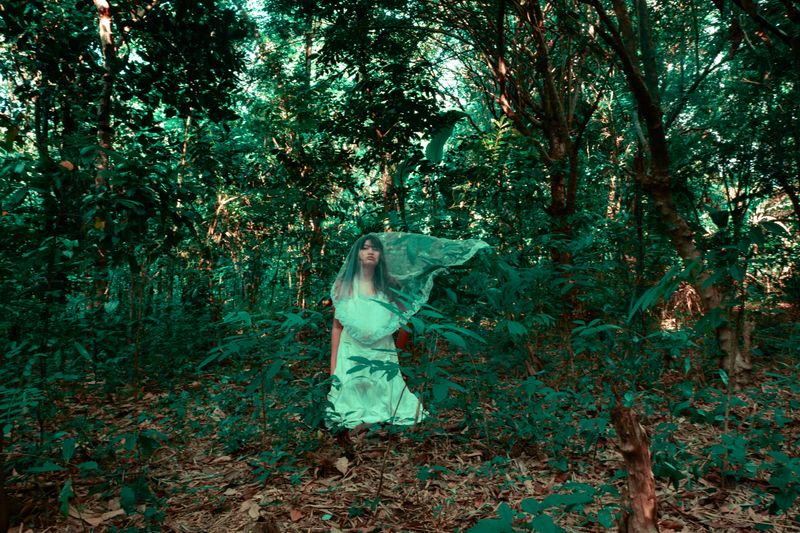
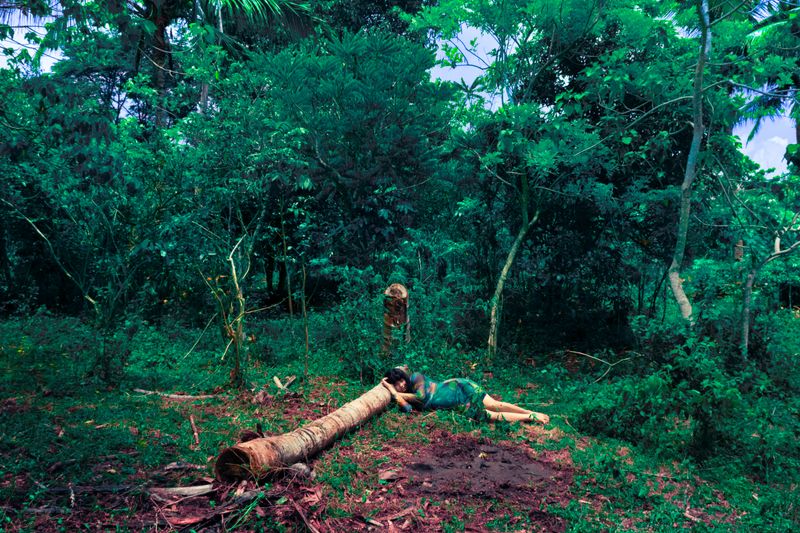
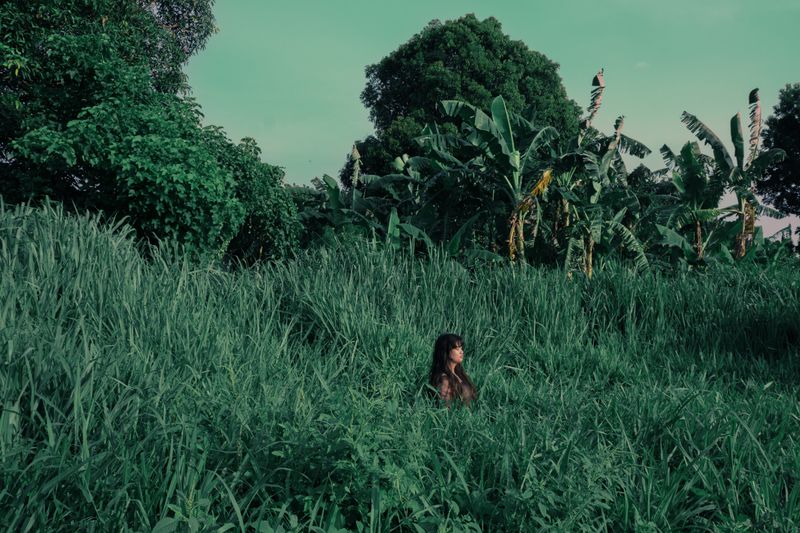
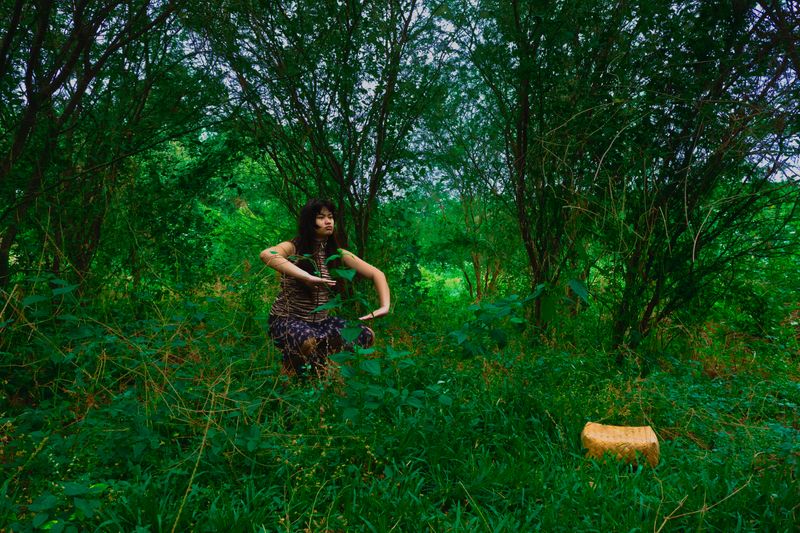
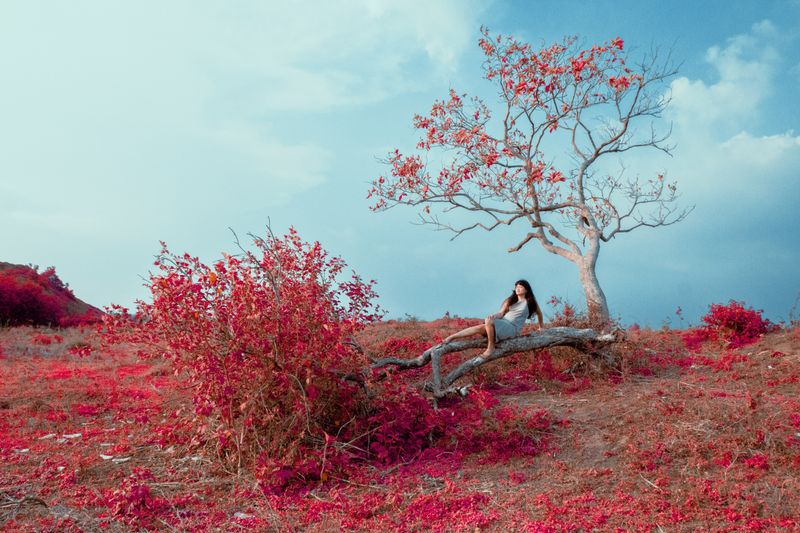
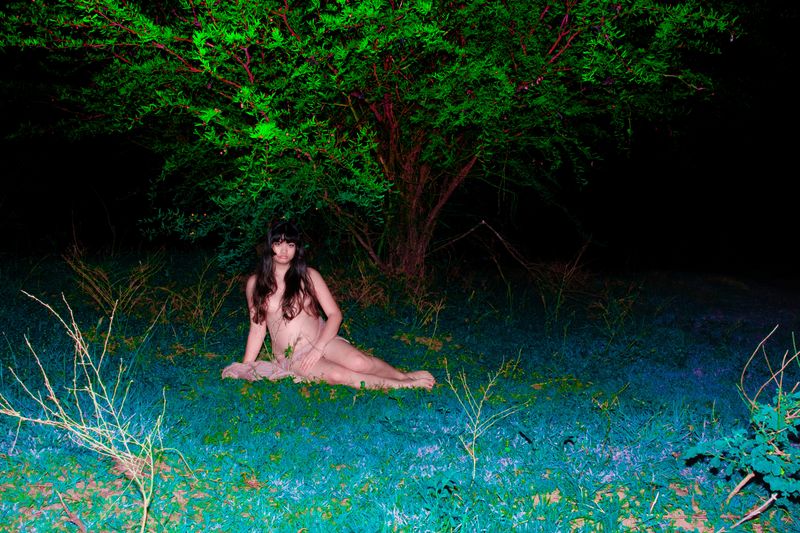
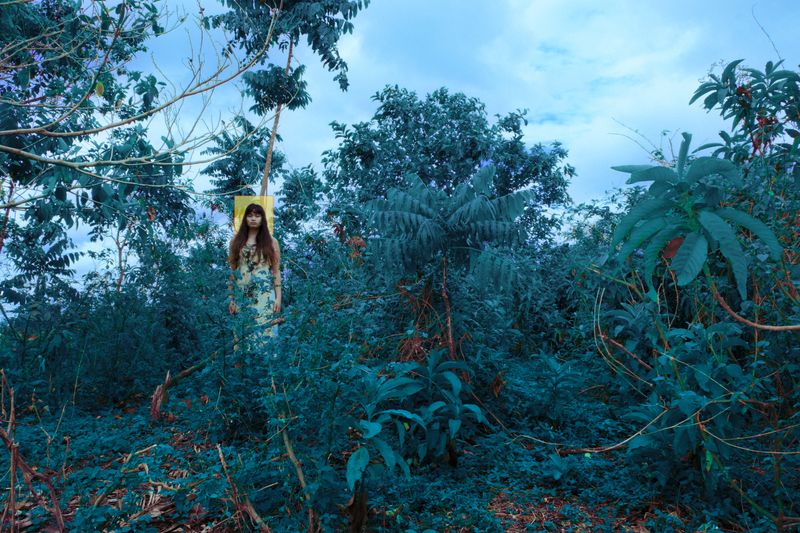
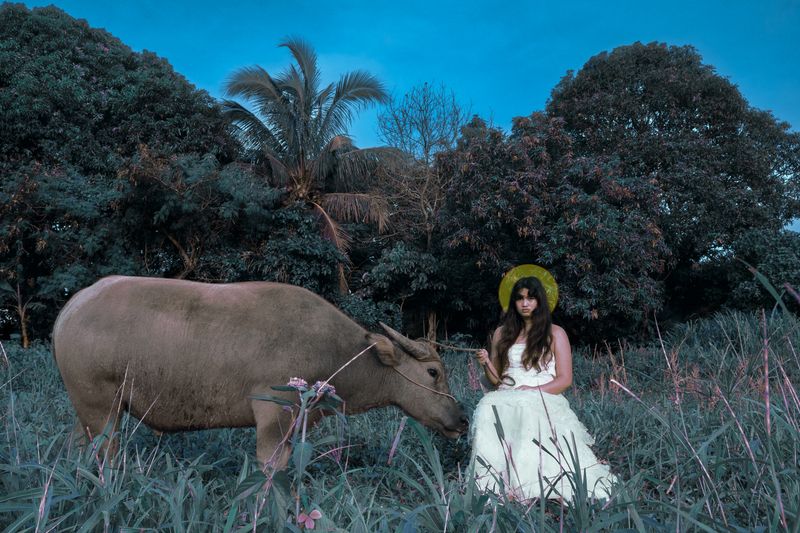
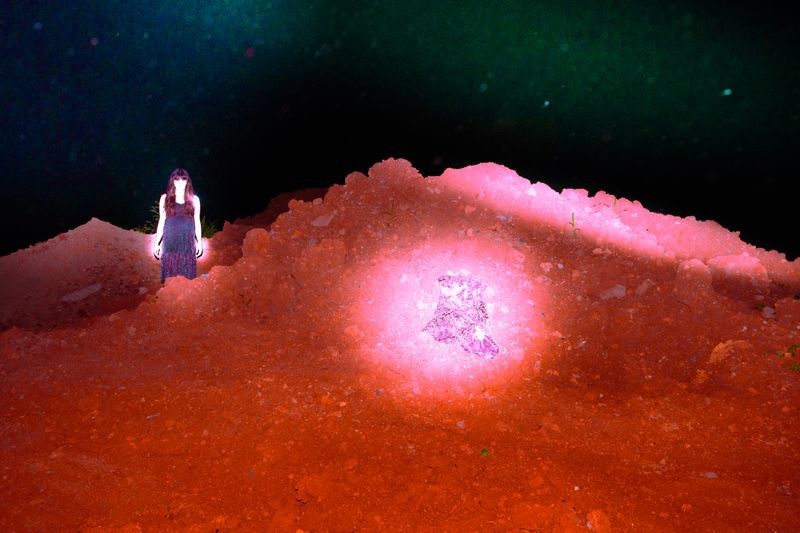
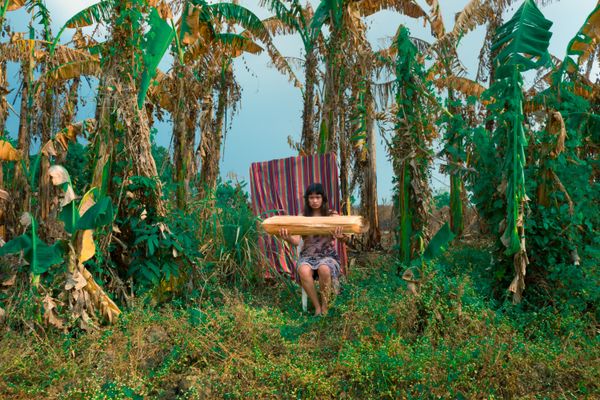
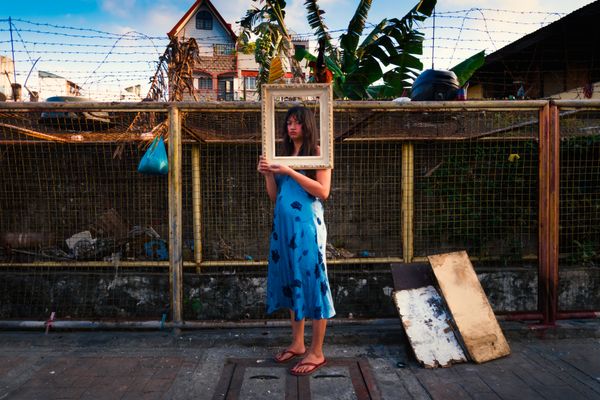
Through self-portraiture, CAVITEÑA stages the transgender Filipina body as both subject and witness, questioning the rules by which a place decides who is recognized.
I made these images as proof that I exist in a world that does not know how to hold me.
I grew up in the hinterlands of Cavite, a Philippine province just outside the capital. I am the eldest child of a farmer and a homemaker. The land was quiet and expansive, and so was the self I was expected to become. But something in me knew I was different. I felt it in a longing that had no language yet. The city gave me that language, but transitioning did not guarantee acceptance. I spent years avoiding mirrors, making myself smaller, chasing a womanhood built from other people's definitions. I was becoming but also disappearing.
This work is the answer to that disappearing.
Creating these images meant wrestling with gender dysphoria and the discomfort of being perceived, of existing in a body the world reads before I have had the chance to speak. A body that does not fit the grammar of its place becomes exotic by force, not because it is foreign, but because the only category the environment offers is one that strips it of dignity. Estrangement from land becomes estrangement from body; estrangement from body becomes, always, a kind of exile.
Here, the body is not spectacle. It is an offering, a way of imagining healing through viriditas, the divine life-giving force that Hildegard von Bingen believed moved through all living things. Its absence, ariditas, leaves behind a spiritual and emotional barrenness born of disconnection. I put myself back into the landscape that alienated me as an act of return, a lamentation that does not refuse the possibility of redemption.
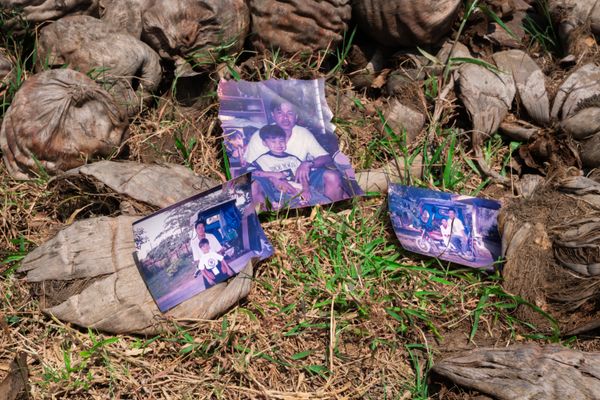
These images are the evidence of my existence. In the land that made me. In the body I inhabit. In the self I am still, slowly, learning to look at without flinching.