Caribeños

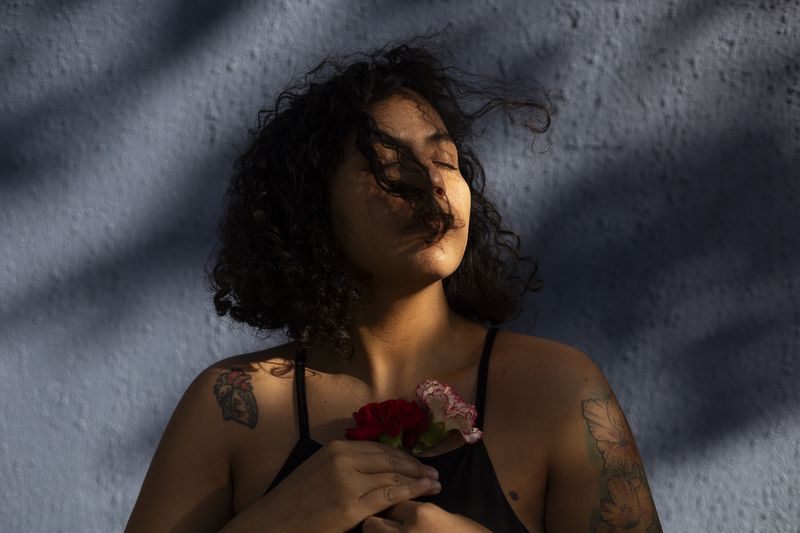
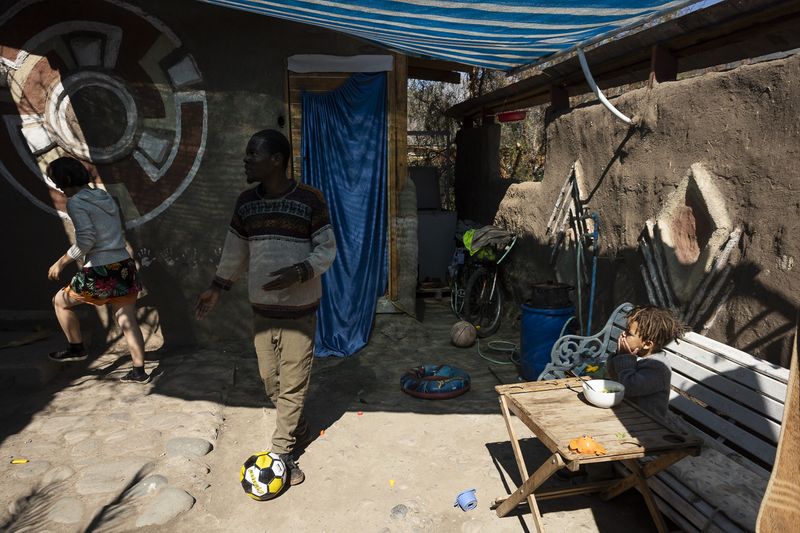
"Caribeños," a personal project that explores migration, xenophobia, and racism in Chile through my history and connections with other people from the Caribbean who live in this southern territory.

"My home is my dad, the hustle and bustle of Luyano, the place where I was born," Mimy says when I ask her where her home is.

I understand her feelings, my home doesn't have walls either. It is the living memory of my grandmother Josefa, a black woman who, decades ago, abandoned her life in the Dominican Republic to emigrate to Venezuela. It is also a sea with a demonym: the Caribbean.

Mimy and I are Caribbean, living in Chile; she is Cuban, and I am Venezuelan. Together with Wiki, Martina, and Matanaki, we are part of the almost one-and-a-half million migrants in this country by December 2021.

Migration, especially from Caribbean countries such as Venezuela, Haiti, and

Colombia has experienced a notable increase in recent decades, contributing cultural wealth and diversity to Chile. However, insufficient immigration policies have exacerbated racism and xenophobia in a country that still underestimates its indigenous peoples and Afro-descendant communities.

On social media, the term "caribeños" has been used pejoratively to refer to migrants from this region. But how can something that fills us with pride be an insult?

"Caribeños" is recognizing myself in the migrant and black history of my grandmother, and it is also a search in others for the ties we share. Resignify the word that defines us and claim dignity in the diversity of our bodies and memories as we face the racism and xenophobia of this southern territory that we inhabit.
© Dagne Cobo Buschbeck - Image from the Caribeños photography project
i

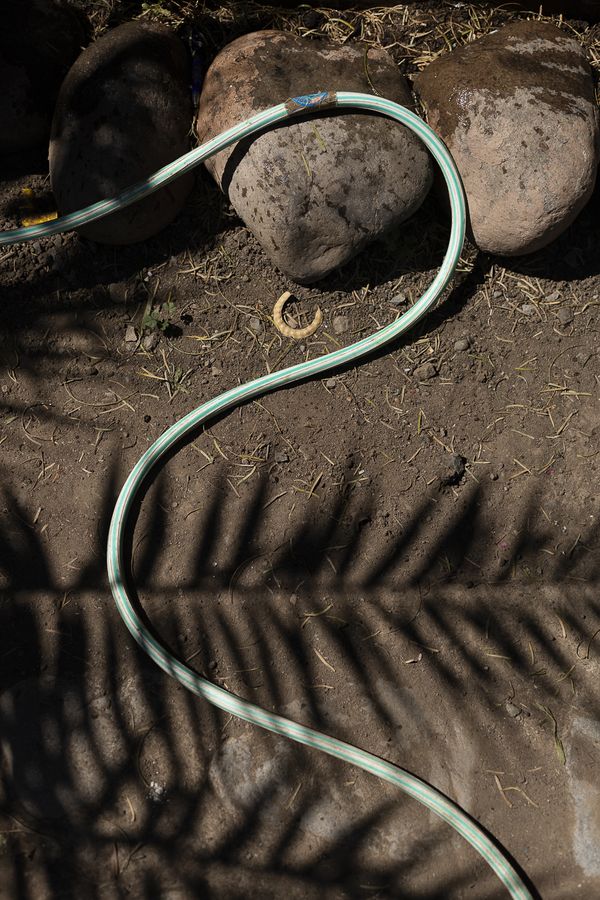
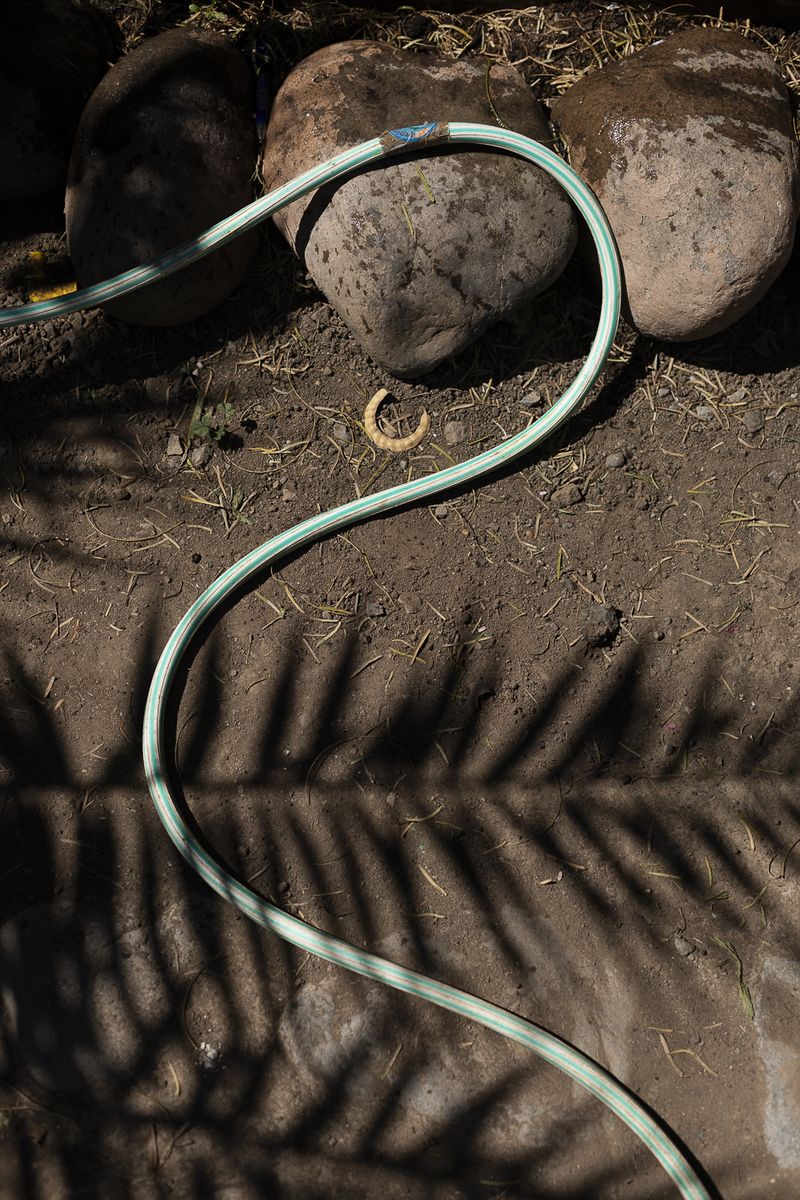
Kinam (not pictured) waters the plants in the yard of his house. For Makanaky, it is a relief that the heat is beginning after the winter. Putaendo, San Felipe commune in Chile. October 9, 2023. Photograph by Dagne Cobo Buschbeck.

© Dagne Cobo Buschbeck - Image from the Caribeños photography project
i

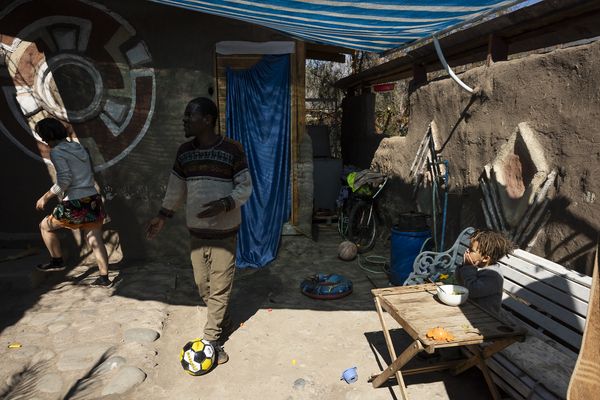
Natalia, Makanaky, and Kinam prepare to have breakfast at their house. Putaendo, San Felipe commune in Chile. October 9, 2023. Photograph by Dagne Cobo Buschbeck.

© Dagne Cobo Buschbeck - Image from the Caribeños photography project
i

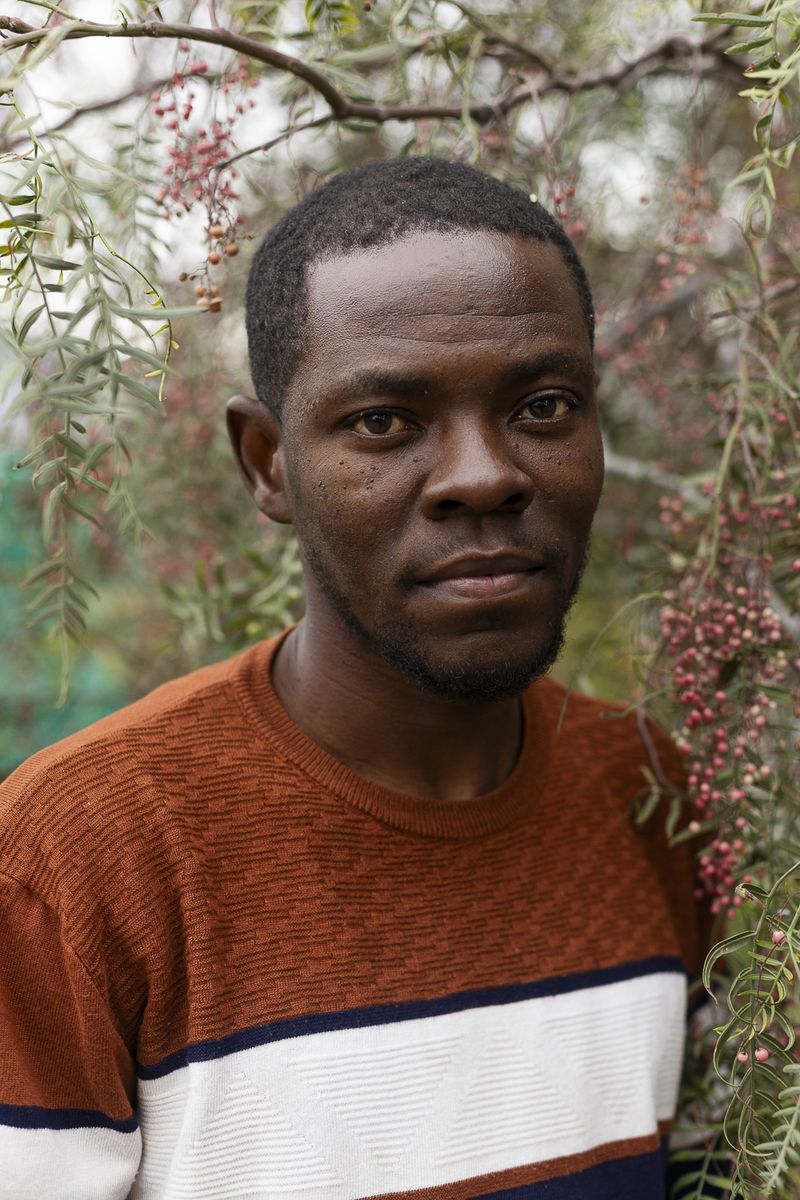
Jean Joseph Makanaki Andain, known as Makanaki ADN, Haitian poet, and slam artist, poses for a portrait in the courtyard of his house under a molle tree, an endemic Chilean species of pink pepper. Putaendo, San Felipe commune in Chile. September 5, 2023.

© Dagne Cobo Buschbeck - Image from the Caribeños photography project
i

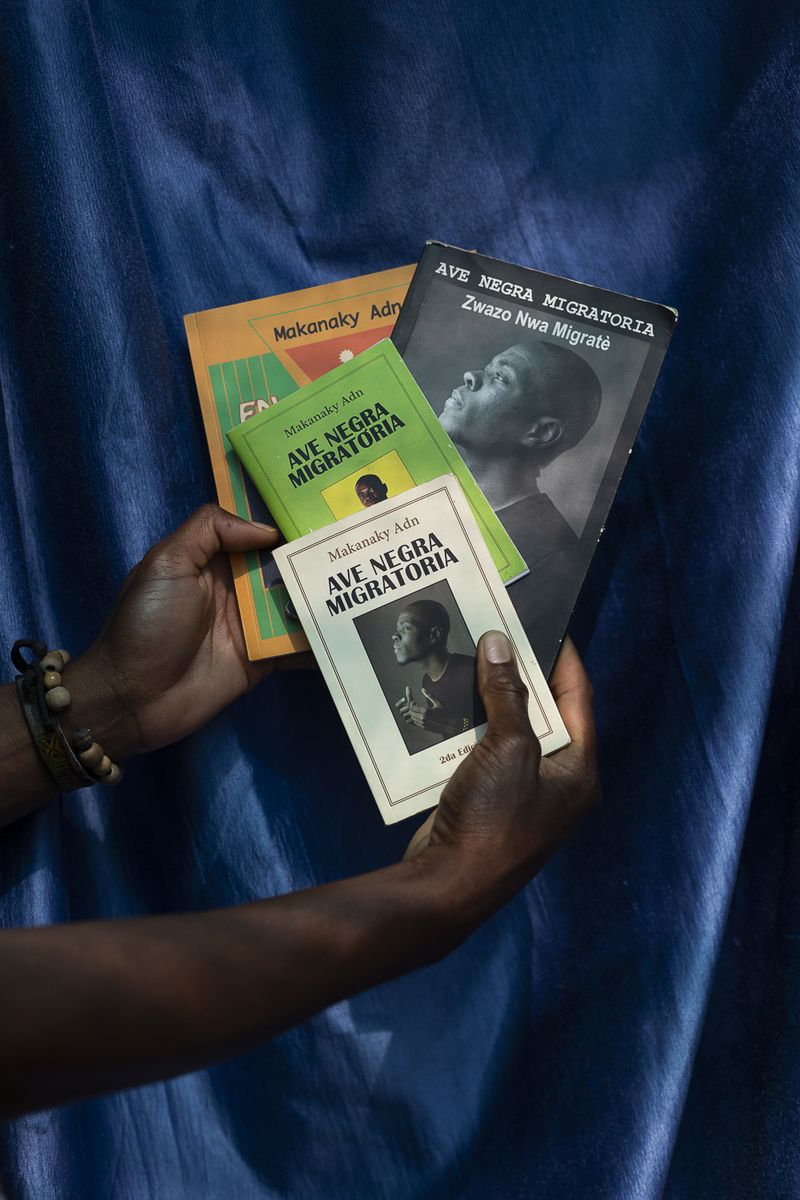
Makanany holds his four books: En Amor Arte, made with Natalia, and Ave Negra Migratoria, in its first and second editions, as well as the Portuguese edition.Putaendo, San Felipe commune in Chile. October 9, 2023. Photograph by Dagne Cobo Buschbeck.

© Dagne Cobo Buschbeck - Image from the Caribeños photography project
i

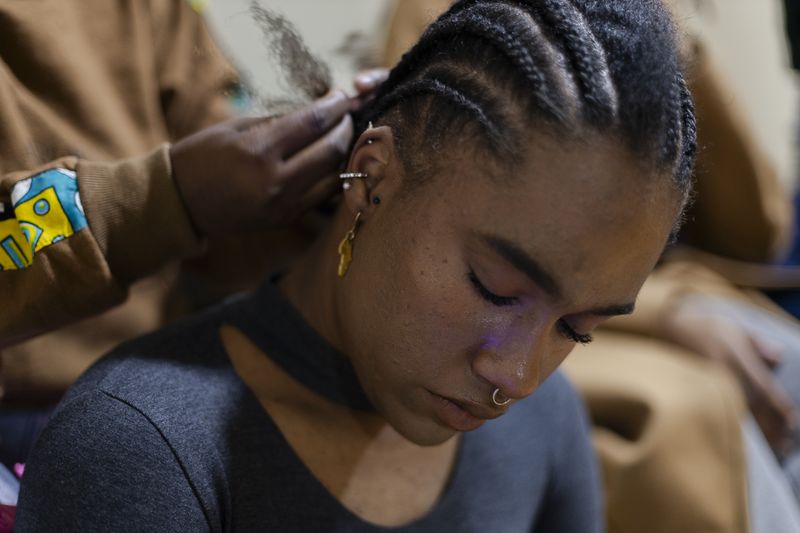
Michelle Montalvo (22) relaxes while her friend Martina Joseph (22) braids her afro hair. Michelle is Cuban. She left her country when she was 13 years old. Santiago de Chile, August 20, 2023. Photograph by Dagne Cobo Buschbeck.

© Dagne Cobo Buschbeck - Image from the Caribeños photography project
i

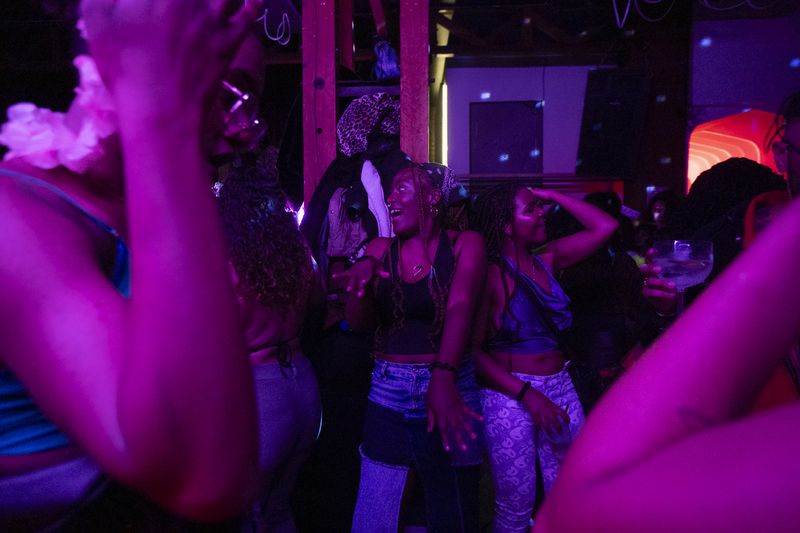
Martina Joseph (22, center), a Haiti migrant in Chile, dances at an Afro-themed party in the Yungay neighborhood in Santiago, Chile, on September 8, 2023. Photograph by Dagne Cobo Buschbeck.

© Dagne Cobo Buschbeck - Image from the Caribeños photography project
i

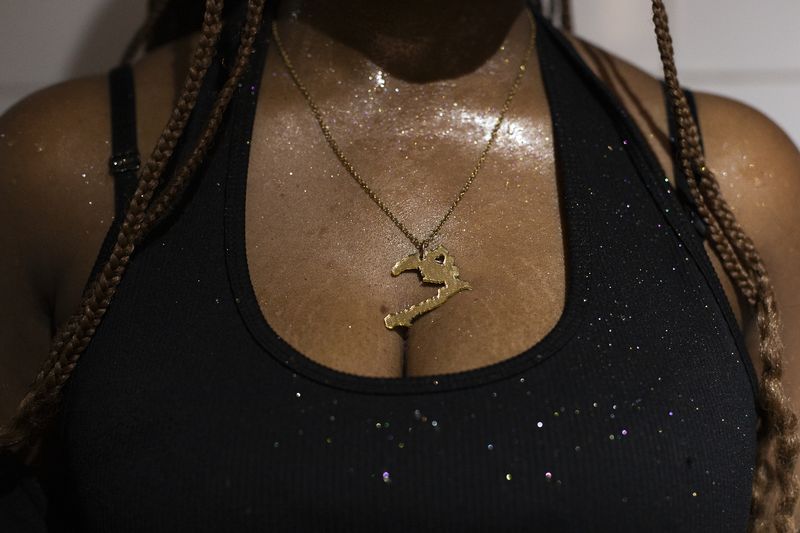
Martina Joseph (22) poses for a portrait of the detail of her slope in the shape of the map of Haiti during a meeting with friends in the Bellavista neighborhood of Santiago, Chile, on September 8, 2023. Photograph by Dagne Cobo Buschbeck.

© Dagne Cobo Buschbeck - Image from the Caribeños photography project
i

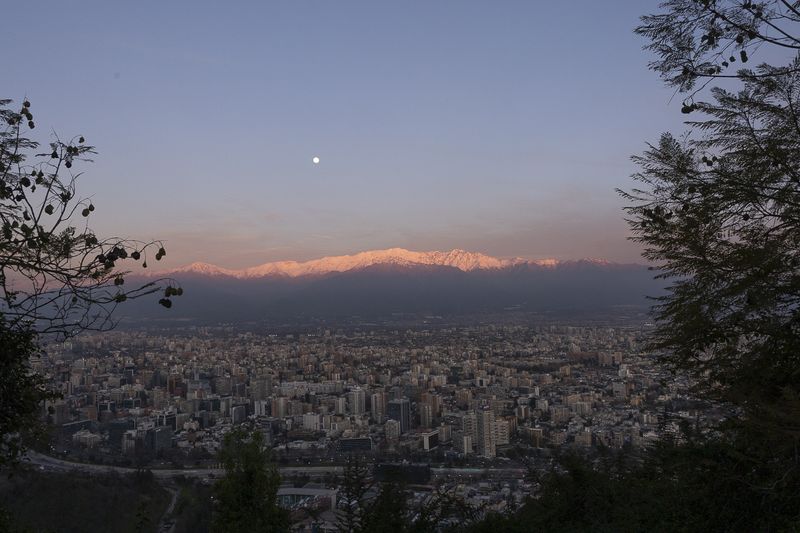
View of Santiago de Chile from San Cristóbal Hill, August 29, 2023.In Chile, there are around a million and a half migrants for December 2021.Photograph by Dagne Cobo Buschbeck.

© Dagne Cobo Buschbeck - Image from the Caribeños photography project
i

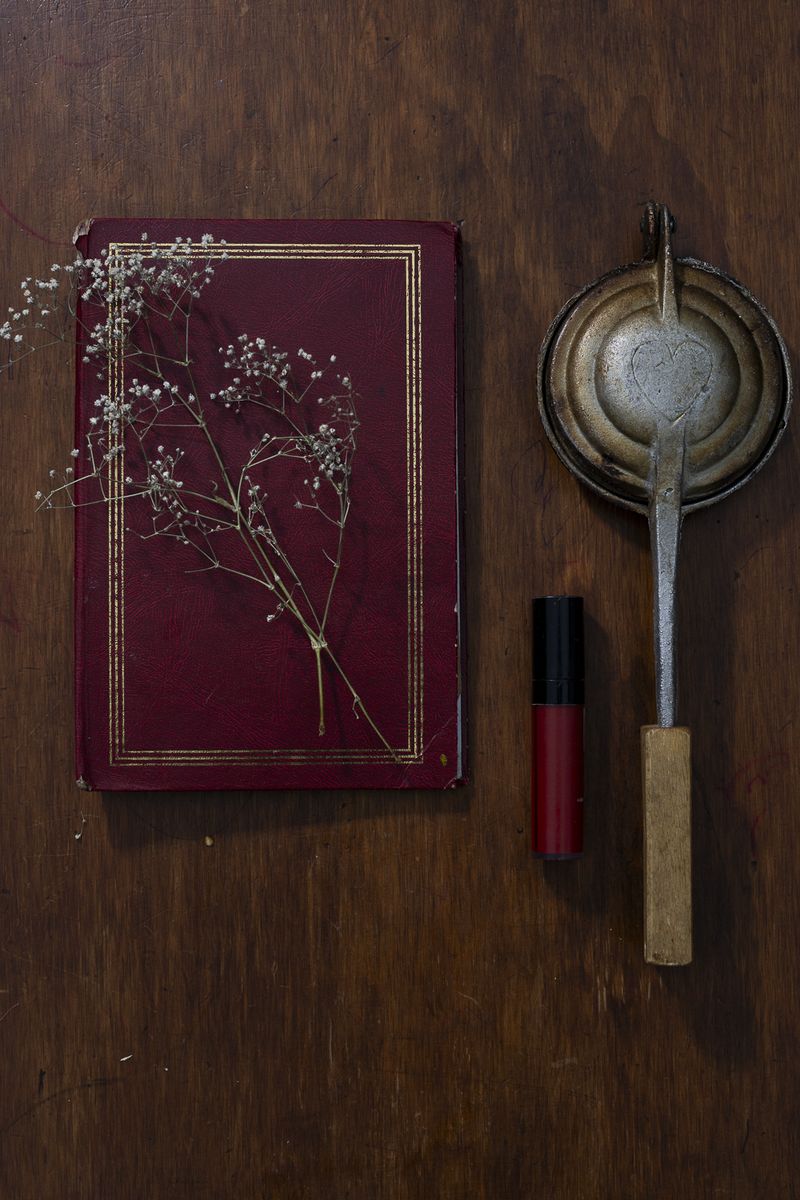
A toaster that Michelle brought and that they use in Cuba, in the middle a lipstick that a friend gave Martina before leaving, and a book of Wiki's memories. Santiago, Chile, September 9, 2023. Photograph by Dagne Cobo Buschbeck.

© Dagne Cobo Buschbeck - Image from the Caribeños photography project
i

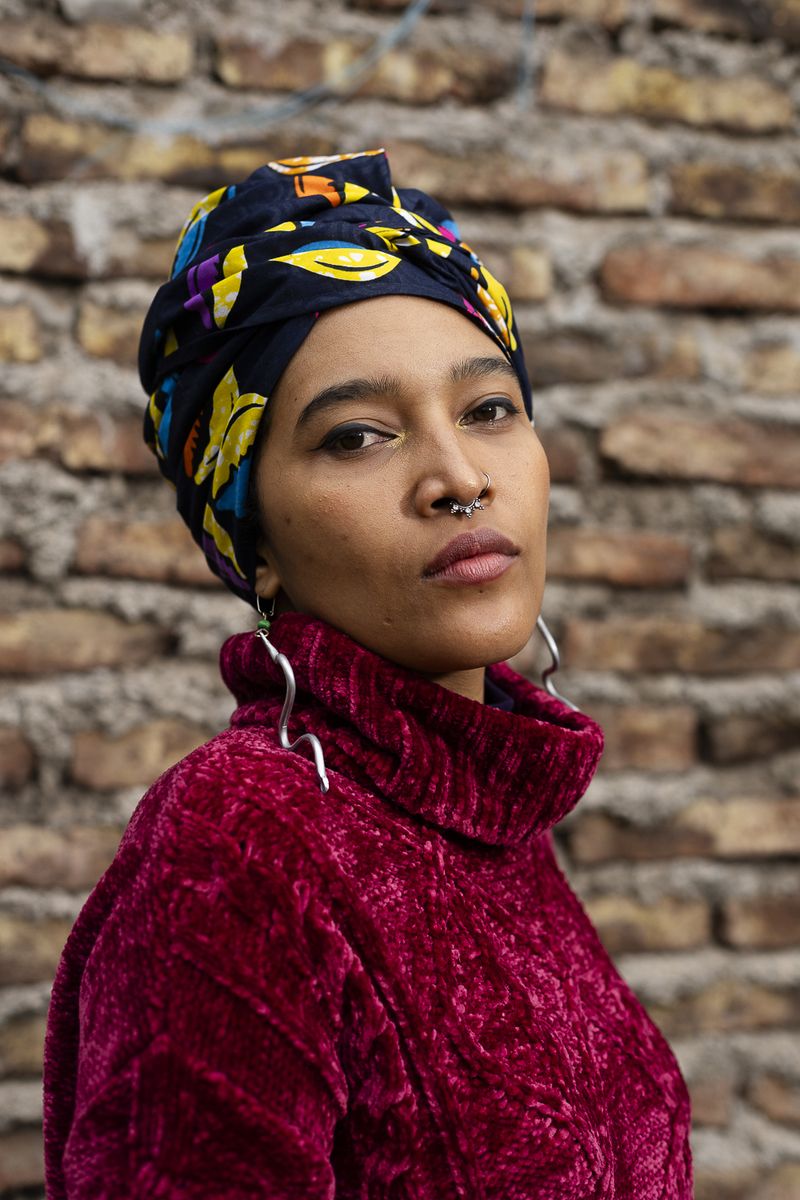
Wiki Pirela (30), a visual artist from Venezuela, poses for a portrait in Santiago, Chile, on September 9, 2023.His work focuses on migration, creating his symbols, and home in uprooting. Photograph by Dagne Cobo Buschbeck.

© Dagne Cobo Buschbeck - Image from the Caribeños photography project
i

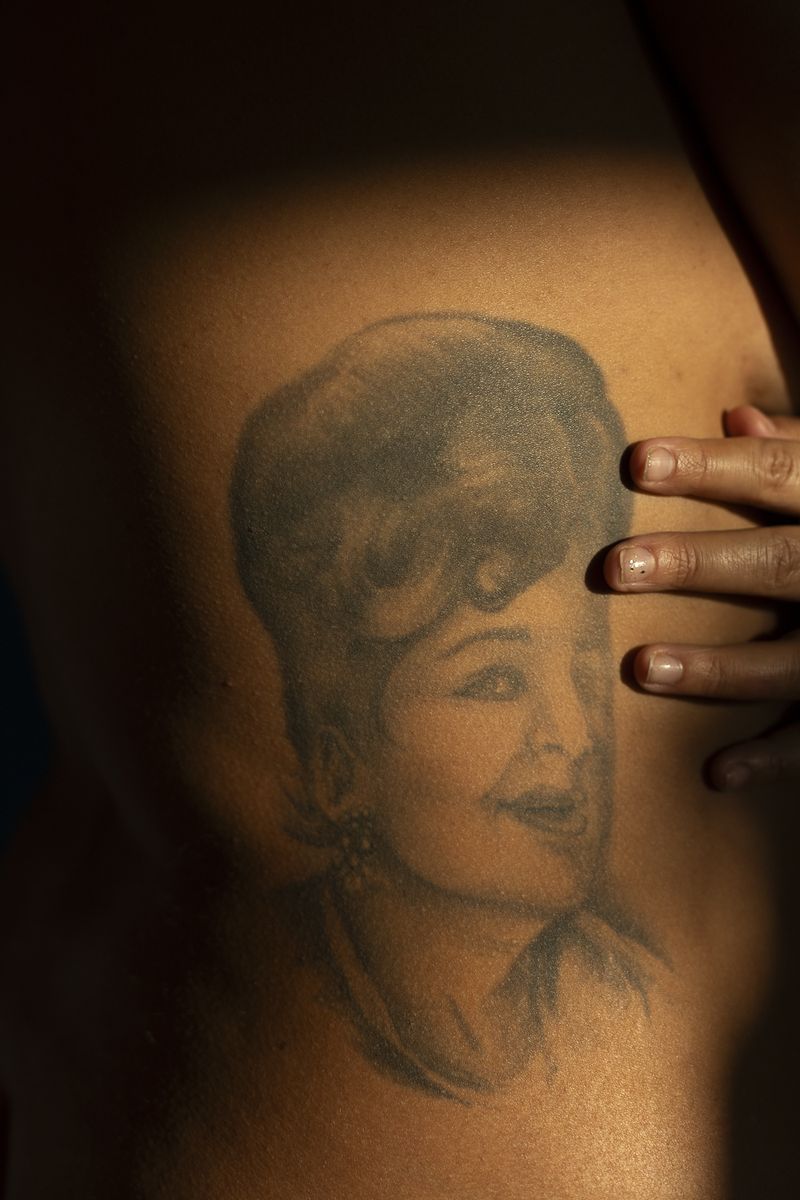
Self-portrait of the tattoo with the face of my grandmother Josefa.With migration, I have become more curious about the story of her, a black migrant woman like me.Santiago de Chile, August 31, 2023. Photograph by Dagne Cobo Buschbeck.

© Dagne Cobo Buschbeck - Image from the Caribeños photography project
i

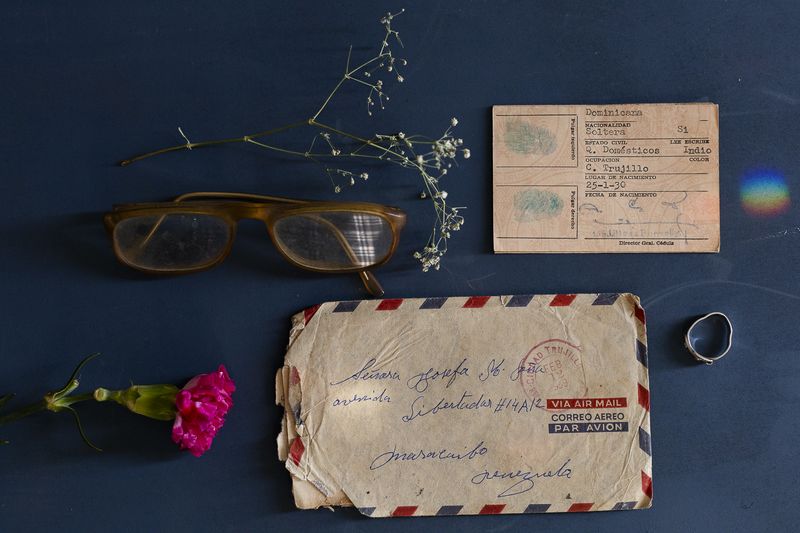
Some things from my grandmother: her Dominican ID, one of the letters her mother sent her, her glasses and a ring she wore, along with a carnation, her favorite flower.Santiago de Chile, August 31, 2023. Photograph by Dagne Cobo Buschbeck.

© Dagne Cobo Buschbeck - Image from the Caribeños photography project
i

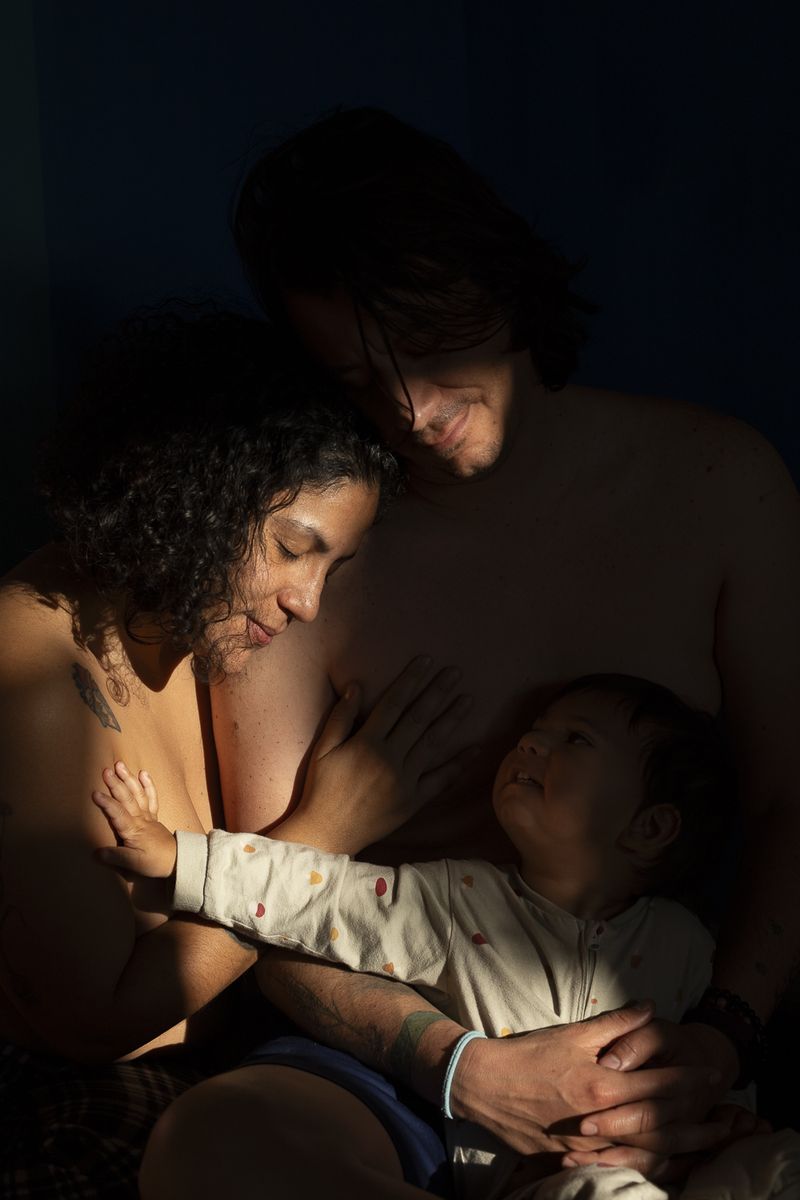
Self-portrait with my husband, Miguel, and our son, Merú.Santiago de Chile, August 31, 2023. Photograph by Dagne Cobo Buschbeck.

© Dagne Cobo Buschbeck - Image from the Caribeños photography project
i

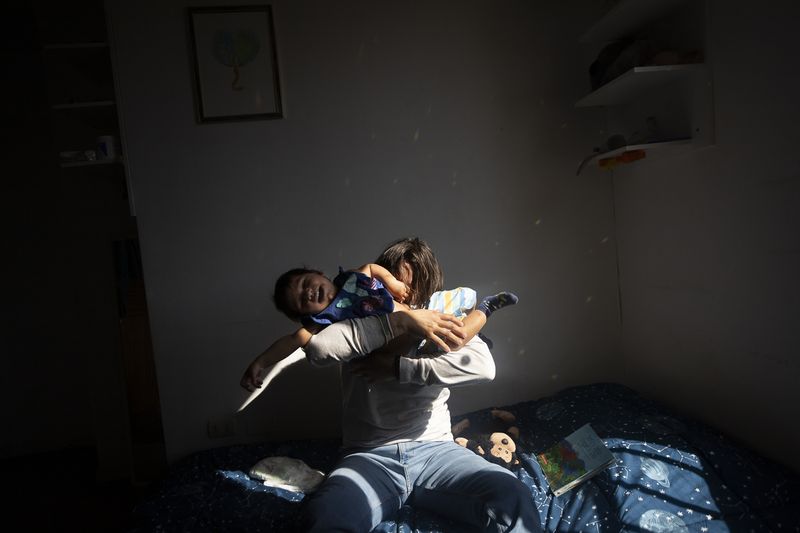
Miguel and my son Merú play in his room during a spring afternoon. Miguel is also Venezuelan and feels Caribbean. Keeping our culture alive in raising our son is essential. Santiago de Chile, October 11, 2023. Photograph by Dagne Cobo Buschbeck.

© Dagne Cobo Buschbeck - Image from the Caribeños photography project
i

Self-portrait with flowers on a street in my neighborhood. Carnations were my grandmother Josefa's favorite flowers. I buy them on special dates to honor or feel her with me. Santiago de Chile, October 11, 2023. Photograph by Dagne Cobo Buschbeck.