Broken Princess

Domestic violence and physical abuse at home is a global issue. But nowhere is more prevalent than in societies whose foundational values are still completely patriarchal. In these societies women have no escape but submission, and those who can’t submit, have very little alternatives.

Broken Princess is the story of women in Iraqi Kurdistan who tried to escape the violence by setting themselves on fire. And while suicide is far from being a sporadic choice for women, the question of why Iraqi Kurdistan women choose such a painful and devastating way to try end their lives is what compelled me to investigate this phenomenon further. Fire has a historical and cultural meaning for Kurdish people: it means light, goodness and purification. Kurdish women express their love saying: "I burn myself for you!” as the ultimate indicator of dedication and loyalty.

Kurdish women appropriate this symbol and fire becomes their own purifying vehicle. Through fire, they escape from a life that traps them in an oppressive society with no economic and social independence, while they are aware of their disadvantages in comparison to other cultures — as provided by mobile phones, internet, and social media. Yet, not all of them succeed in killing themselves.Those who survive are left with terrible physical scars and possibly harder psychological ones: they regret their choice but have a very limited social structure to lean on for recovery. With little support and little visibility, they find themselves in a place that is worst, if possible, than before.

Kurdish culture has been portrayed across the media as an exceptional island of cultural relief for gender contrast and a progressive milieu for gender equality. Kurdish women fighters are the symbol of social justice.
I have lived with them and testified to their strength. Yet, while with them, it hit me: for those who are not on the frontline, keeping one’s freedom is very hard. But no one talks about it in the international press.

While working with the fighters, it was brought to my attention the the rest of the women population and atrocious practice of committing suicide by setting their bodies of fire, and the enormous extent to which this practice takes place.
Indeed, Kurdish women can enjoy independence and independent life projects, but they last as long as girls and women are successful in school, and do not marry. If they fail a test , they cannot continue studying and cannot hope in a job. If they marry, they will have to trade study or work for house chores and children. From strong minded and enterprising women, they are now at the merci of their families or their husband’s family. There is no exit from the desperation. This is the reason why they consider suicide is the only option. And it has become so common that now men who want to get rid of their wives, set fire to them and cover it up as a suicide. Many burnt corpses go unclaimed, as it brings shame to the family, and are buried without a name.
This is why I need to shed a light on these underrepresented women.

I want to understand their feelings, visualize them, give them their righteous dignity, and show their difficult situation to the world, at once. and celebrate with them their struggle and their accomplishments. The project will be a complete body of work, made by photography, video and texts. A balanced approach of narrative - daily shots, dreams, suffering, memories, will be paired with factual evidence providing the wider context I am looking for .
But the actual end result I aspire for is that this body of work acts as a catalyst to provide better opportunities for women to live in better conditions. This movement would be a joined work between the Kurdish society and foreigner professionals. In fact, professionals in the medical field — as well as in a variety of other areas —are already getting together as a consequence of the awareness brought by this project to build real, on-site activities. On the one hand, we have doctors that contribute to the training of the wonderful hospital staff — at the Burn and Plastic Surgery Hospital In Sulaymaniyah — which caters to these women, completely for free, with love and care. On the other hand, this project needs to include a place for Kurdish women to regain hope in a pragmatic way.

Many photographers have covered the fighters’ story but, it is fundamental to celebrate and support Kurdish women through all different struggles and their wonderful accomplishments.
© Valentina Sinis - Image from the Broken Princess photography project
i

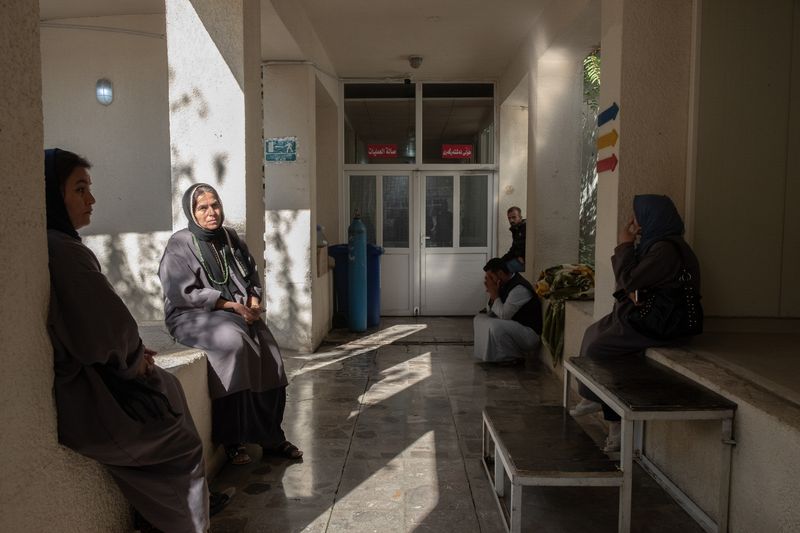
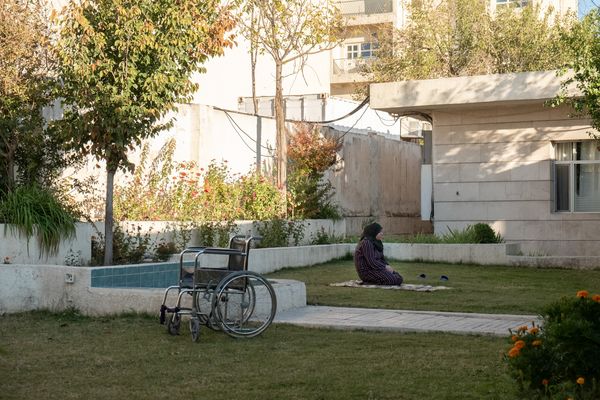
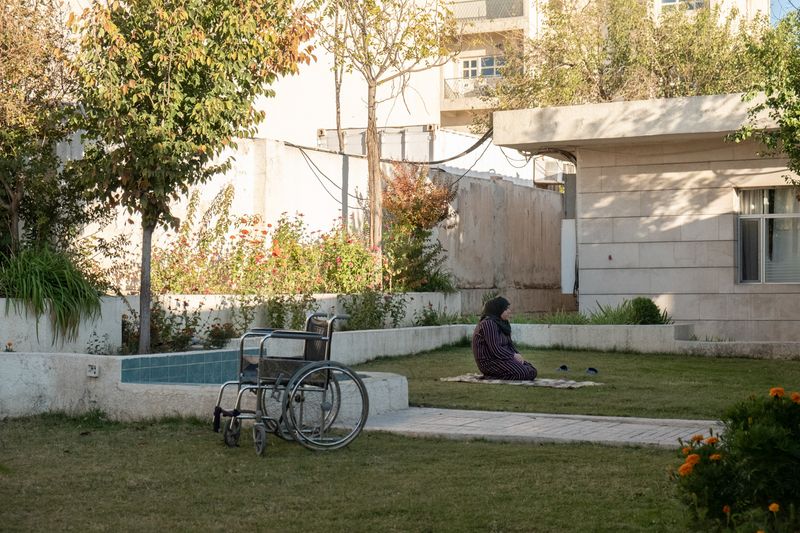
A woman praying in the courtyard of the Burn and Plastic Surgery Hospital in Sulaymaniyah, Iraqi Kurdistan. Sulaymaniyah, Kurdistan Region, Iraq, 03 November 2019. This hospital — which was established by an Italian NGO in the mid 90s — is now run by the local government and well trained doctors and nurses that provide free services to their patients regardless of their economic circumstances. For those women who attempted suicide it is not easy to go back to life. Therefore, with the help of some local NGOs, the hospital provides psychological assistance whenever needed. Since the majority of these women are Muslim, they see themselves as unforgivable and sinful people and suicide is considered one of the biggest sins, in Islam. In a historical step, in 2011, Iraqi Kurdistan parliament passed a law to tackle domestic violence against women. According to article eight, a male defendant can face life sentence or death penalty if it’s proven that he was involved in honour killing or using violence that resulted in self-immolation.

© Valentina Sinis - Image from the Broken Princess photography project
i

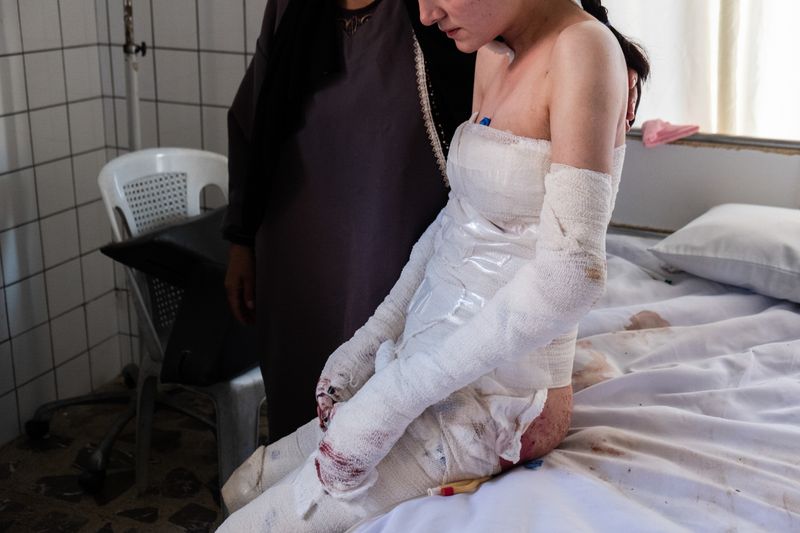
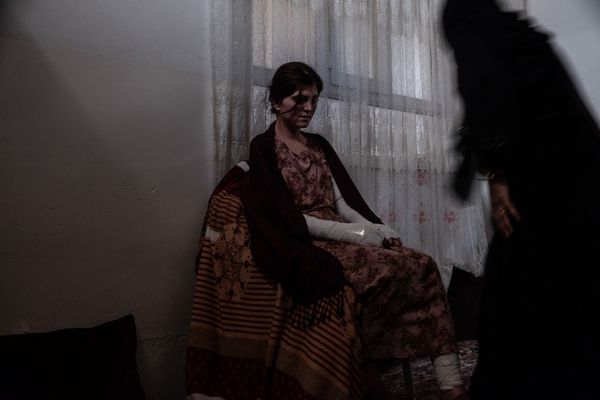
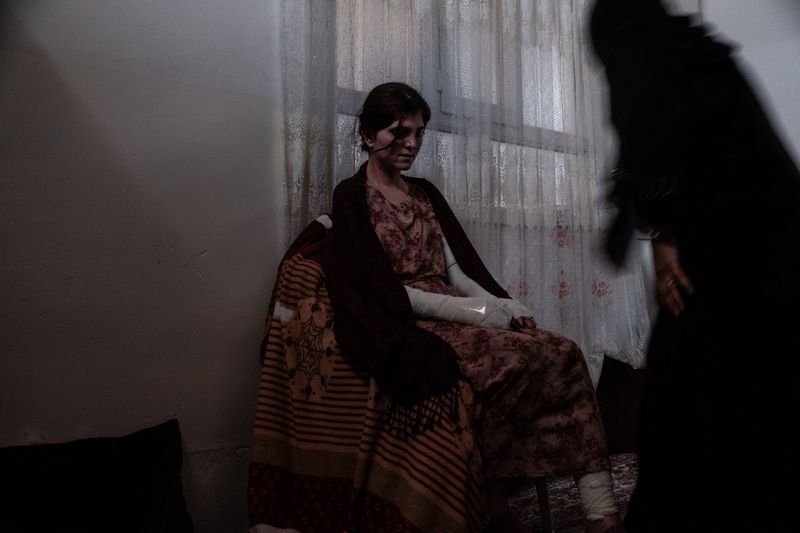
Daroon, is sitting in her family living room waiting for her mother to help her to stand up. Since her attempted suicide, Daroon went back to her parents’ place. The house is small and the family is comprised by seven members. In this room, her parents set up a bed for Daroon, so that she can be more comfortable. Ranya, Kurdistan Region, Iraq, 21 November 2019. After staying at the burn hospital for over two months, now she is back to her home in Ranya, a small town near the border with Iran. She found herself broken, ashamed and lonely as she describes her inner feeling. She is the older daughter of the family and has four siblings, two boys and two girls. After her attempt to end her life, she is well protected by her family and everybody at home are trying to bring her back to what they call it normality.

© Valentina Sinis - Image from the Broken Princess photography project
i

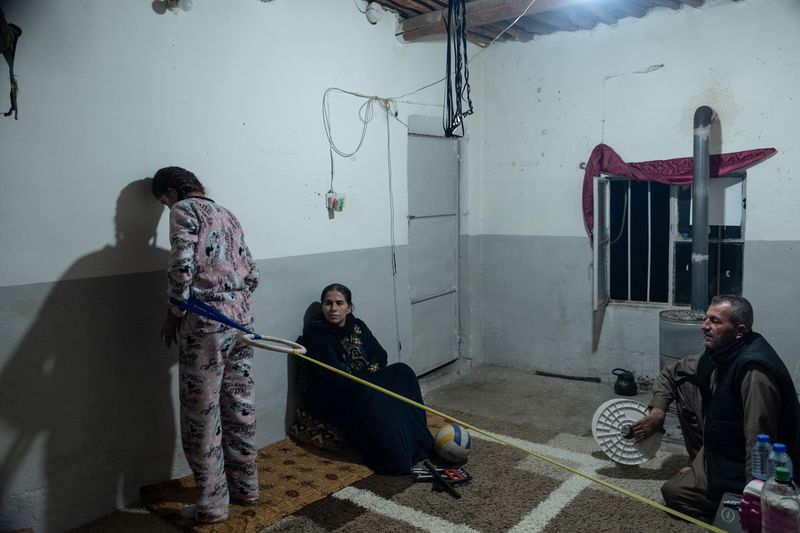
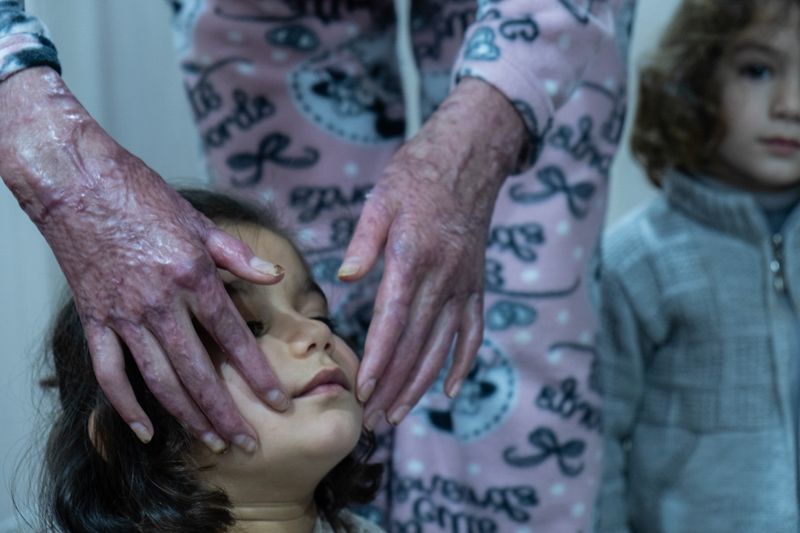
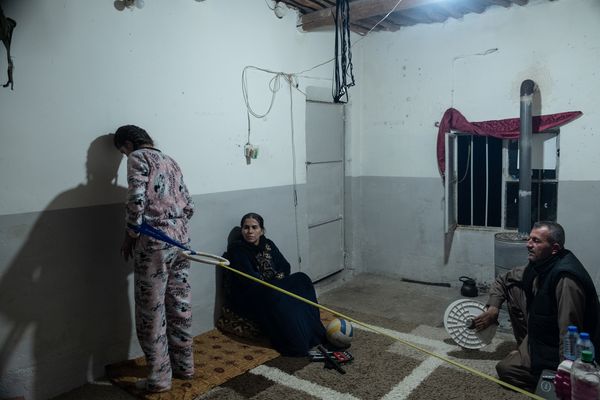
Daroon, 20 year old, does her routine exercises with her mother and father. Ranya, Kurdistan Region, Iraq, 07 January 2020. After her dispatch from the hospital, in order to get her physical abilities back, she has to do a series of exercises and physiotherapy. Once a day, her father takes her to the only physiotherapy centre in town. At home he converted a spare room into her home training area. He put a stove and provided some basic tools. He and his wife assist Daroon when she goes through the routine and the pain of the training. Self-immolation is extremely painful for the victim, who has to deal with physical and mental pain in the process that causes her death. But also for the family that has to cope with the guilt as well as the social stigma caused by the self-immolation of a relative. It’s shown that self-immolation leads to personal and public damage beyond repair for the individuals and families involved and that this issues last for a very long time. In Daroon’s case, her family is extremely supportive and gives no sign of discomfort in face of her new situation. This gives her a glimpse of hope: perhaps one day she will see a brighter life in the horizon, even though her unhealable wounds will stay with her forever and her hands will always reminder her of a dark, painful past.

© Valentina Sinis - Image from the Broken Princess photography project
i

Daroon, 20 years old, is playing with her young cousins at her grandparents’ home. Ranya, Kurdistan Region, Iraq, 07 January 2020. When Daroon attempted suicide, she was five months pregnant and the baby was born dead. She never wanted to marry at the first place and did not want a child but was forced by her mother in law and her own mother to go through with it all, as they believed that having a child may solve their marital problems — Daroon said. During her time in the hospital, her husband visited her but every time was rejected by Daroon and finally decided to divorce her. Now Daroon is planning to go back to school, study English at the local university, and she want to become a teacher in order to help the younger generation to have a better future.

© Valentina Sinis - Image from the Broken Princess photography project
i

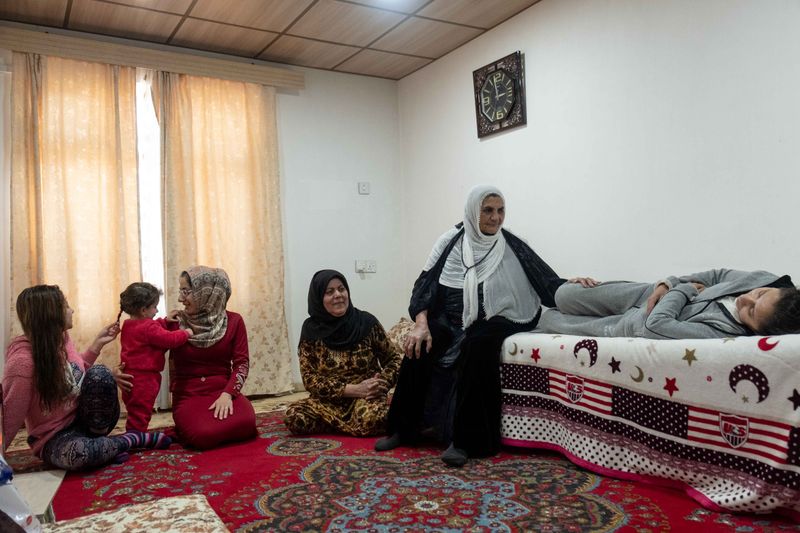
Jiwana is lying down on her bed during a family visit after she was discharged from the hospital, Sulaymaniyah, Iraqi Kurdistan, 10 January 2020. Jiwana is dealing with 49% third degrees burn that requires months and even years to be healed with many distractions on the skin. When she was released from the hospital most of her relatives and neighbors gave her a visit to show their support. These visits are mostly done by women and will give her a sort of psychological relief as she is not the only woman who faced domestic violence. Now, she realized that is not able to see her one-year-old daughter, Diya, because her ex-husband thinks that is not good for a year-old girl to see her mother in the current state of being. Jiwana once immolated herself to protest the abusive act of her husband and her mother-in-law, but now apart from her destroyed body again she has to deal with their tough decision of withholding her beloved daughter. When a married woman set herself on fire in most of the cases the family of her husband would not accept her anymore and the victim has to rejoin her own parents. Fortunately, most of these families are supportive and will accept the burden of having their married daughter back.

© Valentina Sinis - Image from the Broken Princess photography project
i

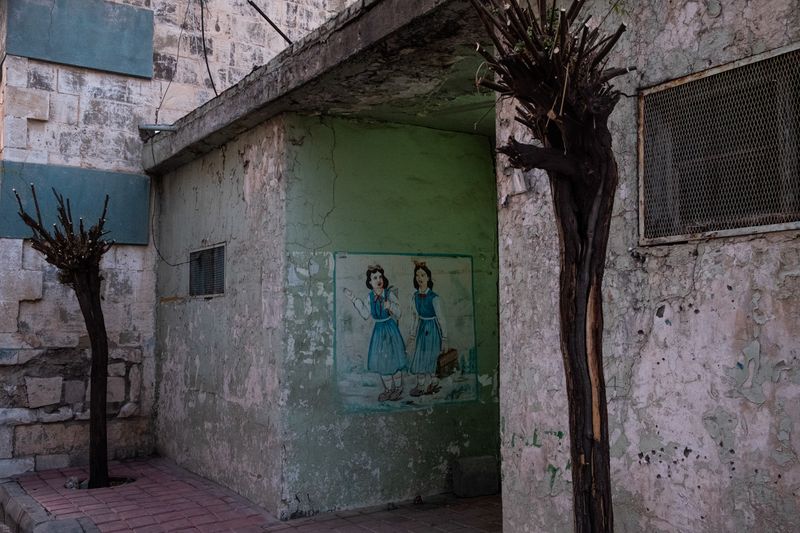
A view of Malkandy female high school with metal windows that reflects the overall gender discourse in Iraqi Kurdsiatn. Sulaymaniyah, Kurdistan Region, Iraq, 18 November 2019. Though, Iraqi Kurdistan is modern and has a secular political system, violence against women remained high. Historically, in this region, women have a tradition of demanding equality. Many Kurdish women took arm and fought against Dictatorship in Iraq and are still at the forefront of fighting for equality and their rights. In a historical step, in 2011, Iraqi Kurdistan parliament passed a law to tackle domestic violence against women. According to article eight, a male defendant can face life sentence or death penalty if it’s proven that he was involved in honour killing or using violence that resulted in selfimmolation. This is why in most cases when the victim arrives at the hospital her family claim that it was an incident rather than a self-immolation attempt. However, according to the statistics provided by the Director of the Violence against Women Watchdog (established in 2011), 73% of the women attempting self-immolation are 14-30 years old, suggesting a social difficulty faced by young Kurdish women in Iraq.

© Valentina Sinis - Image from the Broken Princess photography project
i

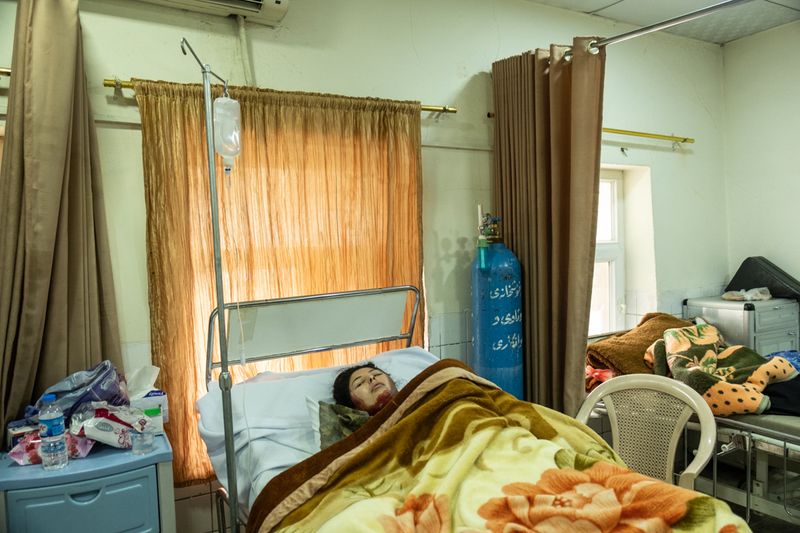
Barzy, 21 year old, in her hospital bed a few hours after she tried to burn herself to death. Sulaymaniyah, Iraqi Kurdistan, 12 January 2020. Barzy, mother of two children, was at home with her husband when their arguing led to her panic and anger. A moment later she rushed to the balcony and pour oil on her body and set herself on fire. As the most of survivors she was regretted her irrational decision the moment she felt the pain and asked for help. Her husband came to help and drove her to the emergency hospital but this did not help to solve their disputes. On the contrary, she is blaming her husband for what happened to her and now wants a divorce. On the other hand, her husband’s family does not let her keep her two children as they believe that she is not a suitable mother to them. Barzy was in 12 grades and wished to enter the university and create a better future for herself but was forced to accept an arranged marriage. After what had happened to her, she wants to start a new life with her kids, going back to school and start a career to raise up her children. Dreams that may never come true due to what her mother describes as a world of the men.

© Valentina Sinis - Image from the Broken Princess photography project
i

Daroon, 20 year old, is trying to stand up, helped by her mother, in order to walk a little bit, on the day before her first surgery. Sulaymaniyah, Kurdistan Region, Iraq, 03 November 2019. When Daroon was betrothed at the age of 18, no one in her family imagined that her marriage would end it like this. Two years later, she suddenly decided to end her life by setting her body in fire. A moment later, she regretted her decision, but it was too late and almost 30 percent of her body was burned. She spent the next three months in the emergency hospital of Sulaymaniyah, Iraqi Kurdistan. Now, after a series of plastic surgeries, she’s ready to go home. Since she had an unhappy marriage, during her recovery she decided to divorce and to have a more independent life. Now, Daroon wants to go back to school and study English in order to become a teacher. However, she’s going to face many difficulties as part of her skin is damaged and she psychologically is not recovered yet.

© Valentina Sinis - Image from the Broken Princess photography project
i

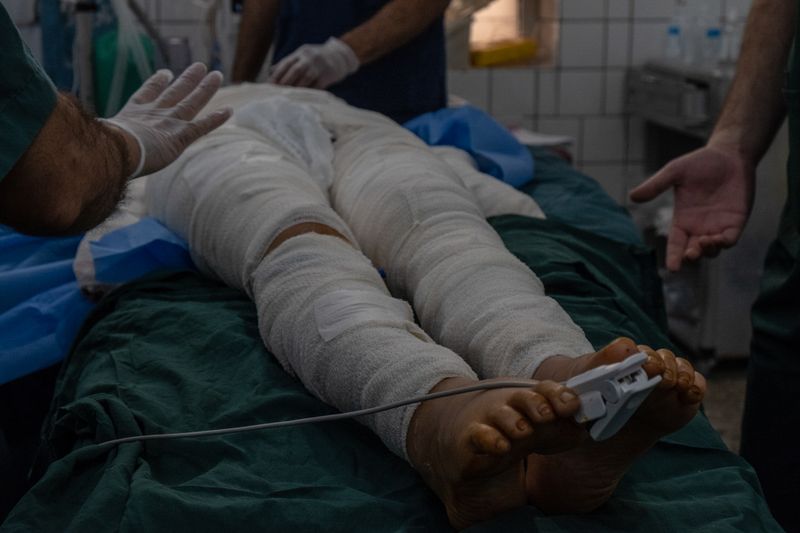
The operation room of burn and plastic surgery hospital in Sulaymaniyah, where a group of doctor and nurses are operating a woman who set herself on fire. Sulaymaniyah, Kurdistan Region, Iraq, 03 November 2019. This hospital is established by an Italian NGO in mid 90s that now runs by the local government and well trained medical team. The hospital became the home of many women who commit suicide by setting themselves on fire as it provides free services regardless to the economic circumstances of the patients. Now, apart from providing medical treatments, the hospital has a psychological advisory unit that run by local female volunteers who are specialised in dealing with post traumatic conditions. Every woman who treated in this hospital has access to psychological advises whenever needed. Each psychotherapist is assigned to deal with three to four patients and every session is fully confidential and private and free of charge. According to some patients these sessions are very well prepared and helped them to not give up in life.

© Valentina Sinis - Image from the Broken Princess photography project
i

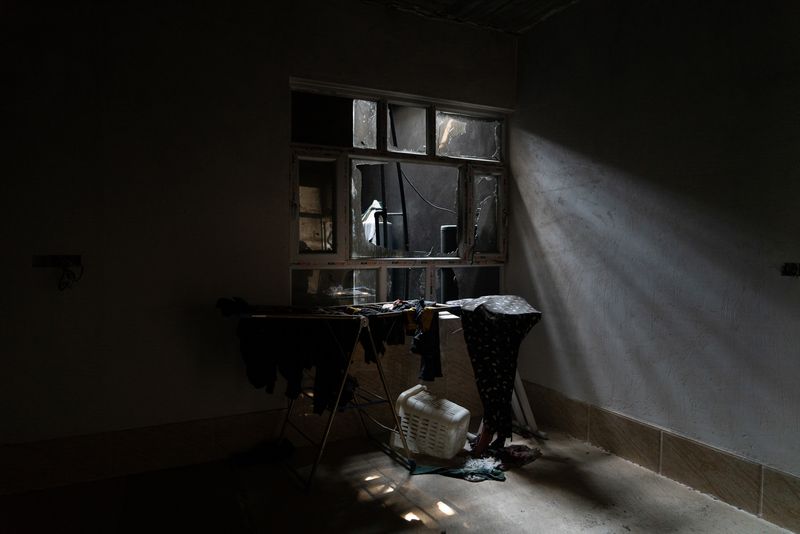
The last laundry of Sewan, a 23 years old woman, mother of three, who died with her three children in a fire, in December 2018. Chamchamal, Iraqi Kurdistan, Iraq, 26 August 2019. Her husband who is under custody says that she committed suicide by burning herself and the children. On the other hand the family of Sewan and some human rights organisations believe that her husband killed them in an arson in order to end the family disputes over his affairs with another woman. In Iraqi Kurdistan each year many women commit suicide by burning themselves in protest to the domestic violence and traditional norms. When Sewan and her children died in the blasts, many people believed that it was another case of self destruction and was about to be accepted by everyone. Now, the case is open and the court aims at finding the truth about Sewan’s death.

© Valentina Sinis - Image from the Broken Princess photography project
i

Amina (second left), 47 year old, mother of Daroon waiting in front of the surgery room where her daughter is undergoing a very sensitive operation. She has been waiting for three long hours to see when her daughter comes out of the surgery room. Sulaymaniyah, Kurdistan Region, Iraq, 04 November 2019. Amina is very supportive and wanted to share her daughter’s story as she believes that people need to know about young women committing suicide in protest of domestic violence against women. Amina, mother of five, and her husband is a Peshmarga (Kurdish defence force) with a very low salary. Every time Daroon was recovered, they had to travel over 200 km to Sulaymaniyah and stay up to a week there. The Burn and Plastic Surgery Hospital of Sulaymaniyah is run by the local government and it is free of charge.

© Valentina Sinis - Image from the Broken Princess photography project
i

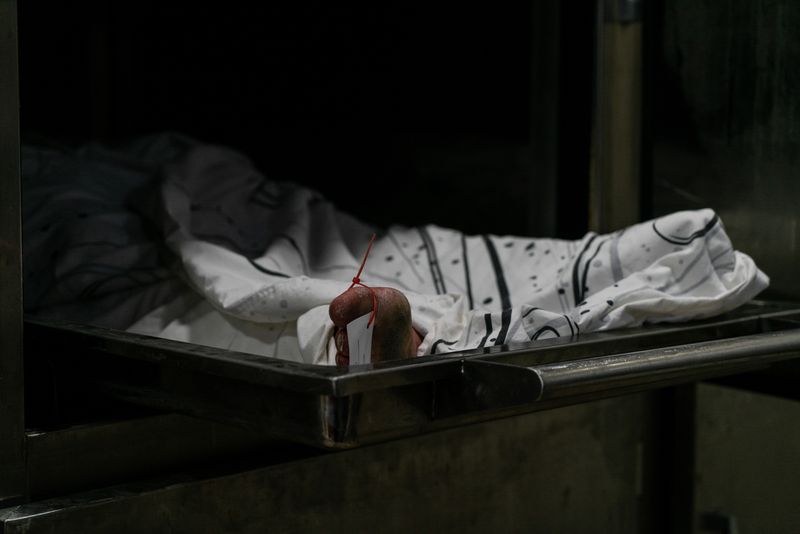
A pictures of an unidentified woman kept in the morgue of Erbil, Iraqi Kurdistan, 29 August 2019. This woman was found dead in the outskirt of Erbil. According to the local police report she is over 40 years old, married, victim of a murder. She was taken to the location with her home dress on, which indicates that the murderer might have known her. Police have kept her body for over six months to be identified but so far no one has claimed her body or shown any interest in helping the authorities to identify her. Though Iraqi Kurdistan is a modern region with a secular political system, violence against women remains high. In this region women have a long history of struggles for equality. Many Kurdish women took arm and fought against the Dictatorship in Iraq and are still at the forefront of fighting for equality and their rights.

© Valentina Sinis - Image from the Broken Princess photography project
i

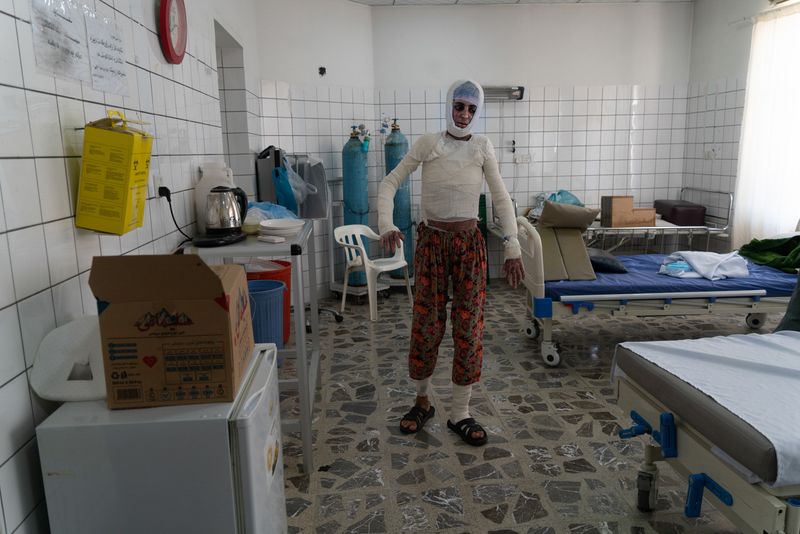
Roya, 17 years old, doing her daily exercise after six months of lie down in the bed, Sulaimaniya burn and plastic surgery hospital, Kurdistan region, 01, August 2019. Unlike many other women who immolate themselves to protest domestic violence, Roya set herself on fire because she failed to pass her final year exams. Roya wanted to become a doctor and enter medical university but she could not fulfil her dream as she couldn't get 90 out of 100. The day after she received the test results she went to the bathroom and poured gasoline and light herself on fire. Her doctor confirmed %70 third degree burn and was lucky enough to be alive. Her body was very weak and was refusing to move her arms and feet as it's extremely painful. Her sister was next to her always and wanted to encourage her to go through the painful recovery process. Two days after this photograph made Roya was discharged from the hospital and went home in the mountainous village on the border with Iran. A few weeks later she had a stroke and passed away. Her doctor said that she was already dealt with a lot of physical pain and when she looked at the mirror and seen herself in this condition could not cope and had a stroke. Roya's case indicate that self-immolation has a deep root into the Kurdish culture and any reason could trigger the will of self distraction in such a painful way. Also when Roya seen her dream being vanished she could not imagine the rest of her life as a housewife. To her going to the university could open many other doors and could gain her freedom to some extend.

© Valentina Sinis - Image from the Broken Princess photography project
i

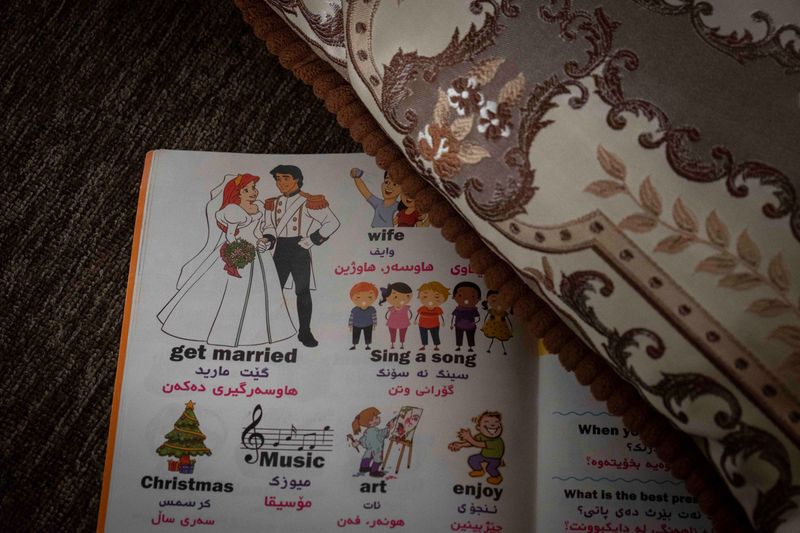
The English textbook of Daroon's younger sister, Dalia. Ranya, Kurdistan Region, Iraq, 08 January 2020. The ideal of a princely marriage based on happiness is falsely spread at every level of society, especially at a young age. In fact, little girls are actually considered and treated as little princesses by their families, especially fathers. This leads to strong expectations on the part of women towards men and married life. The biggest problems are that marriages are still in most cases combined or in any case between couples who have never really known each other except superficially before marriage. Moreover, in many cases, women are asked to drop out of school or work to take care of the home and family.

© Valentina Sinis - Image from the Broken Princess photography project
i

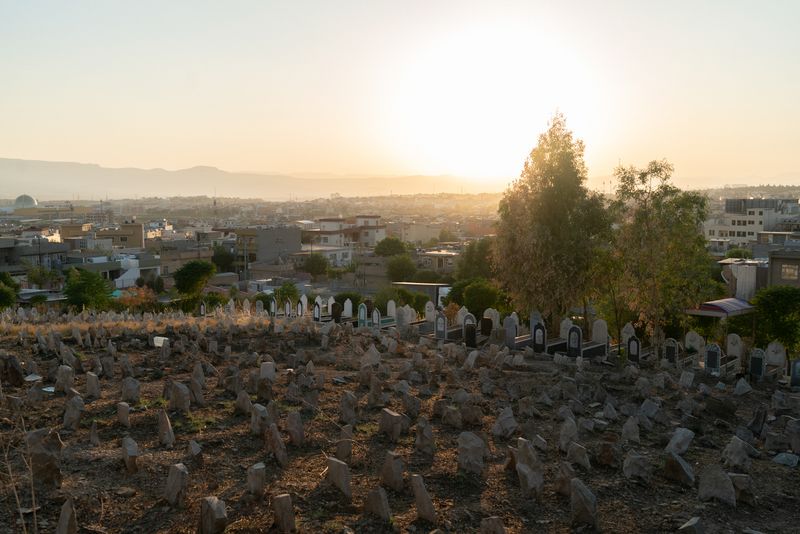
A view of Saywan cemetery overlooking Sulaymaniyah, which has a section for unidentified people. The majority of them are women. Kurdistan Region, Iraq, 31 August 2019. Most of these unidentified women are the victim of honour killing abandoned by their families that believe that they brought some shame to them. In recent years the number of honour killings has decreased significantly but the domestic violence against women raised. Before the Iraqi Kurdistan parliament passed the law to punish those who involve in honour killing or domestic violence, the hardest punishment for the murderer used to be six months in jail. Since 2011, this has changed and the defendant can face life sentence or even the death penalty. This is why, in most cases, when the victim arrives at the hospital, her family claims that she had an incident rather than attempting self-immolation. However, according to the statistics provided by the Director of the Violence against Women Watchdog (established in 2011), 73% of women attempting self-immolation are 14-30 years old, suggesting the social difficulty faced by young Kurdish women in Iraq.