Between Ruins and Sacred Stones
Ruins and sacred stones scattered across the Spanish hinterland hold stories of conquest, loss, and sacrifice, spanning diverse cultures—Romans, Moors, Christians. Reclaimed by nature, they blend into landscapes or rise as hauntingly beautiful relics.

I have photographed hidden ruins and sacred stones scattered throughout the Spanish hinterland. These sites, located off the beaten path in the provinces of Zamora, Huesca, Zaragoza, Valladolid, Málaga, Cáceres, and Almería, are steeped in mystery. Some of the locations I captured have sparse historical records; much of what we know about them has been passed down through generations in local storytelling. They speak of conquests, lost territories, abandoned settlements, and places of sacrifice; they are remnants of industrial progress, of rise and decline, bearing witness to diverse cultures—Romans, Moors, Christians, and pre-Christian. Slowly, nature has reclaimed them, covering stone with plants, moss, and soil, so that their human imprint fades away. Some blend seamlessly into the landscape, almost disappearing; others rise like strange artifacts from a distant era, embodying a quiet grandeur and haunting beauty. Why do we preserve them? What compels us to leave them standing? Perhaps they evoke a sense of awe, fear, or respect—testaments to the endurance of the human spirit, partially swallowed by nature but still standing. Maybe these stones speak to us of the future—of space travel, aliens, and the vastness of the skies. Upon closer inspection, some might even remind us of a sci-fi landscape, an analog of Mars on our planet. What do we see when we look back at the past? How do we perceive it? Is the weight of time upon us, or is it perhaps a tiger’s leap into the past? Walter Benjamin suggests the possibility of viewing time as non-linear and non-sequential, allowing us to see the past as a creative force and the present as an open door to new possibilities for contemporary change. Maybe the image of the ruin challenges us to think in terms of Benjamin’s tiger’s leap, to understand tales and stories, myths and legends, our historical past, as part of a temporal continuum—a lens through which we can interrogate our contemporary present.

© Gunnar Knechtel - Image from the Between Ruins and Sacred Stones photography project
i

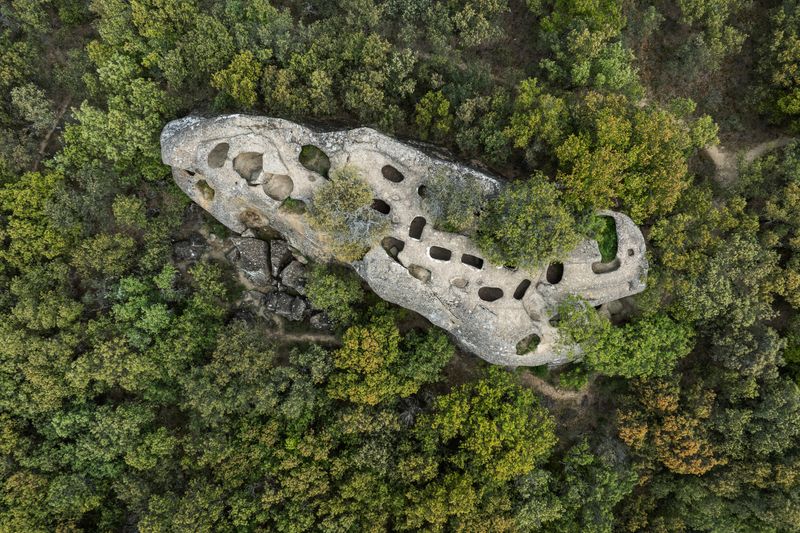
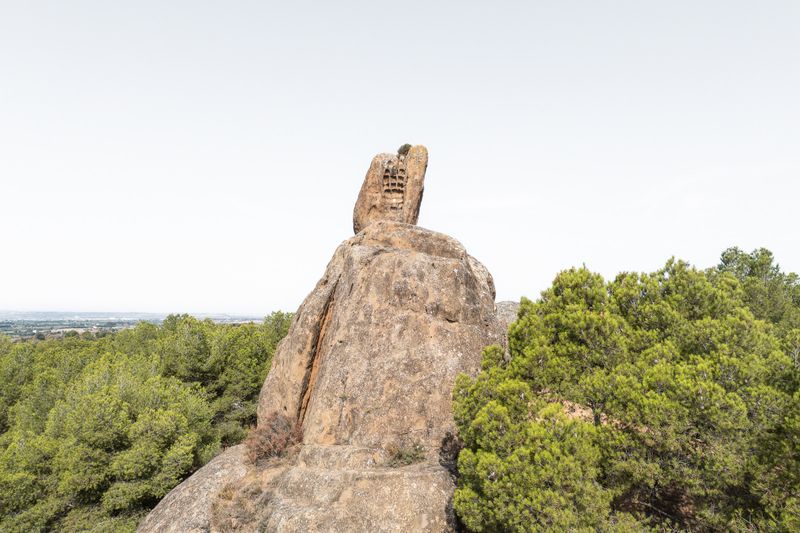
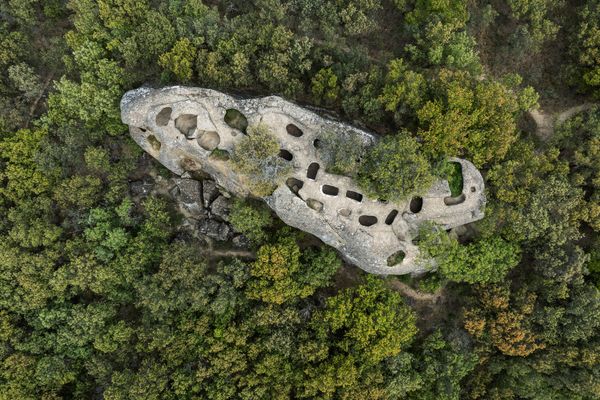
The Piedra de los Moros, located near Ayera, Huesca, is a rock formation linked to ancient fertility rituals. It is notable for the presence of a phallic-shaped rock and a symbolic crack, as well as another rock containing a cavity designed to accommodate a person. Carved steps in the stone lead to a platform where several interconnected silos can be found.

© Gunnar Knechtel - Image from the Between Ruins and Sacred Stones photography project
i

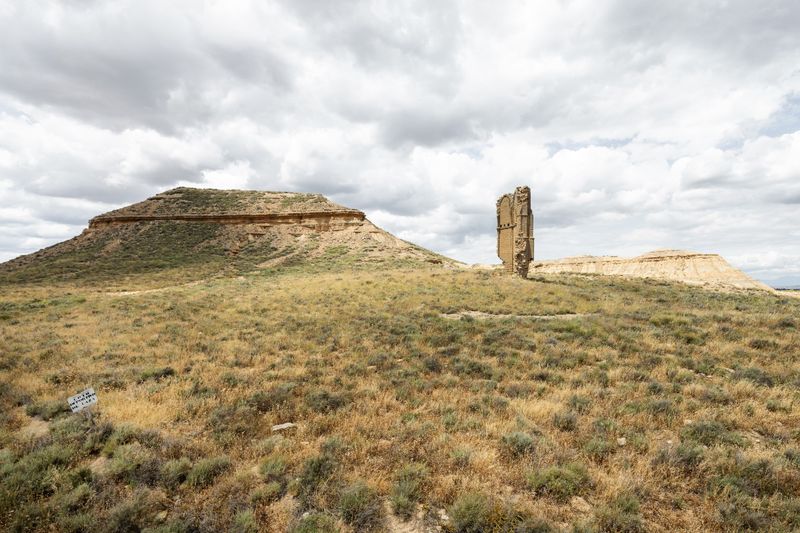
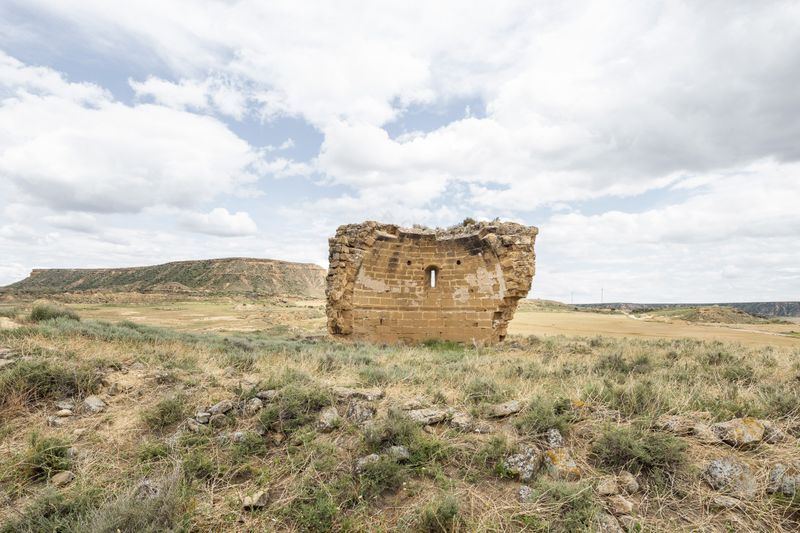
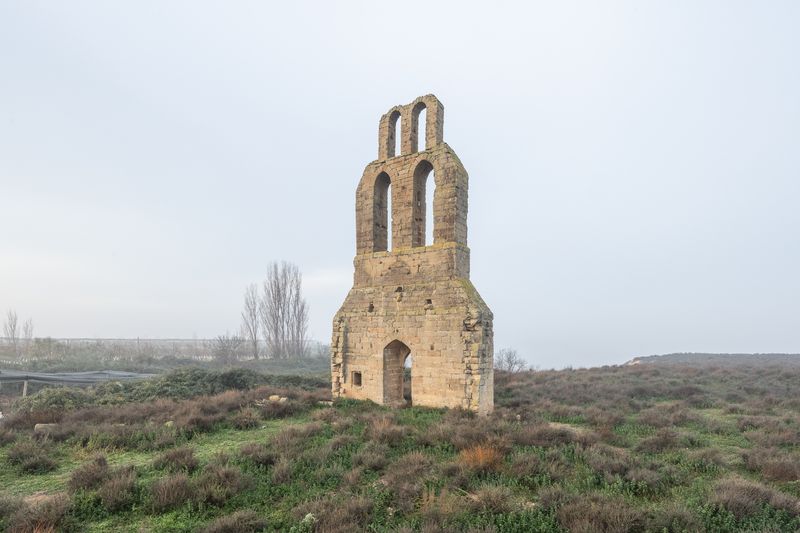
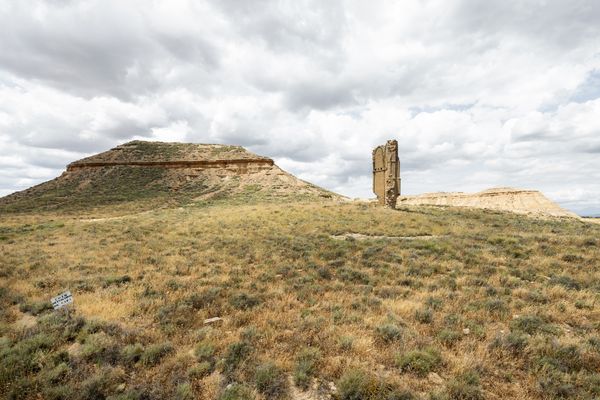
La vieja Virgen de Moncalvo,, near Pallaruelo de Monegros, in the province of Huesca.The Old Virgin is the church of the former medieval town of Moncalvo, which was depopulated and abandoned in the 15th century according to recent research and historical records. Its only surviving wall, from an ancient Gothic church dating back to 1258, is the sole witness to the vanished settlement.

© Gunnar Knechtel - Image from the Between Ruins and Sacred Stones photography project
i

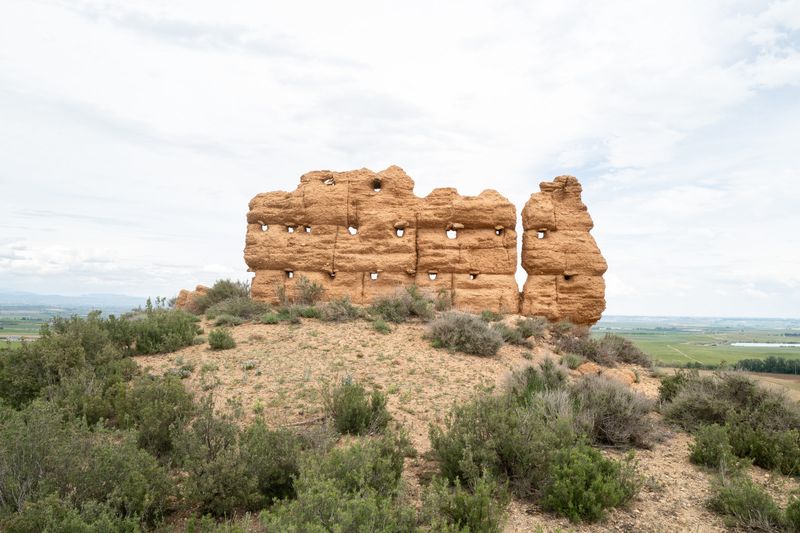
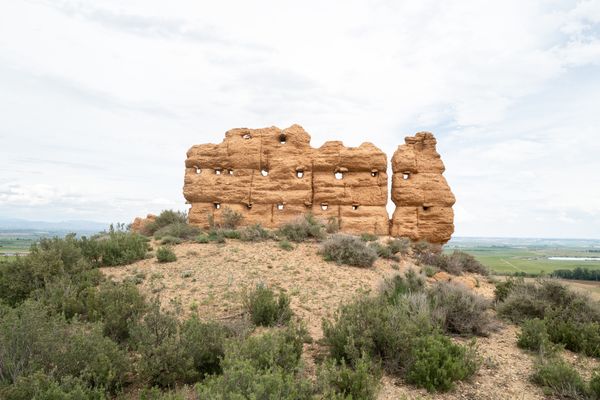
The Torraza of Binaced, Esplús, Huesca Province. Built by the Muslims in the 11th century on a small hill, it was part of the defensive system protecting Muslim-controlled Fraga.

© Gunnar Knechtel - Image from the Between Ruins and Sacred Stones photography project
i

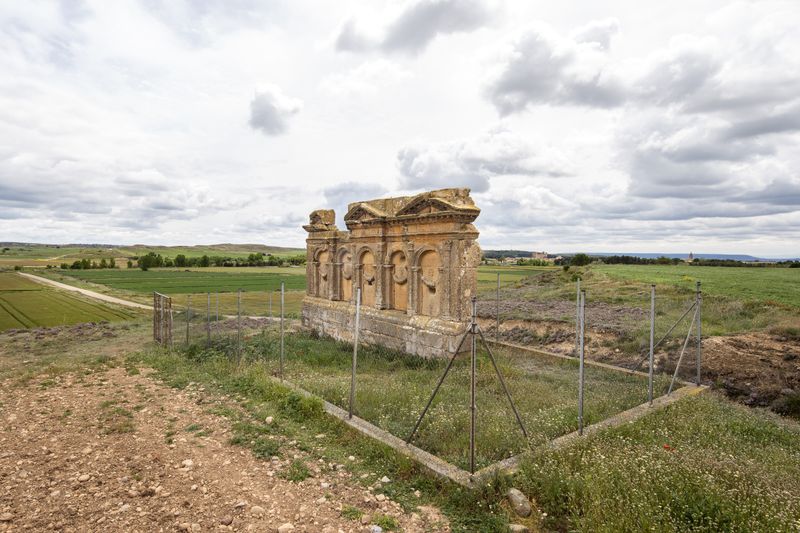
The Roman Mausoleum of the Alios, located near Sádaba, in the province of Zaragoza. It is a notable testimony of Roman funerary architecture. Built between the 2nd and 3rd centuries AD, it is believed to have served as the eternal resting place for three generations of the Alia family, a prominent aristocratic dynasty associated with the ancient Roman enclave of Los Bañales. This valuable monument

© Gunnar Knechtel - Image from the Between Ruins and Sacred Stones photography project
i

Ruins of the Church of La Masadera, located in Los Monegros, Huesca Province. This 19th-century church is dedicated to Saint Lawrence, featuring a stone at the entrance engraved with his gridiron.

© Gunnar Knechtel - Image from the Between Ruins and Sacred Stones photography project
i

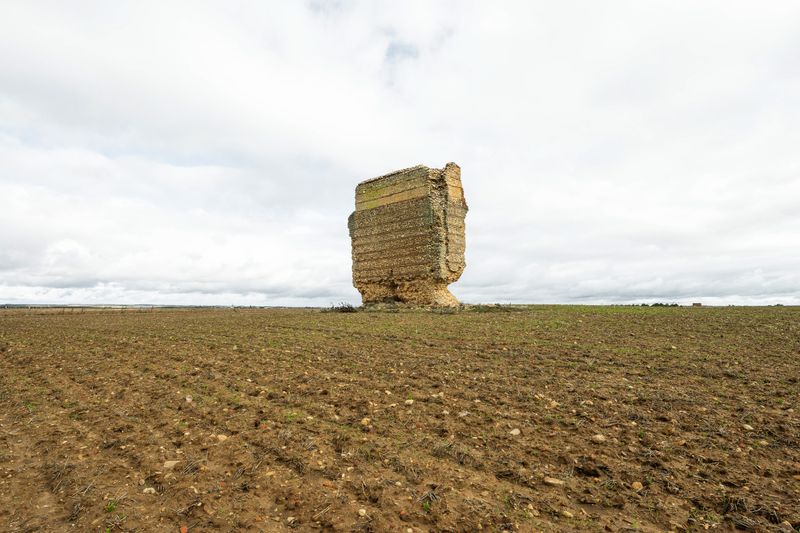
The Torreón de Amaldos, located in Villalpando, province of Zamora.It is part of the remains of a medieval depopulated area in the Tierra de Campos region and is an example of the defensive architecture that was part of small fortifications used in this historical region.

© Gunnar Knechtel - Image from the Between Ruins and Sacred Stones photography project
i

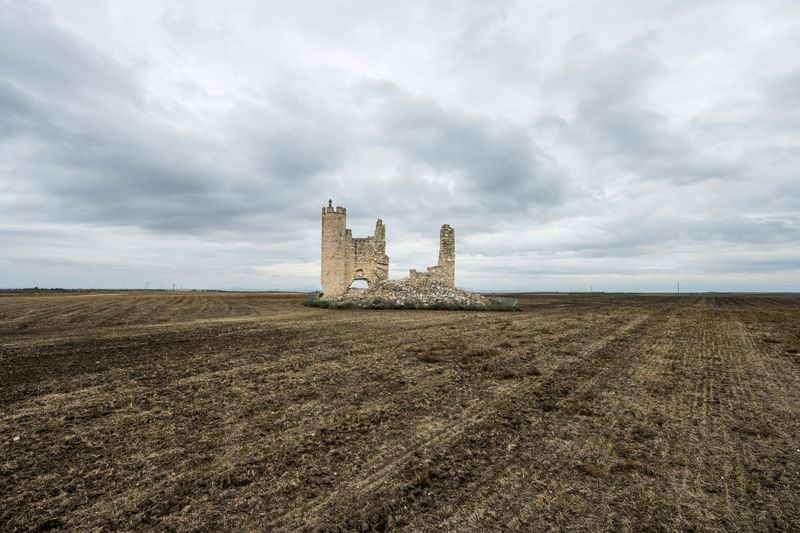
The Castle of Caudilla, located in the province of Toledo, is a medieval ruin situated in the abandoned village of Caudilla. Built in the mid-15th century, it is attributed to Fernando de Rivadeneira, Marshal of Castile and Mayor of Toledo.

© Gunnar Knechtel - Image from the Between Ruins and Sacred Stones photography project
i

ChatGPTThe Ermita de San Blas in Santiago de la Puebla, Salamanca, was a significant religious site likely built between the 13th and 14th centuries. It was one of five hermitages in the area, alongside San Benito, San Pedro, San Miguel, and Nuestra Señora del Arrabal. Over the centuries, it underwent several repairs, including a roof restoration in 1612, new doors in 1676, and structural improv

© Gunnar Knechtel - Image from the Between Ruins and Sacred Stones photography project
i

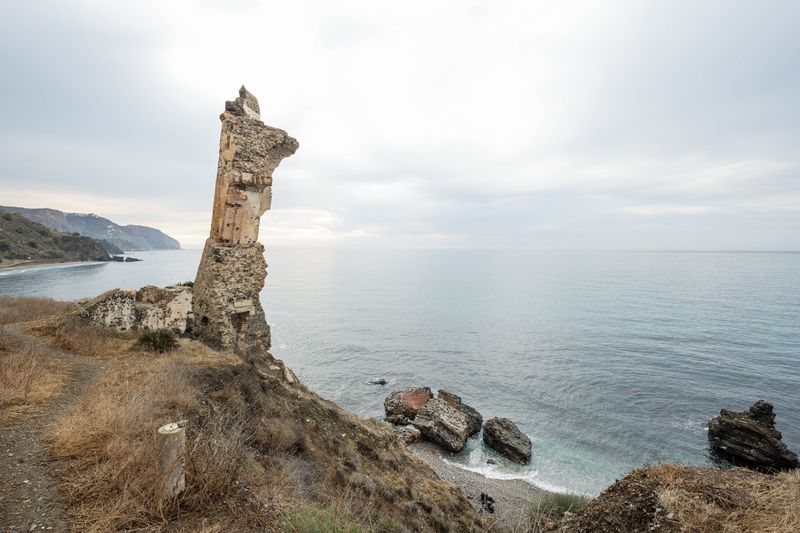
The Torre de la Miel, located near Nerja, province of Málaga. It was erected in the 17th century. This old Spanish coastal watchtower, now in ruins, is distinguished by its unique design, with a conical base and a cylindrical upper body.

© Gunnar Knechtel - Image from the Between Ruins and Sacred Stones photography project
i

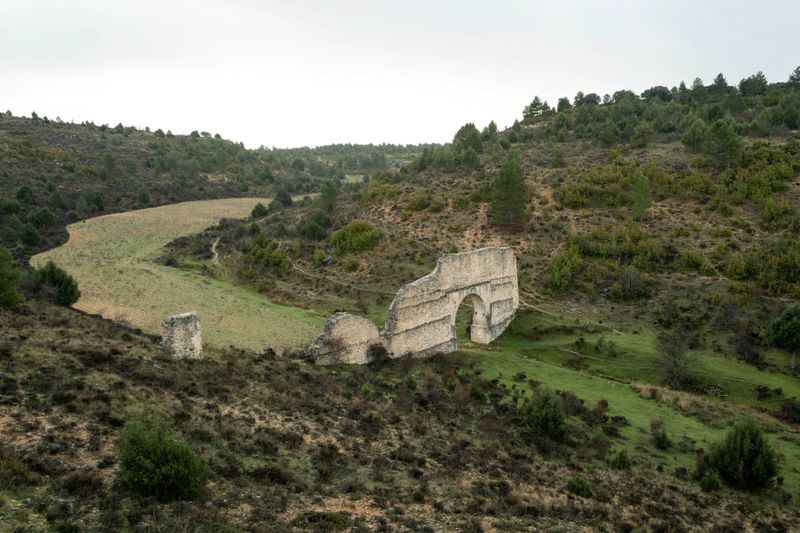
The Acueducto Romano de Zaorejas, near Zaorejas in Guadalajara, Spain, is a notable example of Roman engineering from the 1st or 2nd century AD, showcasing advanced hydraulic and construction techniques. Built to transport water from springs to a nearby settlement, possibly a mansio or small urban center in Hispania Tarraconensis, it highlights the Romans' adaptability in supplying even remote are

© Gunnar Knechtel - Image from the Between Ruins and Sacred Stones photography project
i

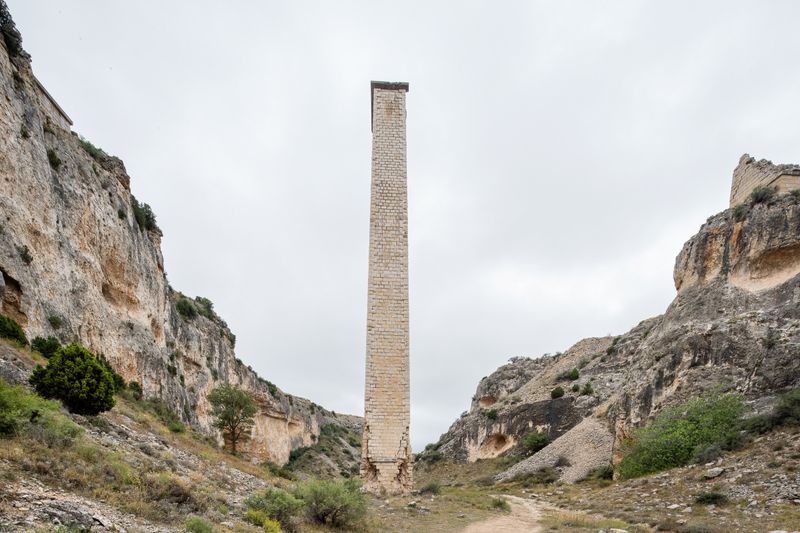
The Pilastra de la Foz de Zafrané, near La Puebla de Albortón, in the province of Zaragoza. It is an industrial engineering monument built at the end of the 19th century. It was part of the old Zaragoza-Utrillas railway, mainly used to transport coal from the Bajo Aragón mines. Although the train stopped operating in the 1960s, the pilaster still stands, notable for its height of 42 meters and its

© Gunnar Knechtel - Image from the Between Ruins and Sacred Stones photography project
i

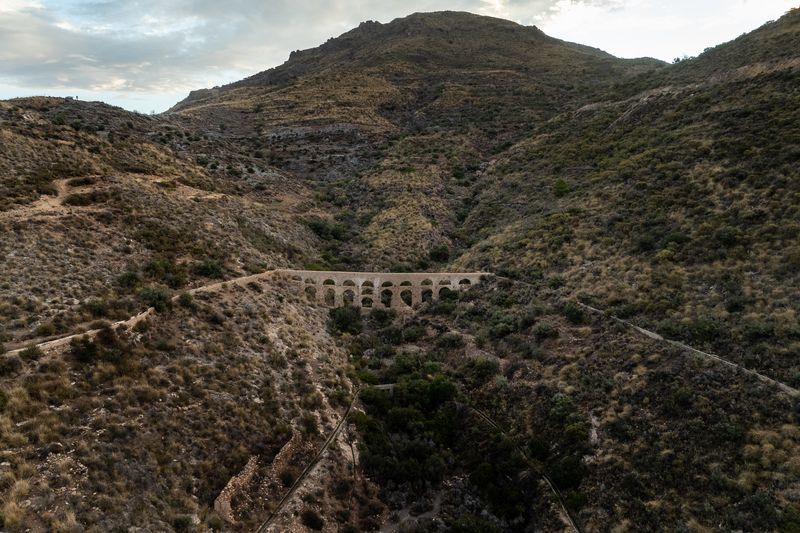
El Acueducto de los Veinte Ojos, located in the Rambla de Carcauz, between the municipalities of Félix and Vícar, in the province of Almería, is a remarkable example of hydraulic engineering of Roman origin. This aqueduct, which remained in use until the early 20th century, serves as an example of the advanced water management system developed during the Roman Empire to supply arid regions.

© Gunnar Knechtel - Image from the Between Ruins and Sacred Stones photography project
i

Poblado Forificado de Margalet,Fortified settlement. Its current owner has converted the area once occupied by its now scarce visible archaeological remains into farmland. However, the front wall of what was its Romanesque church of Sant Bartomeu has been preserved.

© Gunnar Knechtel - Image from the Between Ruins and Sacred Stones photography project
i

In a study conducted by Amado López Armisén in the 1960s, he mentions that "the locals of Tamarite speak of a sacrificial altar where offerings to their gods were placed in the holes." In the surrounding area, cisterns and platforms can be found, which might belong to early settlements. However, no significant ceramic remains have been discovered.

© Gunnar Knechtel - Image from the Between Ruins and Sacred Stones photography project
i

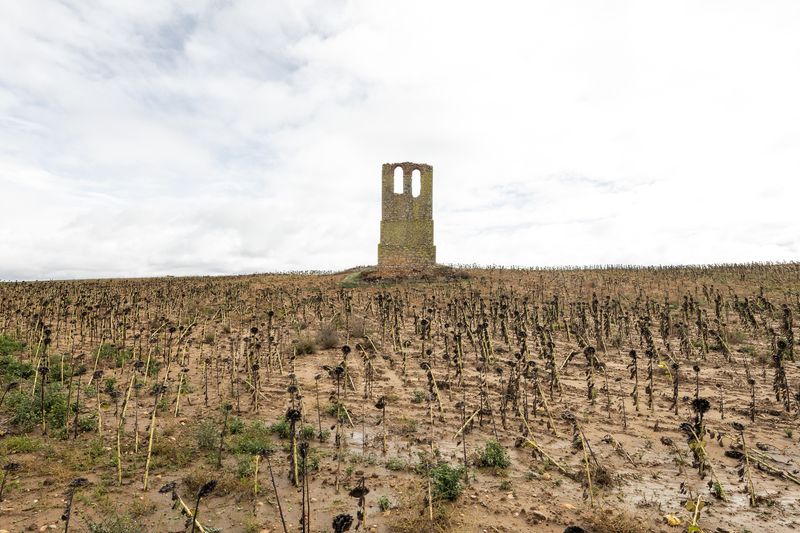
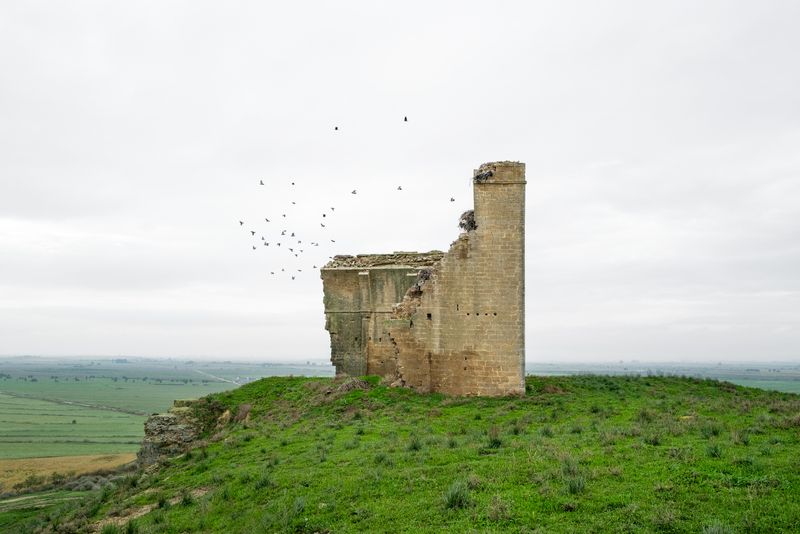
Torre de Toldanos, Provincia Zamora.La torre de la antigua iglesia y los restos de un palomar derrumbado son las únicas huellas que quedan del asentamiento, cuyos orígenes se remontan a mediados del siglo IX.

© Gunnar Knechtel - The Lime Kiln of Bespén, located in the province of Huesca, is a historical structure once used for the production of lime.
i

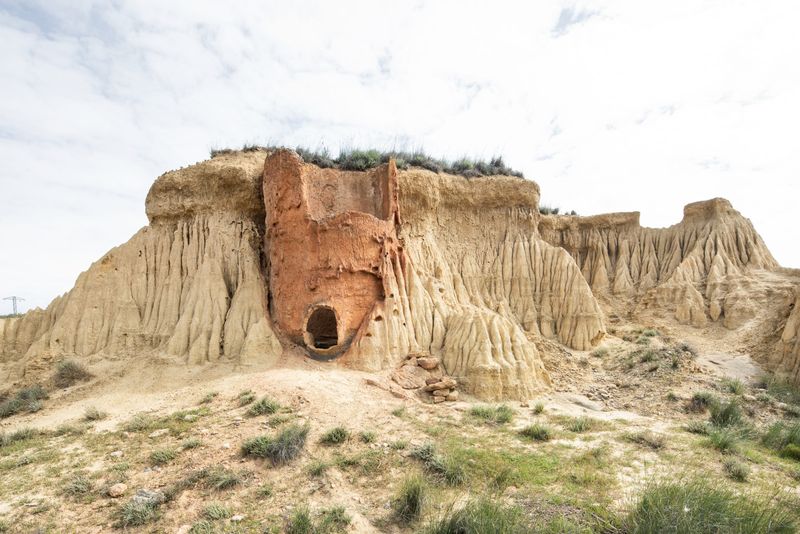
The Lime Kiln of Bespén, located in the province of Huesca, is a historical structure once used for the production of lime.

© Gunnar Knechtel - Image from the Between Ruins and Sacred Stones photography project
i

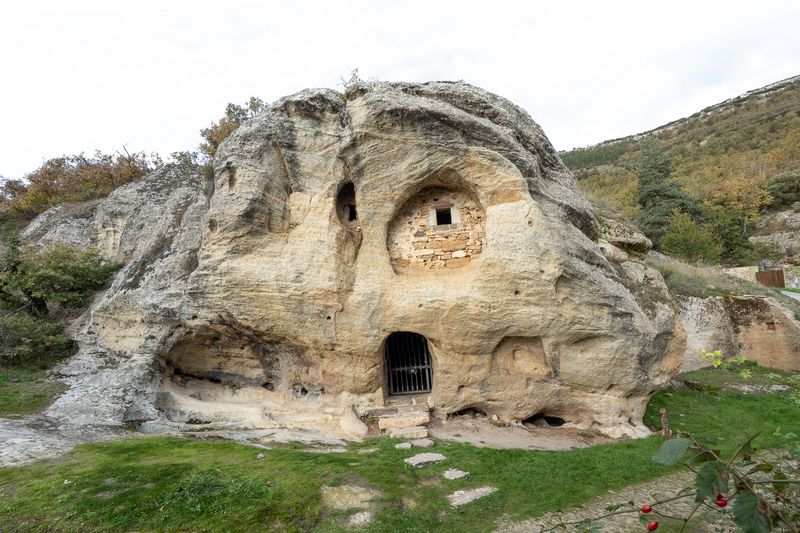
The Ermitas Rupestres de Valderredible (Rock-Hewn Hermitages of Valderredible) are a fascinating group of ancient religious structures carved into the soft sandstone cliffs and hills of the Valderredible valley, located in the southernmost part of Cantabria, Spain. These hermitages are among the most significant examples of early Christian monasticism in the Iberian Peninsula. Their origins and hi

© Gunnar Knechtel - Image from the Between Ruins and Sacred Stones photography project
i

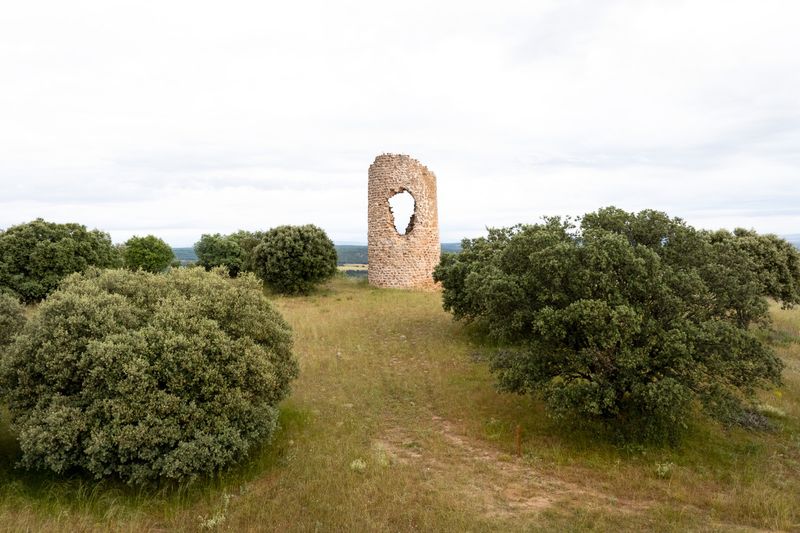
The Torrejalba, located near the town of Almarail, in the province of Soria. It is an old Arab watchtower. Its main purpose was to control the passage along the Duero River and serve as a strategic link between other defenses in the region. It is estimated to have been built around the 10th century.

© Gunnar Knechtel - Image from the Between Ruins and Sacred Stones photography project
i

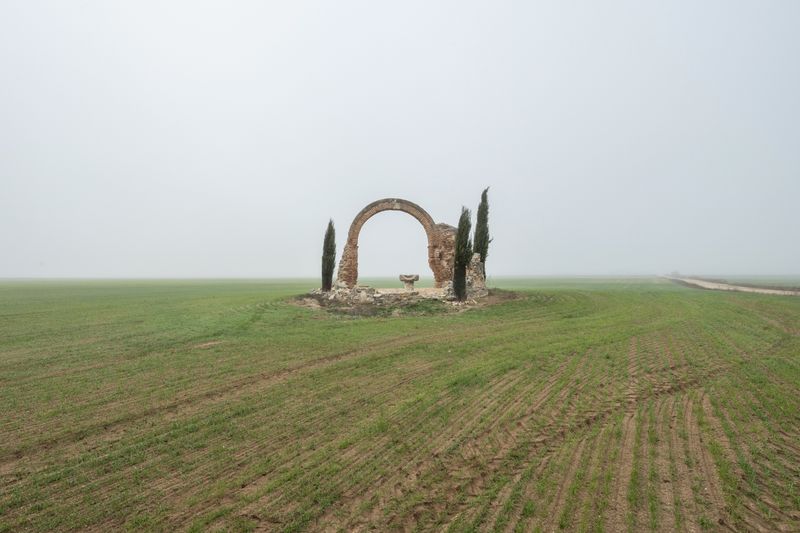
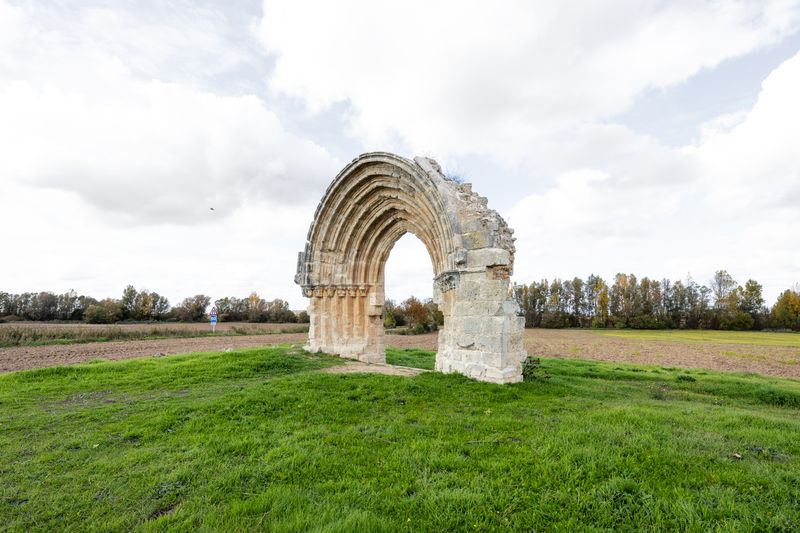
The Arco de San Miguel de Mazarreros, located in the province of Soria, is a historical arch that forms part of the remnants of the medieval town of Mazarreros. Believed to have been constructed in the 12th century, this Romanesque structure once served as a gateway to the town. Its architectural simplicity and well-preserved form offer a glimpse into the region's medieval past. Today, it stands a