Between Ruins and Sacred Stones
-
Dates2023 - Ongoing
-
Author
- Location Spain, Spain
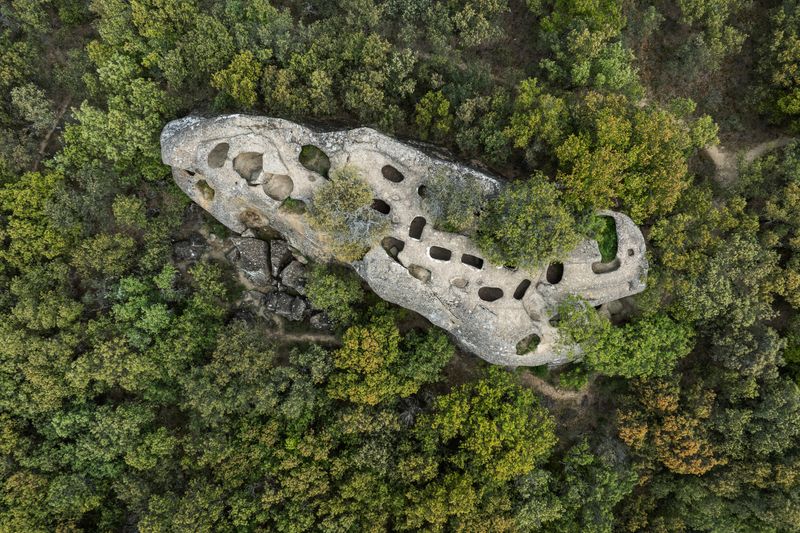
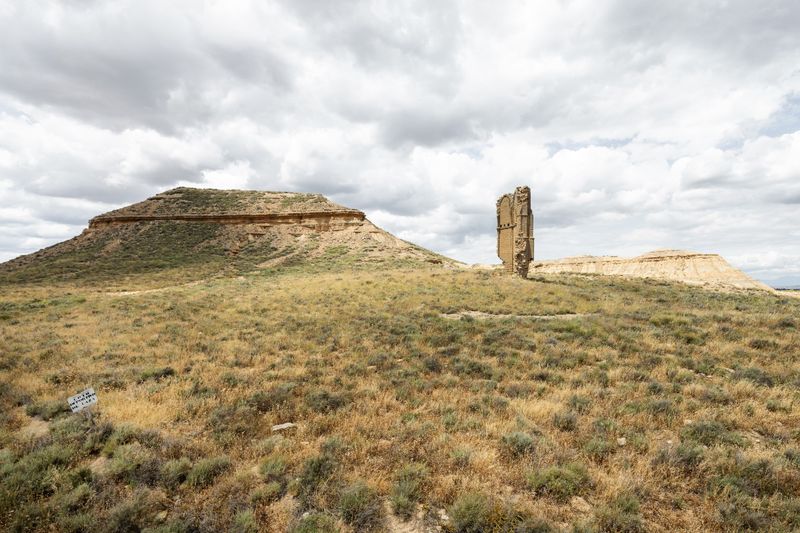
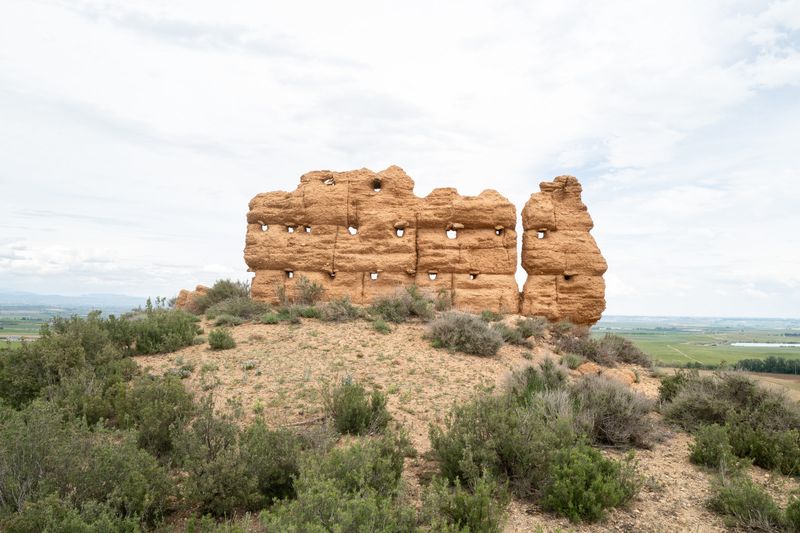
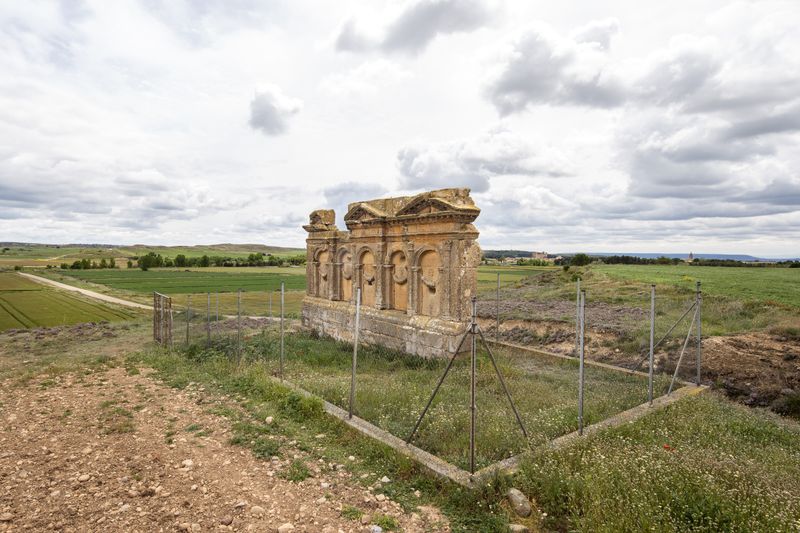
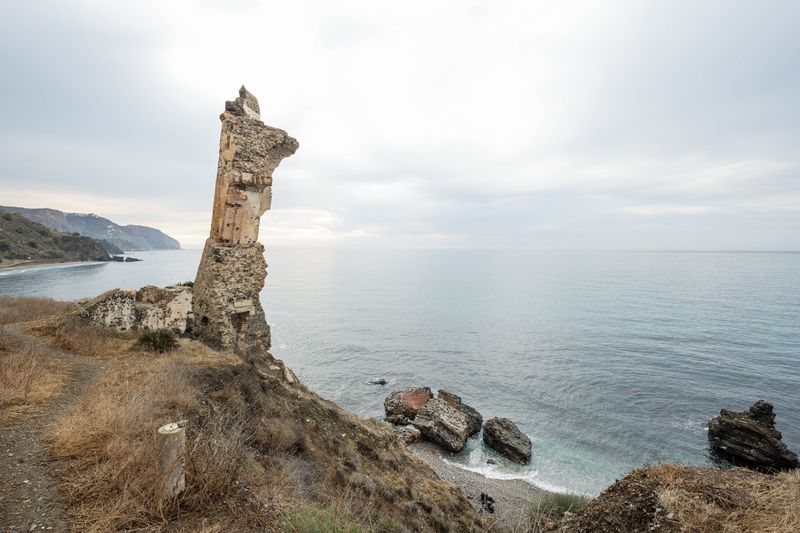
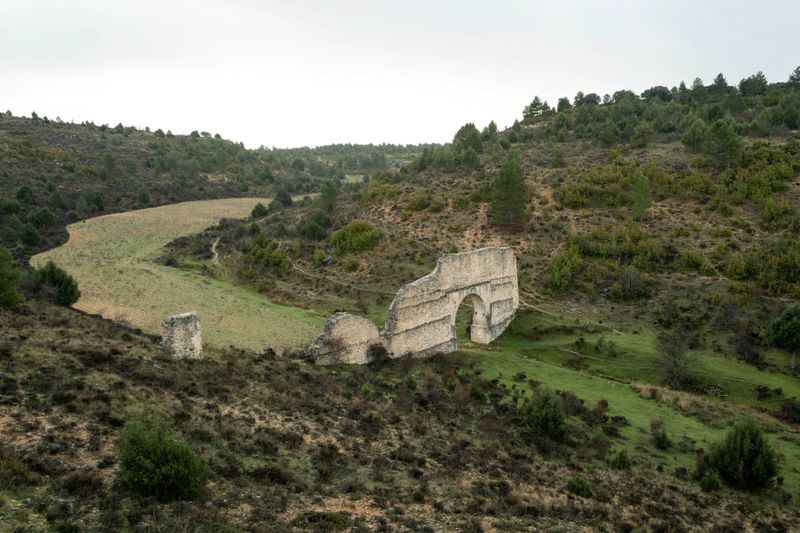
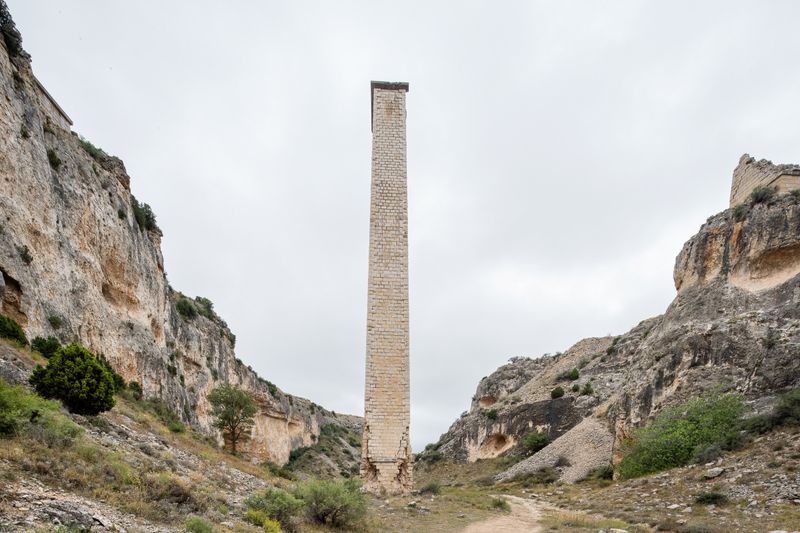
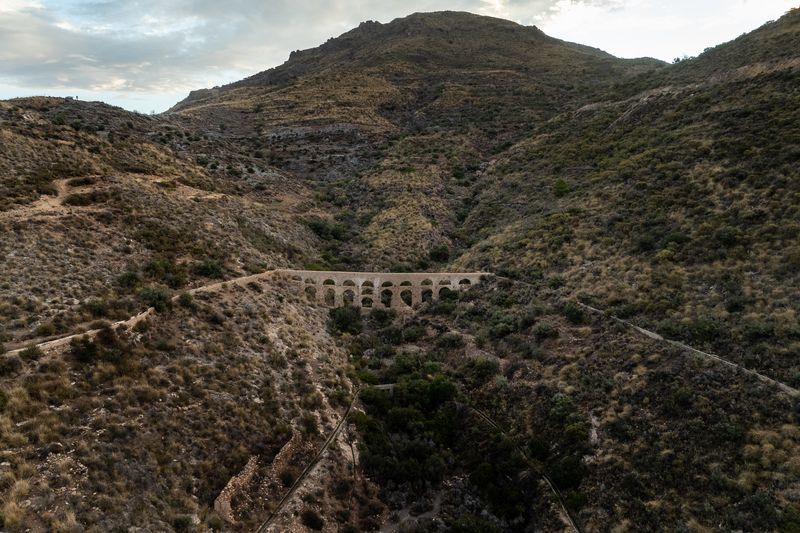
Ruins and sacred stones scattered across the Spanish hinterland hold stories of conquest, loss, and sacrifice, spanning diverse cultures—Romans, Moors, Christians. Reclaimed by nature, they blend into landscapes or rise as hauntingly beautiful relics.
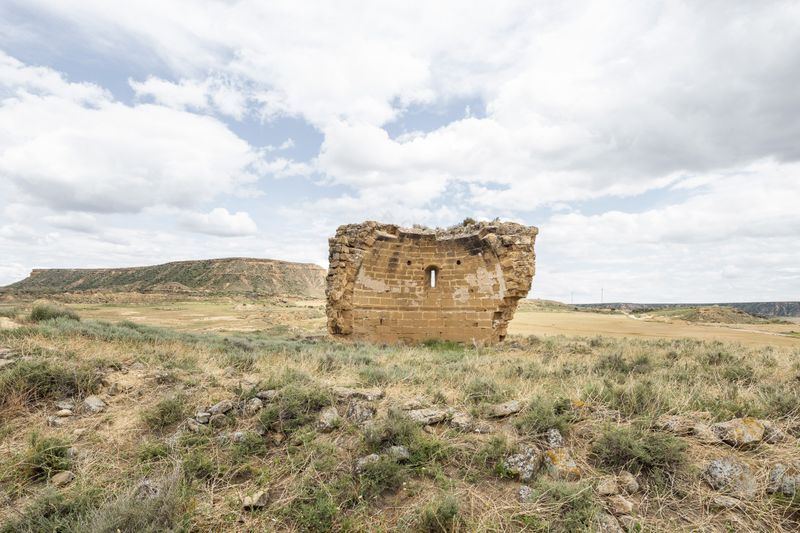
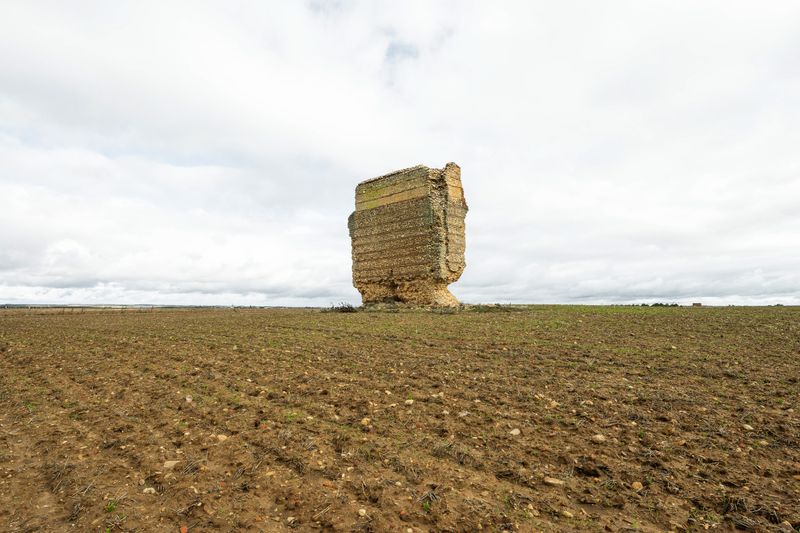
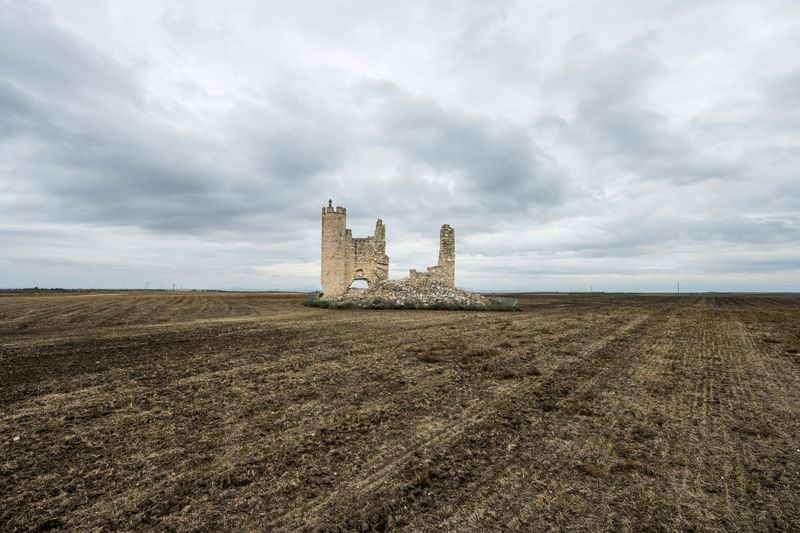
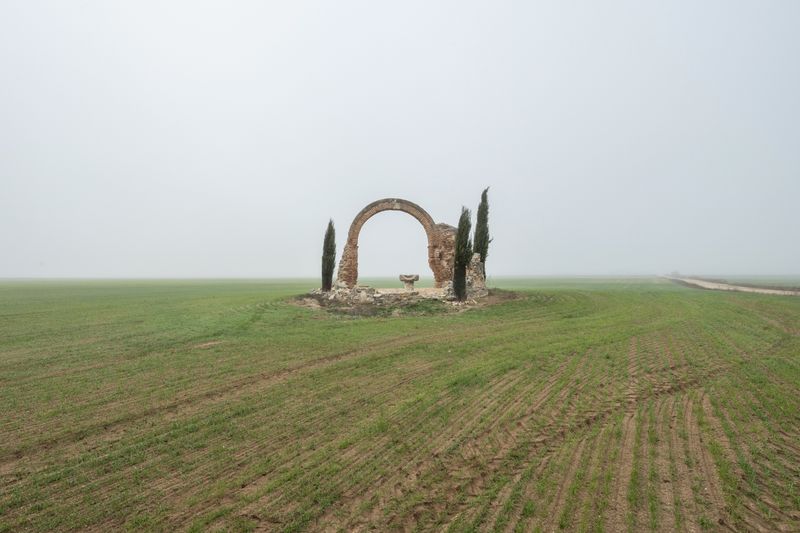
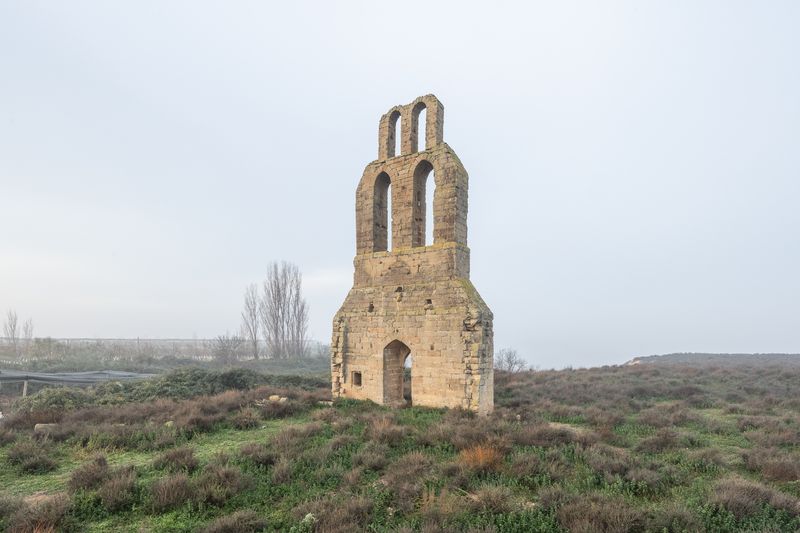
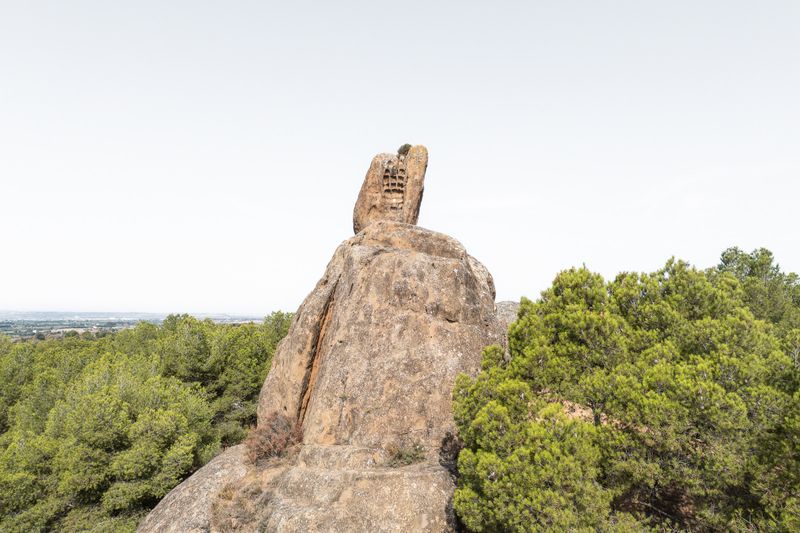
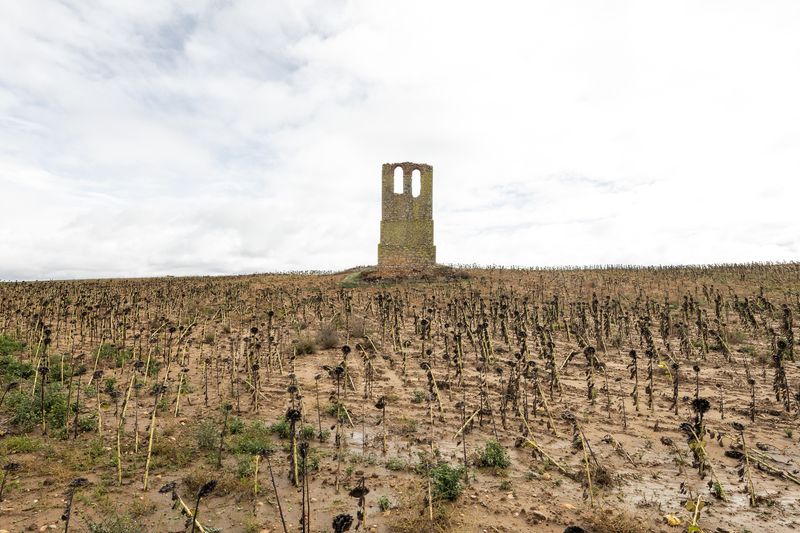
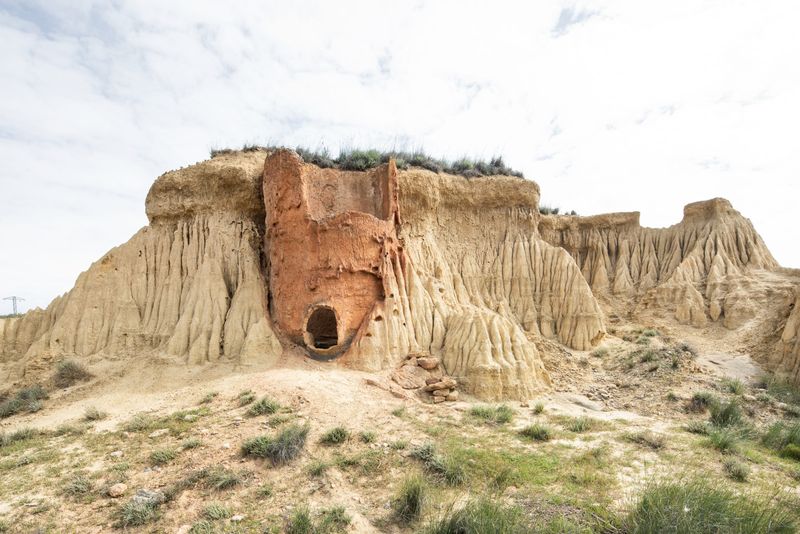
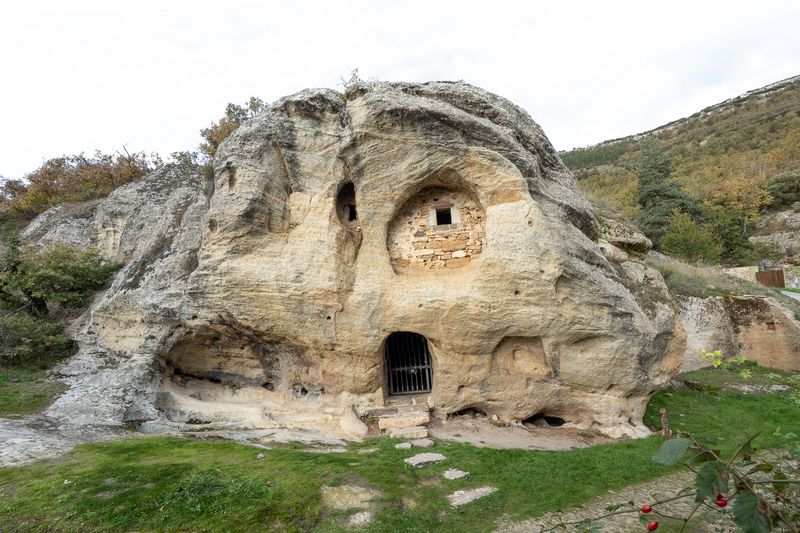
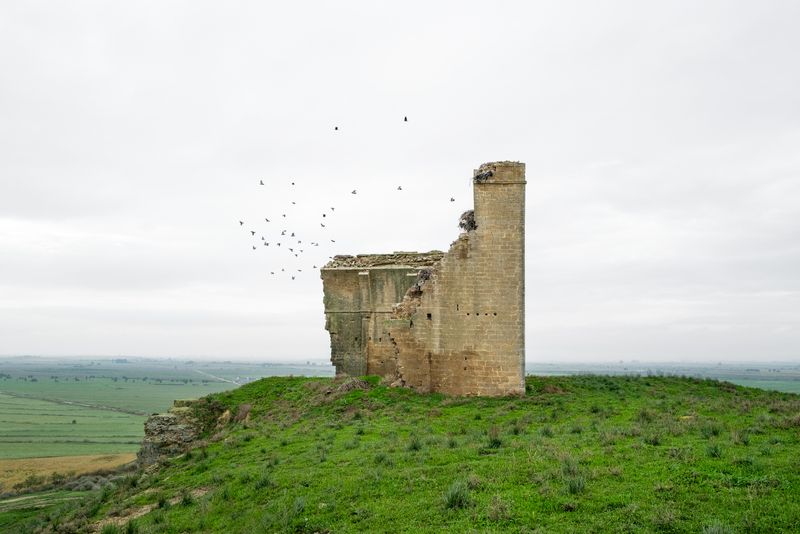
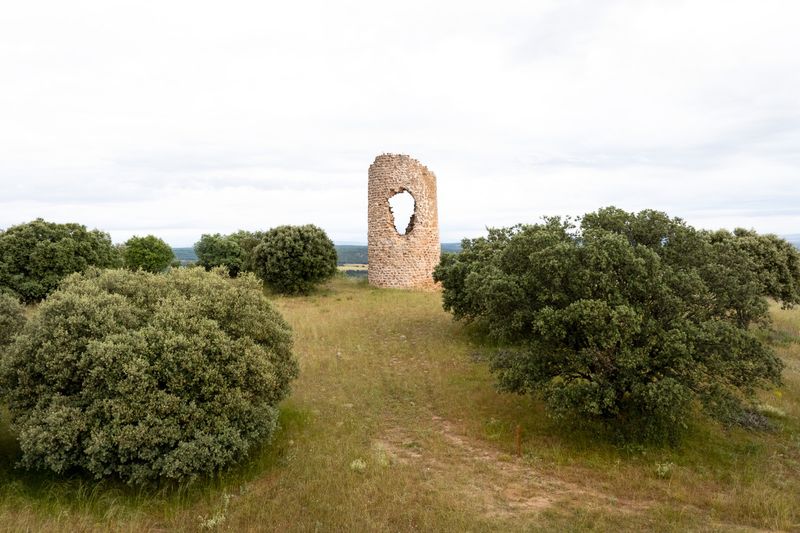
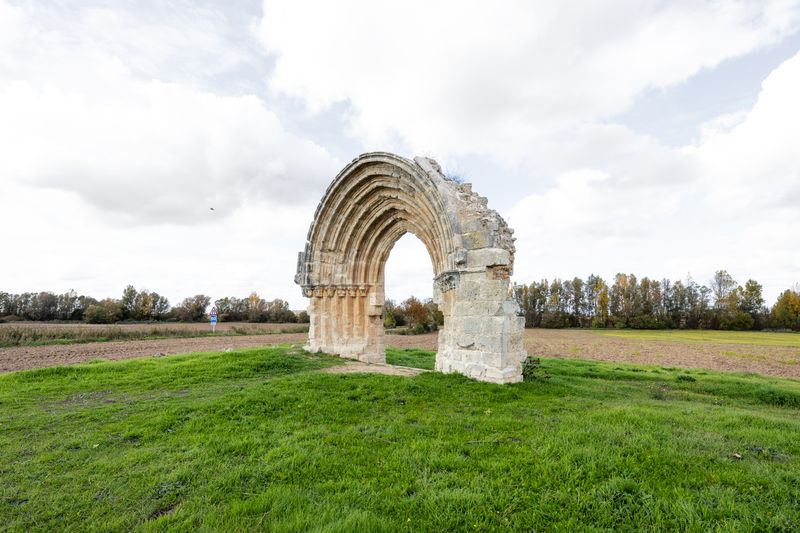
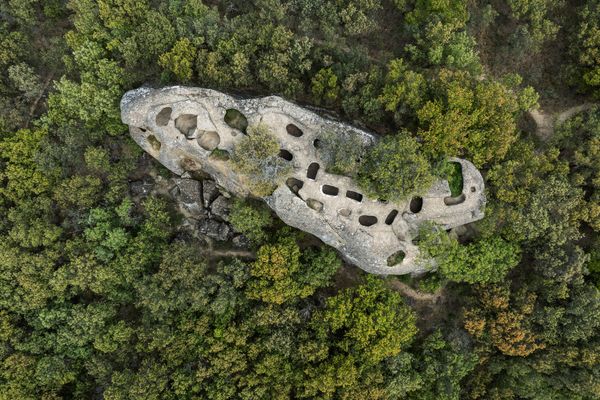
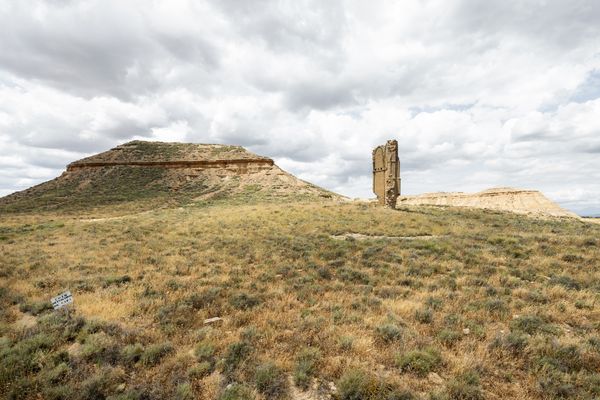
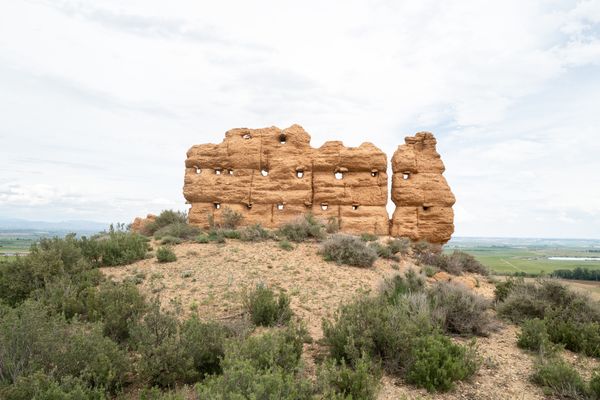
I have photographed hidden ruins and sacred stones scattered throughout the Spanish hinterland. These sites, located off the beaten path in the provinces of Zamora, Huesca, Zaragoza, Valladolid, Málaga, Cáceres, and Almería, are steeped in mystery. Some of the locations I captured have sparse historical records; much of what we know about them has been passed down through generations in local storytelling. They speak of conquests, lost territories, abandoned settlements, and places of sacrifice; they are remnants of industrial progress, of rise and decline, bearing witness to diverse cultures—Romans, Moors, Christians, and pre-Christian. Slowly, nature has reclaimed them, covering stone with plants, moss, and soil, so that their human imprint fades away. Some blend seamlessly into the landscape, almost disappearing; others rise like strange artifacts from a distant era, embodying a quiet grandeur and haunting beauty. Why do we preserve them? What compels us to leave them standing? Perhaps they evoke a sense of awe, fear, or respect—testaments to the endurance of the human spirit, partially swallowed by nature but still standing. Maybe these stones speak to us of the future—of space travel, aliens, and the vastness of the skies. Upon closer inspection, some might even remind us of a sci-fi landscape, an analog of Mars on our planet. What do we see when we look back at the past? How do we perceive it? Is the weight of time upon us, or is it perhaps a tiger’s leap into the past? Walter Benjamin suggests the possibility of viewing time as non-linear and non-sequential, allowing us to see the past as a creative force and the present as an open door to new possibilities for contemporary change. Maybe the image of the ruin challenges us to think in terms of Benjamin’s tiger’s leap, to understand tales and stories, myths and legends, our historical past, as part of a temporal continuum—a lens through which we can interrogate our contemporary present.