Between breath and absence
-
Dates2026 - Ongoing
-
Author
- Topics Contemporary Issues, Documentary
- Location La Guaira, Venezuela
A personal passage between the vital impulse to record the struggle for life and the ethical duty to honor death, examining La Guaira’s post-earthquake recovery as a living palimpsest.
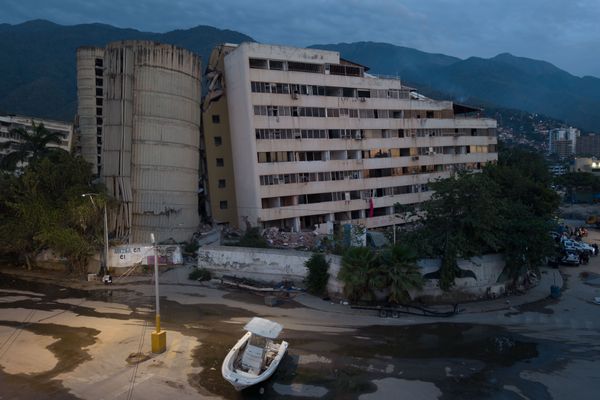
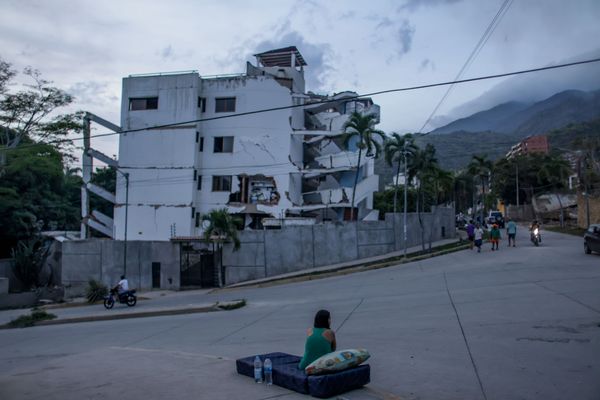
As photographers, what we cover is usually somehow distant from us. This series is a personal passage between the vital urge to document the struggle for life and the ethical duty to honor death through memory. On June 24 at 6:04 PM, when two consecutive earthquakes shook Venezuela, that boundary collapsed and the landscape around me changed forever.
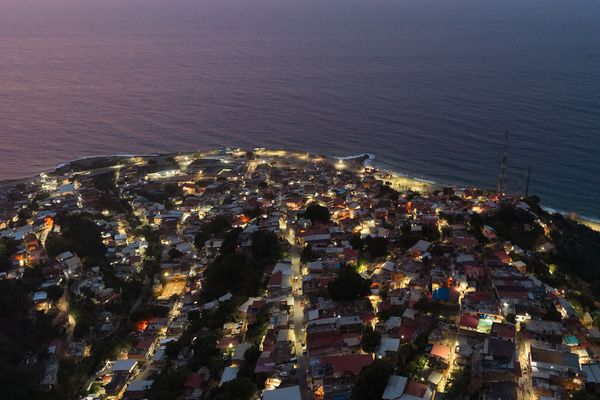
“Entre tus playas quedó mi niñez, tendida al viento y al sol” goes a song named after our country, an anthem that evokes mental postcards of the coastline tracing the north of our land. On the beaches of La Guaira, the area hardest hit by the quake, it wasn’t only my childhood that remained, but also many of the heartaches I used to leave by the Caribbean shore, just to return home feeling lighter.
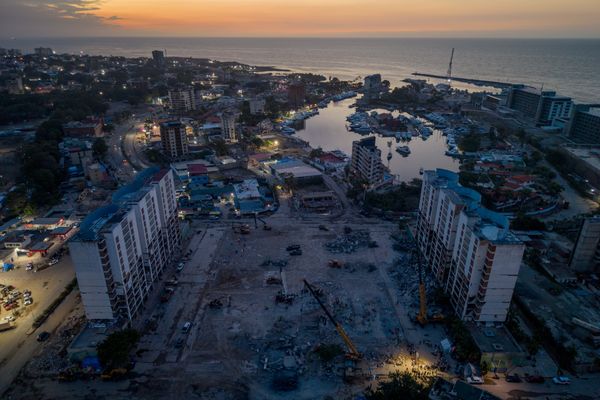
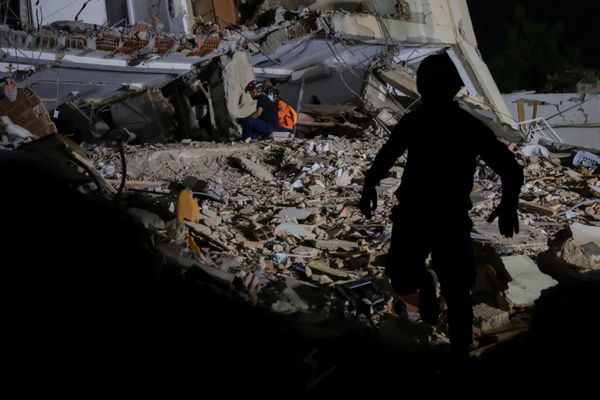
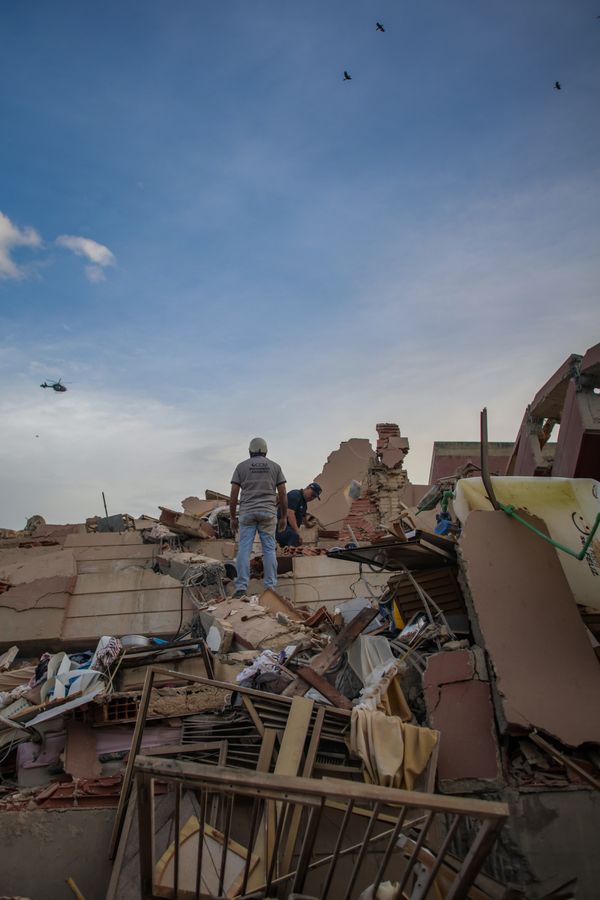
That night, after learning that La Guaira was the hardest-hit zone, though still unaware of the true scale of the tragedy, I instinctively hitched a ride down there. What was usually a spectacle of night lights was plunged into complete darkness, broken only by a few fires and the cries for help echoing from behind massive walls of concrete.
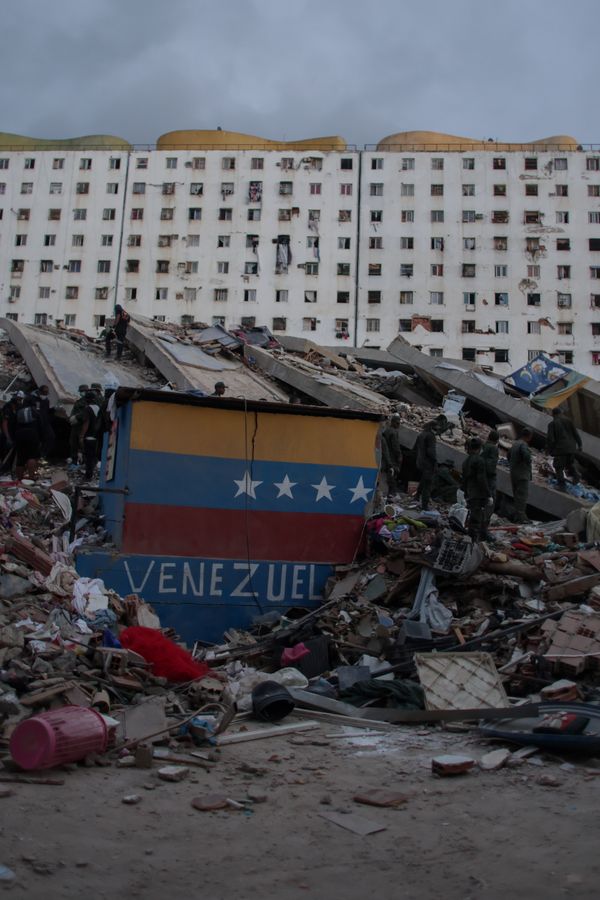
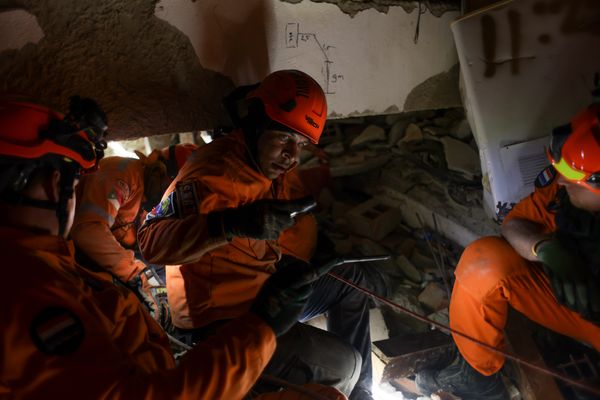
At first I didn't dare step into the collapsed buildings. I understand now that in our collective imagination we were all waiting for specialized rescue teams to arrive. But as the minutes ticked away, the desperate voices under the rubble forced a heartbreaking reality upon us: it was up to us to take on that task.
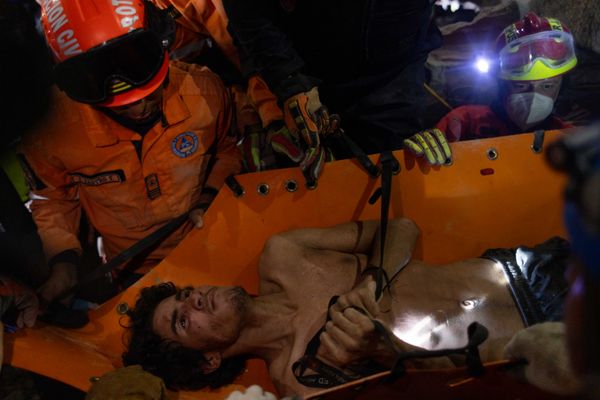
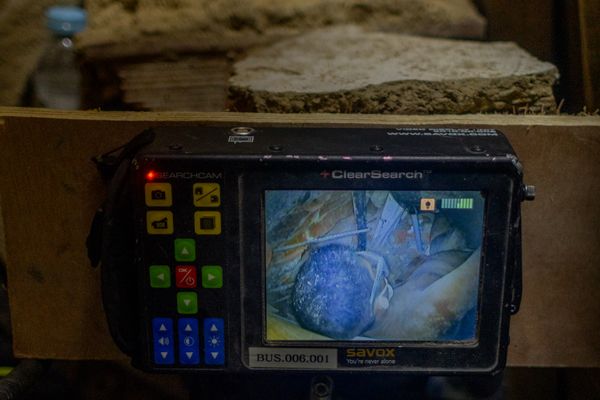
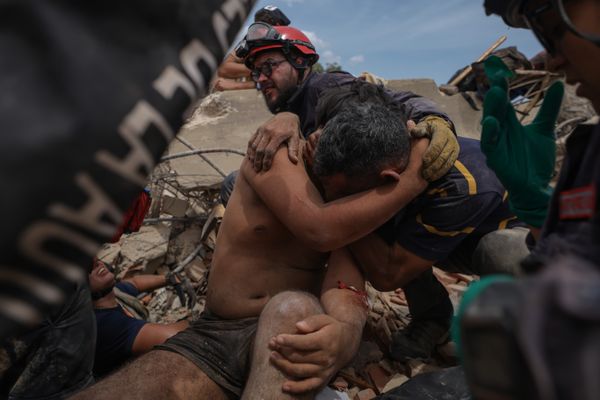
With no tools to break or move the concrete, I had only my camera and my hands. I spent hours calling back to the voices trapped beneath the debris, trying to build a bridge to life, begging them to hold on and promising that help was on the way. But as time kept passing, many of those voices slowly faded away. Yet amidst the horror I also saw life prevail; I suppose the closest thing to witnessing a birth must be watching someone emerge alive from the depths of destruction.
From that moment on, my commitment and my defense mechanism against the horror was to photograph life. I deliberately avoided corpses, limbs, and the overexposure of suffering, because the vulnerability of those who died demanded privacy and respect.
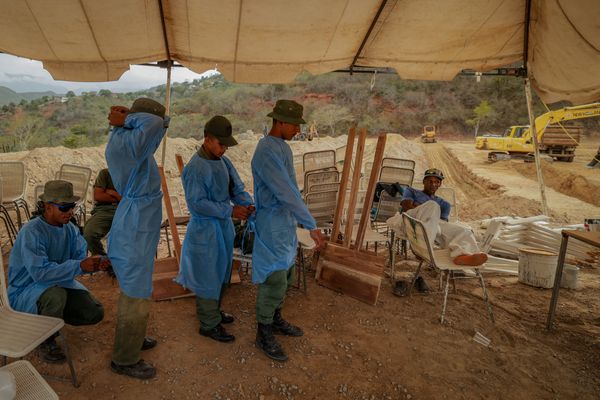
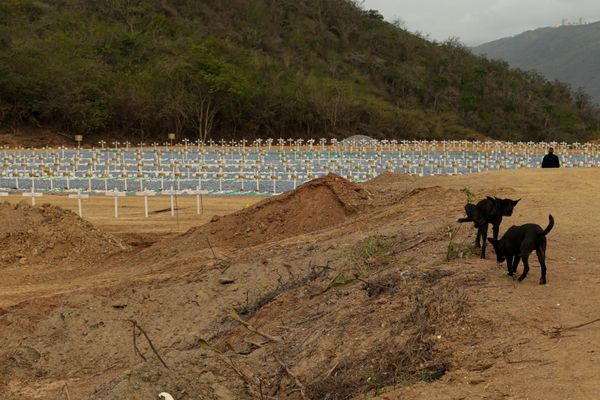
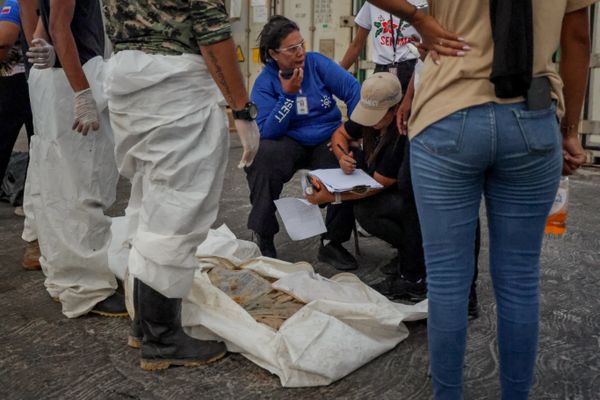
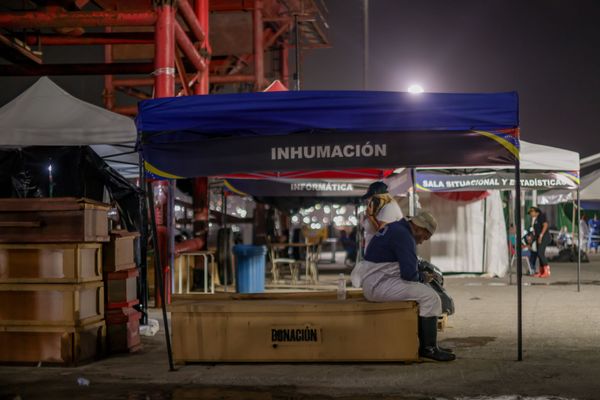
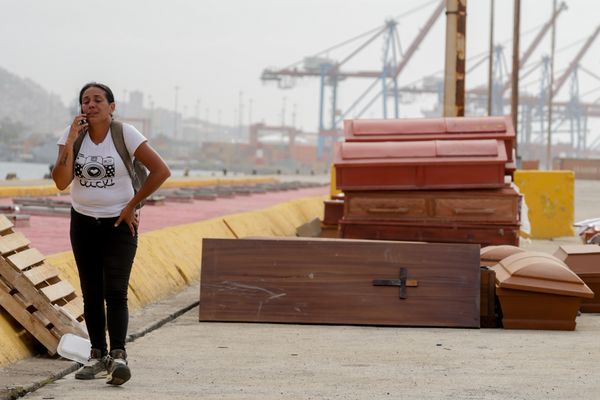
When the initial search gave way to the certainty of death, I spent several days inside the open-air morgue to document the quiet dignity and rigor of the forensic team. Who with the same urgency as the rescuers, worked tirelessly to protect the victims' right to identity, even in death.
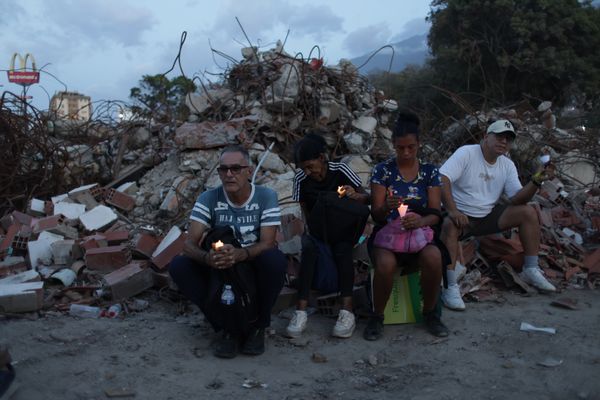
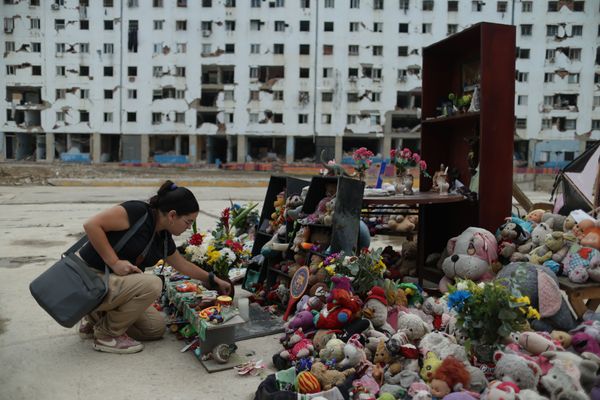
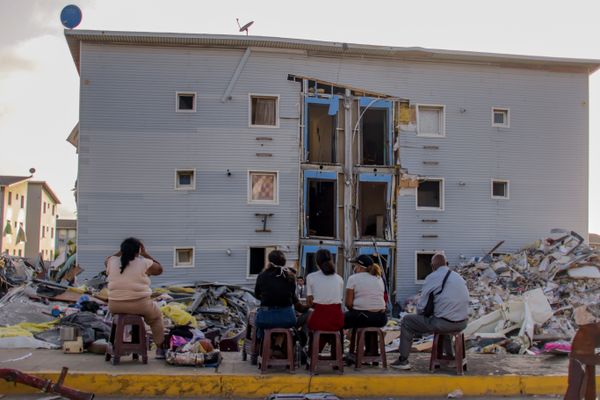
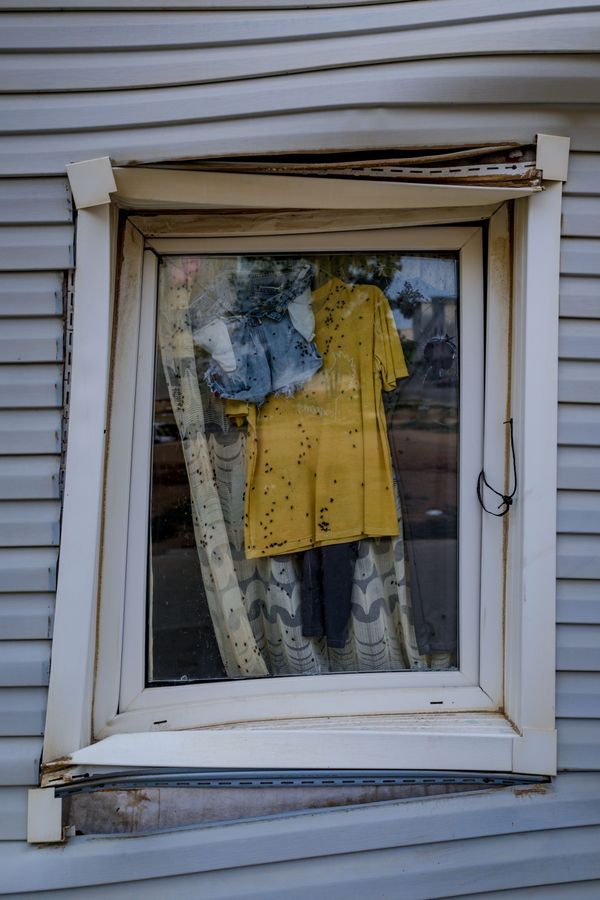
I realized then that La Guaira is not merely a fractured surface, but a palimpsest: a territory where each tragedy is written over the last, and where today’s ruins overlap the historical scars of a land in constant reconstruction. This project emerges in that threshold suspended between breath and absence, conceived as a long-term visual investigation. To register this reconstruction is not simply to document the clearing of debris or the erection of new walls, but to honor living memory, inhabiting the space where collective grief transforms into the persistent will to exist.
This series is a personal passage between the vital impulse to record the struggle for life and the ethical duty to honor death. It is also a testament that reclaims the protection of human life as an indispensable priority, questioning a global system that defies nature while deepening the vulnerability of its own species.