Bambola


-
Dates2017 - 2018
-
Author
- Topics Social Issues, Contemporary Issues, Documentary
- Location Italy
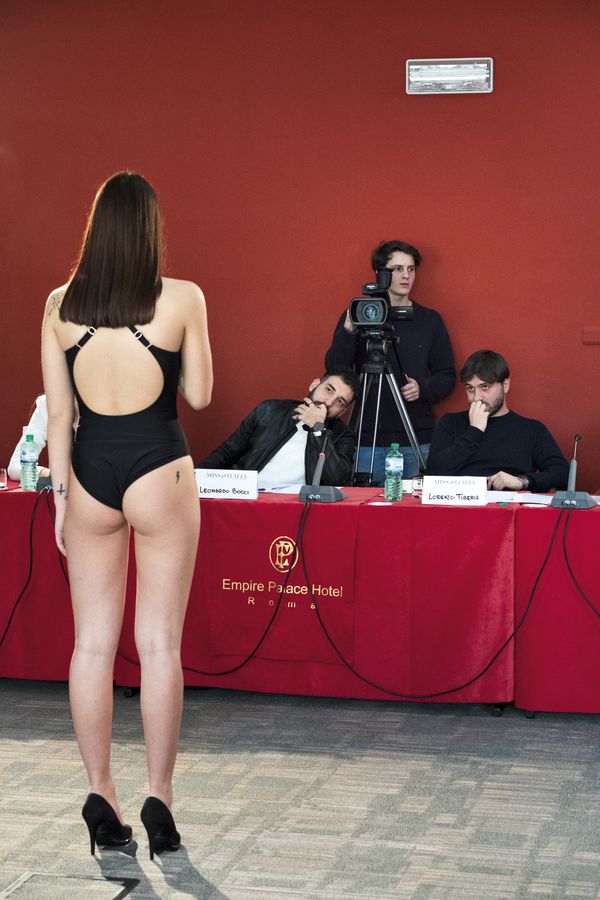
"Bambola" (the Italian word for “doll”) examines the image of women that is presented on Italian entertainment TV every day: an image, characterized by a variety of showgirls, that first appeared in the 1950s and has increased since Silvio Berlusconi’s time as Prime Minister.
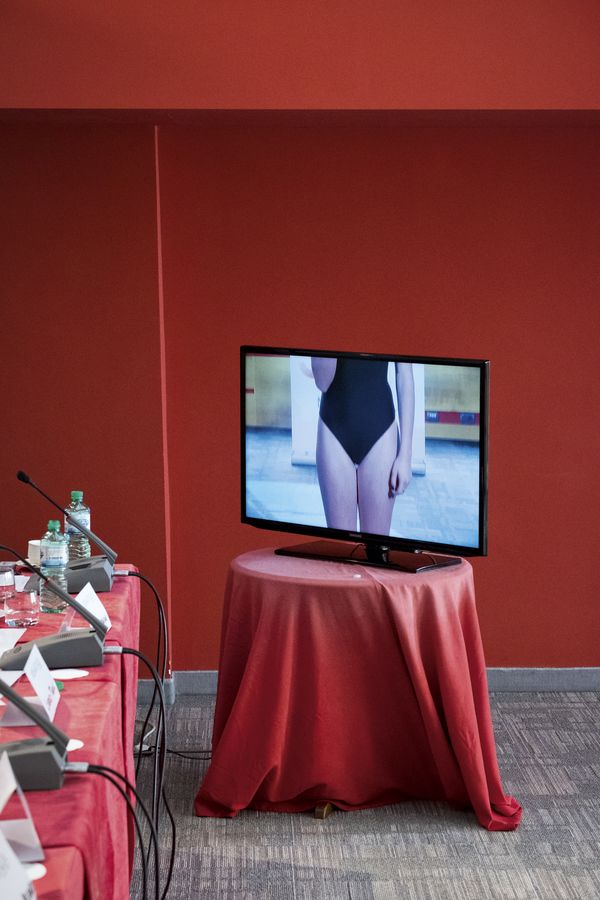
"Bambola" (the Italian word for “doll”) examines the image of women that is presented on Italian entertainment TV every day: an image, characterized by a variety of showgirls, that first appeared in the 1950s and has increased since Silvio Berlusconi’s time as Prime Minister. Revealing costumes, heavy make-up and cosmetic surgery form the foundation of doll-like stereotypes which serve as orientation for young Italian women. For many, it is still a childhood dream to appear on TV in a role that hardly differs from that of a dancer at a strip bar.
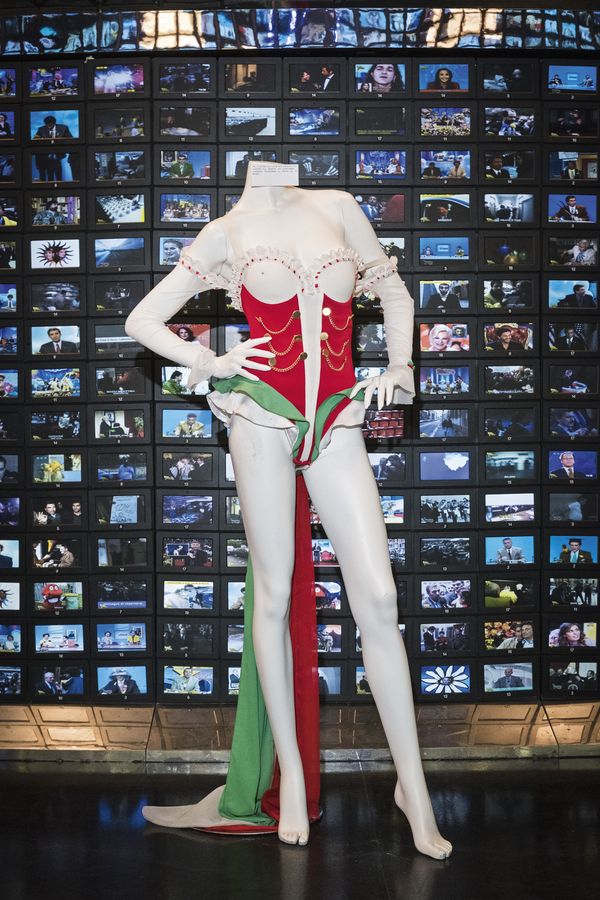
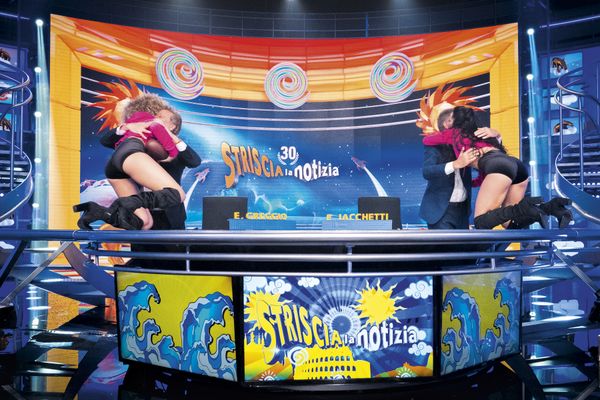
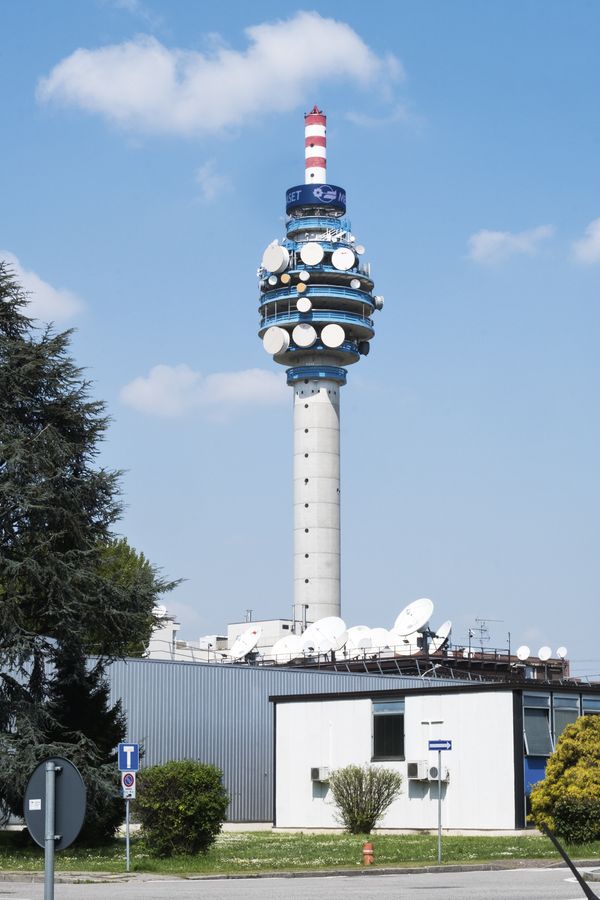
As a general term for these female characters, the word Velina has established itself among the population and even in Italian dictionaries. It comes from the satirical news show "Striscia la notizia", which is currently celebrating its 30th anniversary and has more than 4.5 million viewers every evening. This show is a success story for Mediaset, Italy’s largest private broadcaster, which belongs to Berlusconi’s media empire. Right from the start, the show has featured two Veline, who kneel on the moderators’ table after a short introductory dance.
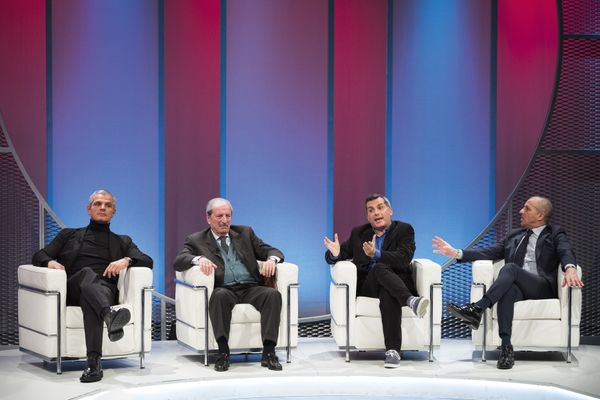
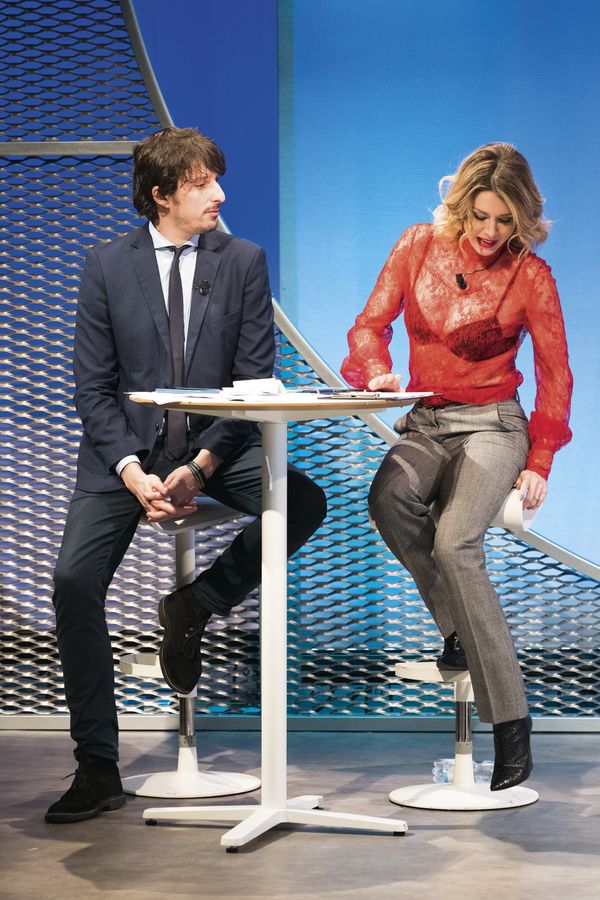
Italy’s is the European Union’s most patriarchal culture, and television still represents the main information medium for citizens. The men on screen explain the world, wear suits and are always of a certain age. The women, as a rule, have no significant function, but are young, pretty and scantily clad. Even anchorwomen must master the challenge of presenting not only content, but their own bodies as well. There are practically no alternative images of women, particularly during prime time.
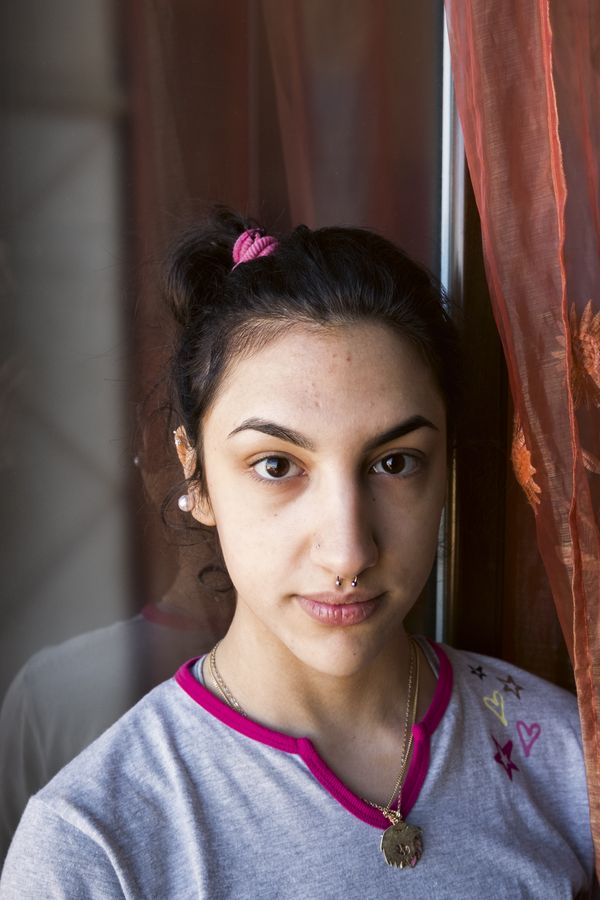
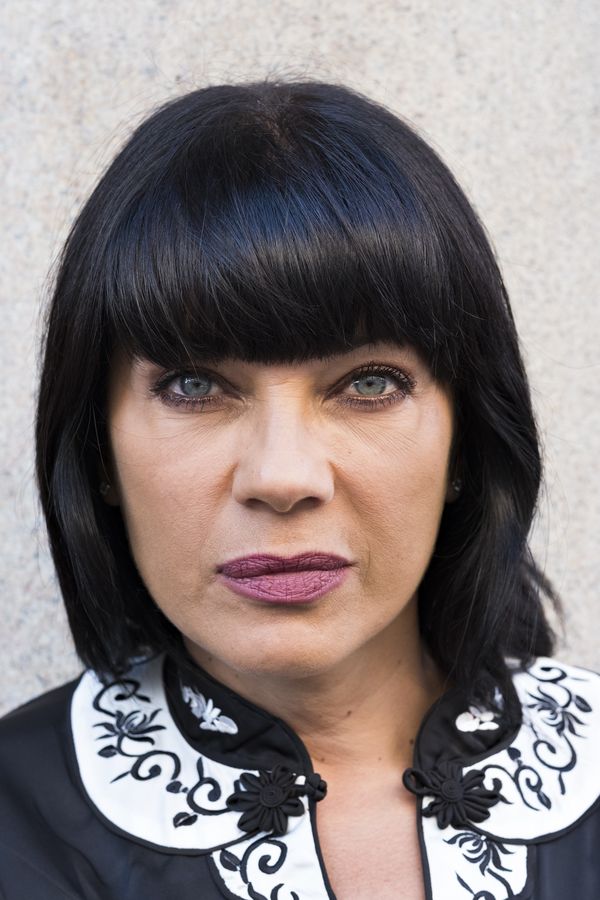
In "Bambola" individual protagonists appear as individuals but also as placeholders, expressing the extent of the image of women in focus. The „doll body“ appears repeatedly in the series and by this questions the image given to and adapted by the women.