Armillaria

  • Dates
    2024 - Ongoing
  • Author
  • Location San Francisco, United States

This project, titled Armillaria, explores queer ecology by investigating the largest living organism in the world, the Armillaria ostoyae, or humongous fungus.

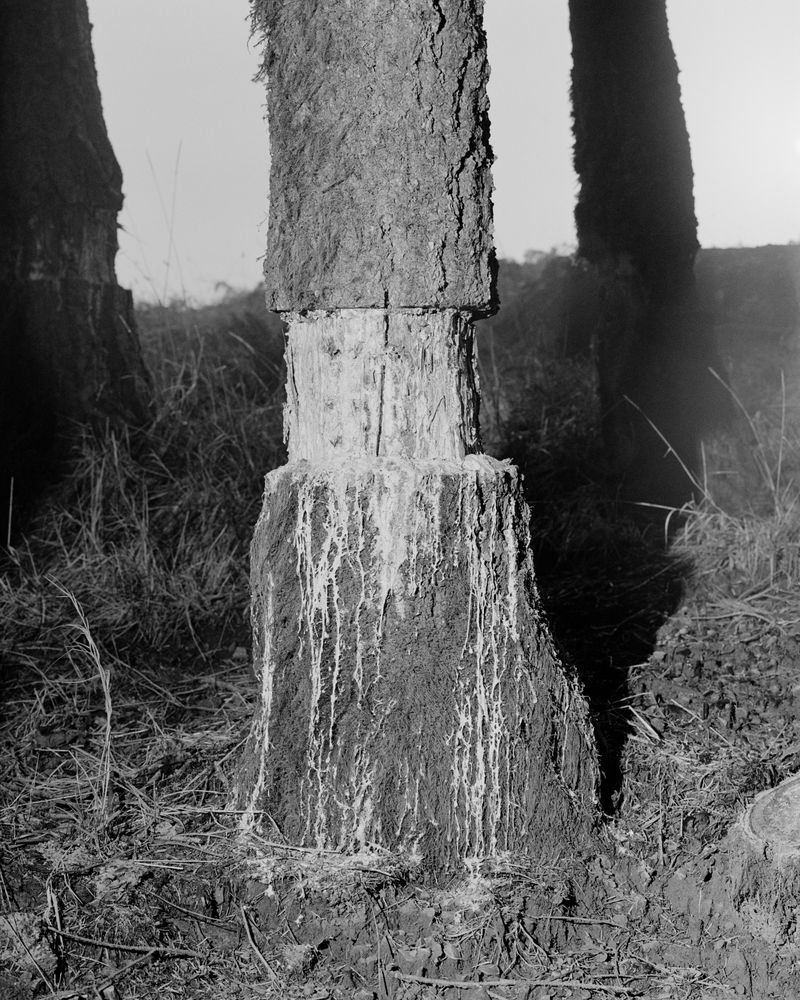
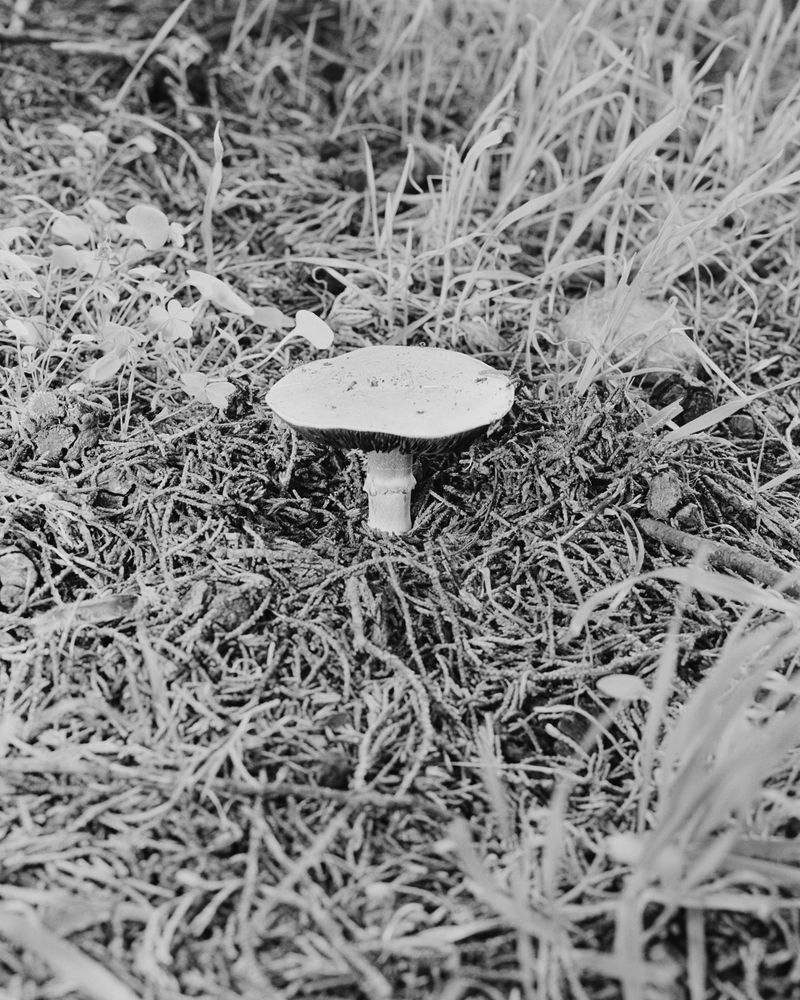
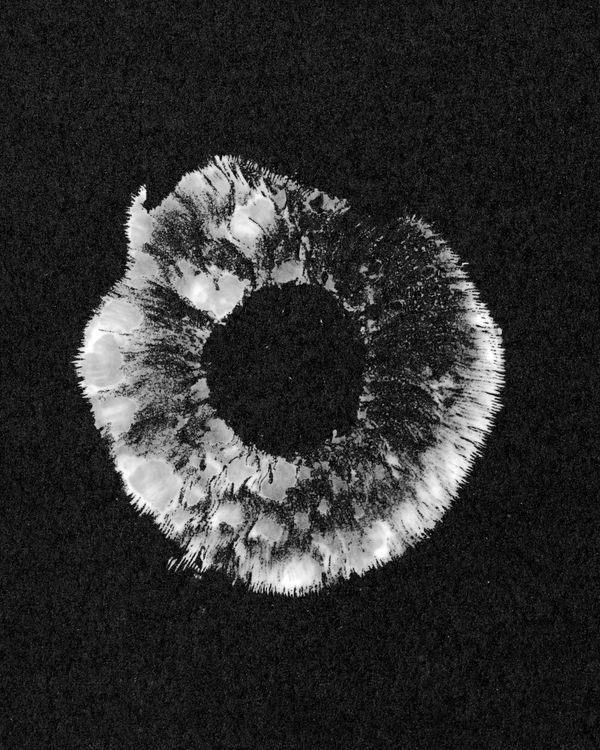
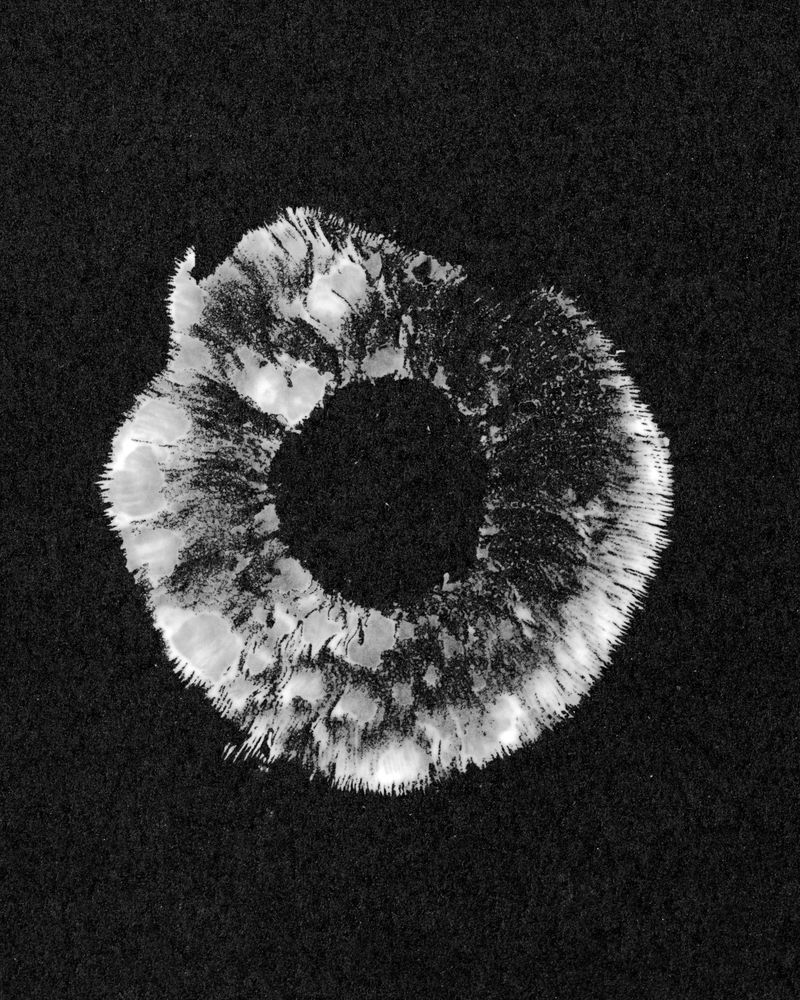
This project, titled Armillaria, investigates the world’s largest living organism, the Armillaria ostoyae. A single individual spanning three miles in Eastern Oregon, it is estimated to be over 10,000 years old. I visited the organism with the mycologist who has studied it for decades and brought a fragment of its ancient mycelium back to my studio, where I documented its slow growth and created spore prints in the darkroom.

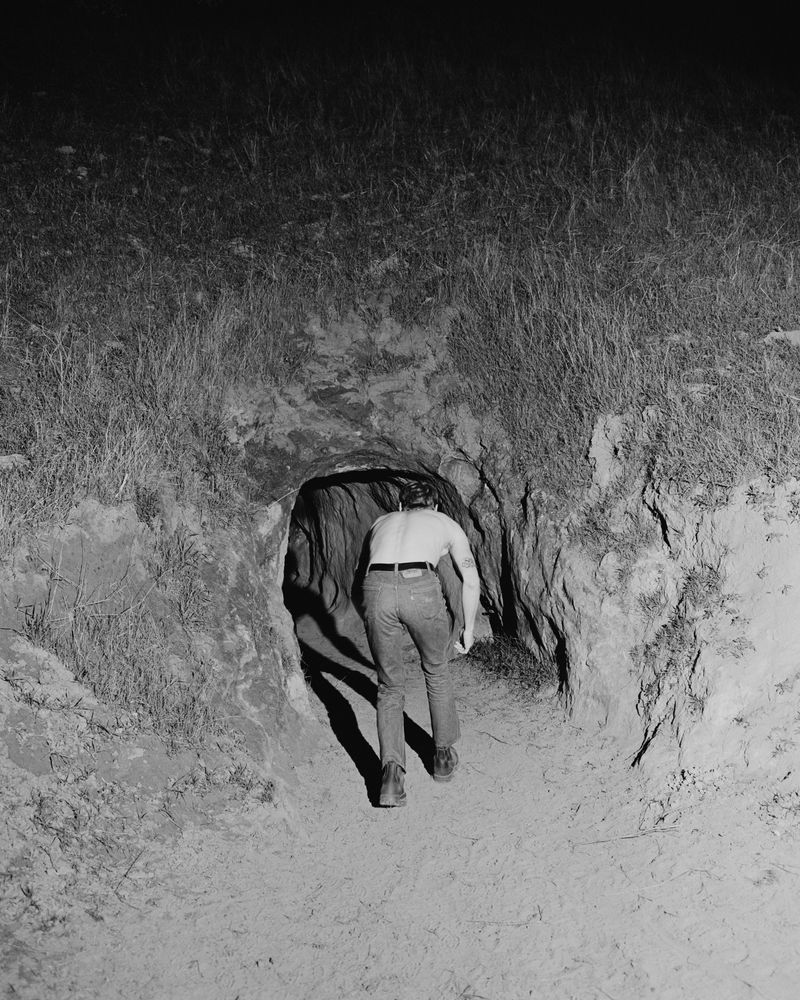
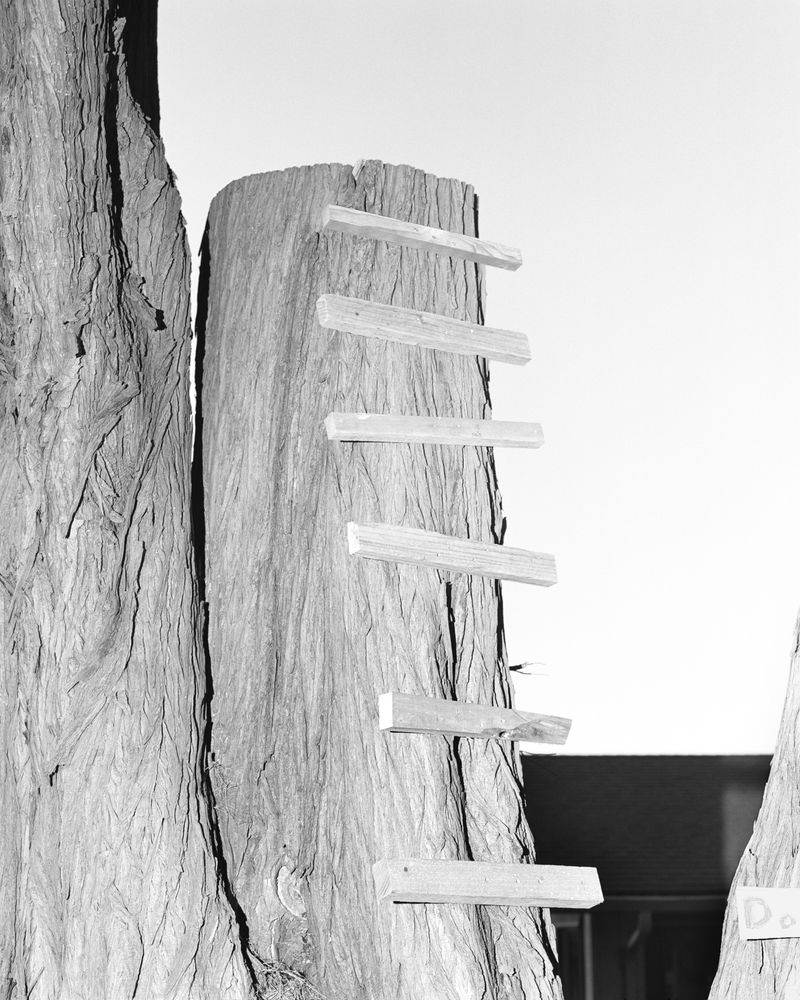
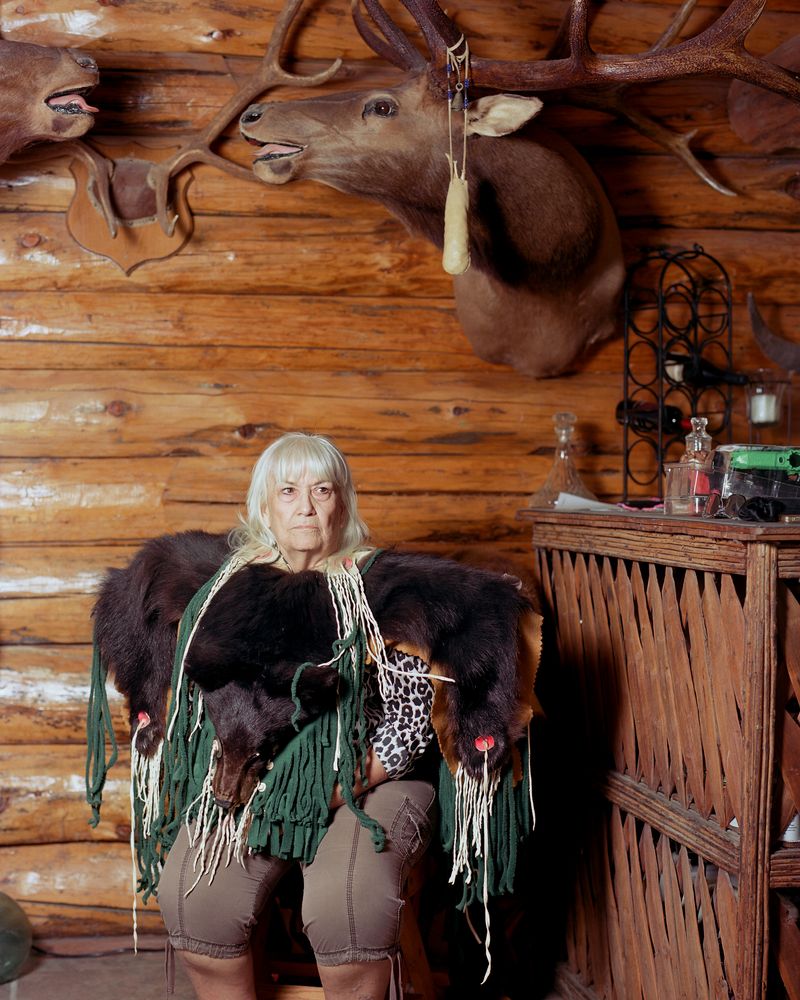
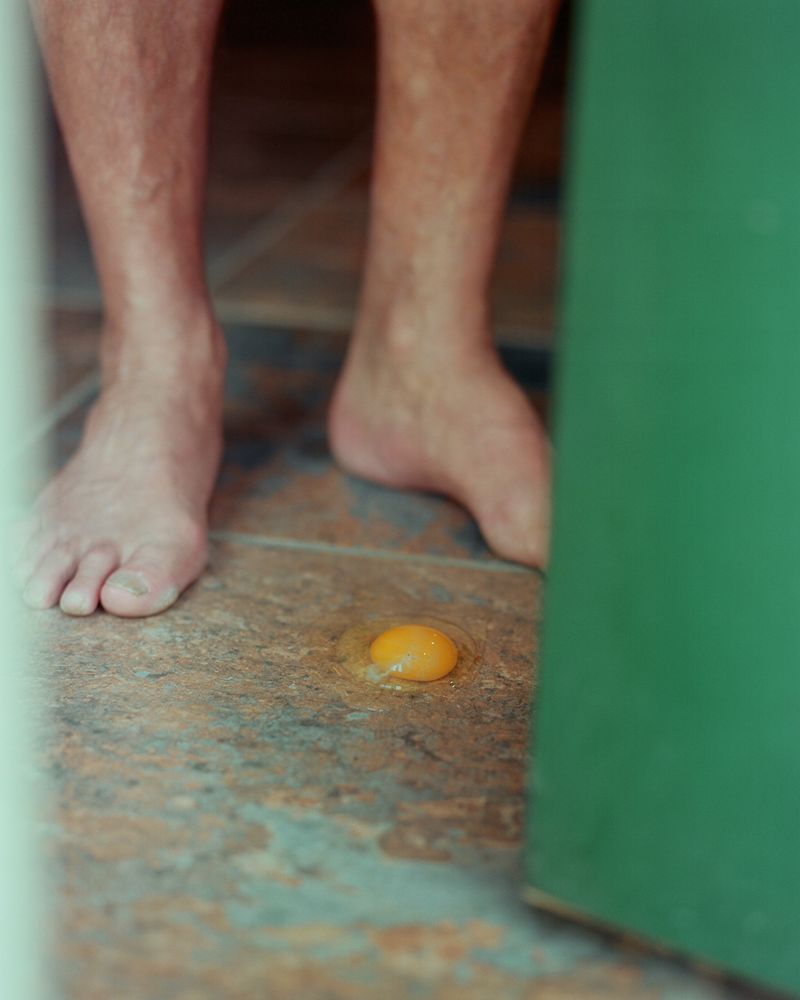
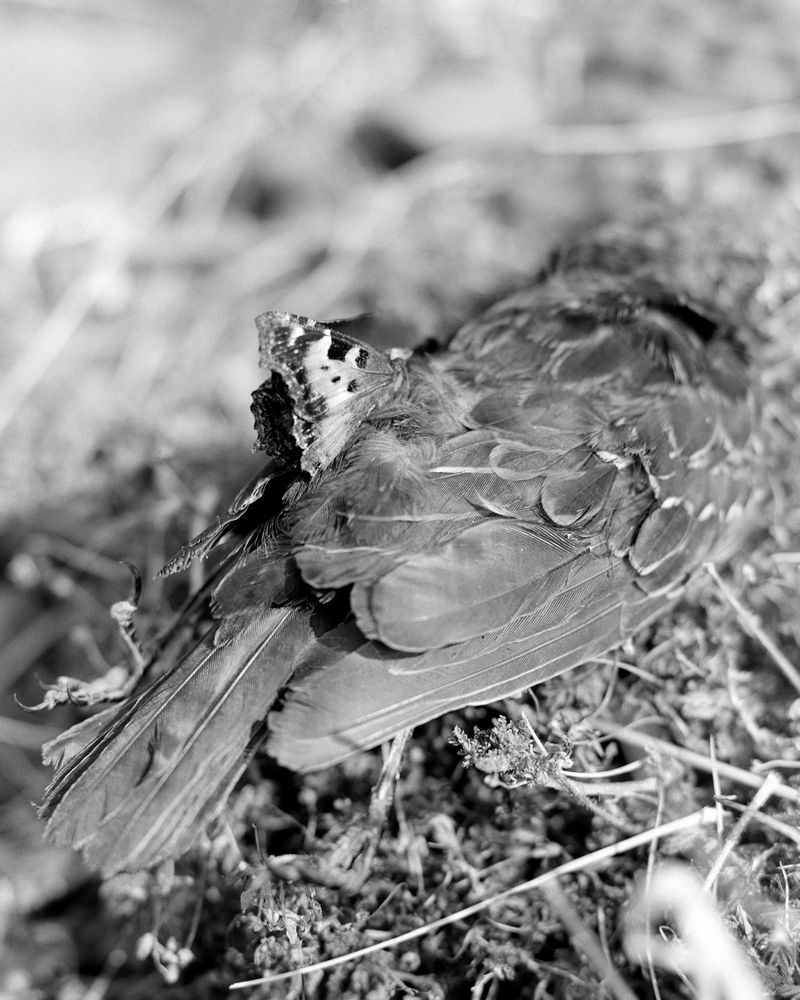
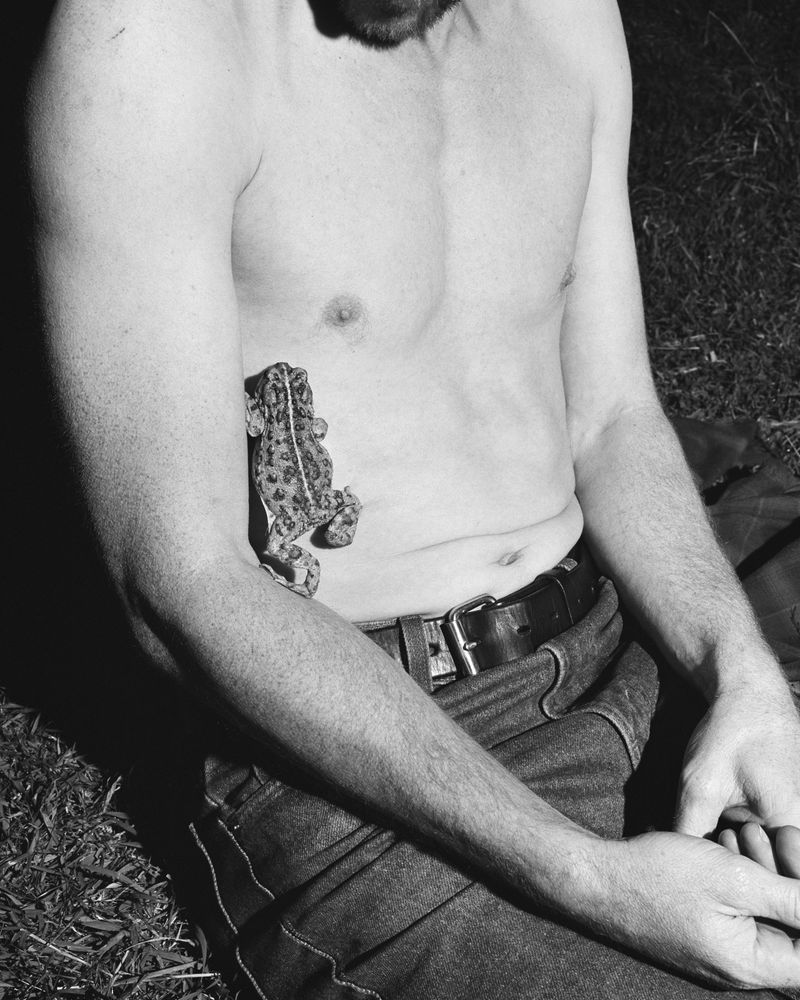
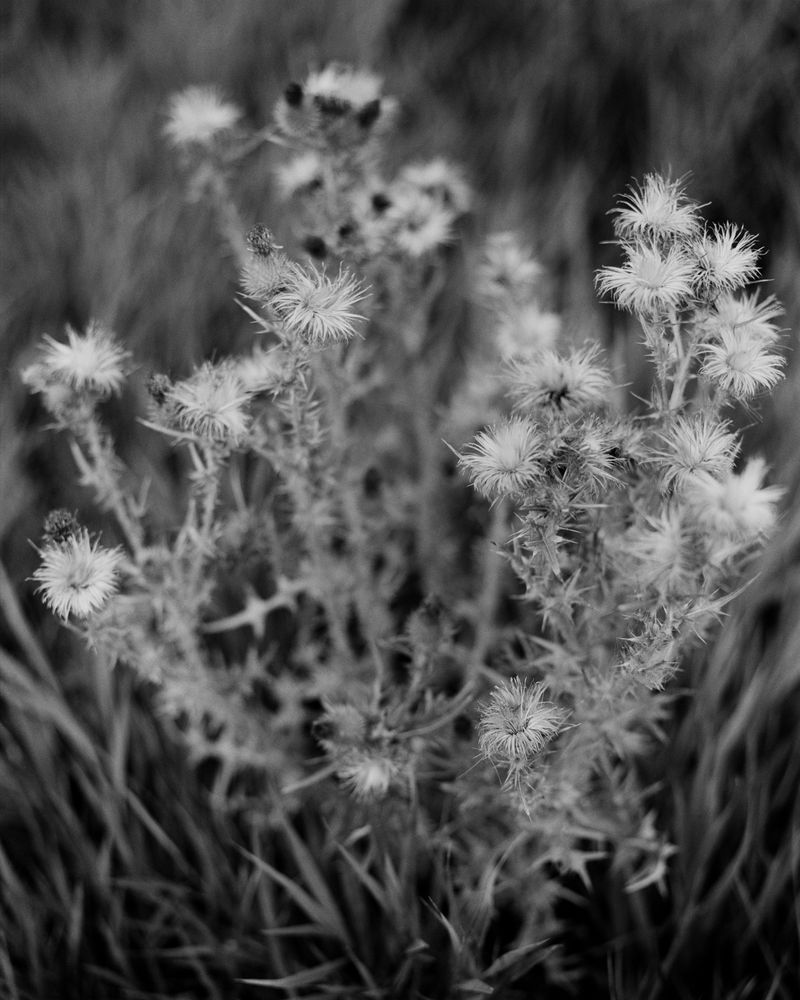
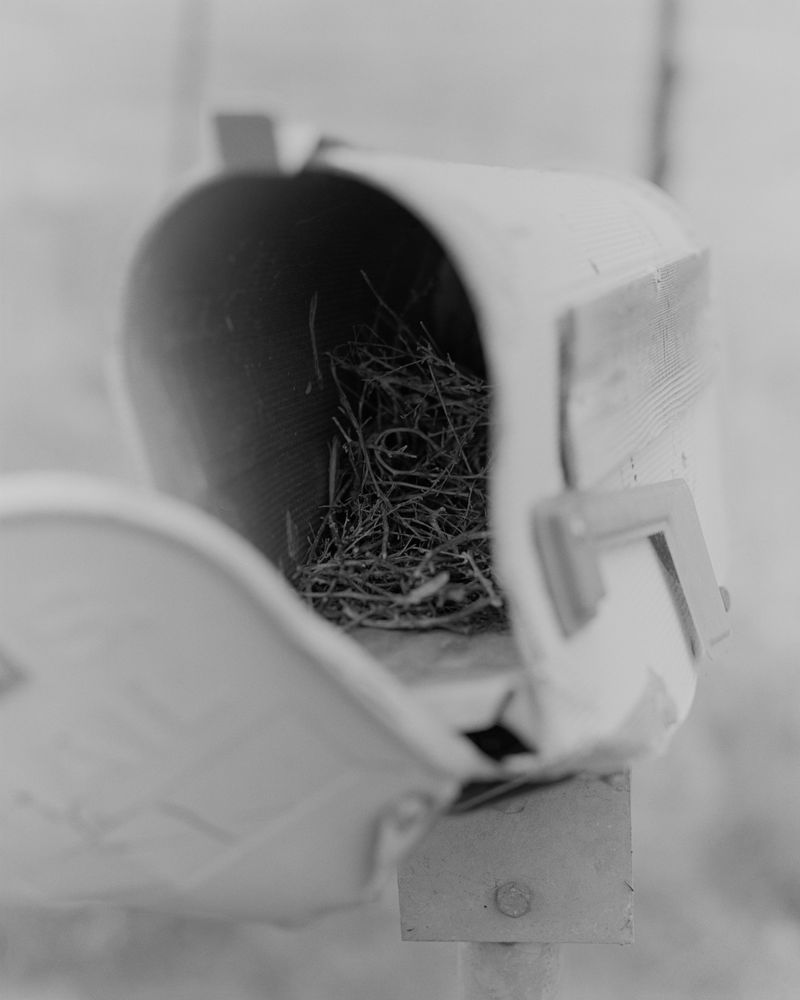
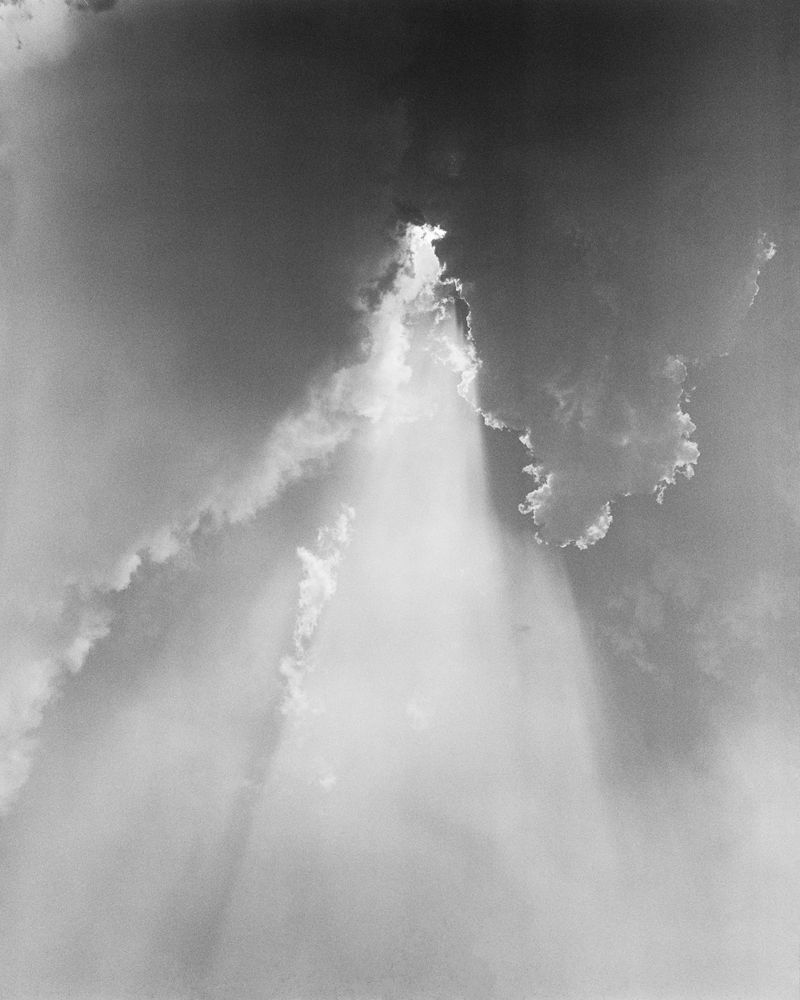
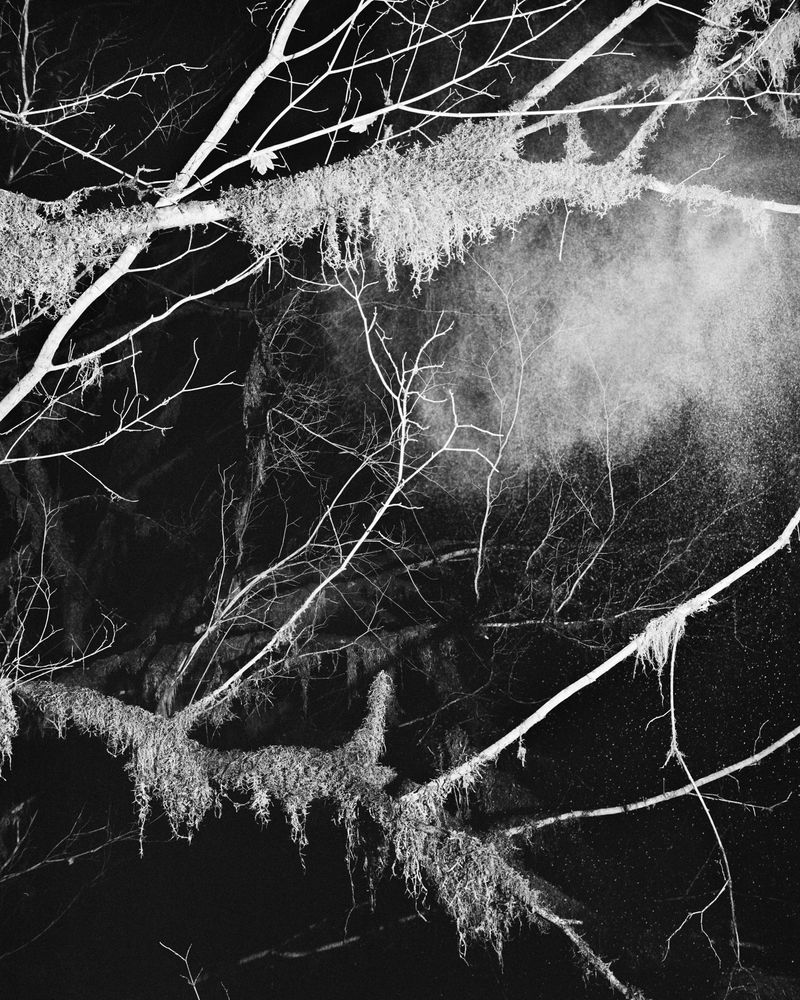
Sitting beside this surreal organism prompted reflections on individuality, with its ability to separate yet return as one. The images evoke the uncertainty of the natural world and its inherent queerness, inviting viewers to question what they know about the larger ecological systems they inhabit, using fungi as a guide.
© Jonah Reenders - Silver gelatin spore print photogram made in the darkroom.
i

Silver gelatin spore print photogram made in the darkroom.

© Jonah Reenders - A truck is suspended in the forest near the growth site of the Armillaria.
i

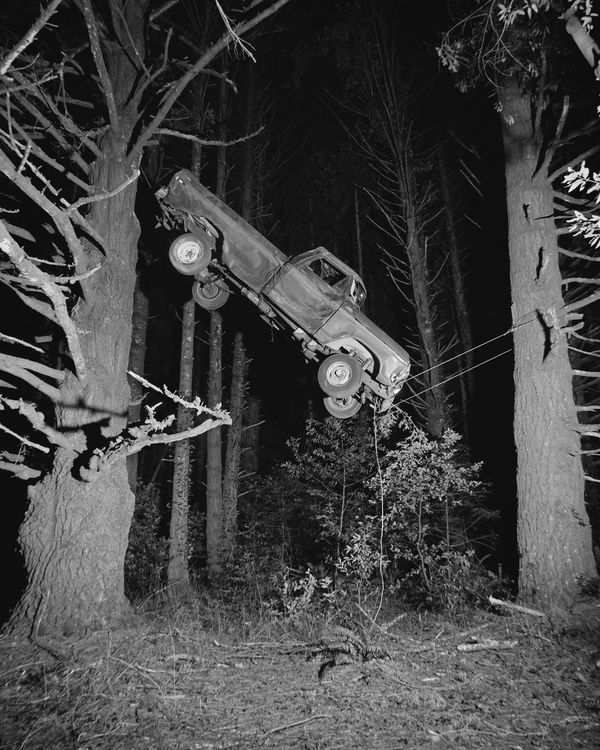
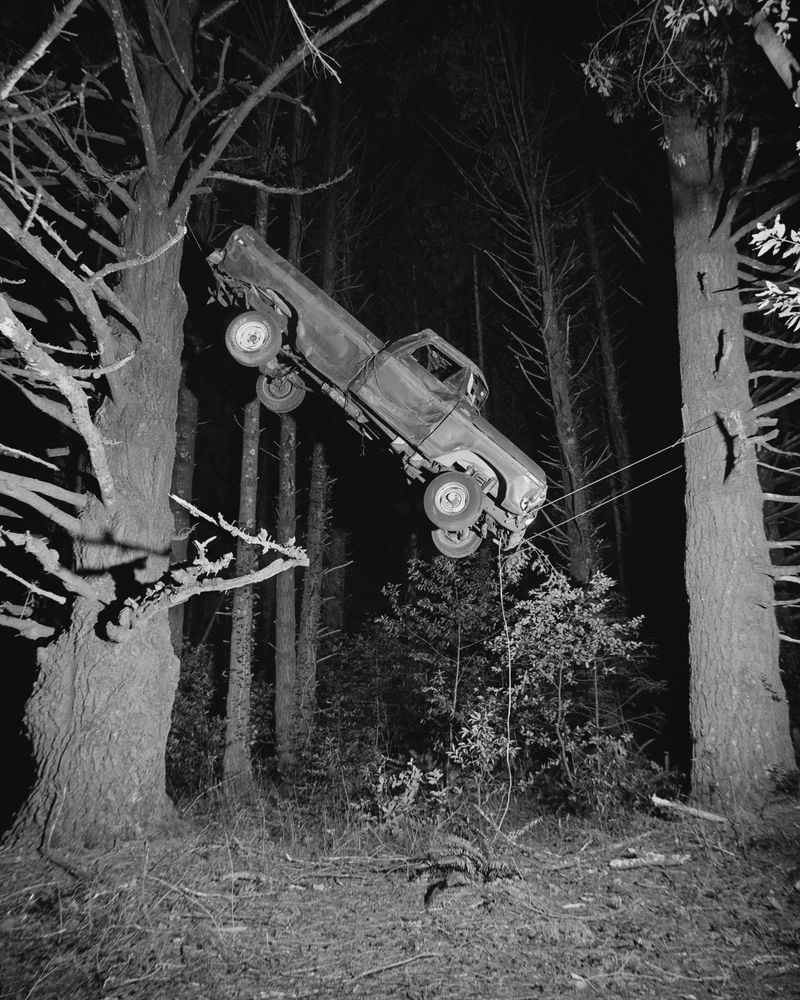
A truck is suspended in the forest near the growth site of the Armillaria.

© Jonah Reenders - Image from the Armillaria photography project
i

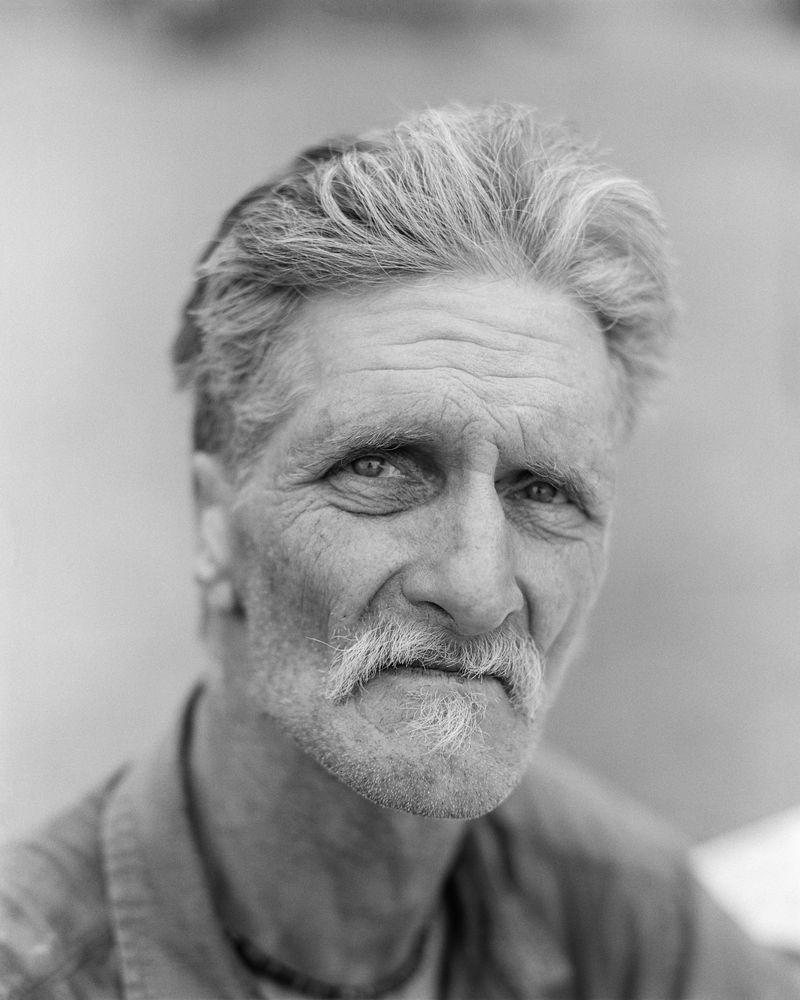
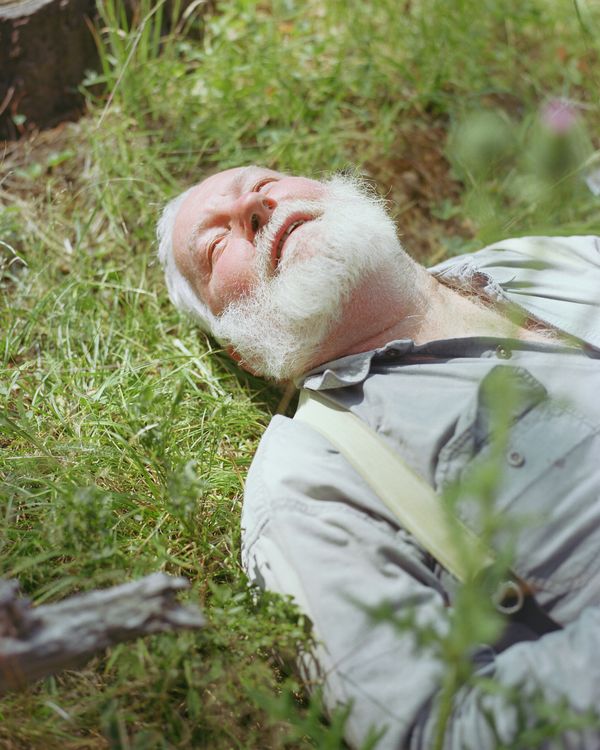
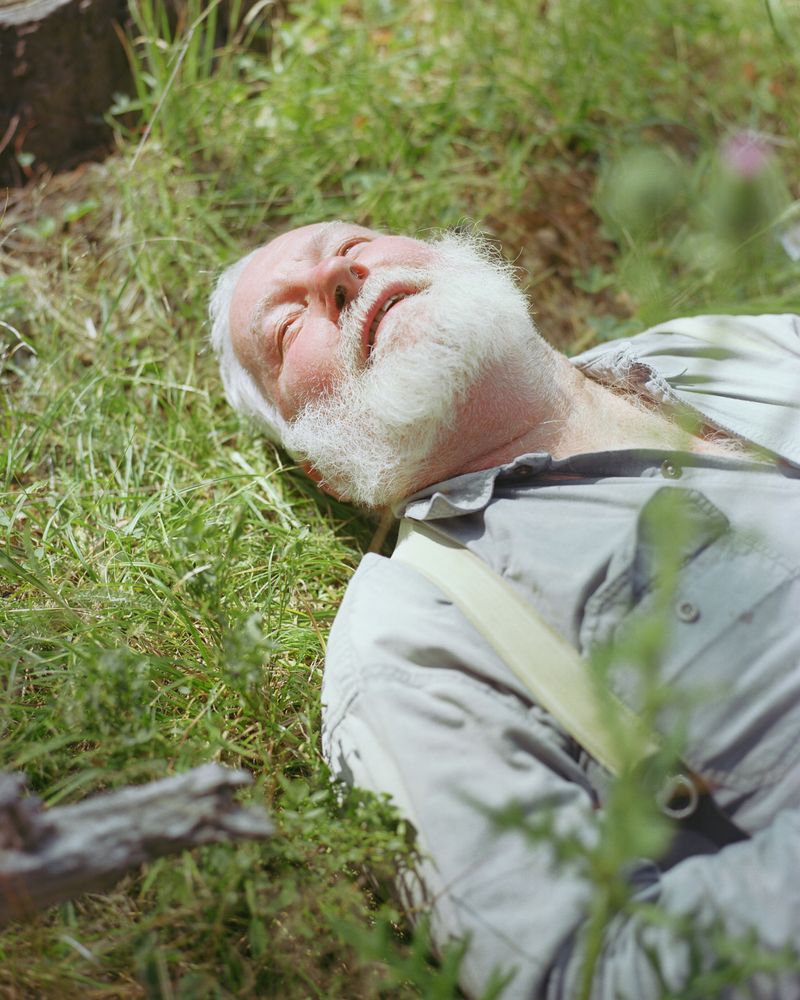
Michael McWilliams is a biologist that has been studying the Armillaria ostoyae, or humongous fungus for decades. I wanted to photograph him with the ancient organism, so here he is pictured laying atop the underground mycelium.

© Jonah Reenders - Image from the Armillaria photography project
i

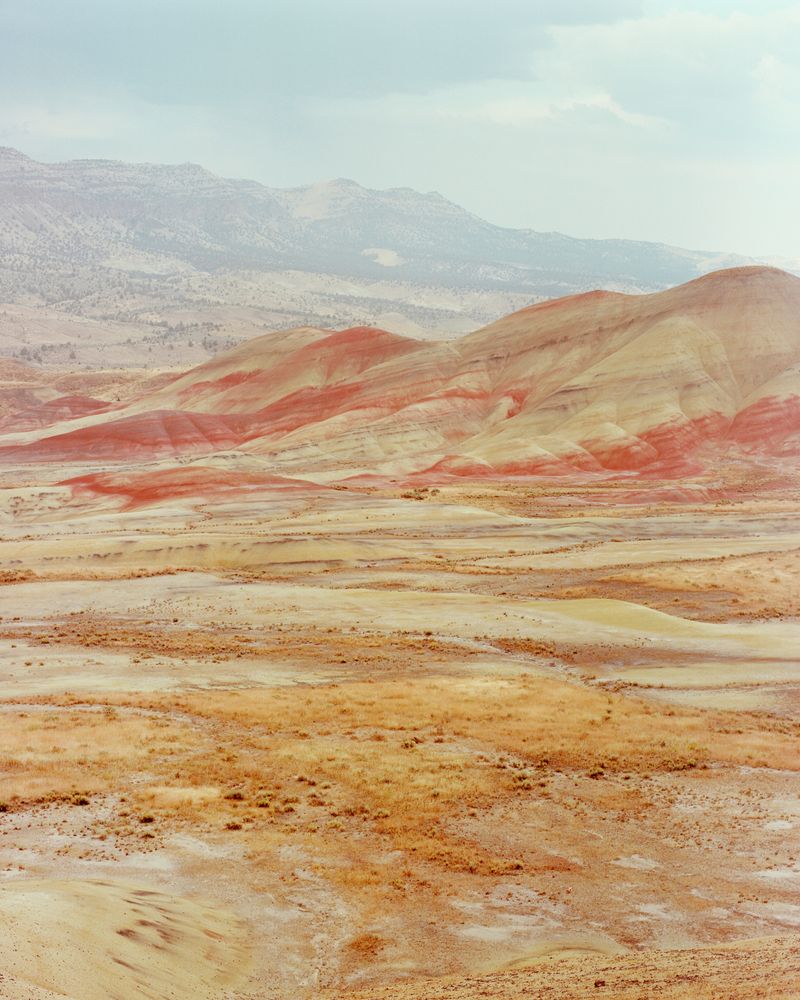
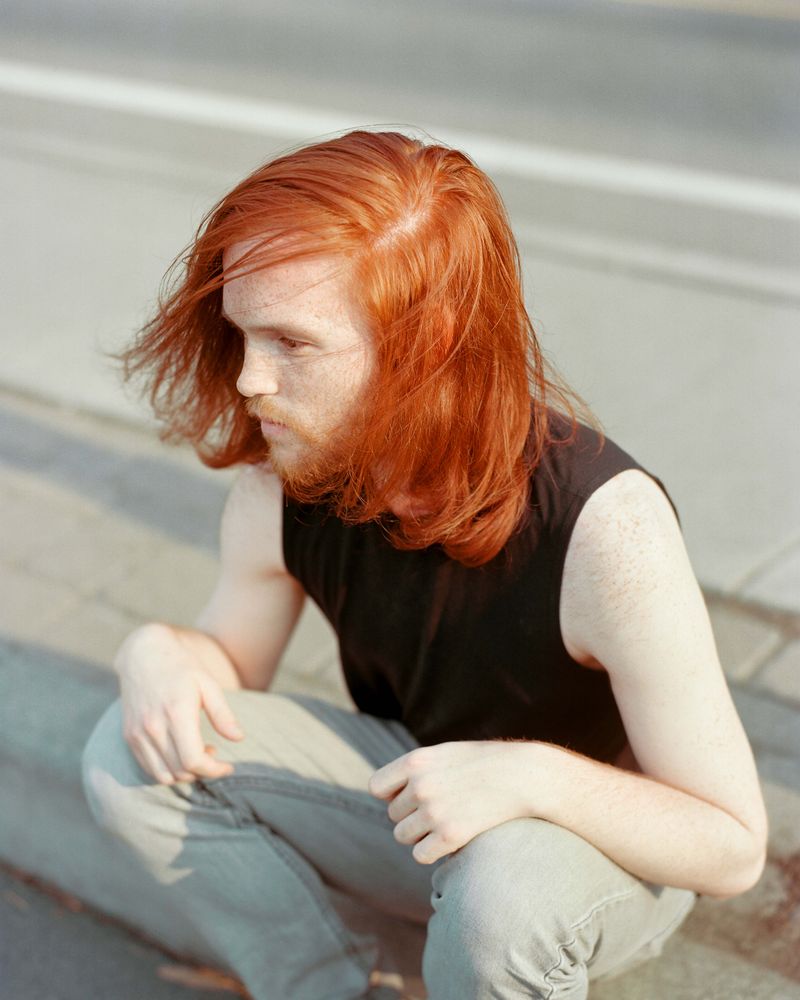
The images evoke the uncertainty of the natural world, inviting us to question what we know and use fungi as a lens to reflect on the larger systems we inhabit.

© Jonah Reenders - Image from the Armillaria photography project
i

The images evoke the uncertainty of the natural world, inviting us to question what we know and use fungi as a lens to reflect on the larger systems we inhabit.

© Jonah Reenders - Image from the Armillaria photography project
i

The images evoke the uncertainty of the natural world, inviting us to question what we know and use fungi as a lens to reflect on the larger systems we inhabit.

© Jonah Reenders - Image from the Armillaria photography project
i

The images evoke the uncertainty of the natural world, inviting us to question what we know and use fungi as a lens to reflect on the larger systems we inhabit.

© Jonah Reenders - Image from the Armillaria photography project
i

The images evoke the uncertainty of the natural world, inviting us to question what we know and use fungi as a lens to reflect on the larger systems we inhabit.

© Jonah Reenders - Image from the Armillaria photography project
i

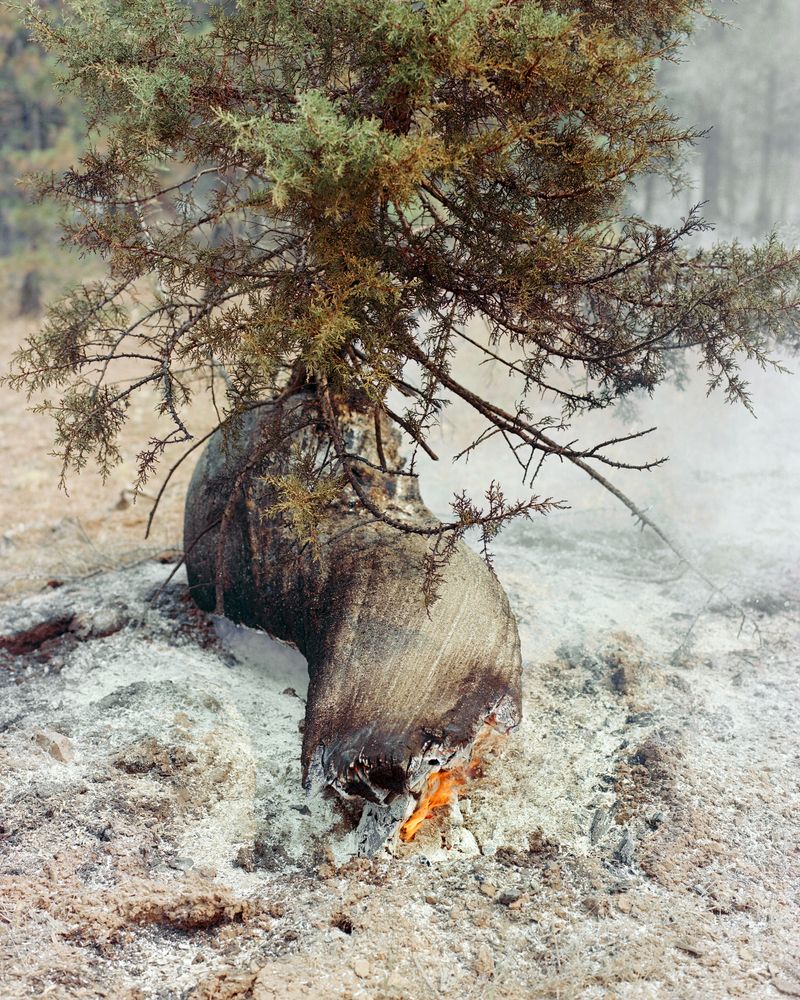
The images evoke the uncertainty of the natural world, inviting us to question what we know and use fungi as a lens to reflect on the larger systems we inhabit. Here, a tree burns in the forest near the site of Armillaria ostoyae. As forests face increasing drought, they become more susceptible to the parasitic organism.

© Jonah Reenders - Michael McWilliams holds a rhizomorph produced by Armillaria ostoyae, indicating the location of the ancient organism.
i

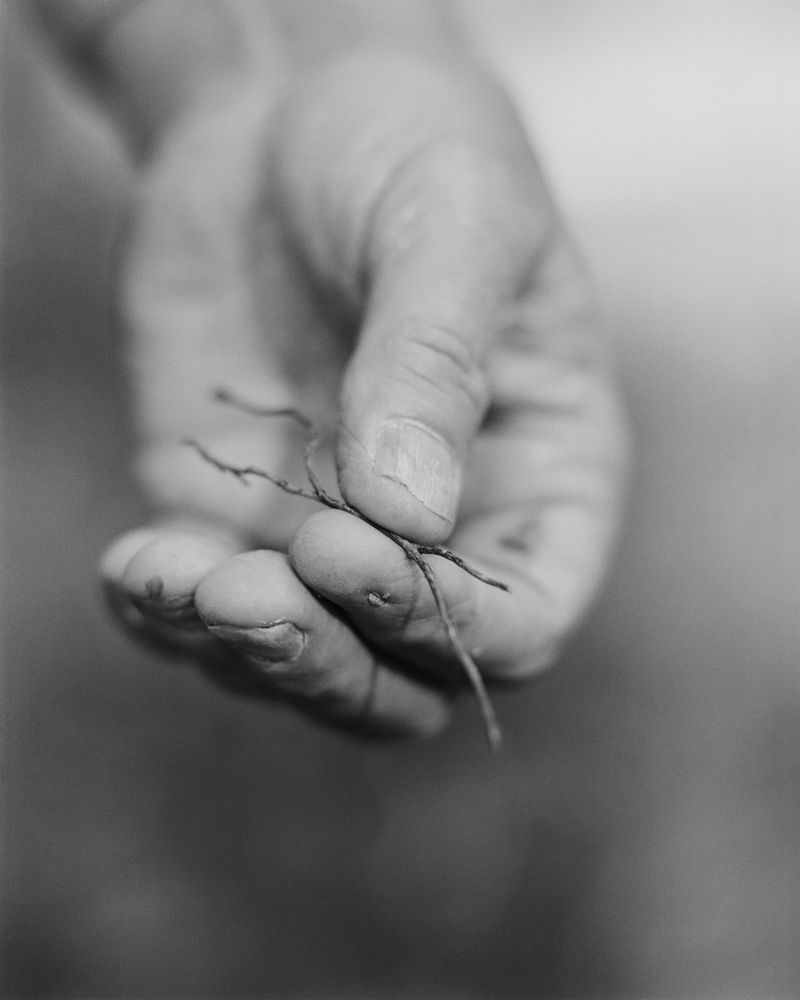
Michael McWilliams holds a rhizomorph produced by Armillaria ostoyae, indicating the location of the ancient organism.

© Jonah Reenders - Image from the Armillaria photography project
i

The images evoke the uncertainty of the natural world, inviting us to question what we know and use fungi as a lens to reflect on the larger systems we inhabit.

© Jonah Reenders - Image from the Armillaria photography project
i

The images evoke the uncertainty of the natural world, inviting us to question what we know and use fungi as a lens to reflect on the larger systems we inhabit.

© Jonah Reenders - Image from the Armillaria photography project
i

The images evoke the uncertainty of the natural world, inviting us to question what we know and use fungi as a lens to reflect on the larger systems we inhabit.

© Jonah Reenders - Image from the Armillaria photography project
i

The images evoke the uncertainty of the natural world, inviting us to question what we know and use fungi as a lens to reflect on the larger systems we inhabit.

© Jonah Reenders - Image from the Armillaria photography project
i

The images evoke the uncertainty of the natural world, inviting us to question what we know and use fungi as a lens to reflect on the larger systems we inhabit.

© Jonah Reenders - Image from the Armillaria photography project
i

The images evoke the uncertainty of the natural world, inviting us to question what we know and use fungi as a lens to reflect on the larger systems we inhabit.

© Jonah Reenders - Image from the Armillaria photography project
i

The images evoke the uncertainty of the natural world, inviting us to question what we know and use fungi as a lens to reflect on the larger systems we inhabit.

© Jonah Reenders - Image from the Armillaria photography project
i

The images evoke the uncertainty of the natural world, inviting us to question what we know and use fungi as a lens to reflect on the larger systems we inhabit.

© Jonah Reenders - Image from the Armillaria photography project
i

The images evoke the uncertainty of the natural world, inviting us to question what we know and use fungi as a lens to reflect on the larger systems we inhabit.

© Jonah Reenders - Image from the Armillaria photography project
i

The images evoke the uncertainty of the natural world, inviting us to question what we know and use fungi as a lens to reflect on the larger systems we inhabit.