Aquí me hallo/Gualicho
  • Dates
    2024 - Ongoing
  • Author
  • Topics Contemporary Issues, Documentary, Landscape, Nature & Environment, Social Issues
  • Location Uruguay

Aquí me hallo explores the Uruguayan native forest as a living archive, where memory, belonging, and ways of inhabiting persist amid industrial forestry, fragmentation, and invisibilization.

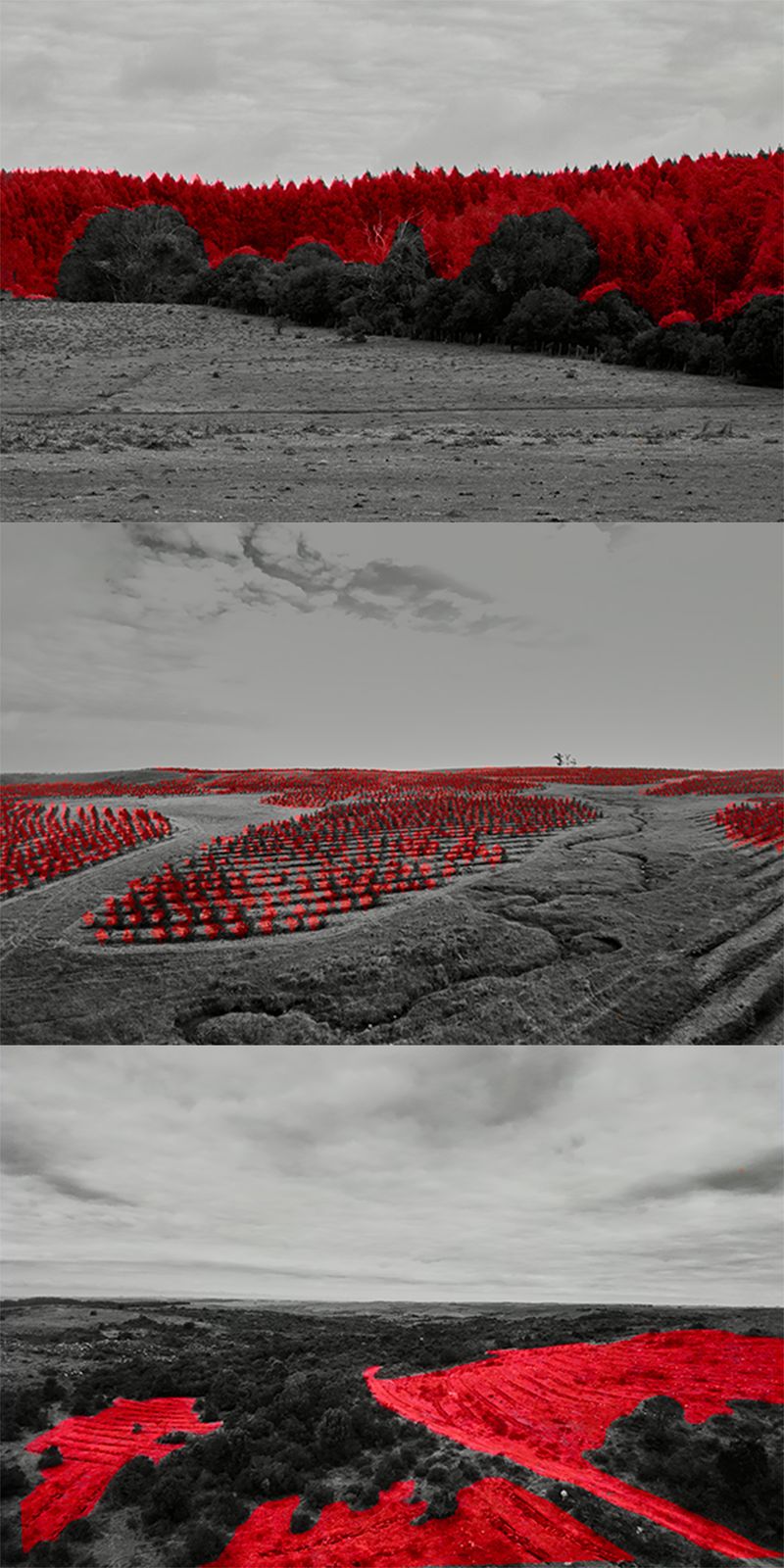
In recent decades, the Uruguayan territory has been transformed by the expansion of industrial forestry, giving rise to landscapes dominated by monocultures. Beyond its productive dimension, this process has reshaped the ways in which space is perceived, traversed, and inhabited.

Yet the native forest persists as a living archive: an ecosystem that sustains biodiversity, but also memories, knowledge, and ways of relating to the land. Its transformation does not occur only through disappearance, but through subtler processes such as fragmentation, displacement, and invisibilization. The forest is still there, but increasingly pushed to the margins, losing its place in everyday experience. It is not merely a collection of species, but a relational way of life: a web that holds connections, memories, and ways of inhabiting the world that cannot be reduced to the productive.

Aquí me hallo/Gualicho stands at that threshold. Rather than describing the landscape, the project works with what remains, even when it is no longer evident: the material and affective layers that sustain our relationship with the territory. Drawing on the notion of body-territory, these transformations are approached as processes that simultaneously affect the environment and the ways of feeling, remembering, and belonging.
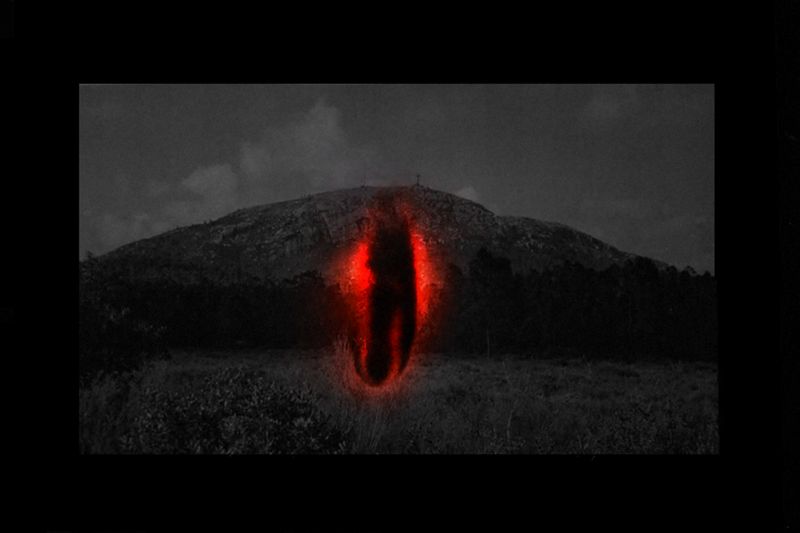
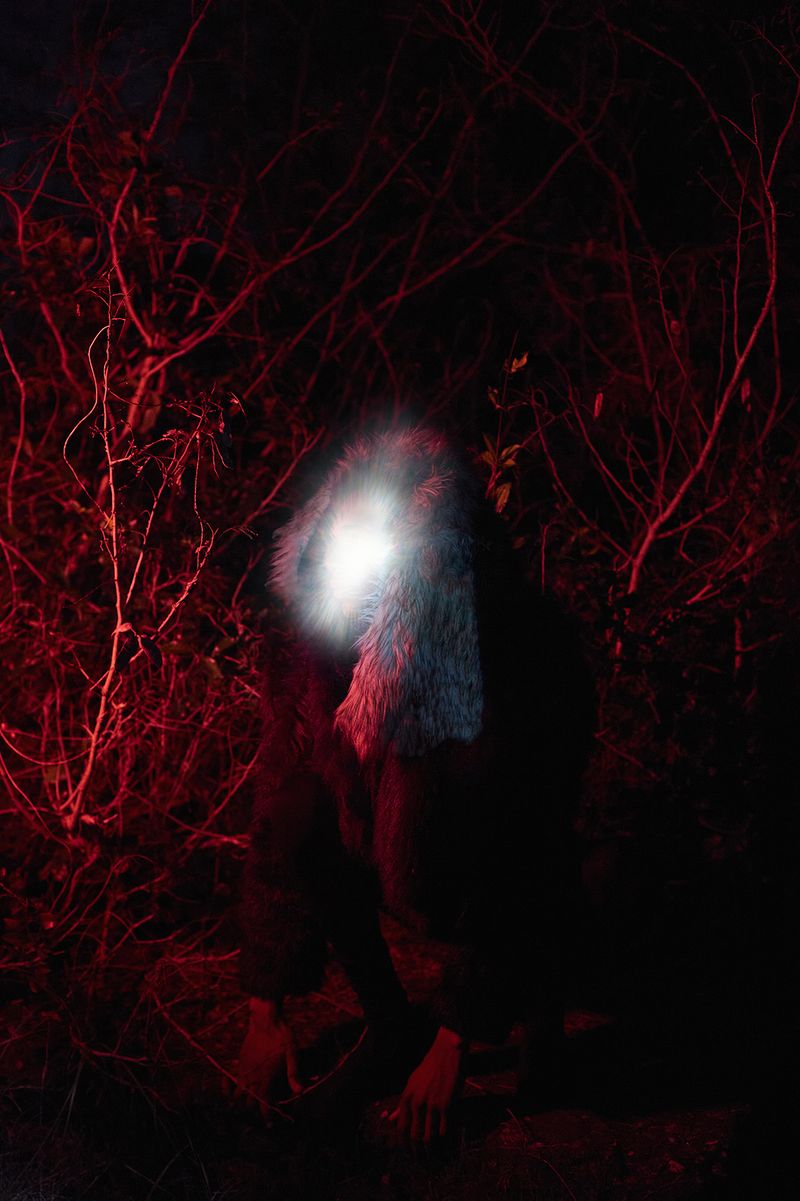
Within this context, I invoke Gualicho, a figure linked to the belief systems of Indigenous peoples of the southern part of the continent, whose meaning was gradually displaced and reduced over time to a negative connotation. Here, it is reclaimed as a presence that moves through the territory and protects what insists on remaining: that which does not entirely disappear, even when it is no longer visible or named.

“Aquí me hallo” does not mean “here I am,” but rather “this is where I am / this is where I belong, this is my essence, and here the spirits of my people still drift””: an affirmation of being in a territory under transformation, where the traces of what has been still persist—almost imperceptibly.
This project is a candidate for PhMuseum Days 2026 Photography Festival Open Call

Learn more Present your project
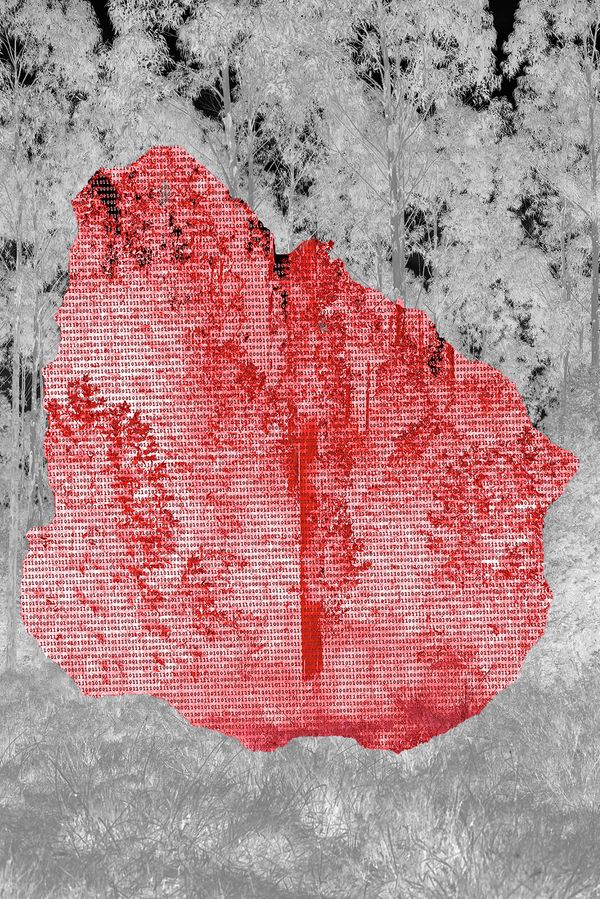
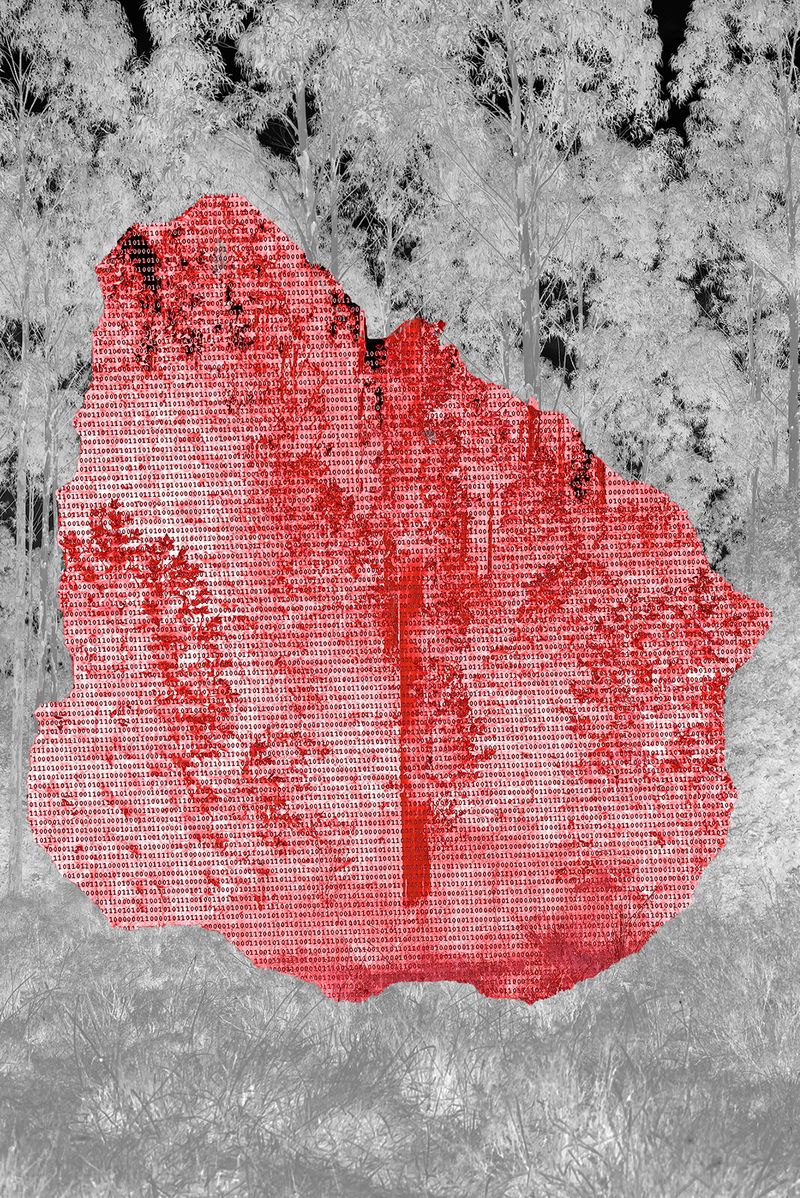
© Ana Paula Pereira - 2026. Uruguay’s Forestry Law No. 15,939 (1987), translated into binary code.
i

2026. Uruguay’s Forestry Law No. 15,939 (1987), translated into binary code.

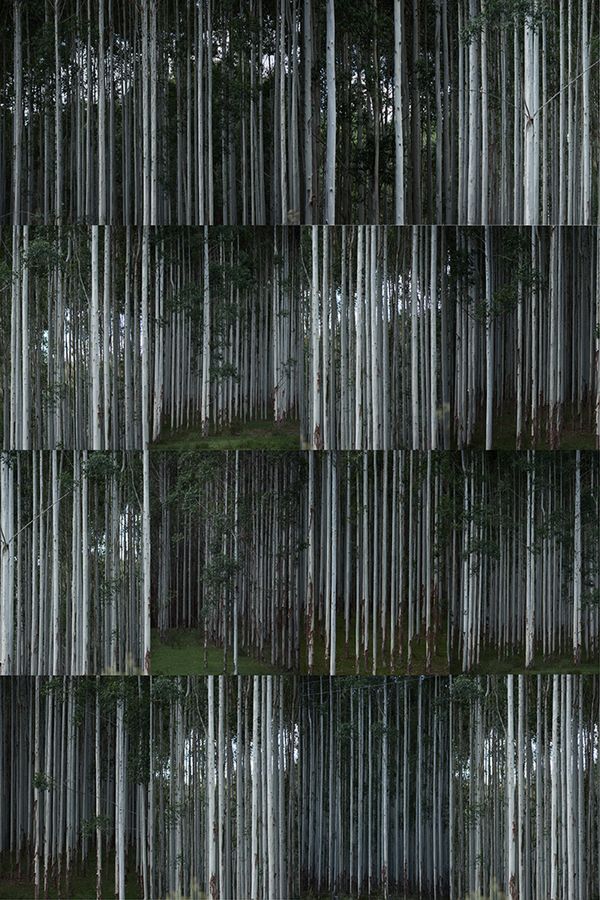
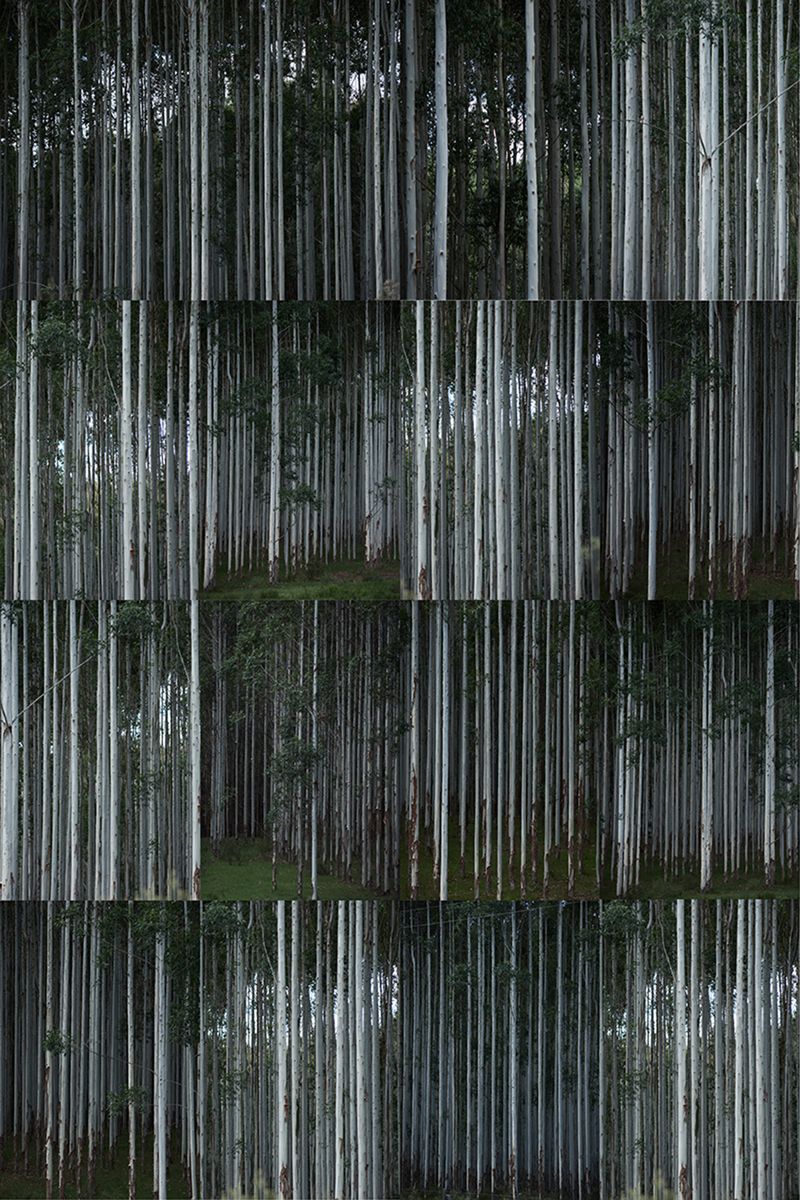
© Ana Paula Pereira - 2026. Eucalyptus plantations: repetition as a form of occupation.
i

2026. Eucalyptus plantations: repetition as a form of occupation.

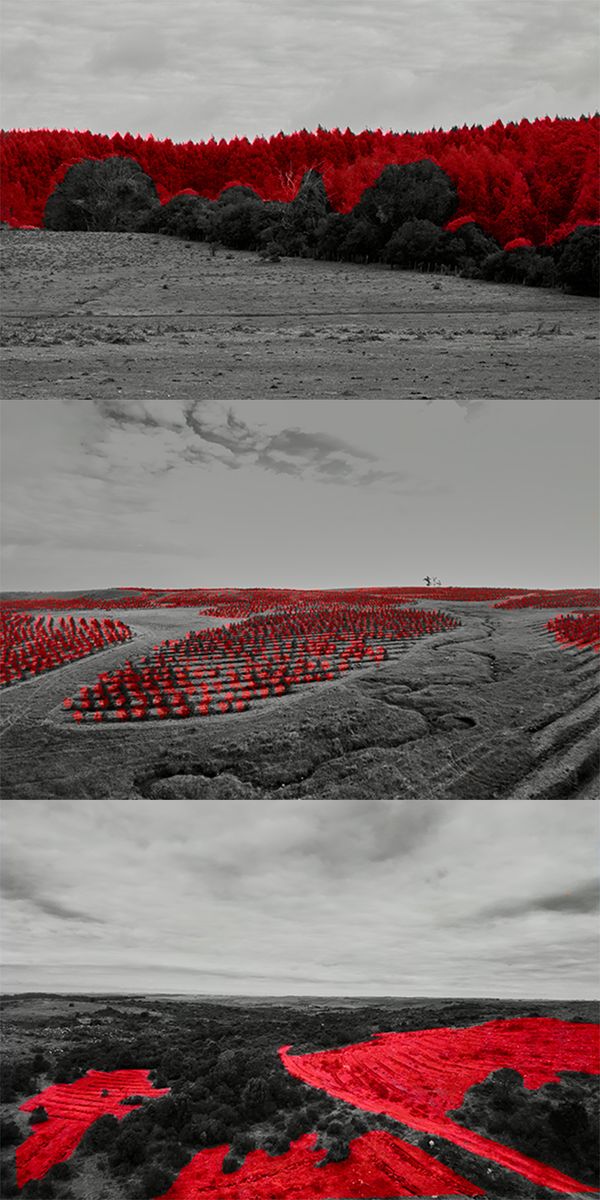
© Ana Paula Pereira - 2025. Red interventions across forested landscapes.
i

2025. Red interventions across forested landscapes.

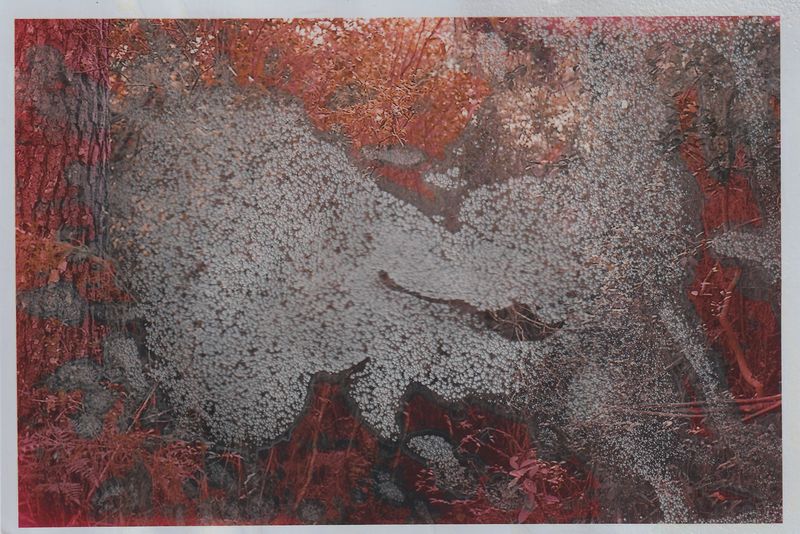
© Ana Paula Pereira - 2025. Agrochemicals applied to images of the native forest: a material imprint of violence on the land.
i

2025. Agrochemicals applied to images of the native forest: a material imprint of violence on the land.

© Ana Paula Pereira - 2026. Native Forest Inventory.
i

2026. Native Forest Inventory.

© Ana Paula Pereira - Image from the Aquí me hallo/Gualicho photography project
i

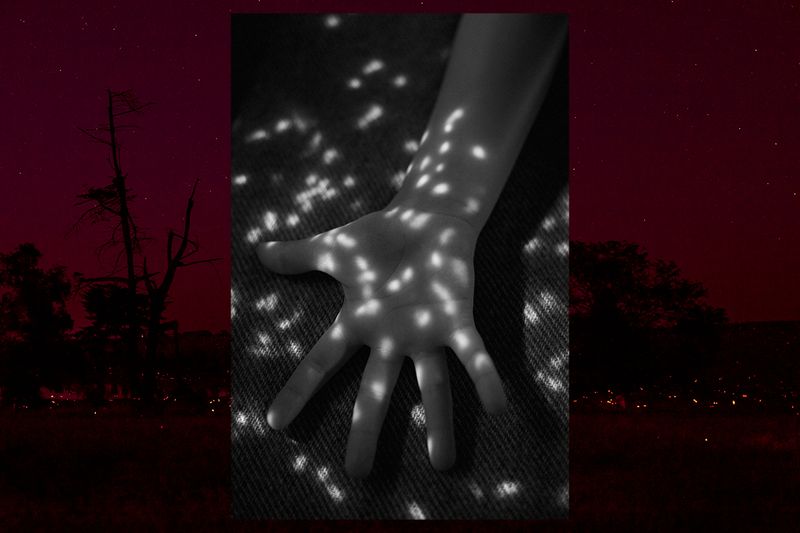
2025. Gualicho is reclaimed here as a presence that moves through the territory, protecting what insists on remaining, even when it is no longer visible or named.

© Ana Paula Pereira - "Gualicho" 2025. Gualicho invoked as a protective presence within the territory.
i

"Gualicho" 2025. Gualicho invoked as a protective presence within the territory.

© Ana Paula Pereira - "Gualicho" 2025. Gualicho invoked as a protective presence within the territory.
i

"Gualicho" 2025. Gualicho invoked as a protective presence within the territory.

© Ana Paula Pereira - Image from the Aquí me hallo/Gualicho photography project
i

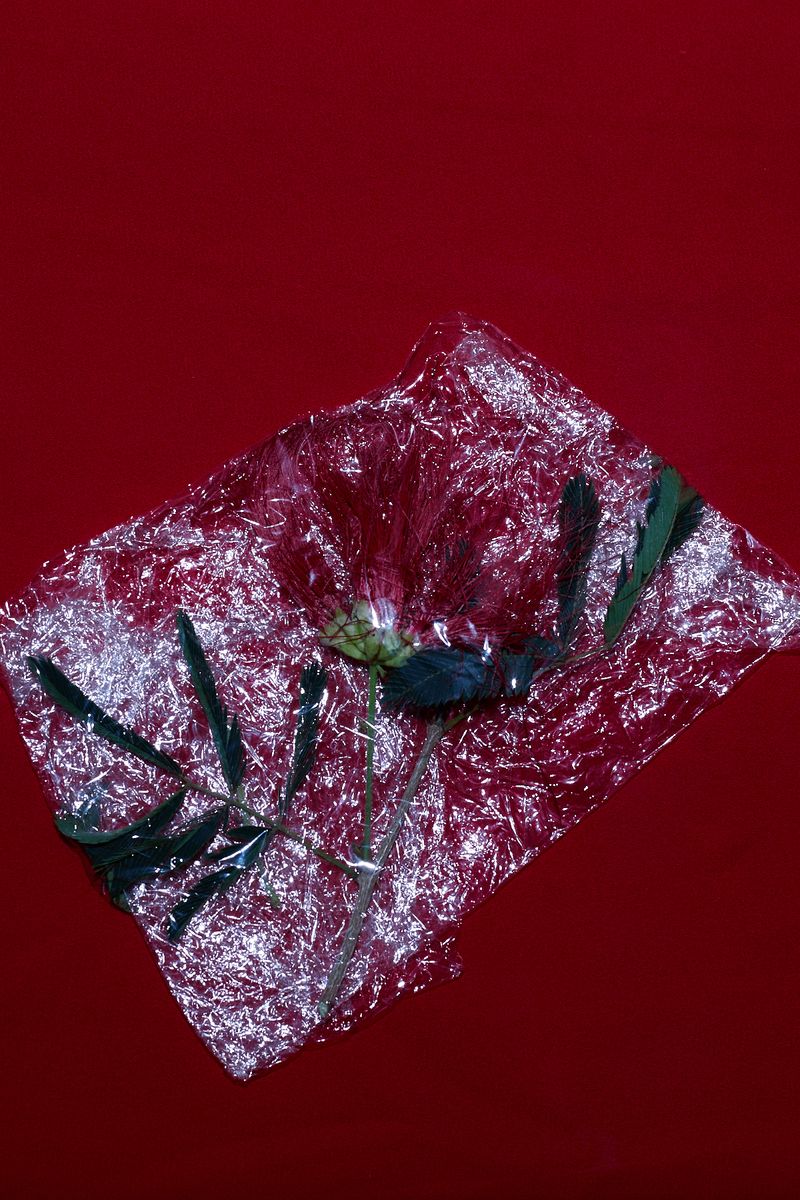
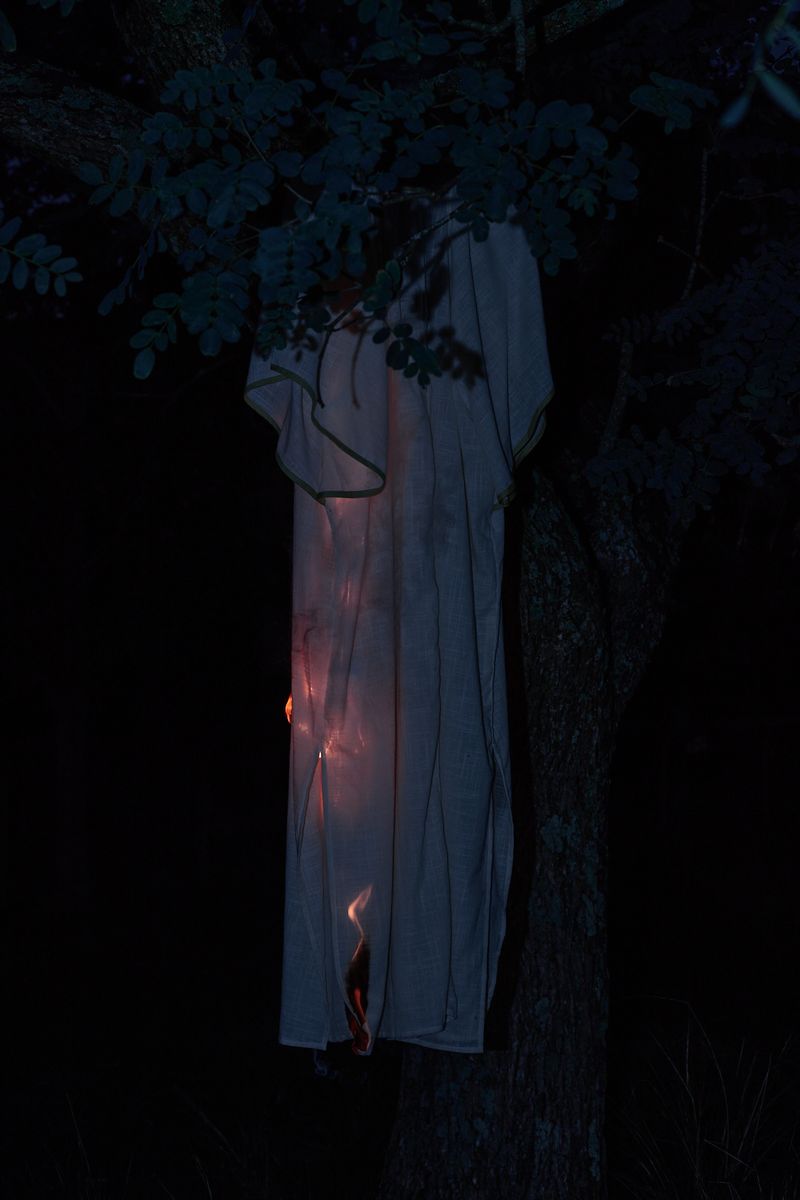
"Anahí" 2026. Anahí was burned for defending her land and her body; from that fire, the red ceibo was born—Uruguay’s national flower.

© Ana Paula Pereira - Image from the Aquí me hallo/Gualicho photography project
i

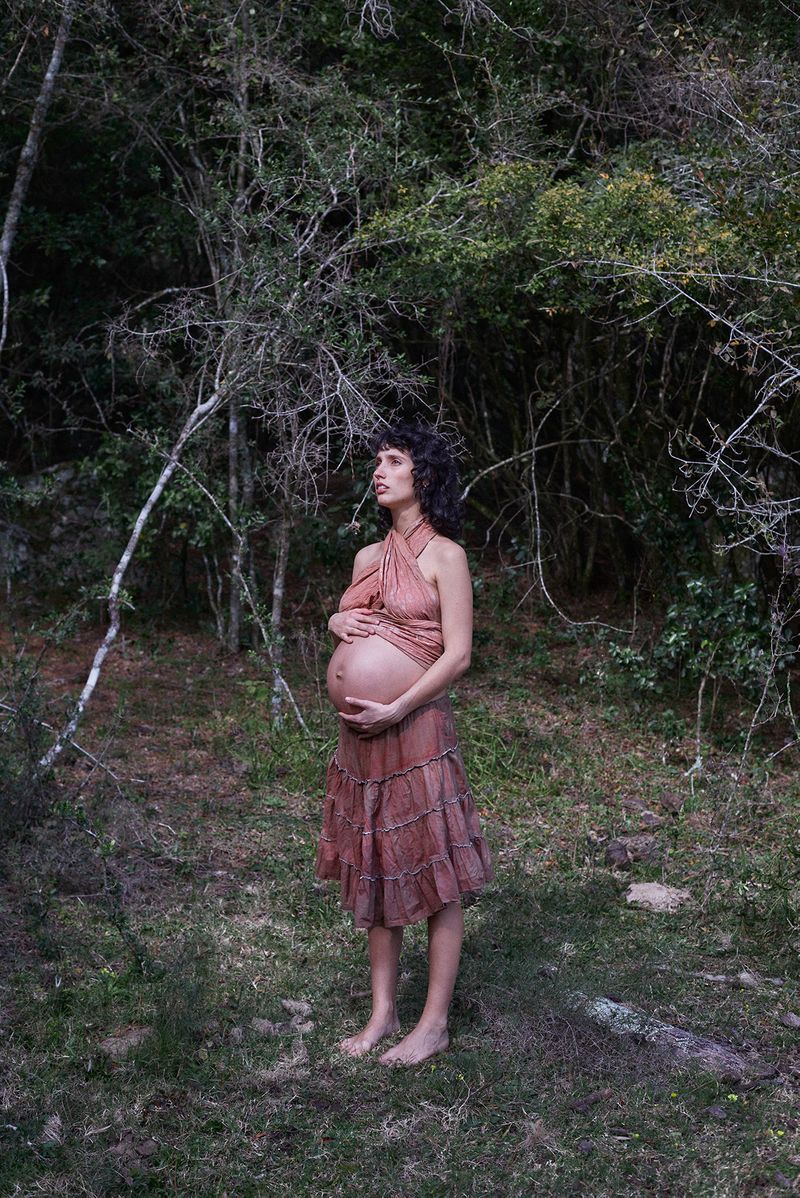
2024. As territory changes, so do the relations that shape us; the territories we sustain today will shape the worlds we inhabit tomorrow.

© Ana Paula Pereira - Image from the Aquí me hallo/Gualicho photography project
i

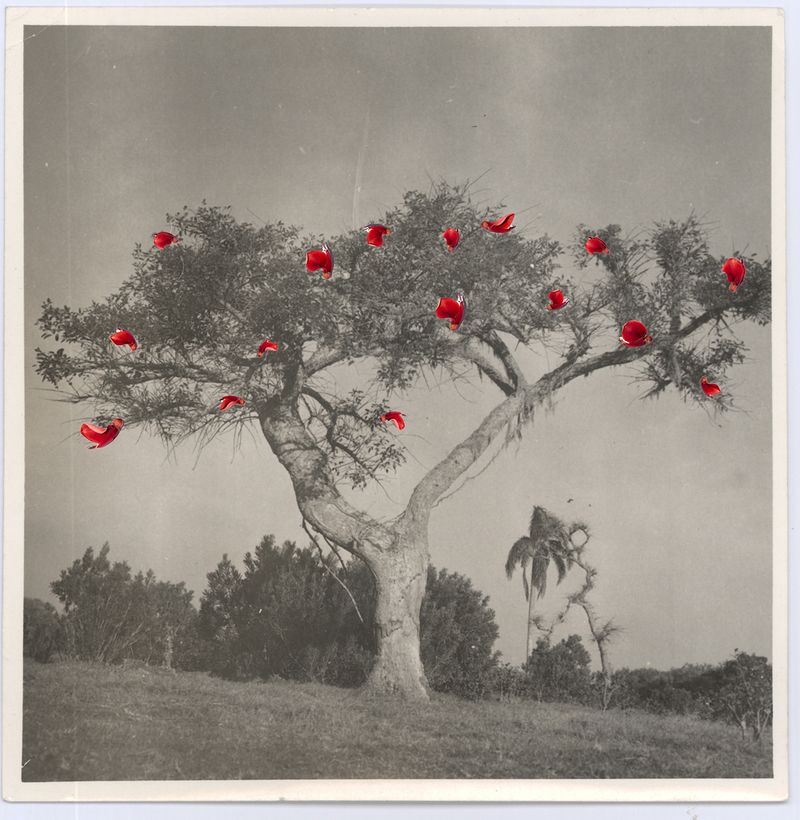
2025. The red ceibo emerges as a form of resistance: memory, identity, and persistence.Archival photograph intervened with a photograph of red ceibo flowers; the present enters into dialogue with the past in search of a possible future)Photograph: Barrios, A. (1966). A gigantic ceibo. [Photograph]. Aníbal Barrios Pintos Collection. National Library of Uruguay. Special Collections Room.

© Ana Paula Pereira - Image from the Aquí me hallo/Gualicho photography project
i

2024. As territory changes, so do the relations that shape us; the territories we sustain today will shape the worlds we inhabit tomorrow.