Almost Asian, Almost American
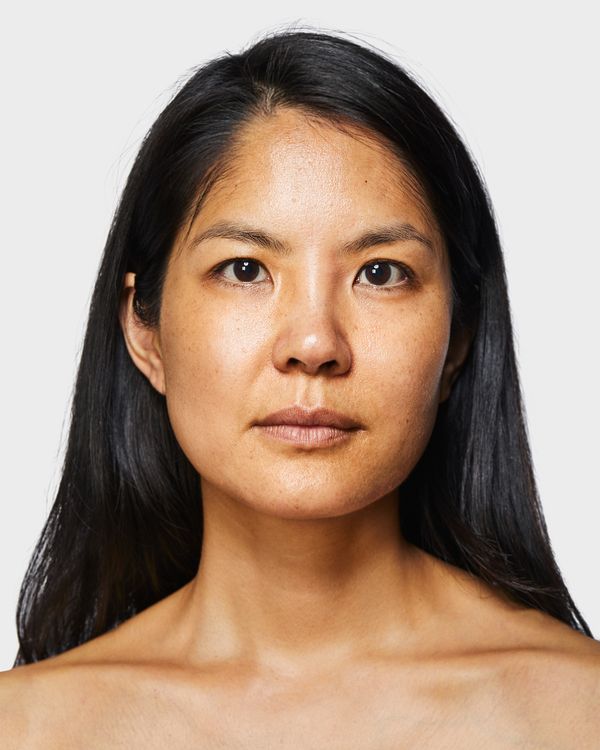
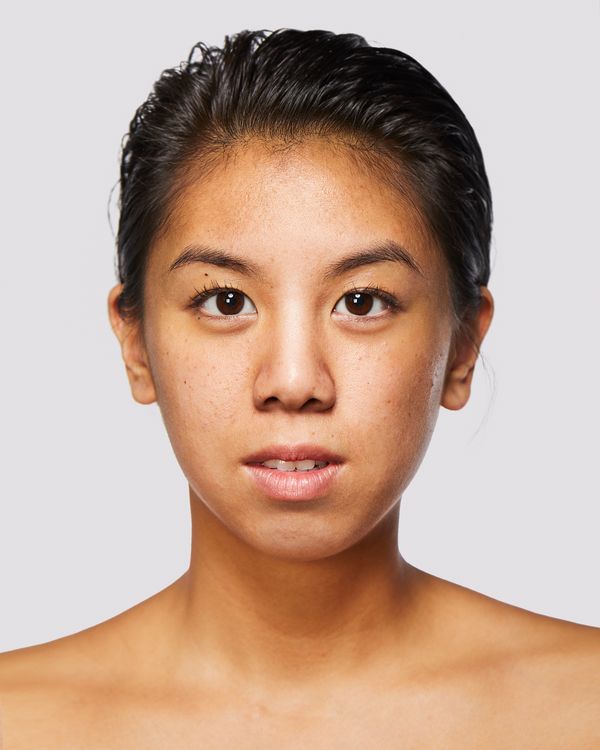
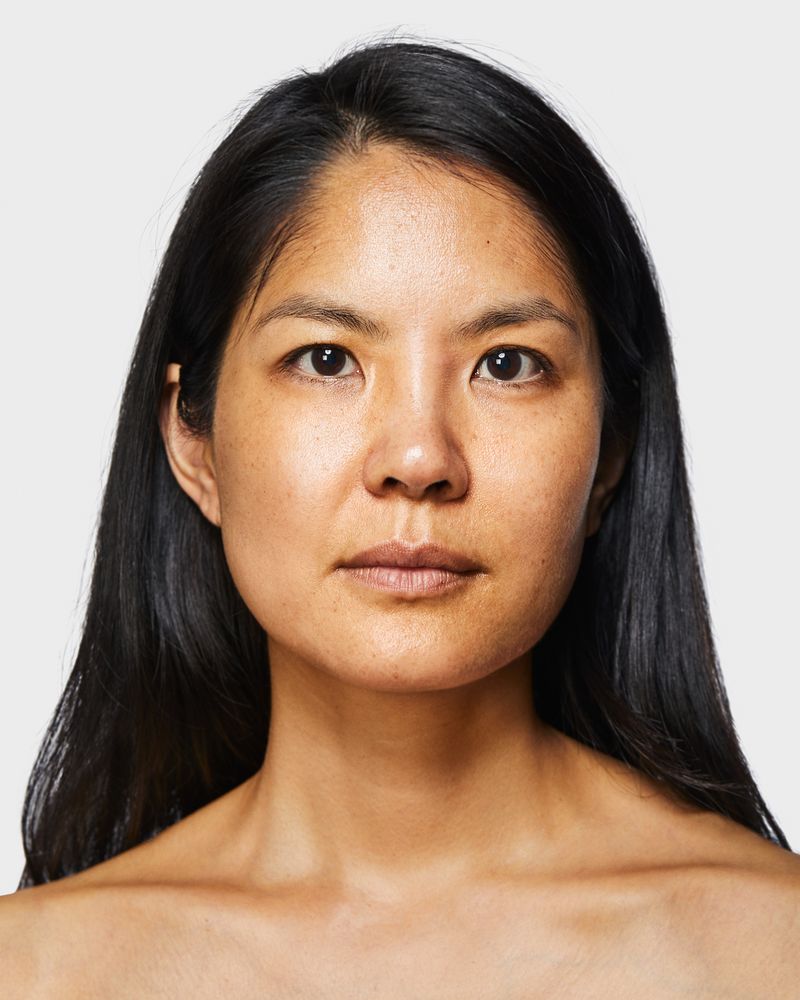
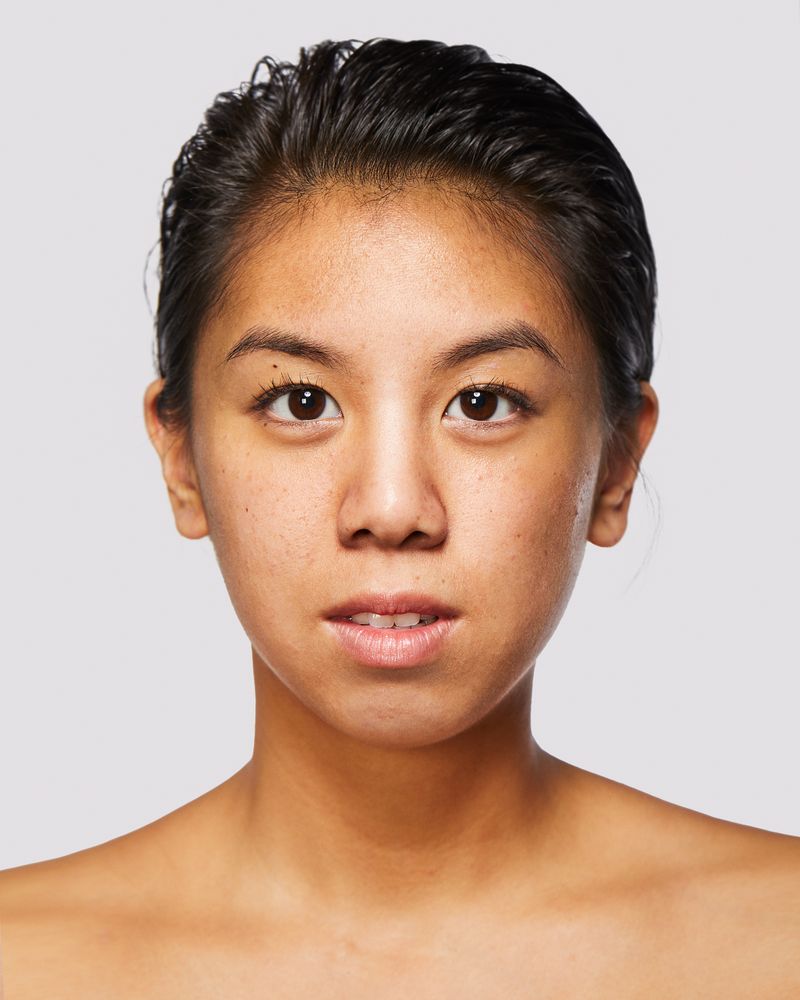
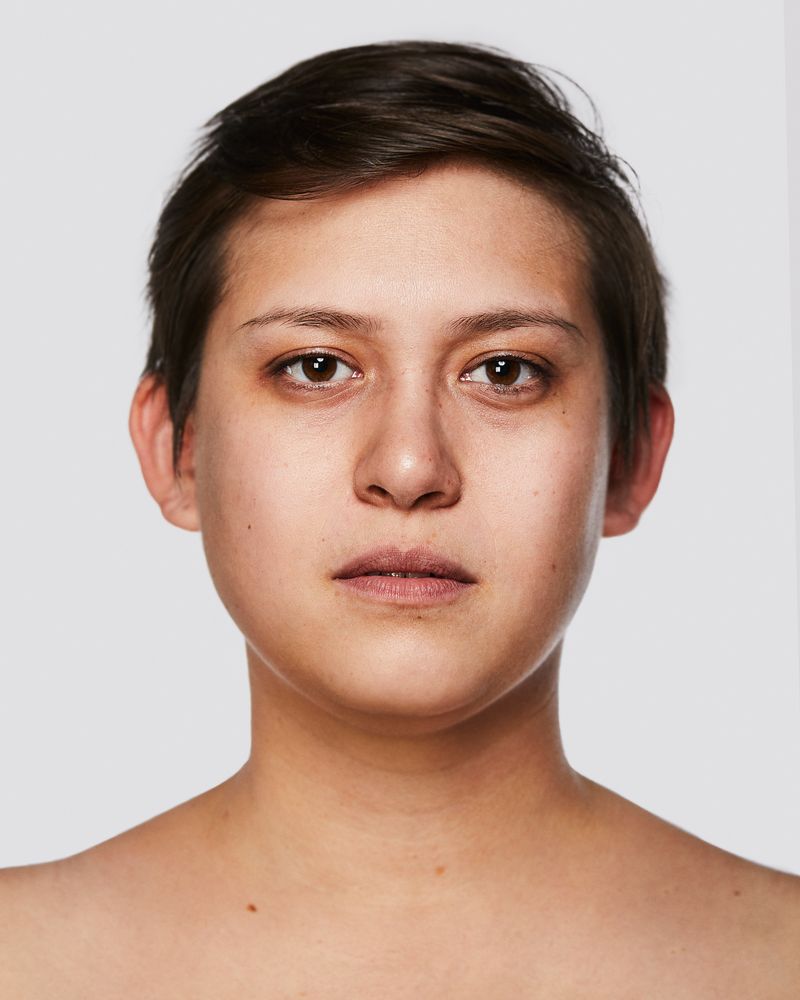
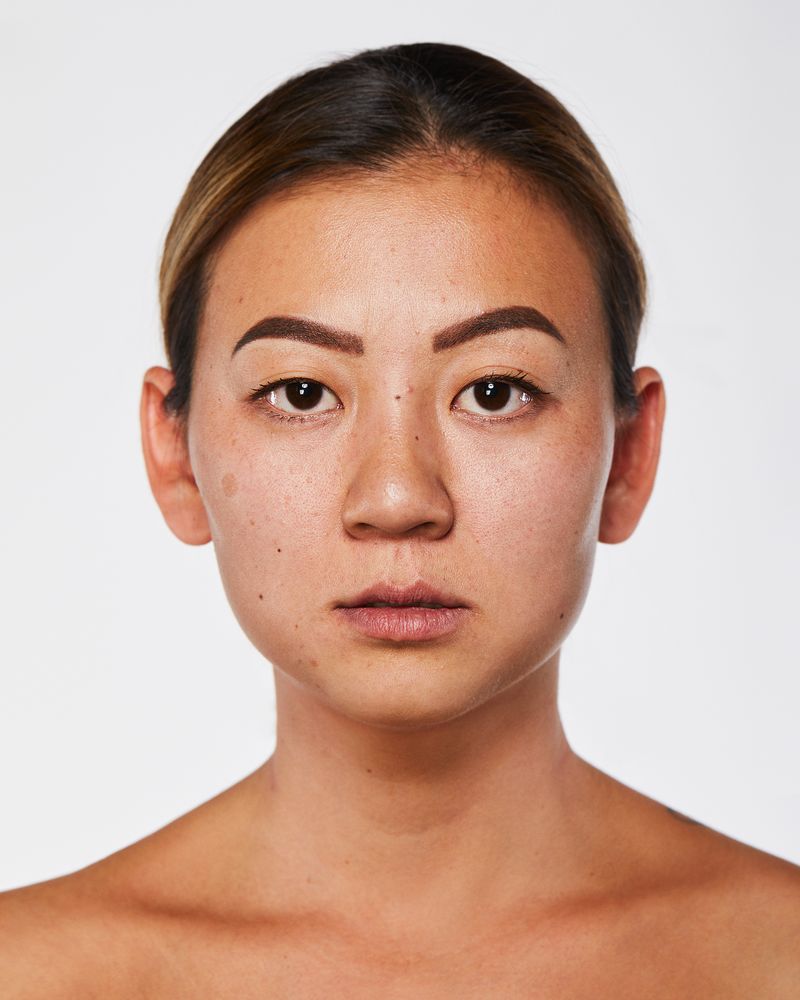
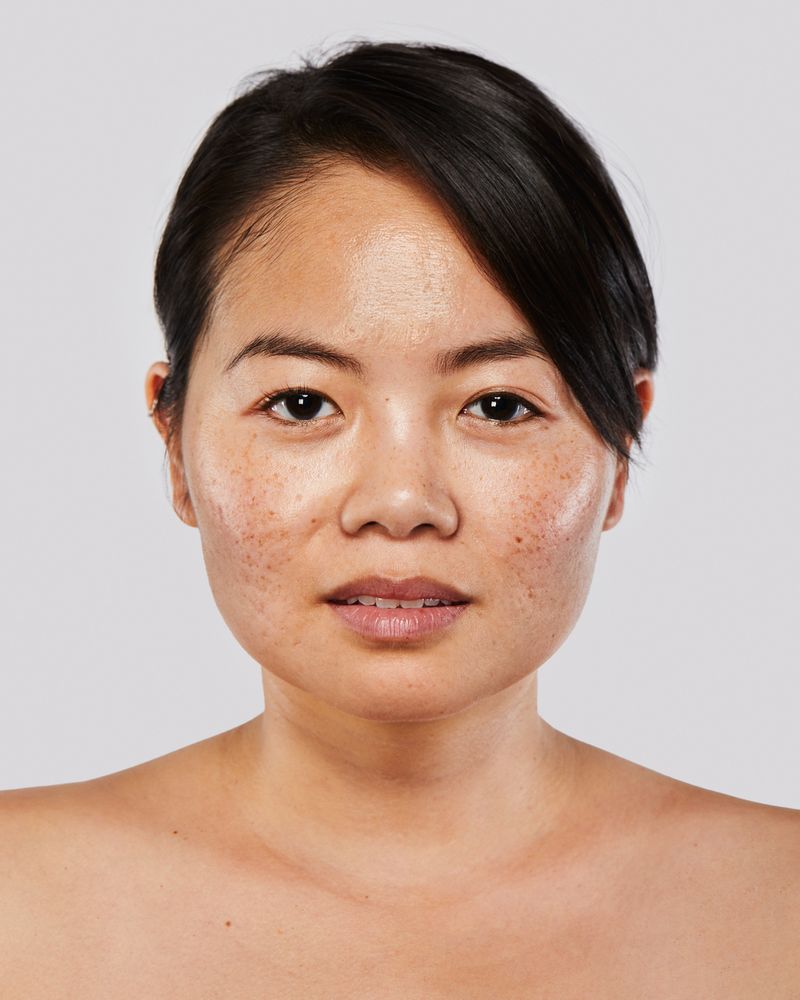
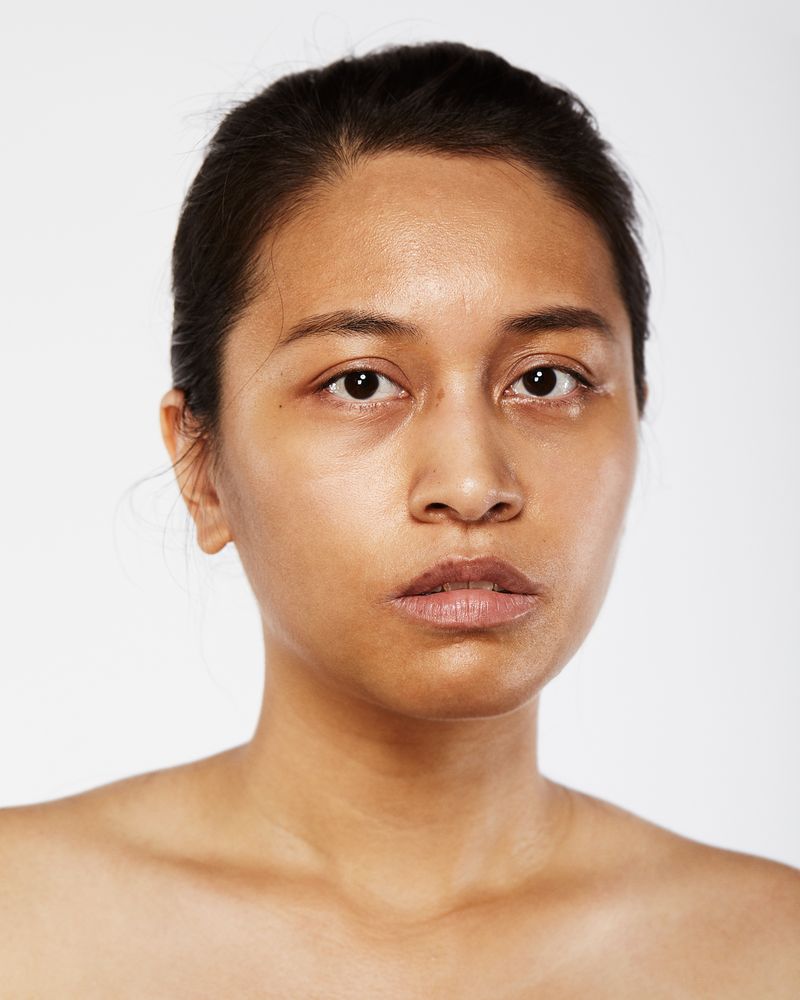
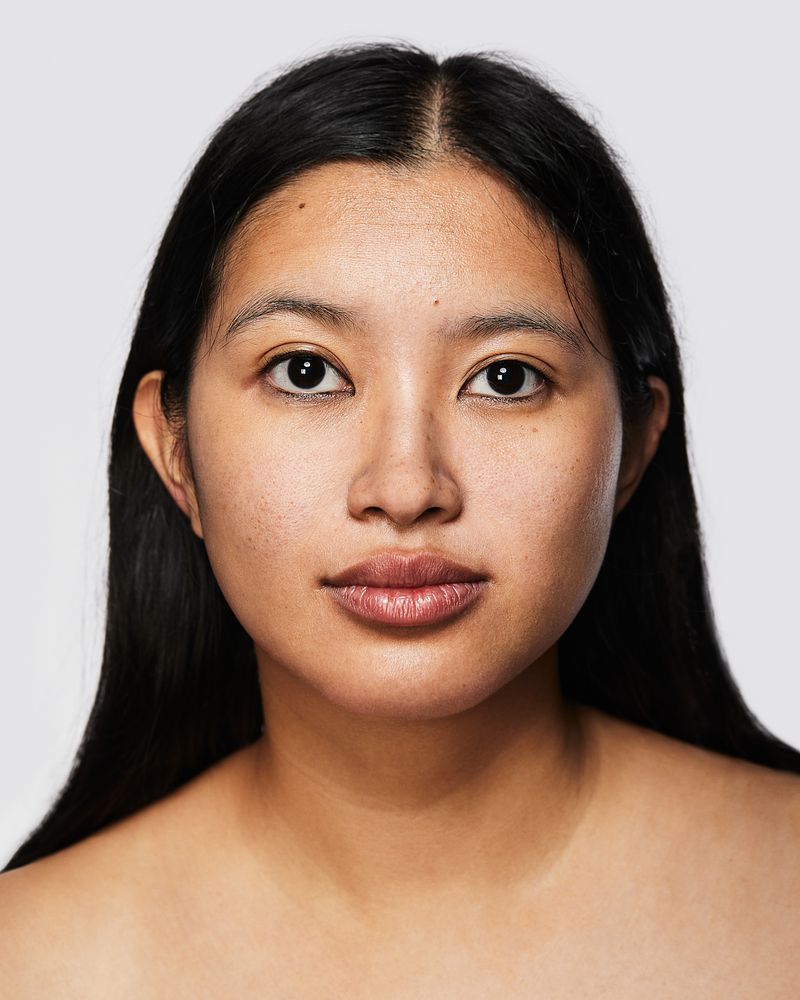
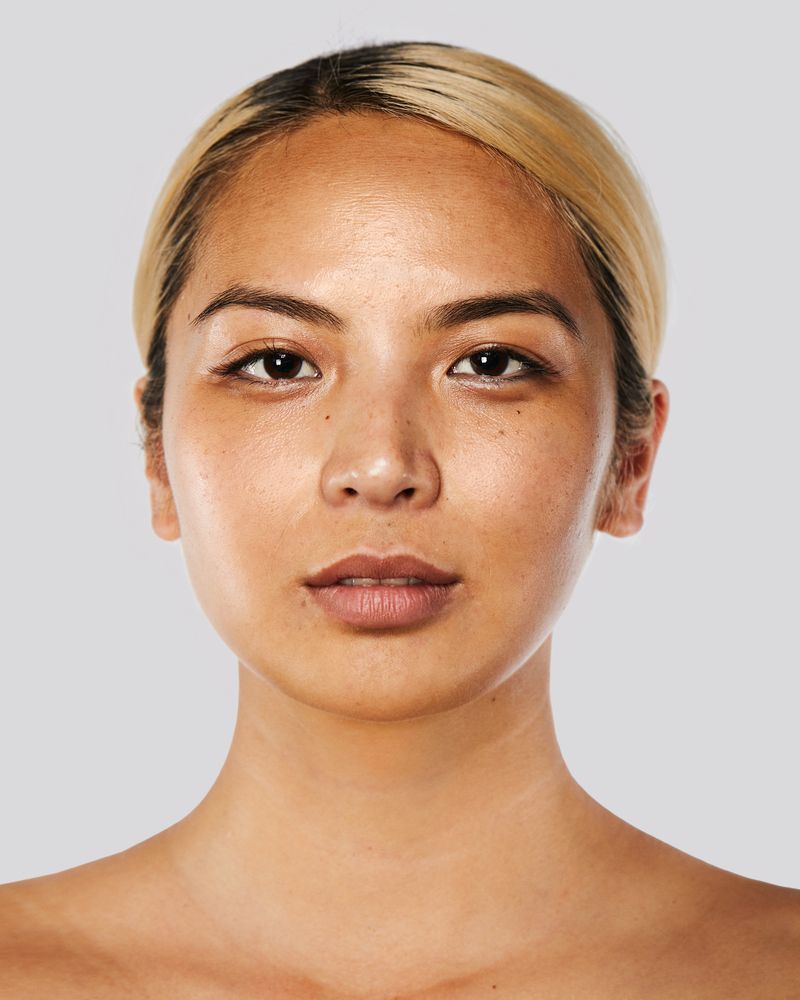
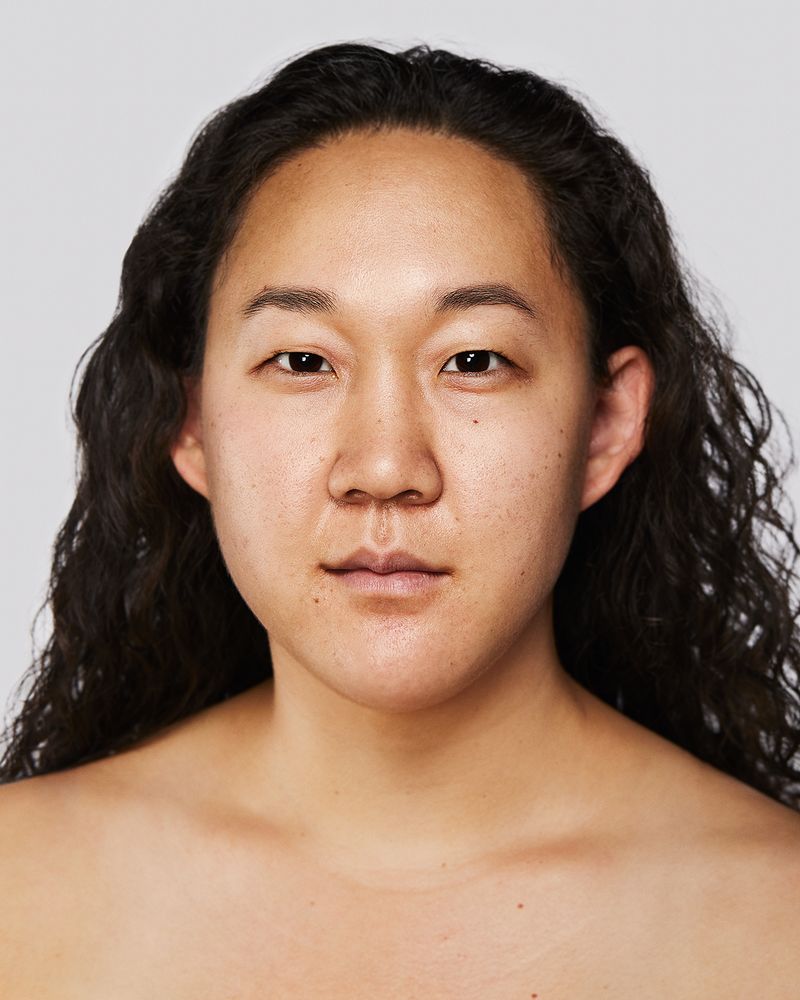
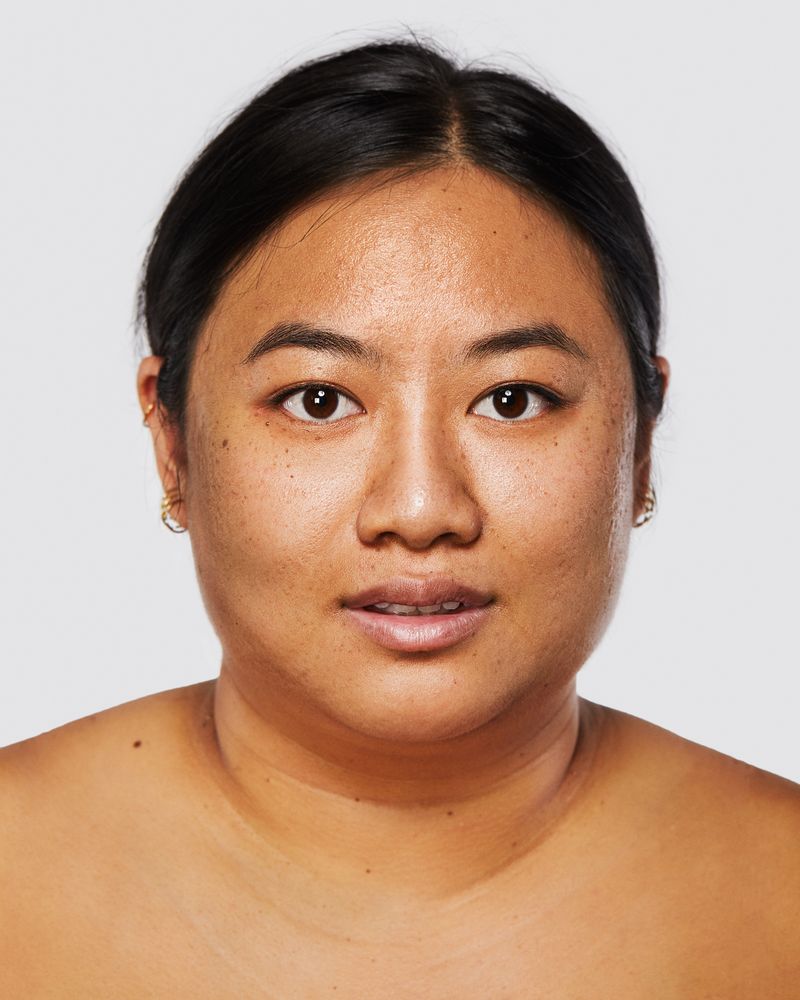
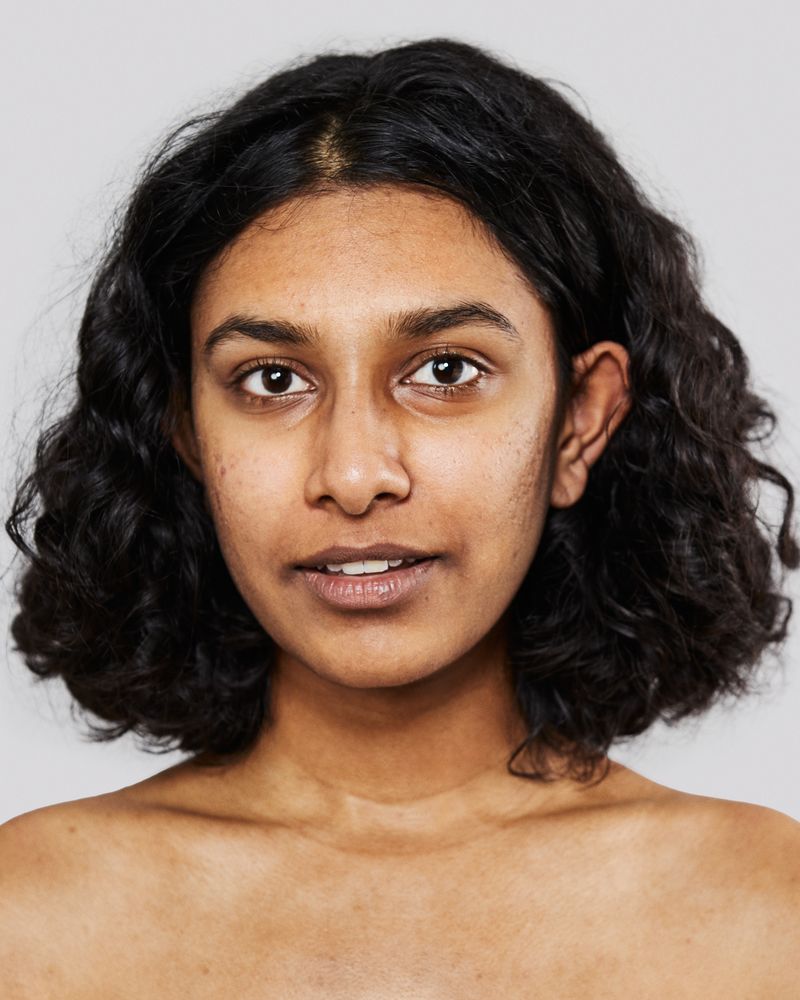
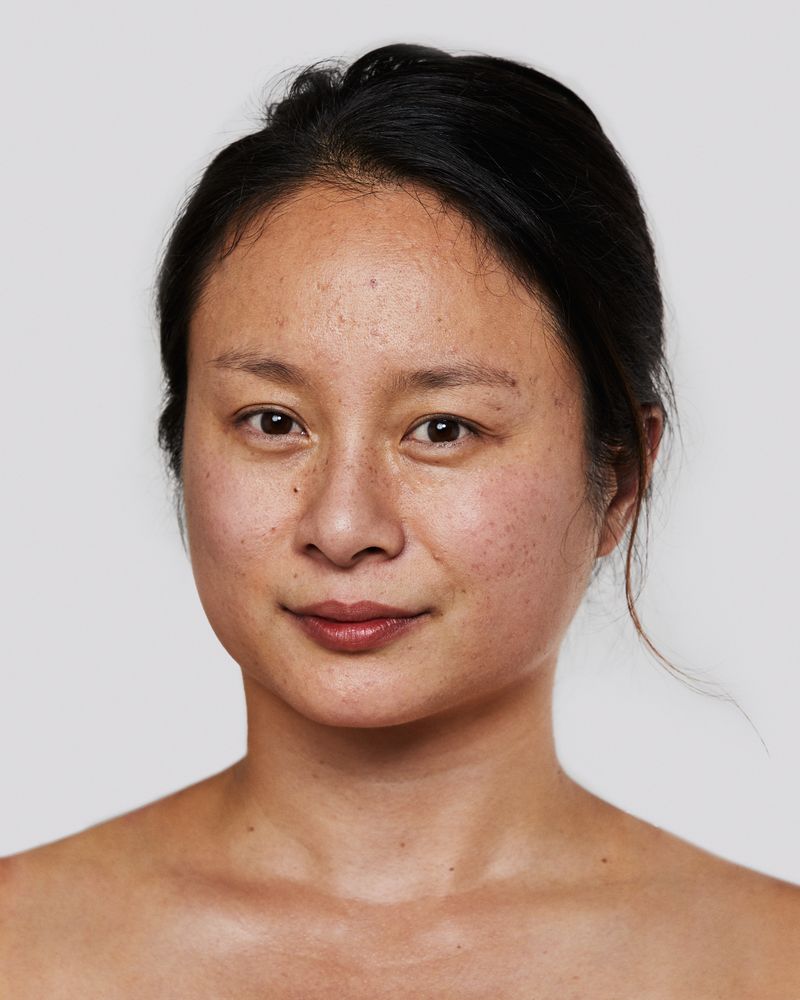
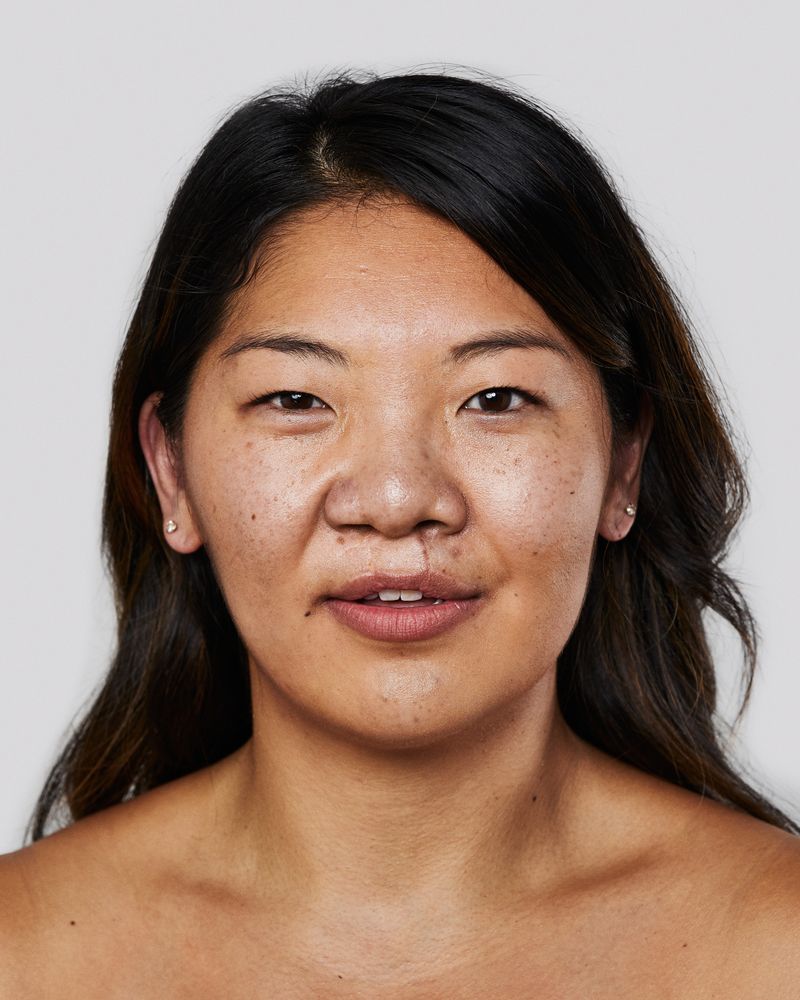
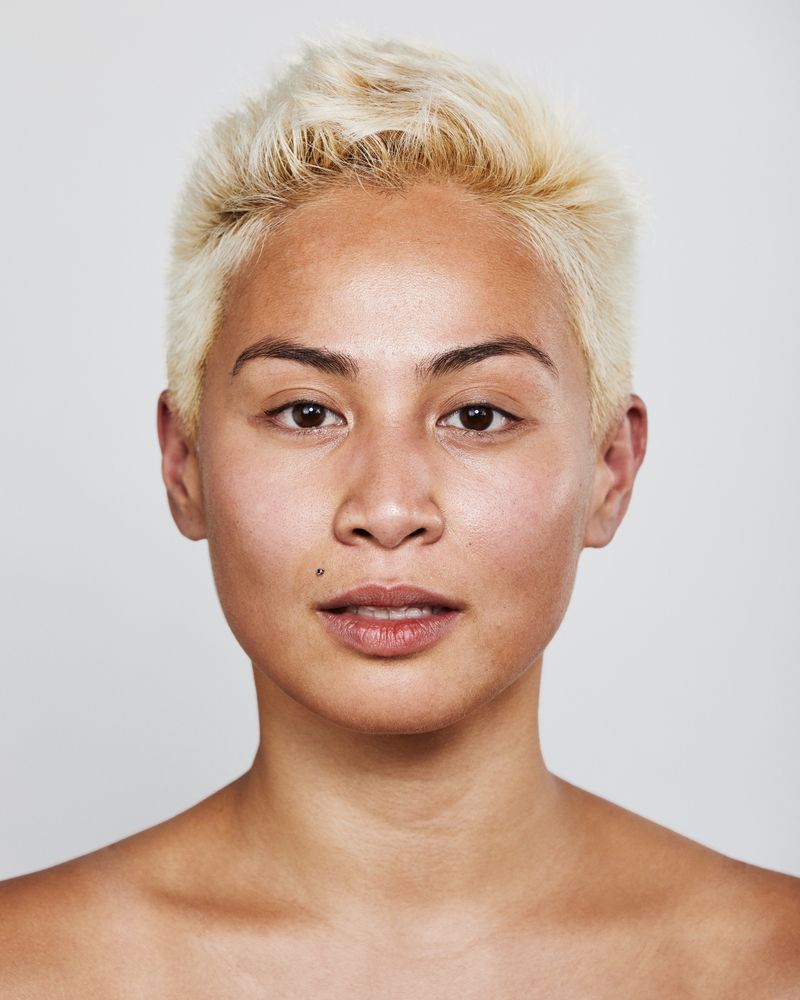
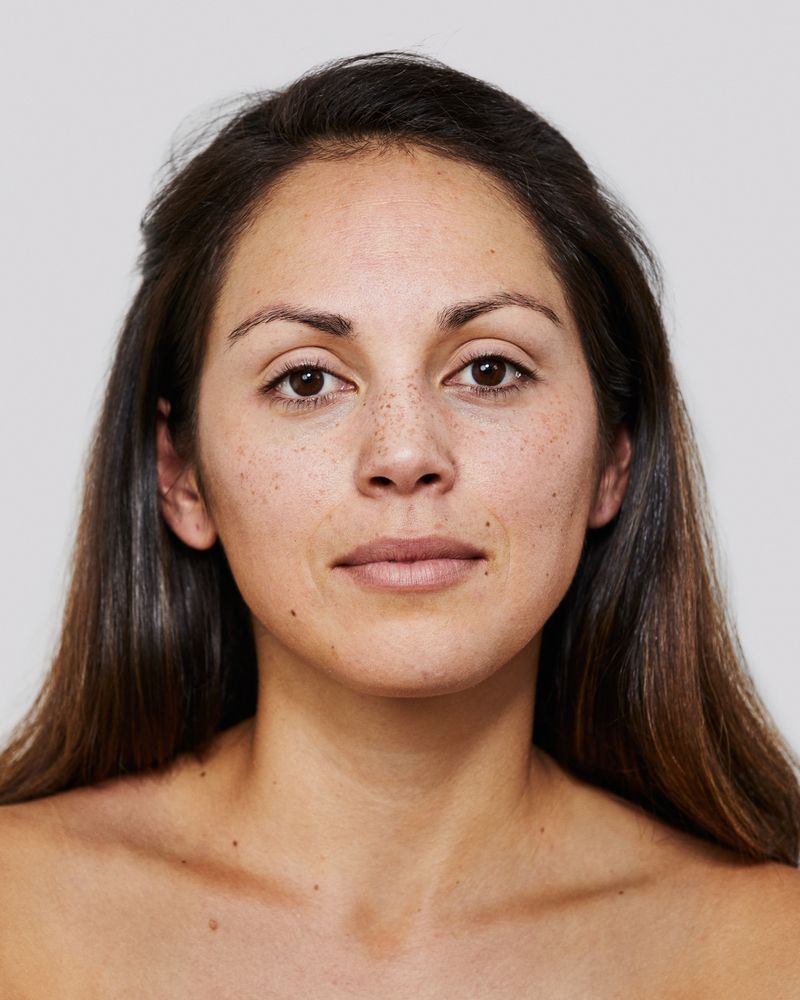
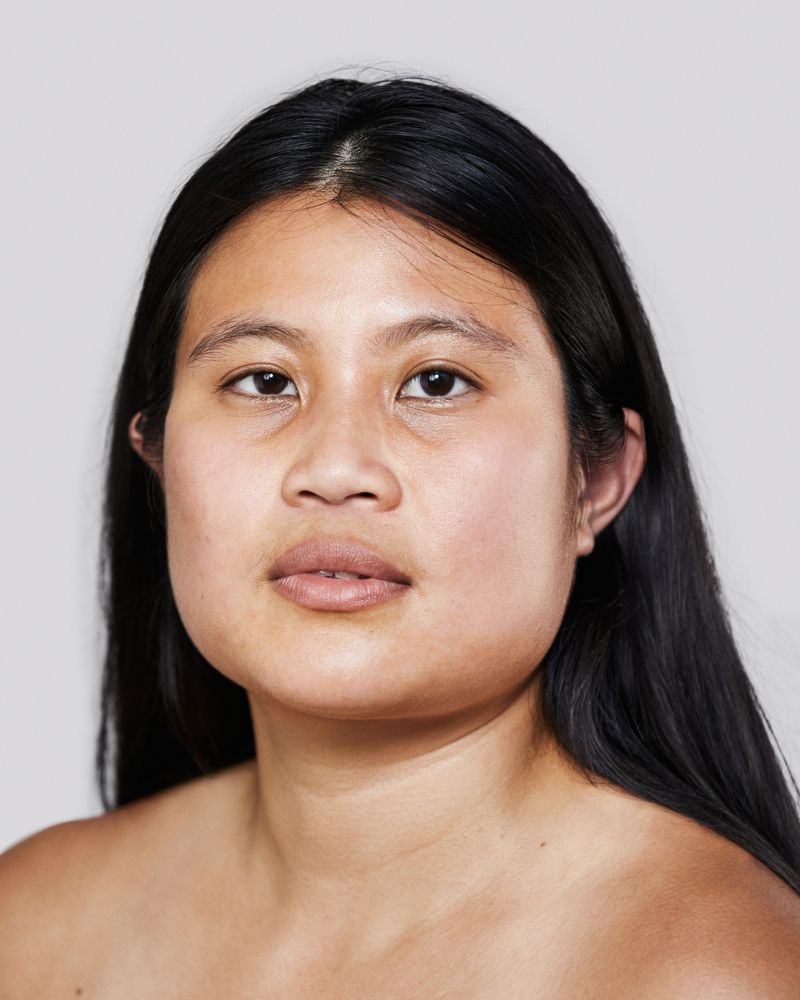
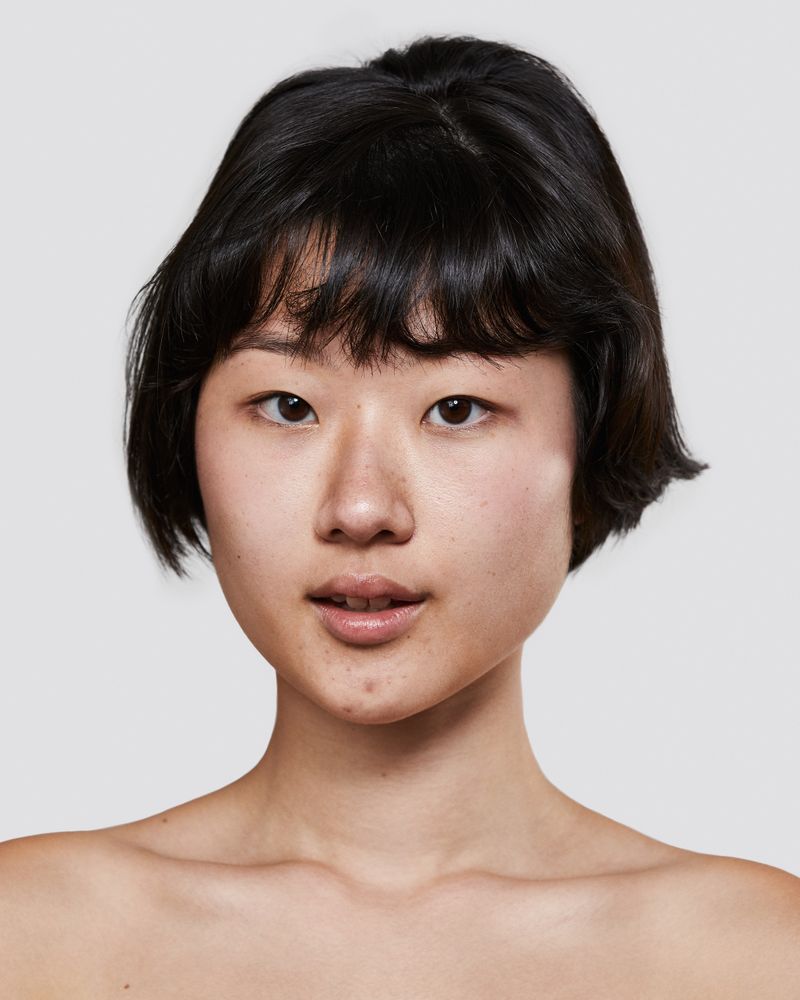
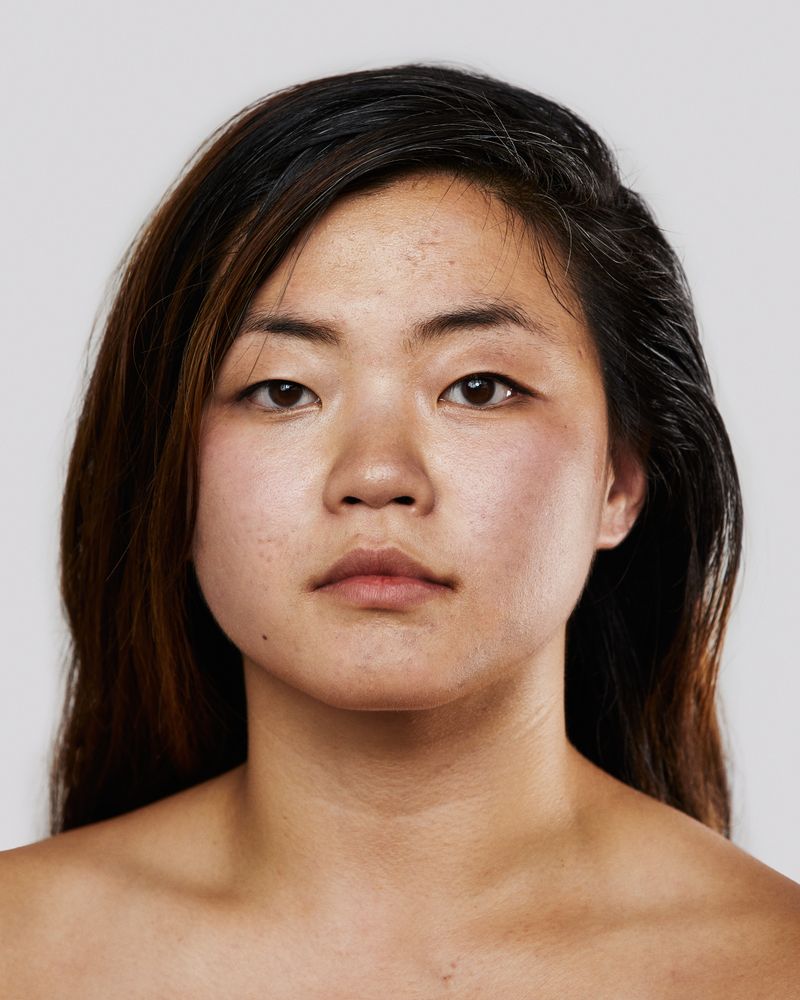
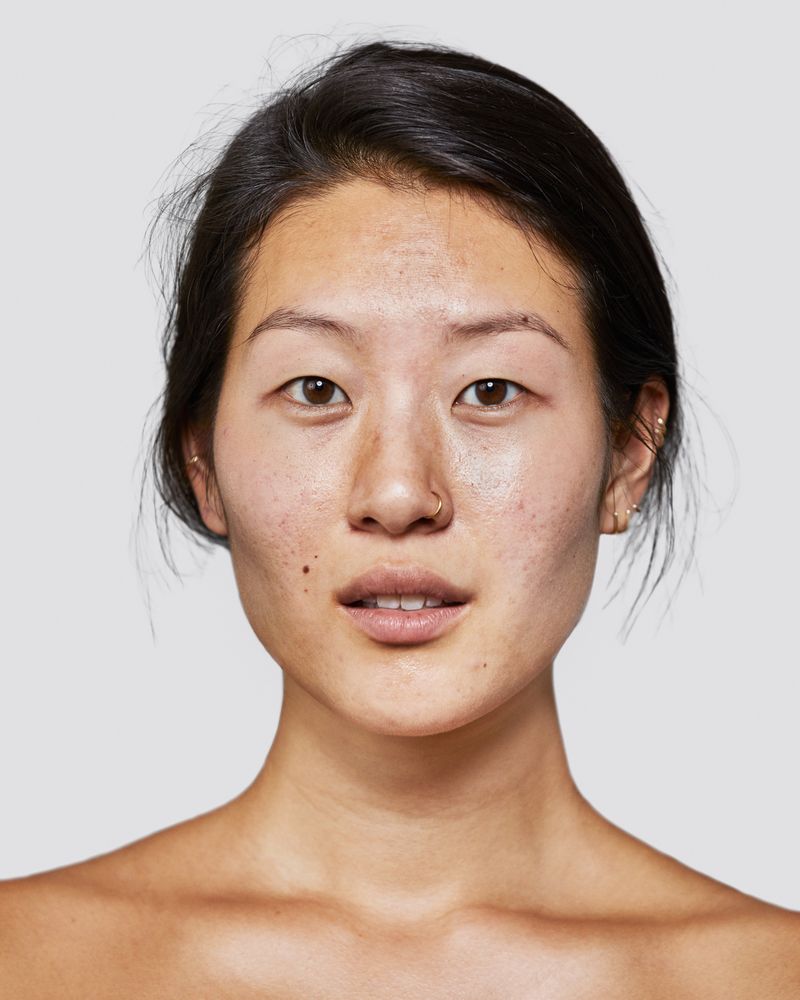
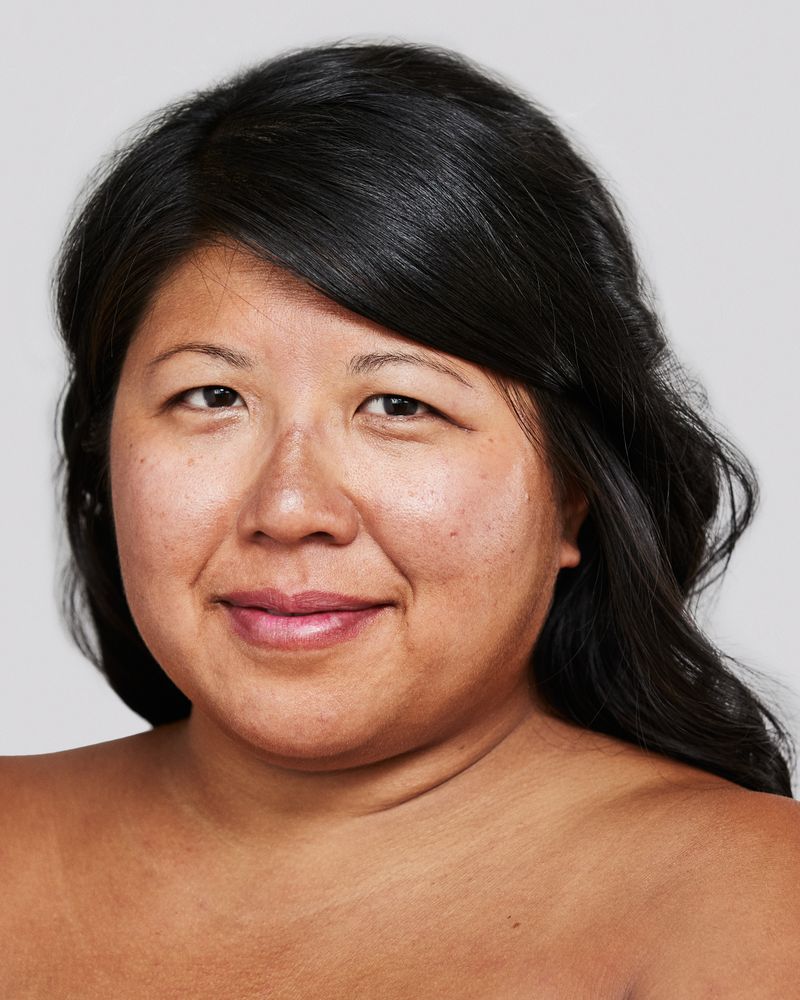
“Almost Asian, Almost American” is a photo and video essay project that allows Asian-American women to define their own beauty and identity. The project showcases photographs and video interviews women who gives their perspective

I grew up feeling like an outsider, personally and professionally. I never fit into the conventional definition of beauty in Asian or American culture. This gnawing feeling of never fitting in followed me into my adulthood when I became an entertainment portrait and advertising photographer. Not only was it rare for me to see accurate representation of Asian-Americans in media growing up, it was also rare for me to see Asian-Americans in top creative leadership positions. As someone who is behind the camera, I have a responsibility. This led me to start “Almost Asian, Almost American,” a personal photo and video essay project that I hope will empower other Asian-American women to define their own beauty and identity on their terms. I want to photograph and video interview Asian-American women from ages 18-45 that represent a full and diverse spectrum of Asian identity and share perspectives from different cities in the United States. The subjects will include any self-identifying women, femmes, gender nonconforming, queer, and transgender individuals of Asian, Pacific Islander, South Asian, and mixed race Asian descent. The video interviews of each woman is key in highlighting the different experiences of growing up as an Asian-American. A woman who grew up in a progressive coastal city would have a different story from a woman who grew up in a conservative midwest town. My ultimate goal is to create a long lasting social impact and generate a cultural shift in understanding who we are as the new generation of Asian-American women to fellow Asians and to non-Asians. Growing up, the story I heard the most in the media was the immigrant story. As a child of immigrant parents, I deeply appreciated that perspective but as an American-born kid, I also had a hard time relating. This project is aimed towards other women who grew up like me. I want them to feel empowered about how they look and how they feel. I want other Asian-American women and young girls to not feel alone and I want them to feel proud of themselves when they see someone similar to them being represented visually in the photography.

© Diana King - Image from the Almost Asian, Almost American photography project
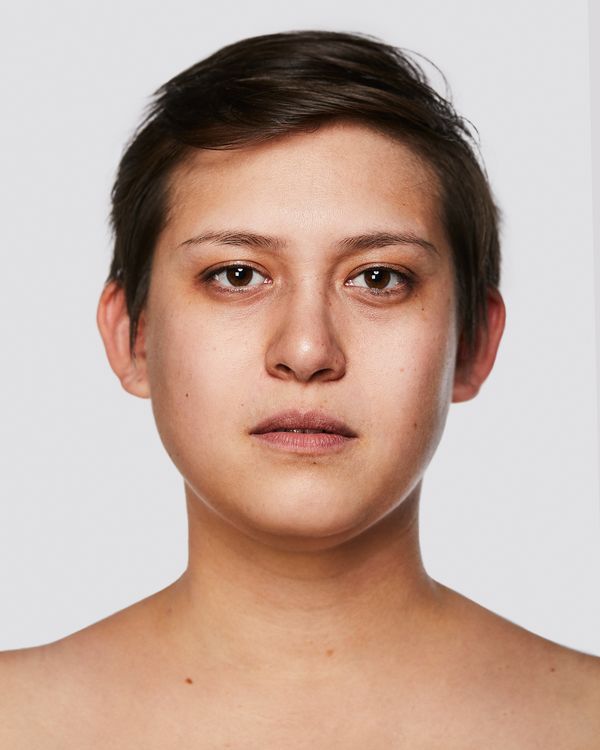
i

Lynn Chen, 43, Taiwanese-American // [On fitting in with Asian beauty] I did, but it was a struggle keeping it up. Whenever I gained weight my family (and fans) would make comments about it, and I felt the pressure to stay a certain size. Whenever I gained weight, I felt I was "wrong" - especially working in Hollywood.

© Diana King - Image from the Almost Asian, Almost American photography project
i

Quyen Ngo, 28, Vietnamese-American // I did not fit that opinion [of Asian beauty], although I did not particularly feel un-pretty because of it. Positive comments would be “big eyes” -- negative would be “flat nose.” I had standard issues of self-consciousness, but in my mind, because I knew I'd never look like the images I was seeing, I was more concerned with becoming my most “beautiful” self.

© Diana King - Image from the Almost Asian, Almost American photography project
i

Hillary Benefiel, 34, Mixed Filipino-American // I didn't really understand where I fit within that [Asian beauty] standard. I did get a lot of praise for looking white. My aunties used to tell me I could be a movie star back in the Philippines because I'm Filipina but I look very white. I felt insanely conflicted about it.

© Diana King - Image from the Almost Asian, Almost American photography project
i

Jean Kuan, 32, Taiwanese-American // I realized in retrospect that when I was a teenager I considered straight silky hair to be a classic sign of "Asian Beauty". I participated in the Japanese straight perm trend, and owned more than one power straightener in my high school years. The funny thing is that watching trends change so quickly shows you there's no reason to chase the popular perception

© Diana King - Image from the Almost Asian, Almost American photography project
i

Lan Nguyen, 33, Vietnamese-American // My mom and Vietnamese extended family would always comment on my weight and told me to stay light. I'd say I'm petite, but not skinny. I like having more color because to me it means I'm being outside more, which I equate with being healthier.

© Diana King - Image from the Almost Asian, Almost American photography project
i

Maura Milan, 34, Filipino-American // I never thought of myself as beautiful. I never thought anyone saw Asian people as beautiful because we were never portrayed in the media. People didn't know what I was so they just lumped me into other ethnicities. What I've heard a lot is "What are you..."

© Diana King - Image from the Almost Asian, Almost American photography project
i

Miriam Chan, 32, Filipinx & Chinese American // In kindergarten, I was teased for my slanted eyes and for wearing my purple plastic glasses — this was the first time I realized the concept of race and that I looked different than my mostly white classmates. In middle school, I was called a chink by a younger white classmate who also did child beauty contests.

© Diana King - Image from the Almost Asian, Almost American photography project
i

Loan Hoang, 31, Vietnamese-American // It's been pretty much ingrained in my culture that the fairer you are, the prettier you are. The female stars I idolized growing up were all from Asia so in the end colorism was something that was involuntarily put on me by my family and something I voluntarily took to through my entertainment choices. It made me insecure growing up

© Diana King - Image from the Almost Asian, Almost American photography project
i

Naomi Ko, 28, Korean-American // Since I was born and raised in Minnesota, I didn't have a strong Asian American beauty base, thus I was heavily influenced by South Korea. South Korean beauty standards consist of: petite, long straight hair, skinny ( like you can fit into children clothing sizes skinny) oval face, double eyelid, and narrow nose.

© Diana King - Image from the Almost Asian, Almost American photography project
i

Valerie Kan, 24, Chinese-American // I don't think I'm skinny and I also don't think I'm fat but for awhile it was hard for me to cope with being in-between. I really don't care now how much I weigh or what my body looks like but I've definitely learned to dress better for my body type. The first time I ever experienced colorism was on my first trip to Asia two years ago.

© Diana King - Image from the Almost Asian, Almost American photography project
i

Gagana Borra, 20, Indian - American // In 6th grade a boy in my class was sitting next to me and pointed to my arm and said “Why do you have so much hair on your arm?” All I remember is feeling so hurt and ashamed and crying when I got home. I was confused again and wanted to shave my arms, but refrained because I was slowly starting to understand I didn’t have to follow society’s expectations

© Diana King - Image from the Almost Asian, Almost American photography project
i

Amber Wang, 36, Chinese - American // I grew up feeling as though "Asian beauty" paled in comparison with other groups of people. I grew up having to go to a Chinese Christian church that made me feel that I would never fit any standard of beauty. In fact, my father once said, "Your sister is Chinese beautiful...you...you are new age beautiful." (What does that even mean??????)

© Diana King - Image from the Almost Asian, Almost American photography project
i

Allison Stites, 31, Korean - American // Growing up and in college, I thought that if I could achieve and be the best at everything (AKA overcompensate)...then maybe they wouldn't notice my eyes. But if they didn't notice my eyes, they'd see my wonky smile and imperfect lips and wide nose from my cleft lip and palate.

© Diana King - Image from the Almost Asian, Almost American photography project
i

Kit Canlas, 31, Filipinx - American // After a certain age, probably about 11, I decided I didn’t give a fuck about beauty standards anymore, American or Filipinx. I never fit into either anyway, so I threw the whole damn thing out. I got really into punk rock and my interest in smashing the patriarchy began very early.

© Diana King - Image from the Almost Asian, Almost American photography project
i

Diana O’Brien, 32, Mixed Japanese - American // In short, no. I had this perception of the beauty standard for being an American and being Asian one way, but my look didn't quite fall in either. Again, I personally never considered myself "beautiful," but I knew I looked different. As much as I felt different and at times out-of-place, I always received positive comments about my looks.

© Diana King - Image from the Almost Asian, Almost American photography project
i

Monica Djunaidi, 30, Indonesian - American // I probably fit into the Asian beauty category more just because I am a fair skinned Asian woman by default, even though I'm not "Asian" slim. As for style wise, I had always dressed for comfort even when I was little. As I grow older, I don't care about being slim. I care more about being strong physically and mentally and to always be comfortable

© Diana King - Image from the Almost Asian, Almost American photography project
i

Jordan Yi, 18, Korean - American // I was first exposed to American beauty standards as a sixth grader, when I moved directly from Seoul to Nashville. High school was different. I knew I wasn't the cookie-cutter kind of pretty. If being Asian meant I didn't check the right boxes, then why bother trying? In the summer going into freshman year, I made the drastic decision to cut 15 inches of hair.

© Diana King - Image from the Almost Asian, Almost American photography project
i

Erin Kim, 25, Korean - American // I am a Korean American Adoptee who grew up in rural West TN in a white family and all white town. The only Asian women I saw were Kristi Yamaguchi or Michelle Kwan in the Winter Olympics. Knowing I was different than everyone else, especially the women in my family, it was always hard for me to fully accept and value who I was

© Diana King - Image from the Almost Asian, Almost American photography project
i

Morgan Yi, 25, Korean - American // During summer/winter breaks, we'd fly from Seoul to the US to visit our extended family. I would say that the constant bi-coastal travel truly impacted my sense of identity and beauty. At home in Seoul, I was the majority. All of my peers, friends, parents of friends, looked like me. When I was in the US, I felt differently. I stuck out. I was "Asian Morgan''

© Diana King - Image from the Almost Asian, Almost American photography project
i

Terry Vo, 35, Vietnamese - American // Being bigger, I was fat shamed and that in turn made me think that being fat is my fault. I am doing this to myself. Why can't I stop? I would always try to hide parts of my body that were "fat. I felt less than because I was not skinny. I was supposed to eat but not eat too much. It's so frustrating because words are harmful.