All That I Can Fathom about 2008


-
Dates2025 - 2026
-
Author
- Topics Landscape, Contemporary Issues, Fine Art, Documentary, Archive, Photobooks
This work explores how historical memory is constructed through images. Bringing together archival, found, and newly made photographs, the work reflects on the distance between historical events, public narratives, and personal memories.
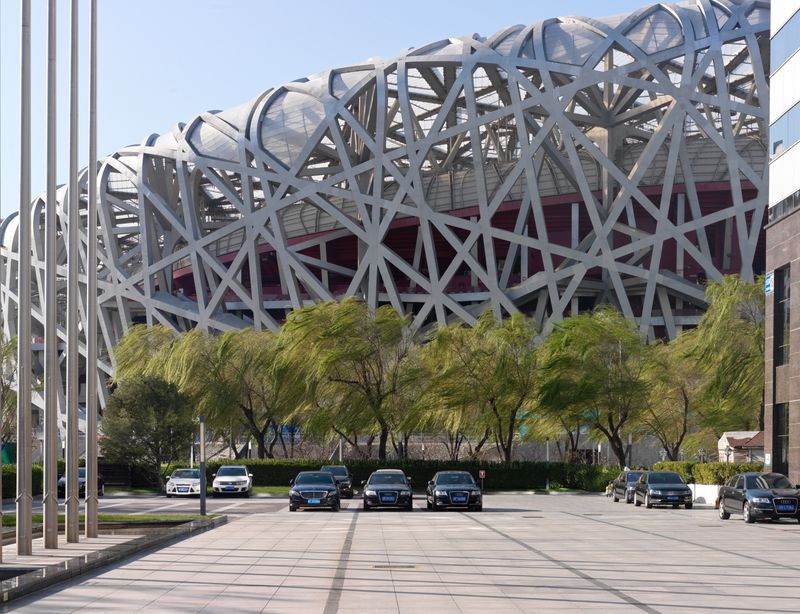
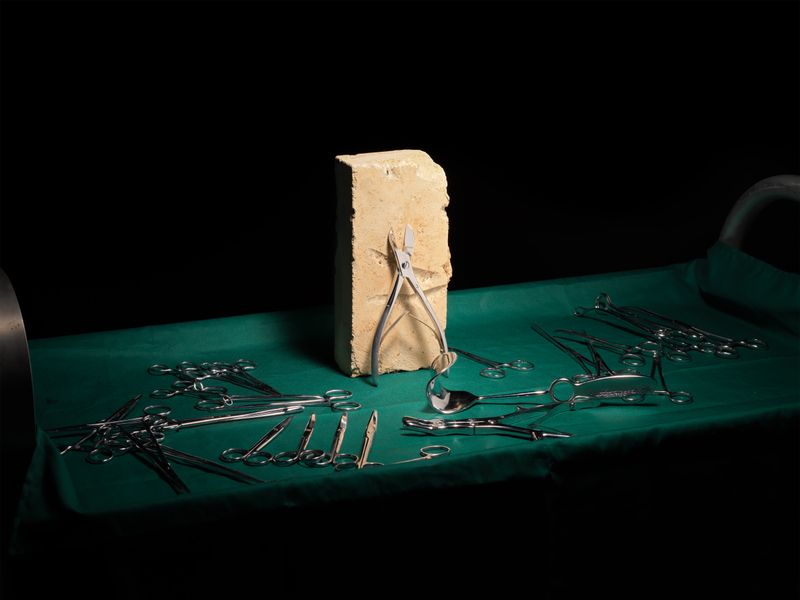
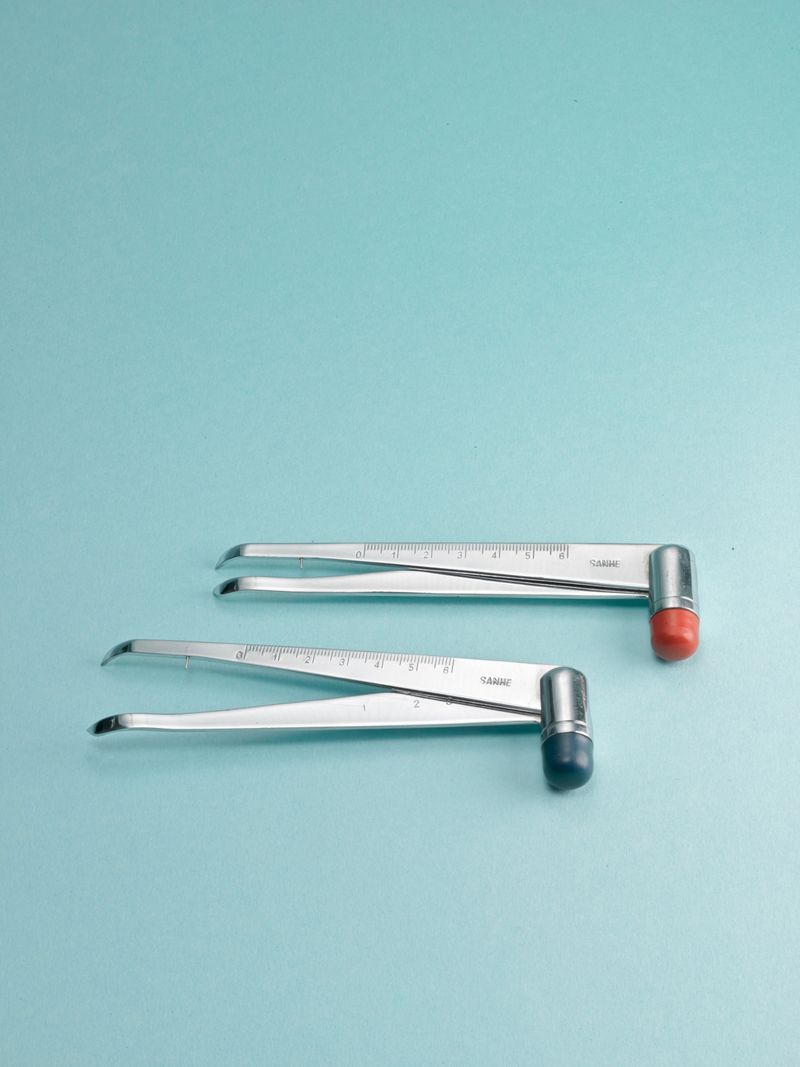
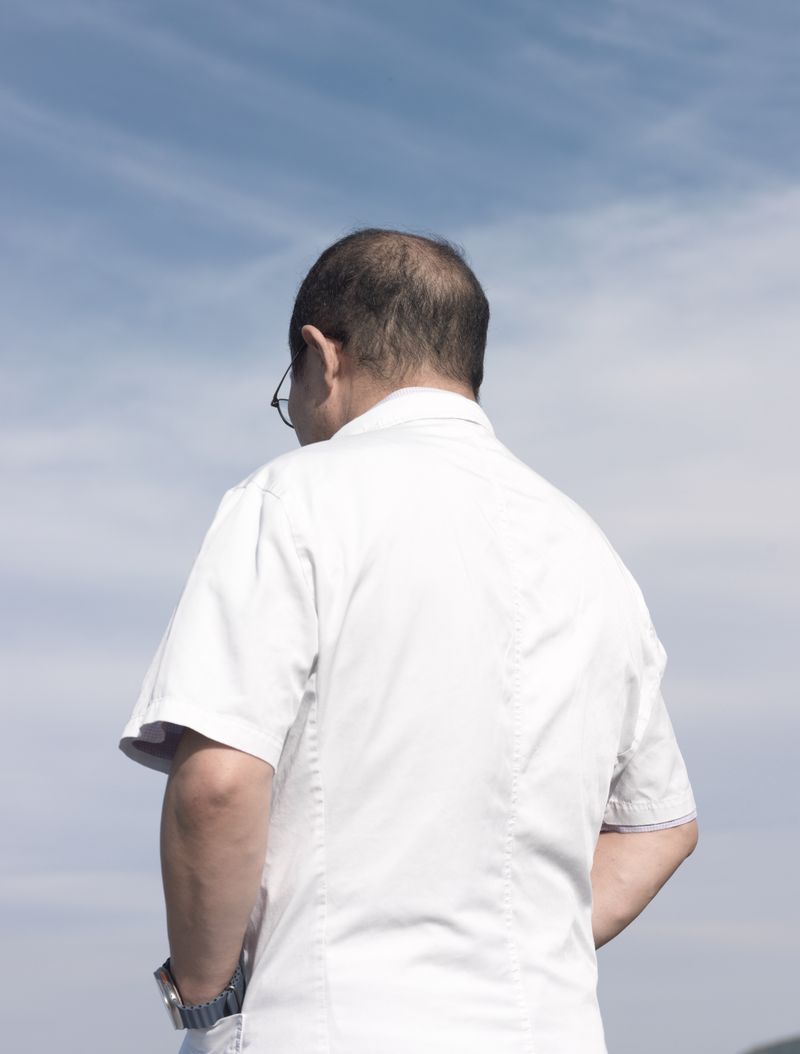
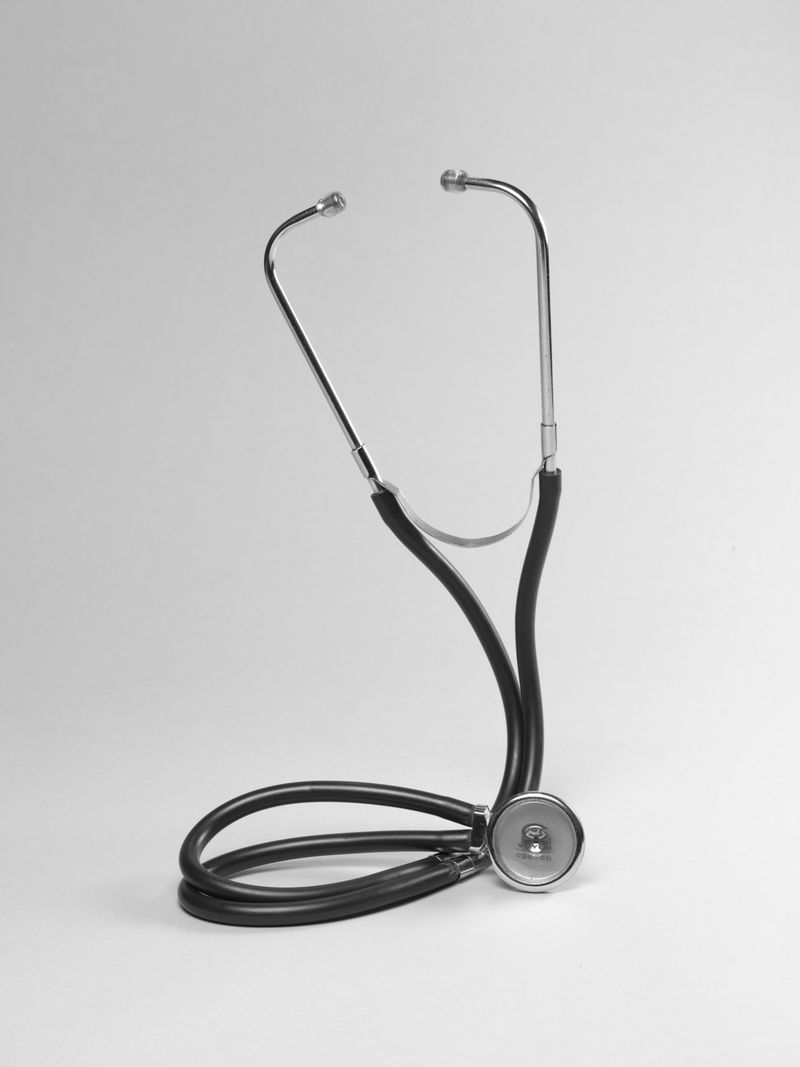
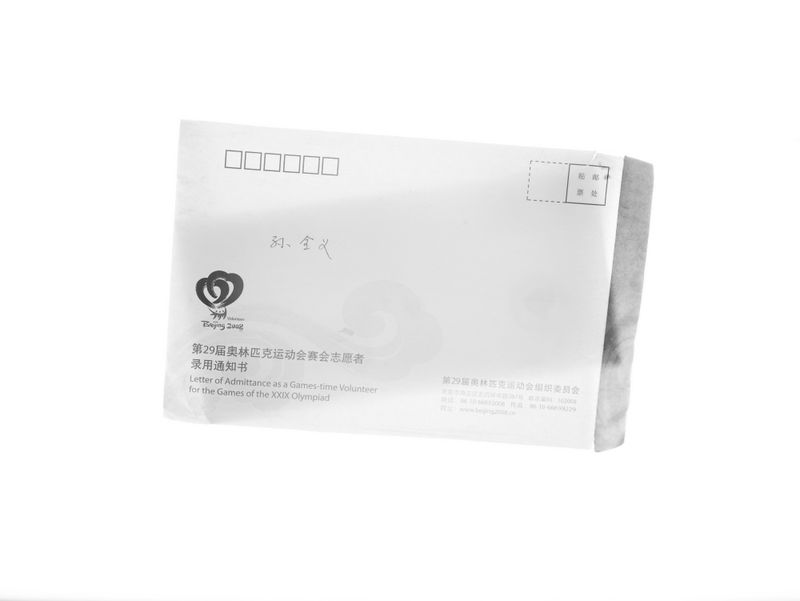
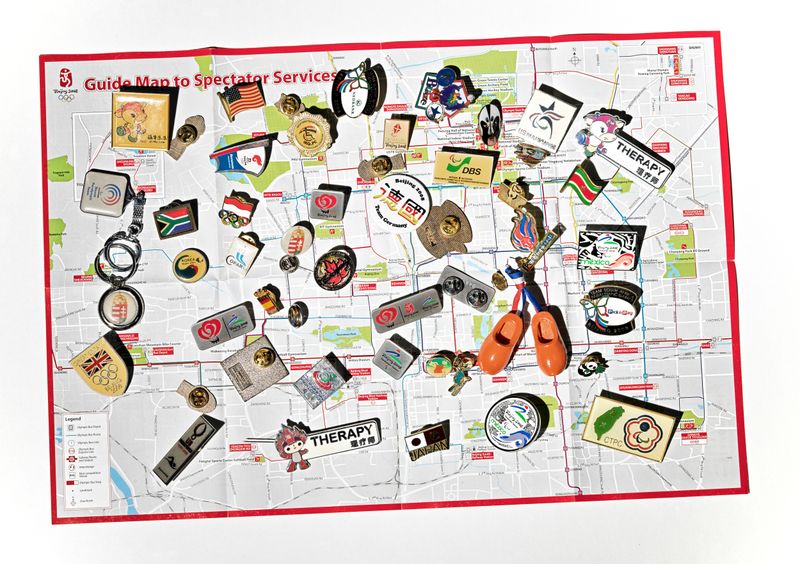
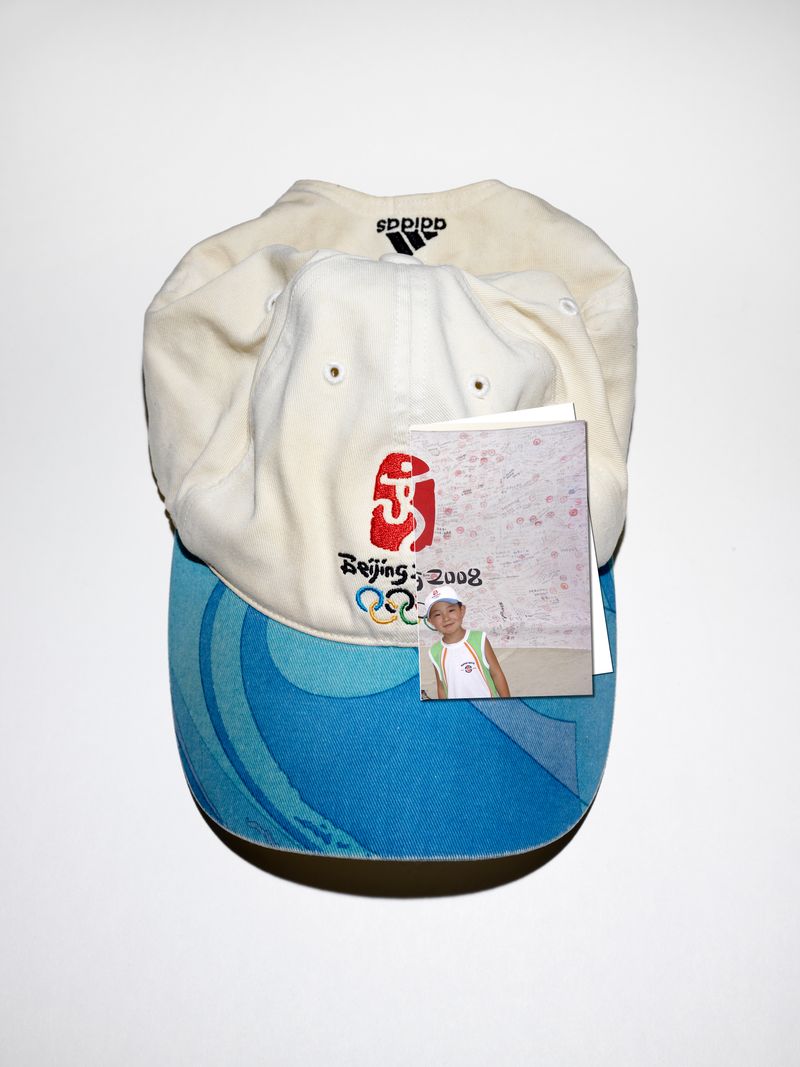
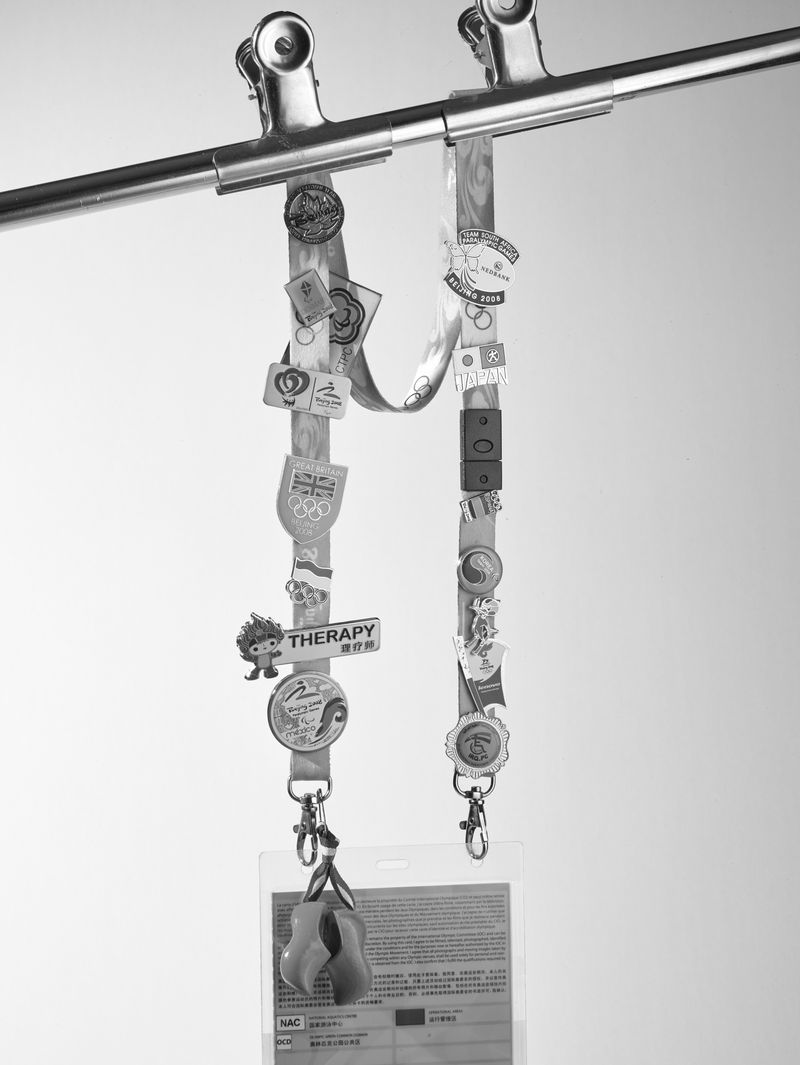
In 2025, I happened to come across some materials belonging to my father from 2008: several newspapers, photographs, numerous badges, electronic documents, and several X-ray images. That year, he participated in both the relief efforts following the Wenchuan earthquake and the volunteer work for the Olympic Games. I remember it vividly, and I am proud of him.
2008 was a particular year. The earthquake and the Olympics constituted the two most intense, and most complex, forms of memory from that year. They filled our lives and gave meaning to many moments, yet pointed toward entirely different emotions and narratives. Looking at these materials, I was seized by an inexplicable sense of urgency: I felt that I should respond to the grand history I was confronted with, that I should find a way to write my own 2008.
I was young then, with the temperament of any child: curious about everything, yet often oblivious to details; unable to comprehend many important moments, yet remarkably perceptive of things that seemed insignificant. For me, therefore, 2008 is not a year that can be fully remembered. Seventeen years later, when I look back at 2008, those memories appear more like a composite assembled from countless photographs, news headlines, advertisements, souvenirs, and fragments of words. Many of these memories do not come from direct experience, but from newspapers, television, photography, printed matter, and images that were continually circulated and repeated afterward. This became the initial concept of the work: memory constructed through images.
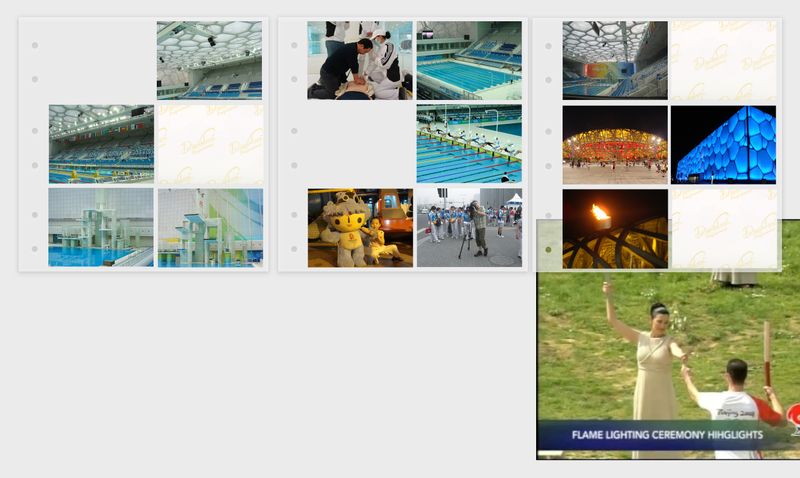
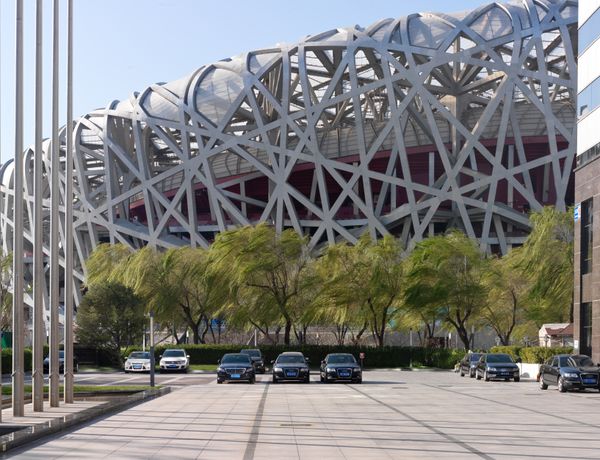
Over the course of nine months, I searched in every way I could for images related to 2008. Some are photographs I took this year when I returned to the sites; some were photographs taken by my father during his work as an Olympic volunteer and in earthquake relief efforts. There are also advertisements, news images, publications, archives, postcards, and fragments found in all kinds of overlooked places. They originally belonged to different contexts: commerce, publicity, documentation, commemoration, or simply brief moments of appearance. I tried to place them together again, in an attempt to present the 2008 that I am now able to reach and imagine.
At first, I tried to make these images explain one another, but most of the time this did not work. I then began to pay attention to the gaps between them: between one event and another, between disaster and celebration, between public narratives and personal feelings. I came to realize that images often cannot explain what actually happened. The further they move away from reality itself with the passing of time, the closer they come to emotion, memory, and imagination. They reveal the B-side of reality.
In this sense, the making and circulation of images are more like a repeated process of writing in the face of the complexity of reality, a process that is not entirely under our control. Even the sites of the past that I returned to are spaces already covered by countless images. What I encountered there was not the events themselves, but the traces they had left behind.
I realized that my sense of participation in history seemed, to some extent, to be an experience of connecting with an era through images. And so I wanted to follow these surviving images and slowly approach a question: when history can only be constructed through images, are we actually remembering the past, or are we remembering the feelings that these images have given us?
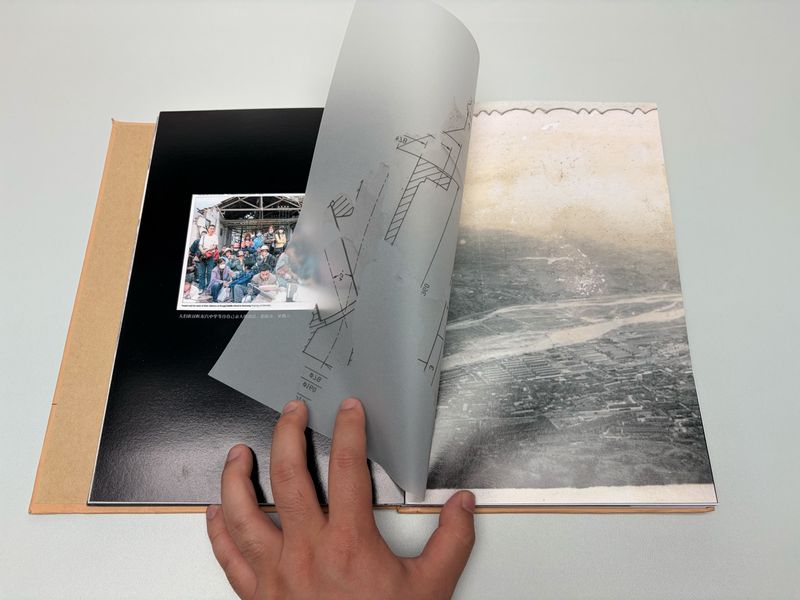
The work as a whole consists of a handmade photography book, a series of exhibition prints, and an 11-minute color, sound, dual-channel experimental short film.
Sun Xun
Beijing, 2026