Agridoce
-
Dates2024 - Ongoing
-
Author
- Locations Brazil, Paraíba, Pernambuco, State of Alagoas
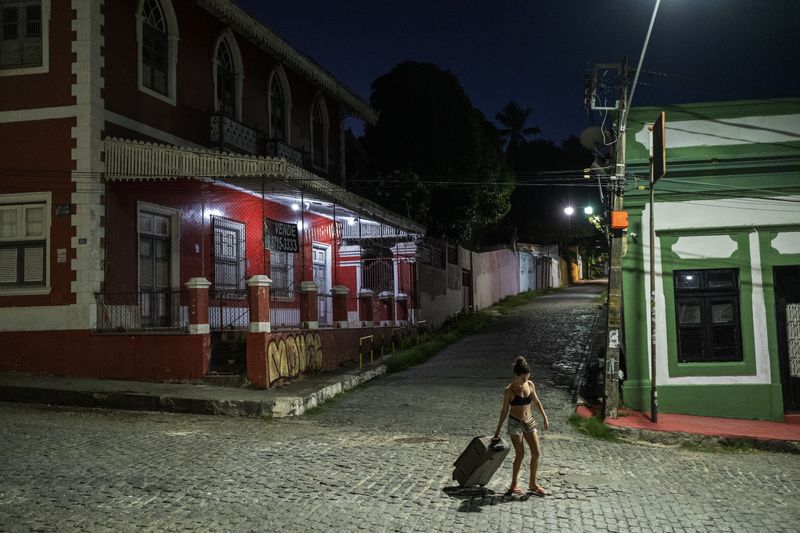
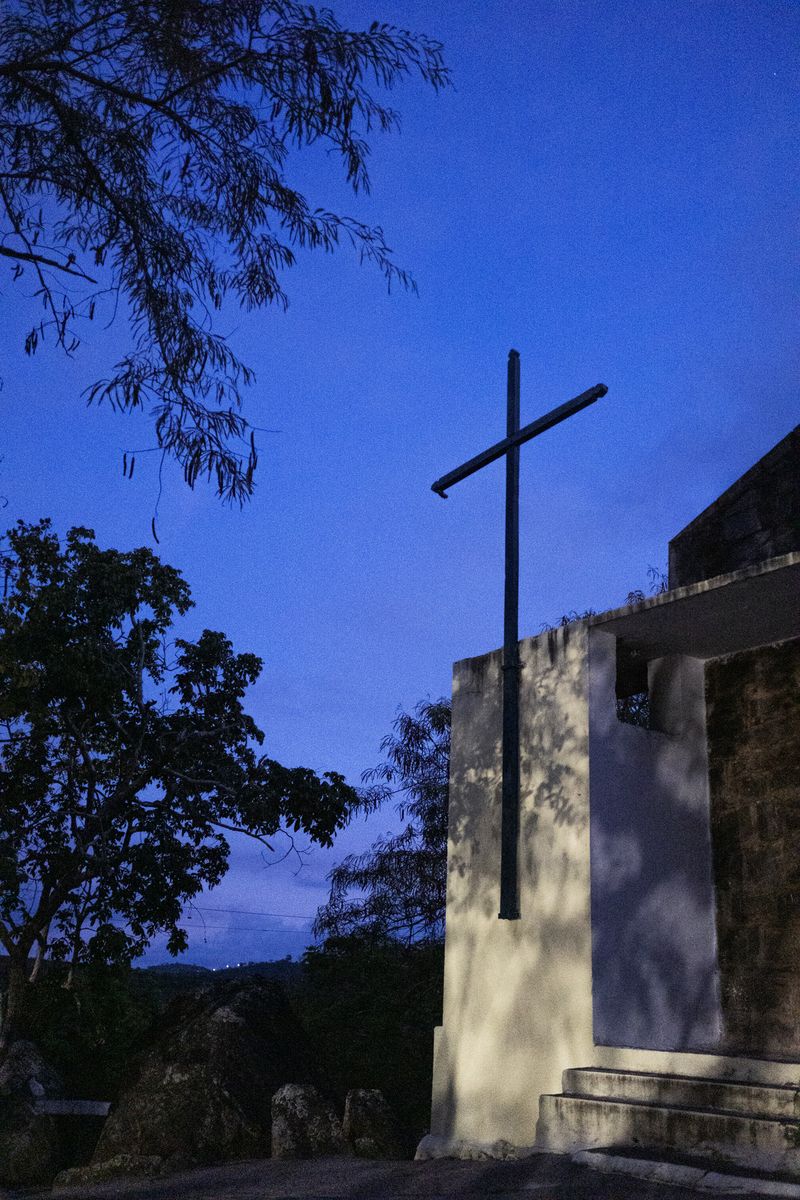
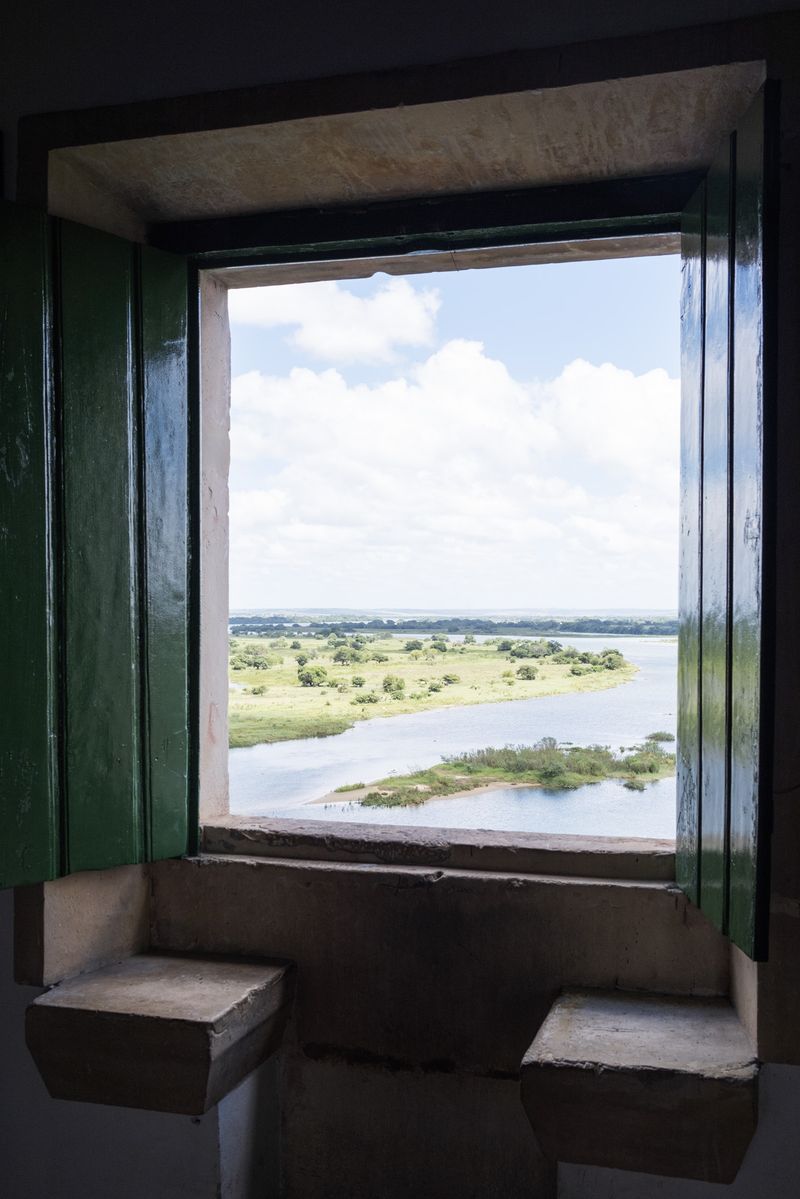
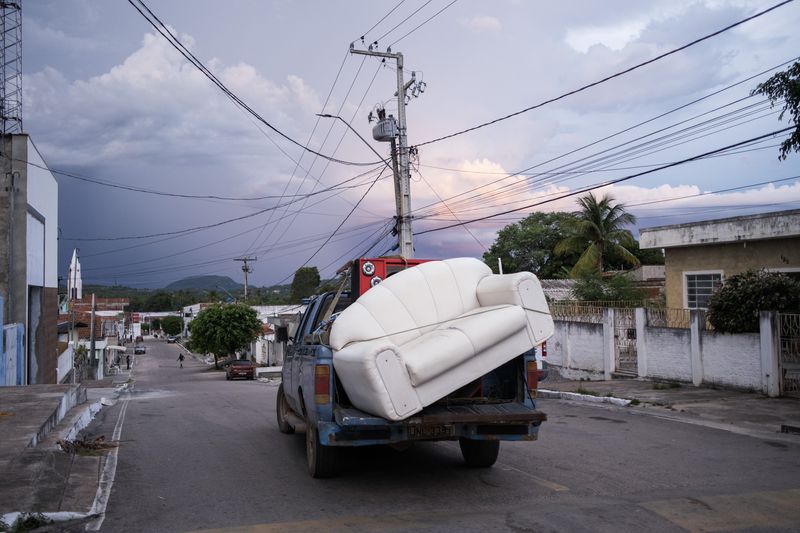
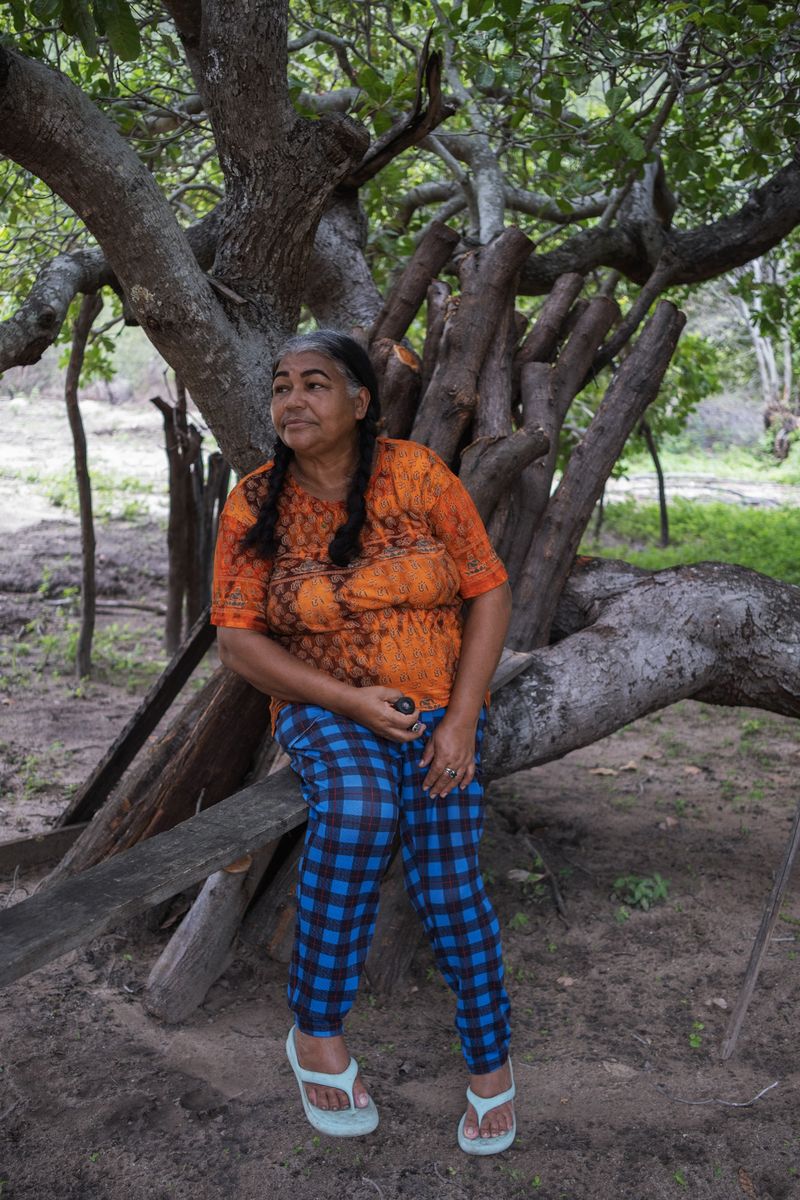
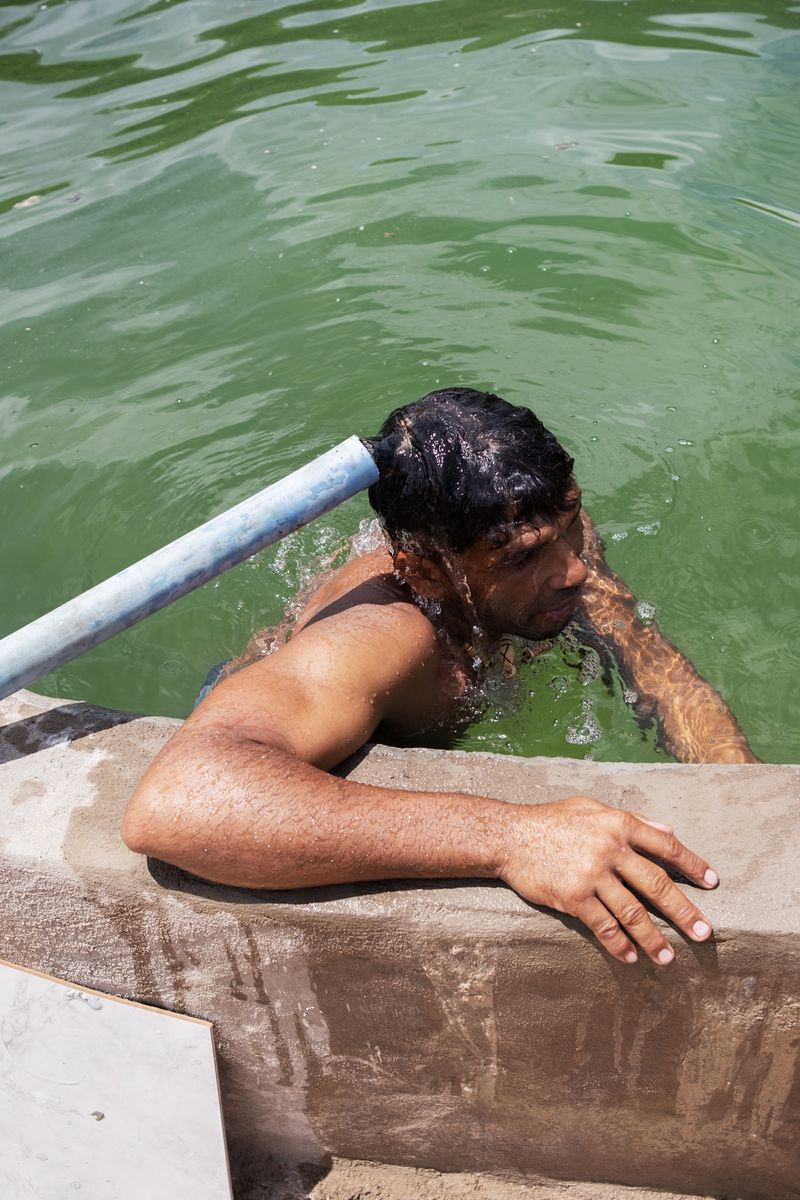
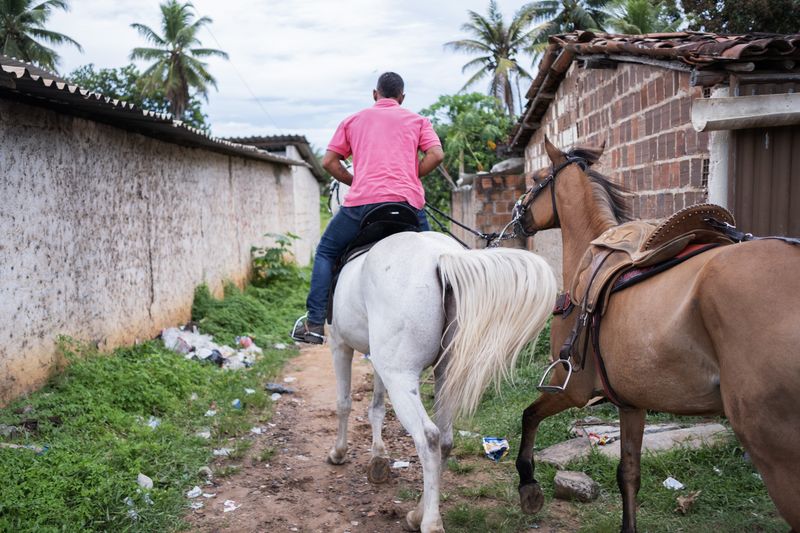
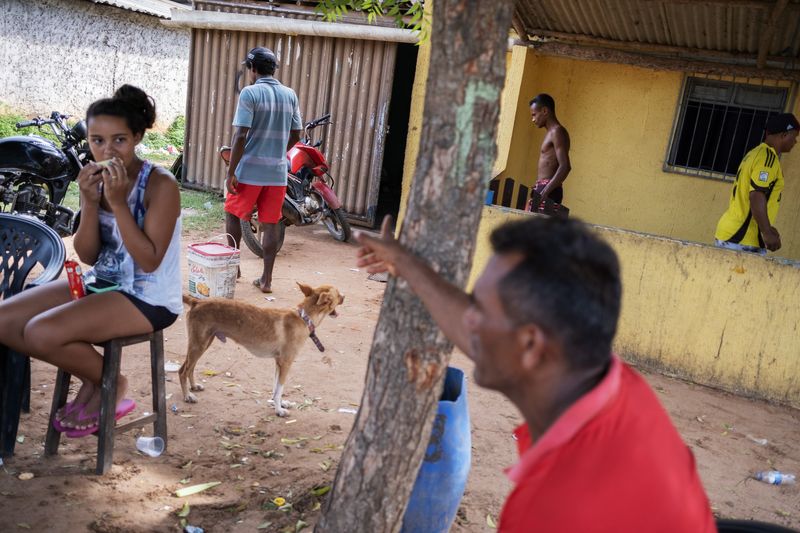
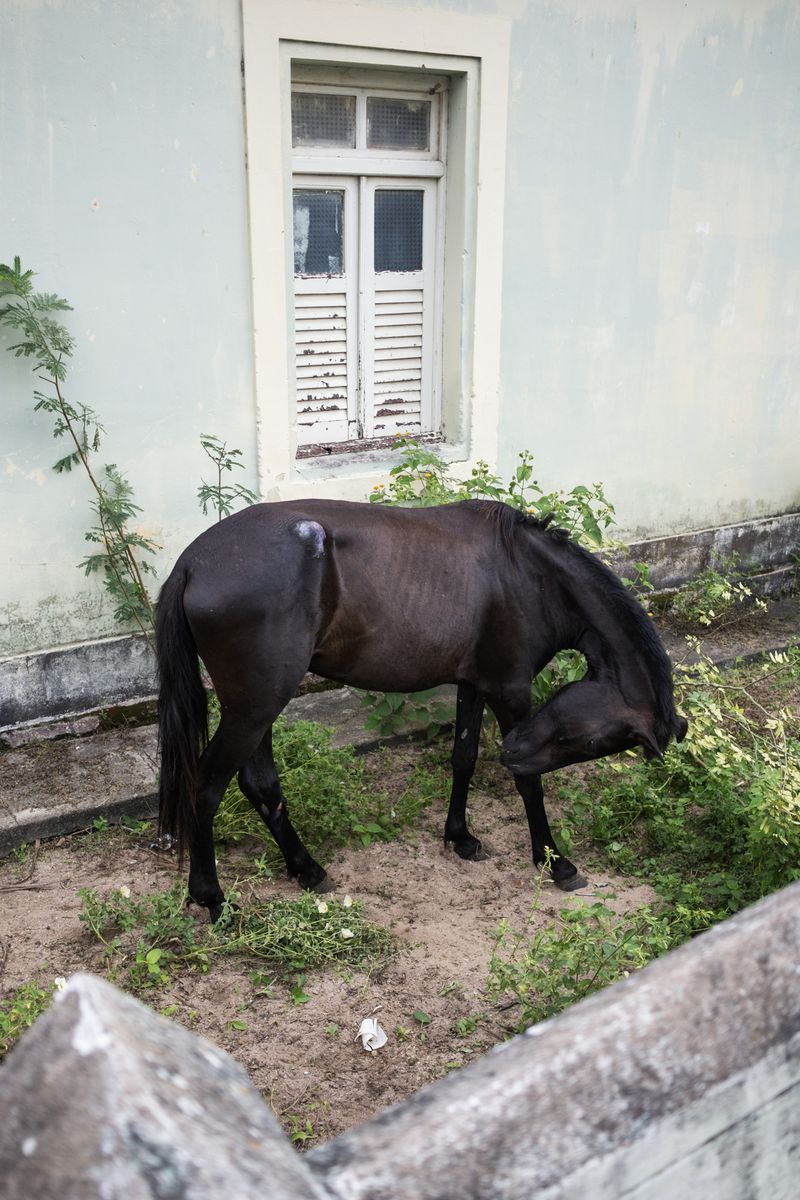
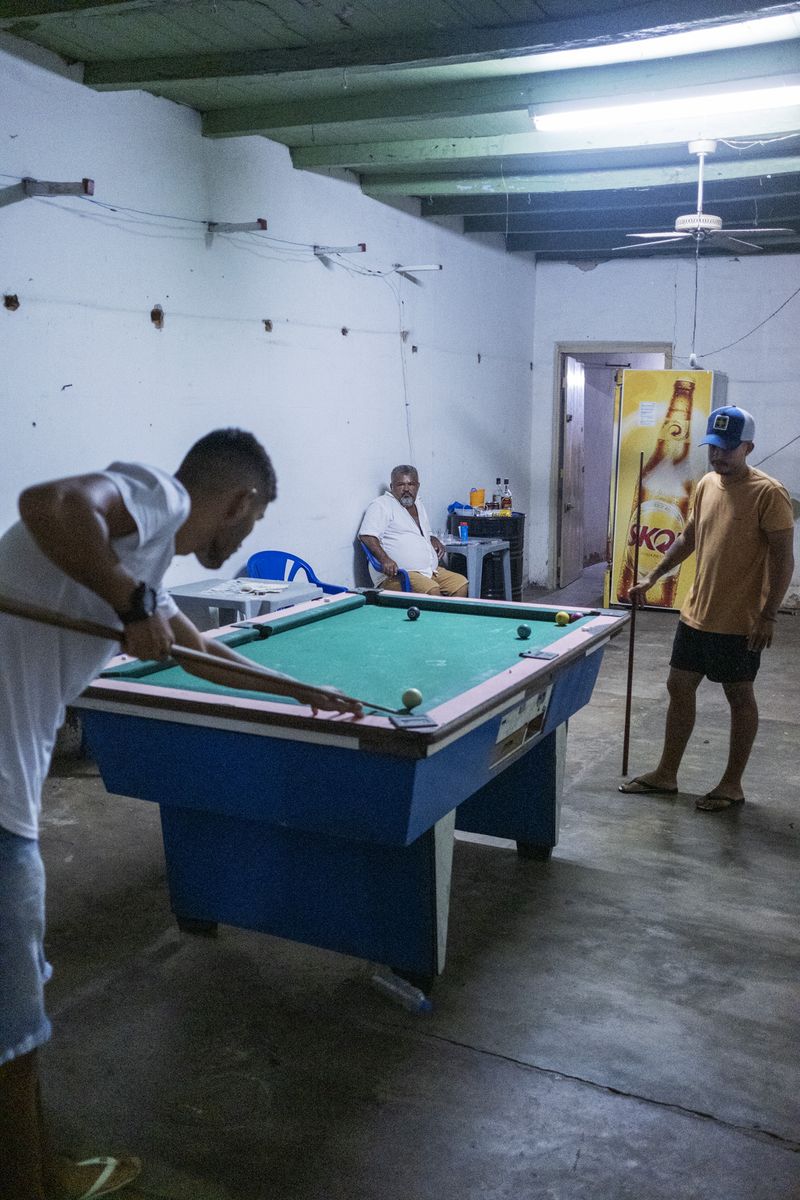
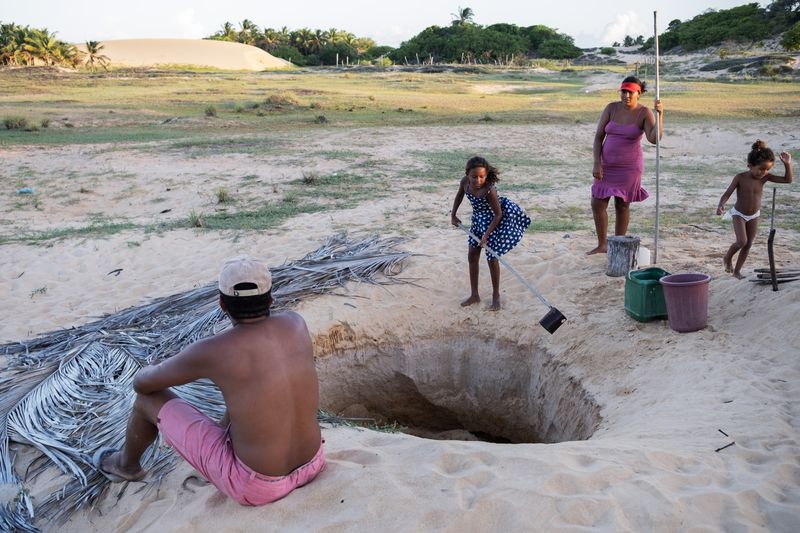
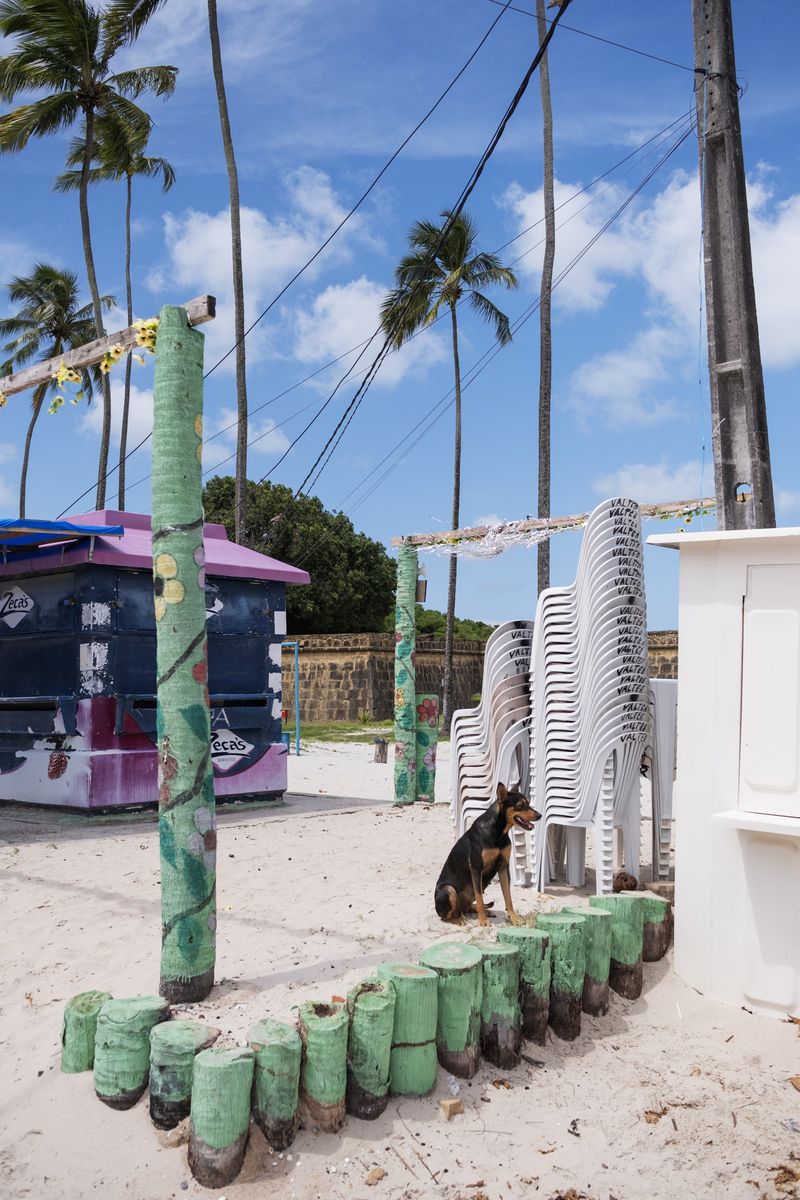
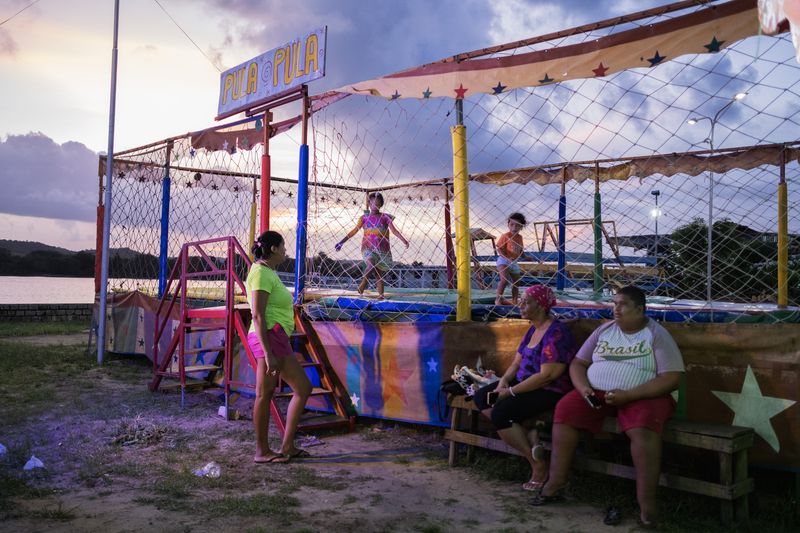
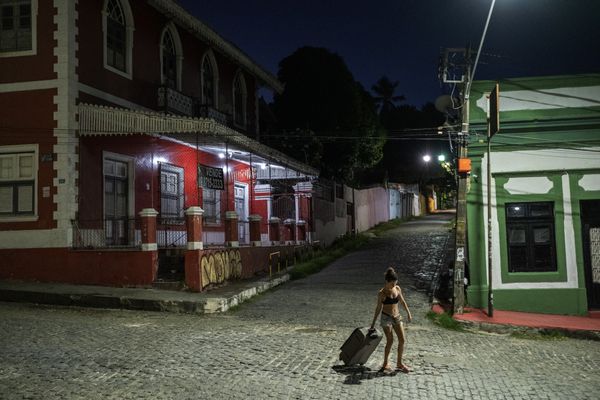
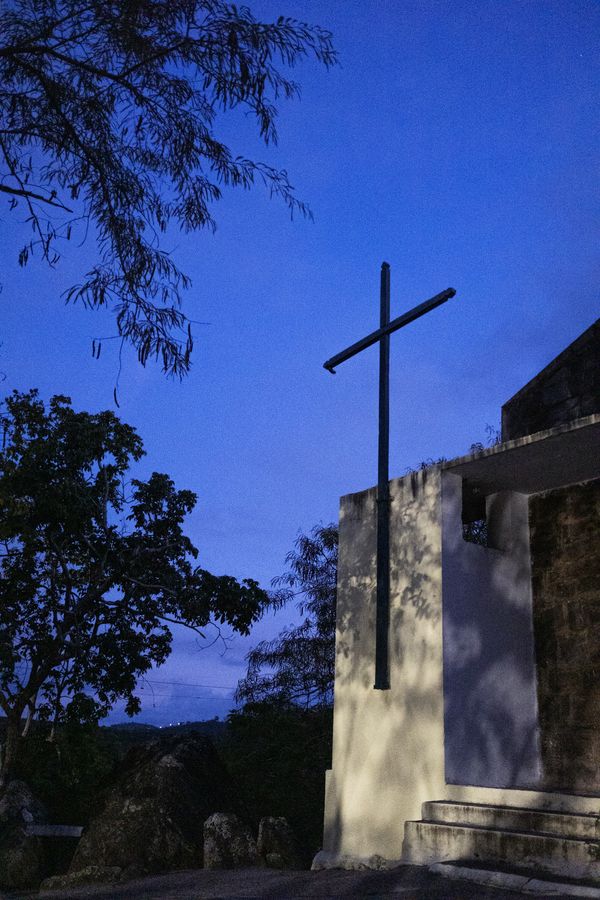
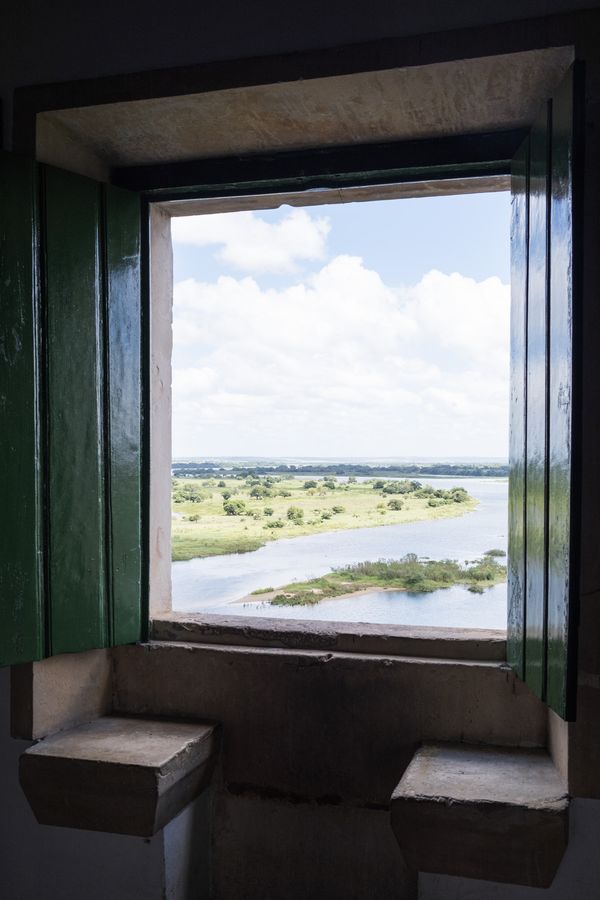
Agridoce (bittersweet) is an ongoing visual research project in the northeast of Brazil and retraces the footsteps of the Dutch in Brazil. The Netherlands temporarily colonized a large part of Brazil (1630-1654).
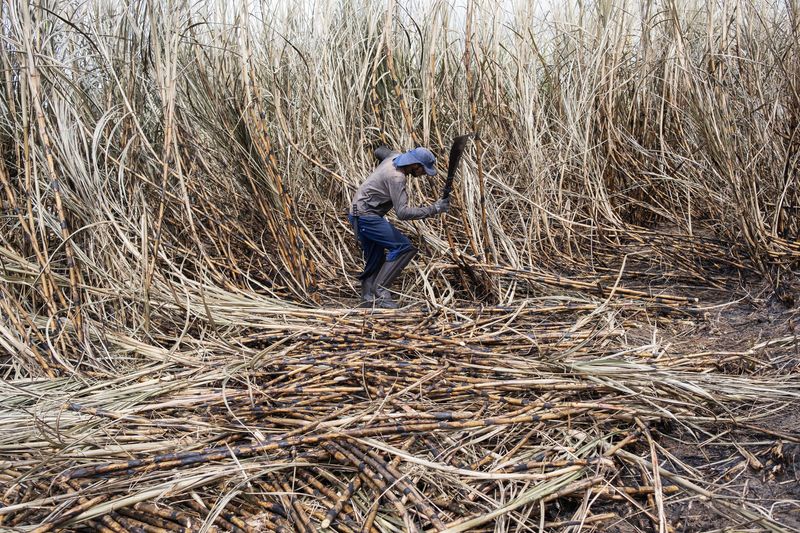
The Dutch were interested in Brazil because of the sugar production, which took place mainly in the state of Pernambuco. The prolonged wars between the Netherlands and Portugal over land ownership had a devastating impact, leading to the destruction of many plantations. To rebuild these plantations, the Dutch resorted to the trade in enslaved people. The foundation for the expansion of Dutch slavery was established here. Johan Maurits van Nassau played a significant role in this as governor of Dutch Brazil.
What struck me most is that everyone seemed to know that the Dutch were in control for this period of time. People can for example name Johan Maurits of Nassau, in the capital Recife, as well in a small town such as Penedo, where they’ve even erected a statue of him. This Dutch past is also still present among the indigenous Potiguara community.
This awareness of Dutch colonialism starkly contrasts to what we know about this in the Netherlands, which is very little. It is an almost unknown and surprising topic to most people. In addition, many Brazilians think it would have been better if the Dutch had stayed instead of the Portuguese. They often cite the example of the Dutch being better at infrastructure.
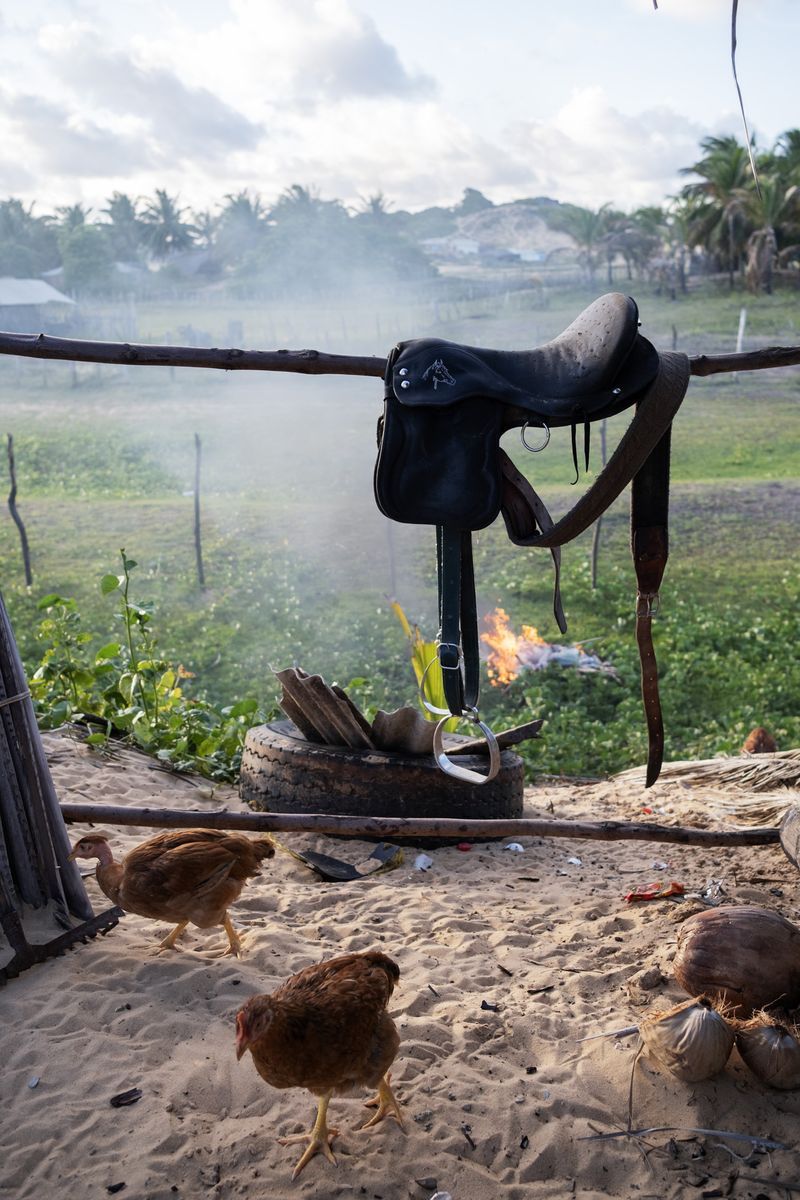
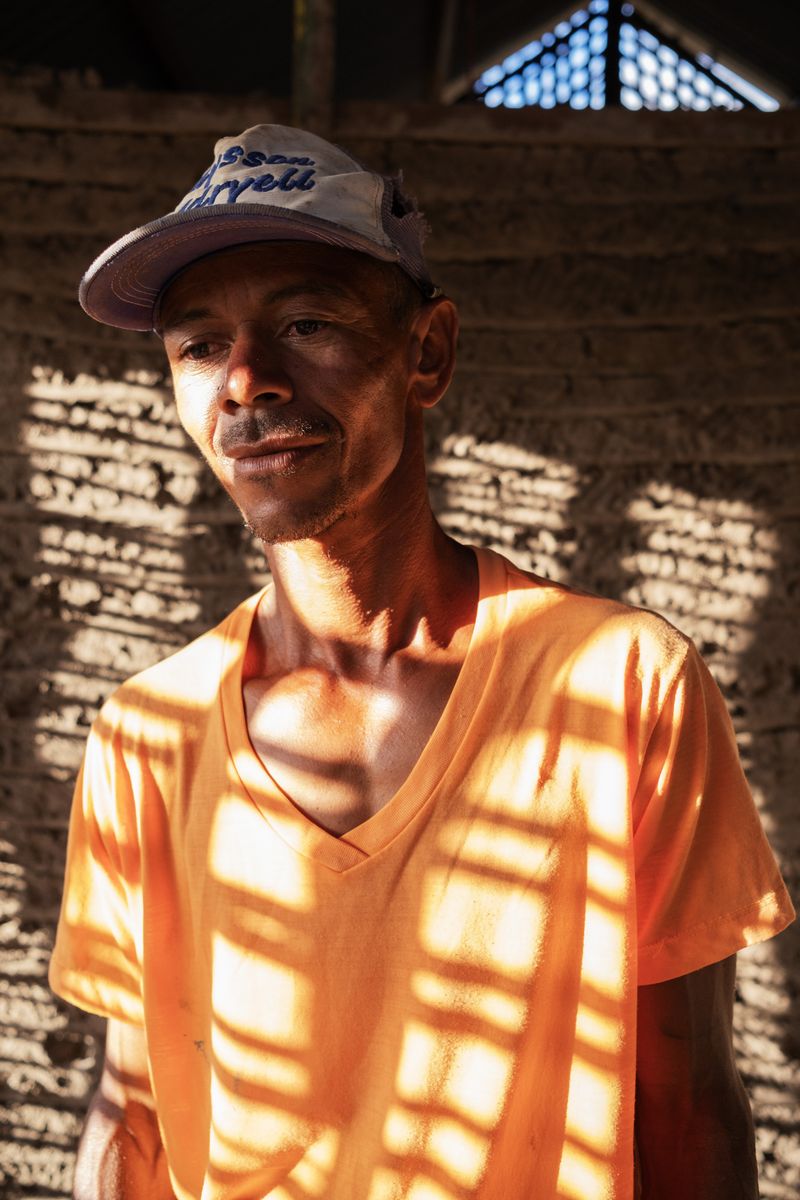
With this work, I shed a light on an often overlooked part of the Netherlands' colonial past, aiming to connect the past with the present, while focusing on people and their daily lives now, where themes such as identity, resilience and freedom play a role.