Afterlife
-
Dates2018 - Ongoing
-
Author
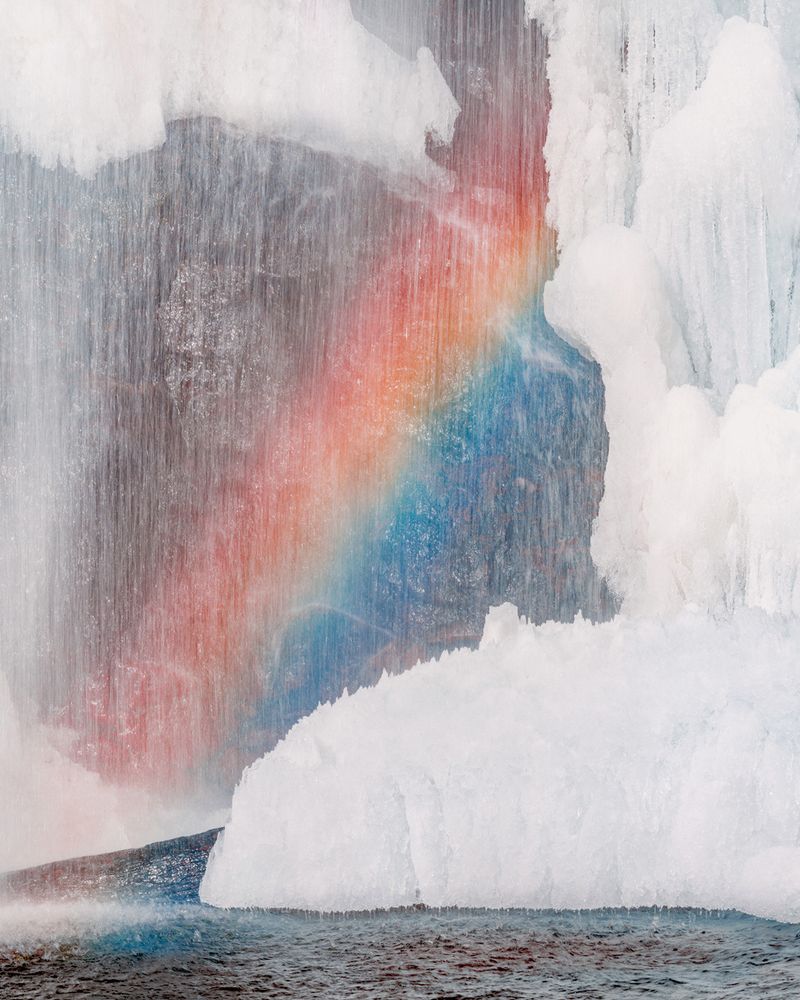
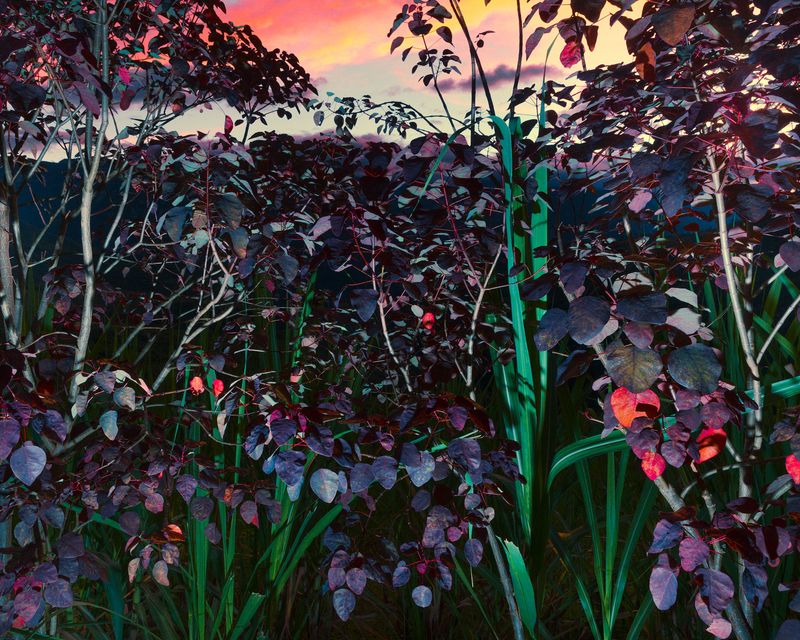
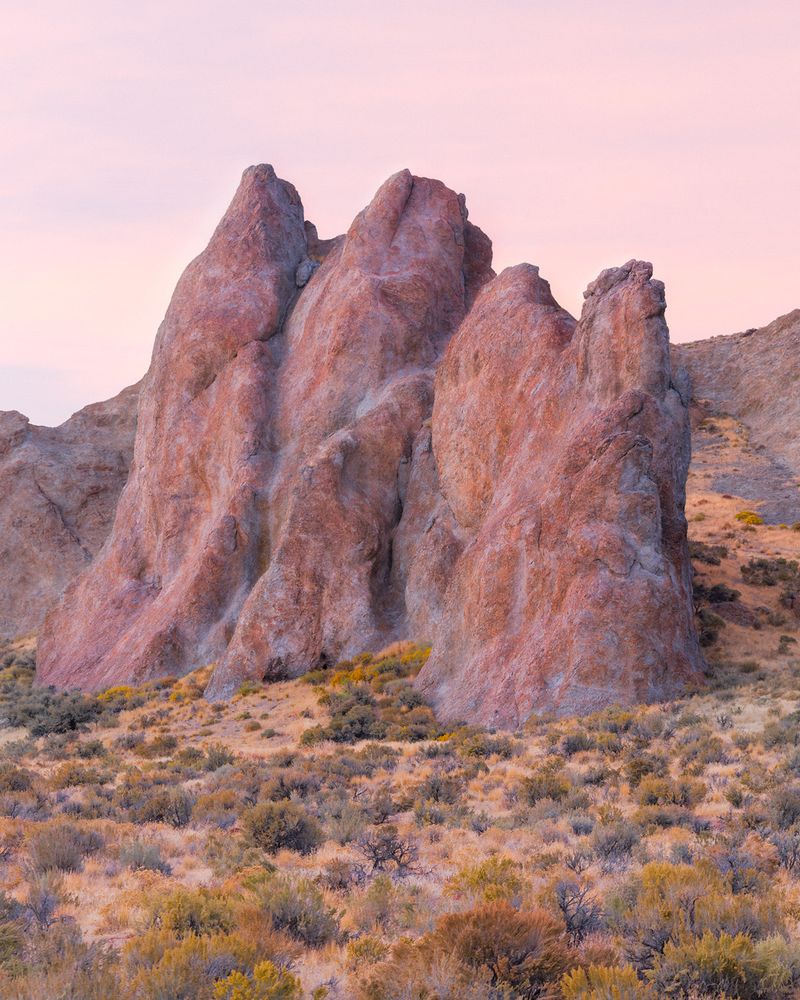
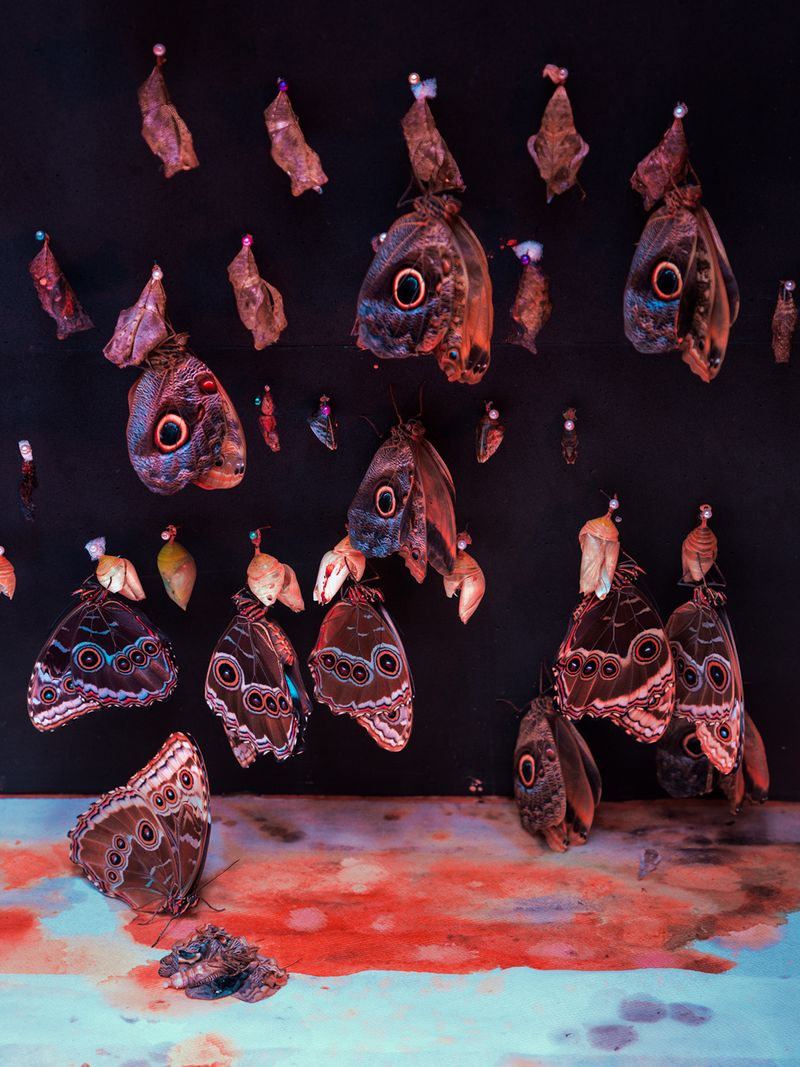
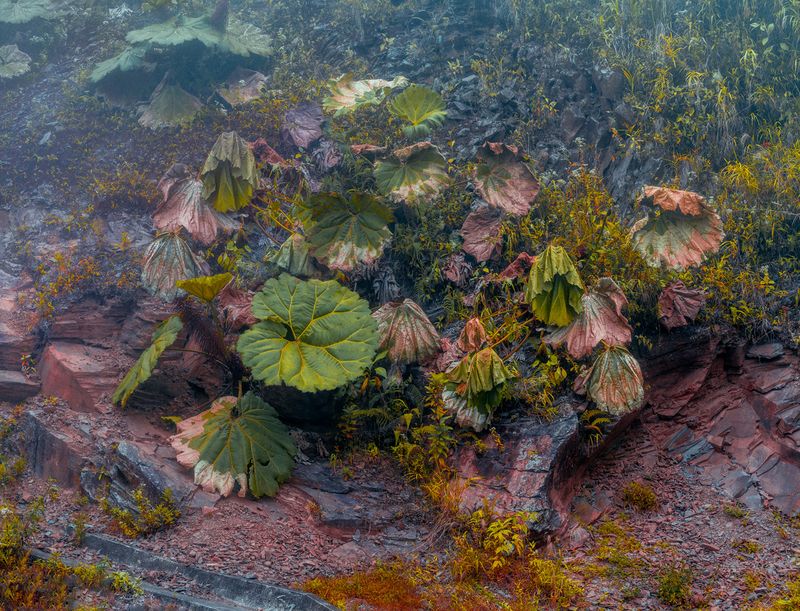
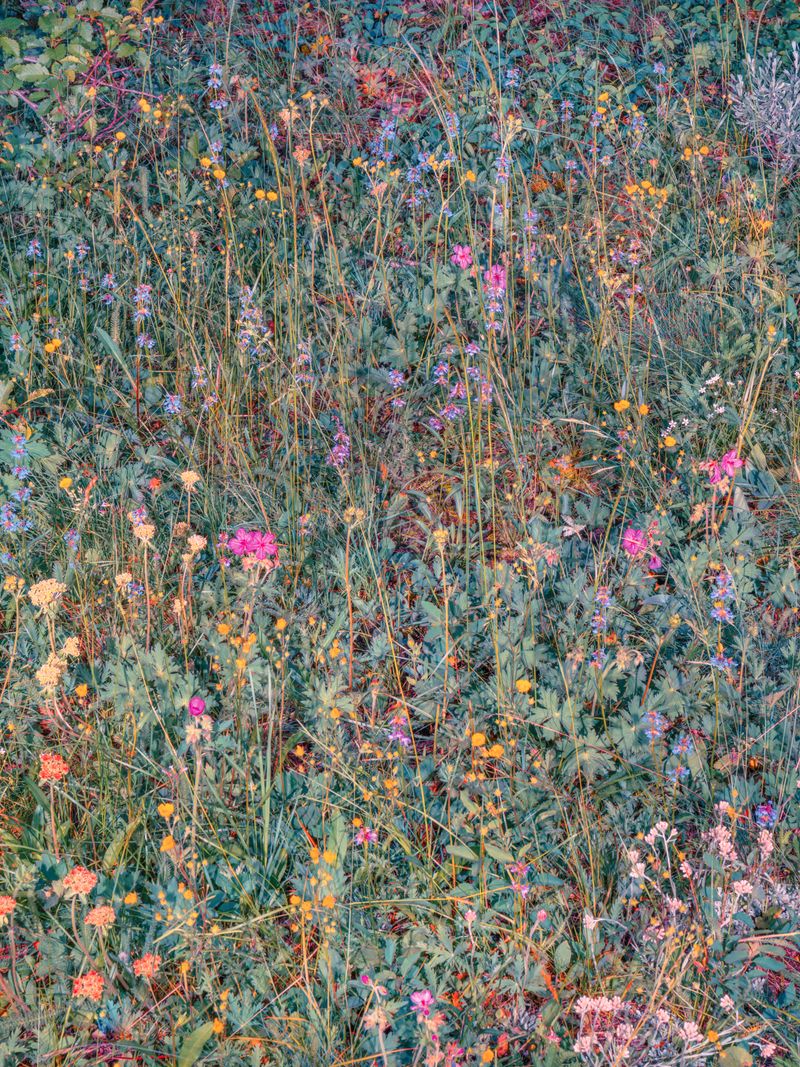
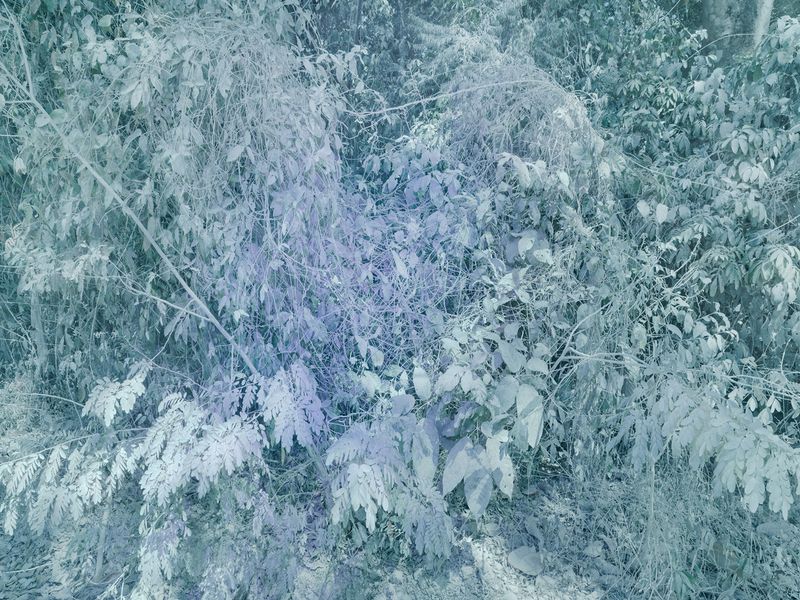
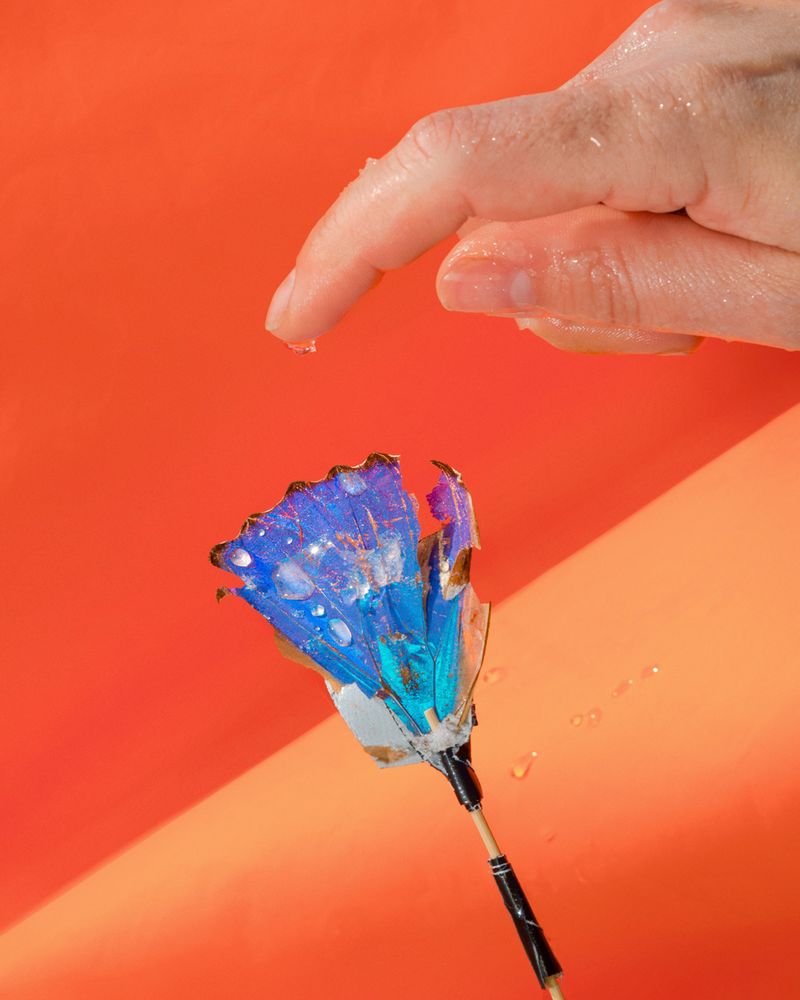
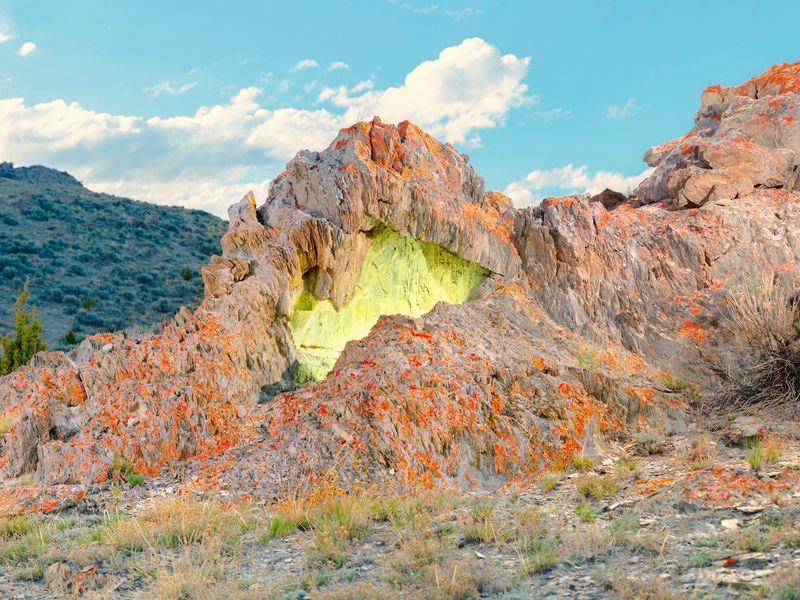
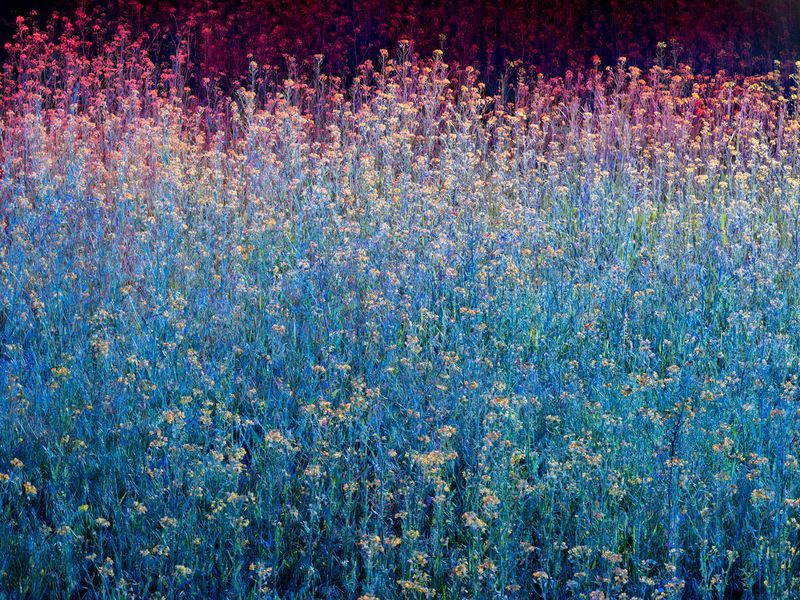
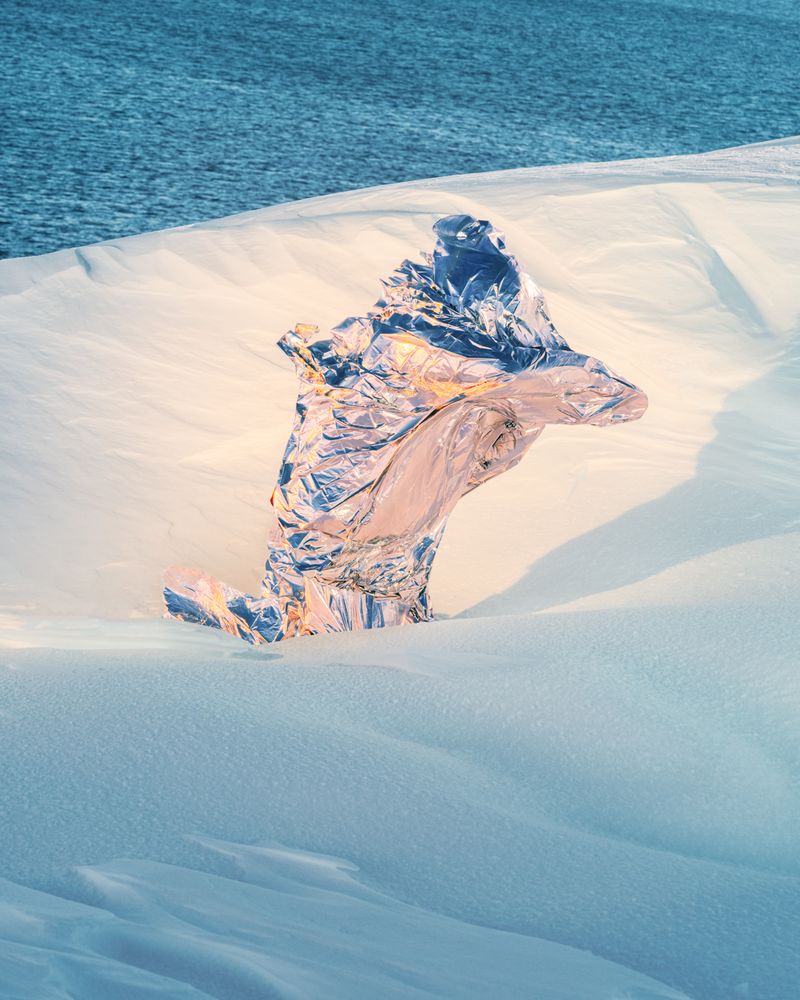
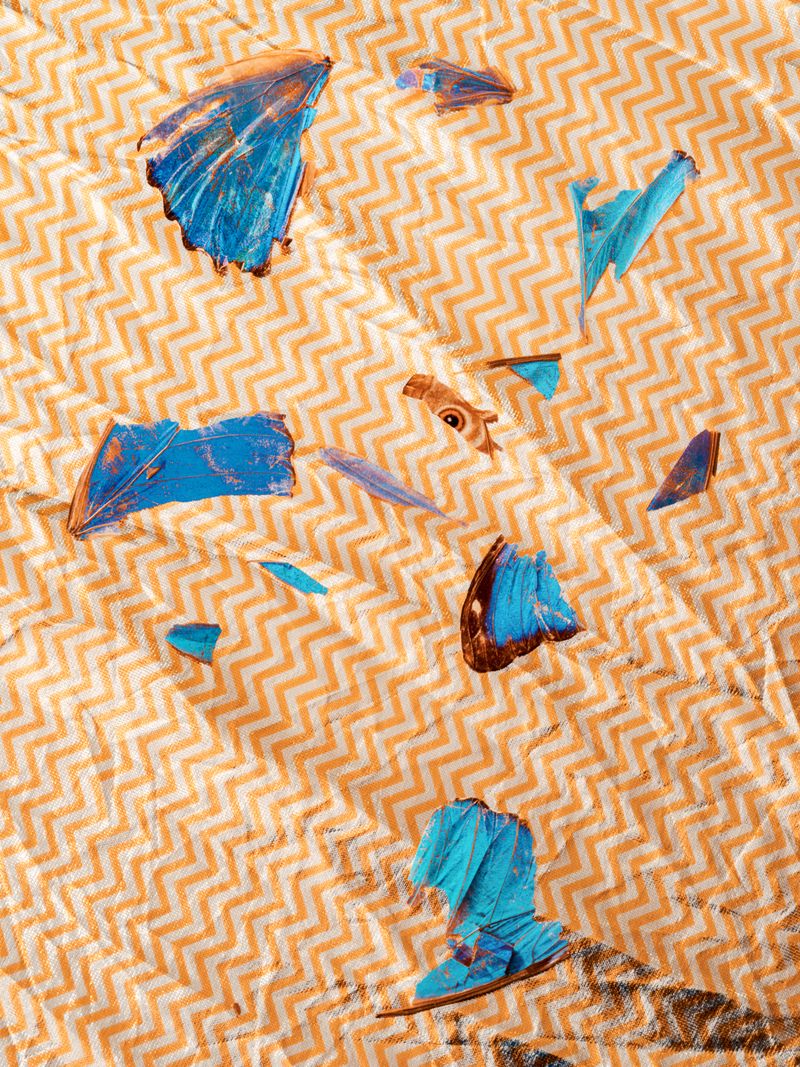
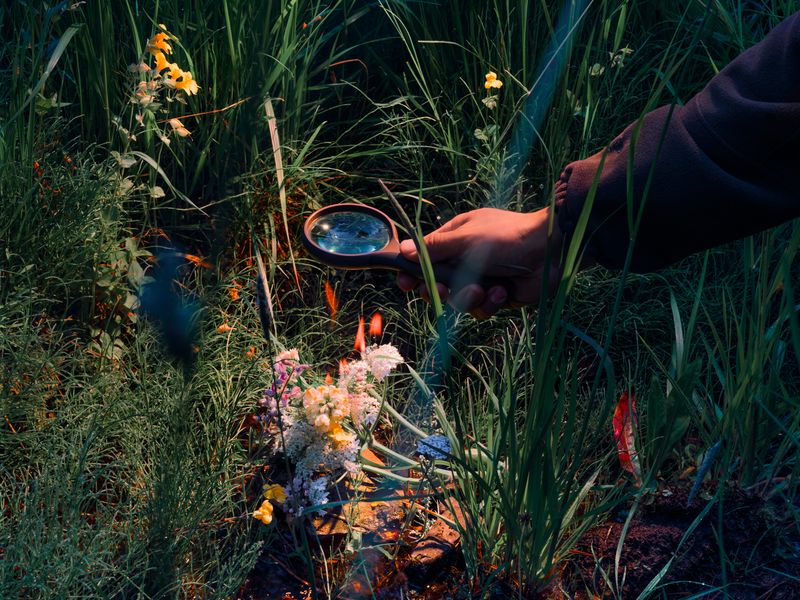
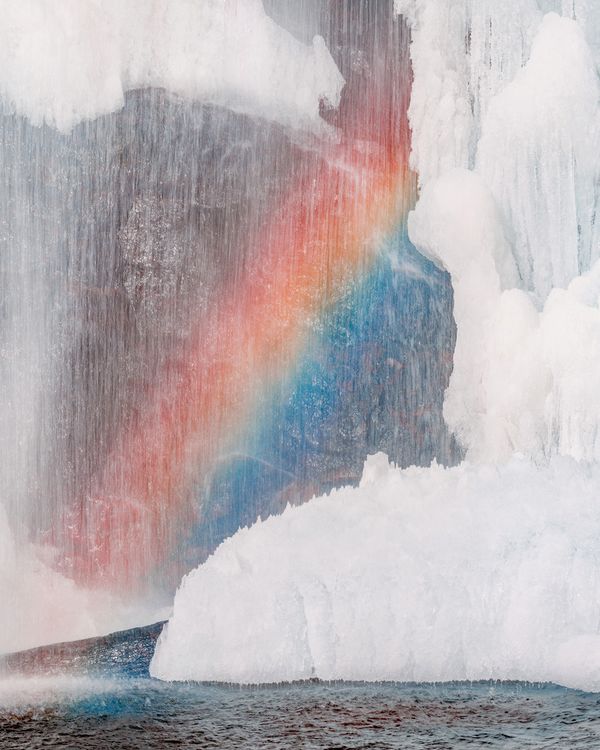
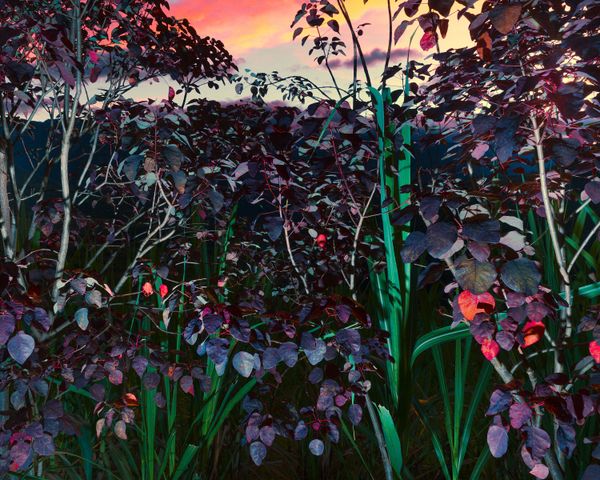
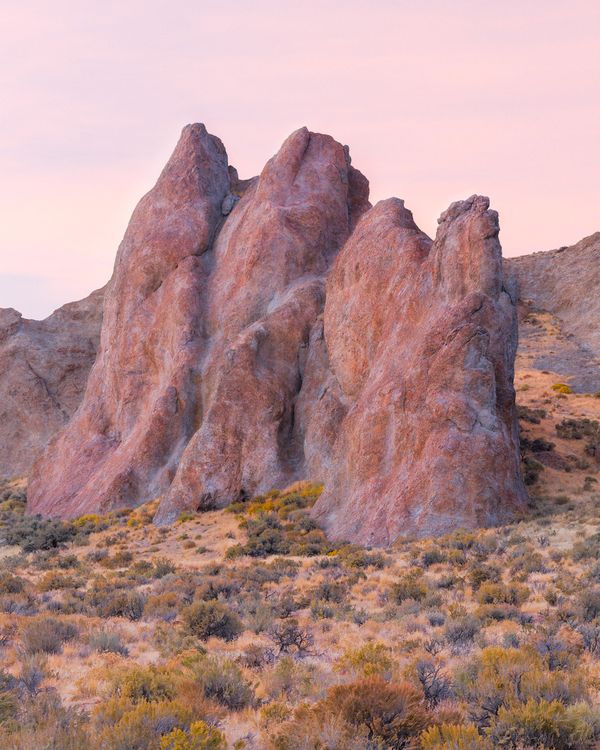
Afterlife reexamines contemporary landscape through the lens of Alexander von Humboldt, using in-camera interventions with light and color to explore ecological fragility and human impact while proposing new ways to experience and represent nature today.
Afterlife reimagines the landscape through the lens of 19th-century naturalist Alexander von
Humboldt, whose poetic empiricism shaped our earliest understanding of ecological
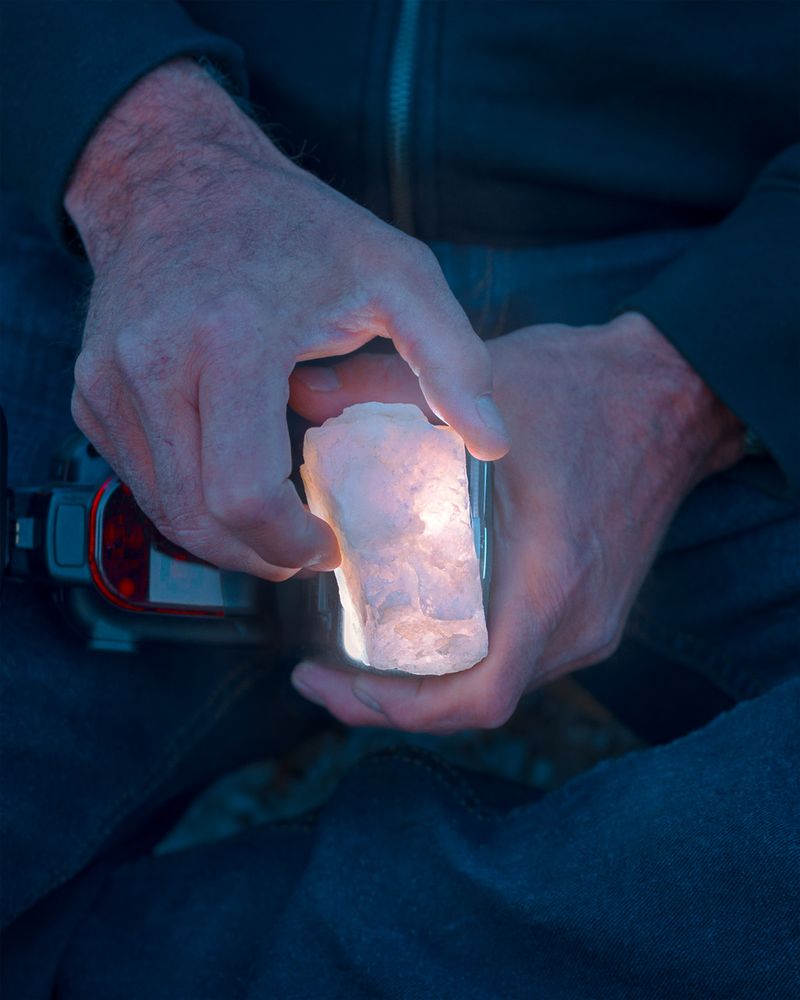
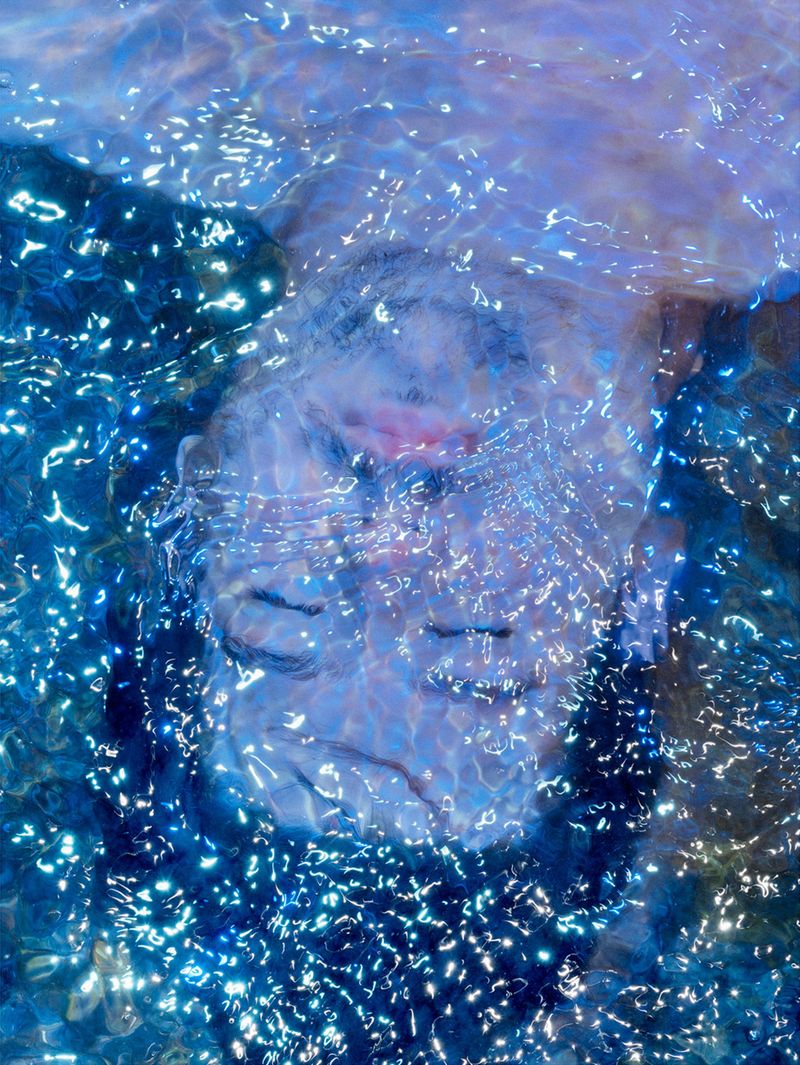
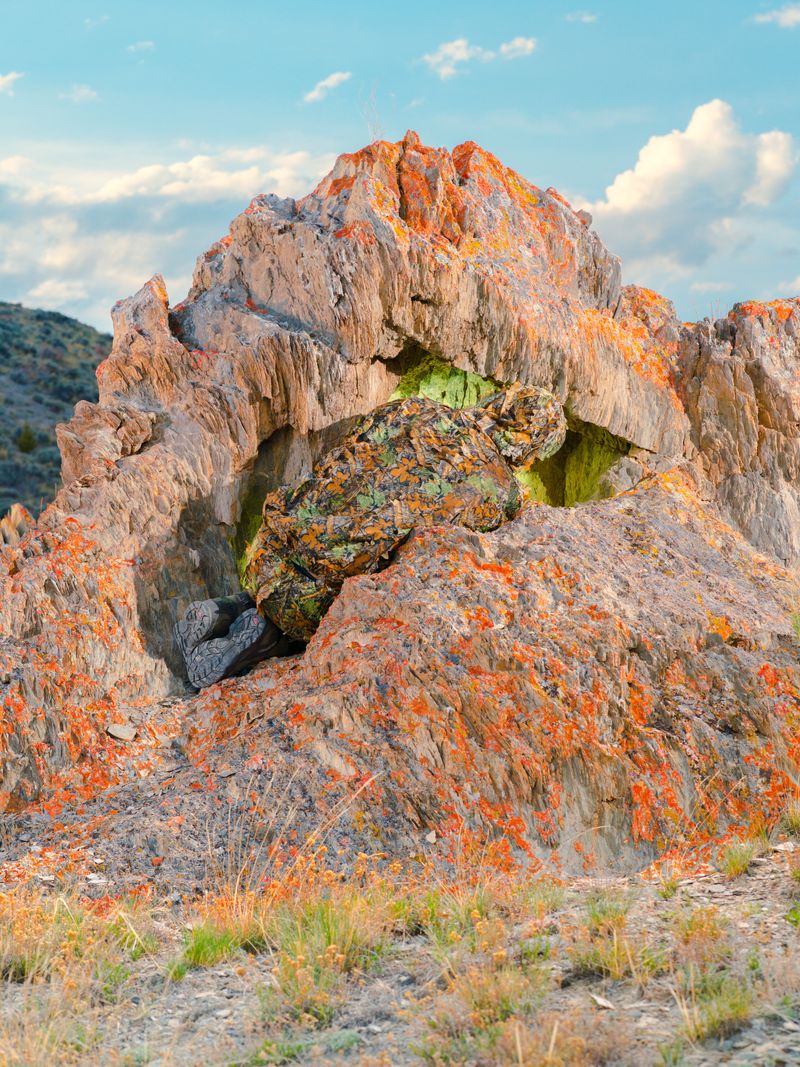
interdependence. In this project, I construct a semi-fictional world populated by altered
landscape artifacts—rocks, flora, fragments of terrain—and Humboldt-like figures who navigate
and measure an otherworldly environment. The title refers to a newly revived state of our
exhausted planet, transformed and reconsidered in-camera.
Today's environment bears little resemblance to the one Humboldt encountered. Nearly every
surface has been seen, surveyed, or reshaped by human activity. We are living in a new epoch
marked by nuclear residue, fossil-fuel combustion, plastic sediments, and mass
extinction—echoes of the very systems Humboldt first diagrammed. As unspoiled environments
vanish, nature itself has become obscene—overexposed, hyper-mediated, and flattened into
Instagram tropes. This work emerged from my desire to see the landscape anew, to imagine
what it might feel like to encounter the earth with Humboldt's sense of discovery while
acknowledging its present fragility.
The notion of nature as something separate from us is a myth—one intensified by our
domination and commodification of it. In reality,
"nature" is an idea we continually construct.
These photographs argue that to have an authentic relationship with the natural world requires
acts of creation. The images operate through collaborative interventions: performative acts of
lighting and color that remake the terrain as a way of honoring it.
What would it mean to see the earth as if for the first time—after it has been photographed,
exploited, and degraded? Afterlife reflects a world caught between the Sublime—vast, chaotic,
beyond our control—and the obscene—clichéd and simulated. It asks how wonder might be
rekindled in a landscape that is at once depleted and continually remade.
Humboldt suggested that nature is like a tapestry that could be undone with the pull of a thread.
The thread has been pulled. Yet here we are, enduring. As in Afterlife, we shape the future by
viewing the present through the eyes of the past.