A River Without Bridges



-
Dates2022 - Ongoing
-
Author
- Topics War & Conflicts, Social Issues, Contemporary Issues, Documentary
- Locations Germany, Demmin
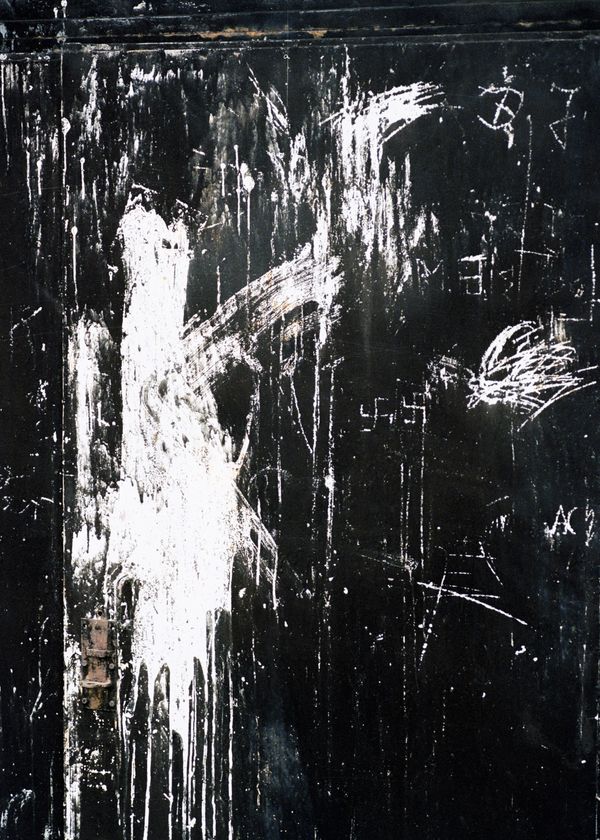
This project reflects on how the unresolved trauma of the mass suicides in Demmin in 1945 continues to shape the present through silence, inherited memory, and the political contradictions of contemporary Germany.
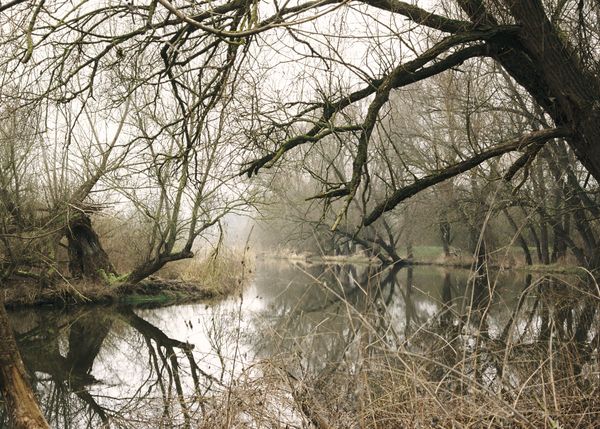
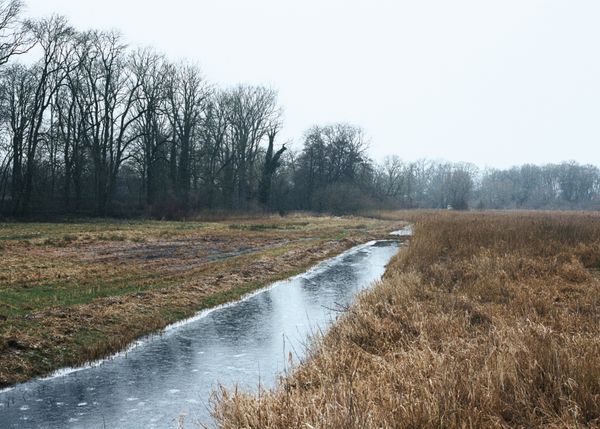
Between April 30 and May 2, 1945, coinciding with the end of the Second World War, at least 1,200 people took their own lives in the German town of Demmin, in what is considered the largest mass suicide in the country’s history. Most of them drowned themselves in the waters of the three rivers surrounding the town, weighing their bodies down with stones. In the final days of the war, the Nazi army destroyed all the bridges connecting Demmin to the outside world, leaving its inhabitants completely isolated and unable to escape the arrival of the Red Army. Subjected to years of manipulation and ideological conditioning, thousands of civilians chose death over the uncertainty that followed the collapse of the Third Reich.
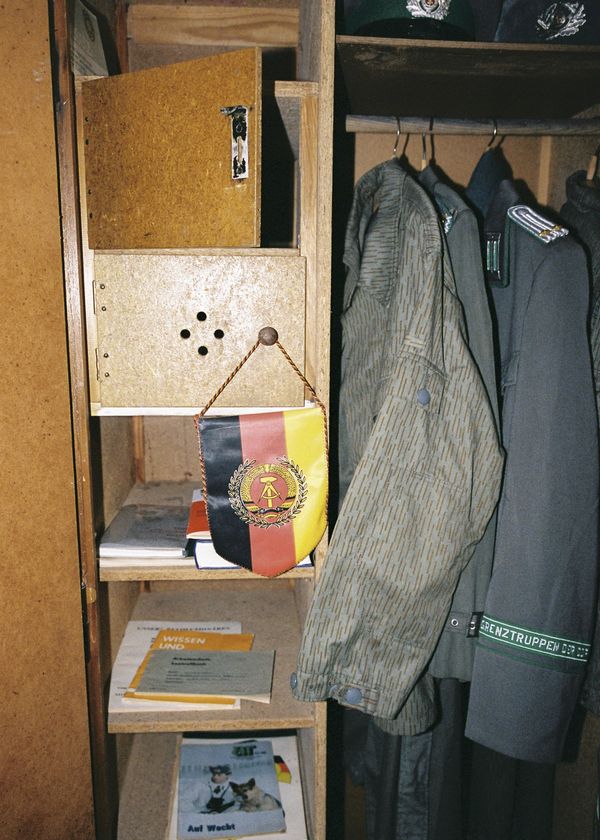
In the decades that followed, the institutional silence imposed during the German Democratic Republic (GDR) prevented any process of recognition or reparation, forcing many families to keep their grief private for years. This secret remained confined to intimate circles and took decades to receive public acknowledgment. While collective trauma originates in specific historical events, its effects persist beyond the lives of direct witnesses. The traces of the past endure in the memories of those who inherit this trauma, transmitted as a form of emotional legacy. At the same time, this history raises an unresolved ethical question: can those shaped by such events be considered victims in the aftermath of the harm that was inflicted?
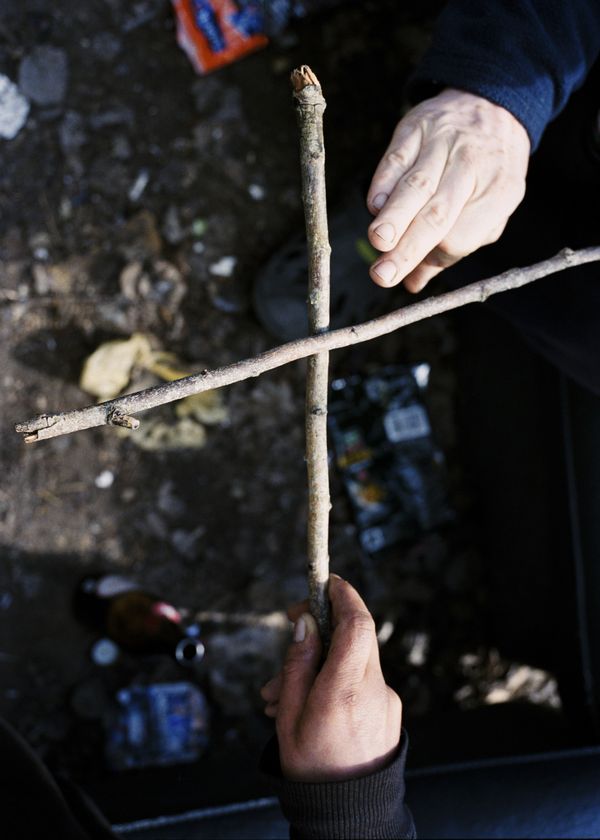
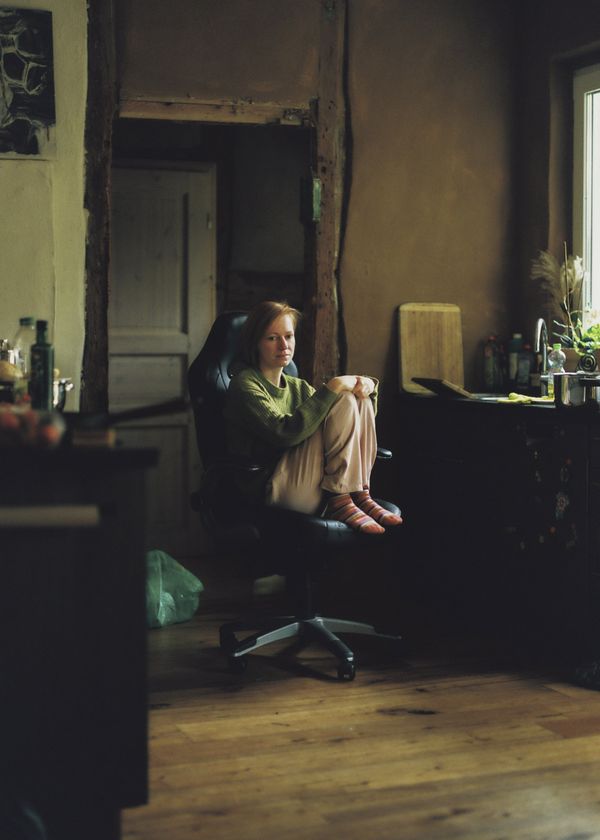
This photographic project shifts its focus toward the present-day reality of Demmin, reflecting on what it means to live today in a place marked by trauma and silence. Through the experiences of the town’s younger generation, the work explores how the past continues to shape identity, memory, and everyday life. The project is situated within a contemporary German sociopolitical context in which far-right ideologies have regained visibility, particularly in former East German territories, often drawing on a nostalgic reinterpretation of the GDR. In this sense, Demmin becomes a case study of the historical contradictions and identity tensions that continue to shape Germany and resonate across Europe.