A River Without Bridges
This project reflects on how the unresolved trauma of the mass suicides in Demmin in 1945 continues to shape the present through silence, inherited memory, and the political contradictions of contemporary Germany.

Between April 30 and May 2, 1945, coinciding with the end of the Second World War, at least 1,200 people took their own lives in the German town of Demmin, in what is considered the largest mass suicide in the country’s history. Most of them drowned themselves in the waters of the three rivers surrounding the town, weighing their bodies down with stones. In the final days of the war, the Nazi army destroyed all the bridges connecting Demmin to the outside world, leaving its inhabitants completely isolated and unable to escape the arrival of the Red Army. Subjected to years of manipulation and ideological conditioning, thousands of civilians chose death over the uncertainty that followed the collapse of the Third Reich.

In the decades that followed, the institutional silence imposed during the German Democratic Republic (GDR) prevented any process of recognition or reparation, forcing many families to keep their grief private for years. This secret remained confined to intimate circles and took decades to receive public acknowledgment. While collective trauma originates in specific historical events, its effects persist beyond the lives of direct witnesses. The traces of the past endure in the memories of those who inherit this trauma, transmitted as a form of emotional legacy. At the same time, this history raises an unresolved ethical question: can those shaped by such events be considered victims in the aftermath of the harm that was inflicted?

This photographic project shifts its focus toward the present-day reality of Demmin, reflecting on what it means to live today in a place marked by trauma and silence. Through the experiences of the town’s younger generation, the work explores how the past continues to shape identity, memory, and everyday life. The project is situated within a contemporary German sociopolitical context in which far-right ideologies have regained visibility, particularly in former East German territories, often drawing on a nostalgic reinterpretation of the GDR. In this sense, Demmin becomes a case study of the historical contradictions and identity tensions that continue to shape Germany and resonate across Europe.

This project is a candidate for PhMuseum 2026 Photography Grant

Learn more Present your project
© Andrés Solla - Image from the A River Without Bridges photography project

i

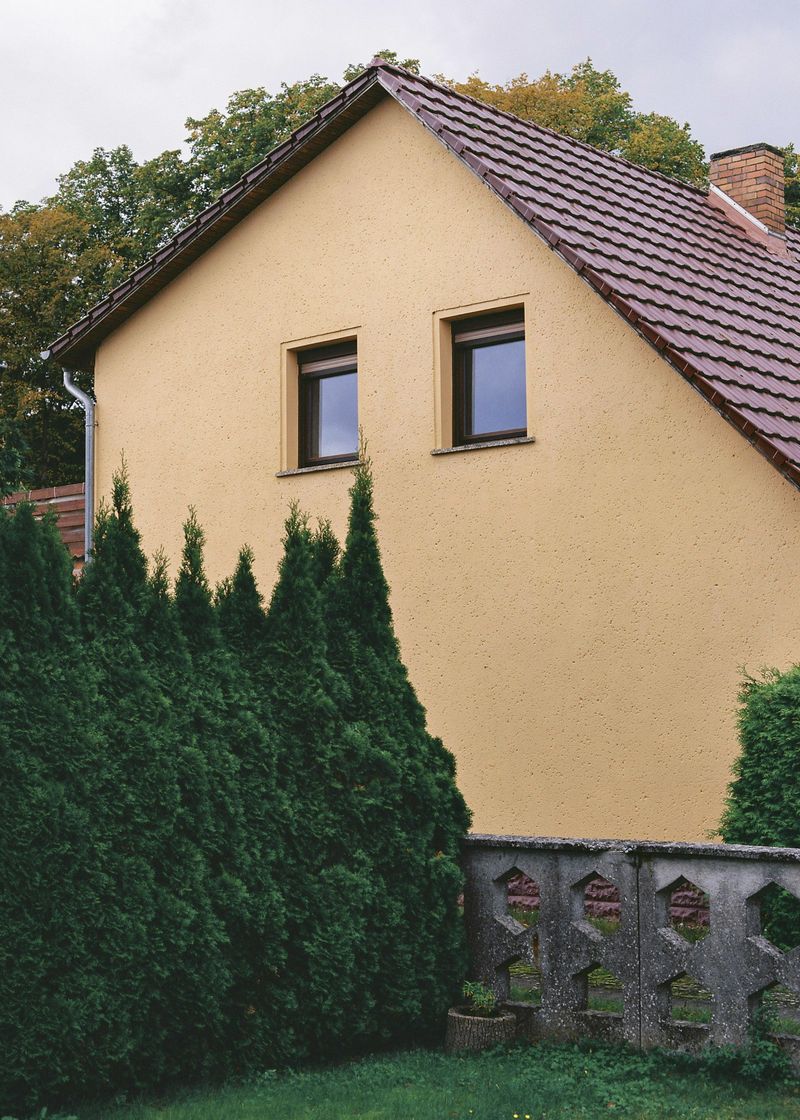
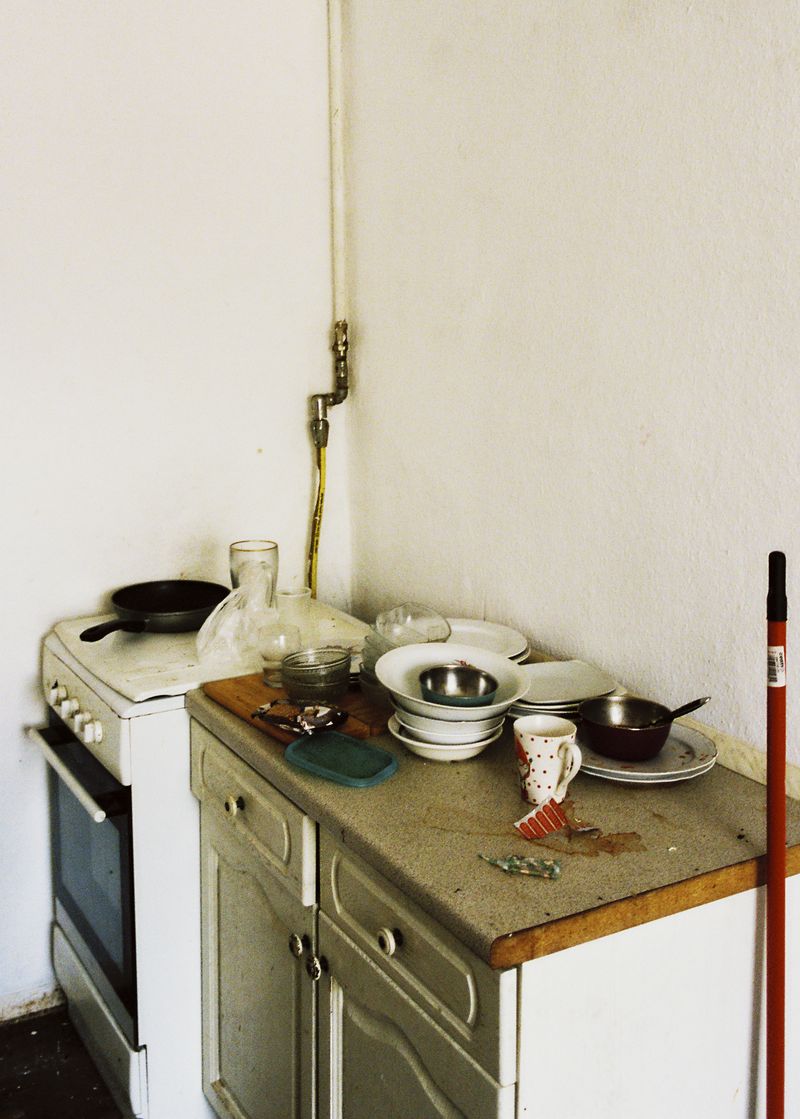
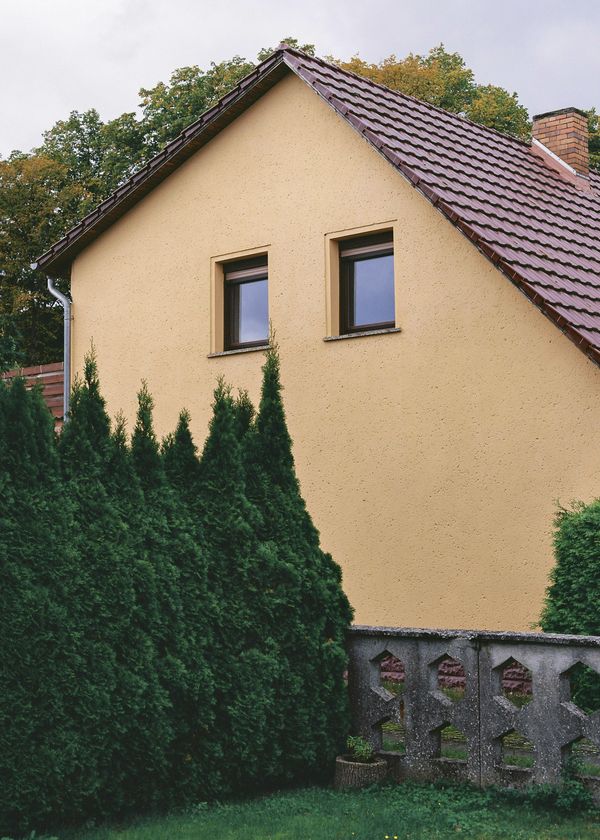
This image introduces the project, as it seems to have a voyeuristic point of view that reflects my own perspective in approaching this work. I am an observer of this story, a witness to the present and a tourist of the past. Yet this external gaze allows me to enter people’s lives and cross thresholds that the inhabitants themselves often avoid, constrained by the taboo surrounding their past.

© Andrés Solla - Image from the A River Without Bridges photography project
i

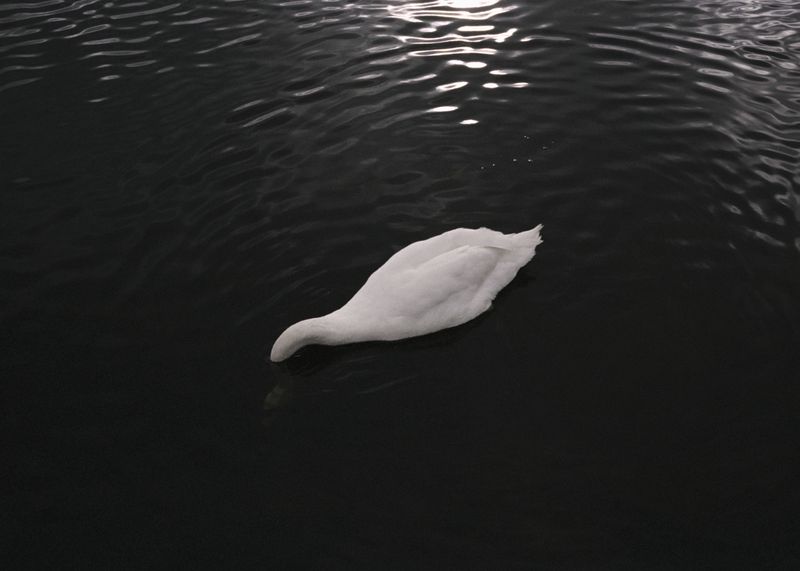
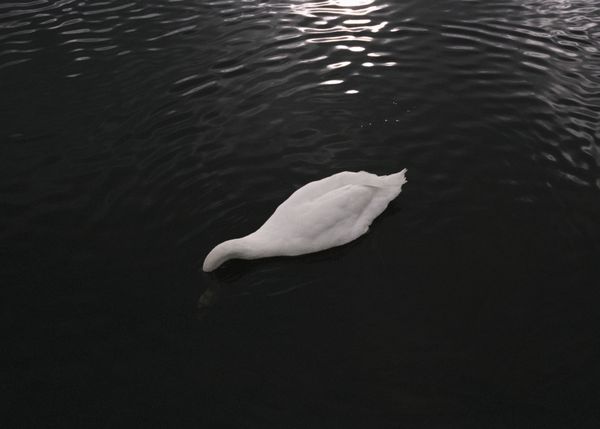
A swan dips its head into the water. The main method of suicide chosen by the inhabitants of Demmin -mostly women and children- was drowning with stones in the waters of the three rivers surrounding the city.

© Andrés Solla - Image from the A River Without Bridges photography project
i

Heavy drinking in public parks is a frequent scene among those facing social exclusion in Demmin. In this image, a young man ironically hides his face during an afternoon of alcohol and conversation by the lake.

© Andrés Solla - Image from the A River Without Bridges photography project
i

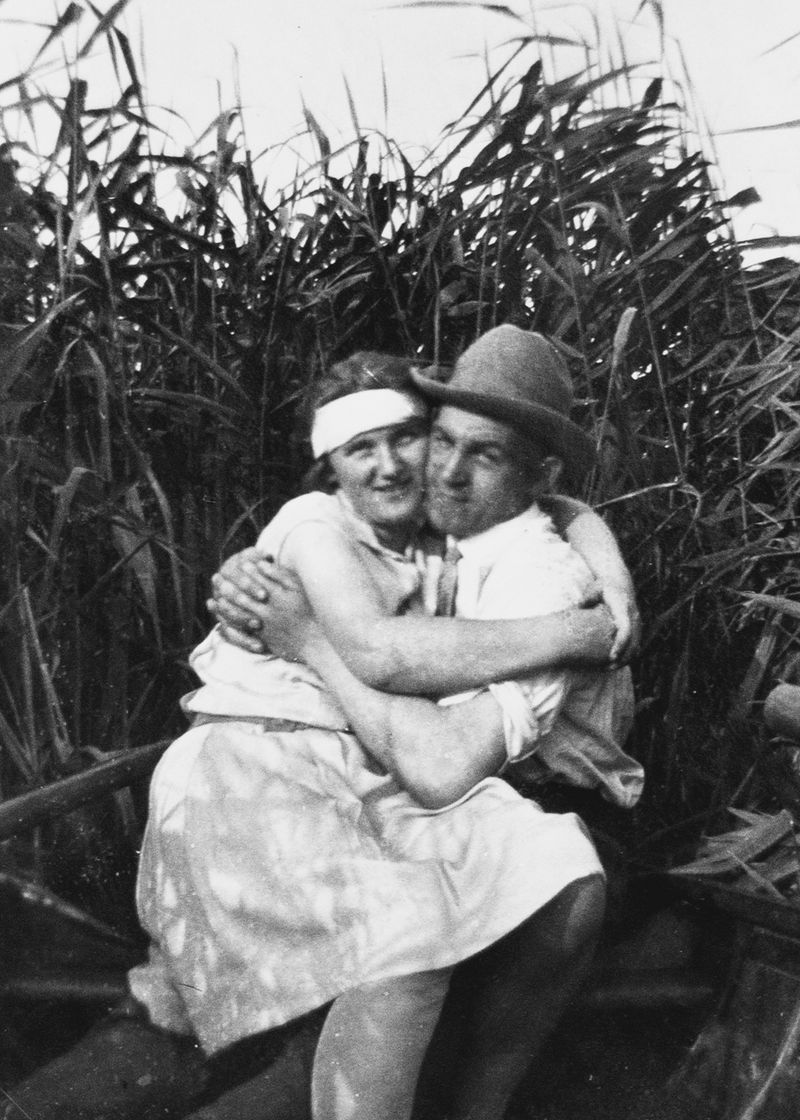
A couple -Roland’s Thoms parents- sit in a boat on the river, hugging. The image was taken shortly before the outbreak of the Second World War. The intention of the archival image is to make it engage in dialogue with the photographs of the present, encouraging a second reading that moves past its function as a historical record to reveal its capacity to generate meaning.

© Andrés Solla - A display cabinet containing assorted everyday items from the former GDR.
i

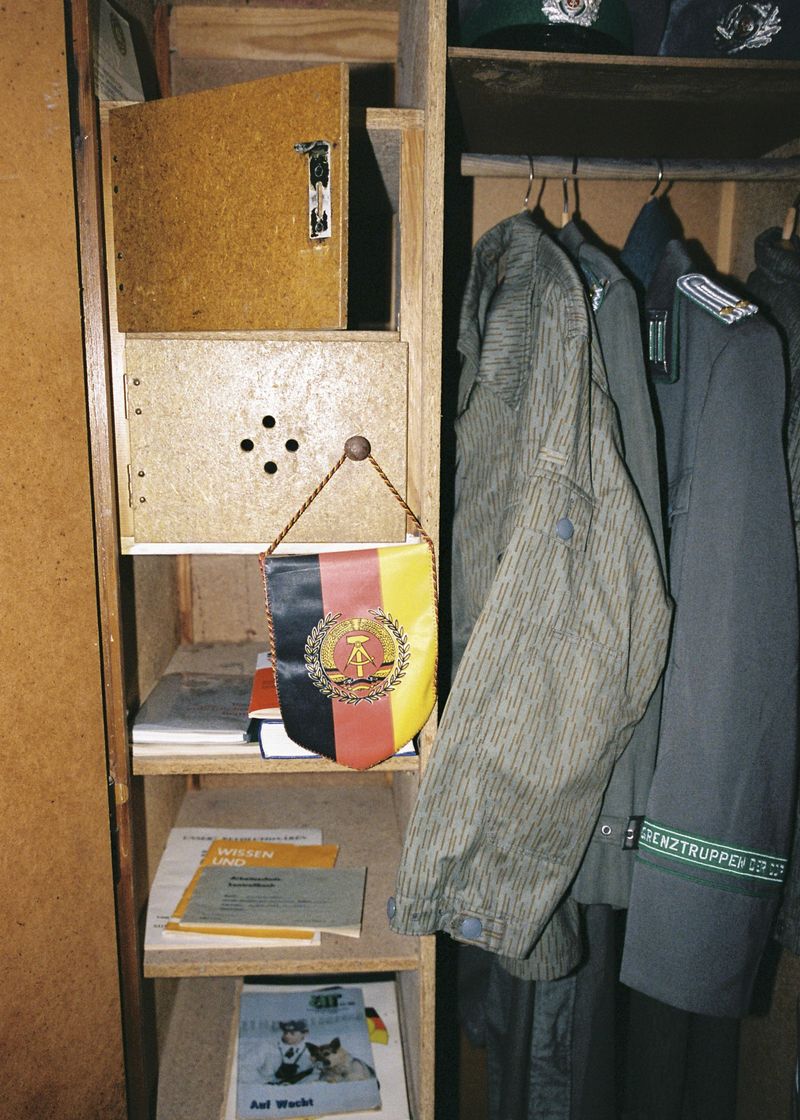
A display cabinet containing assorted everyday items from the former GDR.

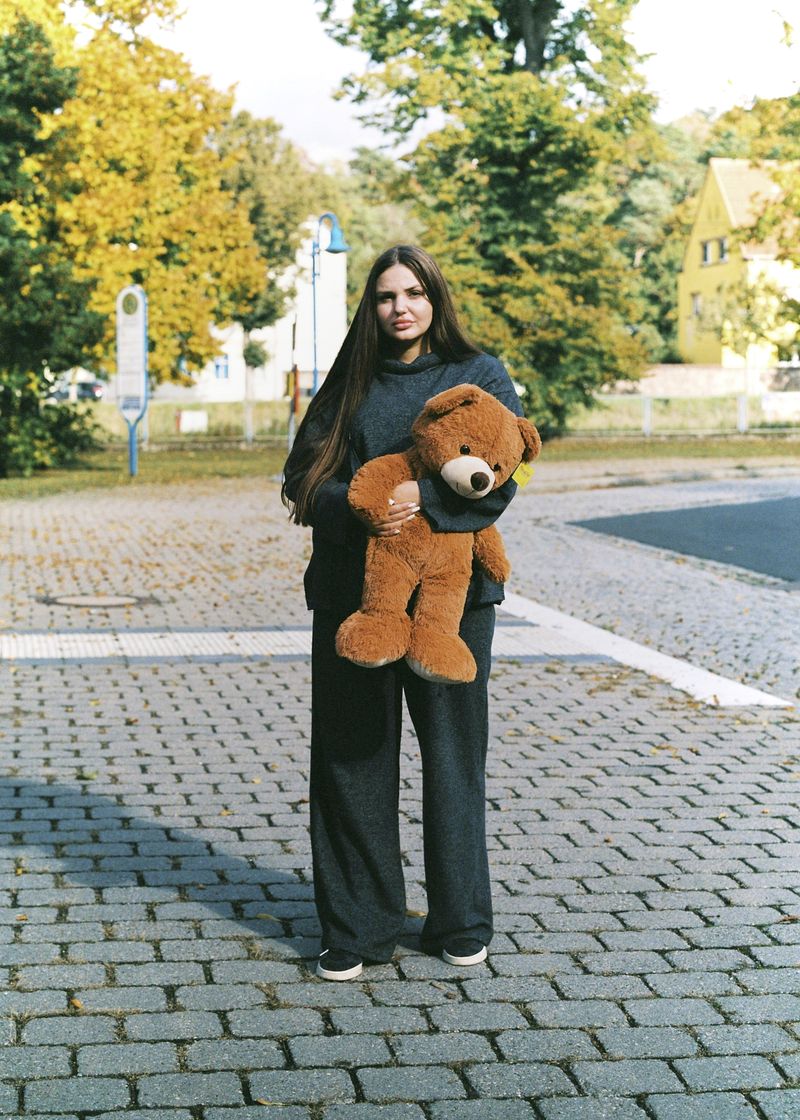
© Andrés Solla - Alexandra holding a bear
i

Alexandra holding a bear

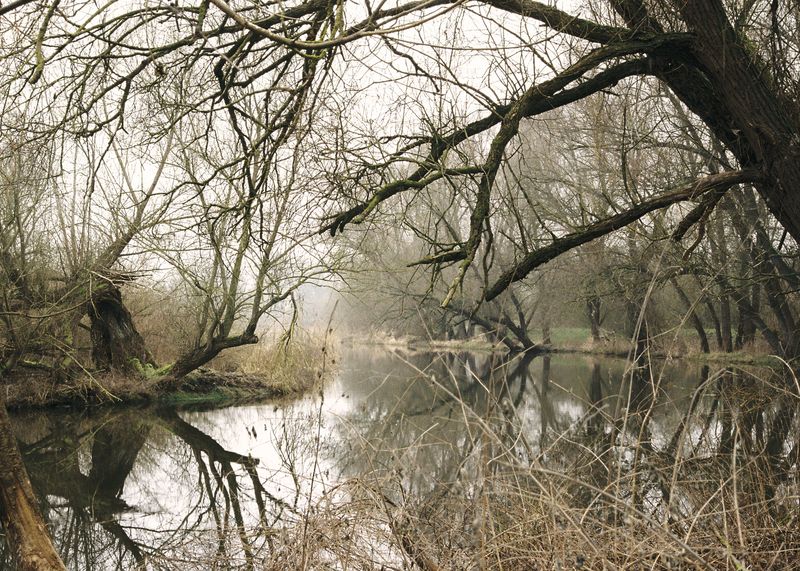
© Andrés Solla - The Peene, one of the three rivers that surround Demmin, is part of the darkest chapter in the town’s history.
i

The Peene, one of the three rivers that surround Demmin, is part of the darkest chapter in the town’s history.

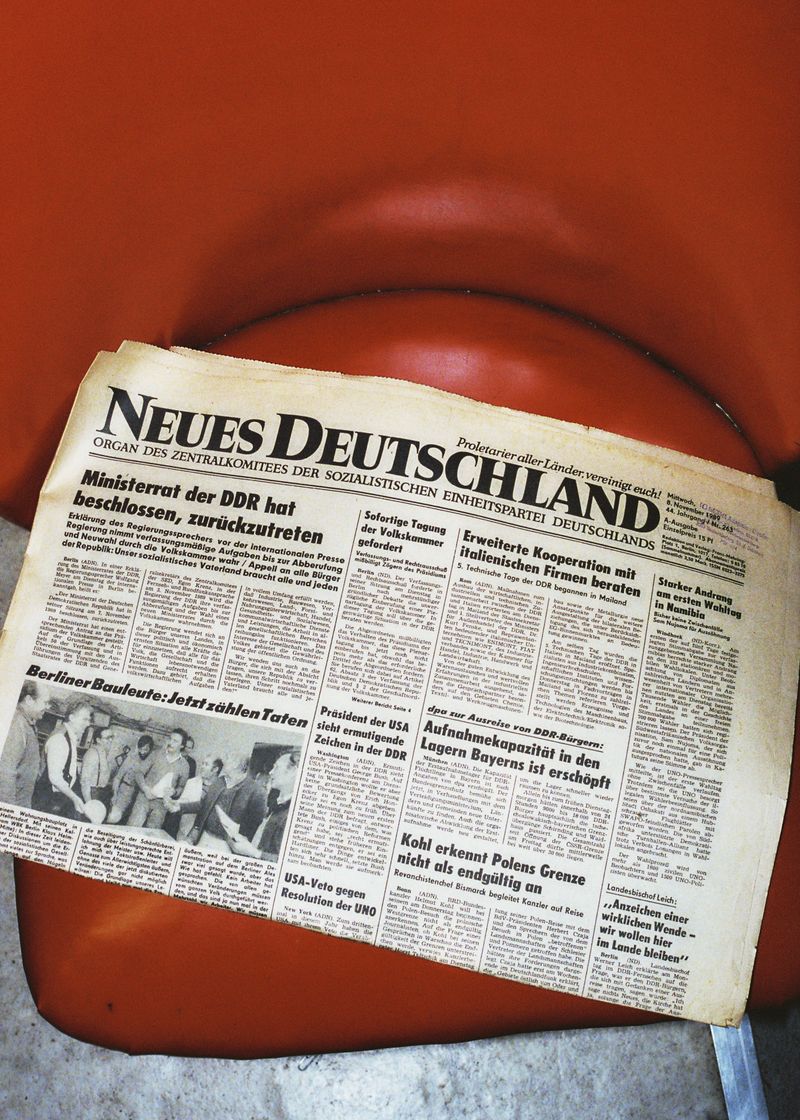
© Andrés Solla - The official newspaper of the Party during the German Democratic Republic was called "Neues Deutschland" ("New Germany").
i

The official newspaper of the Party during the German Democratic Republic was called "Neues Deutschland" ("New Germany").

© Andrés Solla - Image from the A River Without Bridges photography project
i

The city of Demmin is not known for a strong sense of community or collective engagement. In this case, a group of children practice boxing in a public square during the May Day celebrations.

© Andrés Solla - Image from the A River Without Bridges photography project
i

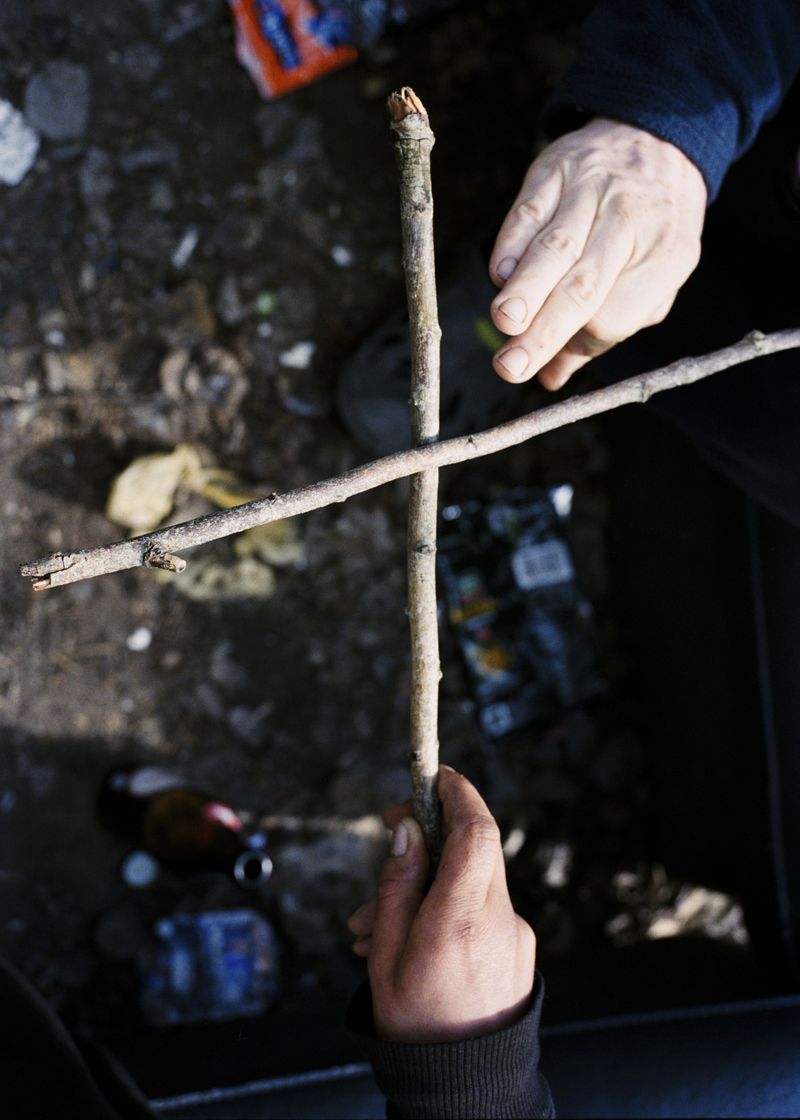
The hands of Smiley and Michael, two friends living at risk of social exclusion, seeking balance with two sticks. Their situation doesn’t allow them to maintain a job so they spend their days drinking and hanging in the woods.

© Andrés Solla - Almut, Stefi’s older daughter, dressed in unicorn pajamas, is sitting on the bed while her mother holds her head.
i

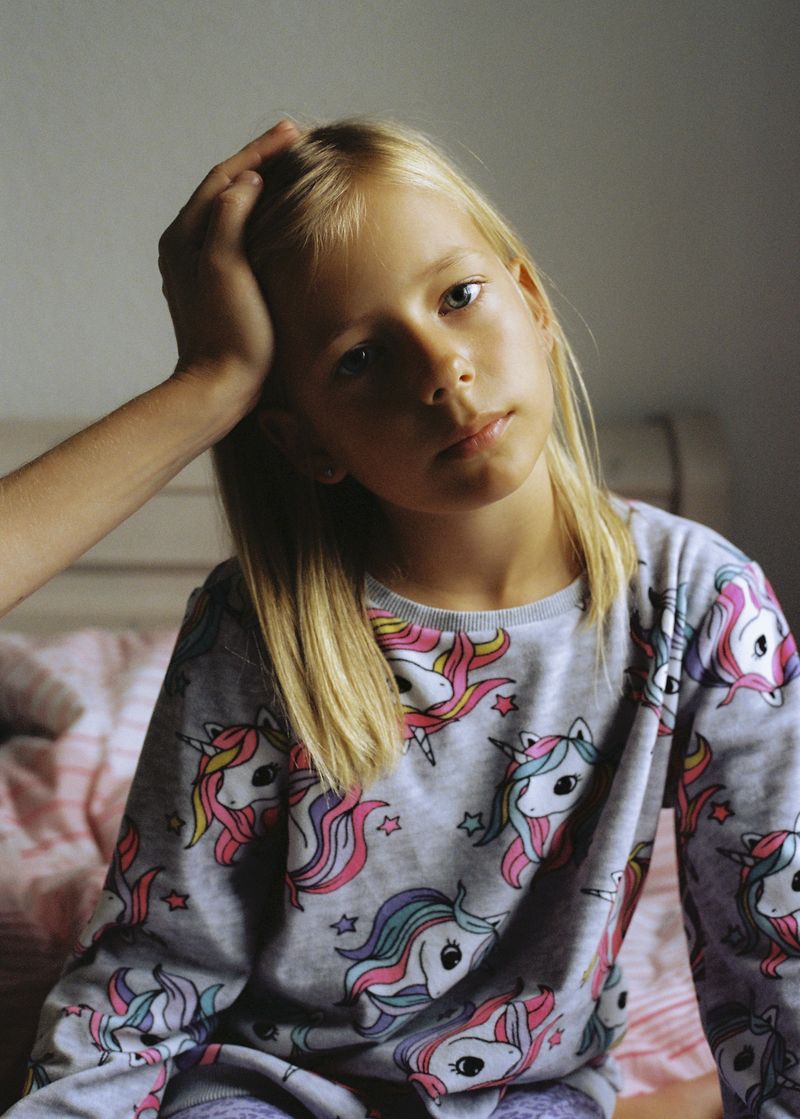
Almut, Stefi’s older daughter, dressed in unicorn pajamas, is sitting on the bed while her mother holds her head.

© Andrés Solla - Image from the A River Without Bridges photography project
i

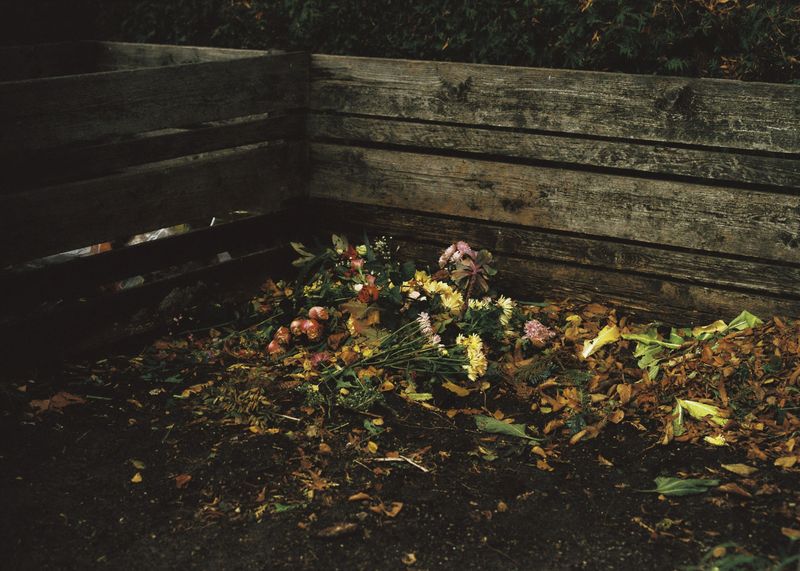
Some dried flowers are thrown into the trash at Demmin’s cemetery once they are no longer used to decorate the graves. In the village cemetery, there is only one memorial dedicated to the victims of the suicides.

© Andrés Solla - Image from the A River Without Bridges photography project
i

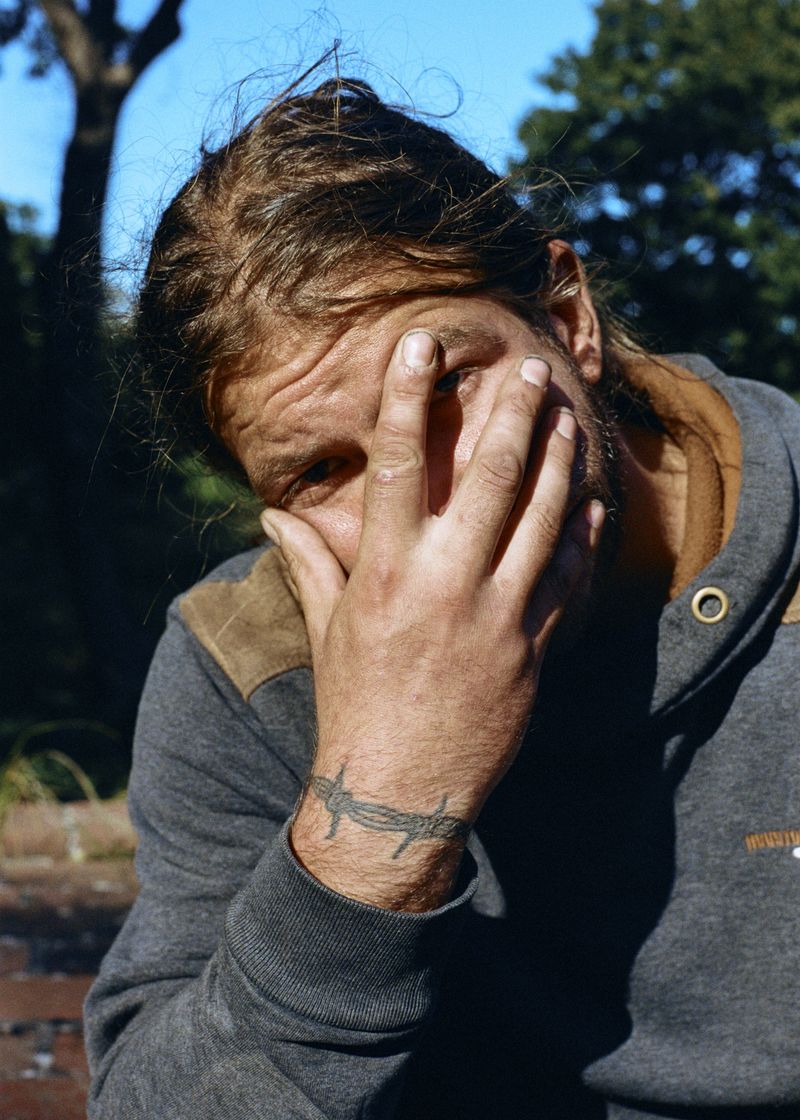
Michael, an inhabitant from Demmin who lives at risk of exclusion, hides his face with his tattooed hand. Throughout history, the people of Demmin have carried the burden of a haunting past and the shadow of a stigma bound to suicide.

© Andrés Solla - Smiley's kitchen.
i

Smiley's kitchen.

© Andrés Solla - Image from the A River Without Bridges photography project
i

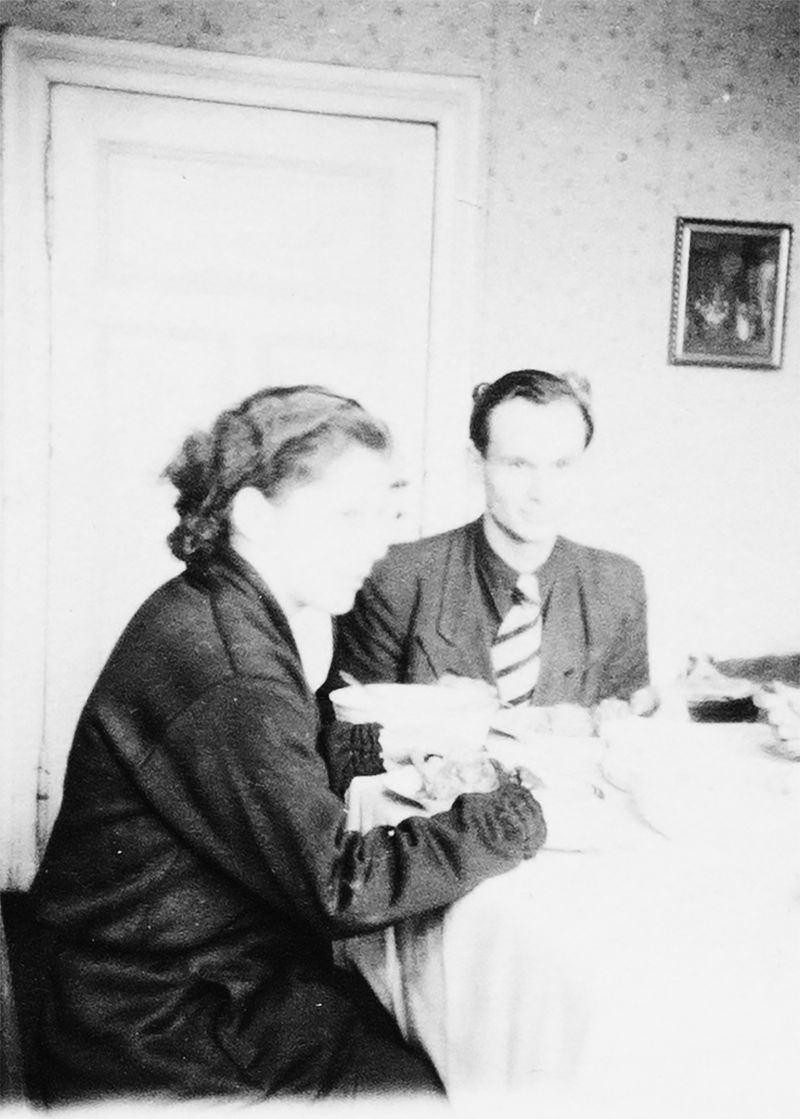
Relatives from Ruth Reichardt having dinner at home few years after the war ended. The intention of the archival image is to make it engage in dialogue with the photographs of the present, encouraging a second reading that moves past its function as a historical record to reveal its capacity to generate meaning.

© Andrés Solla - Image from the A River Without Bridges photography project
i

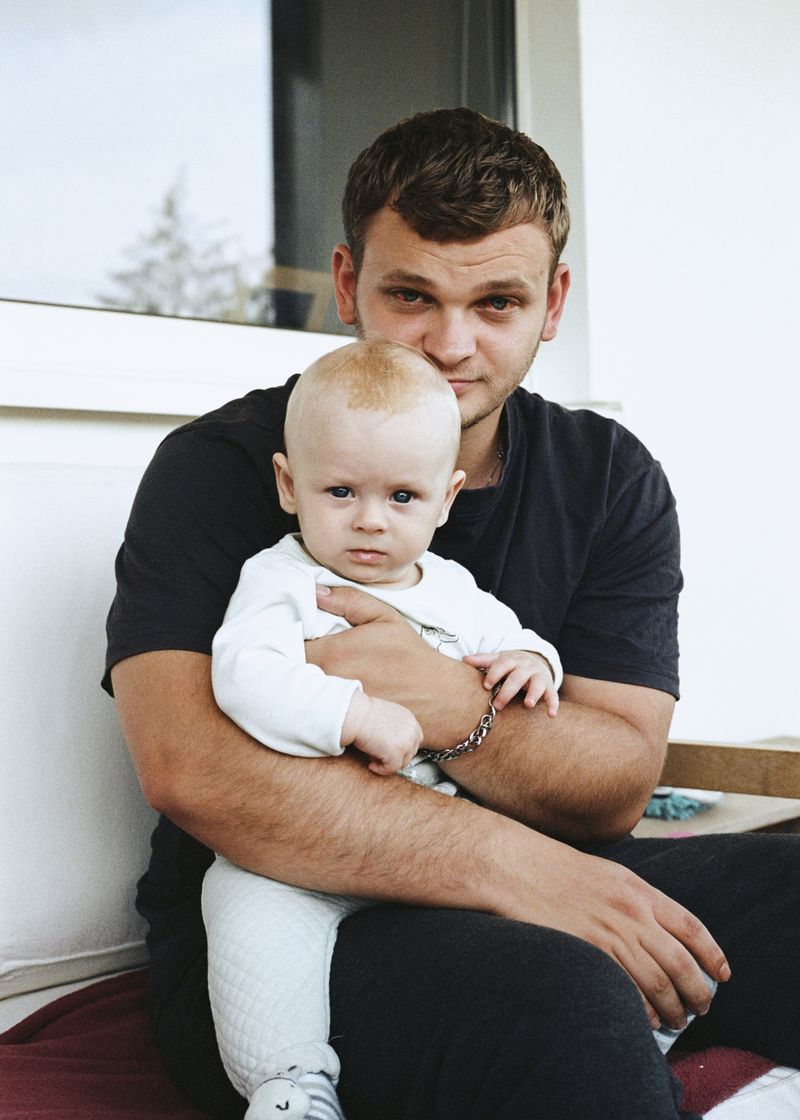
Julian, with red eyes because of a hangover, holds his one year old son Kylian in his arms, who looks at the camera with troubled expression. Julien and his girlfriend Emmilie, decided, unlike a lot of young people from Demmin, to stay in the city to start a family.

© Andrés Solla - Image from the A River Without Bridges photography project
i

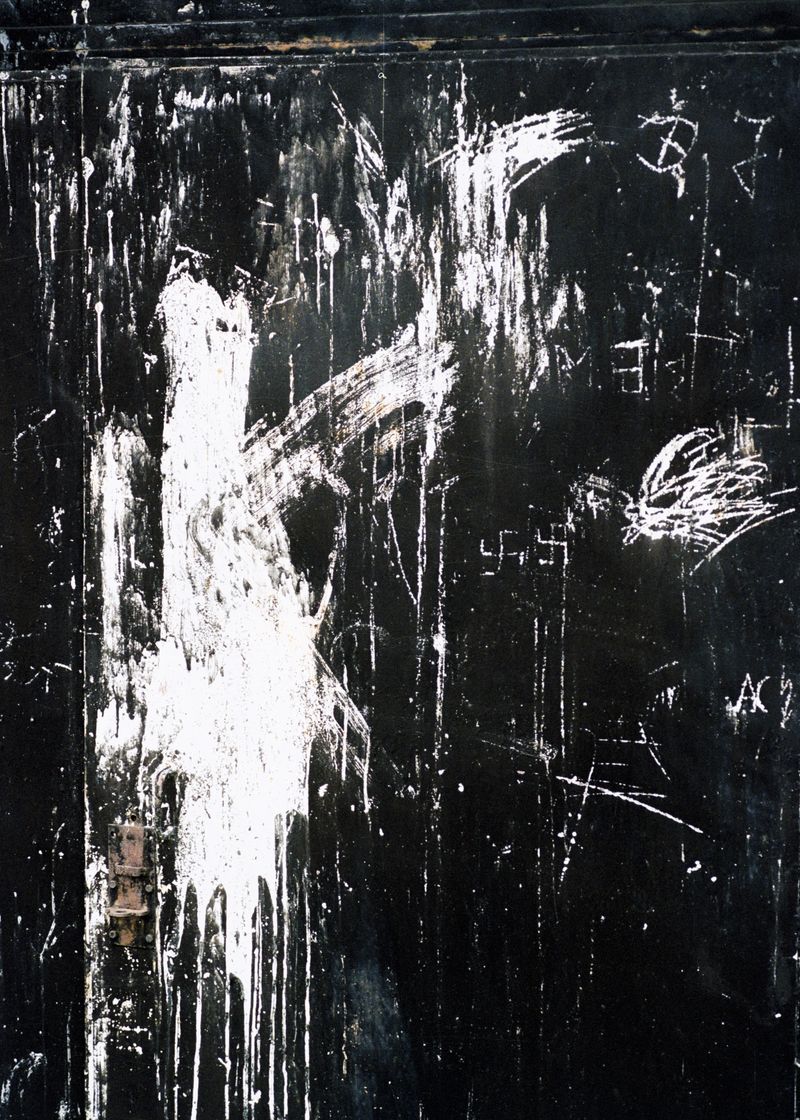
Two swastikas among the symbols drawn in a door. As it is happening throughout all of Eastern Germany —the former GDR—, in Demmin the rise of far-right politics is becoming increasingly visible in the everyday life.

© Andrés Solla - Image from the A River Without Bridges photography project
i

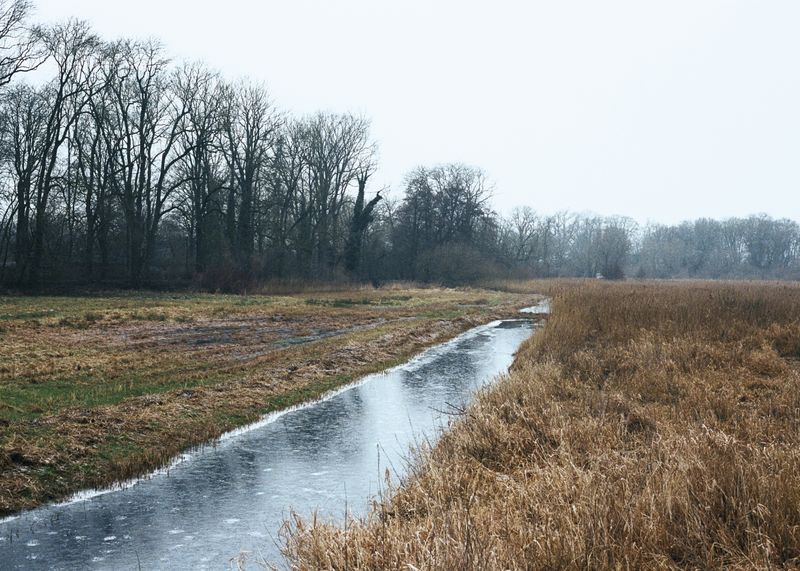
The Tollense river in a foggy morning. Out of the three rivers surrounding Demmin, the Tollense is not the largest, but it was the one where more drowned bodies were found.

© Andrés Solla - Image from the A River Without Bridges photography project
i

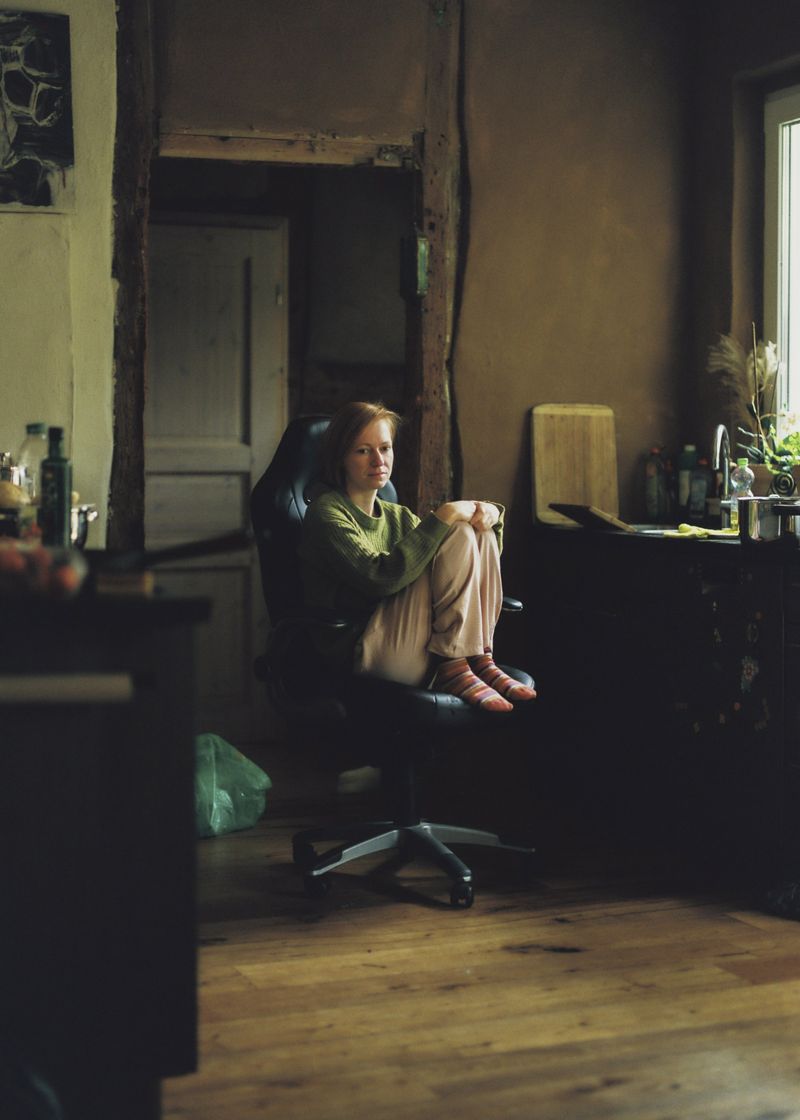
Steffi at home. She works as a compromised teacher in Demmin. Steffi is deeply committed to helping her students understand the history of the place they live in, while fostering an education grounded in values that oppose radical nationalism.

© Andrés Solla - Image from the A River Without Bridges photography project
i

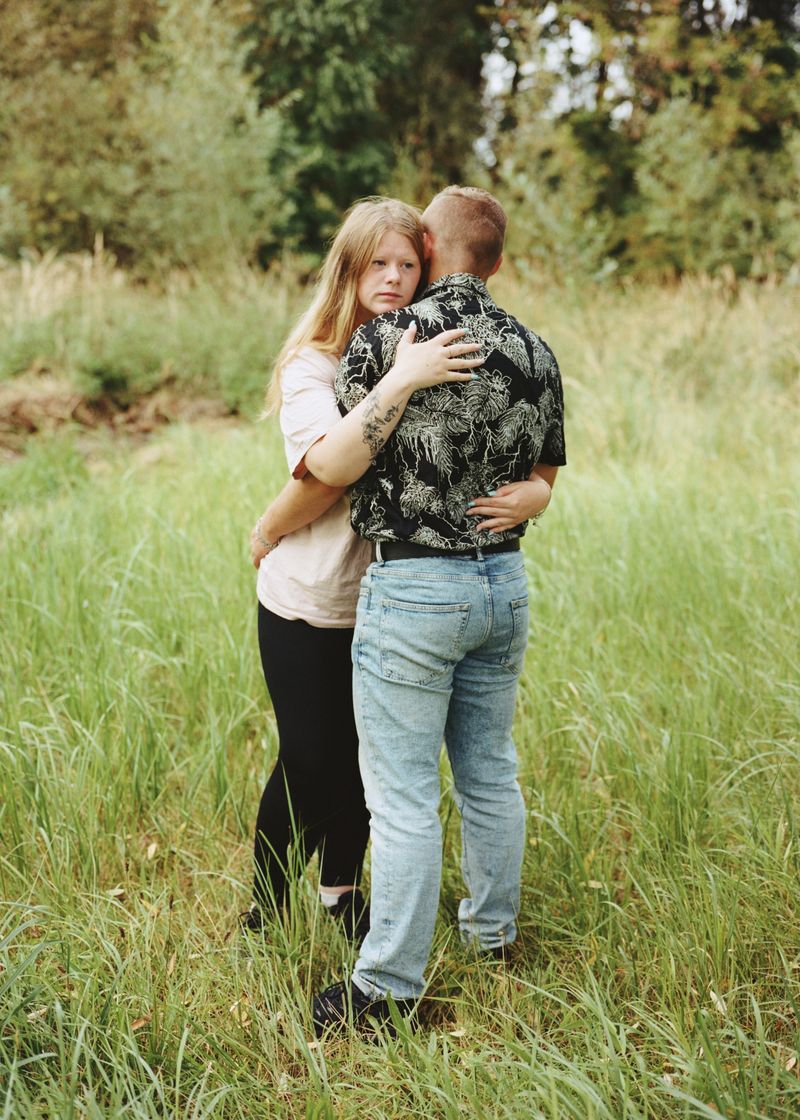
Emmilie and Julien, a young couple from Demmin, hug in a forest on the outskirts of the city. In this image, Emmilie was only a few months pregnant. This work seeks to create a bond with the people portrayed, especially with the city’s youth, and to describe the passage of time through their lives. An example of this is that in the photo “Julien and Kylian” we met their son.