A Cor do Sol
-
Dates2024 - Ongoing
-
Author
- Topics Nature & Environment
- Locations State of Minas Gerais, Natércia
As climate instability reshapes the production of one of the world’s most consumed fruits, this project documents coffee farmers in Brazil’s Minas Gerais who are restoring their land through regenerative practices.
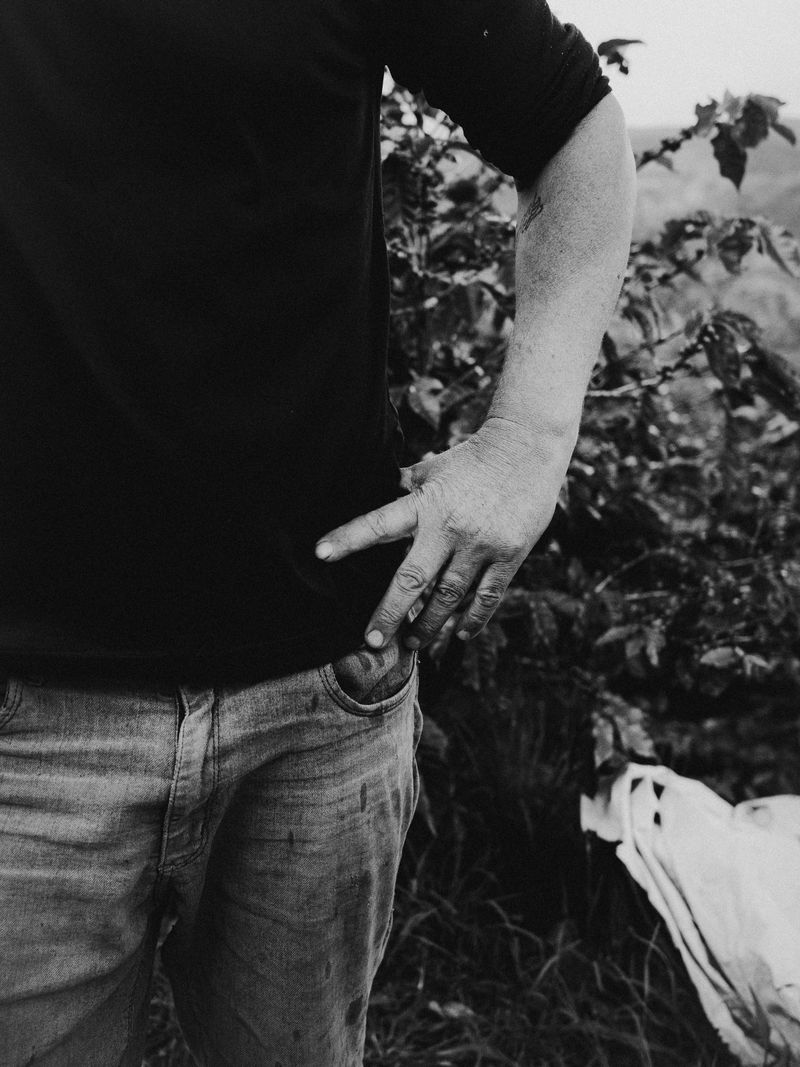
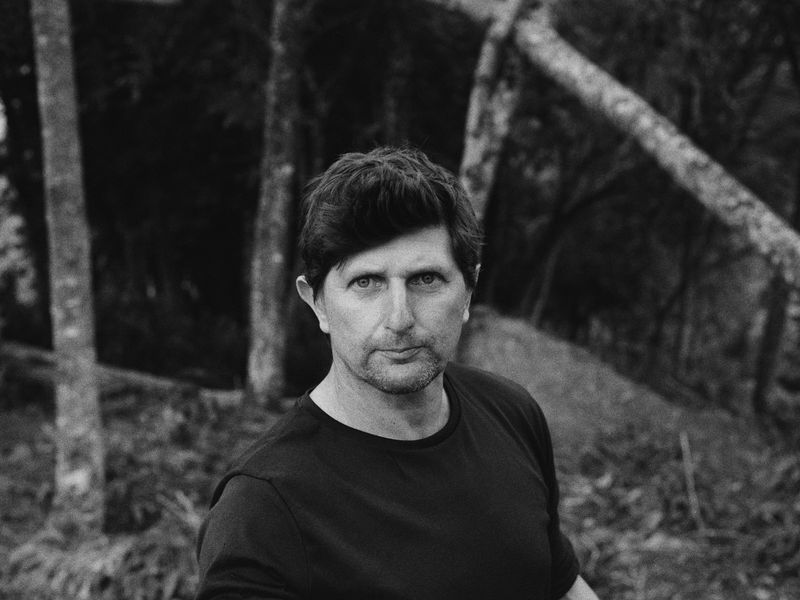
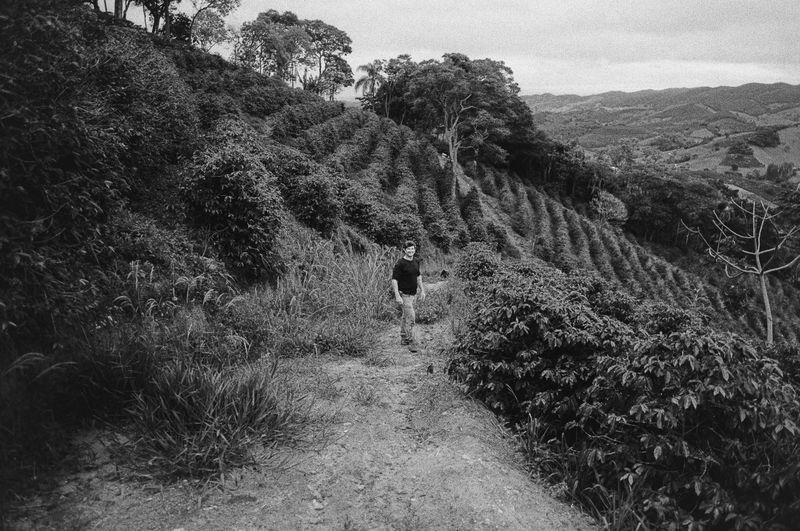
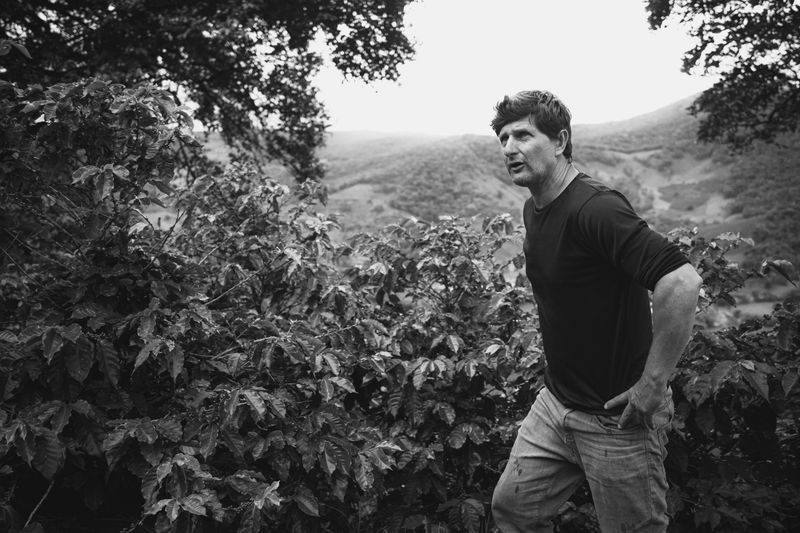
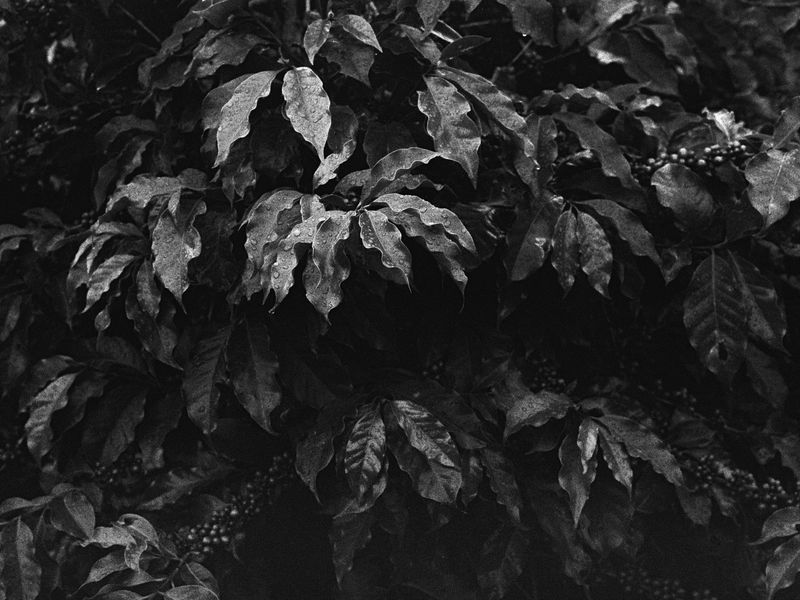
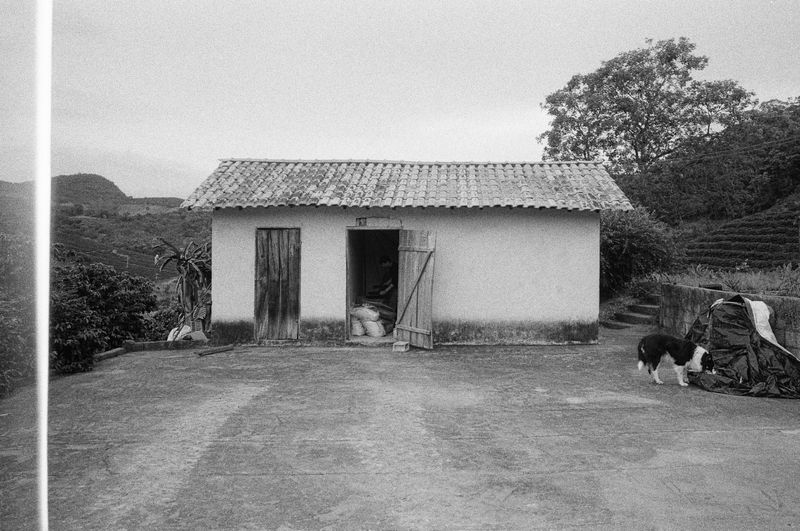
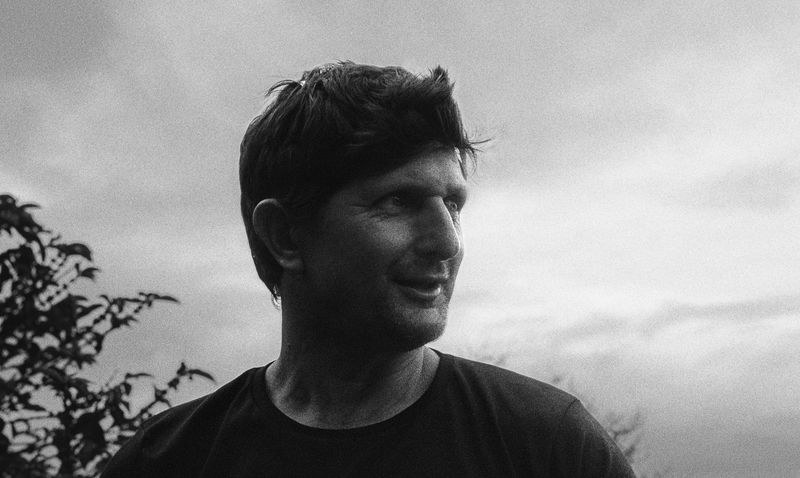
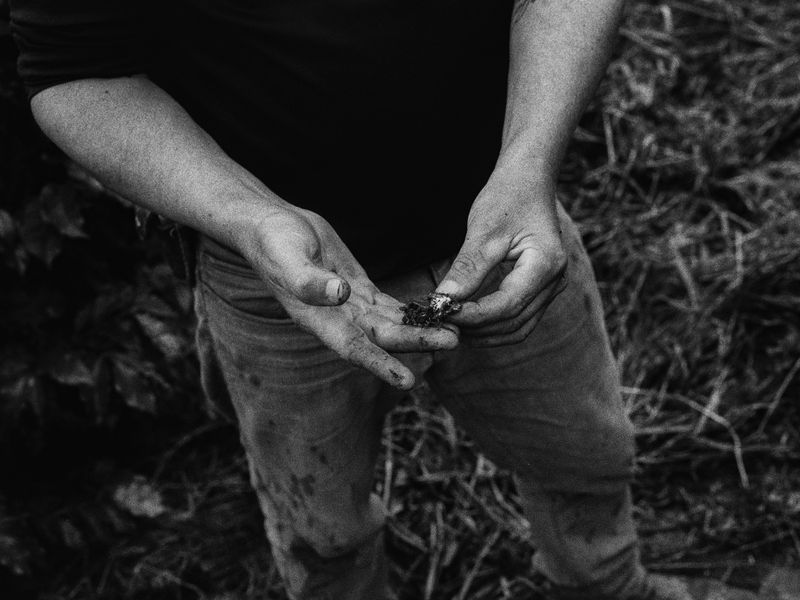
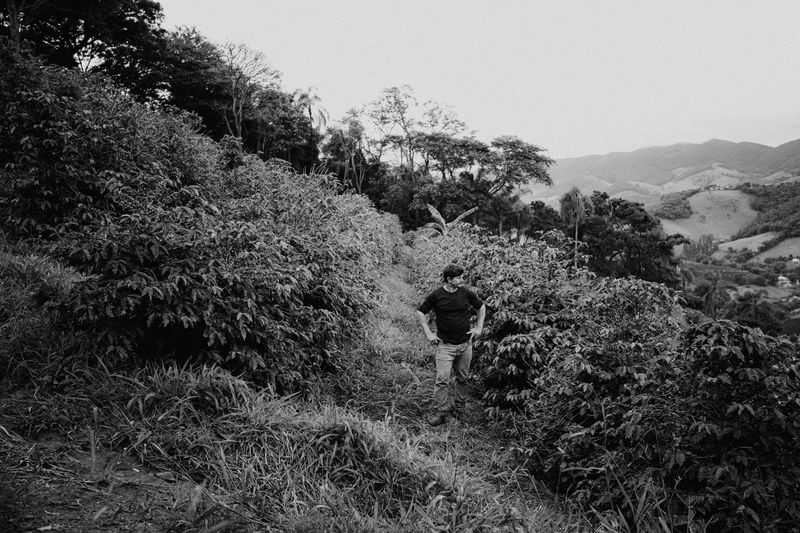
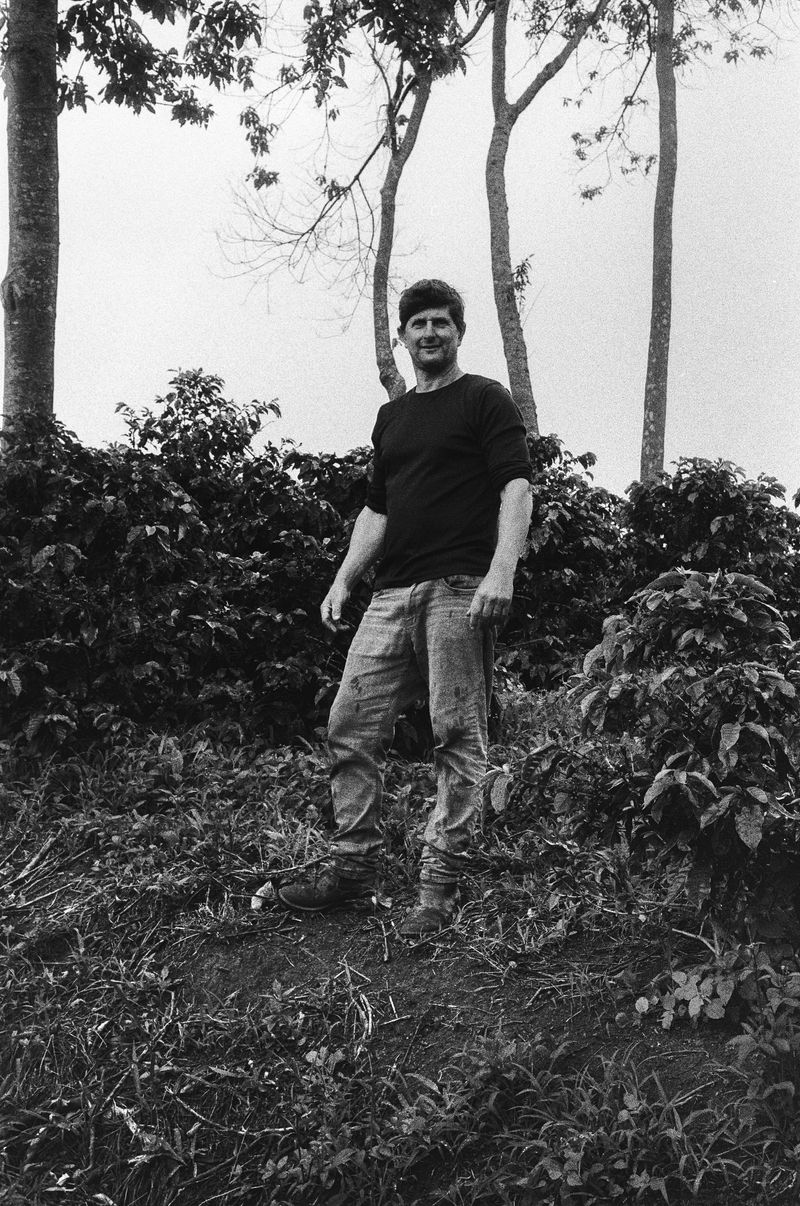
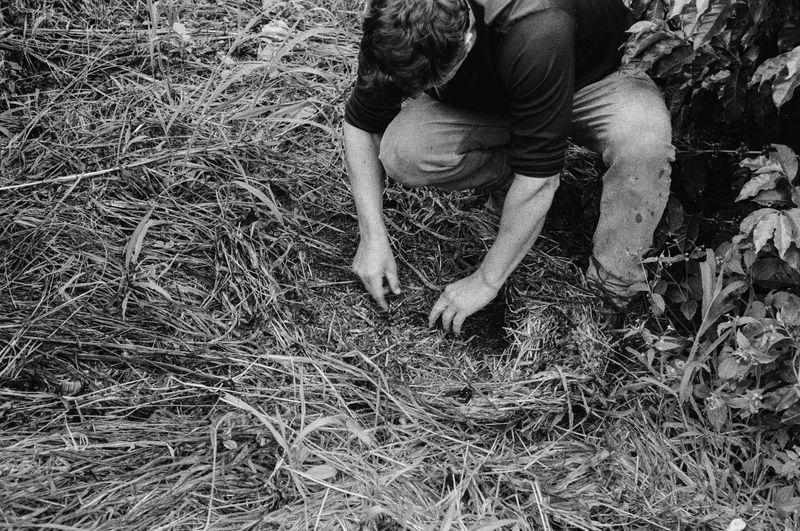
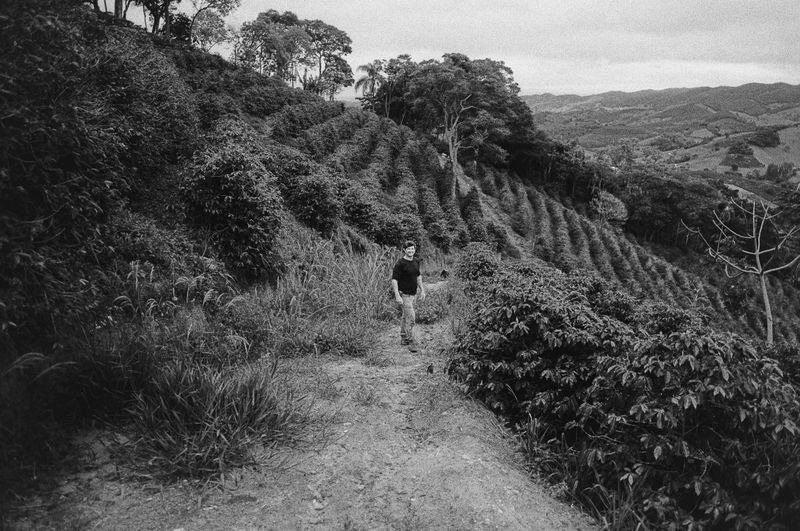
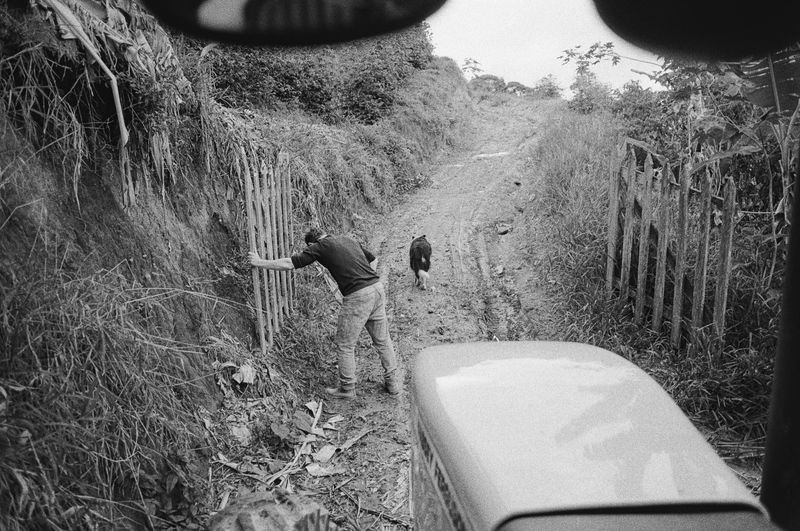
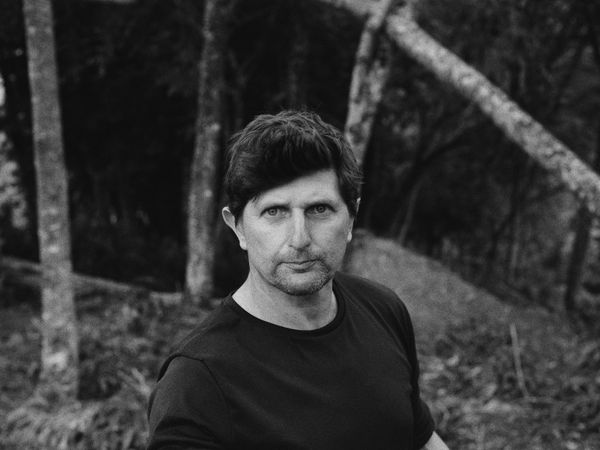
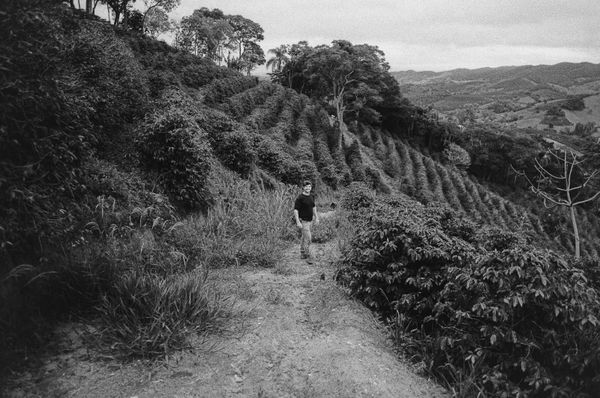
A Cor do Sol is a photographic and written portrait of Brazil’s regenerative coffee movement, rooted in Minas Gerais and anchored in the life and work of José Eliseu, a small-scale producer near the town of Natércia. On his land, regenerative agriculture isn’t framed as a shift, but as a necessity — a way of farming that restores soil, protects biodiversity, and sustains his family of five in the face of a changing climate.
Brazil is the world’s largest coffee exporter, with Minas Gerais at its center. For decades, the region has been shaped by large-scale, productivity-driven farming. As climate instability increases and global demand shifts toward quality and transparency, the methods that once promised abundance are beginning to fall short. In response, small and midsize producers are quietly moving in another direction — not toward more volume, but toward healthier soil, resilient plants, and a more balanced relationship with the land. This project follows the people living inside that change, not as case studies, but as families whose daily lives are shaped by coffee.
I come to this work both as an insider and a witness. I am a Brazilian documentary photographer and cinematographer with deep family roots in Minas Gerais, where coffee shaped my home life, my community, and my understanding of work and care. Through my family’s involvement in the coffee world — from earlier work with Illy to later personal projects with Jaguatirica Coffee — coffee has always been part of my everyday reality. My documentary practice allows me to translate agricultural realities into human stories, guided by curiosity about those whose lives depend directly on the land.
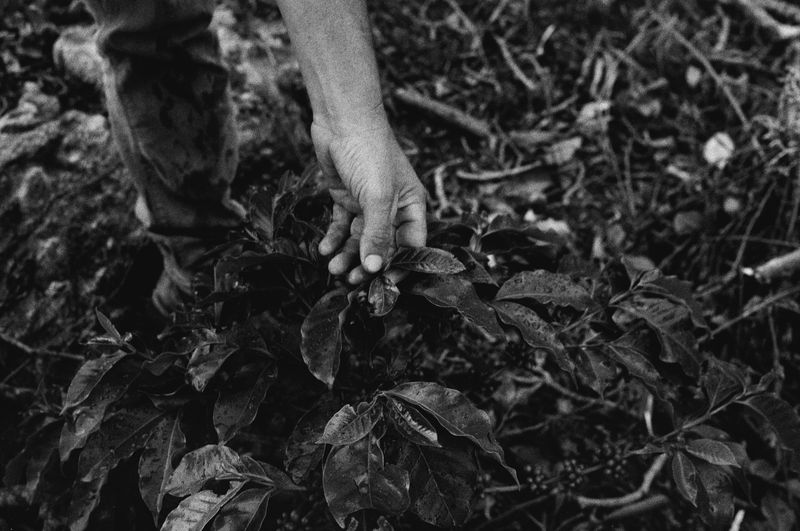
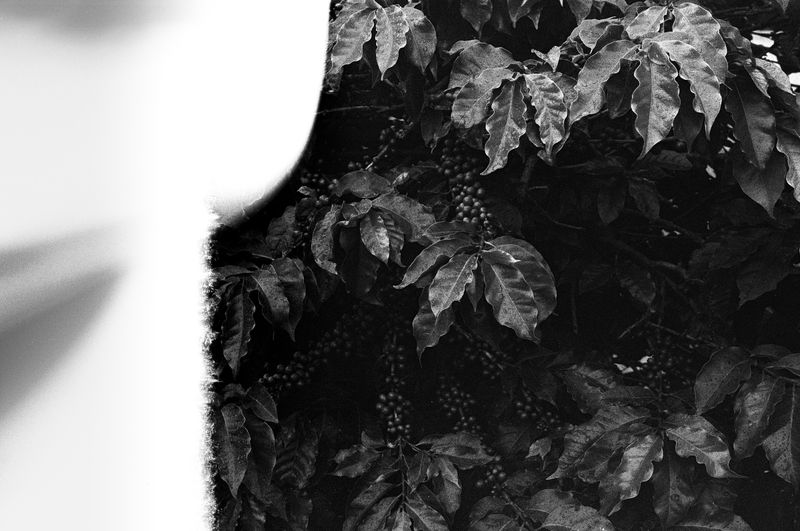
What continues to surprise me most about Eliseu’s practice is its productivity. Against the common belief that regenerative farming yields less, I began to see for myself, year after year, that his farm consistently produces more than others in his valley that rely on conventional methods. I have documented that the land responds to care, and the cup of coffee carries that response — present, harmonious, and complex. Through Eliseu, I came to understand that this shift is less about transition and more about a return to something inherent to us.
A Cor do Sol will expand to include other producers and families across Minas Gerais navigating similar questions: as climate instability reshapes the land, will farmers be forced to abandon inherited practices, or rediscover older ways of working in closer relationship with it? What happens when the land itself begins to demand different forms of care? And what does it mean for all of us — who drink coffee every day — to understand how that relationship shapes what ends up in our cup?