Vibrations of the Material Universe. Thirst for Gold.

-
AuthorKristine Krauze-Slucka
-
PublisherNoRoutine books
-
DesignerGytis Skudžinskas
-
Link
-
Pages69
-
Dimensions13.9 x 21.3 cm
-
ISBN9786098216103
-
User
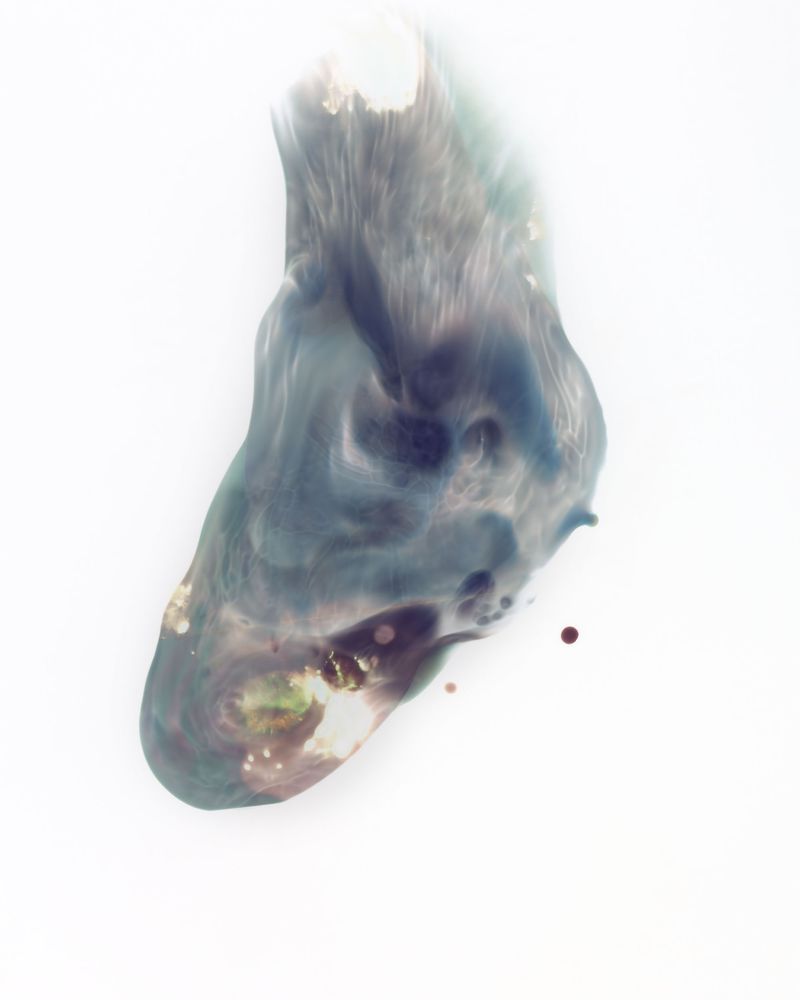
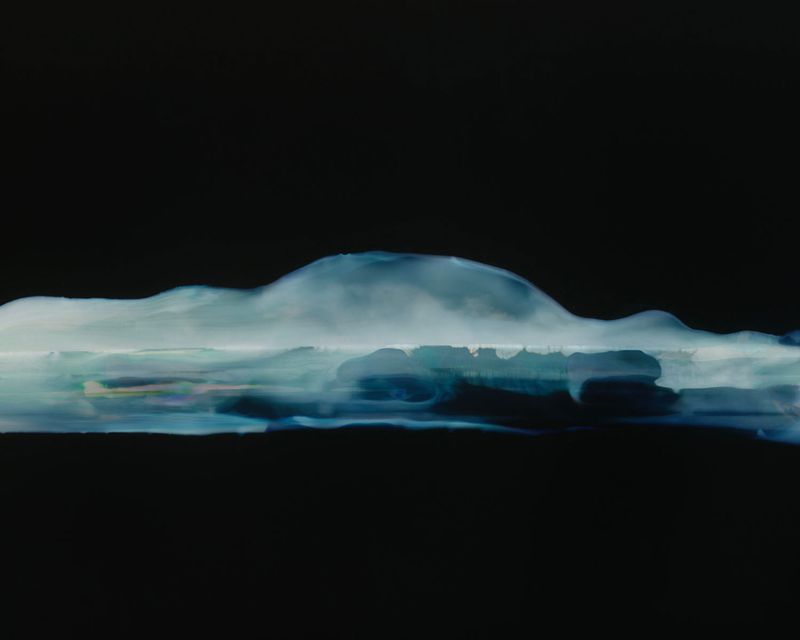
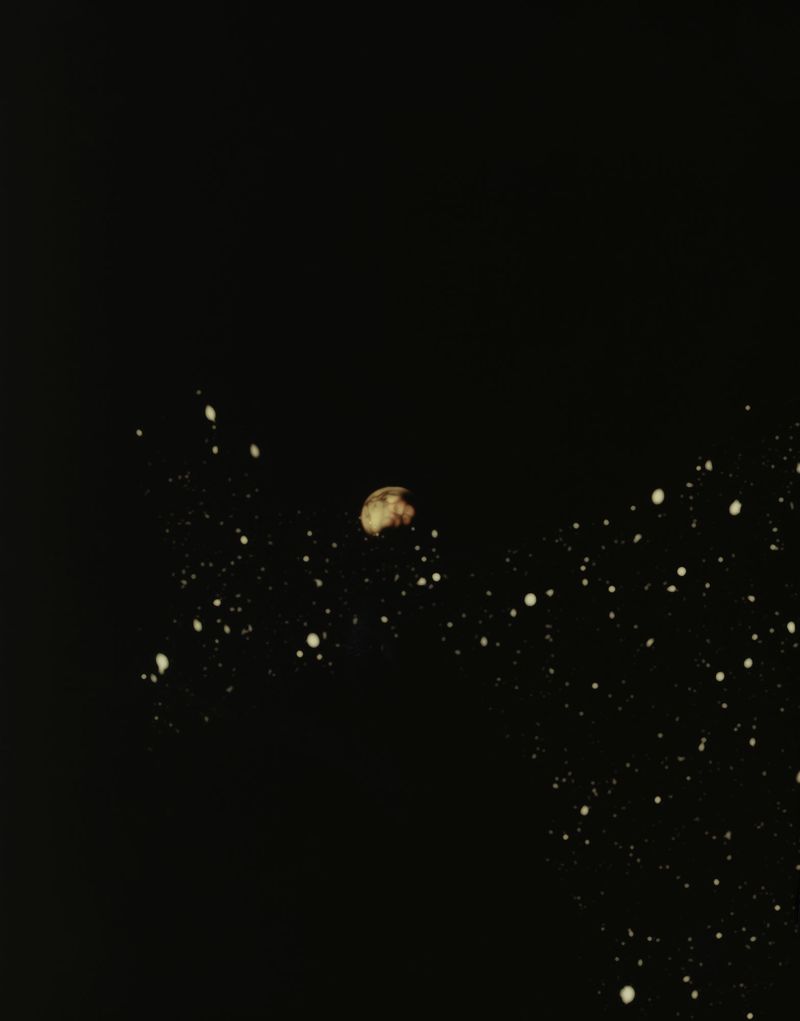
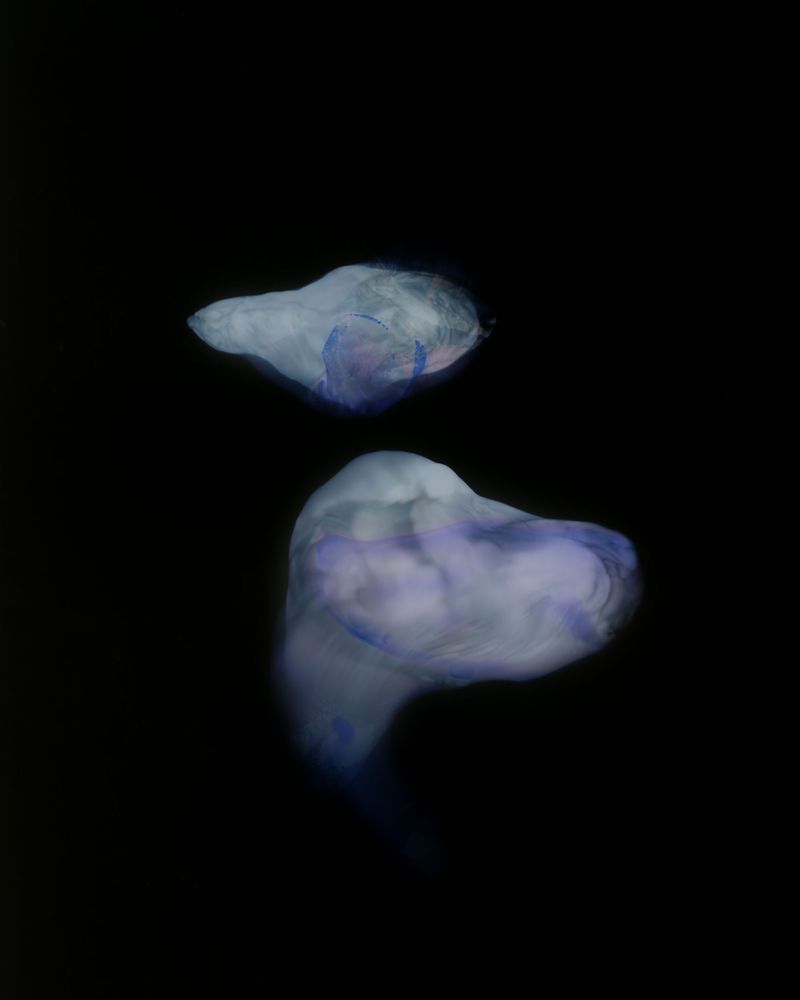
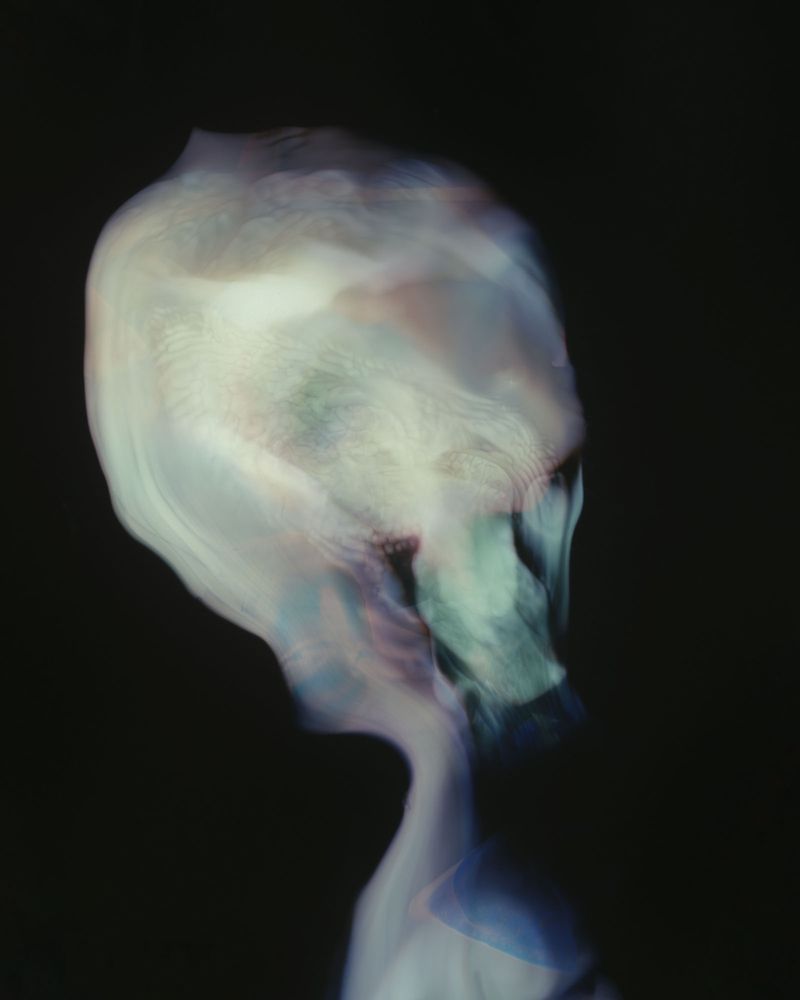
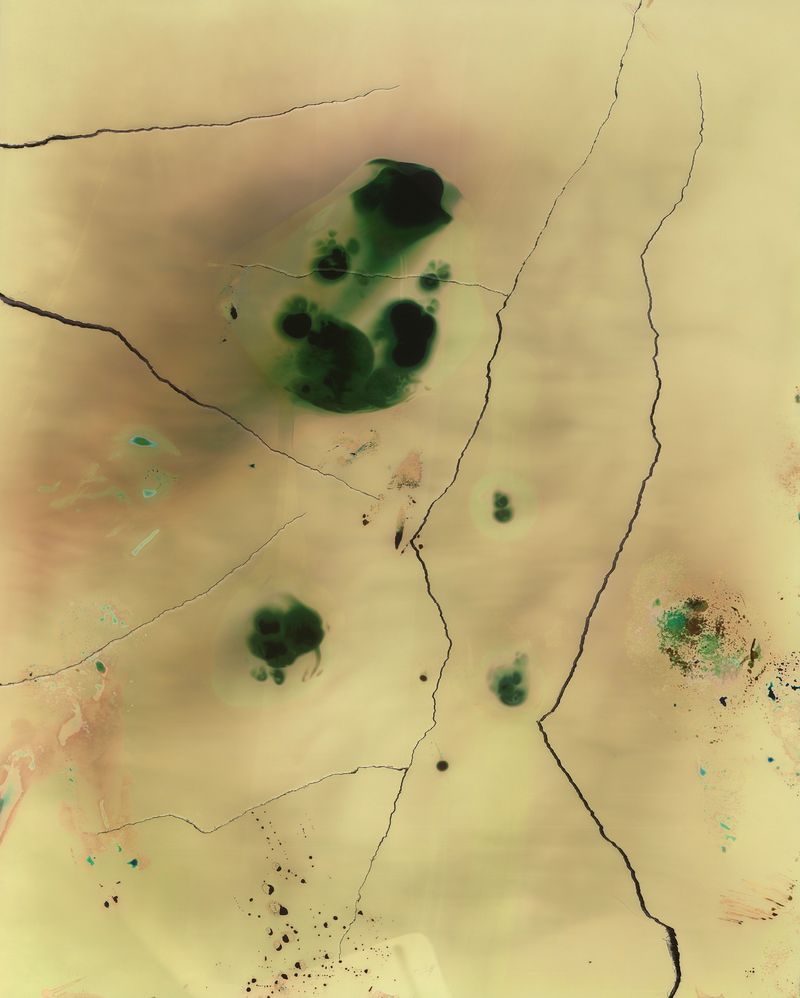
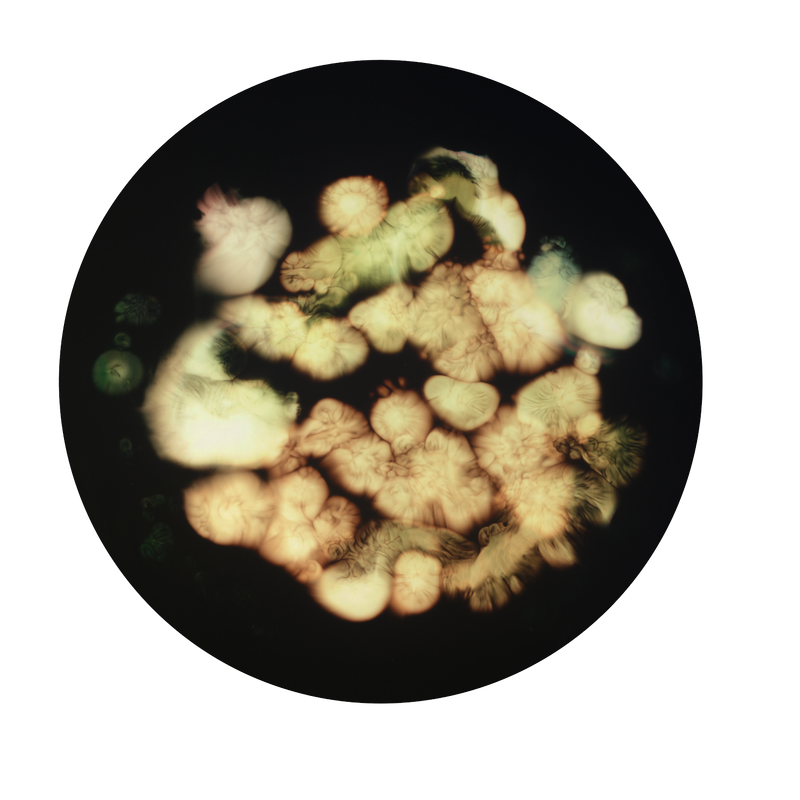
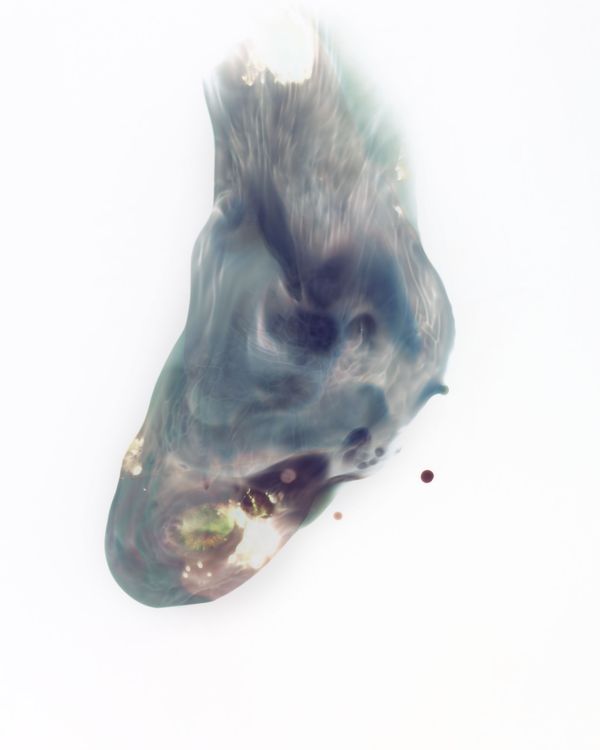
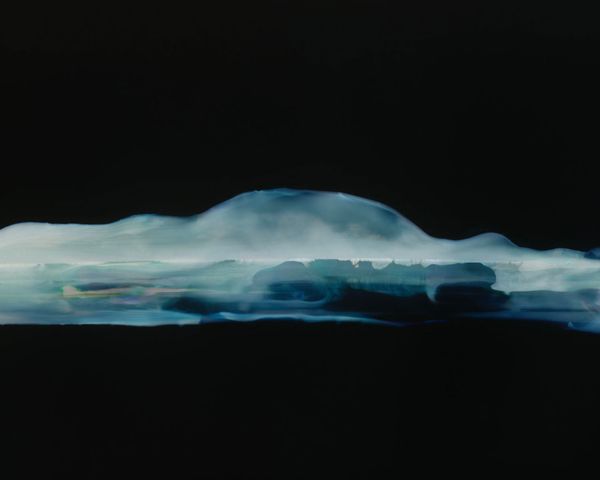
In an effort to highlight the often‐invisible threats that chromogenic prints pose to the biosphere, I gently layer water atop colour-negative paper and delicately infuse it with Kodak print chemicals.
VIBRATIONS OF THE MATERIAL UNIVERSE. THIRST FOR GOLD.
Gold has long been associated with warmth, both in its physical properties and in the emotions and symbolism it evokes. Throughout history, gold has symbolized wealth, prosperity, and security.
In her essay “On Photography”, Susan Sontag observes that photography acts as a “shaker of conscience,” whose profound impact on our ethical perceptions is unpredictable. The omnipresence of photography shapes our understanding in ways we cannot always foresee. When our human desire for the nostalgic allure of colour film aesthetics drives us to use chemicals that pollute the environment, a paradox emerges. This situational irony - where photography both reveals beauty and contributes to ecological harm - forms the foundation of my work.
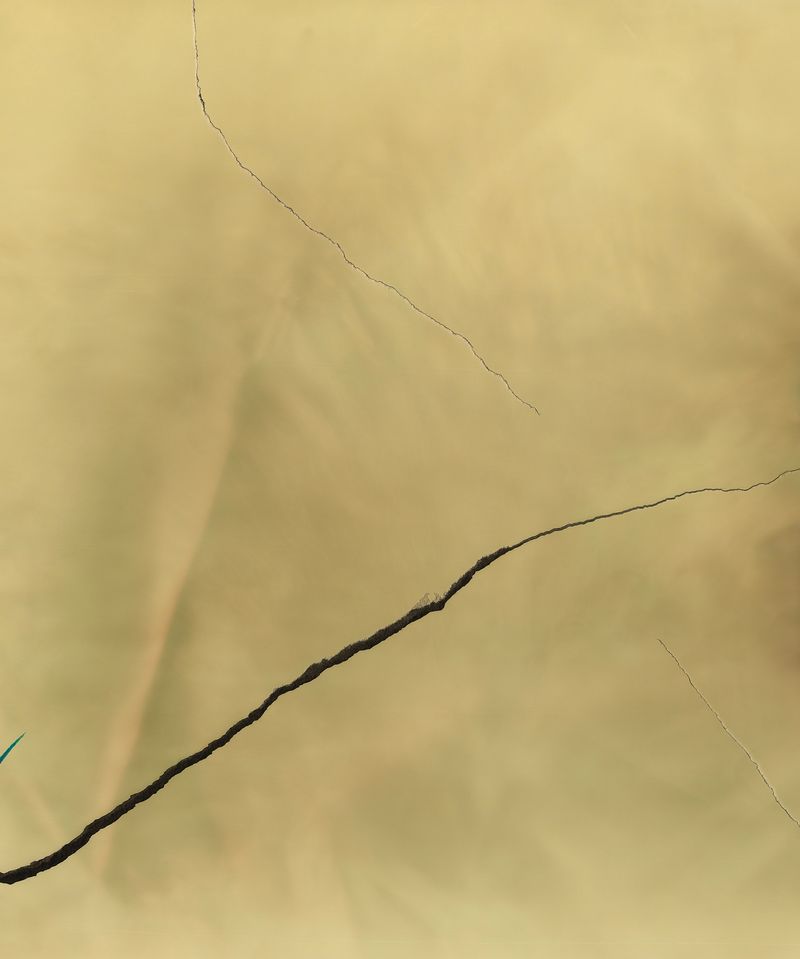
In an effort to highlight the often‐invisible threats that chromogenic prints pose to the biosphere, I gently layer water atop colour-negative paper and delicately infuse it with Kodak print chemicals. By doing so I am orchestrating a ritual of handmade contamination. This layered process becomes a poetic gesture in which toxic aesthetics emerge: a liquid blue transformed into luminous gold.
Through the movement of my hand and my photographic gaze, I am acknowledging water’s paradoxical nature - its power as a universal solvent, its role as life’s source and alchemical agent, and its complicity in collecting chemical detritus. Whether born of mass production or a single exposure, pollutants coalesce into substances that, like currents, return to us entwined with the world they have affected.
There is no way to avoid our impact on the ecosystem, no matter how small, nor can we escape the fact that photographs of this nature exploit the chemical and physical reactions of the world around them - becoming documents of their own environmental footprint.
Digitised Chromogenic prints
2020-2021