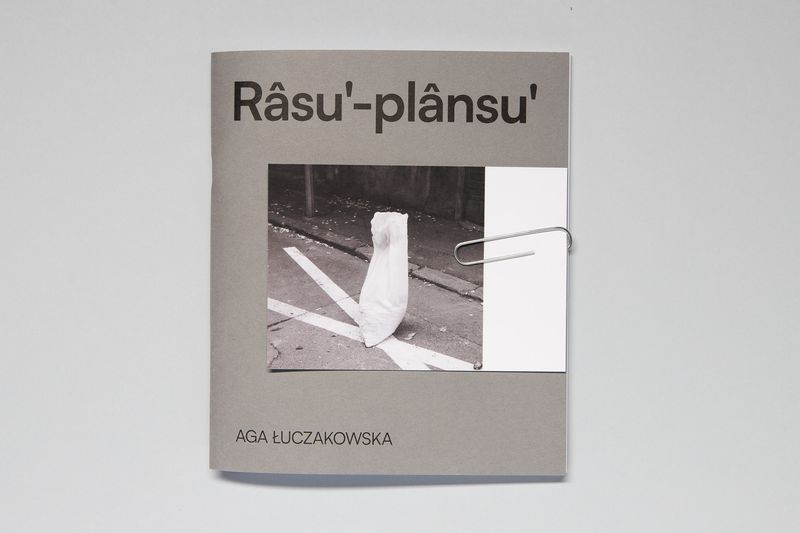
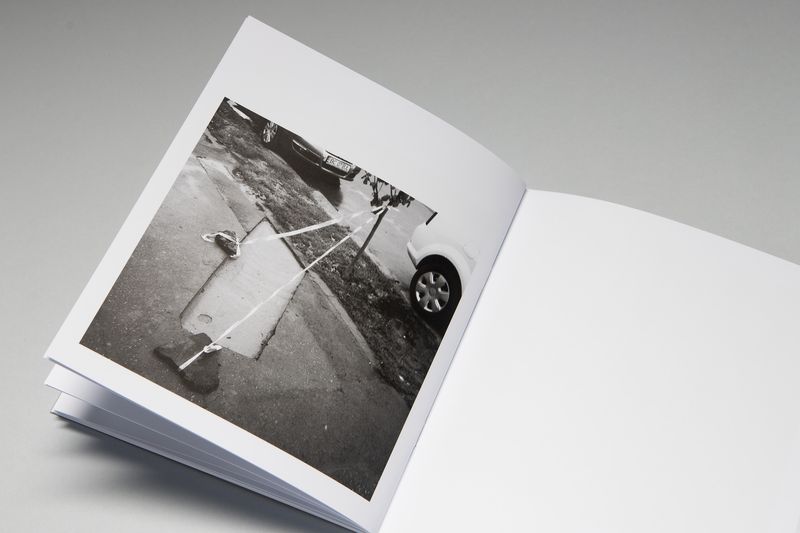
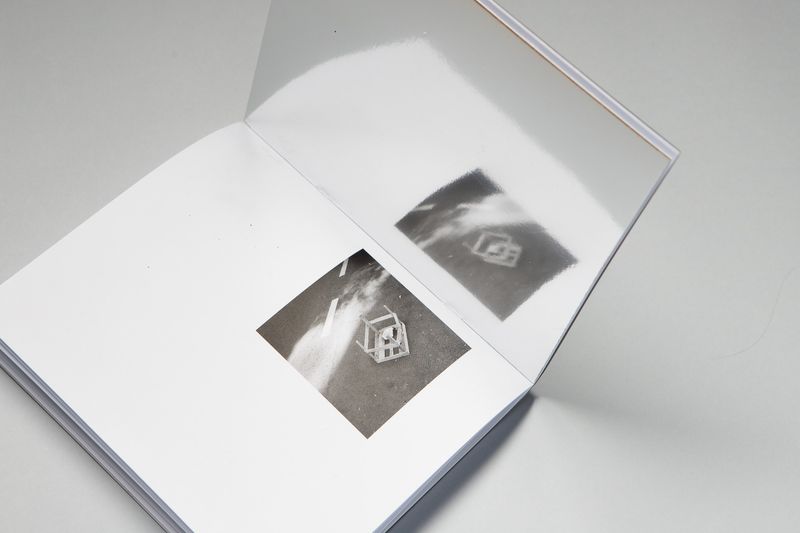
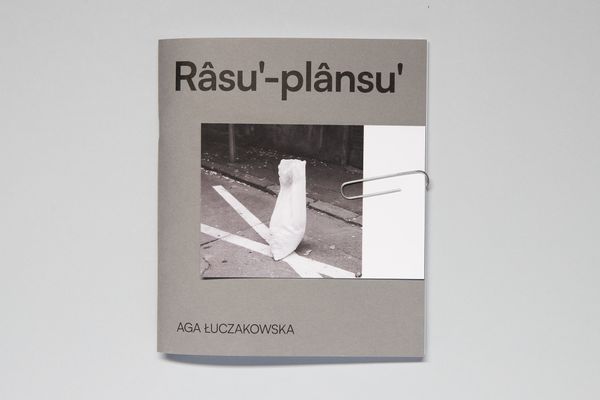
Râsu'-plânsu' (Laughing Through Tears) by Aga Łuczakowska
-
AuthorAga Łuczakowska
-
Publisherself-published
-
DesignerJakub Szachnowski
-
Price30 euro
-
Link
-
Pages64
-
Dimensions21x17.5 cm
-
ISBN978-83-980368-6-3
-
PublishedApril 2026
-
User
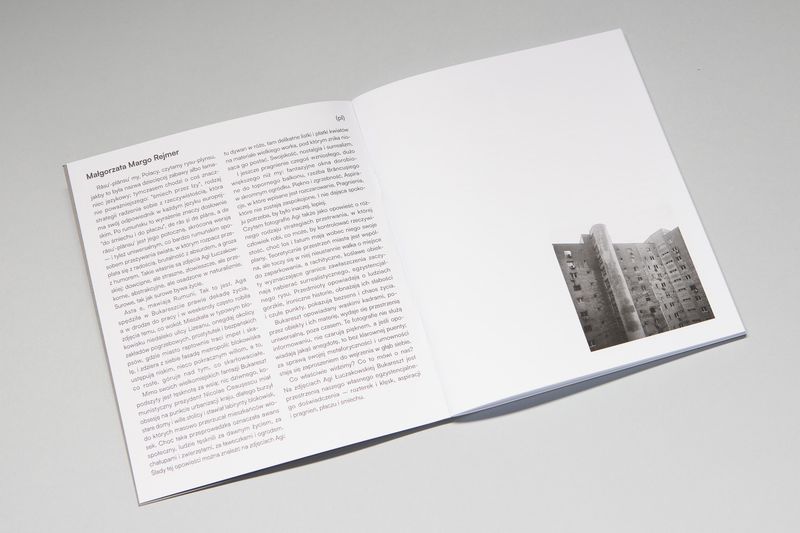
A wrench thrown into the machinery of the photobook. Part publication, part sabotage, Râsu'-plânsu' Interventions transforms a finished book through drawings, cuts, insertions, and reader interventions.
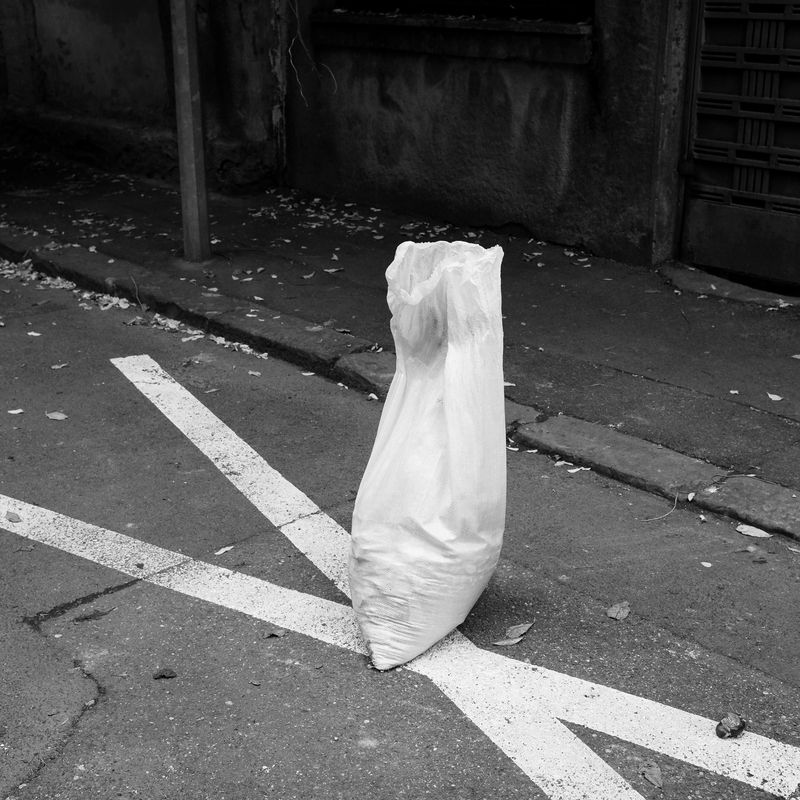
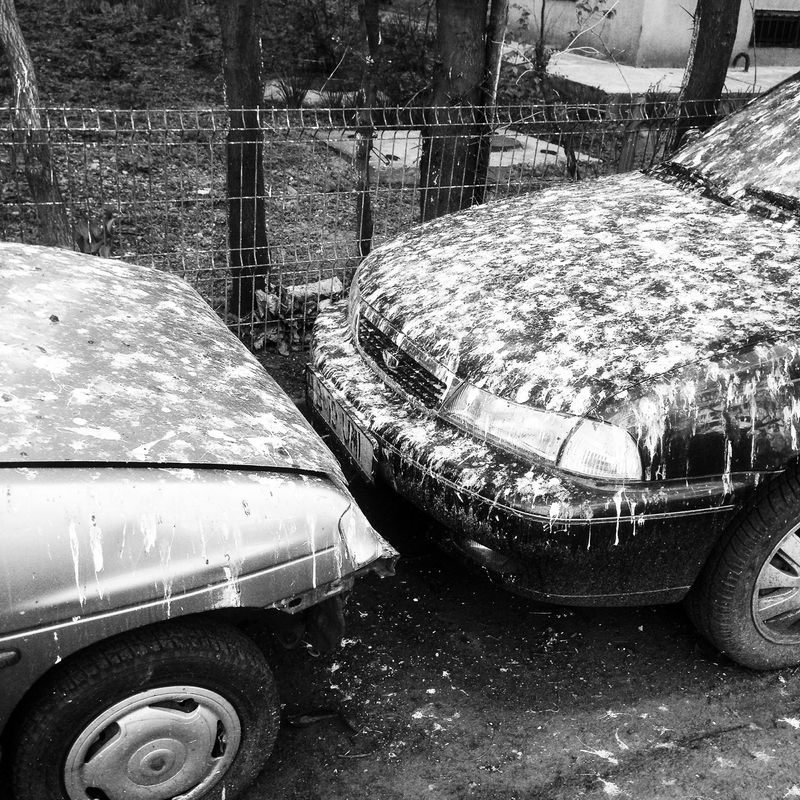
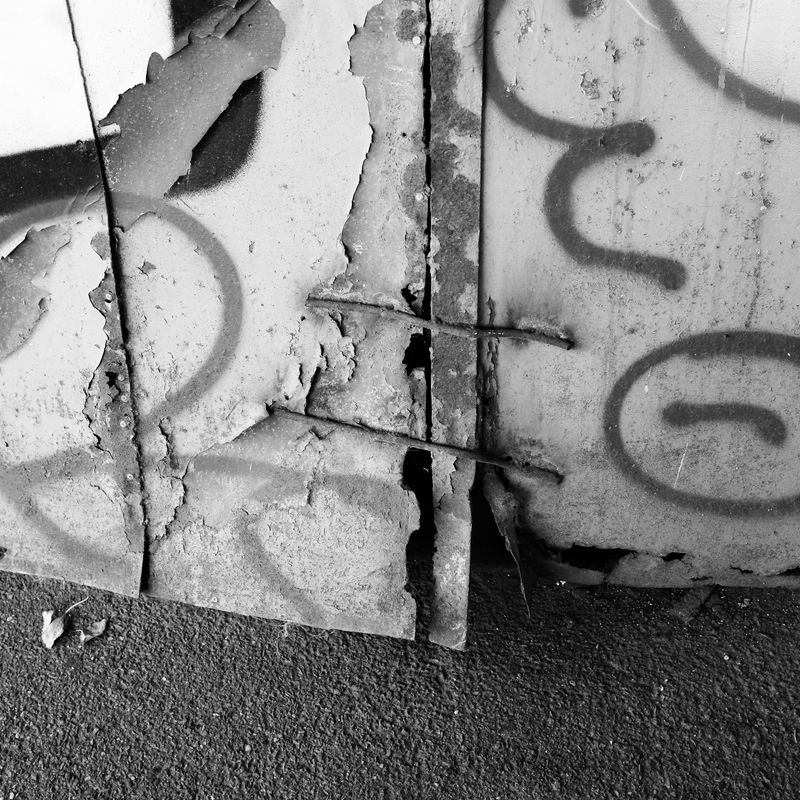
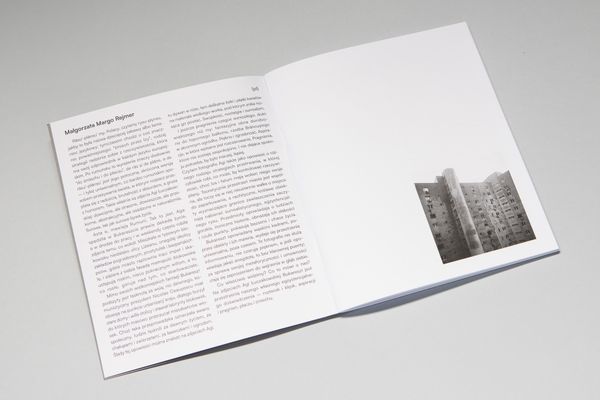
Râsu'-plânsu' Interventions is an ongoing extension of my photobook Râsu'-plânsu', a project exploring the Romanian notion of "laughing through tears" and the ways people adapt to imposed structures.
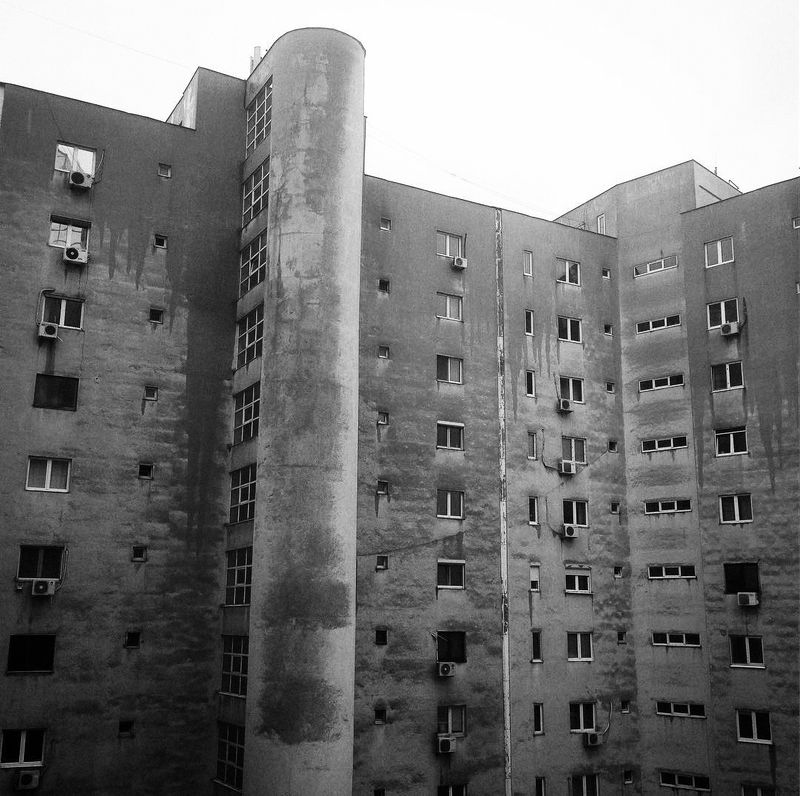
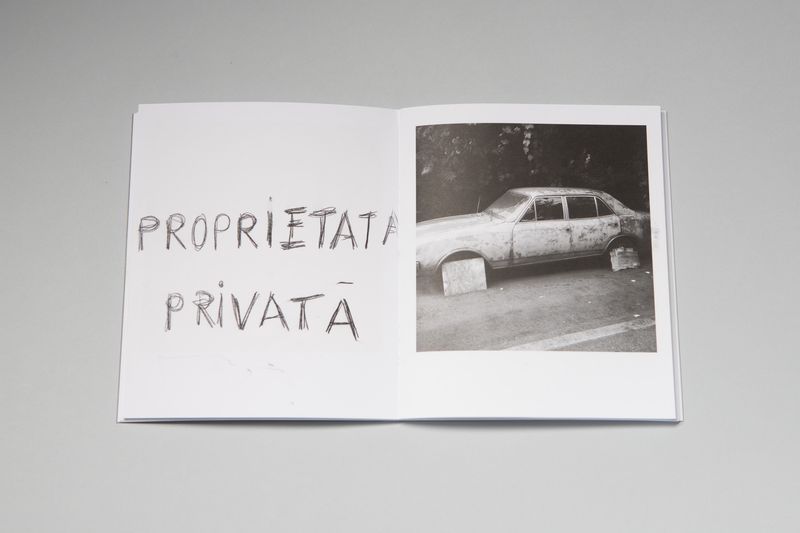
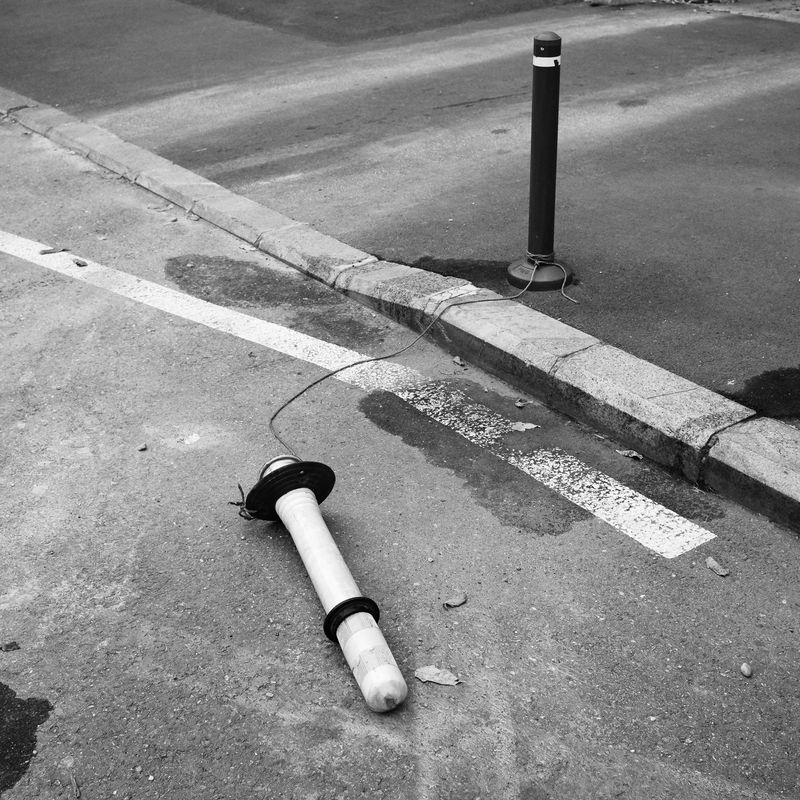
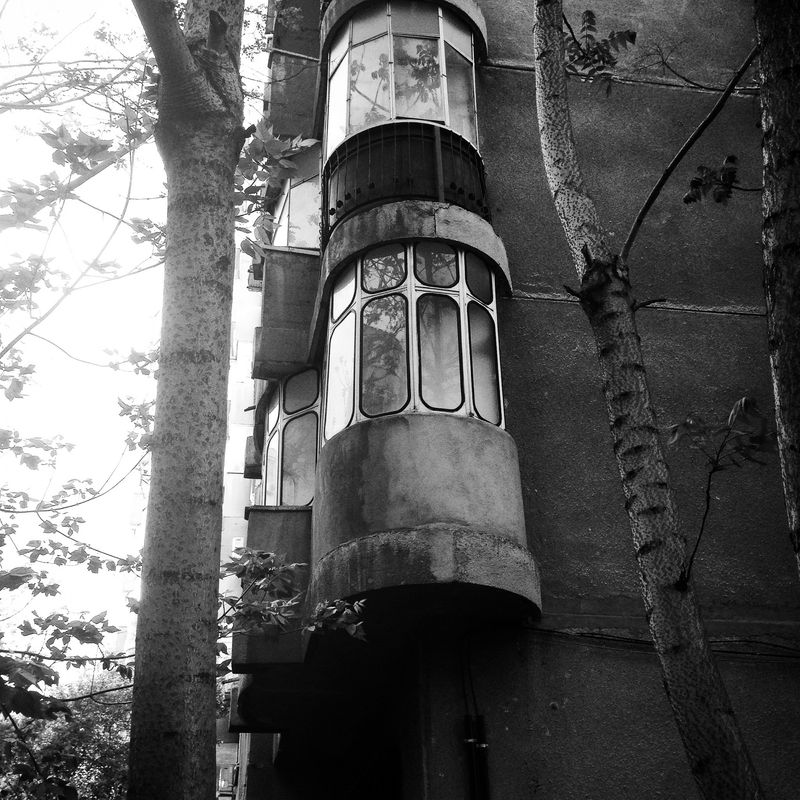
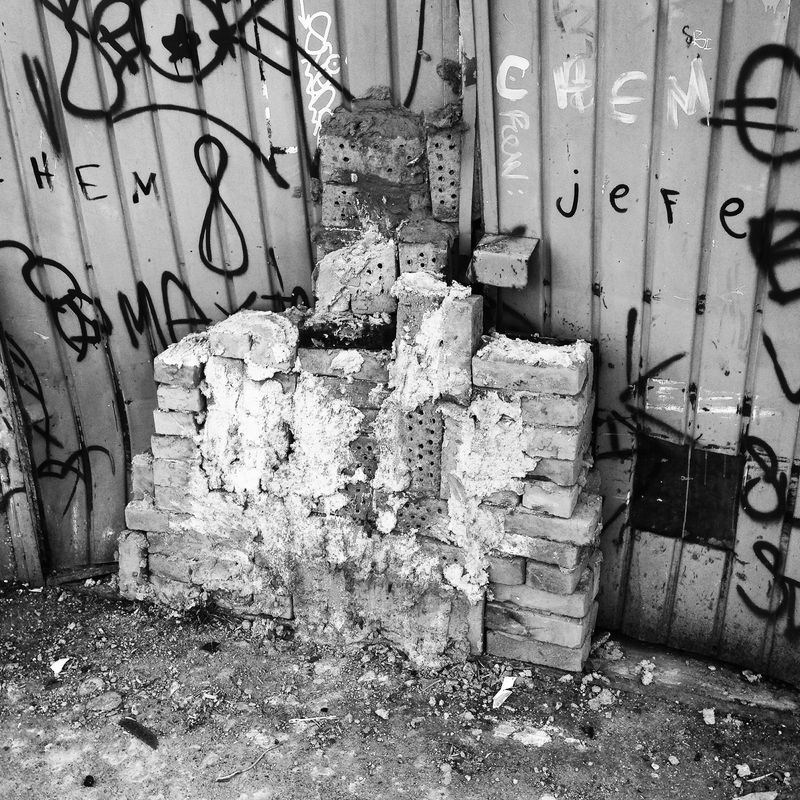
The original book examines the legacy of Nicolae Ceaușescu’s systematisation program (1974–1989), during which large parts of Romania’s population were relocated into standardised apartment blocks. Faced with rigid environments designed from above, residents gradually modified their surroundings: balconies were enclosed, informal boundaries appeared, shared spaces were personalised, and small acts of adaptation accumulated into expressions of identity, belonging, and resistance.
While producing the publication, I found myself confronting a similar situation. The book became a structure I could not fully inhabit according to my original intentions. Its material form imposed limitations that required constant negotiation. Rather than treating these constraints as a problem to solve, I began to approach the book itself as residents approached their apartments: as a space to occupy, modify, and reclaim.
From this tension emerged Râsu'-plânsu' Interventions.
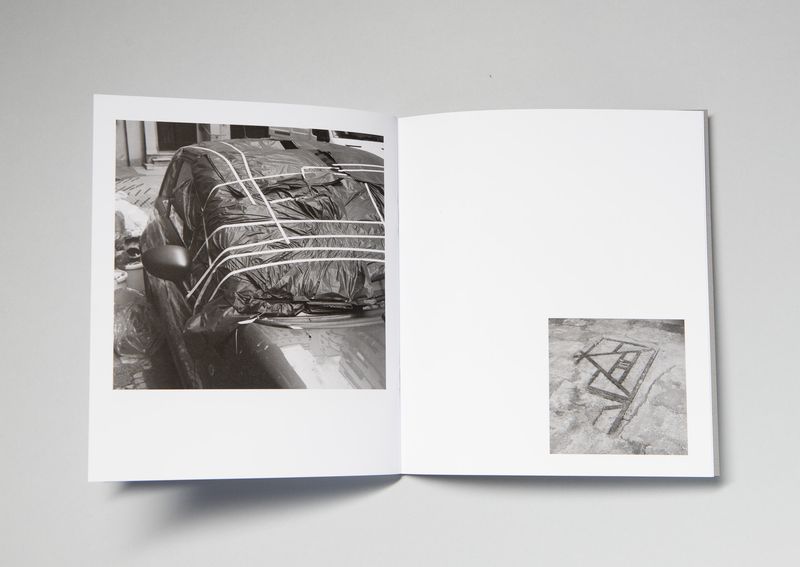
Working directly onto a printed copy, I began drawing, cutting, covering, inserting pages, attaching materials, and disrupting the book’s original sequence. These actions do not illustrate the photographs; they continue their logic. The interventions function as acts of inhabitation, transforming the publication into a site of negotiation between imposed form and personal agency.
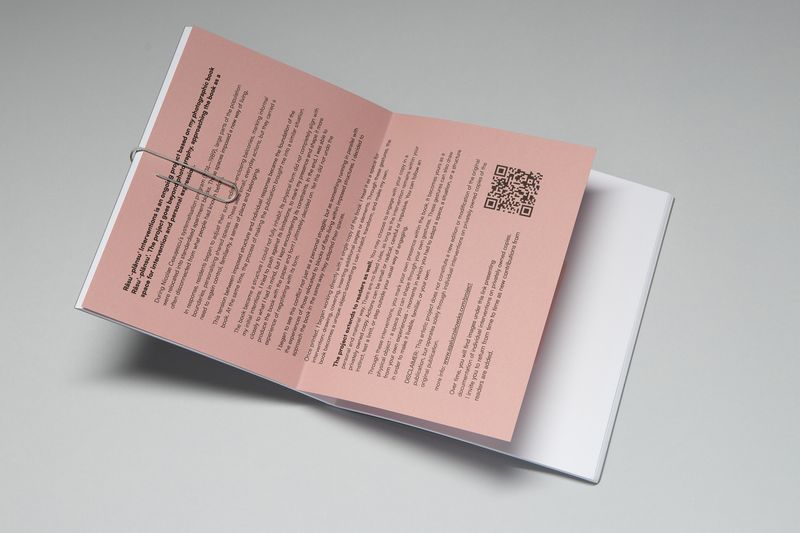
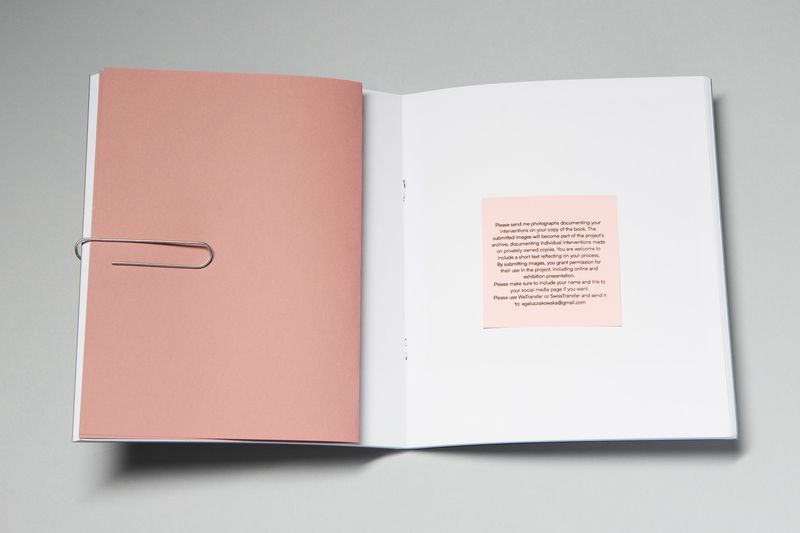
The project also extends beyond my own copy. Readers are invited to intervene in their privately owned books, altering them through gestures that may be subtle or radical, careful or destructive. Each modified copy becomes a unique response to the publication and an extension of its central questions.
Part photobook, part artist’s book, part ongoing collective archive, Râsu'-plânsu' Interventions rejects the idea of the book as a fixed and completed object. Instead, it treats the publication as living territory: something to occupy, challenge, personalise, and transform.
As one viewer described it, the interventions work like “throwing a wrench into the photographic machinery of the Big Book.” The project embraces that disruption. It interrupts the authority of the finished publication and opens space for improvisation, contradiction, humour, damage, repair, and participation.
The result is not a book about adaptation. It is adaptation enacted on the book itself.