L'dor Vador
-
Author
-
DesignerGiovana Schluter-Nunes
-
Link
-
Pages144
-
Dimensions8.5x11"
-
ISBN979-8-234-05419-7
-
PublishedJuly 2026
A photographic portrait of Jewish summer camp and the young girls growing up within it--exploring identity, belonging, friendship, and the traditions that connect one generation to the next.
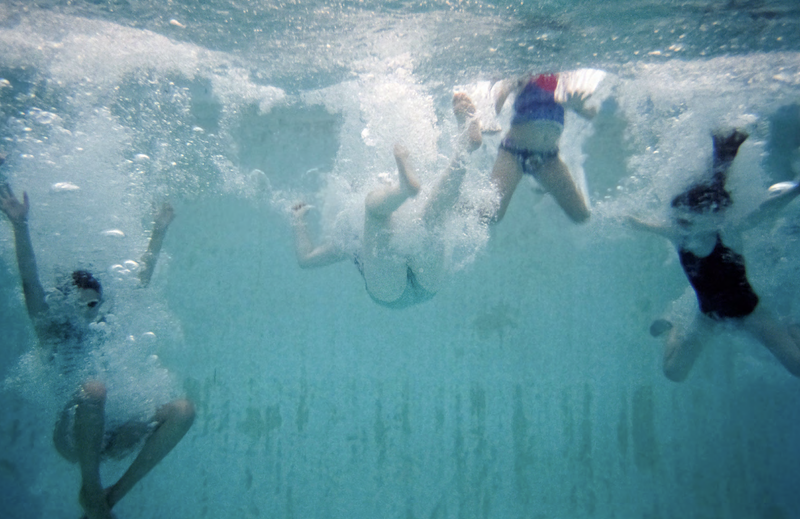
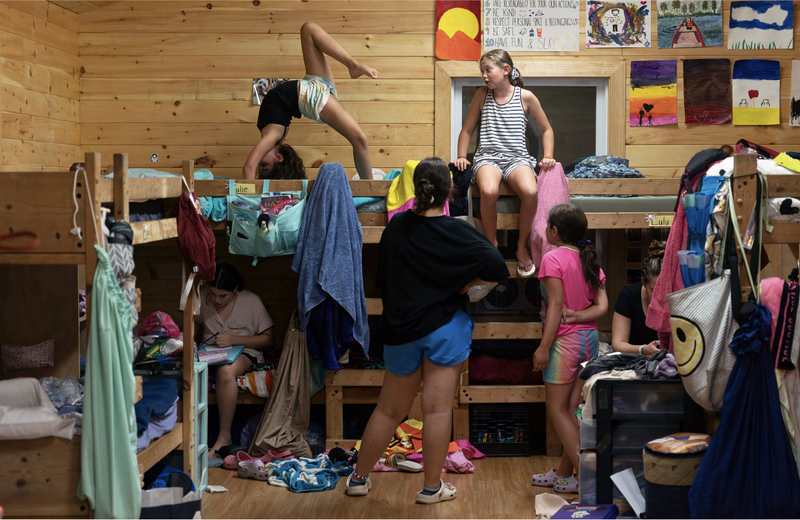
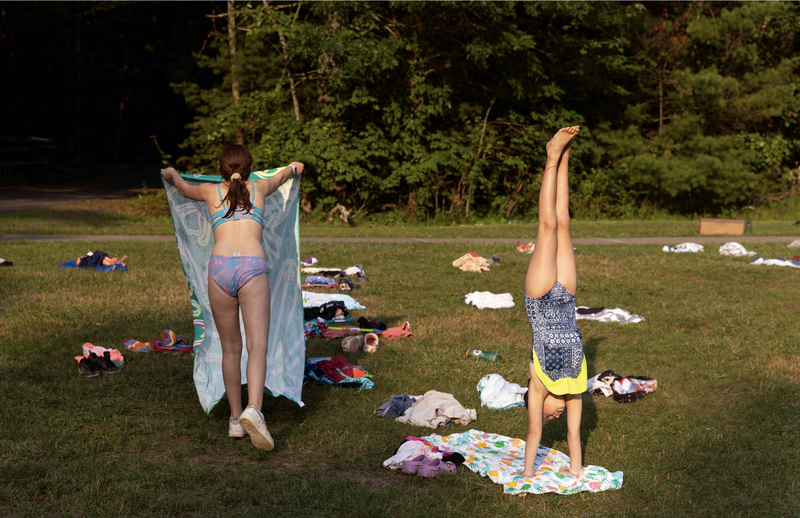
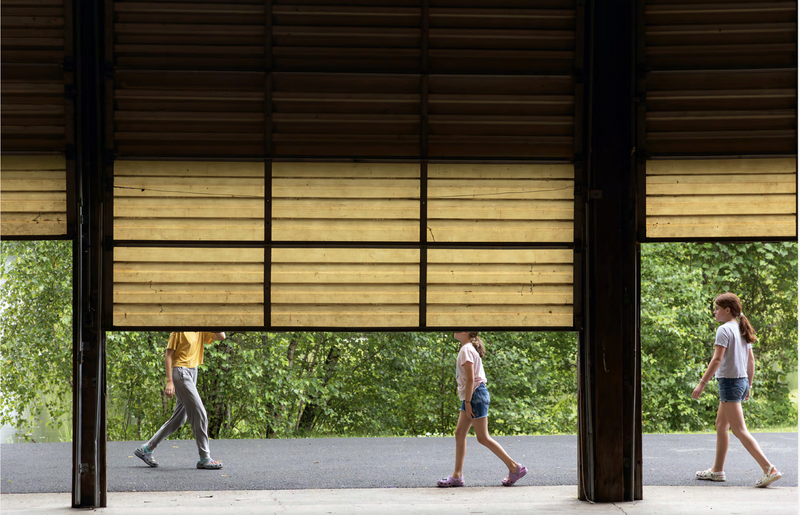
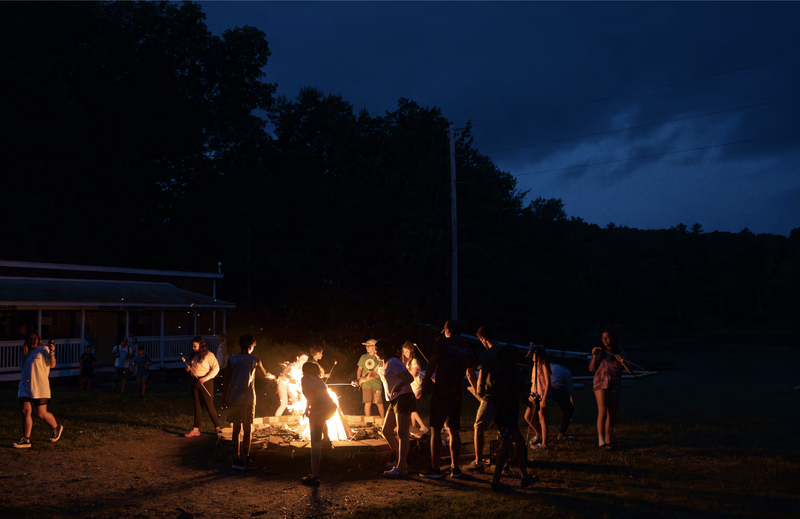
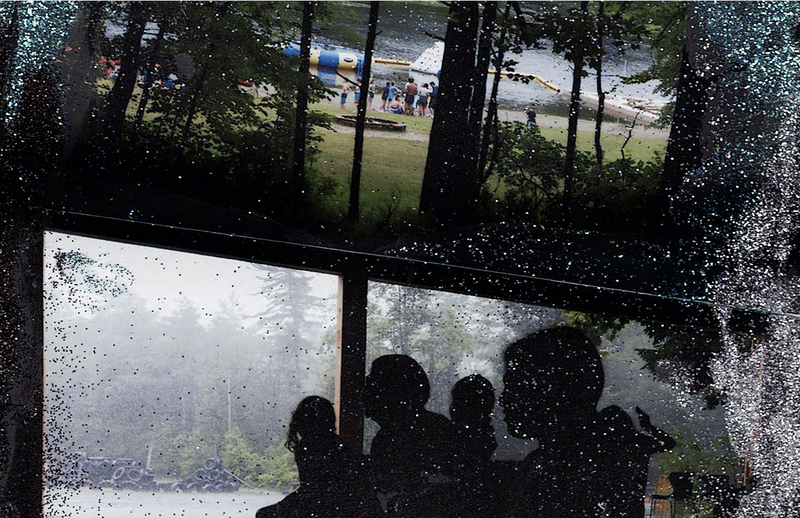
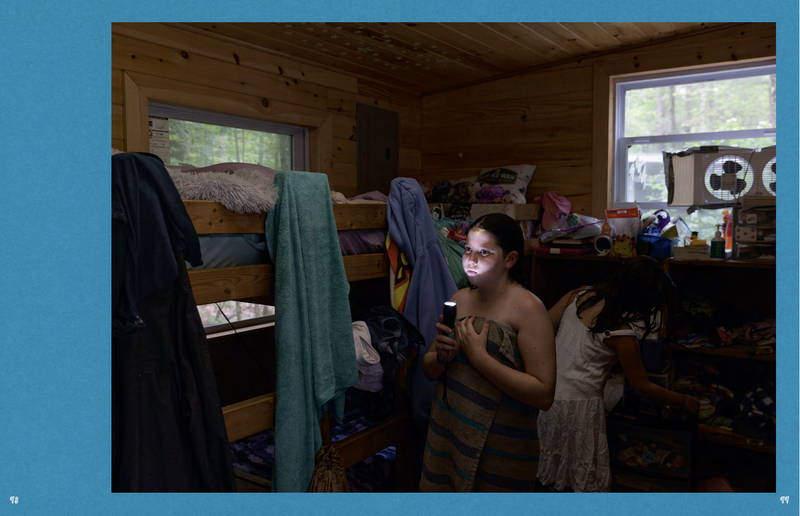
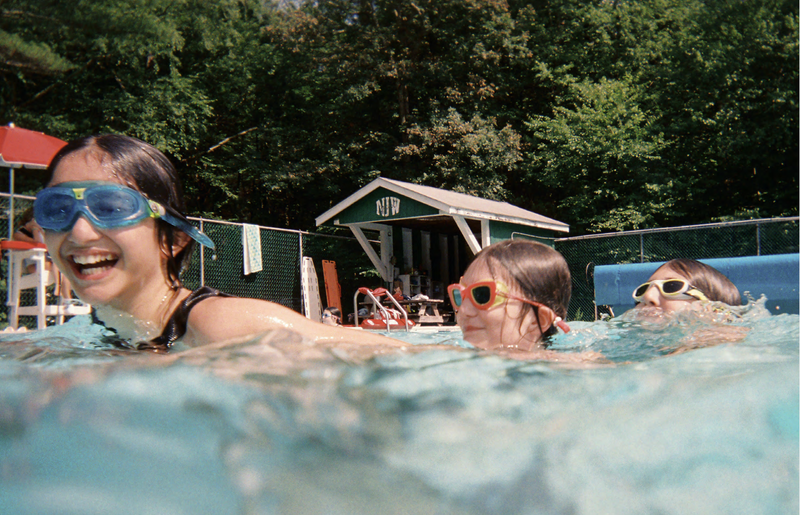
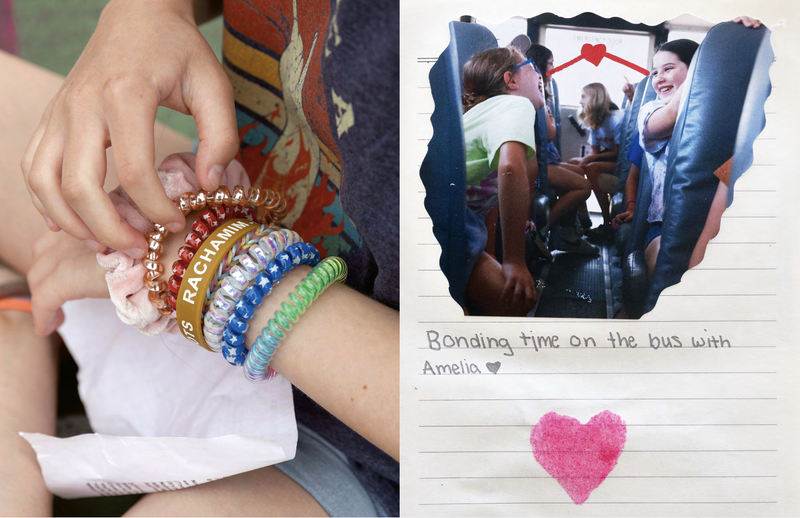
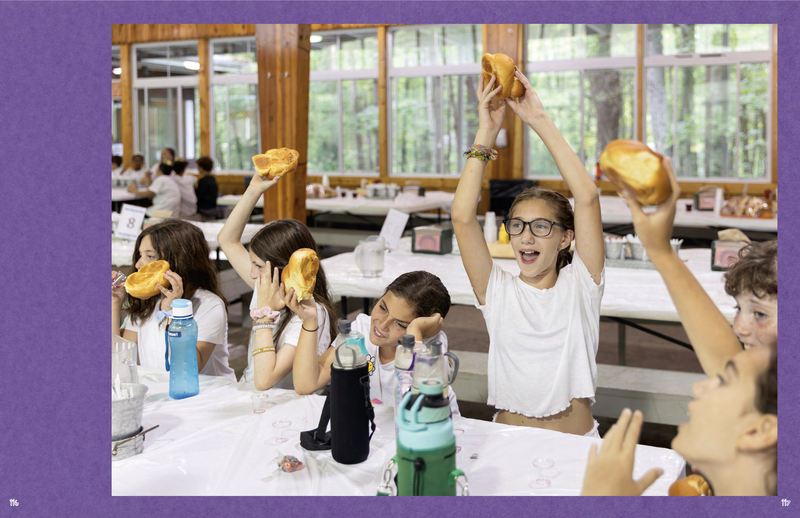
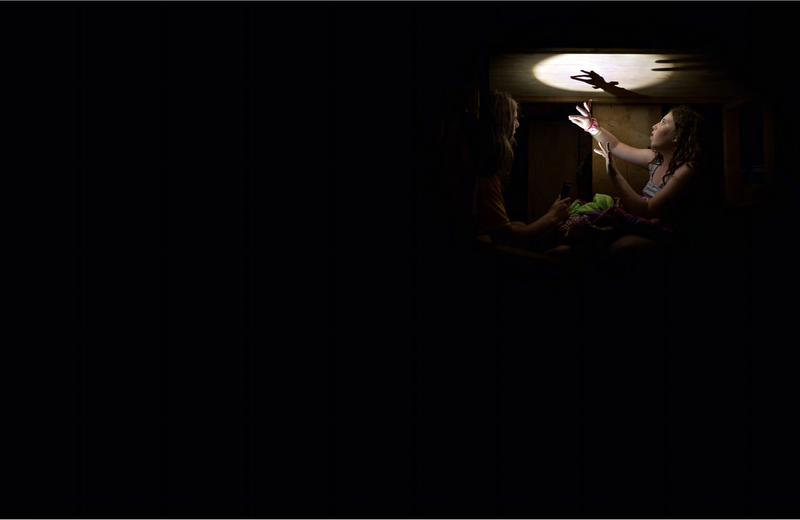
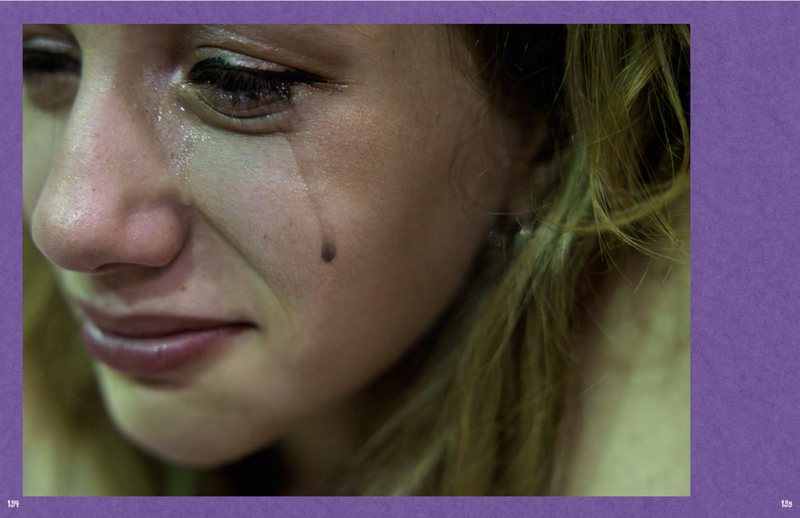
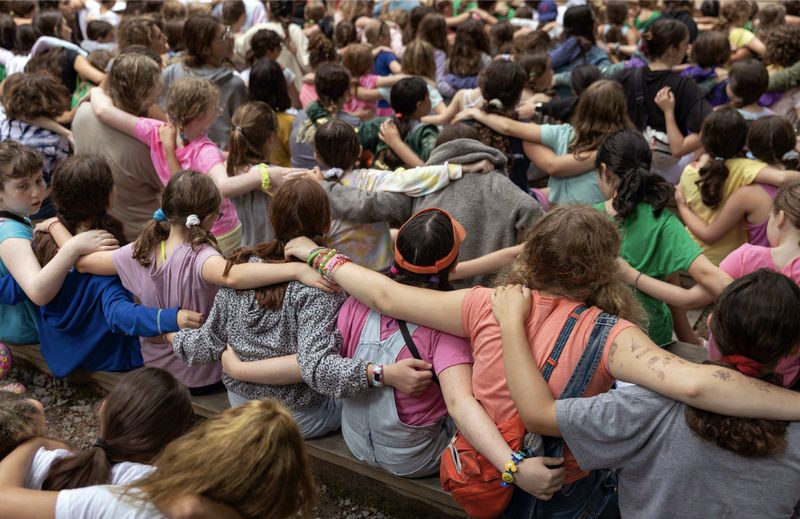
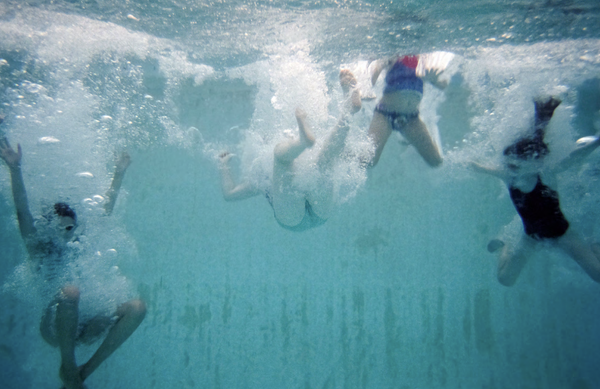
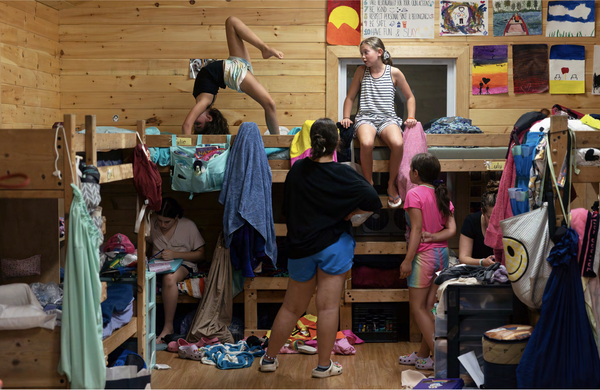
L’dor Vador (“From Generation to Generation”) is a 144-page documentary photobook exploring the experience of coming of age as a Jewish person through the quintessentially Jewish-American ritual of sleep-away camp. Over three summers, photographer Rachel Wisniewski followed one bunk of girls at Camp Nah-Jee-Wah, a Jewish sleep-away camp in rural Pennsylvania, as they navigated the years leading up to their bat mitzvahs. Their coming of age reveals how Jewish identity is shaped through lived experience in a whimsical world of s’mores, hair braiding, and swimming. The book is also a meditation on the moonstruck world of girlhood: its rites of passage, emotional undercurrents, and wild self-expression, and the rare space where young girls can be wholly and authentically themselves.
There has never been more pressure to sustain Judaism. Jews make up less than 3% of the population and have the lowest birth rates and highest intermarriage rates of all religious groups in America. Research shows that camp has a record of bolstering Jewish identity. Camp helps youth establish strong friendships, ethics, and pride, all of which contribute to a lasting sense of community. Today, as the Jewish community struggles to raise a new generation of committed Jews, camps are one of the most important resources for Jewish experience and identity. This book asks what it looks like to preserve a culture not through monuments or museums, but through campfires, Shabbat services, and lifelong friendships.
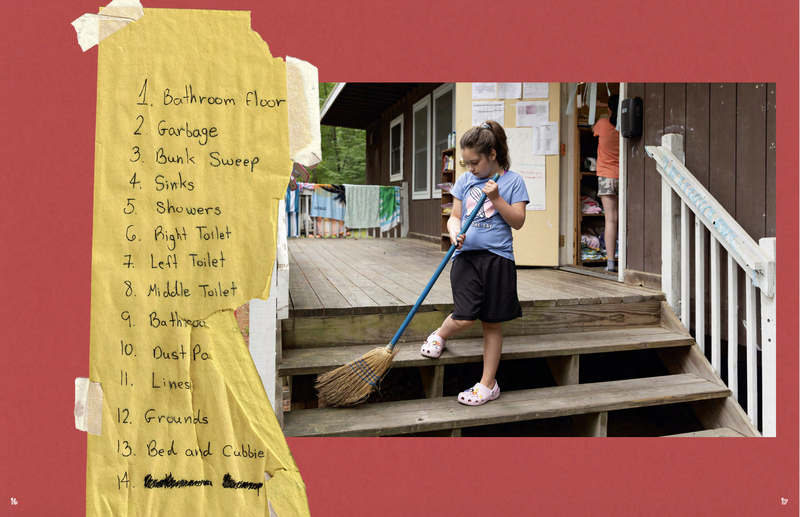
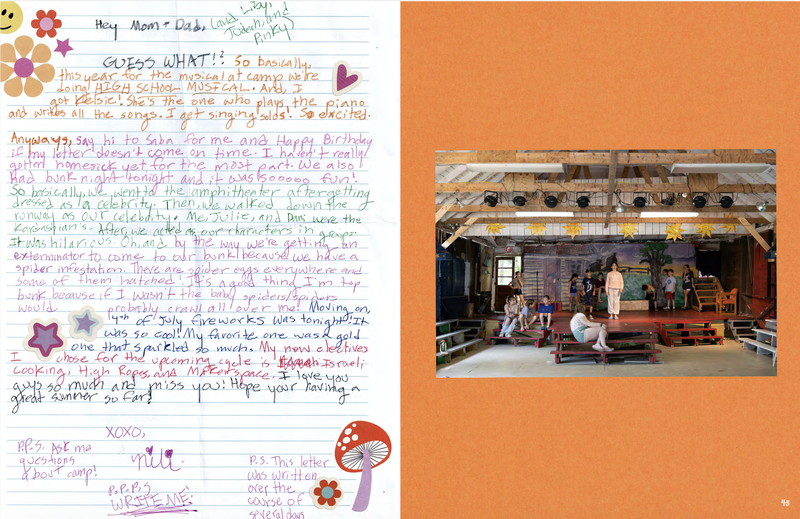
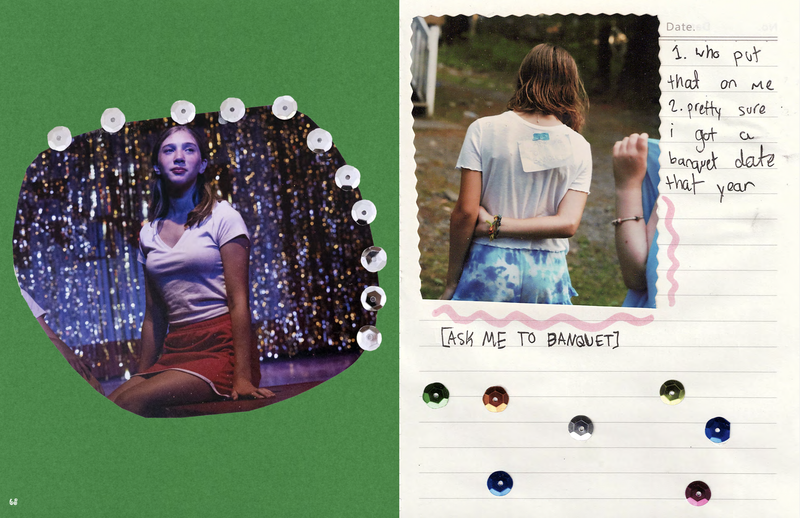
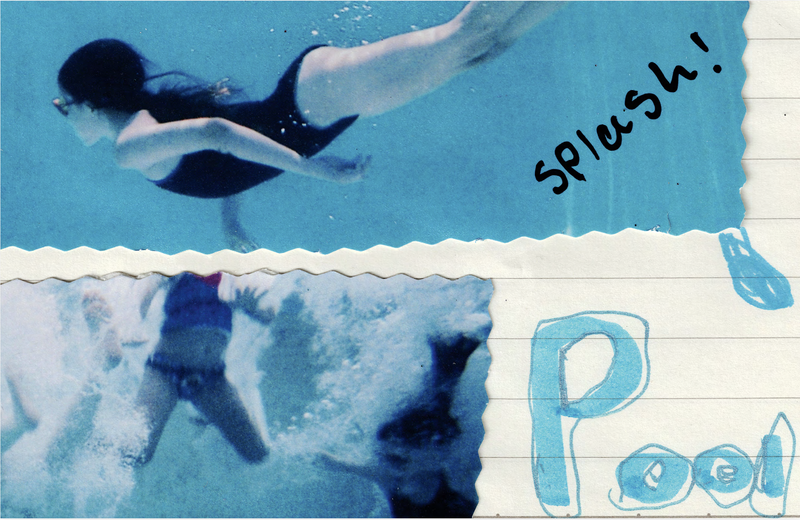
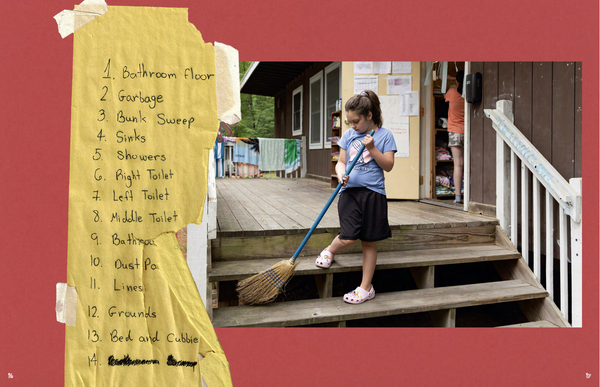
Unlike a traditional photography monograph, L’dor Vador was conceived as a collaborative object. Alongside photographs, the book incorporates the campers’ handwritten letters home, drawings, and collages: allowing the girls to become active participants in telling their own story. Their voices provide humor, vulnerability, and a tactility that photographs alone cannot. Two essays also contextualize the history and enduring importance of Jewish sleep-away camps, placing the personal narrative within the broader story of American Judaism.
In an increasingly digital world, camp offers something increasingly rare: a phone-free space where children can create, explore, express themselves, and grow together. Though L’dor Vador focuses on a Jewish camp, the themes it depicts—friendship, exploration, identity, creativity, and self-expression—are universal. Every person deserves a safe space to learn, grow, and have fun. The book captures the timelessness of childhood and the sun-soaked memories that make us all nostalgic for who we once were.
Much of the visual representation of Jewish life continues to center on persecution, violence, and the Holocaust. L’dor Vador offers a different narrative, focusing on joy and connection rather than persecution and loss. Just as sleep-away camps are keeping Judaism alive in America, this book is my own attempt to immortalize a changing Jewish world and the children who will carry it forward. The future of American Judaism rests on the shoulders of today’s youth—shoulders which get tanned at sleep-away camp.
L’dor Vador was first published in The Washington Post in 2023 and, the same year, ten prints from the project were acquired into the archives of The Library of Congress. The project was exhibited at Photoville in Brooklyn, New York in 2024. It was published as a monograph in July 2026. The book is 8.5x11 inches, 144 pages, with a soft cover and lay flat binding. It includes digital and film photos made between 2021 and 2023, and collaged materials made by the campers in 2024.