Pretend There Is Water: Bebe Blanco Agterberg On Fiction And Collective Memory
-
Published28 Jul 2026
-
Author
- Topics Contemporary Issues, Documentary
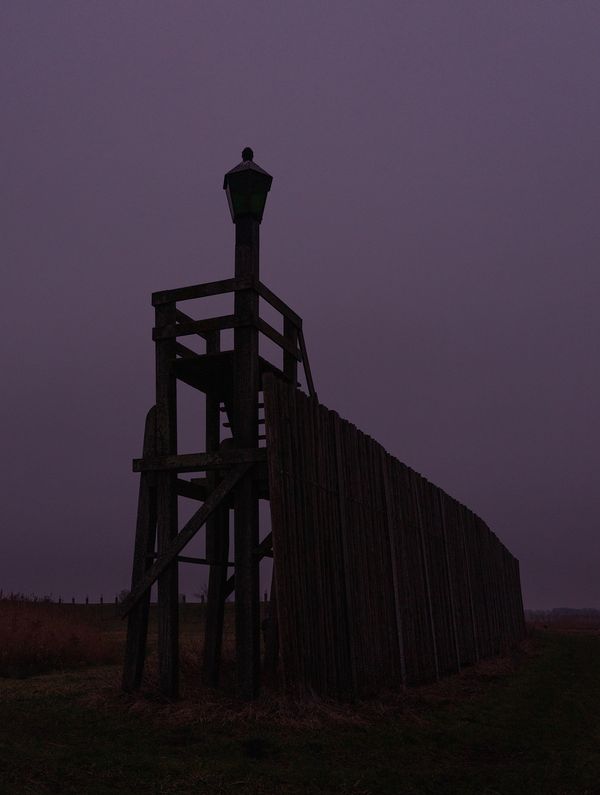
The Netherlands is built as much on stories as it is on reclaimed land. Pretend There Is Water uses staged photography to revisit the myths behind the country's relationship with water, asking how they continue to shape identity in a changing climate.
What if the stories we inherit shape not only how we remember the past, but also how we understand the present and imagine our future?
The work of Dutch photographer Bebe Blanco Agterberg examines how history, memory, and identity are shaped through collective stories. Rather than treating folklore as historical fiction, she approaches Dutch water myths as living narratives that continue to influence political decisions, environmental thinking, and the ways societies imagine their future.
Following her selection through the PhEST Pop-Up Open Call 2026, part of the 11th edition of the International Photography and Art Festival in Monopoli, Italy, we spoke with Bebe about fiction, collective memory, and the stories that shape our relationship with water. You can visit the festival from August 7 to November 1.
Ciao Bebe, let's dive right in. Schokland is a very fascinating place to set a project about water, precisely because it is now an island without water. What brought you to this particular place?
A year before I started Pretend There Is Water, I was researching new approaches to water management in the Netherlands. I visited NIOZ, where I spoke with senior research leader Tjeerd Bouma. He told me that much of his time was spent lobbying for funding because coastal protection through working with nature was not considered urgent enough.
When I asked why, he said that culture stood in the way of progress. This stayed with me. He explained that we keep repeating the same story about our historical relationship with water: that we conquered it, solved its challenges, and will therefore be able to deal with whatever comes next. This belief shapes the way we approach the future and can make us less open to new ways of thinking.
From that moment, I became interested in how deeply rooted narratives, closely tied to identity, influence the way we respond to environmental challenges. This led me to research the stories we have told about water since the origins of the Netherlands and eventually to Schokland, a place that represents both loss, through repeated floods, and reclamation, as it later became part of the land reclaimed from the Zuiderzee.
As you spent more time on Schokland, you started looking into local legends about water. What drew you to these narratives, and what role did they begin to play in the project?
I love stories from the past because they hold both a certain truth and a sense of playfulness and imagination. They are accessible to many people, often built around emotions such as pride, grief, trust, and connection to the land.
When I spoke with historian Adriaan Duiveman, he explained that when the Netherlands was forming as a nation, it needed common enemies to create a shared identity. One was Spain, the other was water. The stories we tell within a society work like glue: they hold us together and reflect the values we attach to ourselves. Even when they no longer correspond to reality, they continue to shape how we see ourselves.
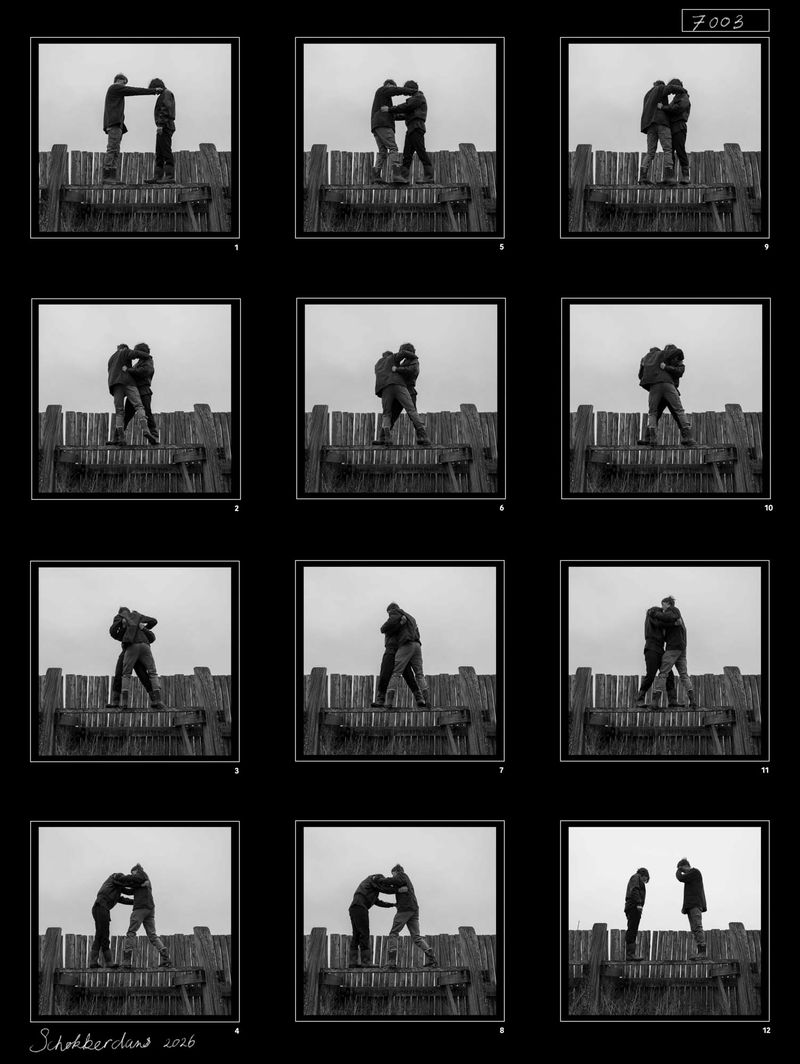
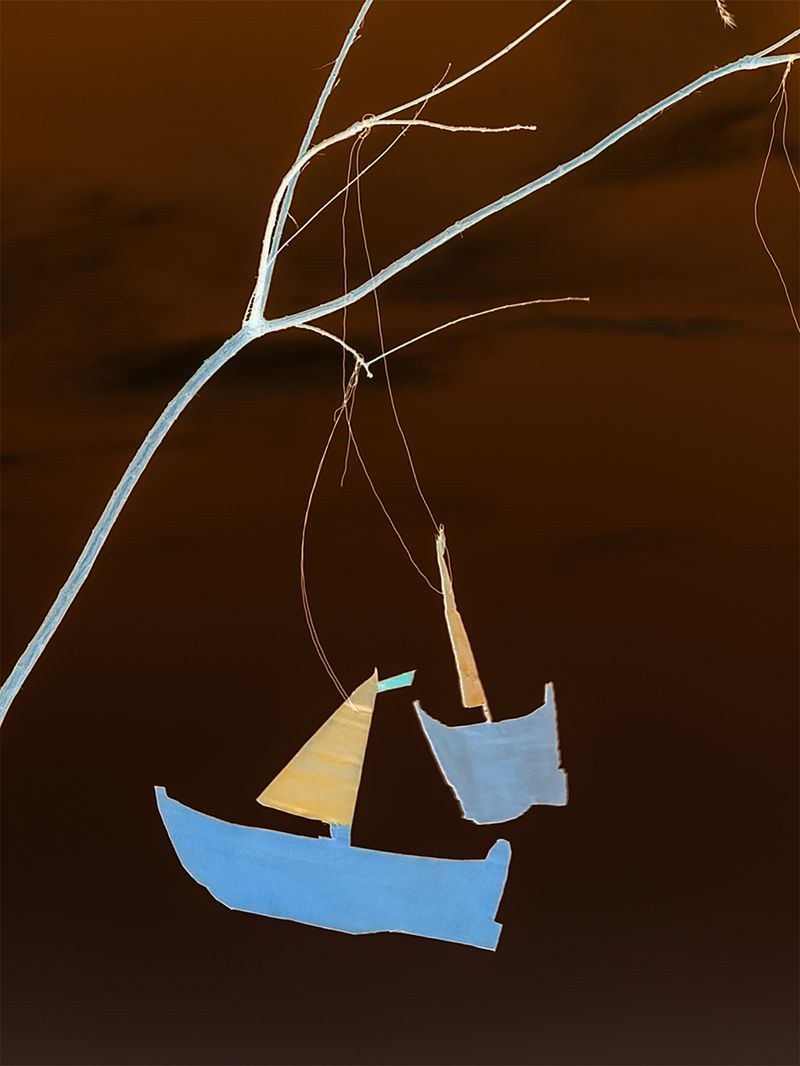
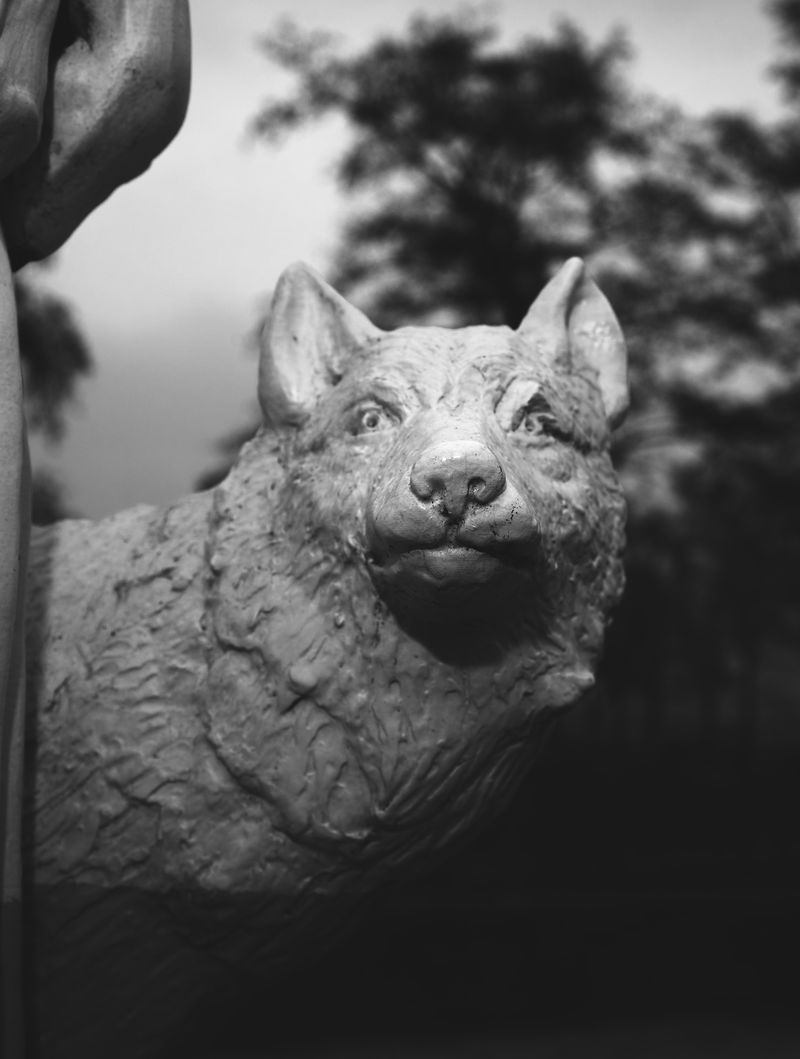
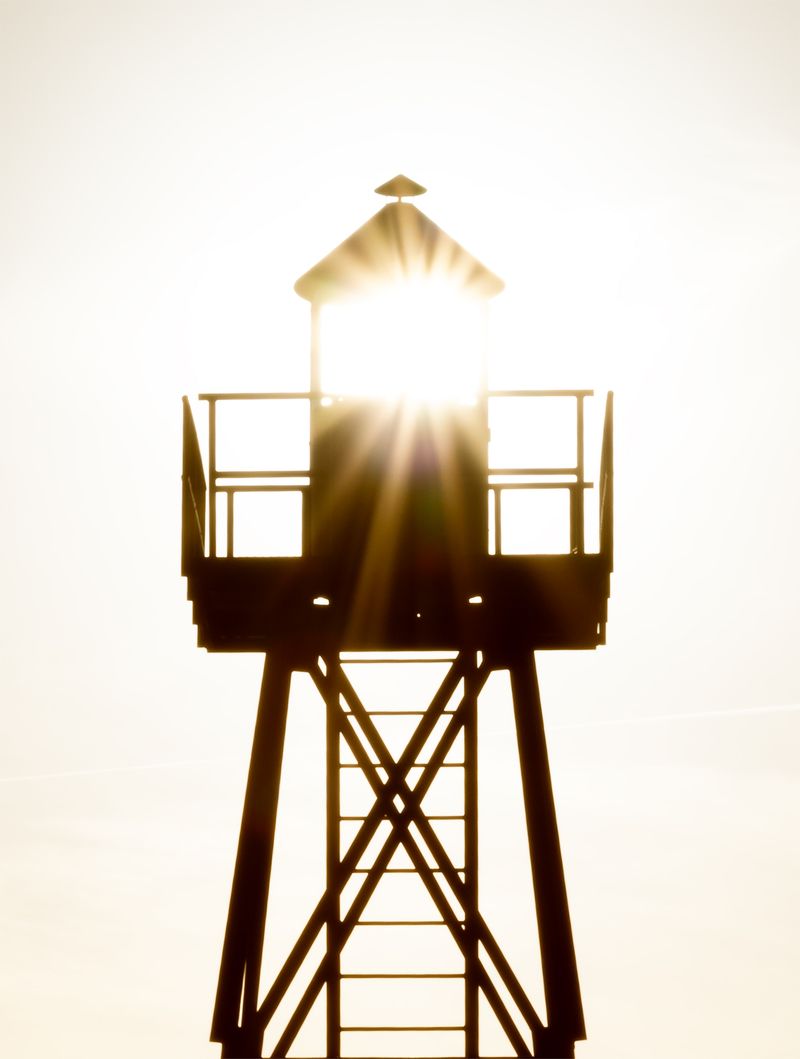
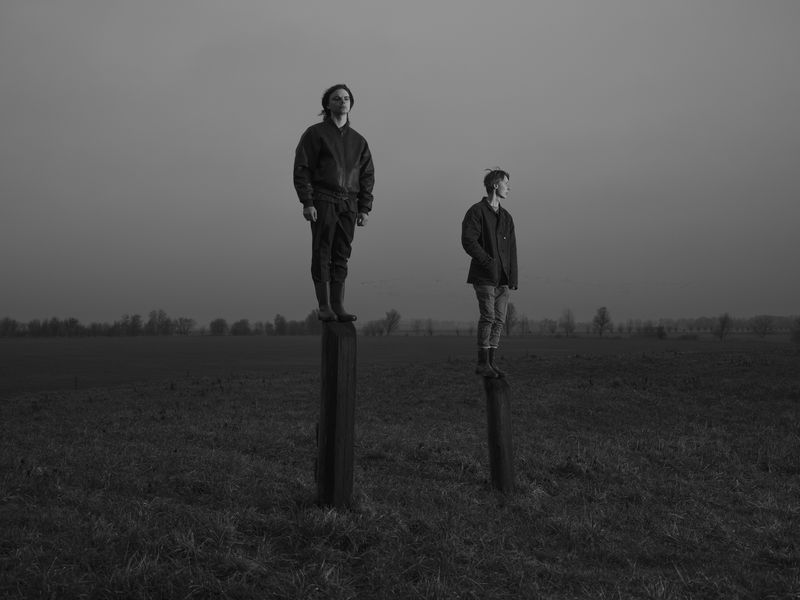
Stories such as the Schokkerdans, a dance created by islanders navigating narrow paths surrounded by water, and the Water Wolf, an image of water as a force threatening the land, became starting points for the project. I began staging these narratives, bringing stories that still exist in our collective memory back into physical space.
Your project questions the language of fighting, defending, and conquering that has shaped the Dutch relationship with water. How did you approach creating a different narrative?
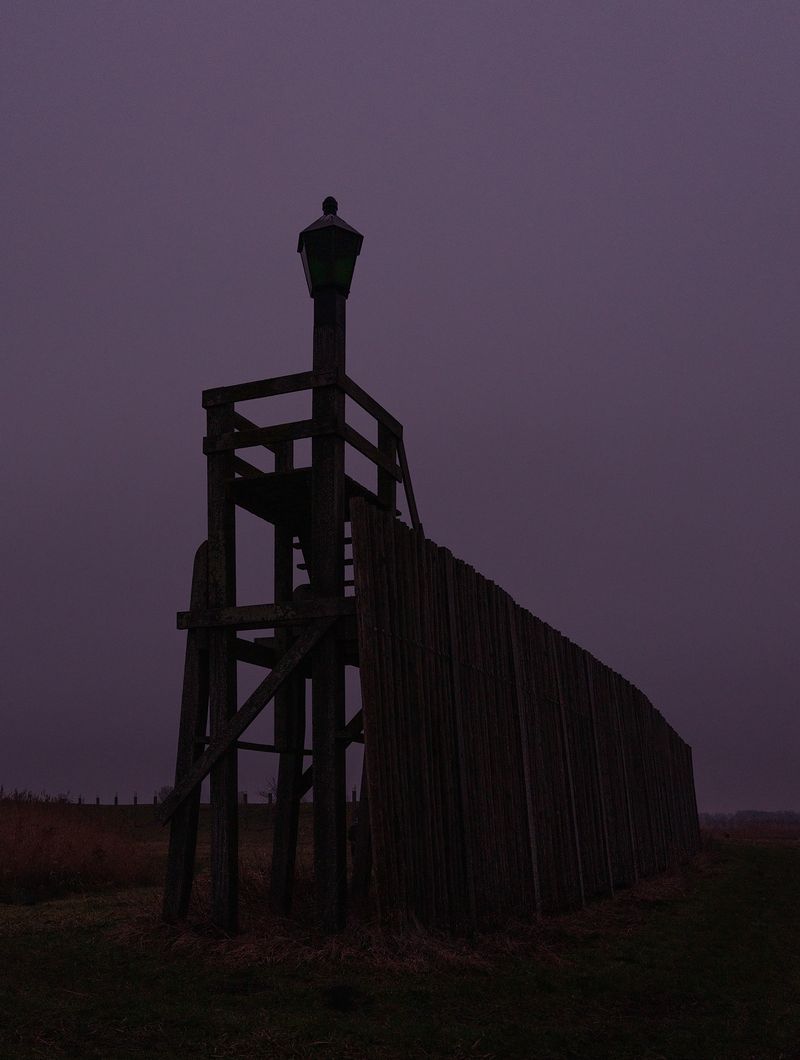
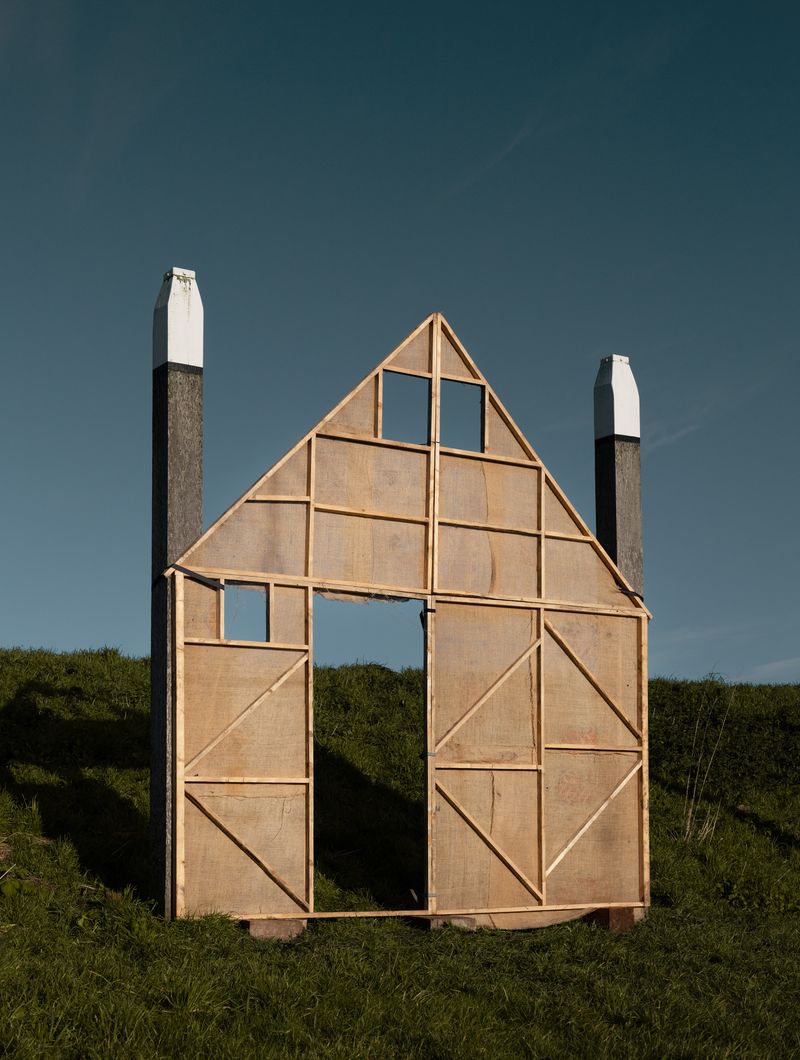
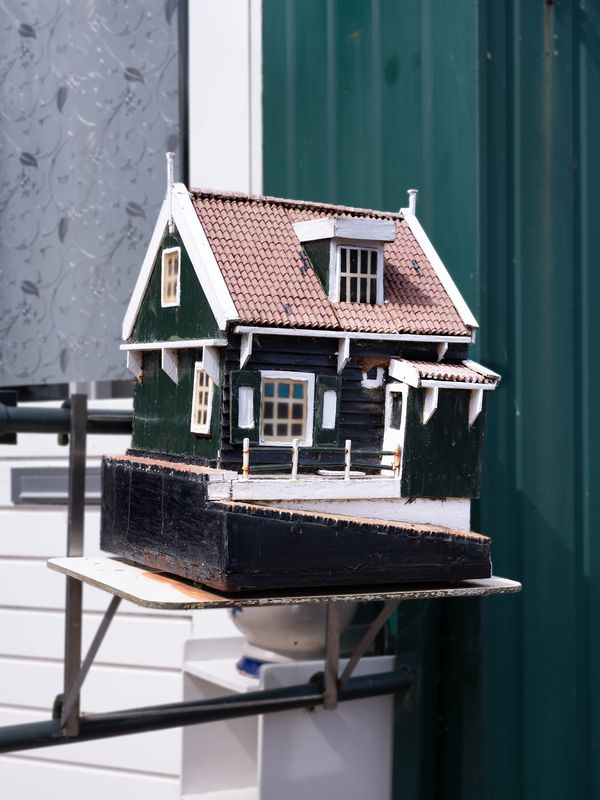
All the images are taken at symbolic places in the Netherlands, locations that represent three recurring narratives around water: the battle against water, the loss caused by water, and the possibility of working with nature rather than against it.
Many of these places are now abandoned, turned into monuments, museums, or cultural heritage sites. They are often seen as belonging to the past rather than the future. But I think that is a misconception. These places can also offer glimpses of what our future might look like.
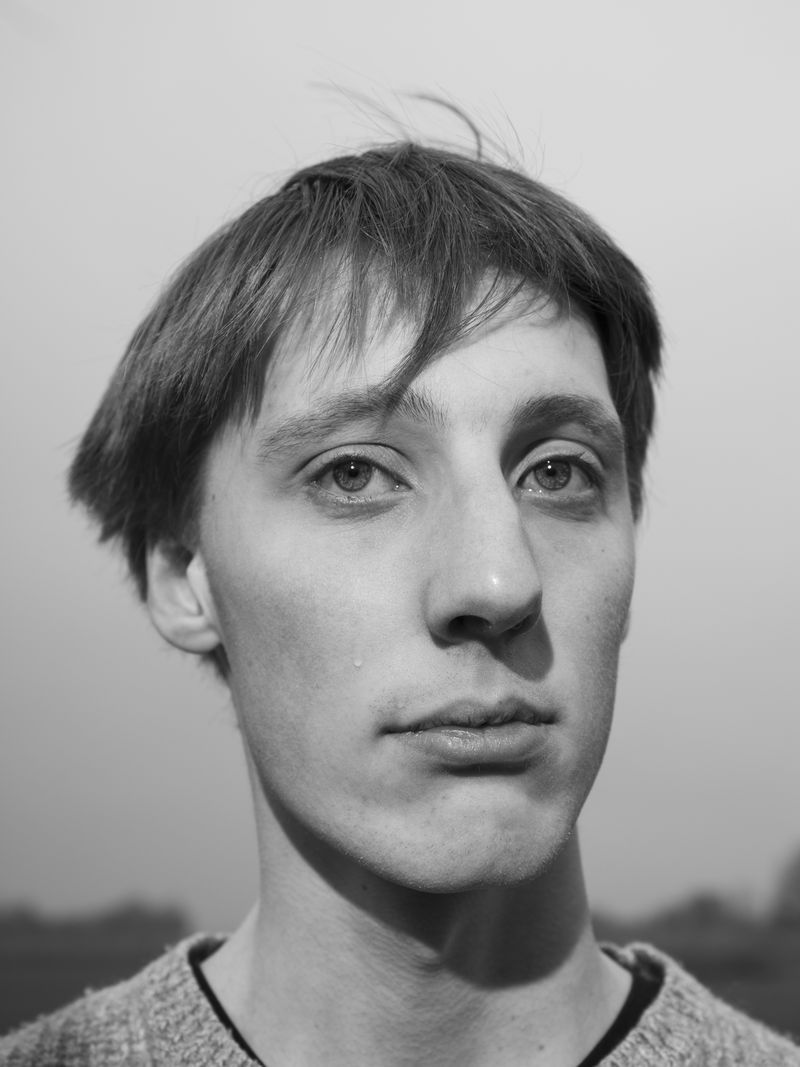
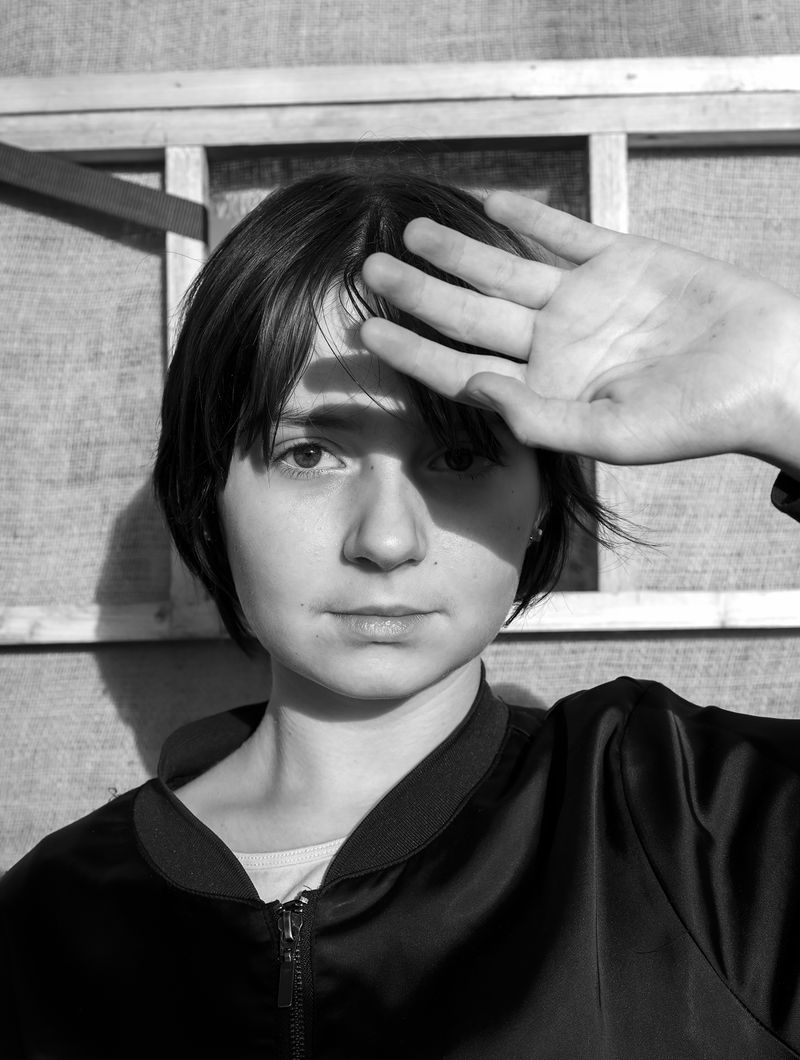
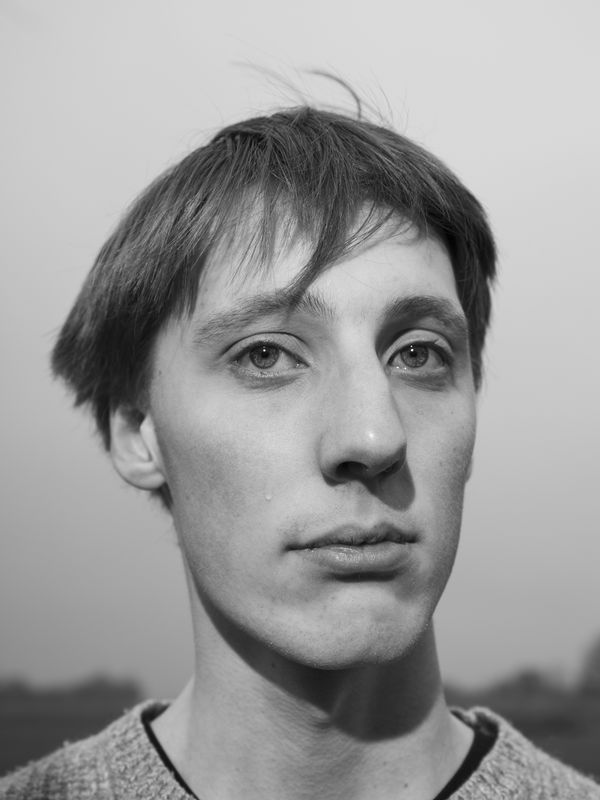
By reactivating these landscapes and staging water stories within them, I try to create a new narrative. An important part of this process is working with young actors from the regions where these stories originated. Their roots are connected to these places, but they are also the generation that will experience what comes next. Working with them brings the past and the future into the same frame.
Your project talks about water without relying on images of water itself. Fiction has long been part of your practice. How did fiction help you make something invisible feel tangible?
As I developed the project, I realised that it was more interesting not to show water at all. The project is not about water itself, but about the stories we tell about water.
Fiction has always been important in my practice. It is where reality and imagination meet, and where we can approach truths that are not always visible. I often think of Turkish writer Elif Shafak, who describes stories as something through which truth flows, like air through a flute. Fiction can reveal truths in a way that only fiction can. It is always inherent to the work I make, because I don't see documentary and fiction as separate entities.
Looking through your work, there are shifts between black and white and colour. Were you interested in using those visual conventions to challenge how we read photographic truth?
Black and white images often carry an association with truth and objectivity, the idea that they are somehow more real or that they belong to history. But black and white does not make an image more truthful; it is simply a visual convention we have learned to read that way.
By combining black and white and colour within the same series, I wanted to question these associations and show that this supposed objectivity is a construction rather than a fact.
I wanted the viewer to lose their sense of time and stop trying to place an image within a specific moment. The story is not only about what happened in the past or what is happening now, but about something that continues and repeats itself. An image could belong to fifty years ago, or it could be from tomorrow.
You introduce contact sheets in your work. What first drew you to working with that format?
When I started the project, I looked closely at previous photographic work about water and the Netherlands. This led me to the work of Dutch photographer Cas Oorthuys, who photographed water extensively. While Oorthuys’ contact sheets are shaped by chance and observation, mine are shaped by direction. The sequence itself becomes a scene unfolding rather than a collection of accidental moments.
A contact sheet traditionally represents transparency: a raw, unedited record of observation. By using this format for staged imagery, I wanted to question that authority. I borrow the language of evidence for something that is entirely constructed. It connects to one of the central questions of the project: what we accept as evidence is not something given, but something we decide.
At the same time, a contact sheet places the viewer in the position of an editor. It asks them to compare, choose, and decide which image matters.
Contact sheets and handmade Harlinger tiles become important elements in the project. How did these forms become part of the storytelling?
While researching this project, I spent days in the Rijksmuseum library looking at how stories about water had been represented throughout history. This is where I discovered the tradition of Dutch tile tableaux, particularly those depicting heroic scenes of water and land reclamation.
These tiles were part of everyday domestic spaces, meaning that these stories were literally and physically woven into people’s daily lives.
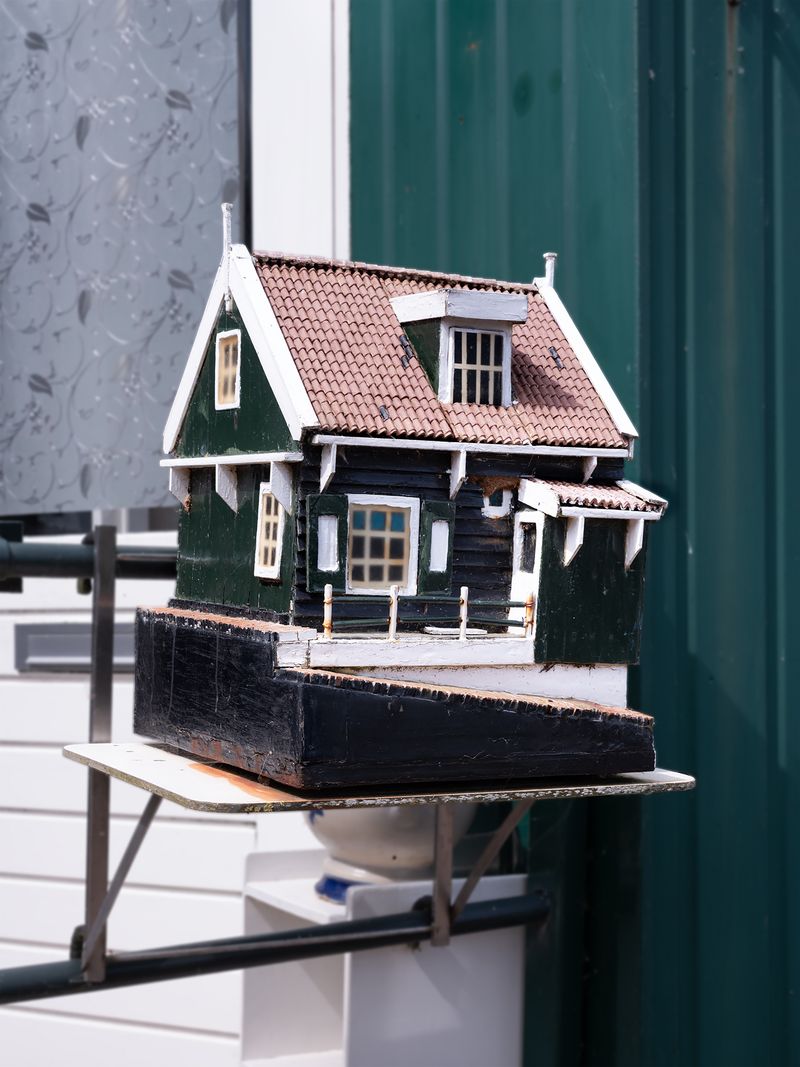
The narratives depicted on historical tiles belonged to a specific time and no longer fully reflected our current relationship with water. I wanted to reinterpret this form and create new images for these old stories. The handmade Harlingen tile, which is still produced today, became the perfect medium for that.
--------------
All images © Bebe Blanco Agterberg
Bebe Blanco Agterberg is a visual storyteller based in Amsterdam, the Netherlands. Her practice examines the relationship between history, images, and collective narratives, focusing on the shifting boundaries between fact and fiction. Through photography, research, and staged imagery, she investigates how media, politics, and society shape the way we understand the past and present. She graduated with honours from the Royal Academy of Art, The Hague, and is a member of Futures.
--------------
PhEST is the international photography and art festival in Monopoli, Italy. PhEST is produced and promoted by the PhEST cultural association, with the support of the Puglia Region and the Municipality of Monopoli. PhEST was founded in 2016 in Monopoli in Puglia from an idea of Giovanni Troilo, artistic director of the festival, and Arianna Rinaldo, who is in charge of the photographic curatorship. With the organizational direction of Cinzia Negherbon. PhEST is photography, cinema, music, art, contaminations from the Mediterranean. A way to give back their own voice to the thousand identities that make up the sea in the middle of the lands, redefining a new imaginary.